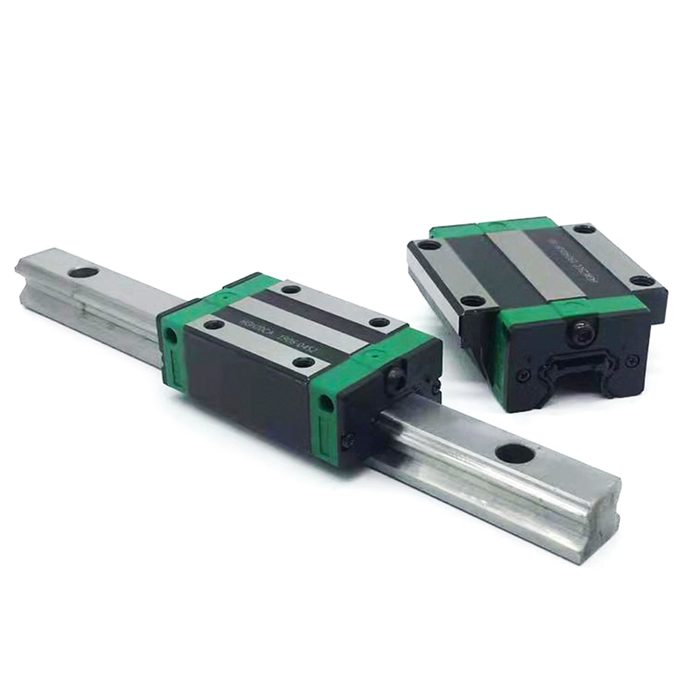
Linear Rails & Guides
Profile rail, round rail, dovetail and cam-roller guideways.
Also searched as: linear guidehgr railmgn railprofile raillinear bearing rail
-
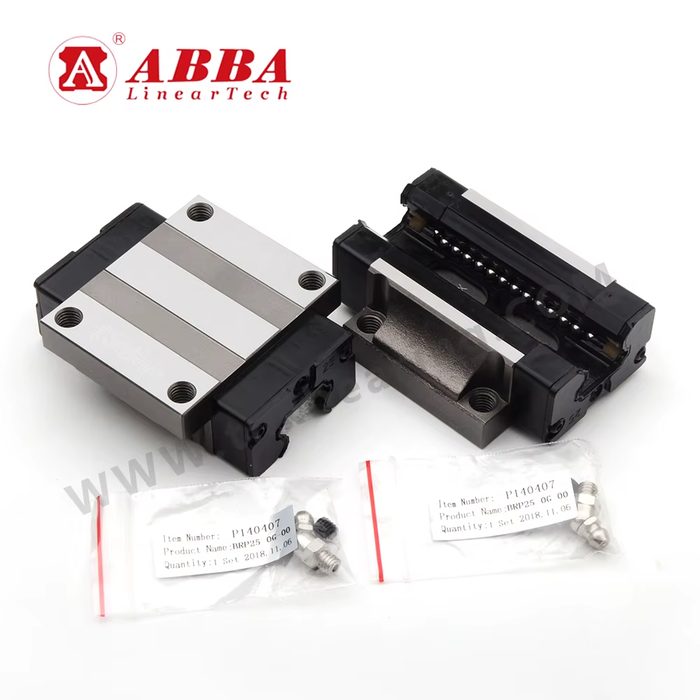
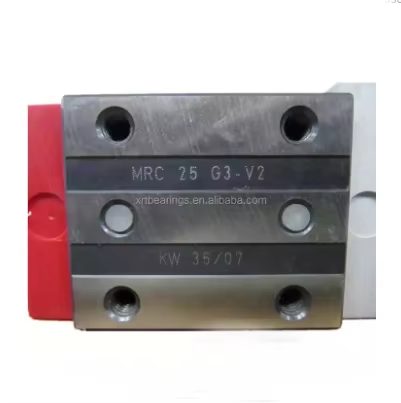
BRC20 Linear Guide
Rail Length: 1-3000mm
-
-
-
-
-
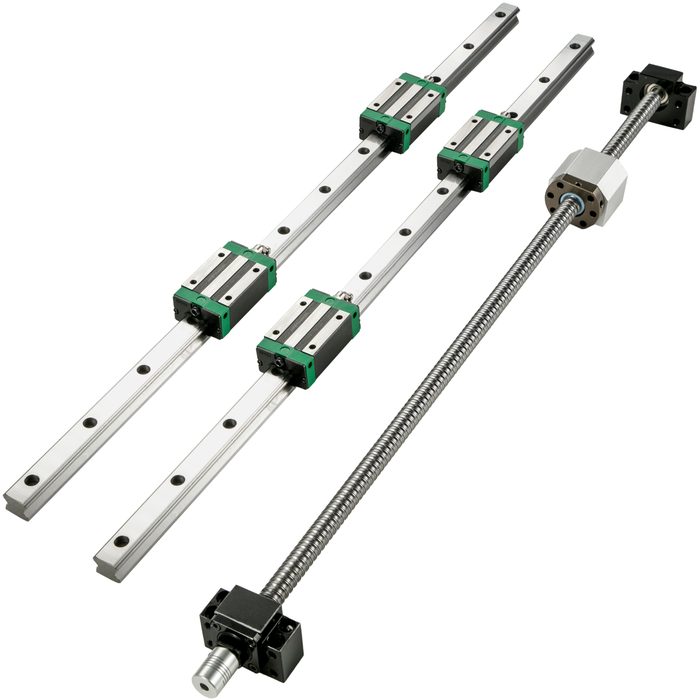
Linear Guide Rail
Load Capacity: 500 NPrecision Rating: Chrome Steel
-
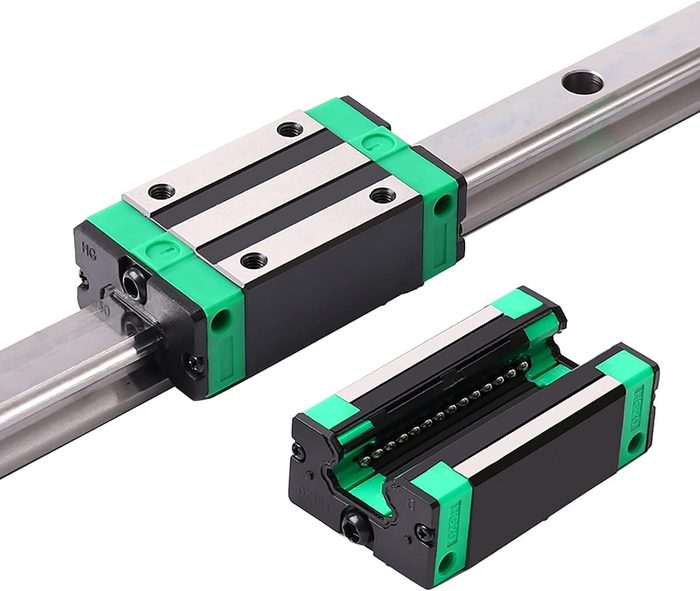
Linear Guide Rail Carriage Slider Block Bearing
Width: 45mm
-
-
-
-
-
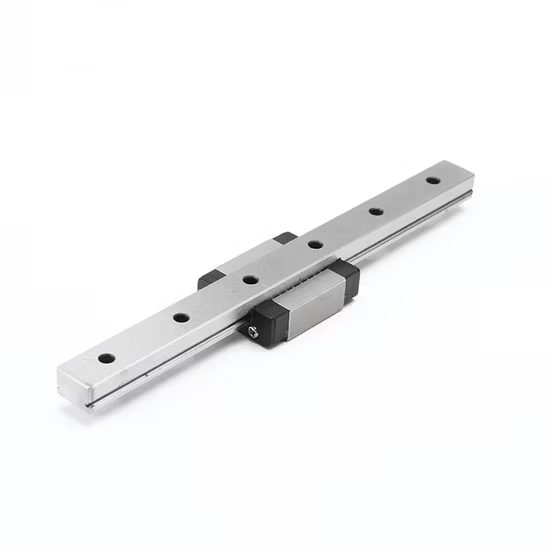
-
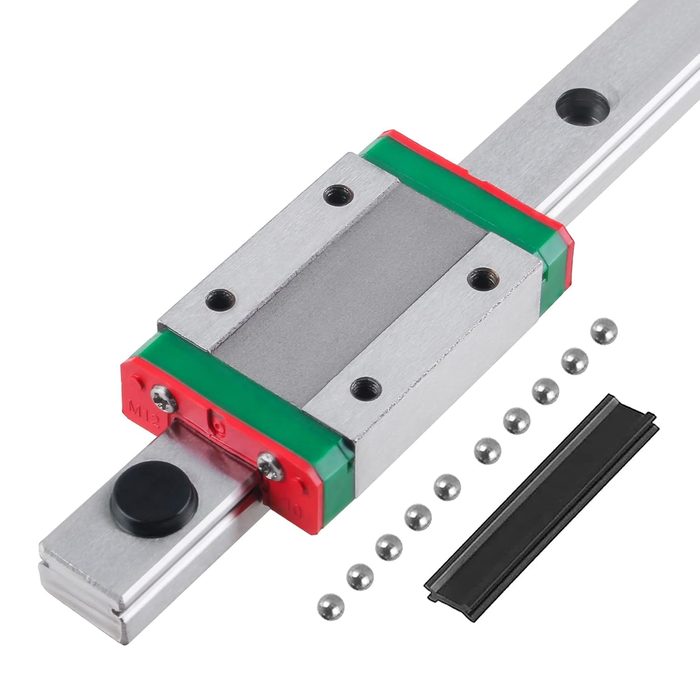
-
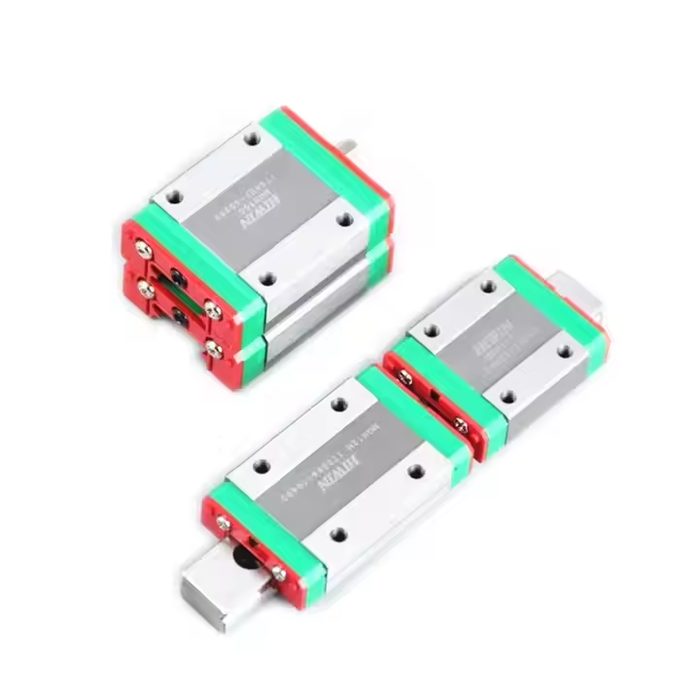
-
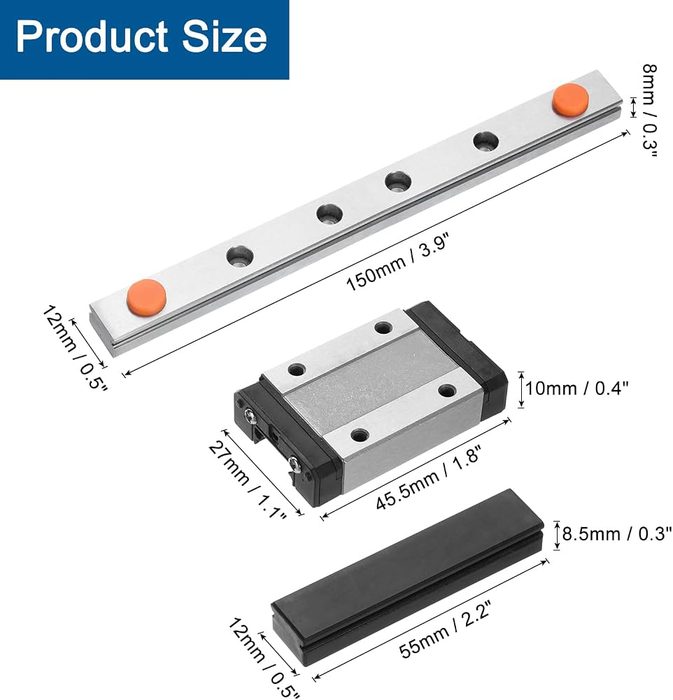
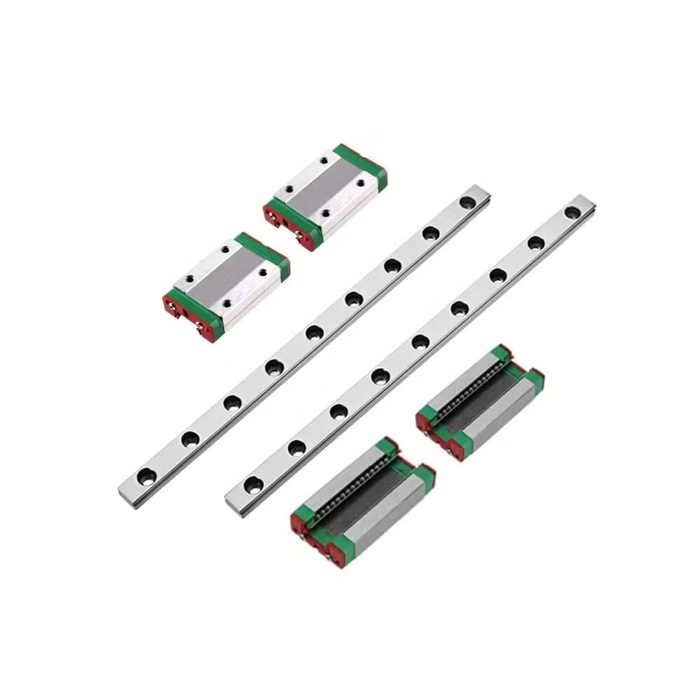
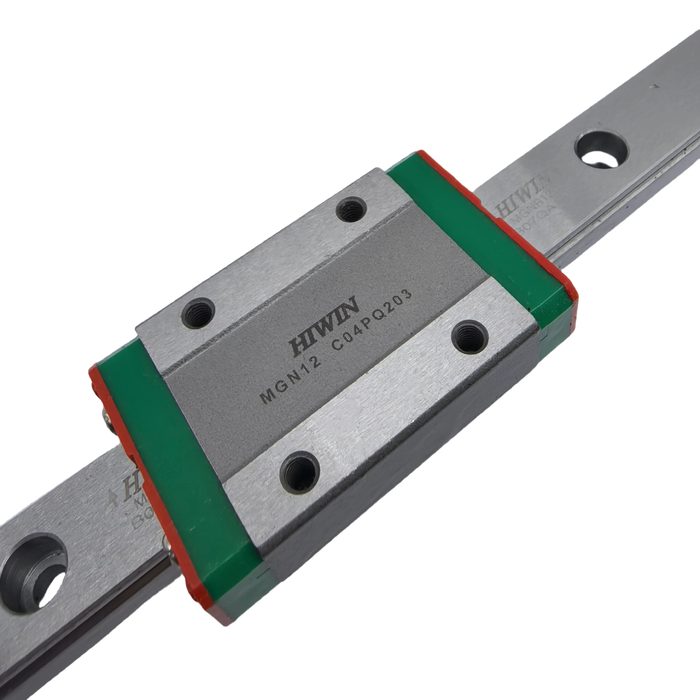
MGN12 Linear Rail Guide 1000mm
Length: 1000mm
-
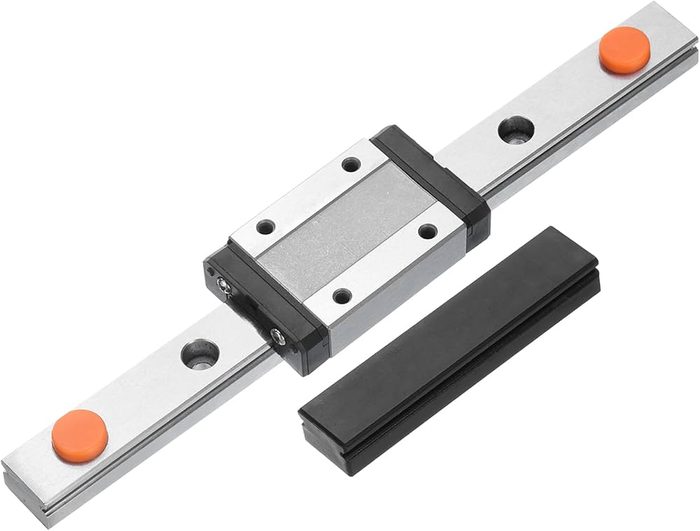
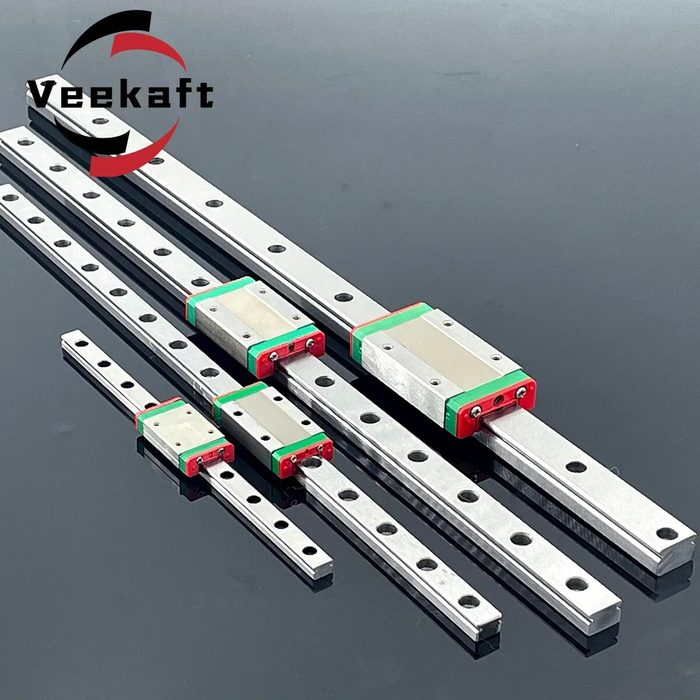
MGN12 Miniature Linear Motion Guide Rail Block Set
Length: 500mmSize: 12mm
-
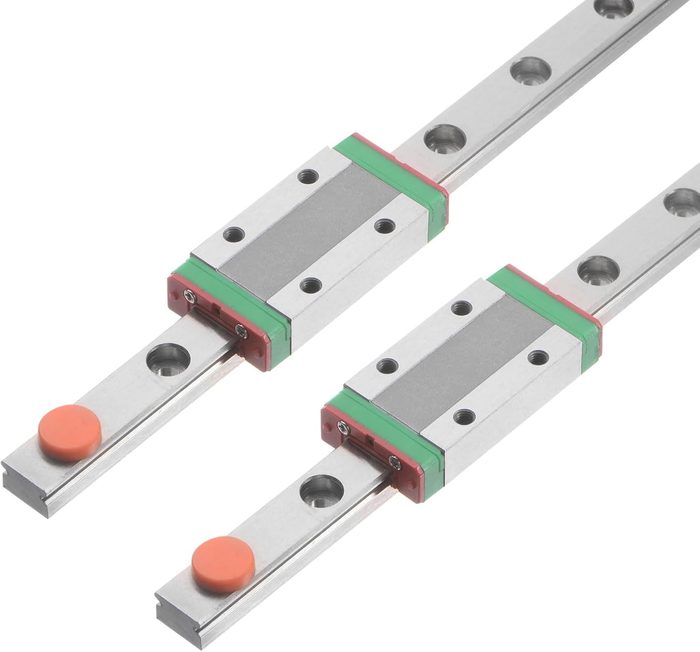
MGN12H MGN12 MGN 12H MGN Rail Block Guid
Accuracy: Grade C,H,P,SP,UPPreload code: ZO,ZA,ZB
-
-
-
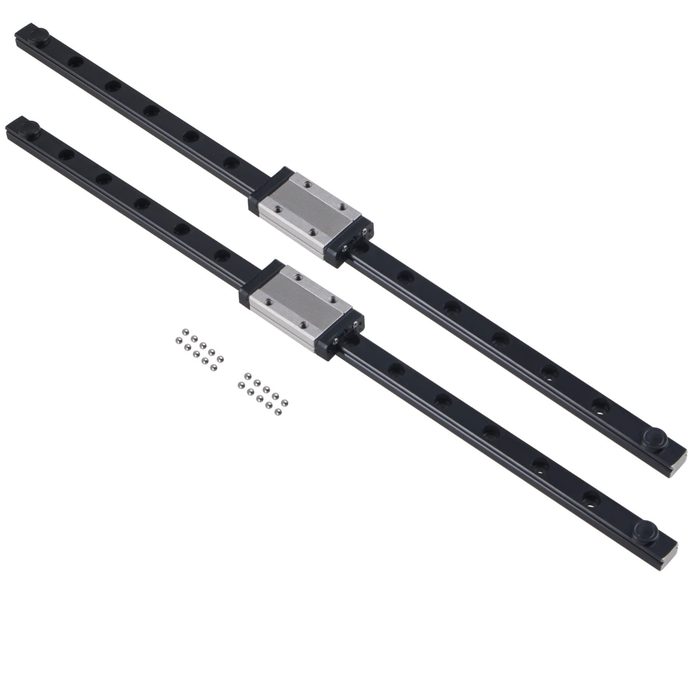
MGN7R Guide Rail 20mm Linear Parallel System
Rail Width: 20 mm
-
About linear rails & guides
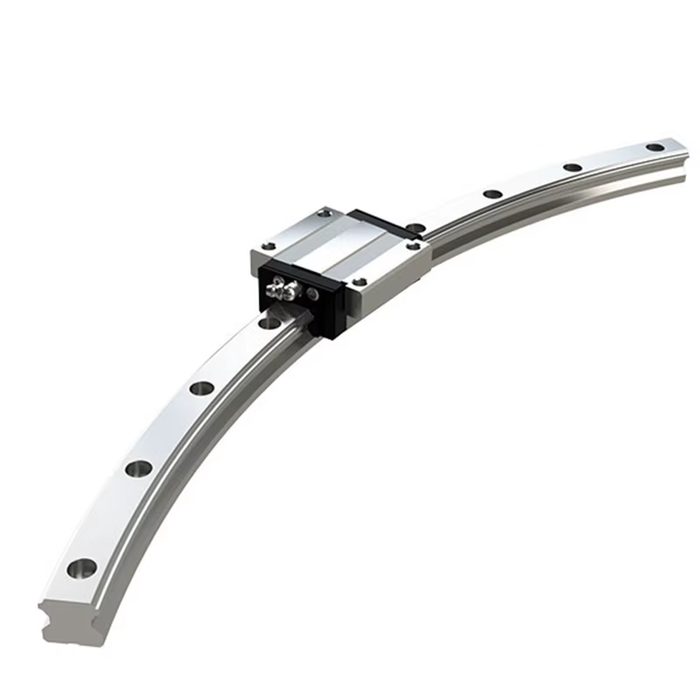
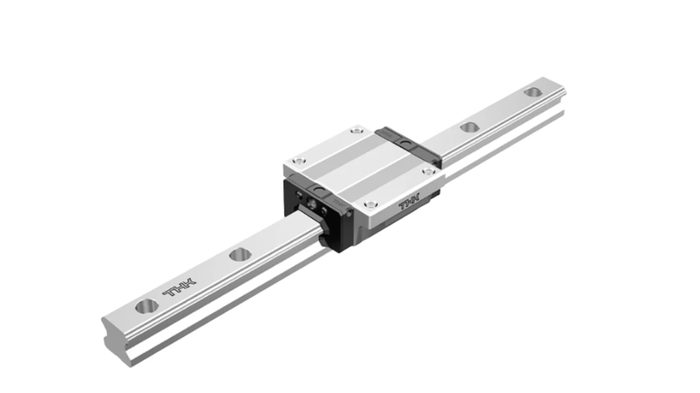
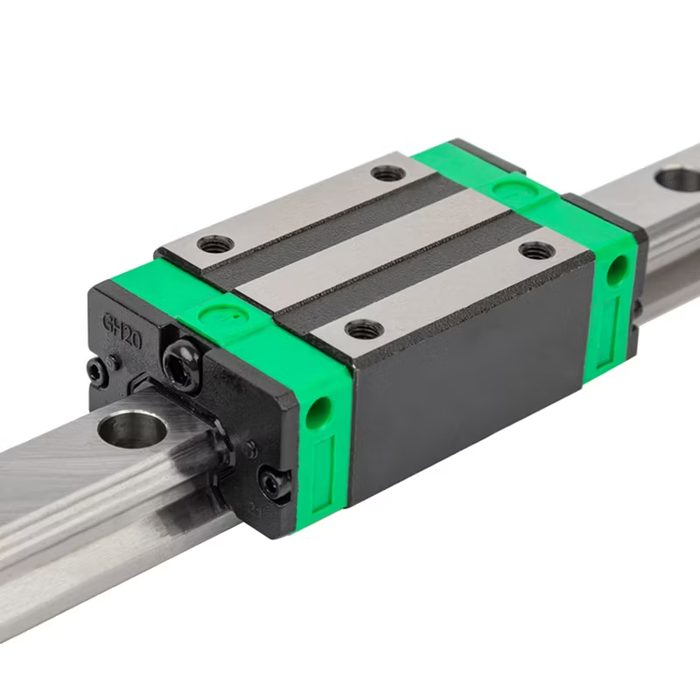
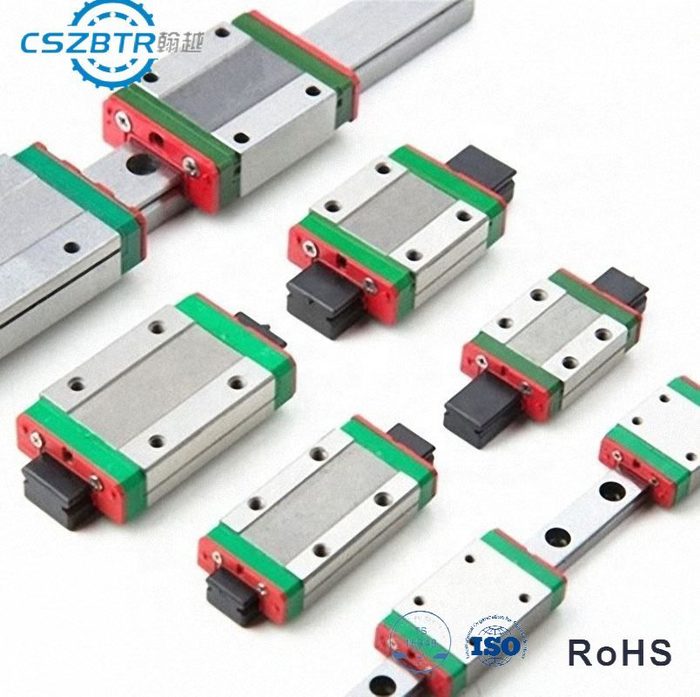
Linear rails and guides provide constrained linear motion for machine axes. The primary types include profile rail, round rail, dovetail slides, and cam-roller guideways. Profile rail systems, often designated HGR or MGN series, consist of a hardened steel rail with precision-ground raceways and a recirculating ball or roller bearing block. Round rail guides utilize hardened and ground cylindrical shafts with open or closed linear bearings. Dovetail slides employ mating angular surfaces for precise, high-rigidity motion, while cam-roller guides use rollers running in V-grooves or on flat surfaces, often for high-speed or contaminated environments. Key selection parameters include rail width, height, length, and mounting hole patterns (e.g., M4, M6). Performance ratings such as dynamic load capacity (C), static load capacity (C0), and moment ratings (Mx, My, Mz) are critical. Common materials are carbon steel, stainless steel, and aluminum, with surface treatments like black oxide or chrome plating available for corrosion resistance or improved wear characteristics. Precision grades (e.g., P, H, N) define running accuracy and parallelism.
How to choose
When selecting linear rails, first determine the required load capacity, considering both static and dynamic forces, and the moment loads. Second, specify the desired precision grade and stiffness, which will influence whether profile rail, round rail, or dovetail is most appropriate; profile rail generally offers higher rigidity than round rail. Third, evaluate the operating environment for factors like contamination, temperature, and corrosion, as these will dictate material (e.g., stainless steel for washdown) and sealing options. Fourth, consider space constraints and stroke length to define rail dimensions and block configurations. Finally, assess the required travel speed and acceleration, which can influence bearing type and lubrication needs.