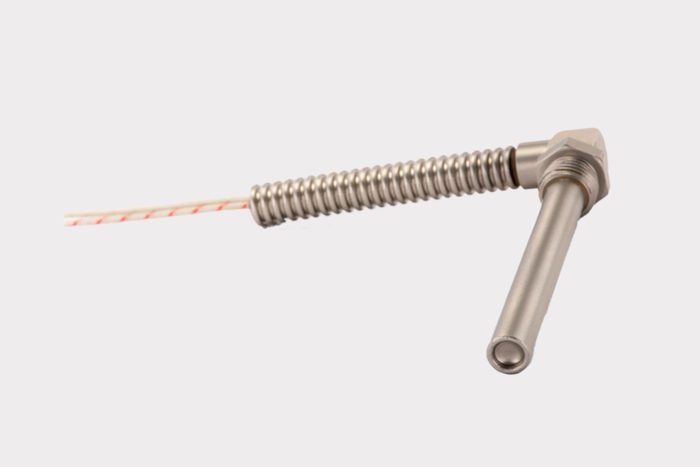
Heaters & Thermal Control
Cartridge, band, strip heaters, thermocouples and controllers.
Also searched as: cartridge heaterband heaterthermocouplepid controllerheating element
-
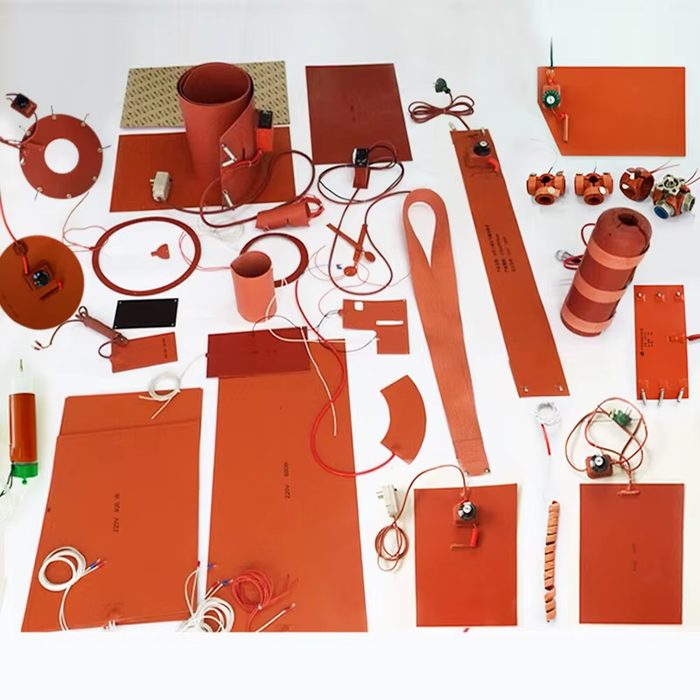
220 Volt 1000W Electric Flexible Heating Pad Silicone
Power: 1000 WVoltage: 220 V
-
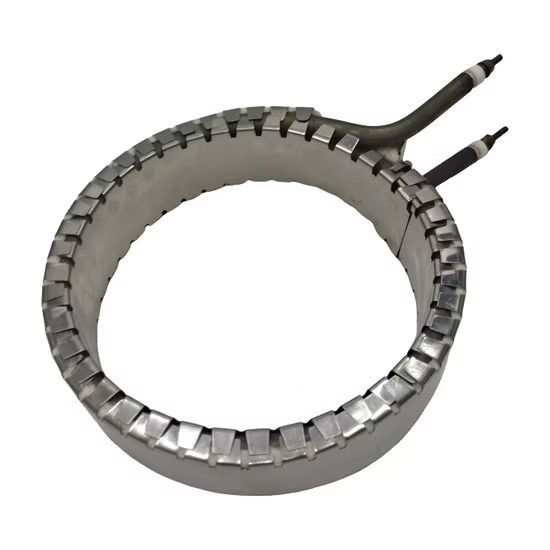
Band Ring Heater
Heater Type: Band RingVoltage: 12v 24v 36v 48v Dc
-
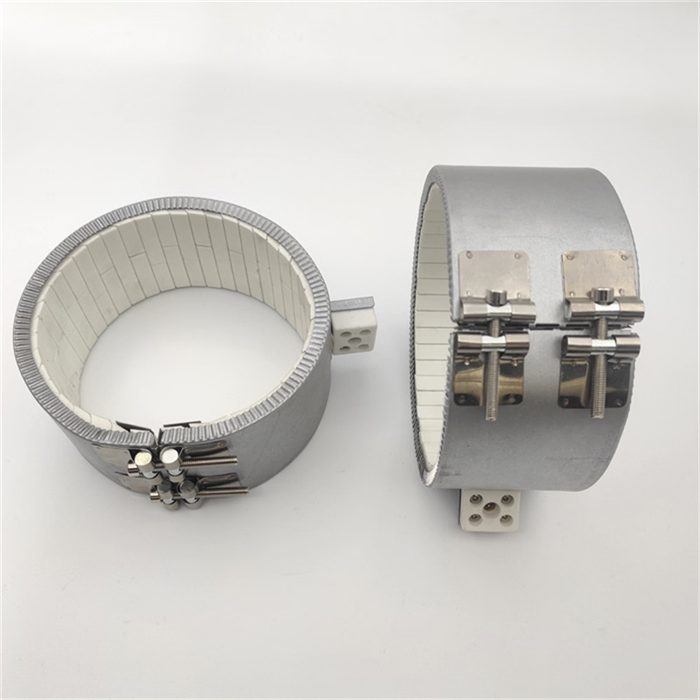
Ceramic Band Heater
Heater Type: Ceramic BandPower: 2.6KWVoltage: 380V
-
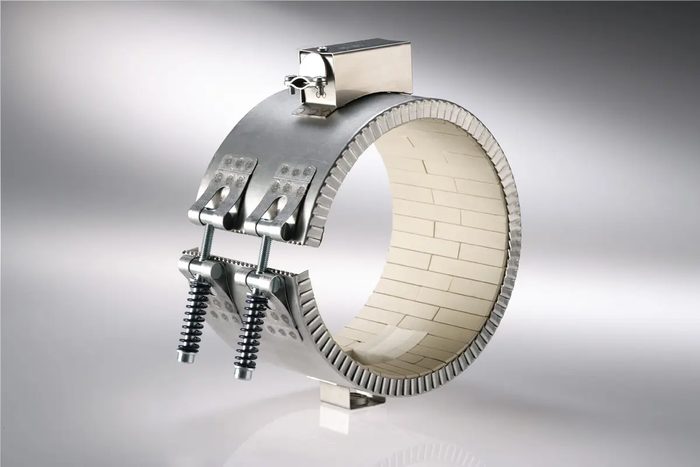
Ceramic Band Heater
Power: 450WVoltage: 220V
-
Ceramic Band Heater
Power: 2kWVoltage: 220V
-
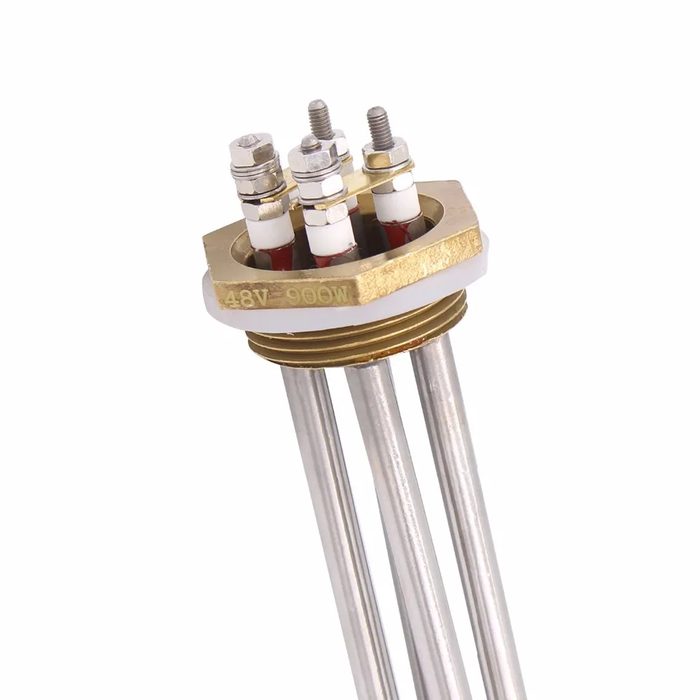
DC Low Voltage Heating Element
Power: 300W/600WVoltage: 12V
-
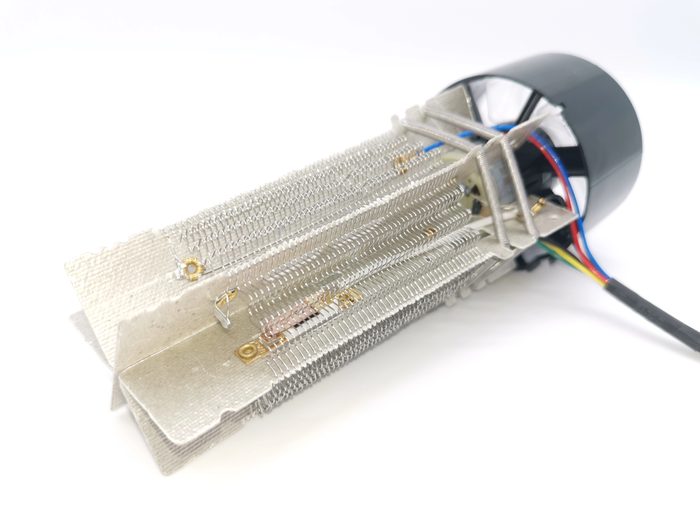
Electric Heating Element for Hair Dryers
Power: 100W-2100W
-
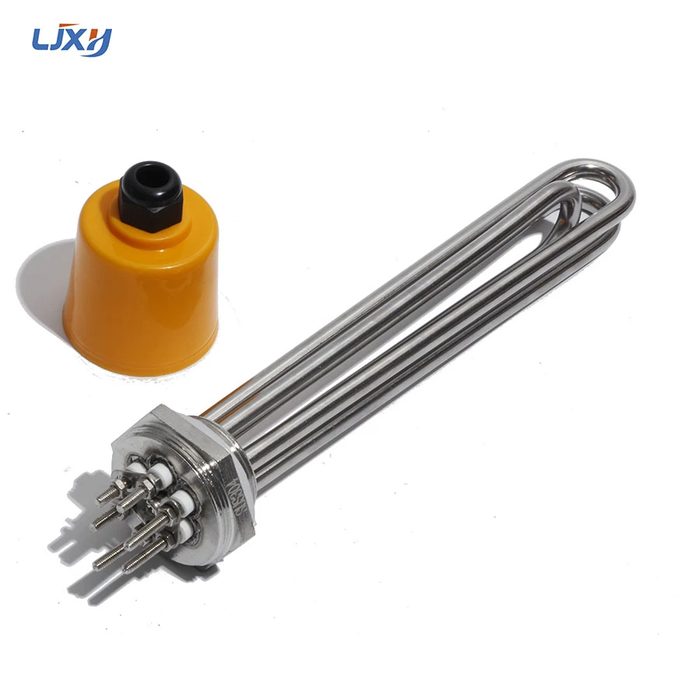
Electric Water Heater Immersion Element DN32, 1.25
Size: DN32, 1.25
-
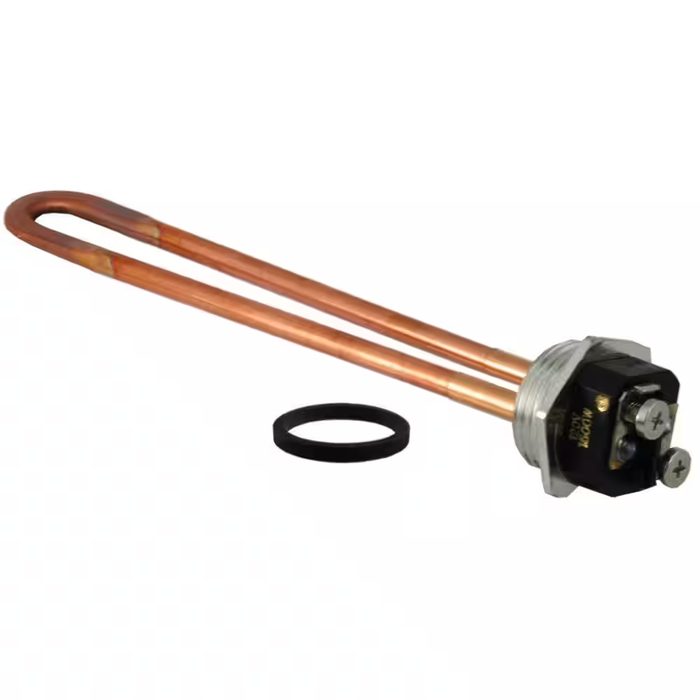
Heating Element for Electric Water Heater
Voltage: 220V/380V
-
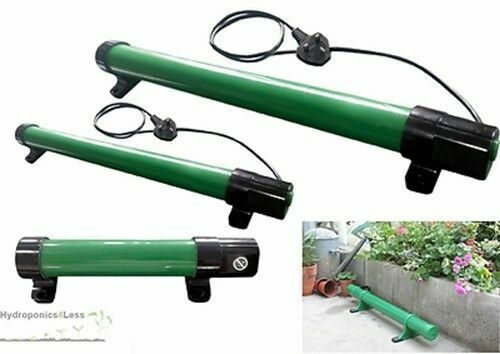
-
Industrial Ceramic Band Heater Element
Power: 150WVoltage: 230V
-
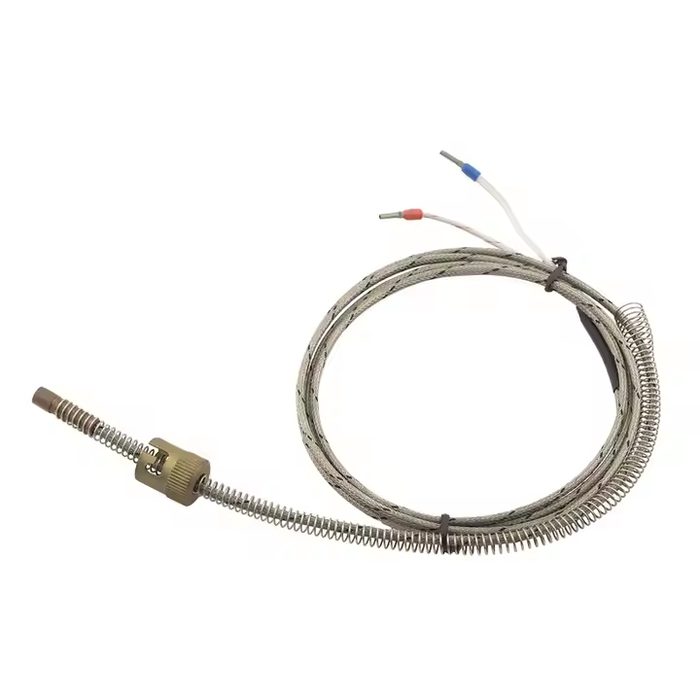
-
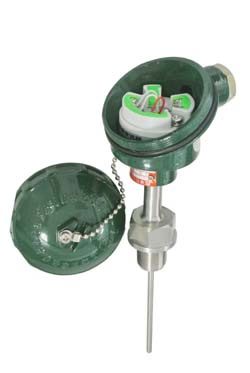
K-Type Thermocouple Probe SBWR-2280/230 SS IP55
Protection Rating: IP55Temperature Range: 0-800CType: K
-
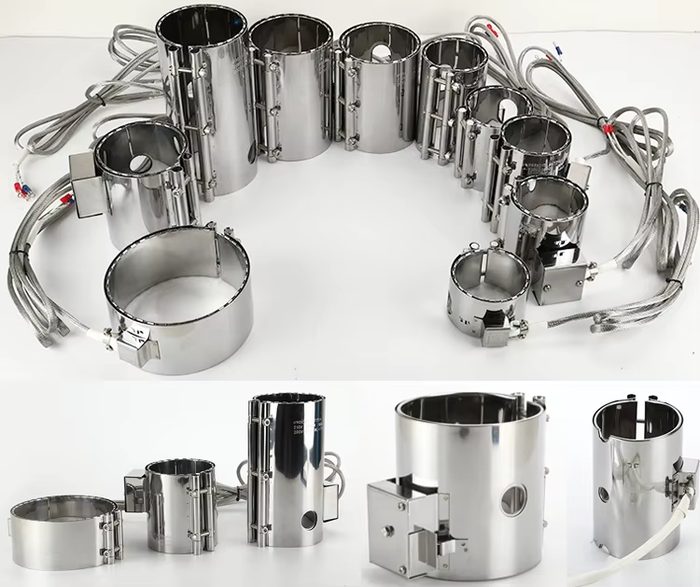
Mica Band Heater
Power: 500WVoltage: 220V
-
Mica Band Heater
Heater Type: Mica Band
-
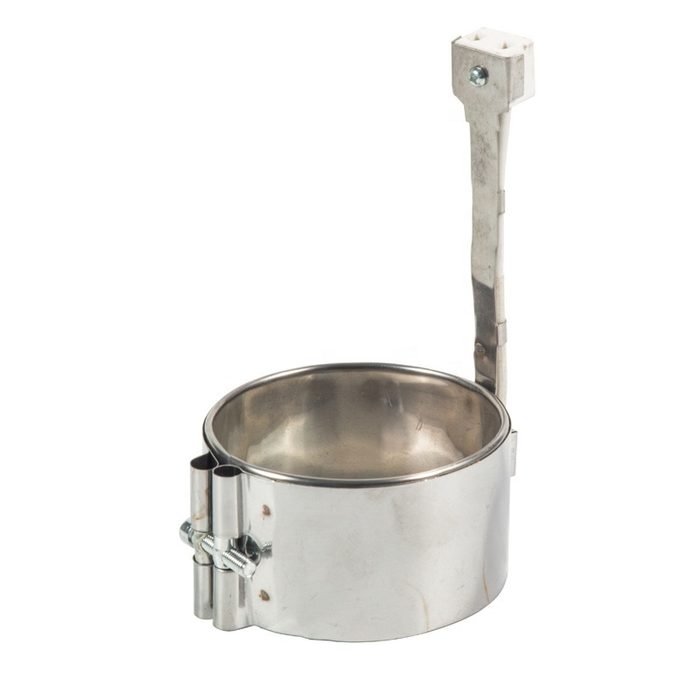
Mica Band Heater With J Type Thermocouple
Heater Type: Mica BandThermocouple Type: JVoltage: 220v
-
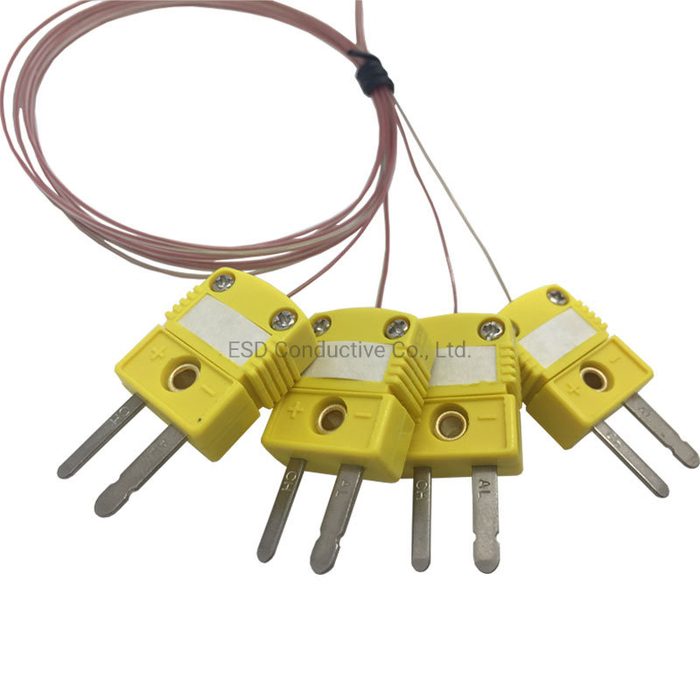
Mini K/J/T Type Thermocouple Standard Connector With Clamp
Max Temperature Range: 180Type: K/J/T
-
-
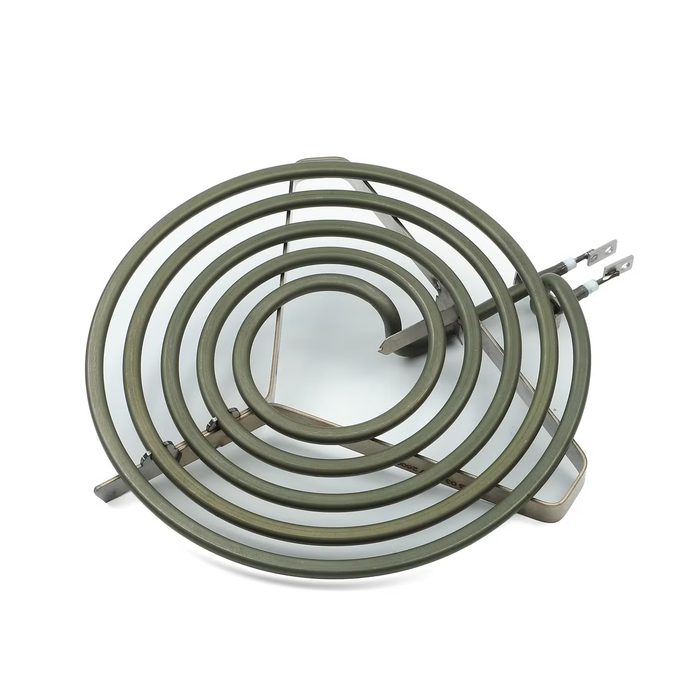
Oven Heating Element Coil
Power: 3000WVoltage: 220V
-
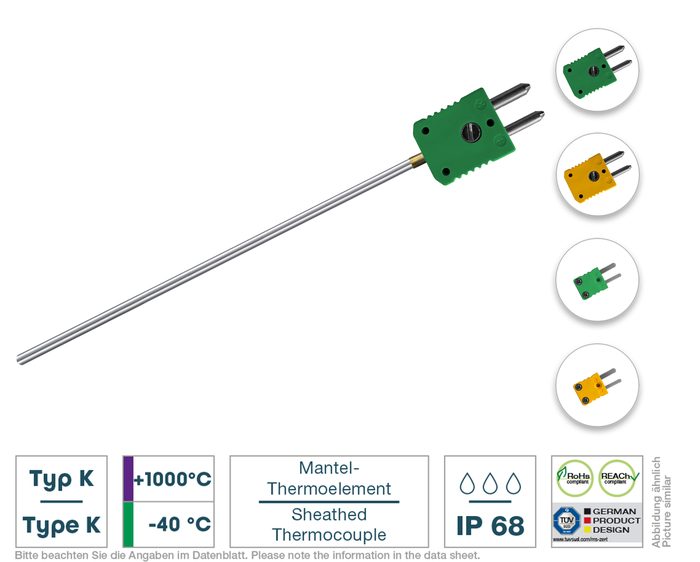
TC K Type Thermocouple
Size: 4x30mmType: K
About heaters & thermal control
Heaters and thermal control components are essential for maintaining precise temperature in industrial processes. This category includes various heating elements such as cartridge, band, and strip heaters, alongside critical sensing and control devices like thermocouples and PID controllers. Cartridge heaters are typically cylindrical, inserted into drilled holes, and specified by diameter (e.g., 1/4", 3/8", 1/2"), length, voltage (e.g., 120V, 240V), and wattage. Band heaters, designed for external surface heating of cylindrical objects, are defined by their diameter, width, voltage, and wattage, often available in mica or ceramic insulation with various clamping mechanisms. Strip heaters, for flat surface heating, are characterized by length, width, voltage, and wattage, with options for finned or unfinned configurations. Thermocouples, common temperature sensors, are categorized by type (e.g., J, K, T, E) and junction style (grounded, ungrounded, exposed), with sheath materials like Inconel or stainless steel, and specified by probe diameter and length. PID controllers manage heating processes by comparing a setpoint to a process variable from a sensor, outputting control signals to heating elements, and are selected based on input type (e.g., J/K thermocouple, RTD), output type (e.g., relay, SSR, analog), and control algorithm capabilities.
How to choose
When selecting heaters and thermal control components, first define the heating application: surface or internal, and the geometry of the heated object. For internal heating, cartridge heaters are suitable; for external cylindrical, band heaters; for flat surfaces, strip heaters. Next, determine the required temperature range and power density (W/in² or W/cm²) to achieve the desired temperature within the specified timeframe. This dictates wattage and element type. Subsequently, select the appropriate temperature sensor, typically a thermocouple (Type K for higher temperatures, Type J for lower) or RTD, based on accuracy needs and environmental conditions. Finally, choose a PID controller based on the sensor input type, required output control (e.g., solid-state relay for precise control, mechanical relay for simpler applications), and desired control sophistication, ensuring compatibility with the chosen heating element's voltage and current ratings.