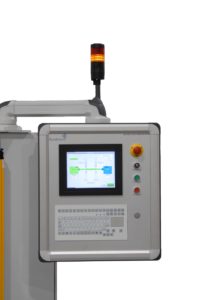
PLCs & Industrial Controls
PLCs, I/O modules, HMIs and industrial controllers.
Also searched as: plchmiio moduleindustrial controllerdin rail
-
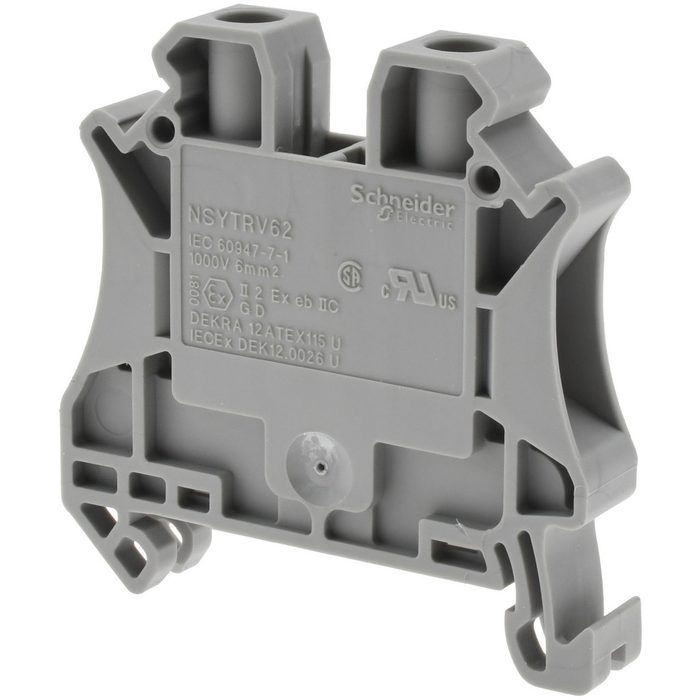
1 Pole 1000 Volt 57 Amp DIN Rail Mount Polyamide Passthrough Terminal Block
Amperage: 57 AmpMounting Type: DIN RailOperating Temperature: -40 to 266°FPoles: 1Voltage: 1000 Volt
-
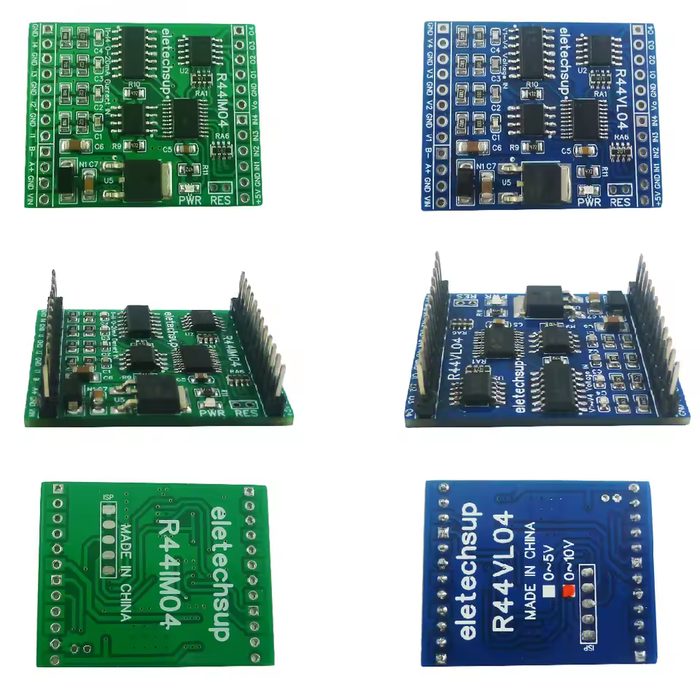
12CH 12V 24V RS485 Analog Digital IO Module 4AI-4DI
Analog Inputs: 4Channels: 12Current Input: 0-20mA/4-20mADigital Inputs: 4Interface: RS485
-
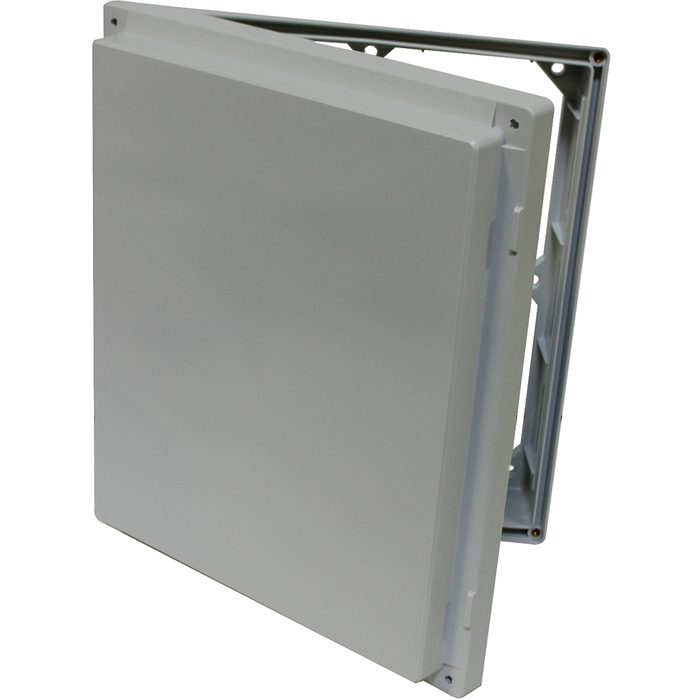
14X16X3.31 FLAT OPAQUE HMI COVER
Dimensions: 14x16x3.31Type: Flat Opaque
-
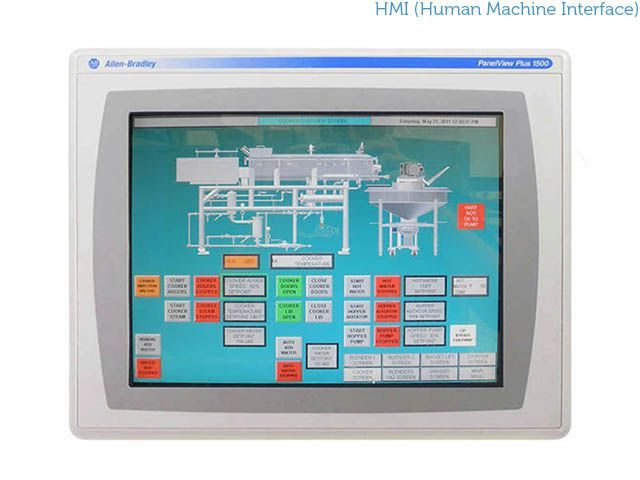
15 Inch Industrial HMI Human Machine Interface
Display Size: 15 inch
-
-
-
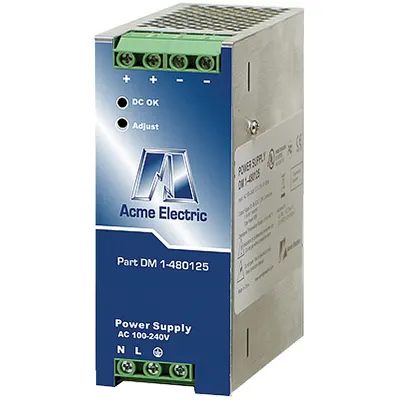
2.50A 60W 90-254VAC 24 VDC Single Phase DM Series DIN Power Supply
Current: 2.50AInput Voltage: 90-254VACOutput Voltage: 24 VDCPhase: Single PhasePower: 60W
-
-
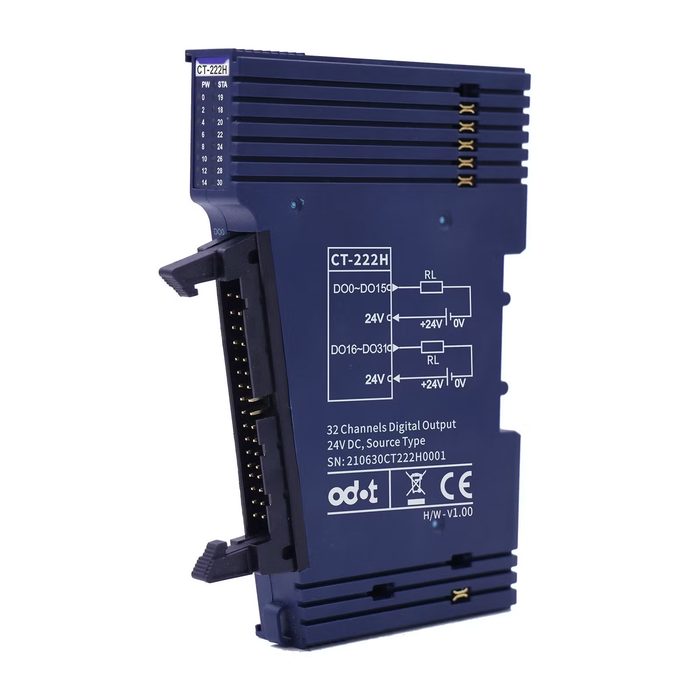
32 Channels IO Module
Channels: 32
-
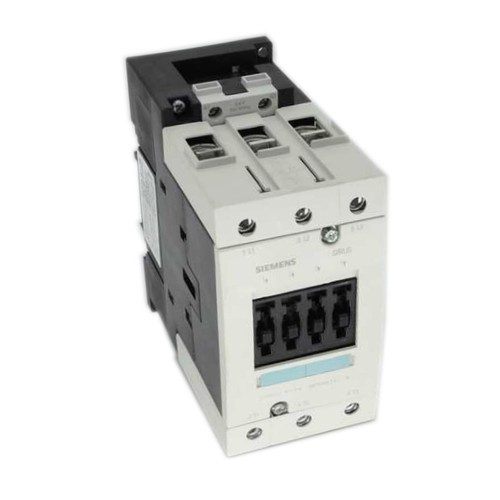
3RT1045-1AC20 Contactor
Poles: 3Voltage: 24VAC
-
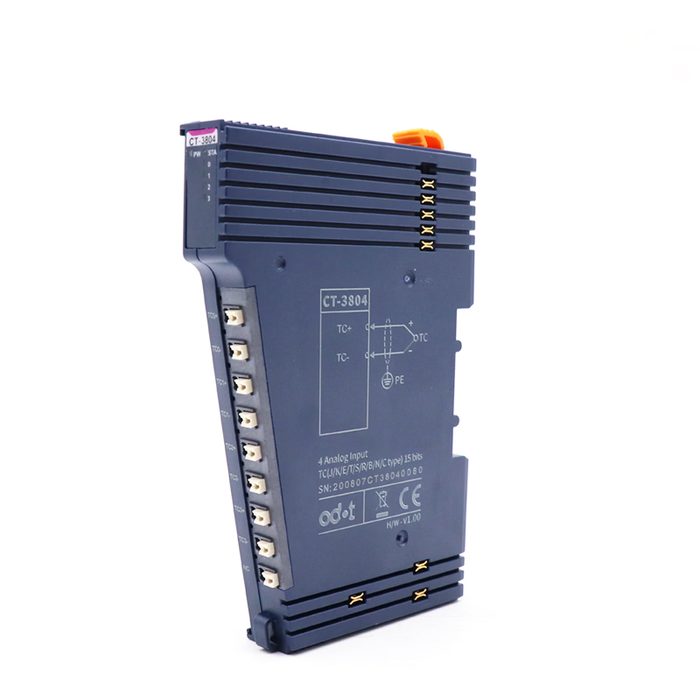
4 Channels Analog Input IO Thermocouple IO Module
Channels: 4Input Type: AnalogSensor Type: Thermocouple
-
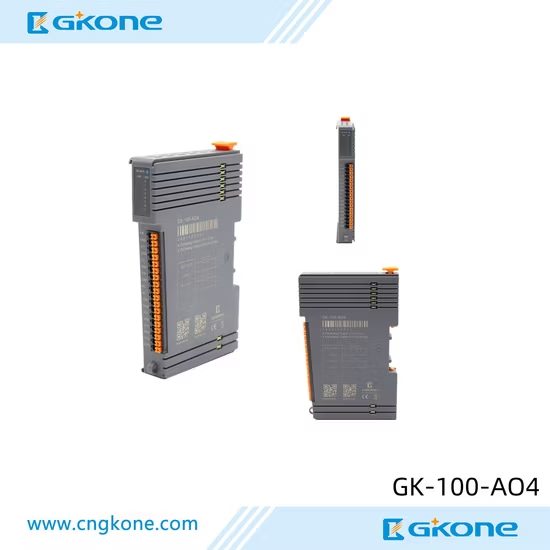
4 Channels Output IO Module GK-100-AO4 IP20 Remote
Channels: 4IP Rating: IP20Mounting: RemoteOutput Type: AnalogResolution: 16-Bit
-
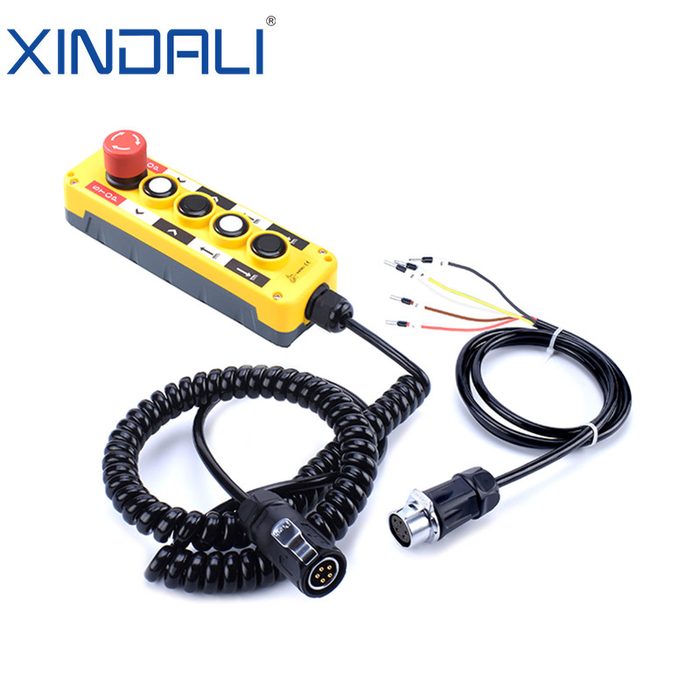
4-Button Hoist Pendant Controller, 30' Lift
Lift Height: 30 ft
-
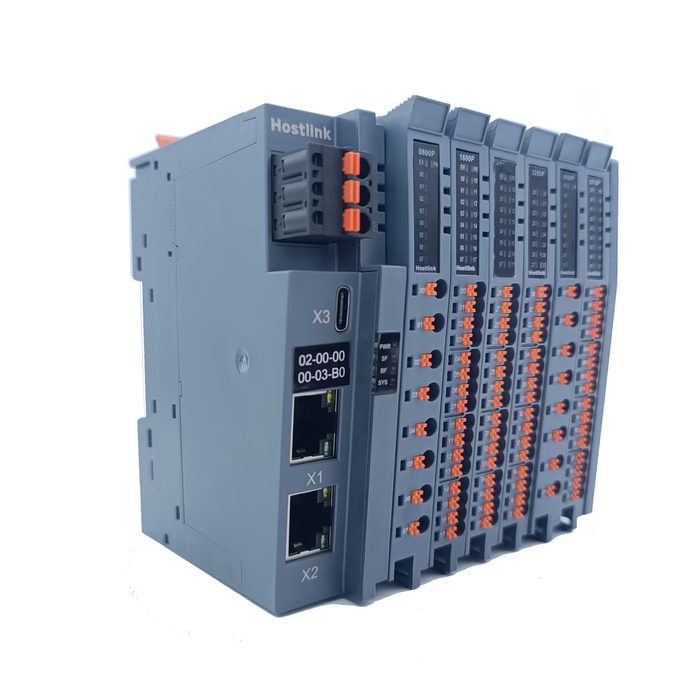
4-Channel IO Module for Data Collection
Channels: 4
-
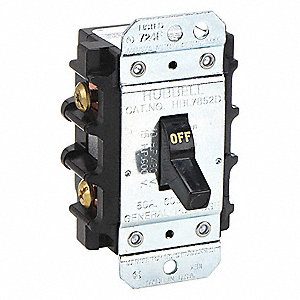
50A 2 Pole Standard Toggle - Manual AC Motor Controller/Disconnect
Amps: 50 APoles: 2Voltage: 120 VAC / 240 VAC
-
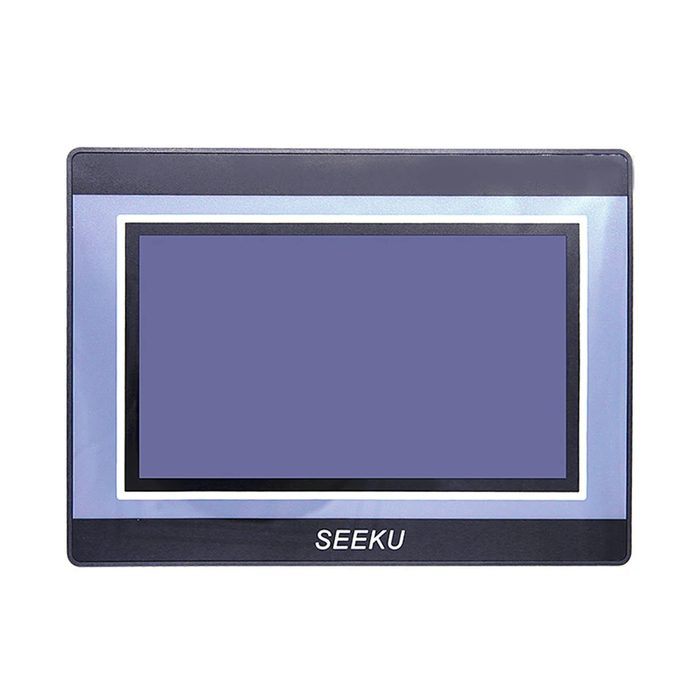
7 Inch HMI PLC All in One Touch Screen
CPU: 32-bit high-performanceSize: 7 inch
-
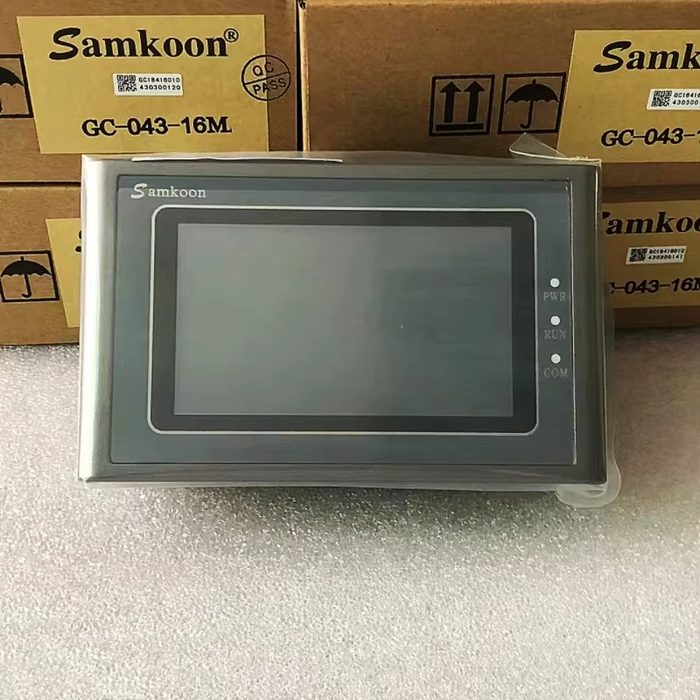
7 Inch Industrial HMI
Screen size: 7 Inch
-
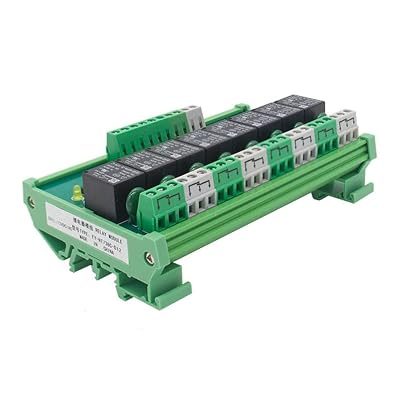
8 Channels Relay Output IO Module for PLC
Channels: 8Output Type: Relay
-
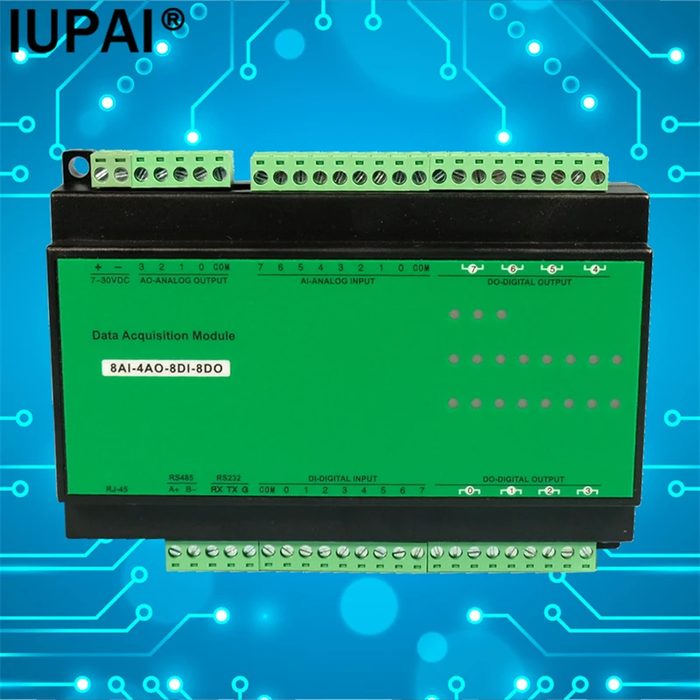
8-Channel Input Output Analog IO Board Module
Channels: 8Type: Analog Input/Output
-
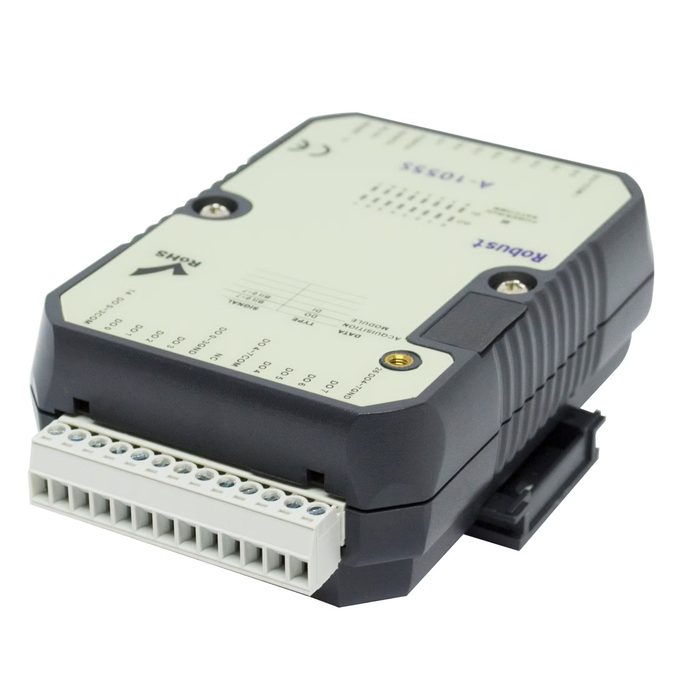
8DI/8DO Isolated IO Module with isolated RS-485 and LED indicators
Digital Inputs: 8Digital Outputs: 8Interface: RS-485
-
-
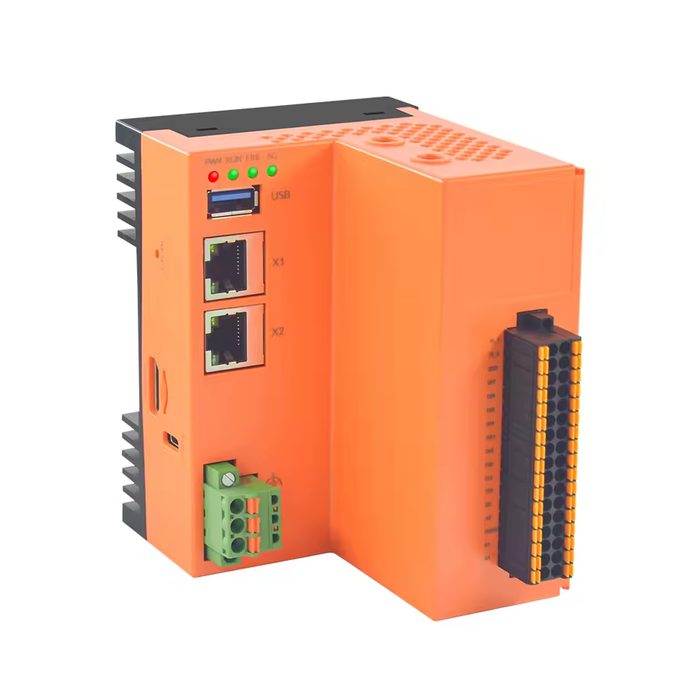
AI Enabled Industrial Controller CM5 Edge Computer with M.2 AI
Features: AI Enabled, M.2 AI
-
-
-
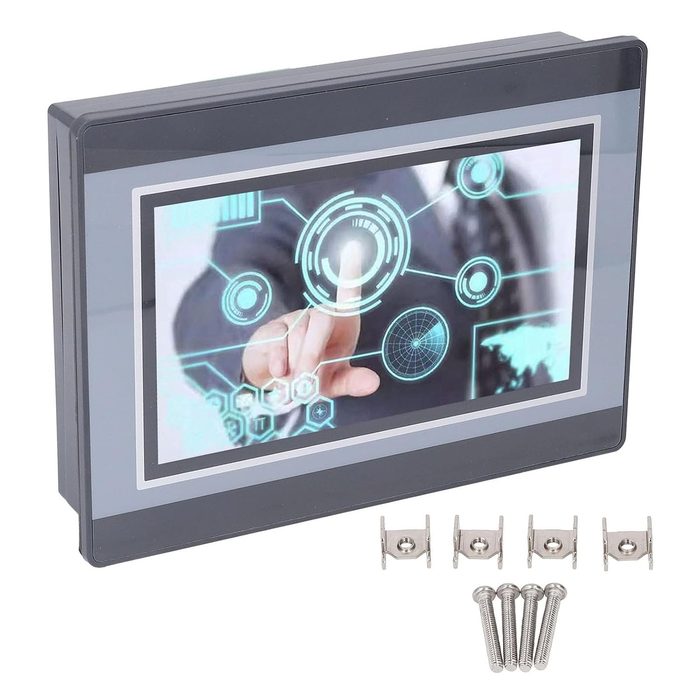
All-in-One Control with 7" Color TFT LCD Display
Display Type: 7" Color TFT LCDIntegrated PLC: Yes
-
-
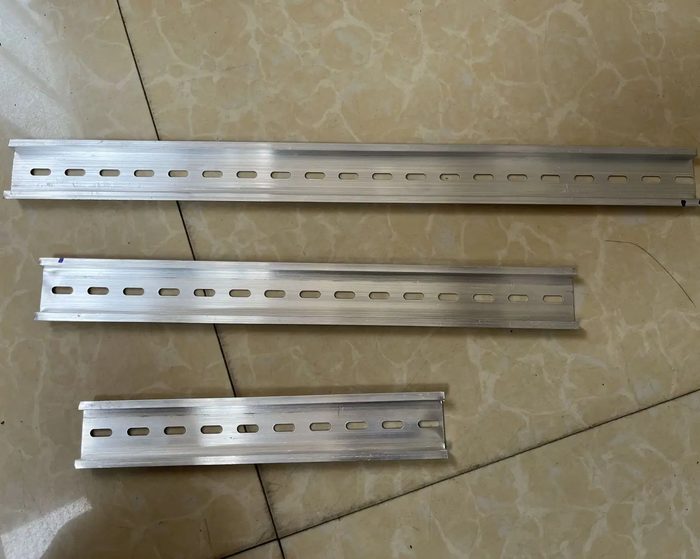
Aluminum DIN Universal Rail, 0.8MM Thickness, 35mm Width
Thickness: 0.8 mmWidth: 35 mm
-
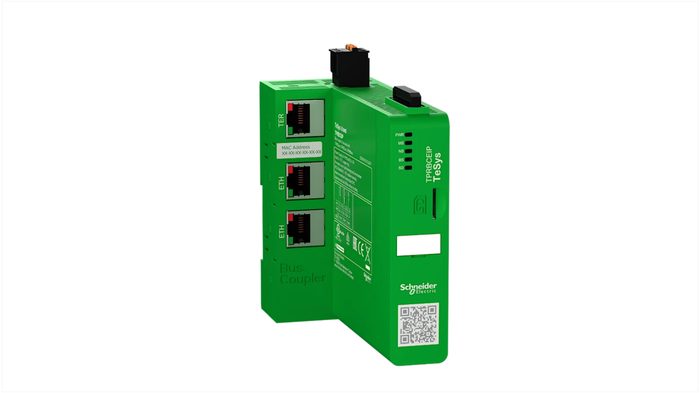
Analog IO Module, IEC, 24V DC, TeSys Island
Compatible with Series: TeSys IslandStarter Style: IECVoltage: 24V DC
-
-
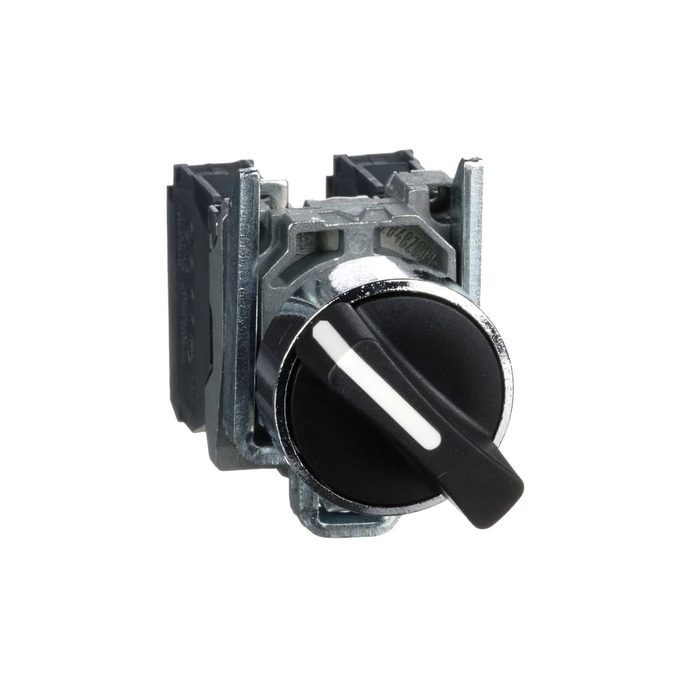
Black Knob Two-Position Selector Switch 1NO-1NC
Color: BlackContacts: 1NO-1NCType: Knob Two-Position Selector Switch
-
C45 DIN Rail Mounting Bracket, 24V
Length: 47.5 mmVoltage: 24 V
-
-
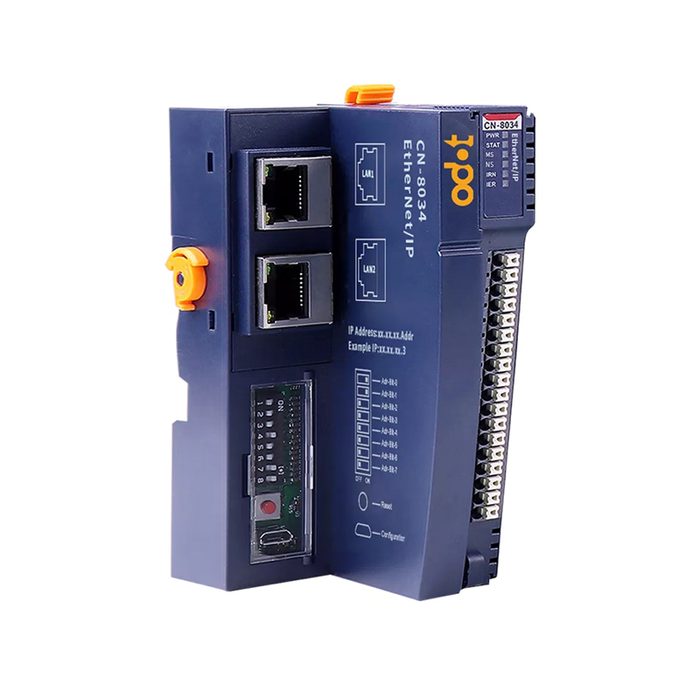
CN-8034 IO Module
Protocol: EthernetIP
-
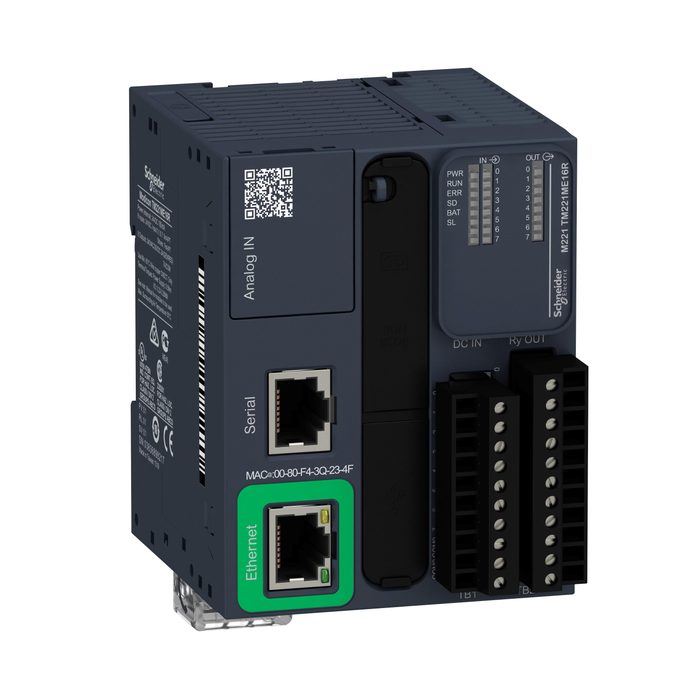
CONTROLLER M221-16IO RELAY SOCKET
Number Of Channels: 0
-
-
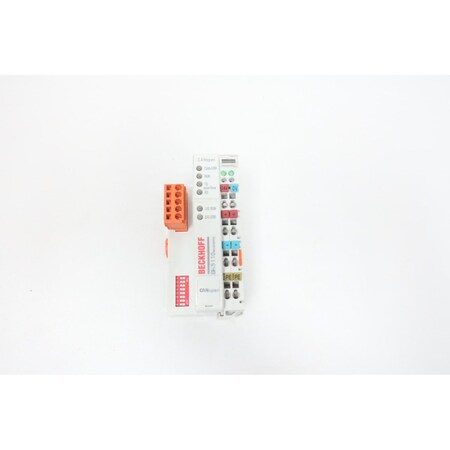
About plcs & industrial controls
PLCs and industrial controls form the computational and operational backbone of automated systems. This category encompasses Programmable Logic Controllers (PLCs), Human-Machine Interfaces (HMIs), various I/O modules, and specialized industrial controllers. PLCs execute control logic, managing processes based on input signals and driving output devices. Key specifications include processing speed (e.g., scan time), program memory capacity (e.g., KB), number and type of I/O points (digital, analog, high-speed counter), communication protocols supported (e.g., Modbus RTU/TCP, EtherNet/IP, PROFINET), and operating voltage (e.g., 24VDC, 120VAC). I/O modules expand PLC capabilities, offering discrete inputs/outputs, analog inputs/outputs (e.g., 0-10V, 4-20mA), temperature inputs (thermocouple, RTD), and specialized functions. HMIs provide operator interface, ranging from basic text displays to advanced graphical touchscreens, specified by screen size (e.g., 7-inch, 10-inch), resolution, and communication ports. Industrial controllers may be purpose-built for motion, temperature, or process control. Form factors often include DIN rail mounting. Enclosure ratings (e.g., IP20, NEMA 4X) are critical for environmental suitability.
How to choose
Choosing PLCs and industrial controls begins with defining the application's I/O requirements: How many discrete inputs/outputs? What analog signals are needed? Next, determine the required processing power and memory for the control logic and data logging. Consider communication needs, including integration with other PLCs, HMIs, and SCADA systems, selecting appropriate protocols. Evaluate the HMI based on necessary screen size, resolution, and operator interaction complexity. Finally, assess environmental factors for appropriate IP/NEMA ratings and mounting options like DIN rail, ensuring compatibility with existing infrastructure and future expansion plans.