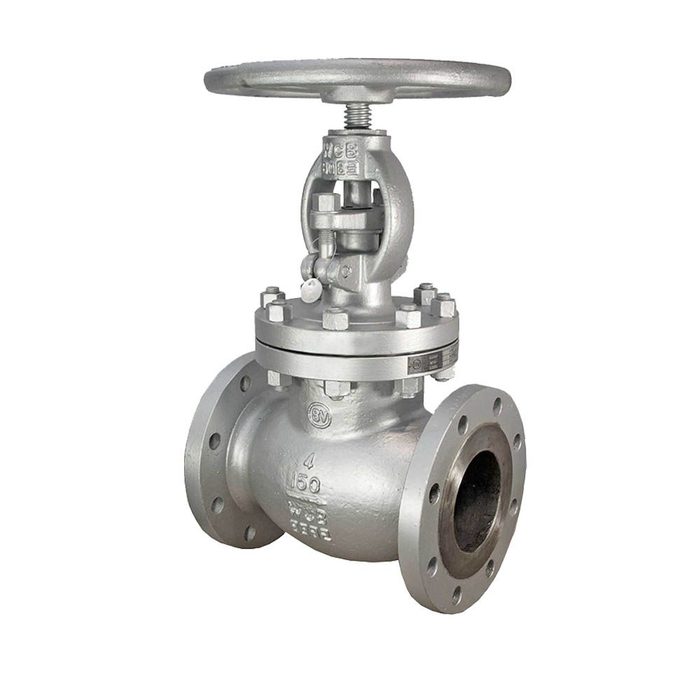
Plumbing Valves
Ball, gate, globe, butterfly and check valves for fluid lines.
Also searched as: ball valvegate valvebutterfly valvecheck valveglobe valve
-
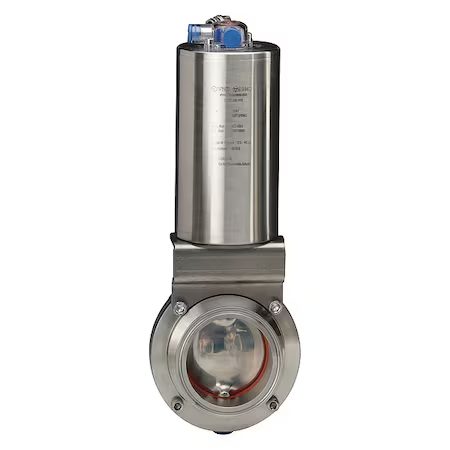
Pneumatic Butterfly Valve, 145 psi
Connection: ClampMax. Water Pressure: 145 psiPipe Size: 1 1/2 inSeat Material: EPDM
-
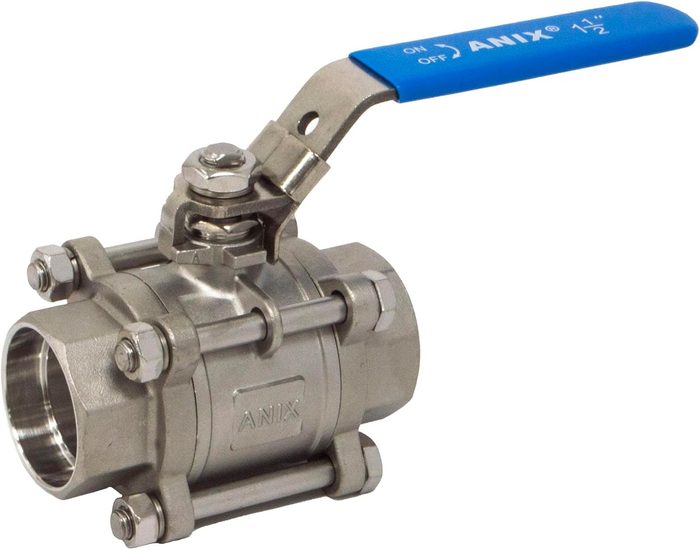
1 1/2" Full Port Ball Valve 316 Stainless Steel 1000
Bore: 1 1/2 inchPort Type: Full PortPressure Rating: 1000
-
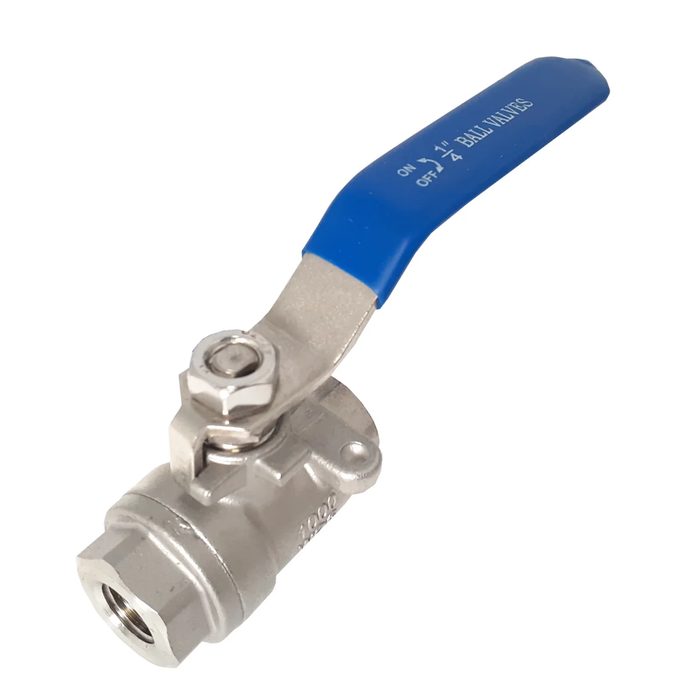
1/4" NPT Stainless Steel 316 Ball Valve
Bore: 1/4 inchConnection: NPT
-
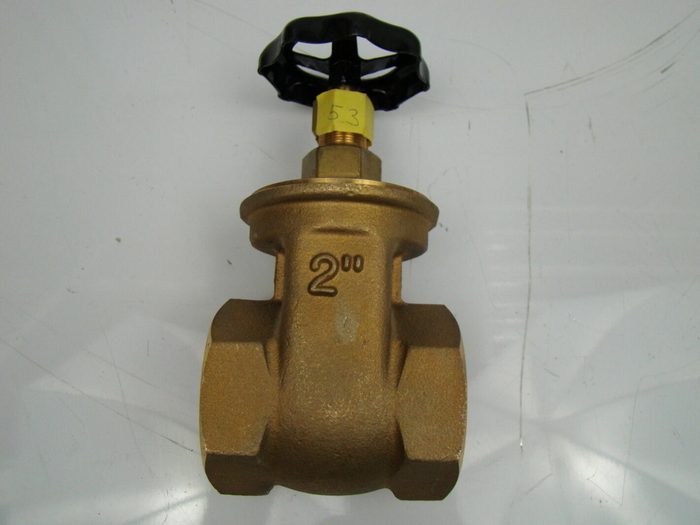
2" Gate Valve
Diameter: 2 in
from $71.00eBay $71.00 -
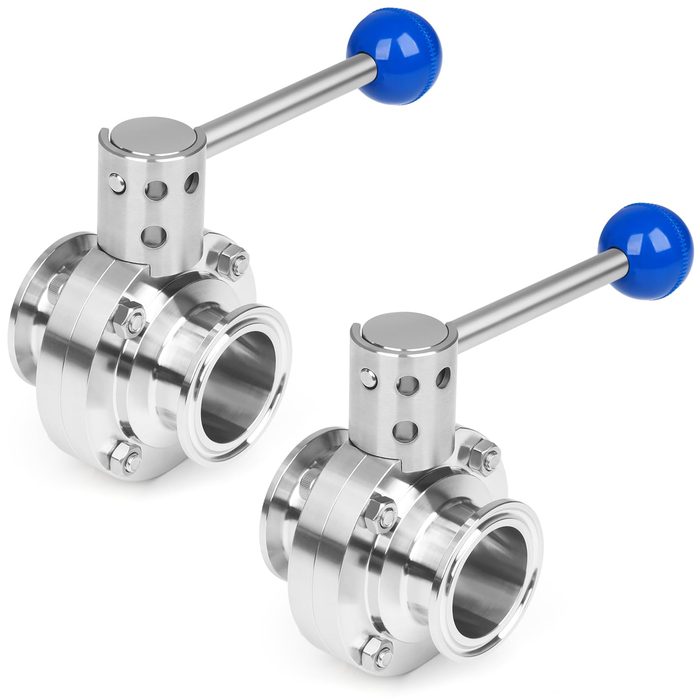
2" Stainless Steel Butterfly Valve
Size: 2"
-
2" Stainless Steel Butterfly Valve
Size: 2"
-
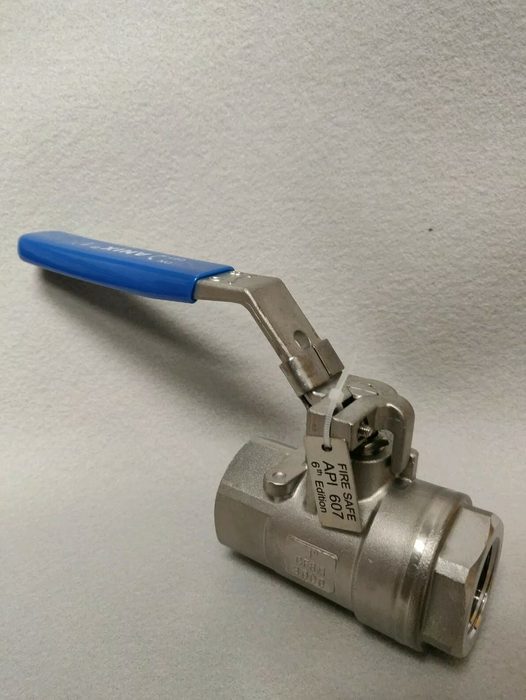
3/4" Ball Valve 3000 PSI WOG NPT Stainless Steel 316
Bore: 3/4 inchConnection: NPTPressure Rating: 3000 PSITemperature Range: -20°F to 360°F
-
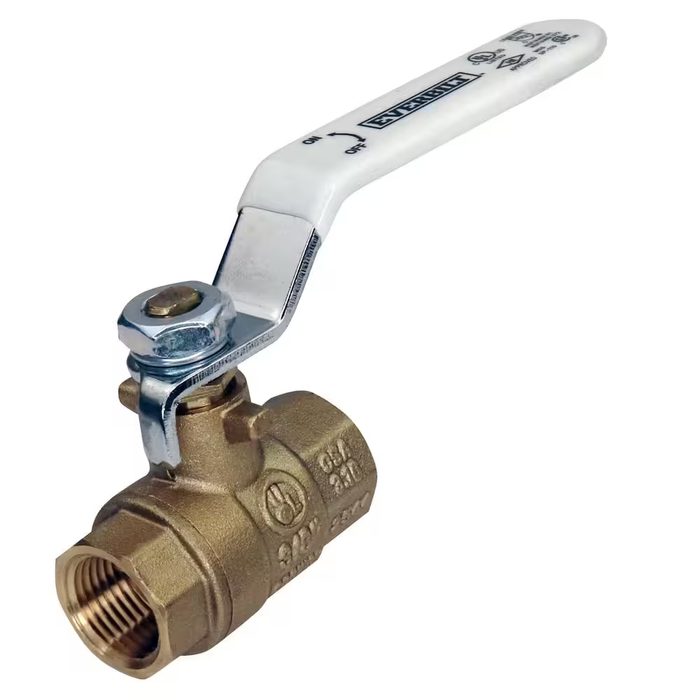
3/8-in FNPT Brass Ball Valve
Bore: 3/8 inchConnection: FNPT
-
-
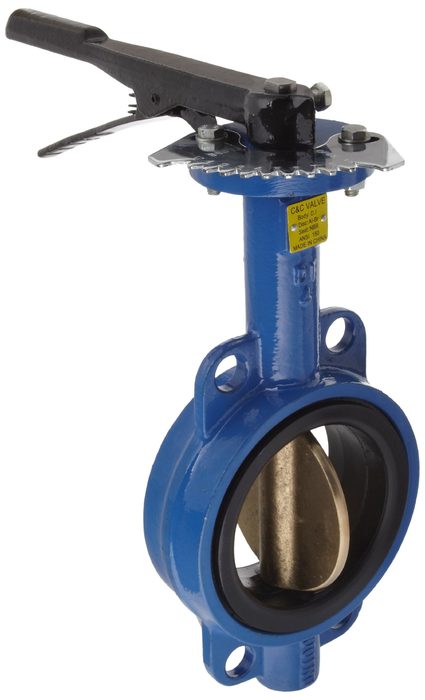
4" Wafer Butterfly Valve 200PSI
Maximum Working Pressure: 230 PSISize: 4"Temperature Range: -50°F ~ 248°F
-
-
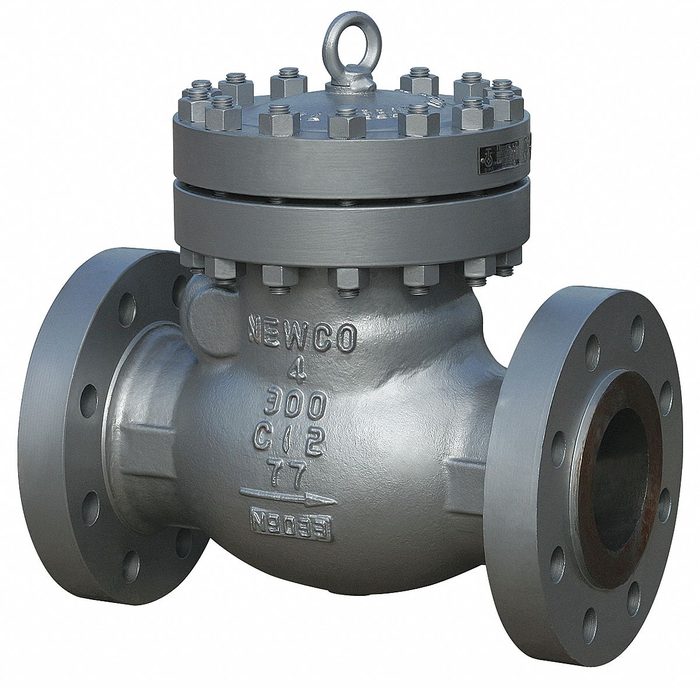
Check Valve
Size: 1” LD Sch80
-
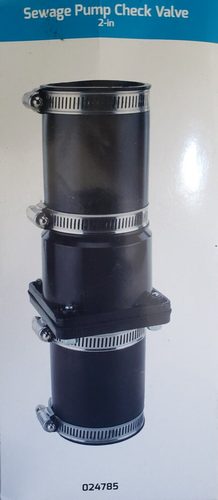
Full Port Flapper Design Check Valve
Size: 2 inch
-
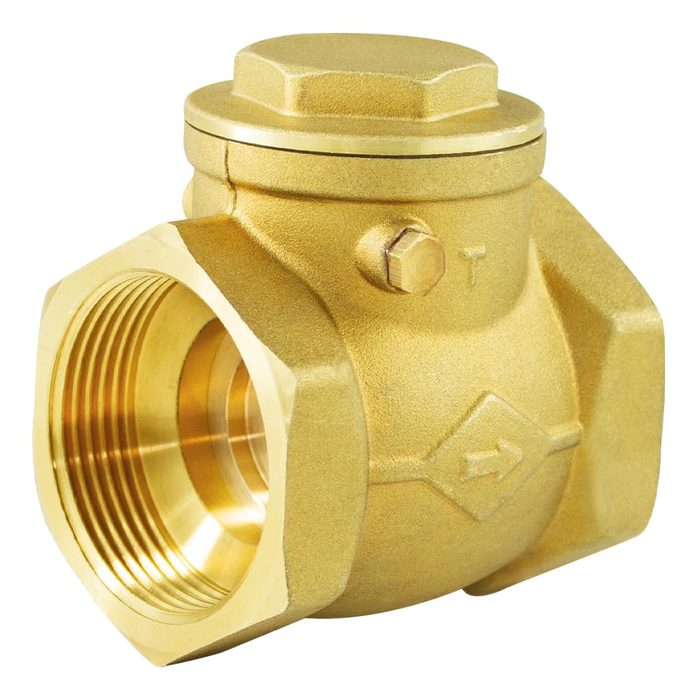
In-Line Check Valve
Pressure Rating: 200 PSISize: 1/2" NPT
-
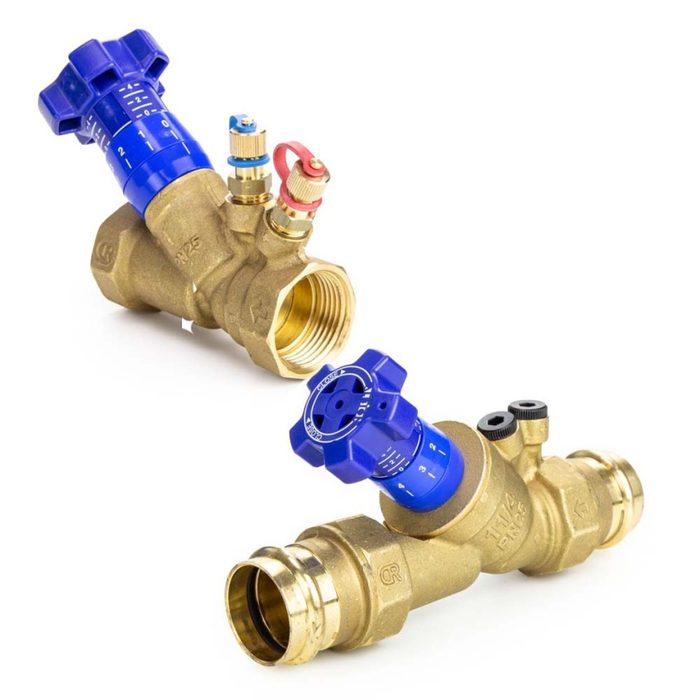
In-Line Check Valve
Size: 3/4"
-
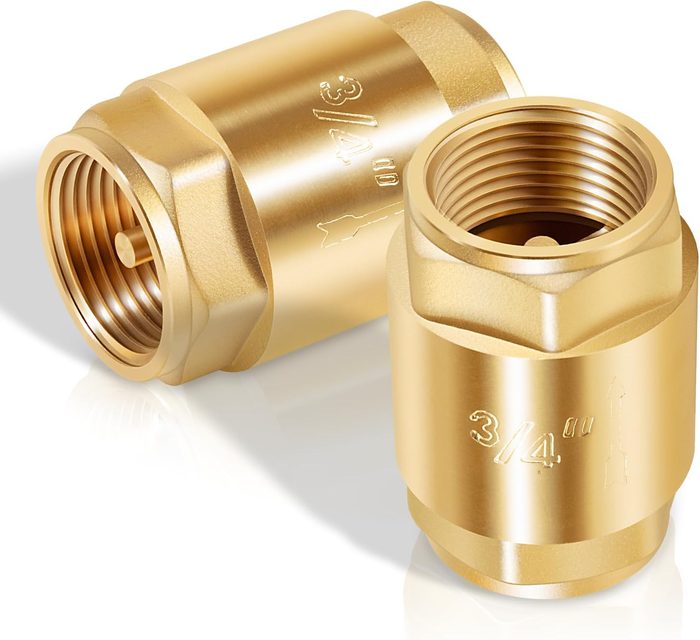
In-Line Check Valve
Flow Rate: 4 GPMPressure Rating: 5000 PSISize: 1/4 NPT
-
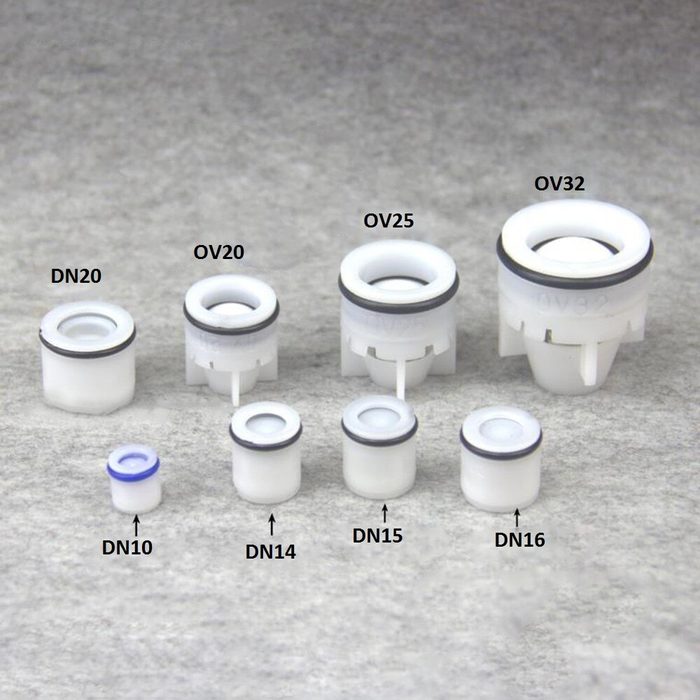
Insert Check Valve
Size: 10mm~32mm
-
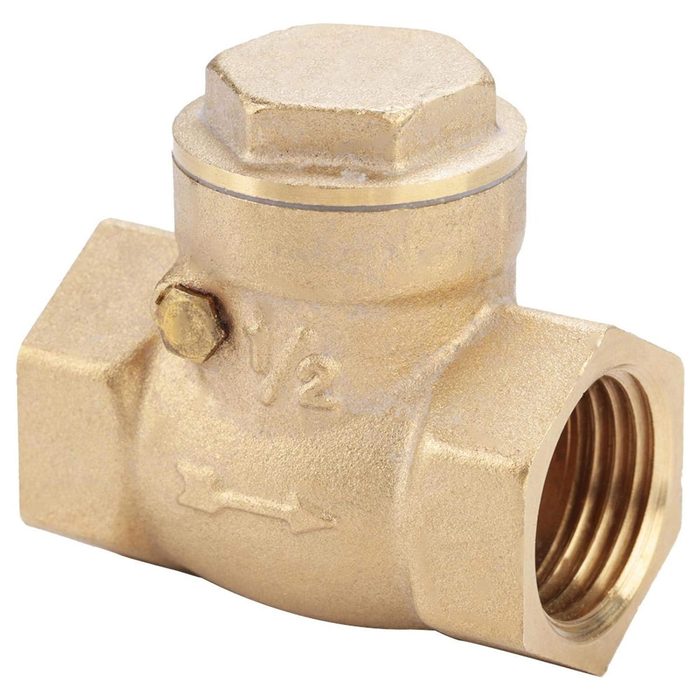
One Way Check Valve
Size: 1/4" Barb
-
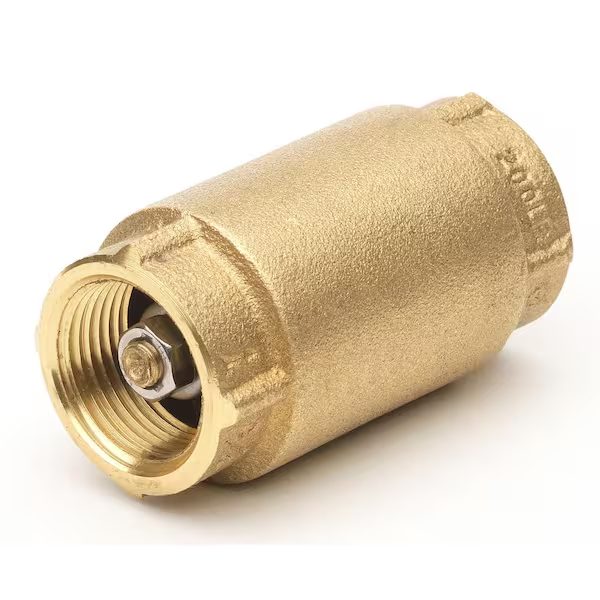
Spring Check Valve
Length: 4.6"Size: 2" NPT
-
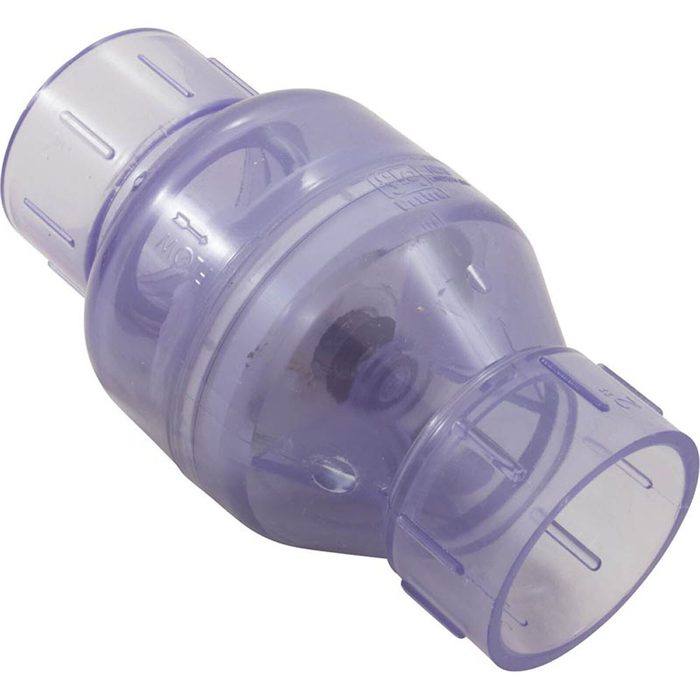
Spring Check Valve
Pressure Rating: 0.5 lbSize: 3/4" Slip
-
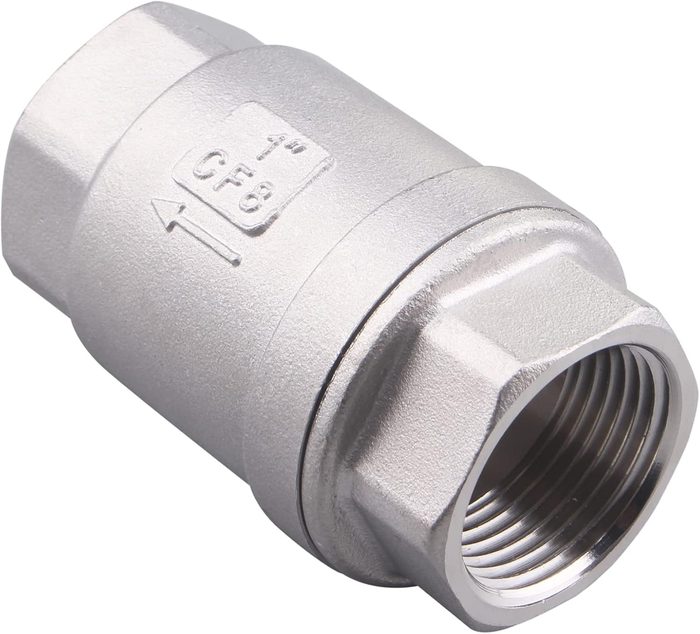
Vertical Check Valve
Size: 1/2" NPT Threaded
-
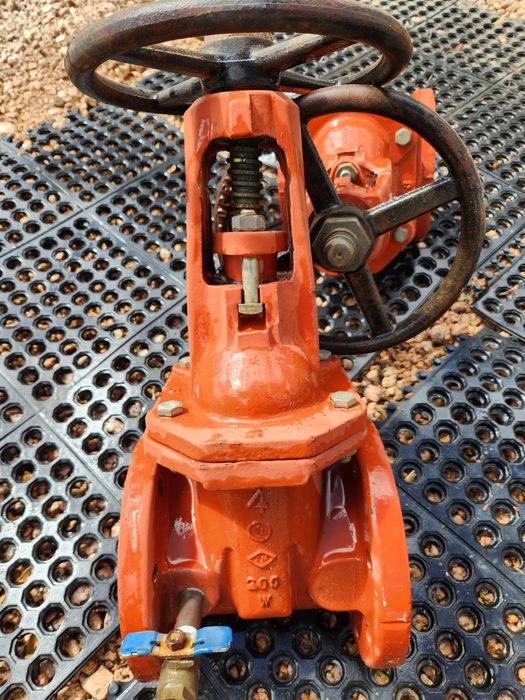 from $400.00eBay $400.00
About plumbing valves
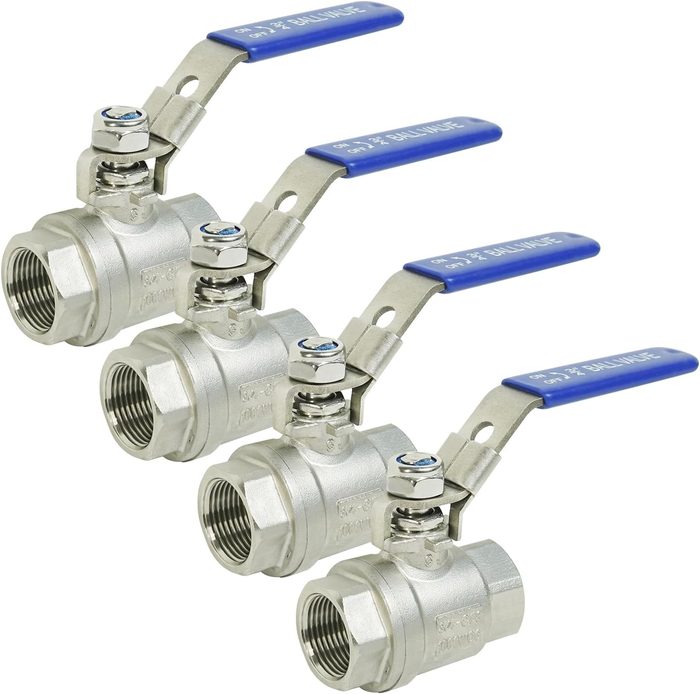
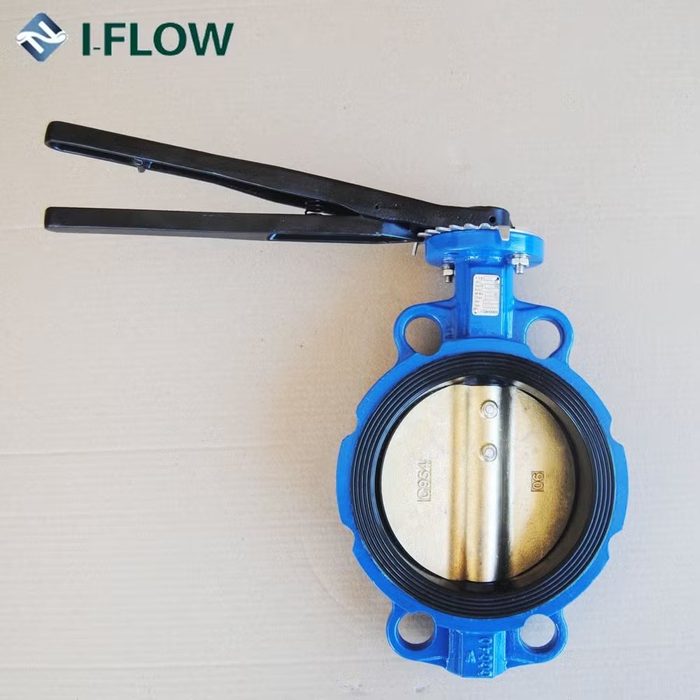
Plumbing valves are mechanical devices that control the flow of fluids through a piping system by opening, closing, or partially obstructing passageways. Key types include ball valves, which use a pivoting ball with a bore to control flow; gate valves, which employ a wedge-shaped gate that moves perpendicular to the flow; globe valves, characterized by their spherical body and a movable disc that regulates flow via throttling; butterfly valves, utilizing a rotating disc to control flow; and check valves, designed to permit fluid flow in only one direction. Selection criteria typically involve nominal pipe size (NPS) or DN, pressure ratings (e.g., ANSI Class 150, 300, or PN10, PN16), and connection types such as NPT, BSPP, BSPT, flanged (e.g., ASME B16.5), or welded ends. Actuation methods range from manual levers or handwheels to pneumatic, hydraulic, or electric actuators. Common materials include brass, bronze, cast iron, ductile iron, carbon steel (e.g., A216 WCB), stainless steel (e.g., 304, 316), and various plastics like PVC or CPVC, chosen based on fluid compatibility, temperature, and pressure requirements. Internal trim materials, such as seat and seal compounds (e.g., PTFE, EPDM, Viton), are critical for sealing performance and longevity.
How to choose
When selecting plumbing valves, first define the fluid type, temperature, and pressure to establish material compatibility and pressure ratings (e.g., ANSI Class or PN). Second, determine the required flow control: on/off for isolation (ball, gate), throttling for regulation (globe, butterfly), or backflow prevention (check). Third, specify the connection type and size (e.g., 1" NPT, DN50 Flanged) to match existing piping. Fourth, consider the actuation method – manual for infrequent operation, or automated (electric, pneumatic) for remote or frequent cycling. Finally, evaluate space constraints and maintenance requirements, as some valve types offer more compact designs or easier in-line servicing.