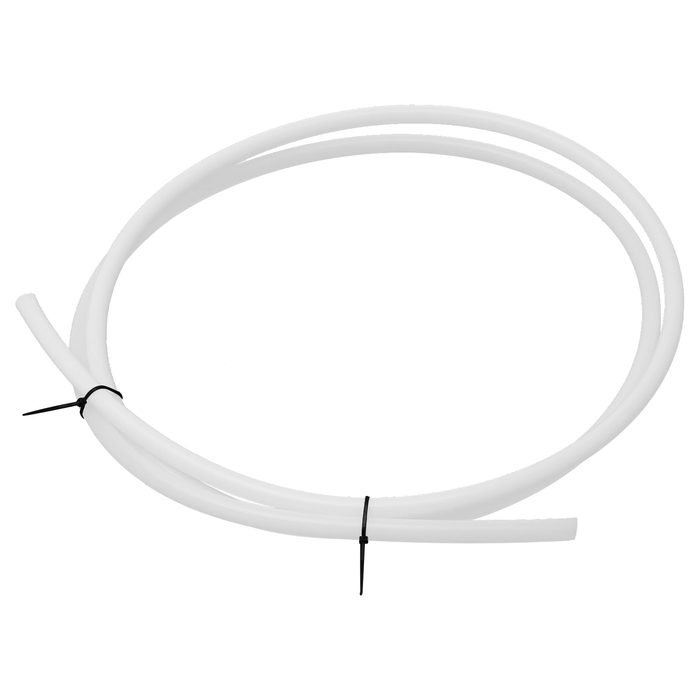
Tubing
Polyurethane, nylon, PTFE, copper and stainless tubing by OD.
Also searched as: pneumatic tubingptfe tubenylon tubingcopper tube6mm tubing
-
-
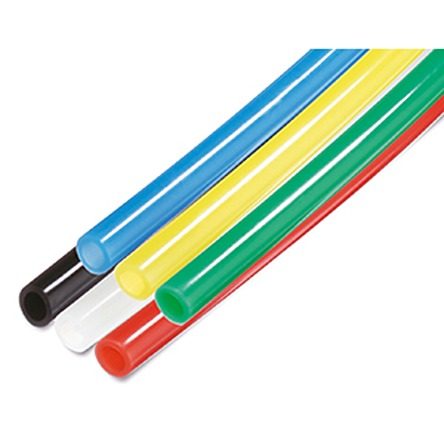
Antistatic Soft Nylon Tubing - Air Only
Length: 100 mMinimum Bend Radius: 15 mmOutside Diameter: 4 mm
-
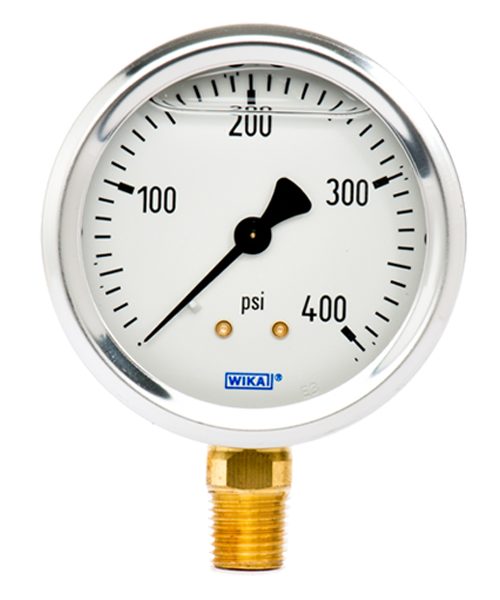
Bourdon Tube, C-shape
Case Filling: GlycerinCase Material: Stainless SteelConnection Gender: MaleDial Color: White with Black LetteringShape: C-shape
-
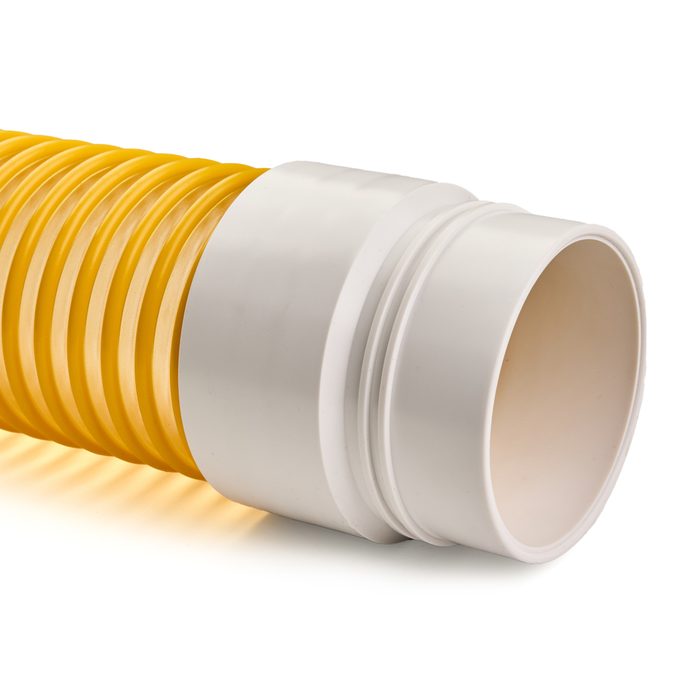
Flex-Tube® FlexStat® 4 in x 25 ft
Diameter: 4 inLength: 25 ft
-
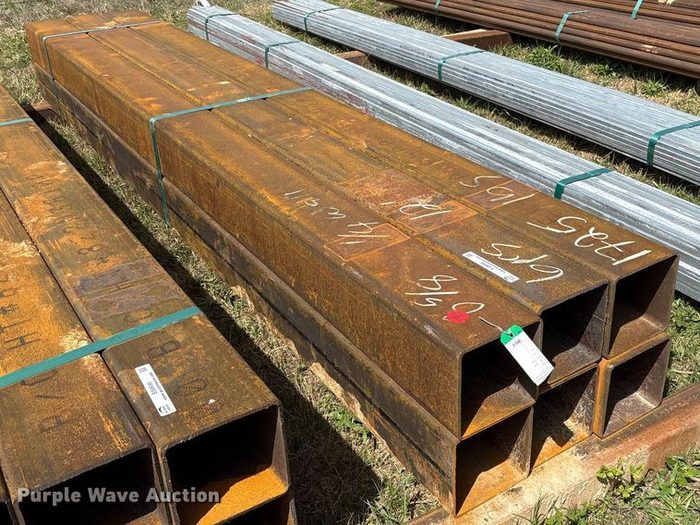
KAR06-12 Tubing
Surface Resistance: 104-107 Ohms
-
-
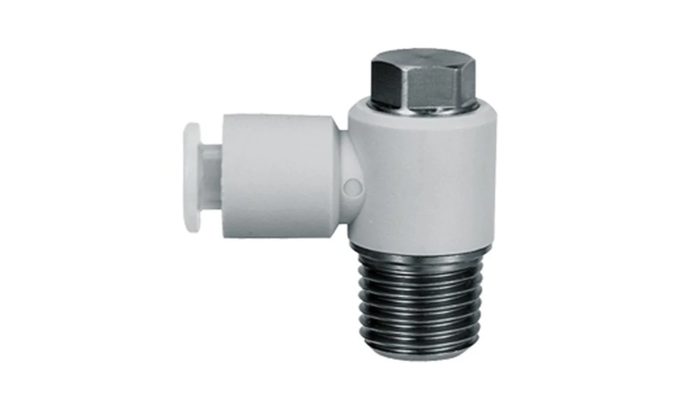
KGW06-01 Tubing
Outer Diameter: 4-16 mm
-
-
-
-
About tubing
Tubing serves as a conduit for fluids and gases in pneumatic, hydraulic, and process control systems. Selection is primarily driven by application requirements concerning pressure, temperature, chemical compatibility, and flexibility. Common types include polyurethane, known for its flexibility and abrasion resistance, often used in pneumatic and robotic applications. Nylon tubing offers higher pressure ratings and good chemical resistance, suitable for air, oil, and some chemical transfer. PTFE (Polytetrafluorofluoroethylene) tubing provides excellent chemical inertness, high-temperature resistance, and a low coefficient of friction, making it ideal for aggressive media or high-purity applications. Metallic tubing, such as copper and stainless steel, is specified for high-pressure, high-temperature, or structural applications. Copper tubing is frequently used for refrigeration, HVAC, and some hydraulic lines, while stainless steel offers superior corrosion resistance and strength for demanding industrial and hygienic environments. Tubing is typically specified by its Outer Diameter (OD) and wall thickness, which together determine the Inner Diameter (ID) and pressure rating. Standard ODs include metric sizes (e.g., 4mm, 6mm, 8mm, 10mm, 12mm) and imperial sizes (e.g., 1/8", 1/4", 3/8", 1/2"). Pressure ratings are critical and must exceed maximum system operating pressure, often with a safety factor. Material composition dictates chemical compatibility and temperature limits. Flexibility is also a key consideration, particularly for dynamic applications or tight bend radii.
How to choose
When selecting tubing, first define the fluid or gas being transported and its operating pressure and temperature range. This dictates the required material (e.g., polyurethane for air, PTFE for aggressive chemicals, stainless steel for high pressure). Next, determine the necessary flow rate to establish the appropriate Inner Diameter (ID), which in turn, along with the pressure rating, will define the Outer Diameter (OD) and wall thickness. Consider the installation environment: Will the tubing be static or dynamic? Does it require resistance to abrasion, UV, or specific chemicals? Finally, evaluate flexibility requirements for routing and bending, as this will influence material choice and minimum bend radius. For example, polyurethane offers high flexibility, while stainless steel is rigid.