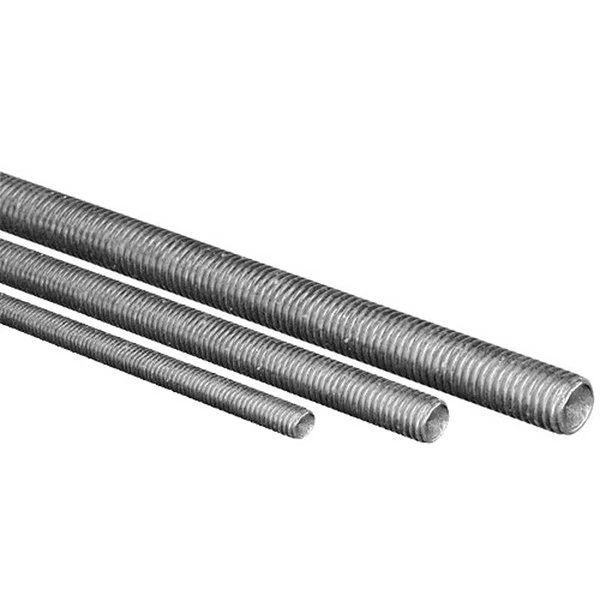
Threaded Rod & Studs
All-thread, double-end studs and anchor rod in steel and stainless.
Also searched as: all threadall-thread rodstudsanchor rodacme rod
-
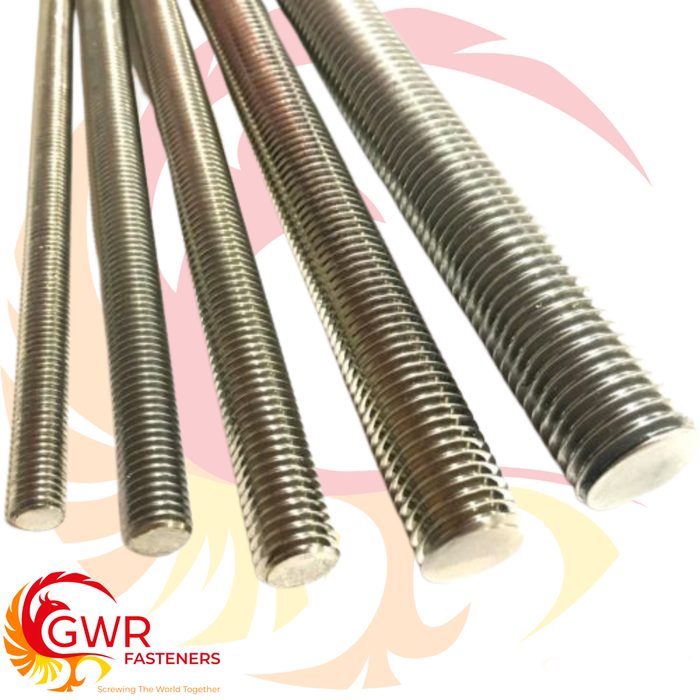
10mm 12mm 16mm All Thread Rod Internally Threaded Rod
Diameter: 10mm 12mm 16mm
-
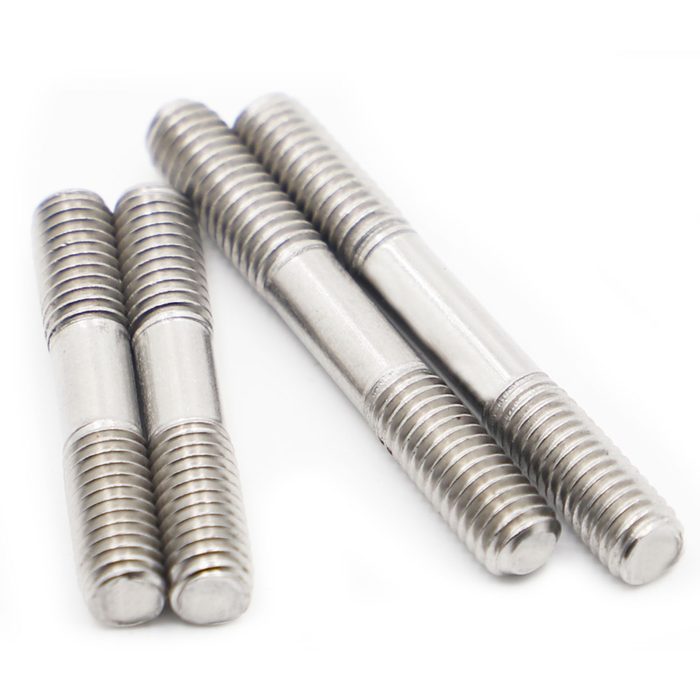
304 Stainless Steel Double-End Threaded Rod
Form: Double-End Threaded
-
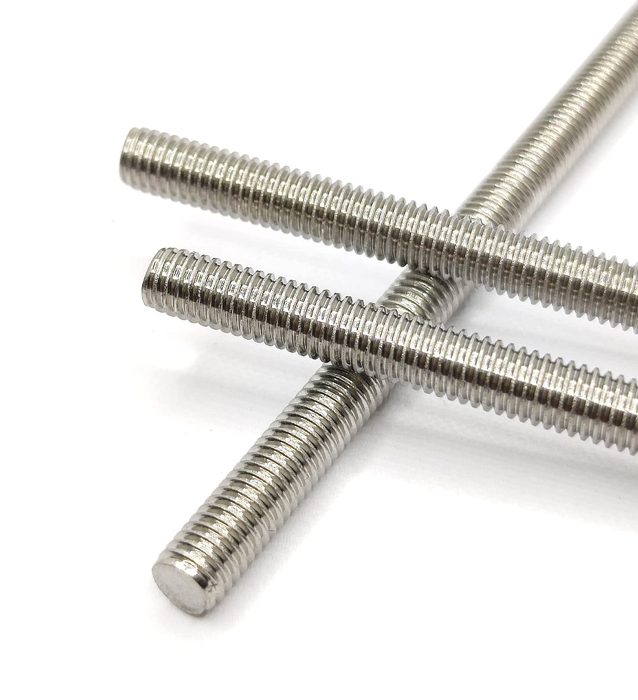
Custom-made Stainless Steel 304 A2 Metric Threaded Rod Studs
Thread Type: Metric
-
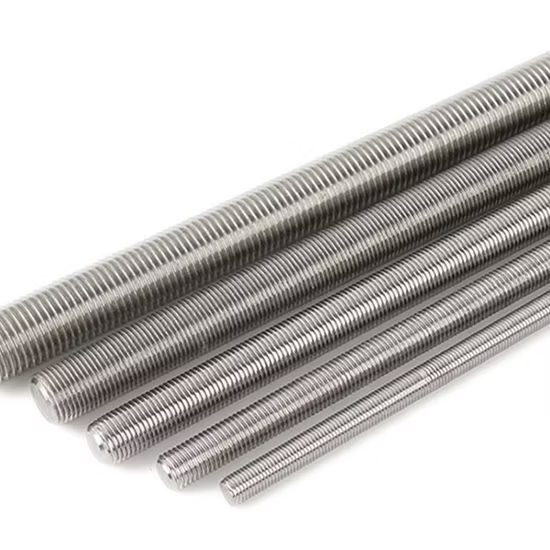
DIN 975 All Thread Rod
Standard: DIN 975
-
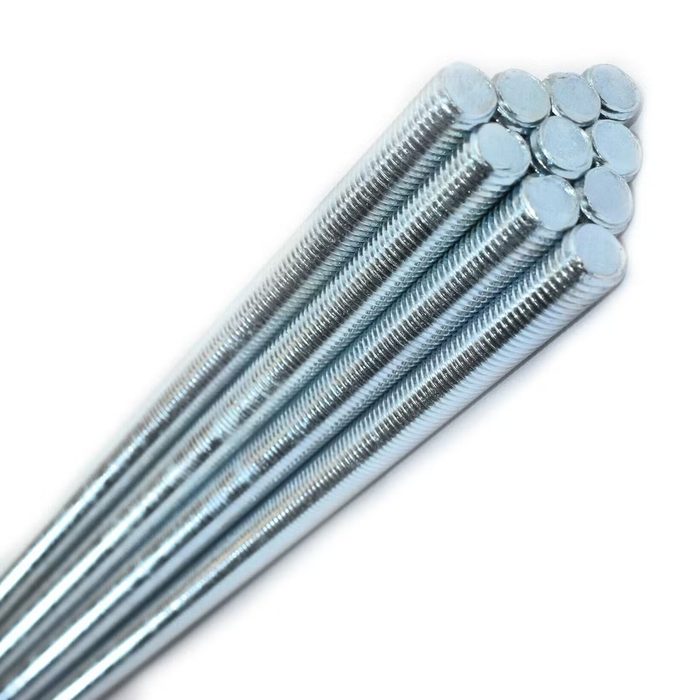
DIN 975 Class 10.9 Steel Plain Galvanized Stud Threaded Rod
Class: 10.9Finish: Plain GalvanizedStandard: DIN 975
-
Galvanized Stud Threaded Rods
Finish: Galvanized
-
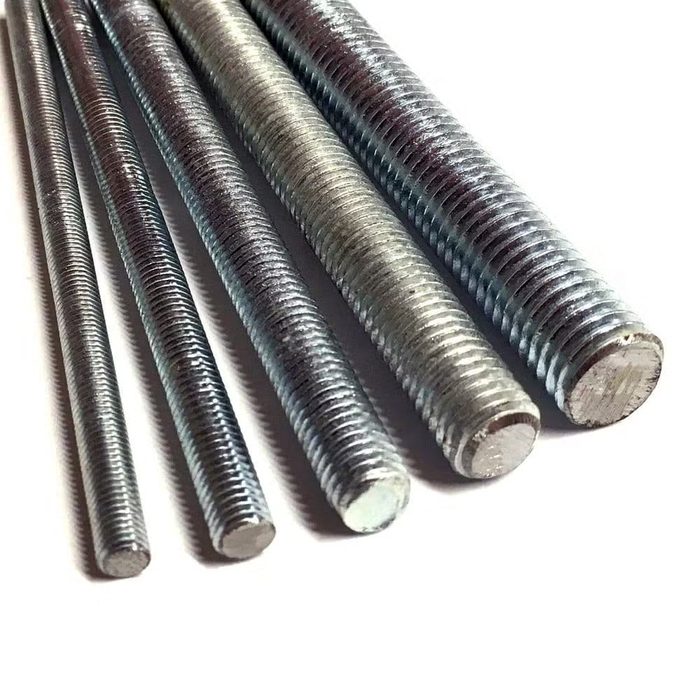
High Tensile Grade 8.8 Carbon Steel Full Thread All Thread Rod
Diameter: 220 mmGrade: 8.8Length: 3000mm
-
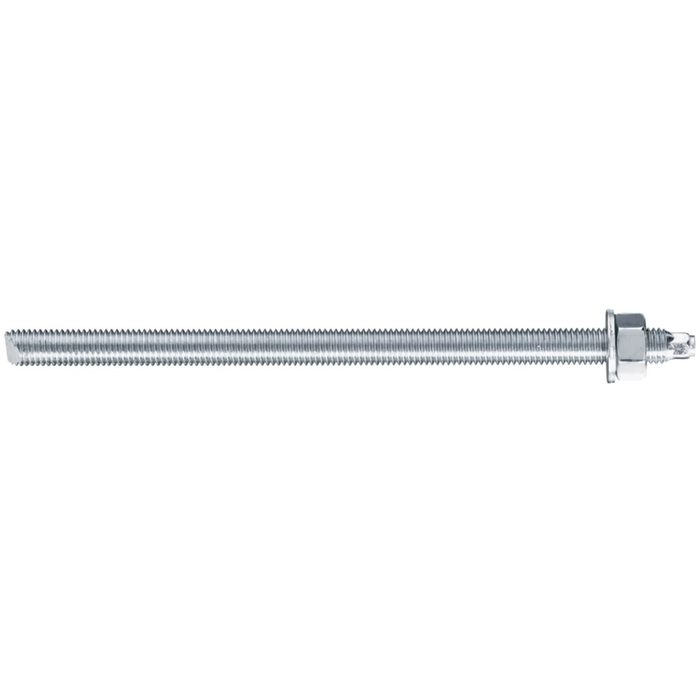
Hilti HAS-U Anchor Rod
Size: M12*160 M12*180
from $0.57Alibaba $0.57 -
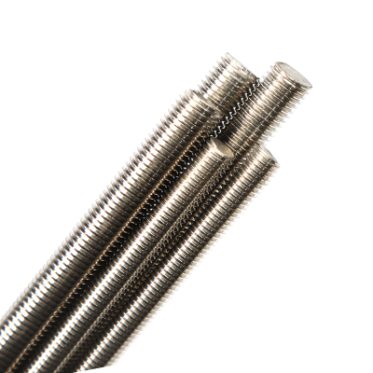
ISO Metric Stainless Steel M5 M9 M10 M12 All Thread Hollow Rod
Thread Size: M5 M9 M10 M12
-
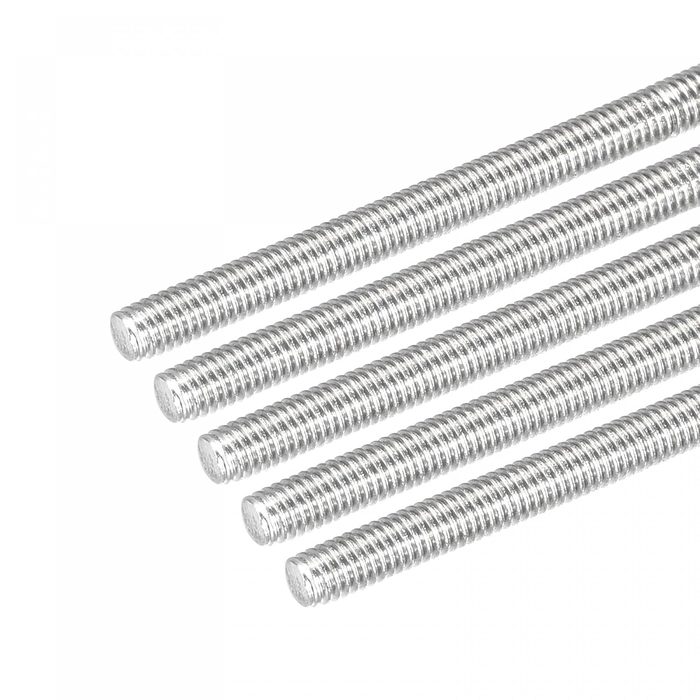
M3x150mm Stainless Steel Threaded Rod
Length: 150mmThread Size: M3
-
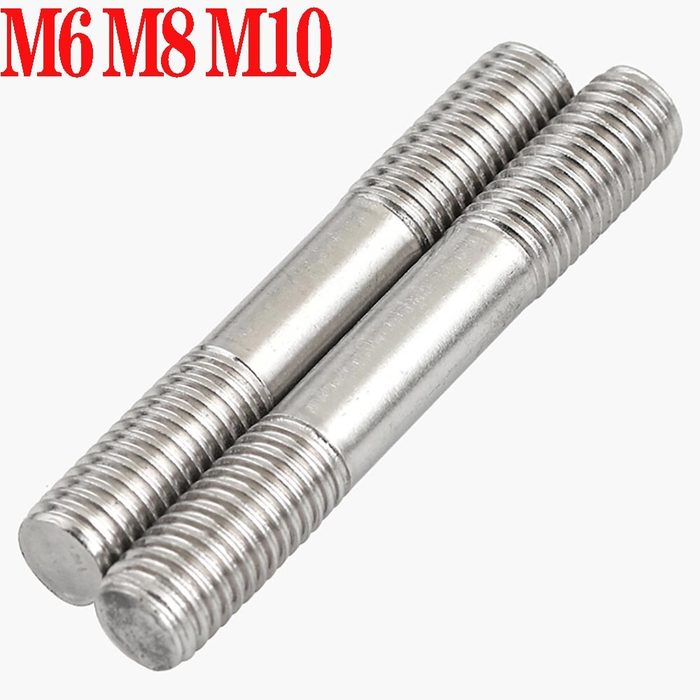
M6, M8, M10 Fully Threaded Studs and Threaded Rods
Thread Size: M6, M8, M10
-
About threaded rod & studs
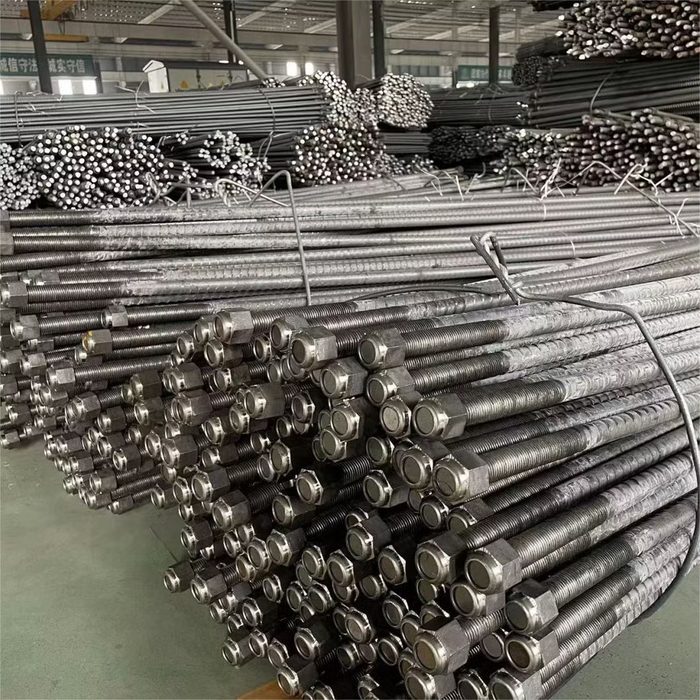
Threaded rods and studs are fasteners designed for tension applications, providing continuous external threading along their length. All-thread rod, also known as fully threaded rod or continuously threaded rod, is available in lengths up to 12 feet or more, commonly specified by nominal diameter (e.g., 1/4 inch, M6), thread pitch (e.g., 20 TPI, 1.0 mm), and material grade. Thread forms include UNC, UNF, and metric coarse/fine. Double-end studs feature threads on both ends with an unthreaded body in the center, often used for flange connections or where one end is permanently installed. Anchor rods, frequently bent into an L-shape or J-shape, are embedded in concrete to secure structural elements; they are typically specified by diameter, length, and bend dimensions. Common materials include low-carbon steel (e.g., ASTM A36, Grade 2), medium-carbon steel (e.g., Grade 5, Grade 8, ASTM A193 B7), and stainless steel (e.g., 304, 316). Finishes range from plain (black oxide) to zinc-plated, hot-dip galvanized, or specialty coatings for corrosion resistance. Selection is driven by required tensile strength, shear strength, and environmental conditions.
How to choose
Selecting the appropriate threaded rod or stud involves a sequential decision process. First, determine the required load-bearing capacity and application environment to establish the necessary material grade (e.g., ASTM A36, Grade 8, 316 Stainless Steel) and corrosion resistance. Second, define the nominal diameter and thread pitch based on the mating components and required strength, selecting between imperial (UNC, UNF) or metric (M) standards. Third, identify the specific fastener type: all-thread for continuous engagement, double-end stud for fixed-end applications, or anchor rod for concrete embedment. Fourth, specify the required length, considering engagement depth and projection. Finally, select any necessary coatings or finishes for enhanced durability or environmental protection, balancing cost against performance requirements.