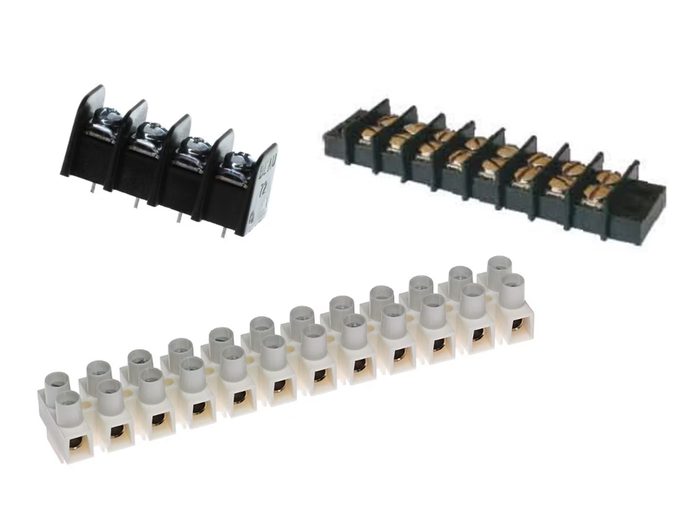
Terminal Blocks & Blocks
DIN-rail terminals, barrier strips, distribution and grounding.
Also searched as: terminal blockdin terminalbarrier stripground bar
-
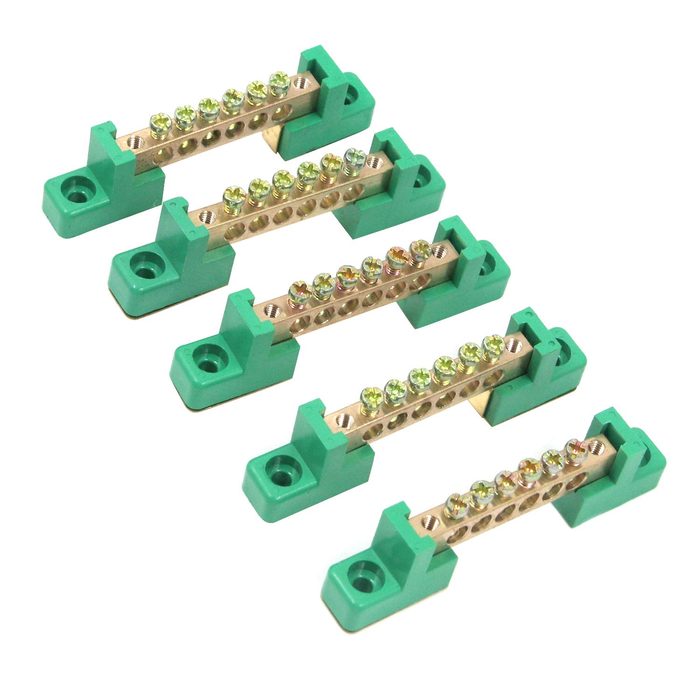
6 Positions Terminal Bus Bar
Positions: 6
-
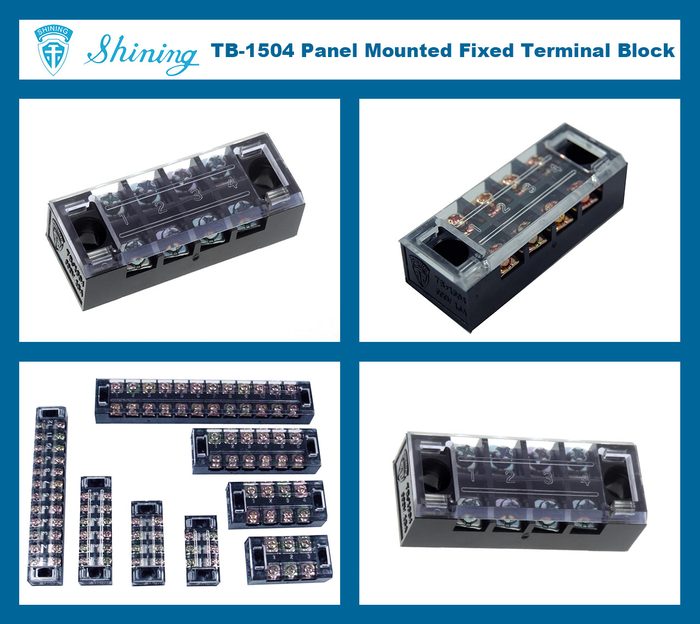
Covered Dual Row 4 Position Screw Terminal Block
Maximum Rated AMPS: 15AMaximum Rated Voltage: 600VPositions: 4
-
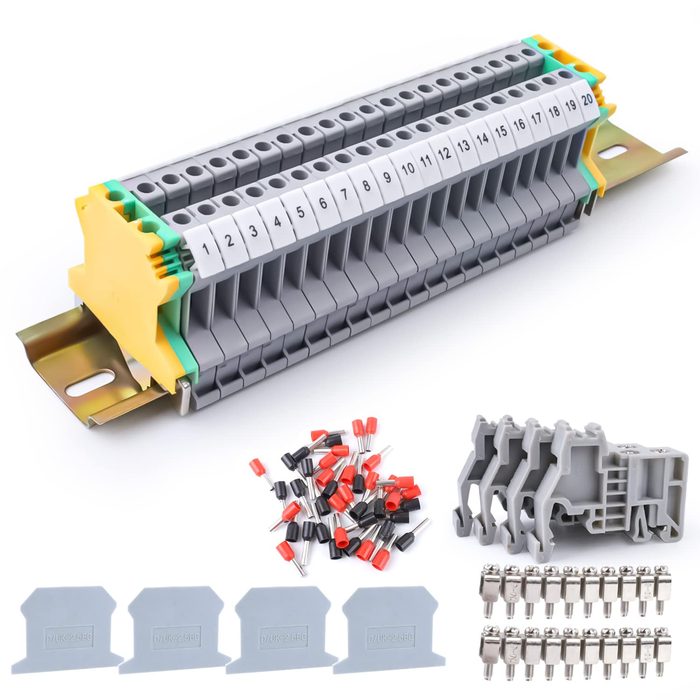
DIN Rail Terminal Block
Mounting: DIN Rail
-

DIN Terminal Blocks, Universal Wiring
Wiring: Universal
-
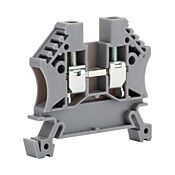
DINnectors Terminal Block
Pins: 50
-
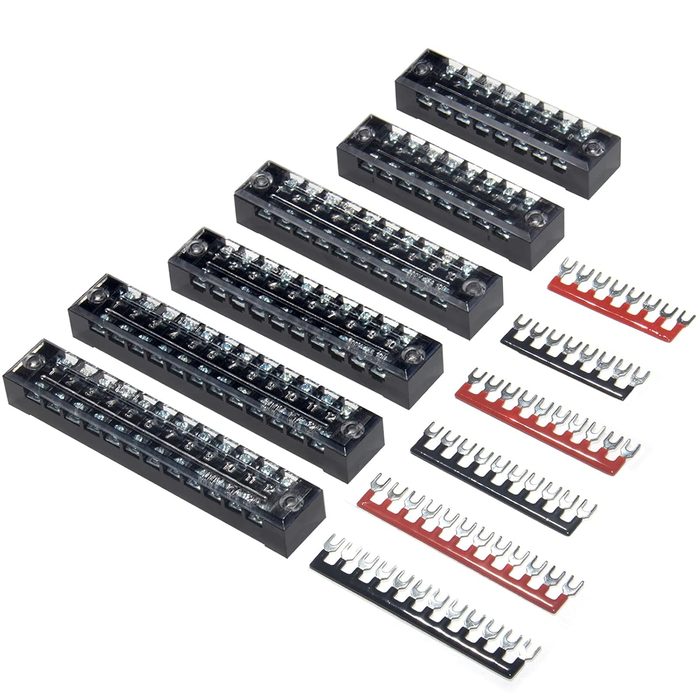
Dual Row Screw Terminal Block Terminal Barrier Strip
Amperage: 15APositions: 3-12Rows: DualVoltage: 600V
-
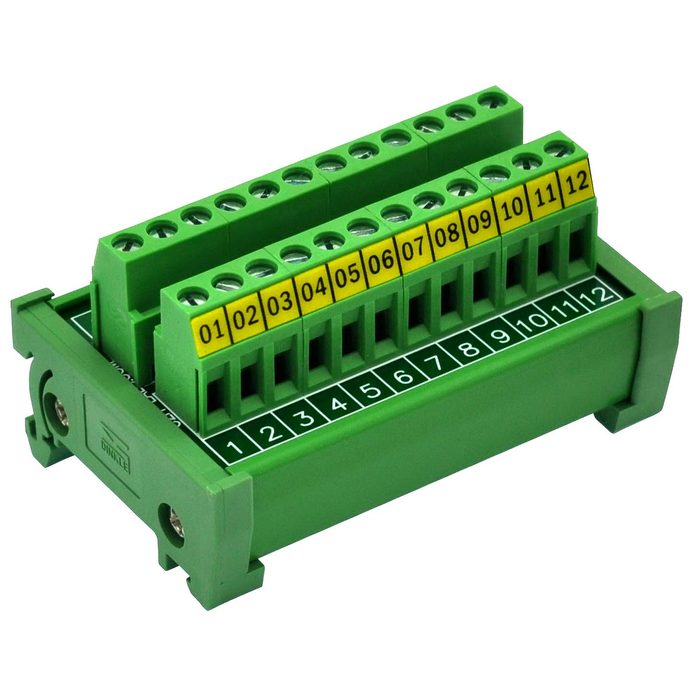
Screw Type Terminal Block DIN Rail Mount
Quantity: 50 pcs
-
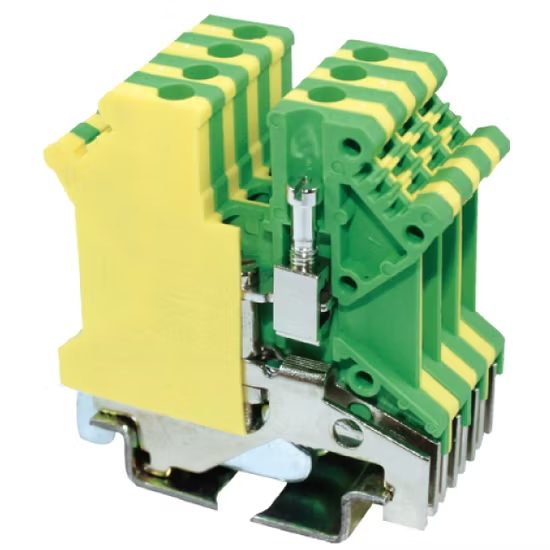
Terminal Block High Current Brass Screw DIN Rail Mounting
Current: 15-100 APositions: 5-50
-
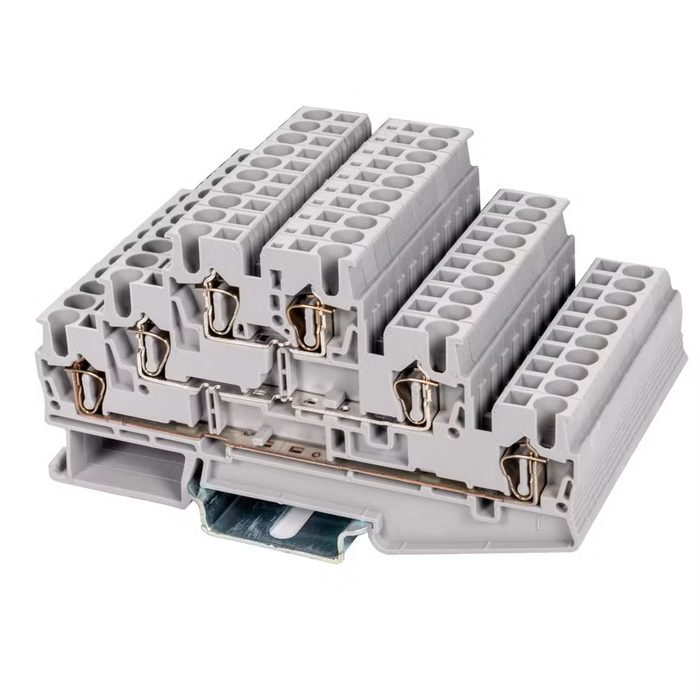
Three Level Terminal Block, DIN Rail
DIN Rail Size: 35 mmWire Gauge: 24 - 12 AWG
About terminal blocks & blocks
Terminal blocks and barrier strips provide a secure, organized method for connecting electrical wires within control panels, machinery, and various electronic assemblies. DIN-rail mount terminal blocks, such as feed-through, ground, and disconnect types, are common for industrial control applications, offering modularity and ease of installation on standard 35mm or 15mm DIN rails. Barrier strips, characterized by their screw terminals separated by insulating barriers, are frequently used for lower voltage applications or where individual wire termination is preferred. Distribution blocks facilitate power distribution from a single input to multiple outputs, often featuring multiple poles and varying current ratings. Grounding blocks ensure a reliable earth connection for safety and EMI reduction. Selection criteria include current rating (Amperes), voltage rating (Volts), wire gauge compatibility (AWG or mm²), number of positions/poles, and terminal type (screw clamp, spring clamp, push-in). Materials typically include polyamide (PA66) or melamine for insulation, with conductive parts made from nickel-plated brass, copper, or steel, ensuring robust electrical and mechanical performance. Dimensions, such as pitch and overall footprint, are critical for panel layout.
How to choose
When selecting terminal blocks, first determine the required current and voltage ratings to match application demands. Second, identify the wire gauge(s) to be terminated, which dictates the appropriate terminal size and connection method (e.g., screw, spring, push-in). Third, consider the mounting preference: DIN-rail for modularity and industrial standards, or panel/surface mount for barrier strips. Fourth, specify the number of poles or positions needed for each connection point. Finally, evaluate any special functions required, such as grounding, fused, or disconnect blocks, which add specific capabilities at the expense of footprint and cost.