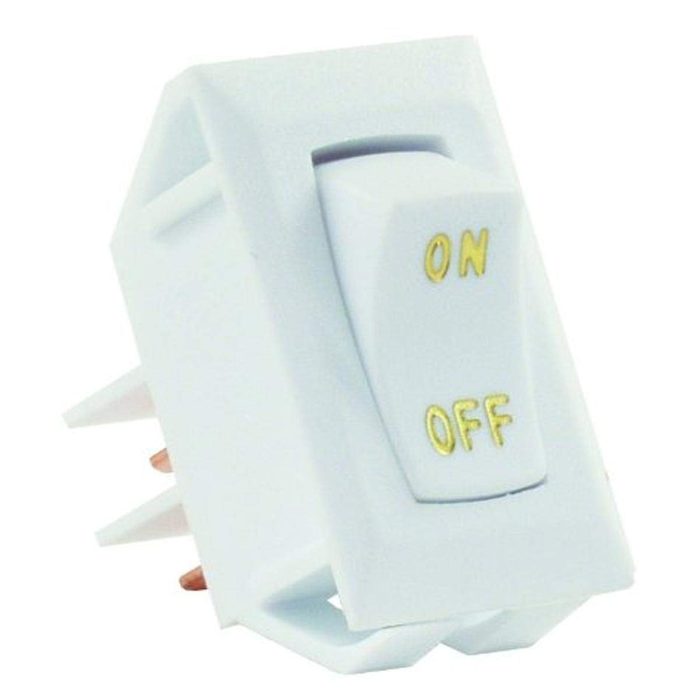
Switches
Toggle, rocker, limit, push-button, rotary and selector switches.
Also searched as: limit switchtoggle switchpush buttonrocker switchmicro switch
-
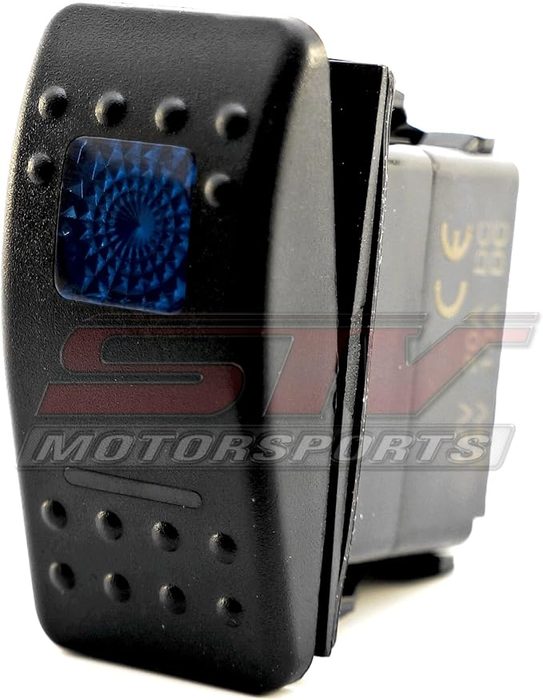
Auto Rocker Switch Off/ON/ON 12V
Operation Mode: Off/ON/ONVoltage: 12V
-
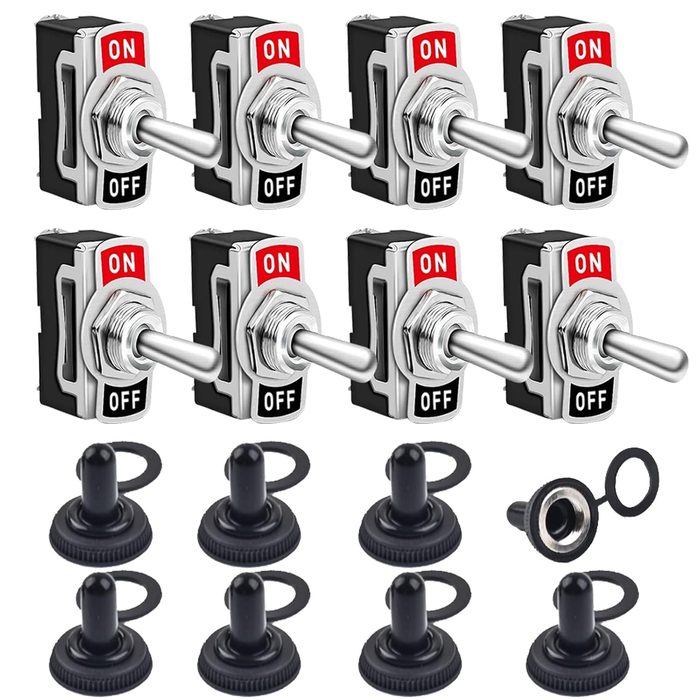
COROTC 8 Pack Toggle Switches, 2 Pin 20A 125V AC/ 15A 250V AC ON Off Switch, SPST Car Rocker Switches with Boot Cap Cover, 12V Heavy Duty Waterproof Toggle Switch
Current Rating: 20 APins: 2Pole and Throw: SPSTSwitch Action: ON-OFFVoltage Rating: 125 VAC
from $9.99Amazon $9.99 -
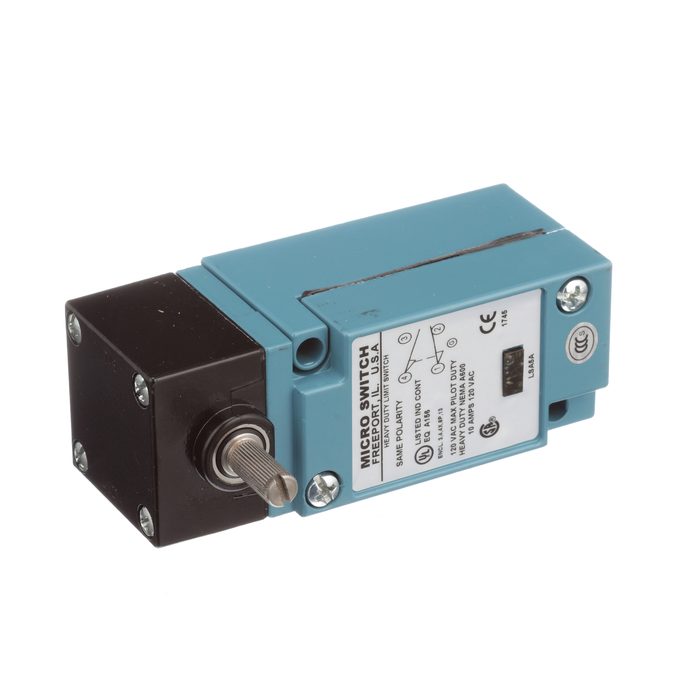
Lead Limit Switch, SPDT 1NO 1NC Snap Action
Action: SnapContact Configuration: SPDT 1NO 1NCType: Limit Switch
-
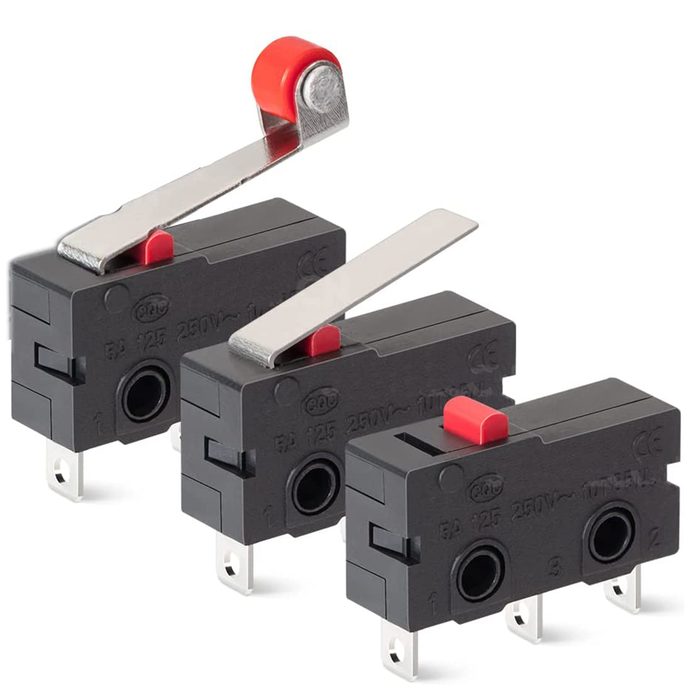
Micro Limit Switch 250VAC 5A SPDT 1NO 1NC
Contact Configuration: SPDT 1NO 1NCCurrent Rating: 5 AType: Micro Limit SwitchVoltage Rating: 250 V AC
-
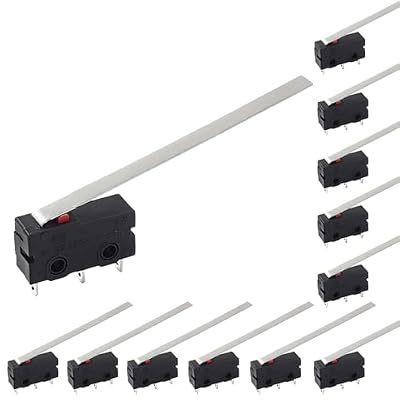
Micro Limit Switch, 5A 125/250V AC SPDT
Contact Configuration: SPDTCurrent Rating: 5 AType: Micro Limit SwitchVoltage Rating: 125/250 V AC
-
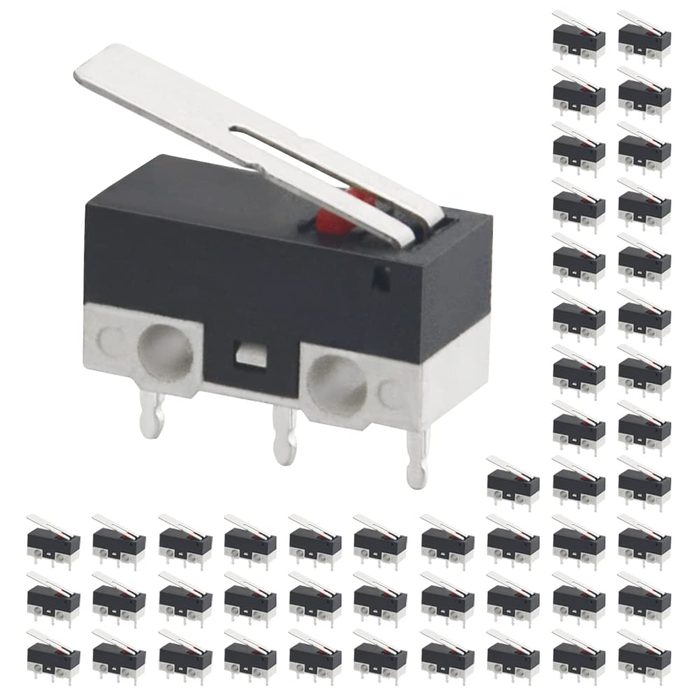
Micro Switch AC 1A 125V 3 Pin
Current Rating: 1 APins: 3Type: Micro SwitchVoltage Rating: 125 V AC
-
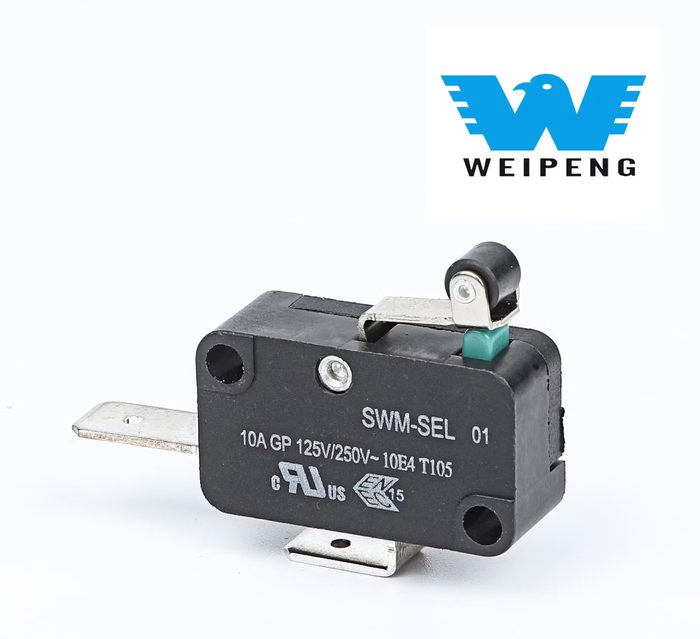
Micro Switch Roller Ball, 10 Amps 125 Volts Push Button
Actuator: Roller BallConnector Type: SolderCurrent Rating: 10 AOperating Voltage: 125 VSwitch Type: Push Button
-
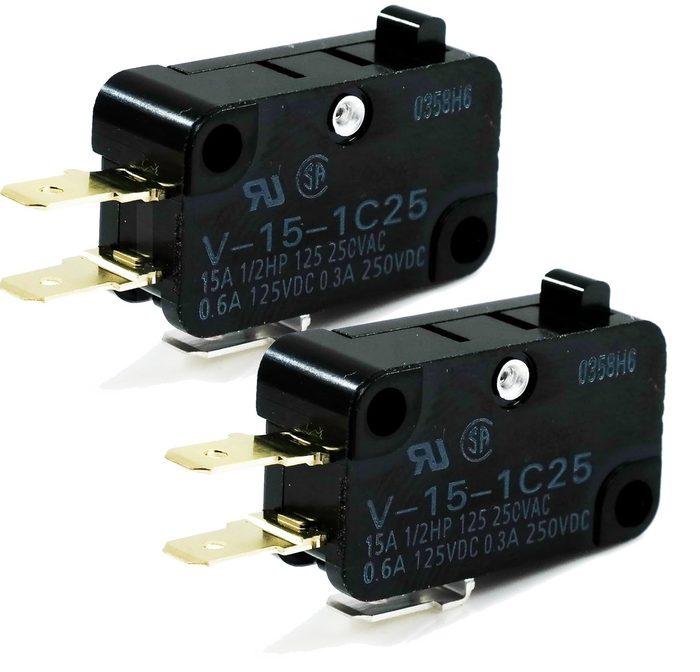
Micro Switch, 15 Amps 110 Volts
Contact Type: StainlessCurrent Rating: 15 AOperating Voltage: 110 VType: Micro Switch
-
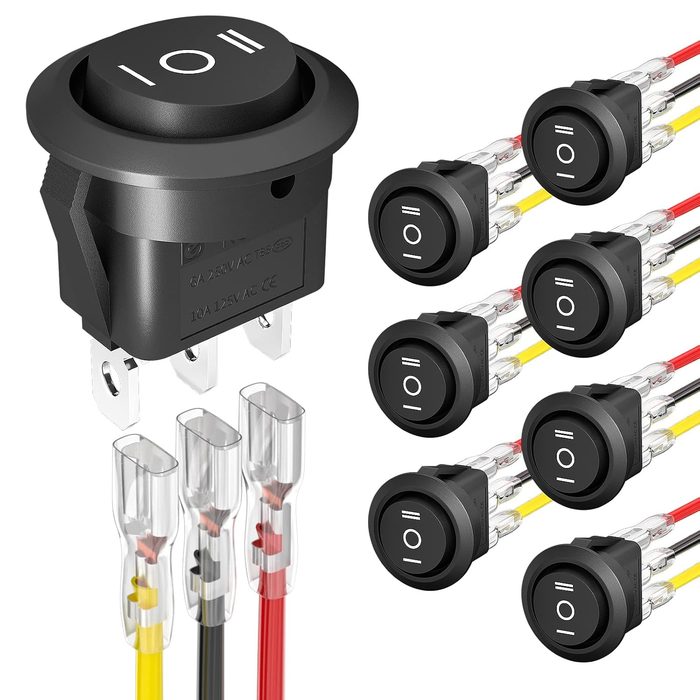
Mini Rocker Switch 12 Volt ON-OFF
Connector Type: CrimpContact Type: Normally OpenCurrent Rating: 20 AmpsOperating Voltage: 125 VoltsOperation Mode: ON-OFF
-
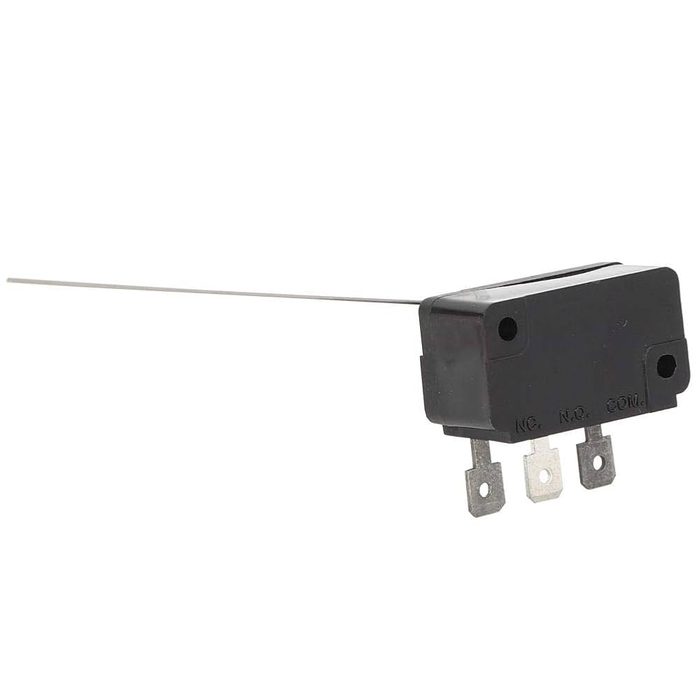
Normally Open Microswitch Long Pin
Contact Configuration: Normally OpenFeatures: Long PinType: Microswitch
-
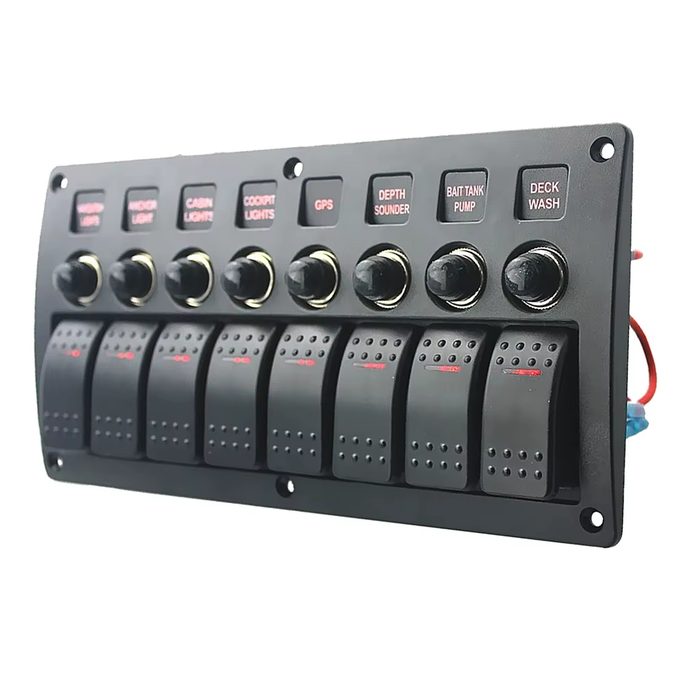
Rocker Switch Panel 8 Gang
Connector Type: ScrewContact Type: Normally OpenCurrent Rating: 20 AmpsOperating Voltage: 24 VoltsOperation Mode: ON-OFF
-
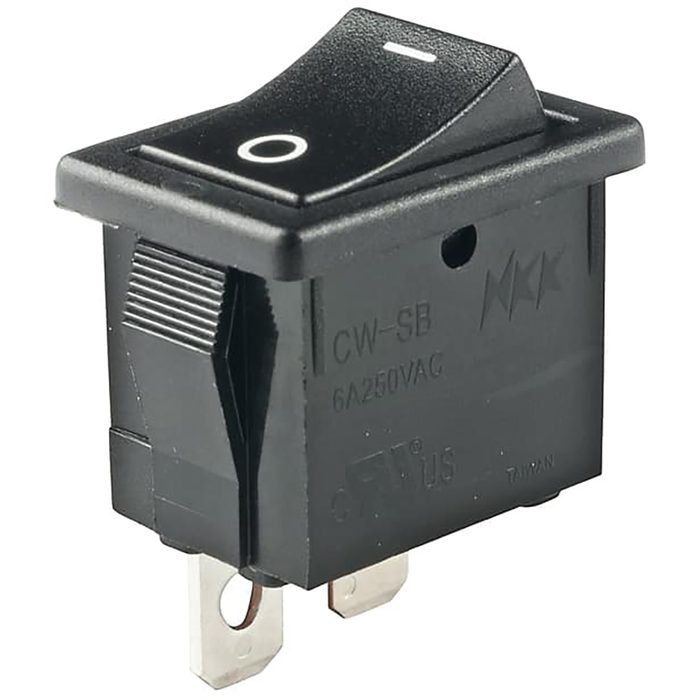
Rocker Switch SPST ON-NONE-OFF
Connector Type: Quick ConnectContact Type: Normally OpenCurrent Rating: 15 AmpsOperating Voltage: 125 Volts (AC)Operation Mode: ON-NONE-OFF
-
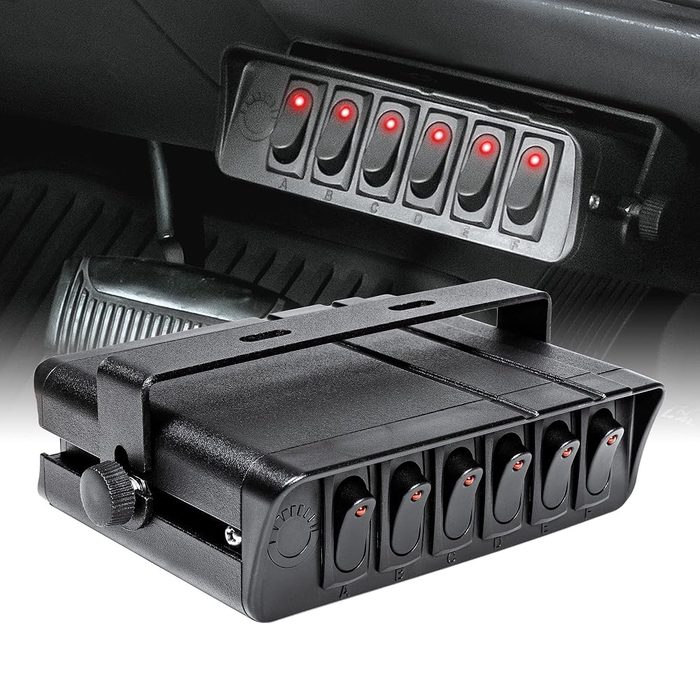
Rocker Toggle Switch Kit 12V DC SPST
Current Rating: 20APole and Throw: SPSTVoltage: 12V DC
-
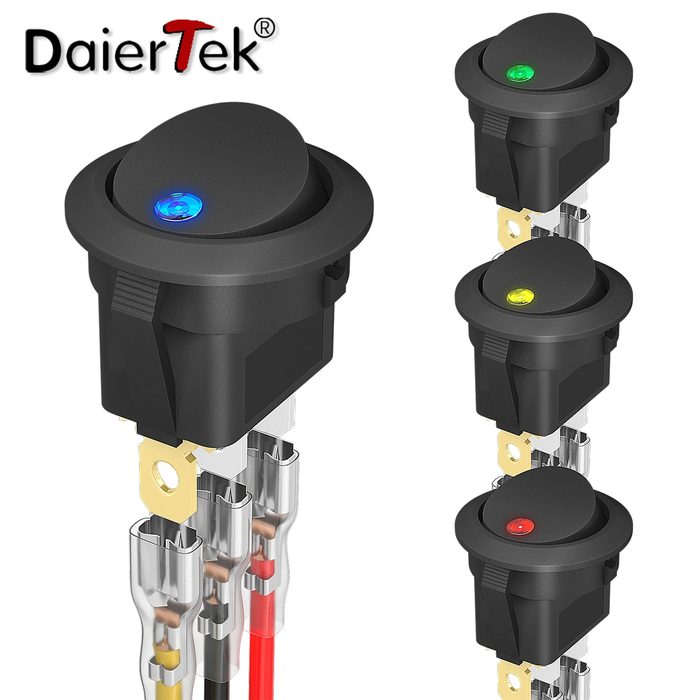
Round Rocker Switch 12V Lighted 3 Pin SPST
Current Rating: 20APins: 3Pole and Throw: SPSTVoltage: 12VDC
-
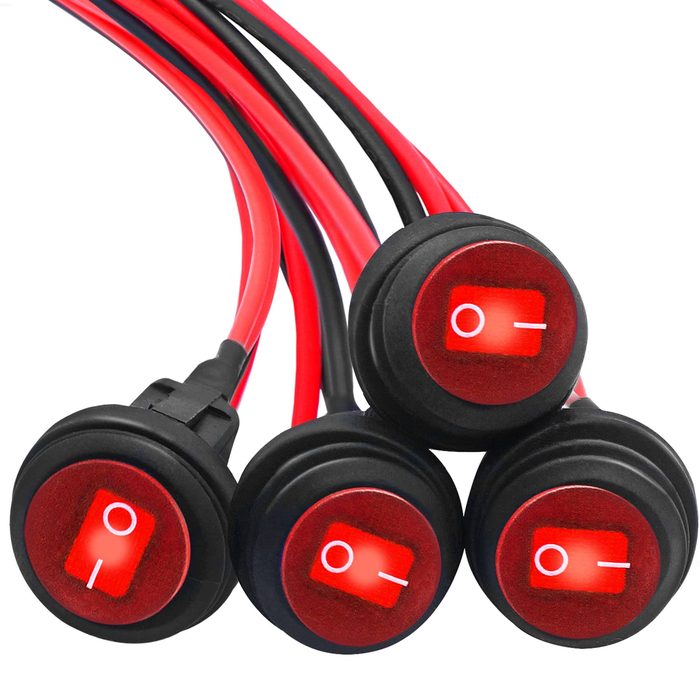
Round Rocker Switch 12V UL Listed, Waterproof, Red LED
LED Color: redVoltage: 12V
-
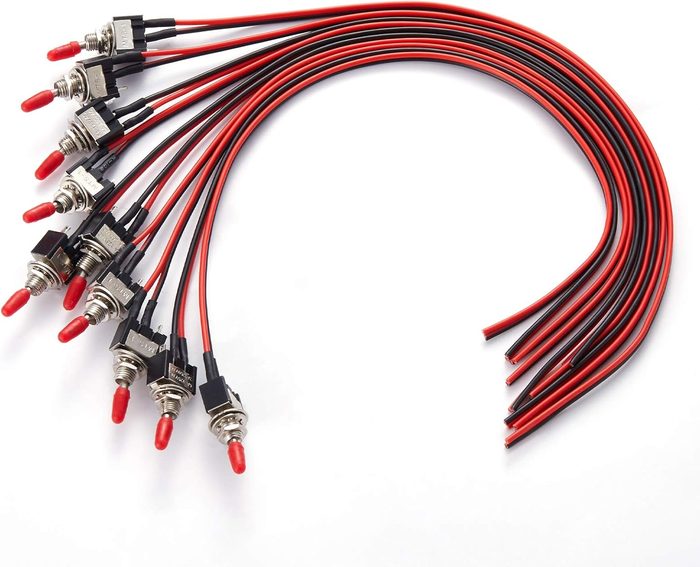
VONVOFF Toggle Switch, ON/Off SPST with Pre-soldered Wires, 3 Pins 2 Positions
Pins: 3Pole and Throw: SPSTPositions: 2Switch Action: ON/Off
from $11.99Amazon $11.99 -
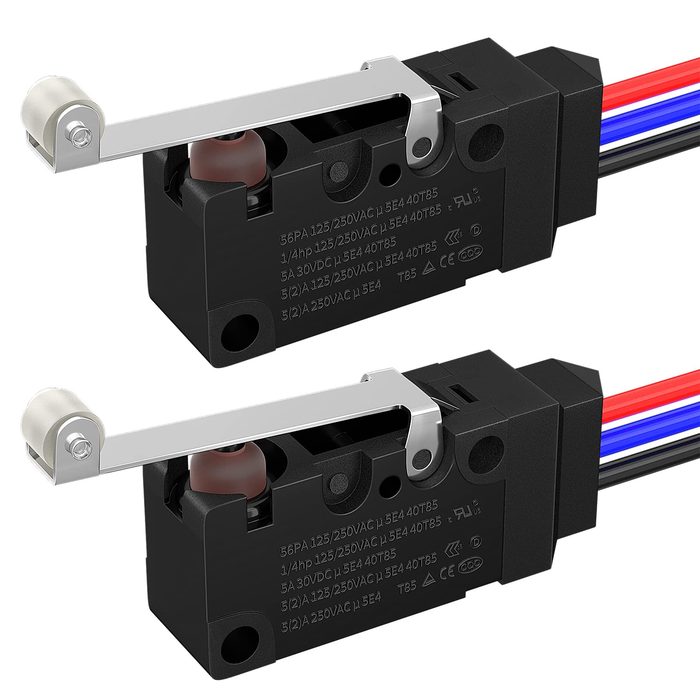
Waterproof Micro Limit Switch with Hinge Lever
Features: Waterproof, Hinge LeverType: Micro Limit Switch
-
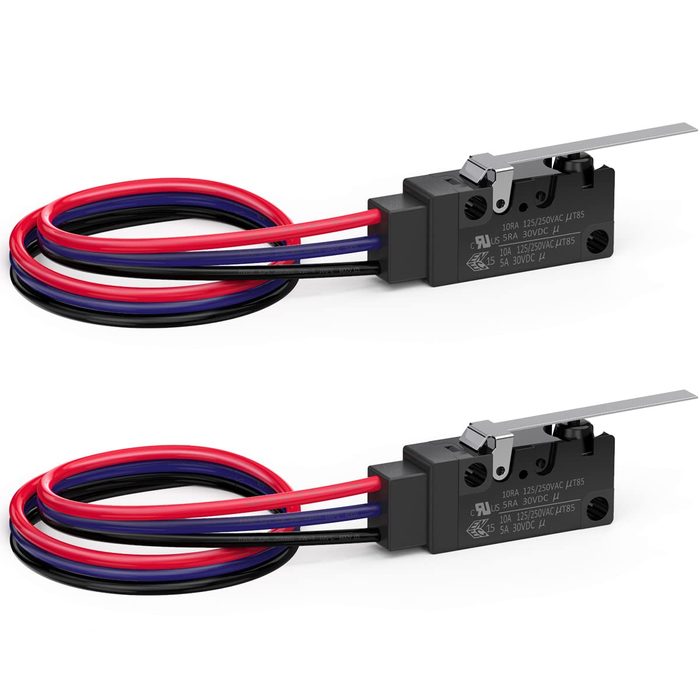
Waterproof Micro Switch Long Straight Hinge Lever
Features: Waterproof, Dustproof, Oil Resistant, Long Straight Hinge LeverType: Micro Switch
-
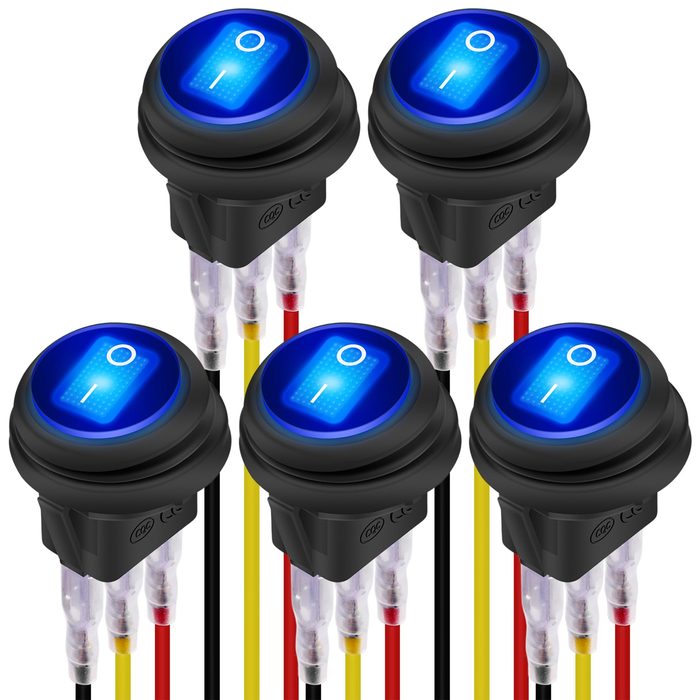
Waterproof Rocker Switch 12v ON/Off, LED Backlit
Current Rating: 20 AmpsIP Rating: IP66Voltage: 12v
About switches
Switches are electromechanical components that control the flow of current in a circuit. They are broadly categorized by their actuation method and contact configuration. Common types include toggle switches, actuated by a lever; rocker switches, which pivot on an axis; push-button switches, momentary or latching; rotary switches, with multiple positions; and selector switches, offering distinct detented positions. Limit switches are a specialized type, often used for position sensing in machinery, available in plunger, roller, or lever actuator styles. Key selection parameters include contact rating (voltage and current, AC/DC), number of poles and throws (e.g., SPST, DPDT), actuation force, operating temperature range, and electrical life cycles. Environmental considerations, such as IP rating for dust and water ingress, are critical for industrial applications. Materials for contacts typically include silver alloys for conductivity and arc resistance, while housings are often molded from engineering plastics like nylon or polycarbonate, or metals such as brass or stainless steel for robust applications. Terminations vary from solder lugs and quick-connect terminals to screw terminals or PCB pins.
How to choose
When selecting a switch, begin by defining its primary function: momentary or maintained contact. Next, determine the electrical load characteristics—voltage (AC/DC) and current—to ensure appropriate contact ratings. Consider the required number of poles and throws (e.g., SPDT for simple on-off, DPDT for reversing motor direction). Evaluate the operating environment for temperature extremes, vibration, and potential exposure to dust or moisture, necessitating a specific IP rating. Finally, select the actuation method (toggle, push-button, rotary) and mounting style (panel, PCB, surface) based on user interface requirements and physical integration constraints. Trade-offs often involve durability versus cost, or compact size versus higher current capacity.