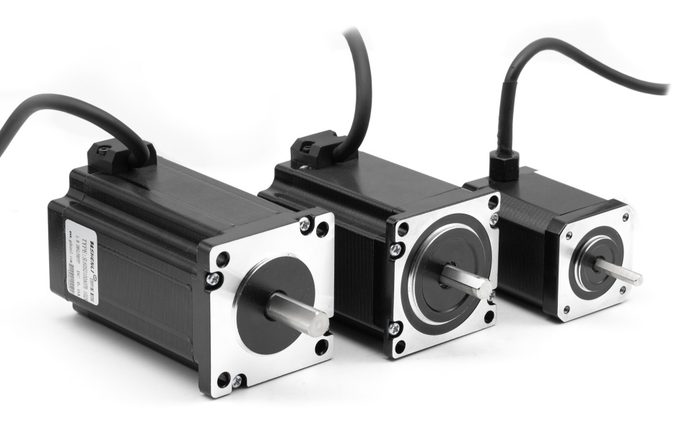
Stepper Motors
NEMA-frame steppers, geared steppers and driver modules.
Also searched as: nema 17nema 23stepper driverstepper motor
-
-
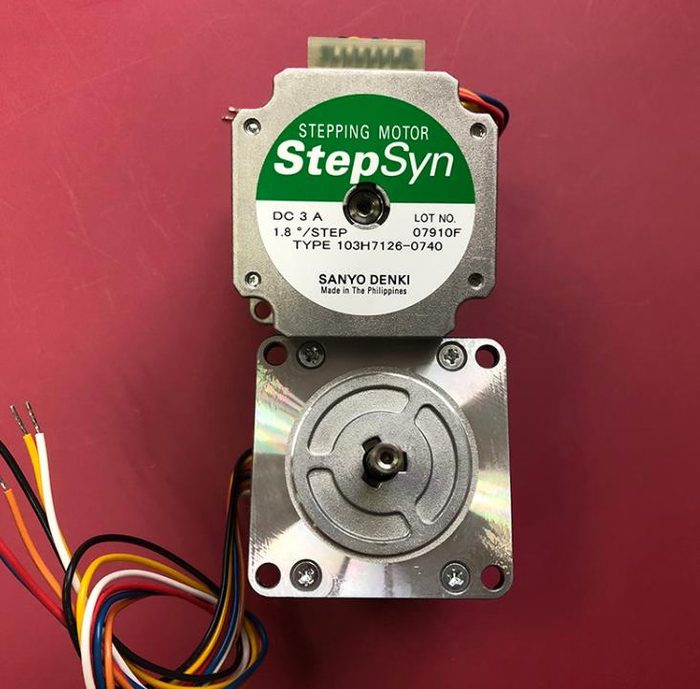
AMP-NEMA 17 High Torque Step Motor – Hollow Shaft
NEMA size: 17Shaft type: Hollow
-
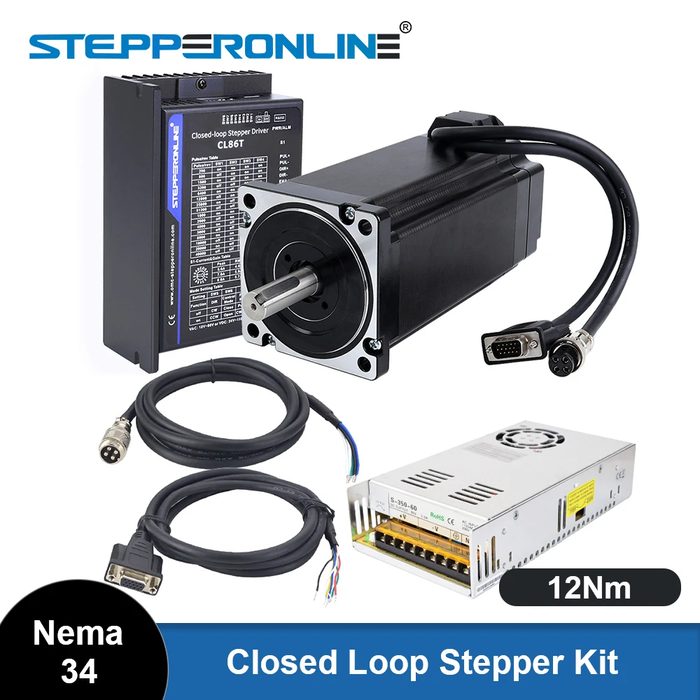
Closed Loop Stepper Driver
Current: 0-3.0 A
-
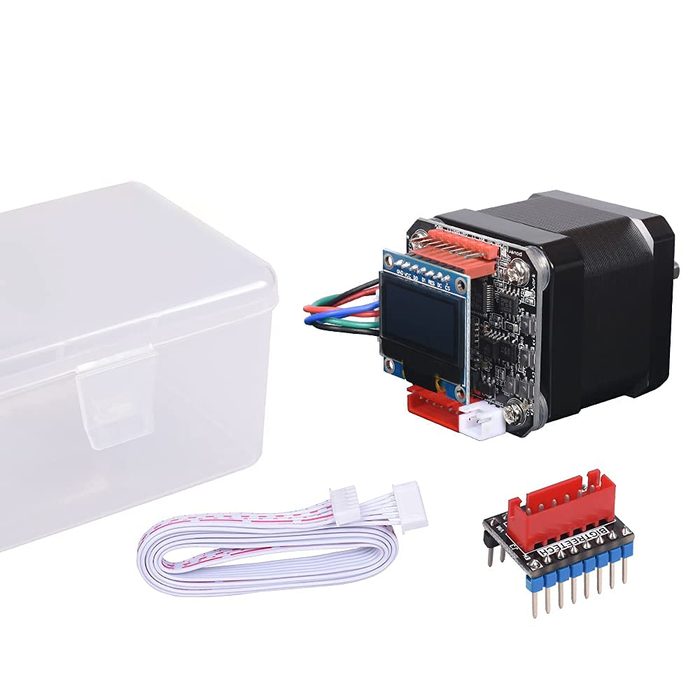
Closed Loop Stepper Driver V2.0
Current: 0-8.5 AVoltage AC: 20-80 VACVoltage DC: 30-110 VDC
-
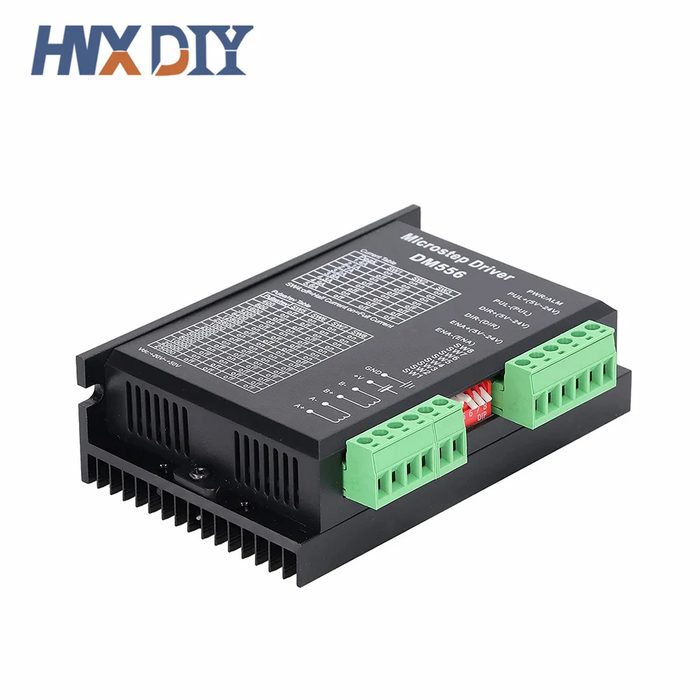
Digital Stepper Driver
Current: 1.0-4.2 AVoltage DC: 20-50 VDC
-
Digital Stepper Driver
Current: 0.3-2.2 ANEMA Frame Compatibility: 8-17Voltage: 10-30 VDC
-
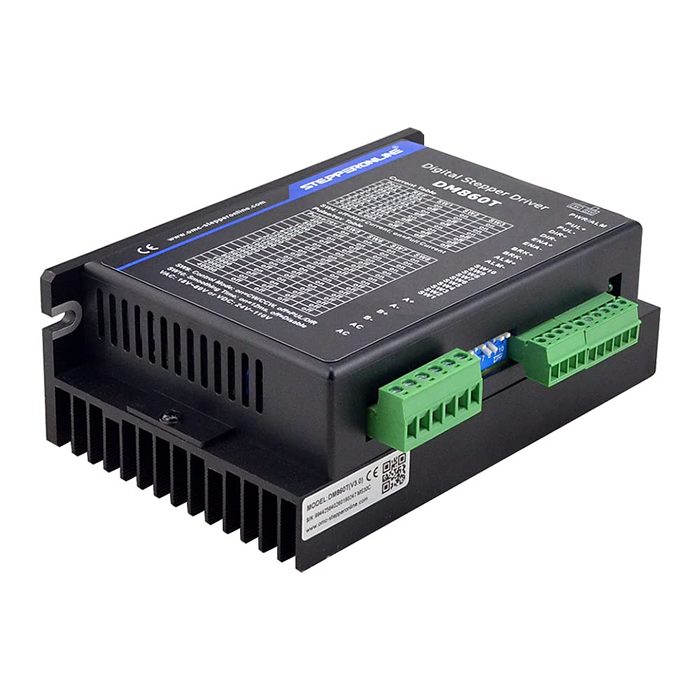
Digital Stepper Driver
Current: 4 A
-
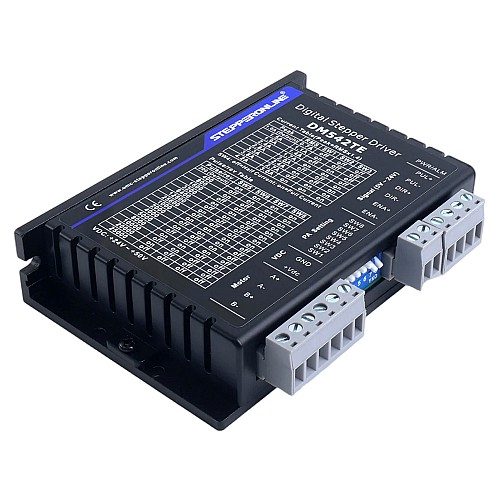
Digital Stepper Driver TE Series
Input Voltage: 20-80 VAC/30-100 VDCNEMA Frame Compatibility: 23, 24, 34Output Peak Current: 2.4-7.2 A
-
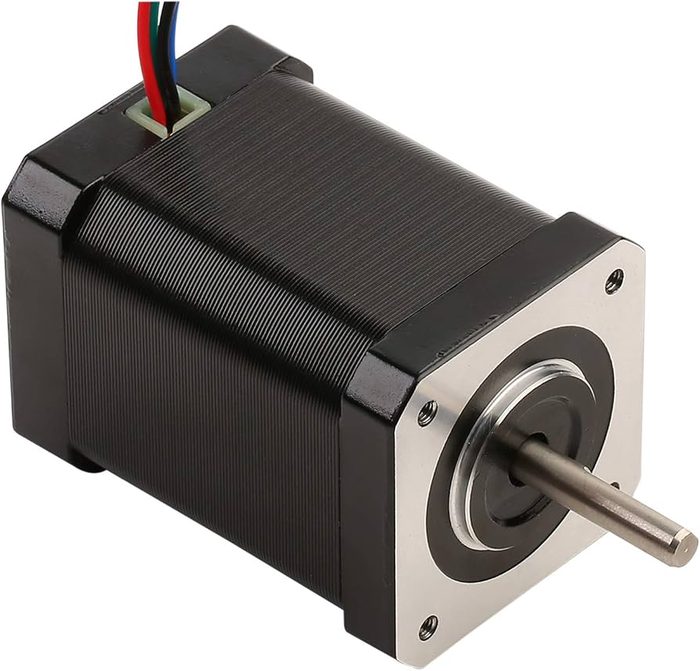
Dual Shaft Nema 17 Stepper Motor 44Ncm 1.68A
Current per phase: 1.68 AHolding torque: 44 NcmNEMA size: 17Shaft type: Dual
-
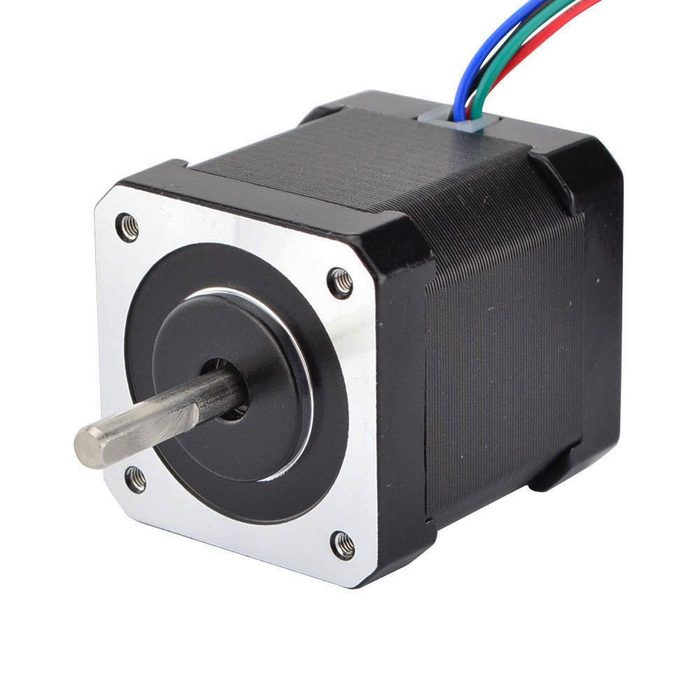
High Torque Nema 17 Stepper Motor
Speed: 200 RPM
-
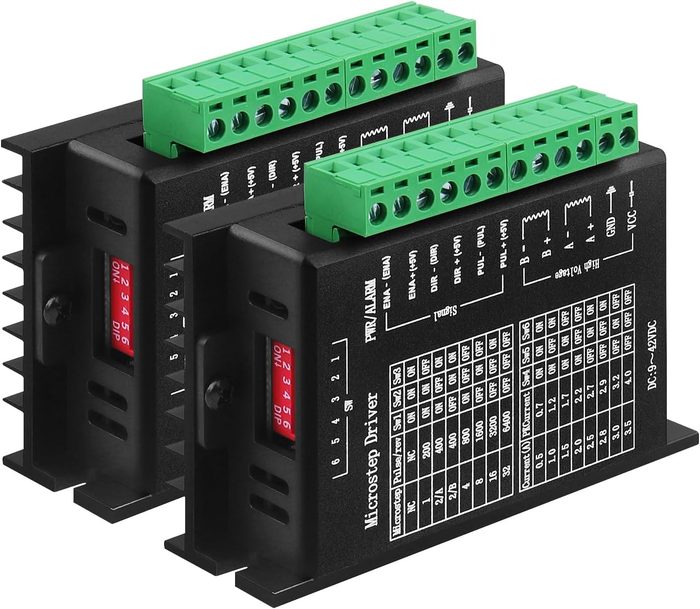
Industrial Stepper Driver
Current: 4.2 APhase: 2
-
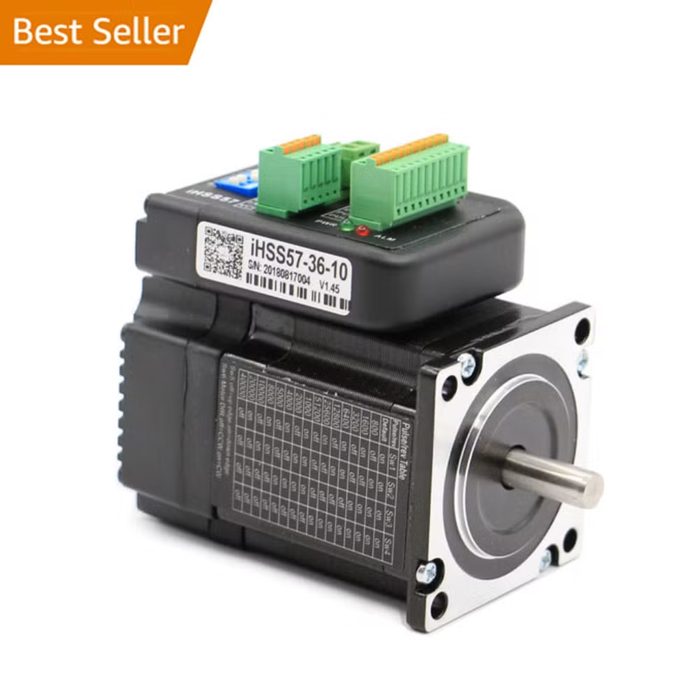
Integrated Closed Loop Stepper Motor
NEMA Frame: Nema 23
-
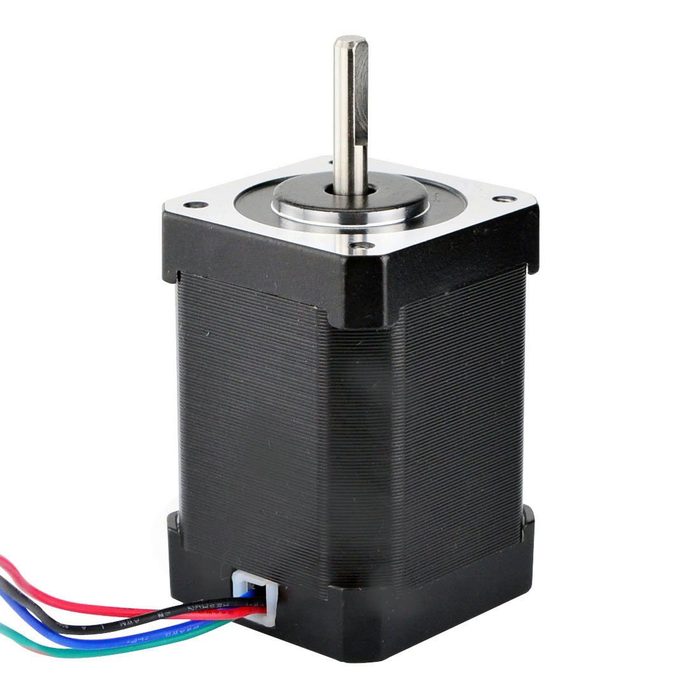
NEMA 17 Bipolar Stepper Motor
Current: 1.33 ASize: 34 mmStep Angle: 0.9 deg
-
NEMA 17 Stepper Motor
Current per phase: 1.4 AHolding torque: 76 oz/inNEMA size: 17Supply Voltage: 36 VDC
-
NEMA 17 Stepper Motor
Current: 0.9 AHolding Torque: 0.4 NMSize: 42 mmStep Angle: 1.8 deg
-
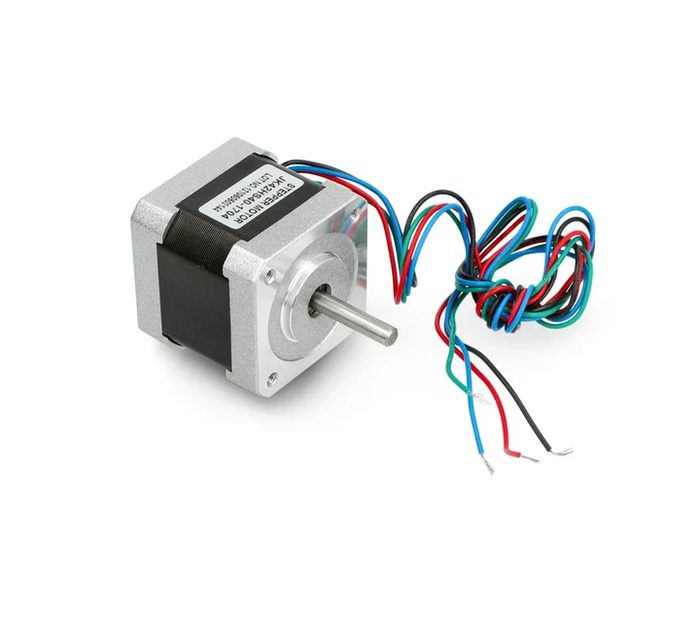
NEMA 17 Stepper Motor 4.2 kg-cm 4 Wire
Holding torque: 4.2 kg-cmNEMA size: 17Wires: 4
-
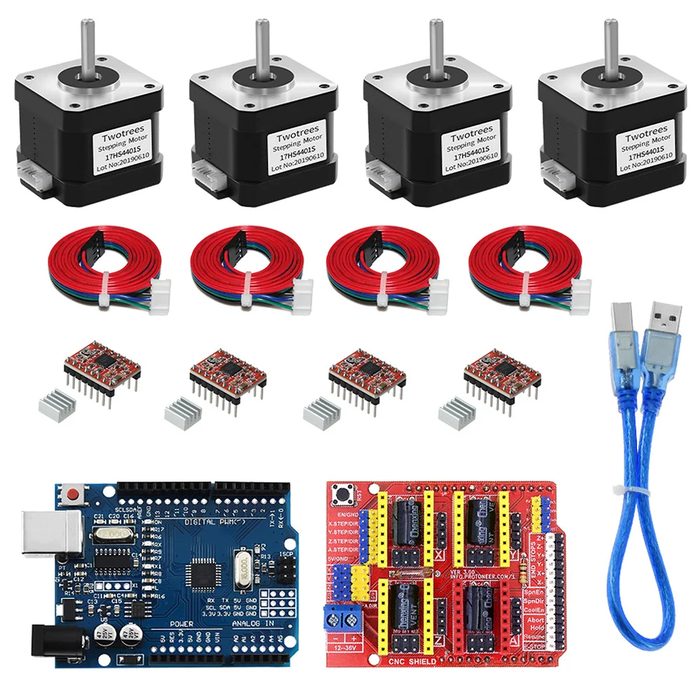
NEMA 17 Stepper Motor Kit
NEMA Frame: 17Size: 1.7 x 1.7 inches (42x42 millimeters)
-
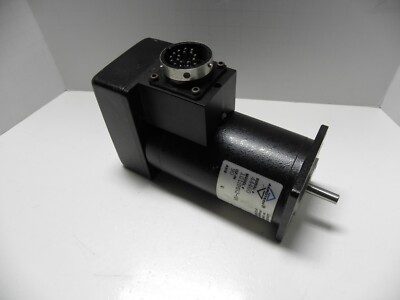
NEMA 23 Stepper Motor 101SMB2-HM
Output Shaft: 0.250"
-
Nema 17 Stepper Motor
Current: 2 AStep Angle: 0.9 degTorque: 46 Ncm (65.1 oz.in)
-
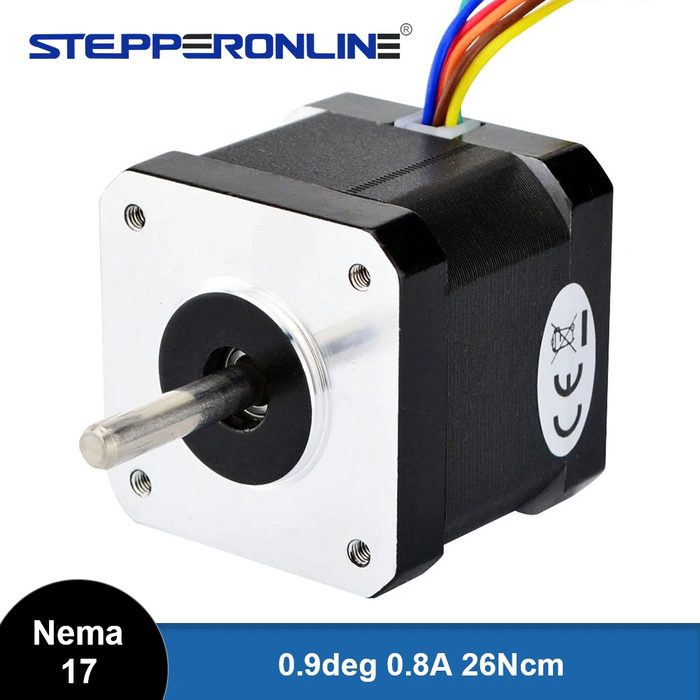
Nema 17 Stepper Motor
Current: 0.7 AHolding Torque: 13 Ncm (18.4 oz.in)Size: 42x42x25 mmStep Angle: 1.8 deg
-
Nema 17 Stepper Motor
Current: 1.2 AStep Angle: 1.8 degTorque: 50 oz.in
-
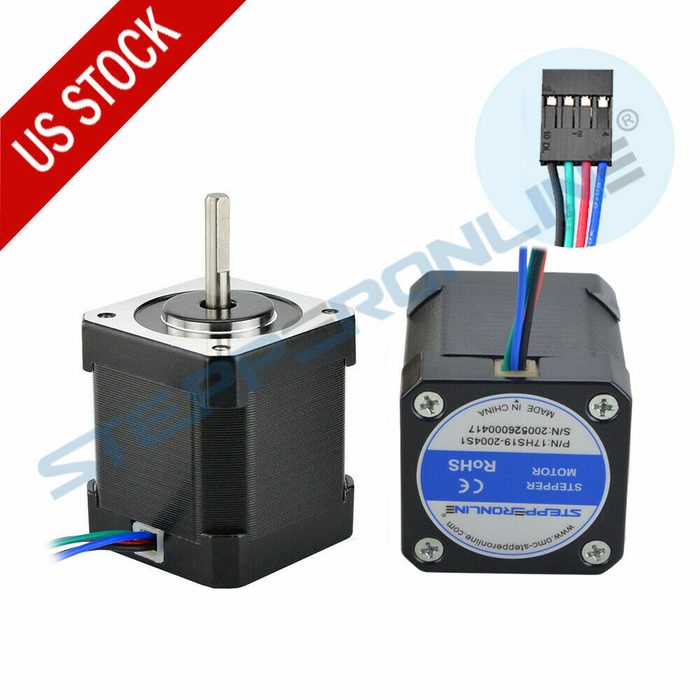
Nema 17 Stepper Motor
Torque: 59 Ncm (84 oz.in)
-
Nema 42 Stepper Motor Driver
Current: 0.5-8.2 AVoltage: 180-240 VAC
-
-
-
-
-
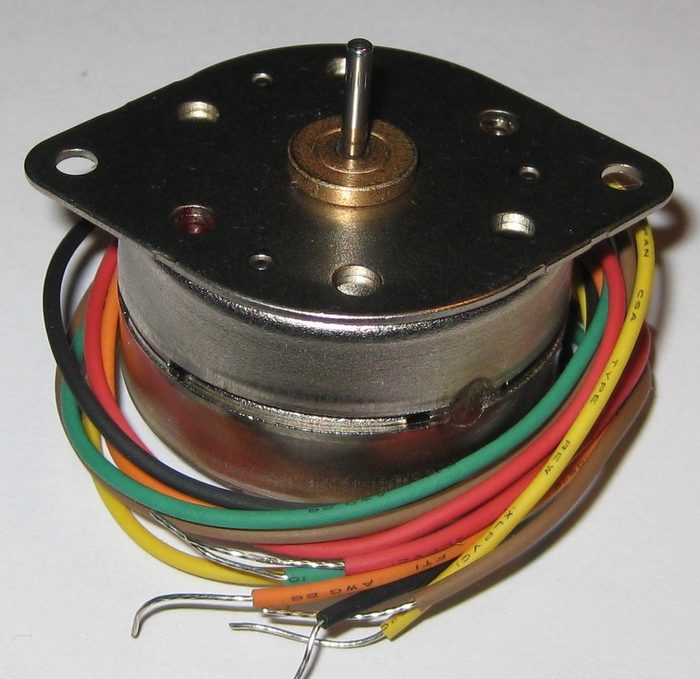
Stepper Motor 12V 48 Step / 7.5 Degrees
Shaft: 3.0mm hardened steelStep Angle: 7.5 DegreesSteps: 48Voltage: 12V
-
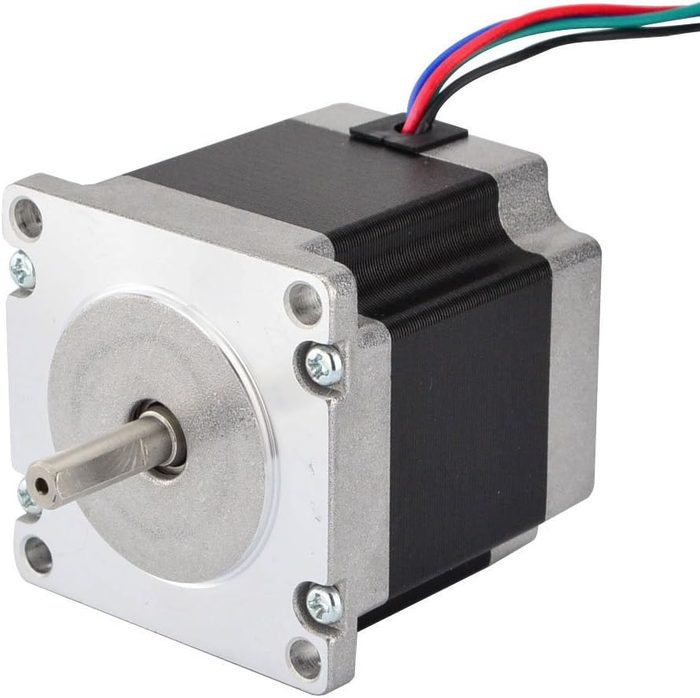
Stepper Motor Driver
Current: 0.5-4.0 AMicrostepping: 1, 1/2A, 1/2B, 1/4Voltage: 12-40 V
-
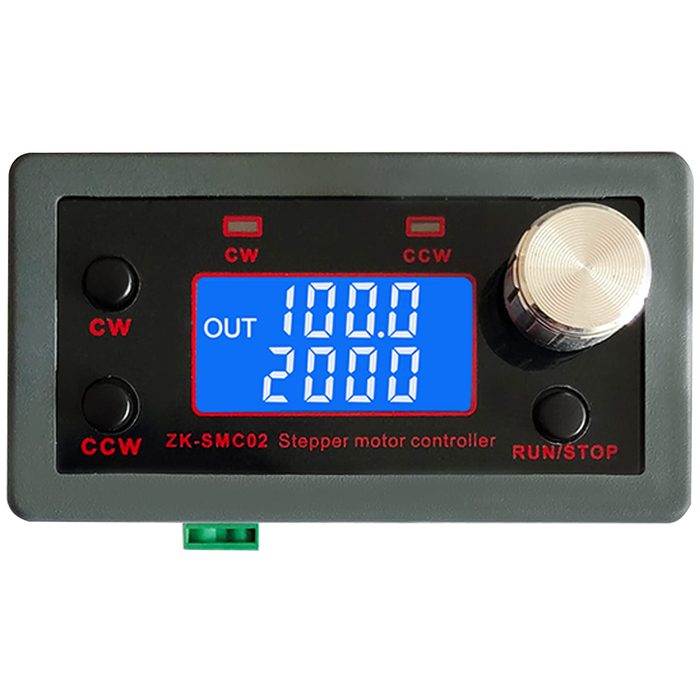
Stepper Motor Driver Controller
NEMA Frame Compatibility: 17, 23, 34
-
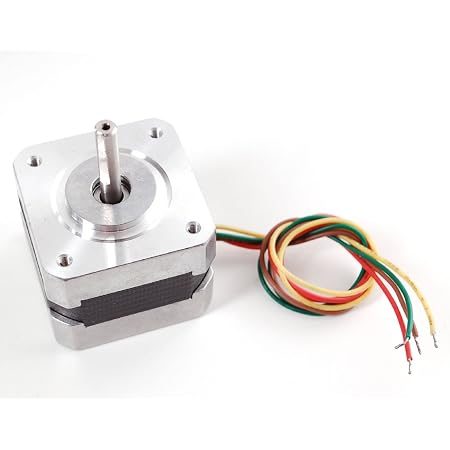
Stepper motor NEMA-17
Current: 350mADimensions: 42mm x 42mm squareNEMA Frame: NEMA-17Steps per Revolution: 200 steps/revVoltage: 12V
-
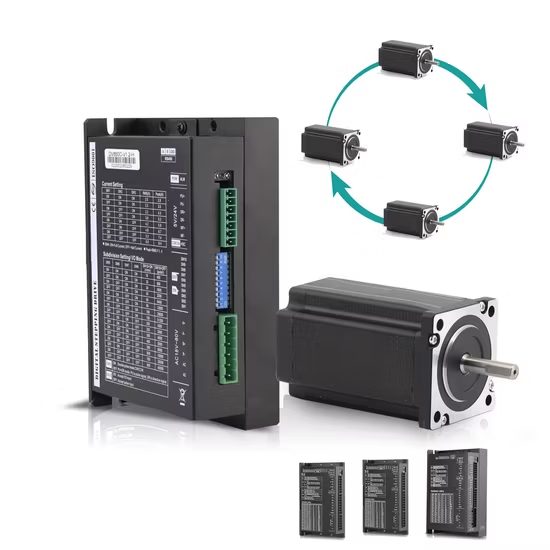
Stepping Motor Driver 60V 2 Phase Microstep Driver
Phase: 2Voltage: 60 V
-
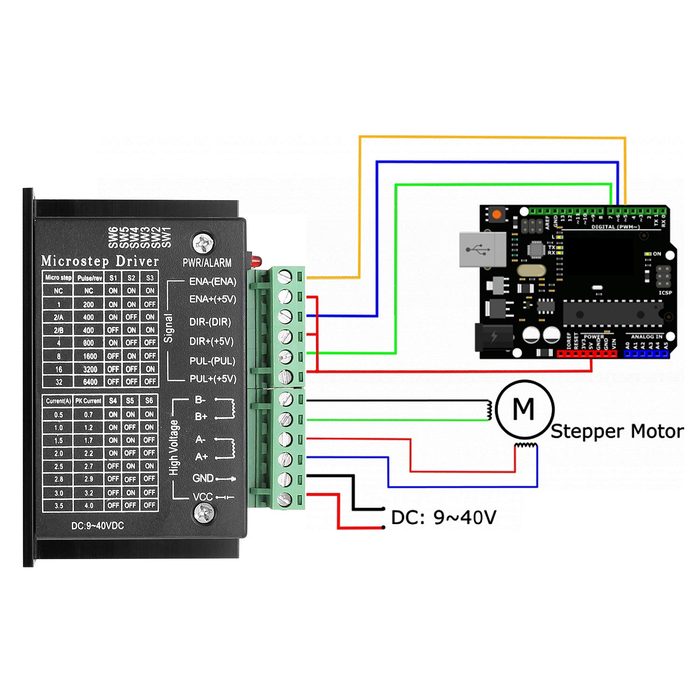
-
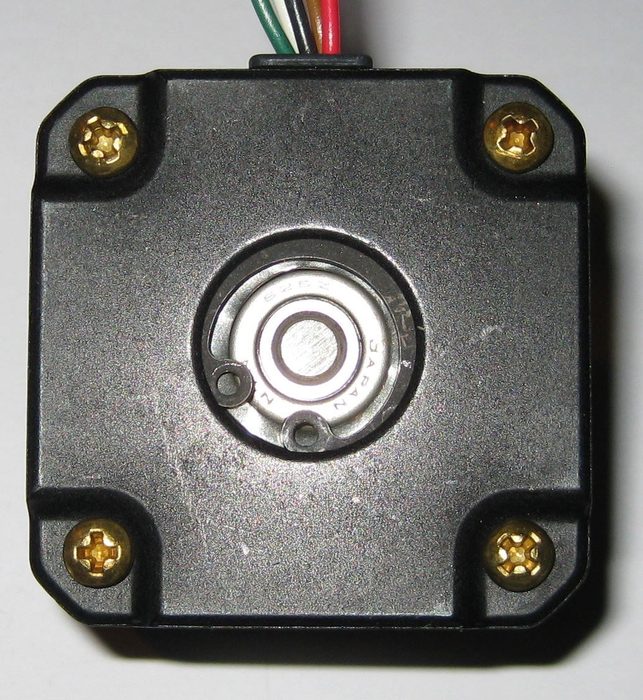
Unipolar Stepper Motor - 100 Steps / Rev - NEMA 17
Current: 160 mAPhase: 2Steps per Revolution: 100Voltage: 24 V
About stepper motors
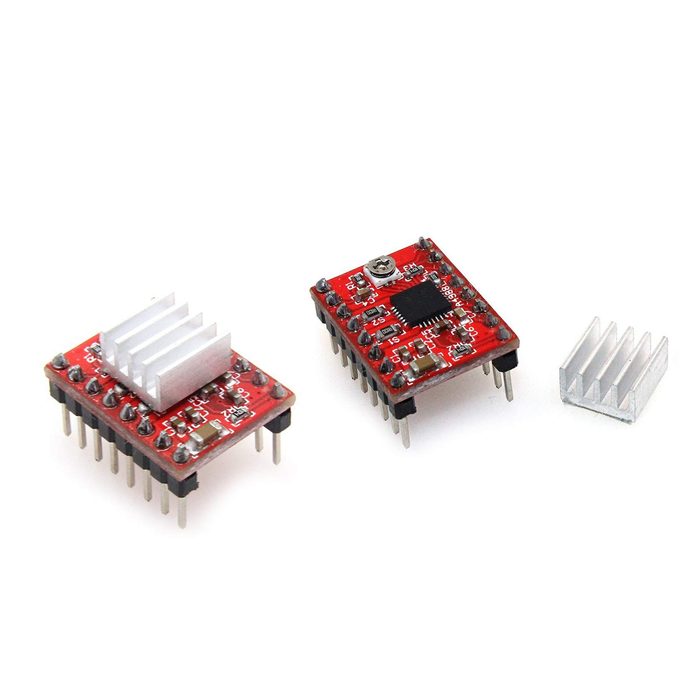
Stepper motors are brushless DC electric motors that divide a full rotation into a number of discrete steps, allowing for precise position control without a feedback system. They are commonly used in applications requiring accurate positioning, such as 3D printers, CNC machines, and robotics. Key types include variable reluctance, permanent magnet, and hybrid synchronous steppers, with hybrid types offering a balance of torque, speed, and step resolution. Standardized NEMA frame sizes, such as NEMA 17, NEMA 23, and NEMA 34, define the motor's faceplate dimensions and mounting hole patterns, facilitating interchangeability. Performance is primarily characterized by holding torque, detent torque, step angle (e.g., 1.8 degrees or 0.9 degrees), rated current per phase, and winding resistance. Geared stepper motors integrate a planetary or spur gearbox to increase torque and resolution at the expense of speed. Stepper motor driver modules, often based on ICs like the A4988 or DRV8825, are essential for controlling the motor's current and step sequence, enabling microstepping for smoother operation and reduced resonance. Driver selection depends on motor current requirements, voltage, and desired microstepping capabilities. Motors typically feature steel laminations for the stator and rotor, with copper windings and often aluminum or steel end bells.
How to choose
When selecting a stepper motor, first determine the required holding torque to overcome static loads and the detent torque for unpowered stability. Next, identify the necessary step angle or microstepping resolution to meet positioning accuracy requirements for the application. Evaluate the available voltage and current capacity of the power supply and select a motor and driver combination that operates within these limits. Consider the operating speed range and select a motor that can maintain sufficient torque at the desired RPMs. Finally, choose a NEMA frame size that fits the mechanical constraints of the system, and if increased torque or finer resolution is needed, consider a geared stepper motor or a driver with microstepping capabilities.