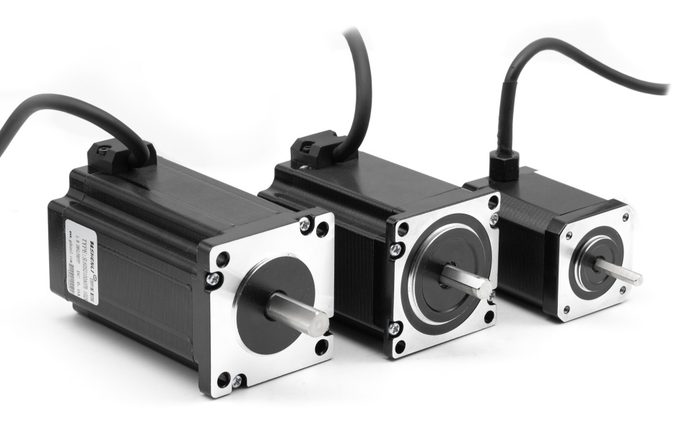
Stepper Motors
NEMA-frame steppers, geared steppers and driver modules.
Also searched as: nema 17nema 23stepper driverstepper motor
-
-
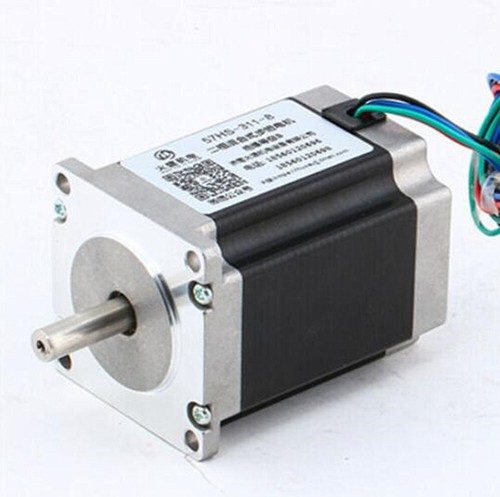
76mm High Torque NEMA 23 Stepper Motor
Current: 8.0 AMotor Length: 76 mmNEMA Frame Size: 23
-
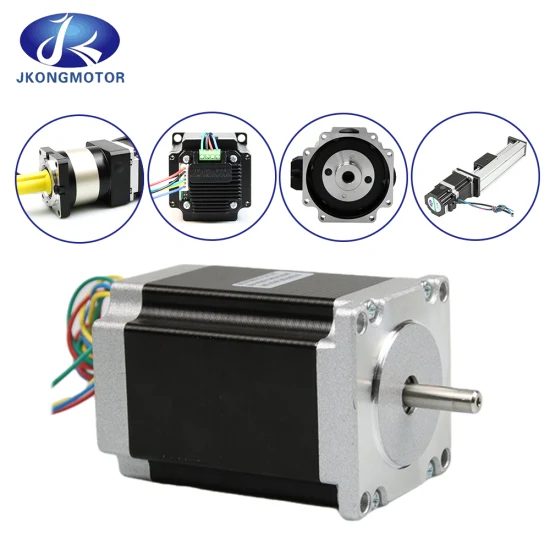
High Torque Hybrid 2-Phase 4-Pole NEMA 23 Stepper Motor
NEMA Frame Size: 23Phase: 2Shaft Diameter: 8 mmTorque: 3 N.MVoltage: 48 V DC
-
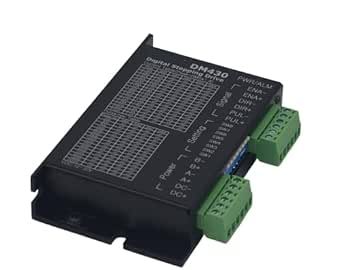
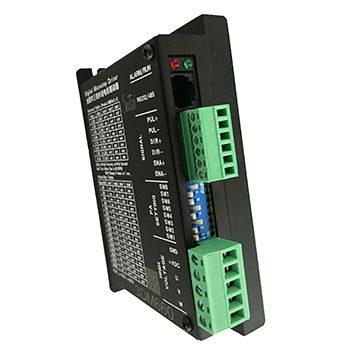
Micro Step Motor Driver
Input Voltage: 8-36 VDCOutput Current: 3.0 A
-
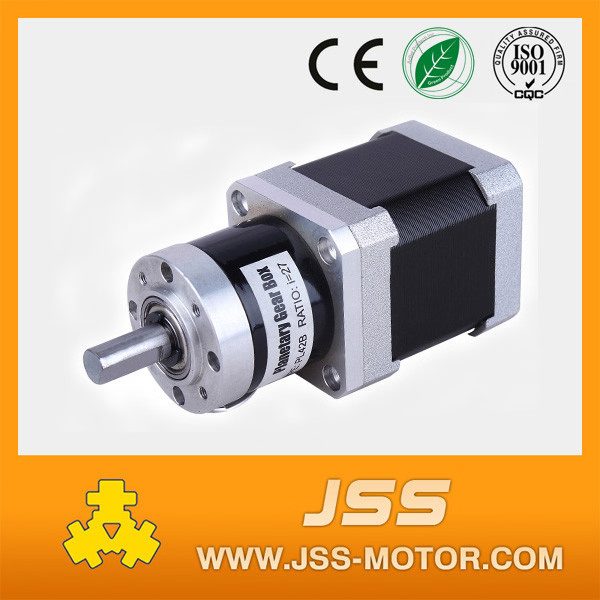
NEMA 17 Gear Reducer Stepper Motor, 2.5A, 24V, 1.8° Step Angle
Current: 2.5ANEMA Frame: 17Step Angle: 1.8°Voltage: 24V
-
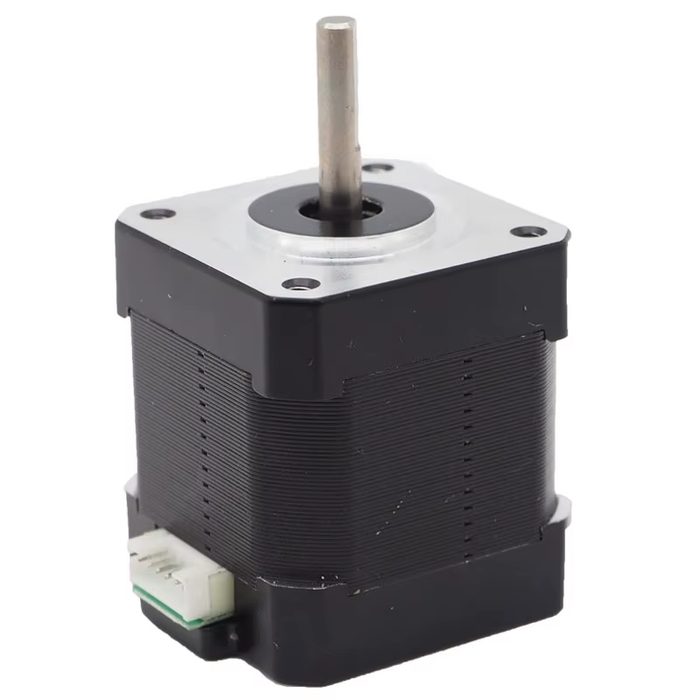
NEMA 17 Stepper Motor
Frame Size: NEMA 17
-
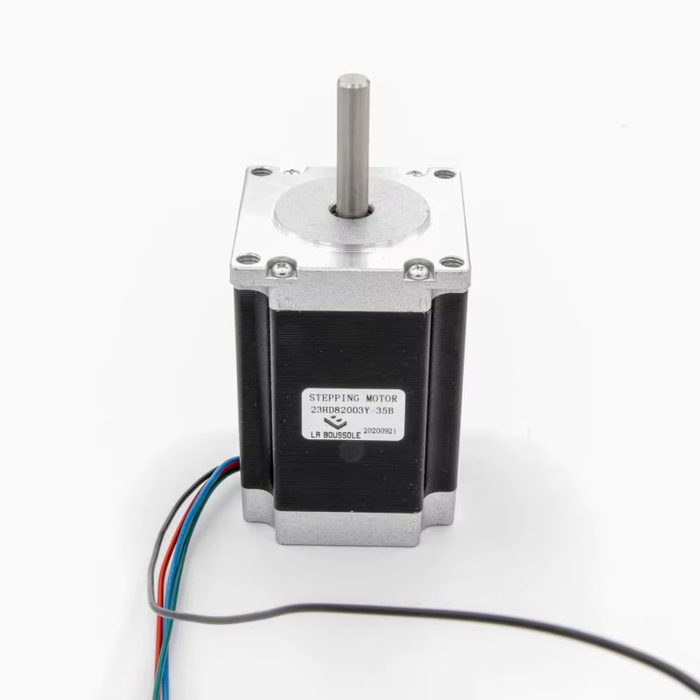
NEMA 17 Stepper Motor 1.2A with 1.8° Step Angle
Current: 1.2 AFrame Size: NEMA 17Step Angle: 1.8 deg
-
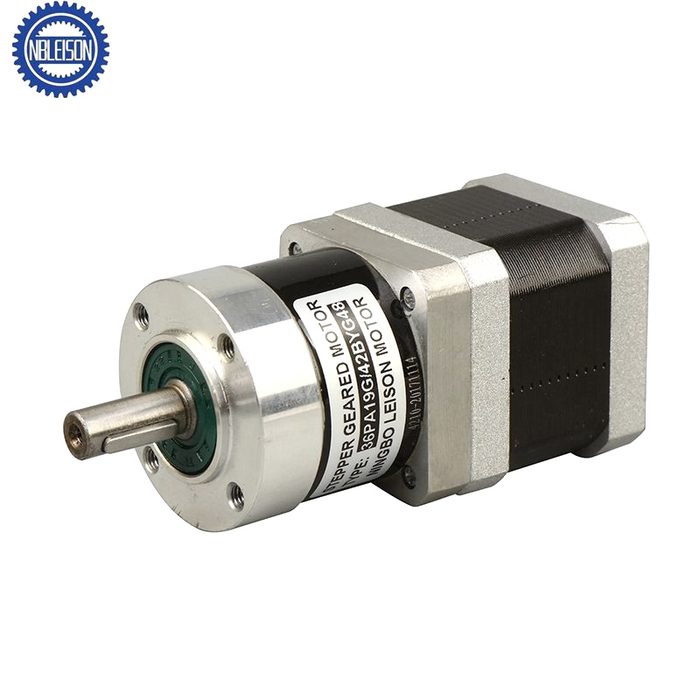
NEMA 17 Stepper Motor with Planetary Gearbox Reducer
NEMA Frame: 17
-
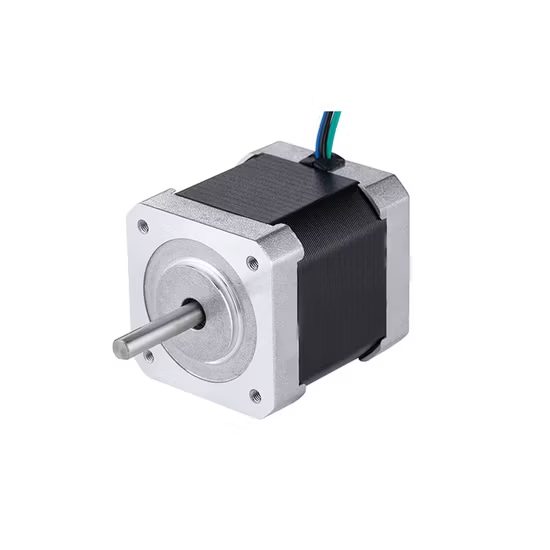
NEMA 17 Stepper Motor, 42x42x34 mm, 12V Hybrid, 2-phase, 1.8° Step Angle
Dimensions: 42x42x34 mmNEMA Frame: 17Phase: 2Step Angle: 1.8°Voltage: 12V
-
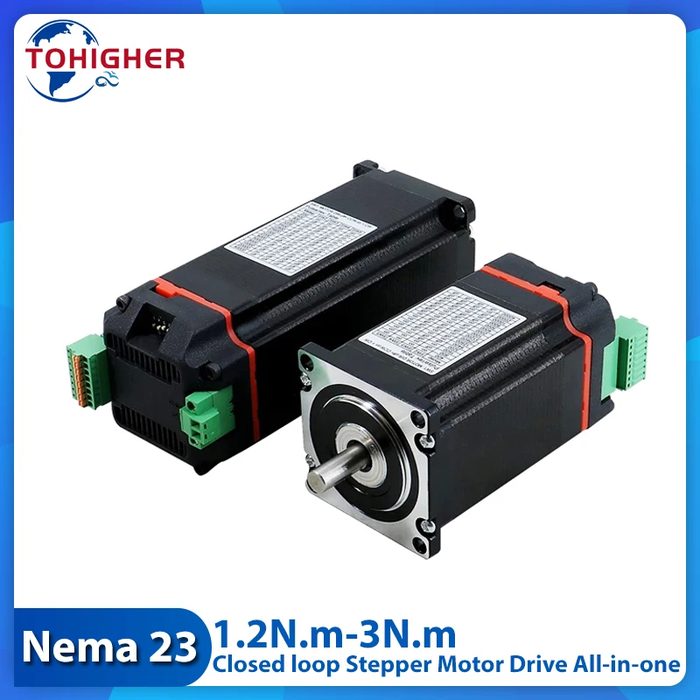
NEMA 23 High Speed Closed-Loop Stepper Motor with Photoelectric Encoder
NEMA Frame Size: 23Torque: 12 N.M
-
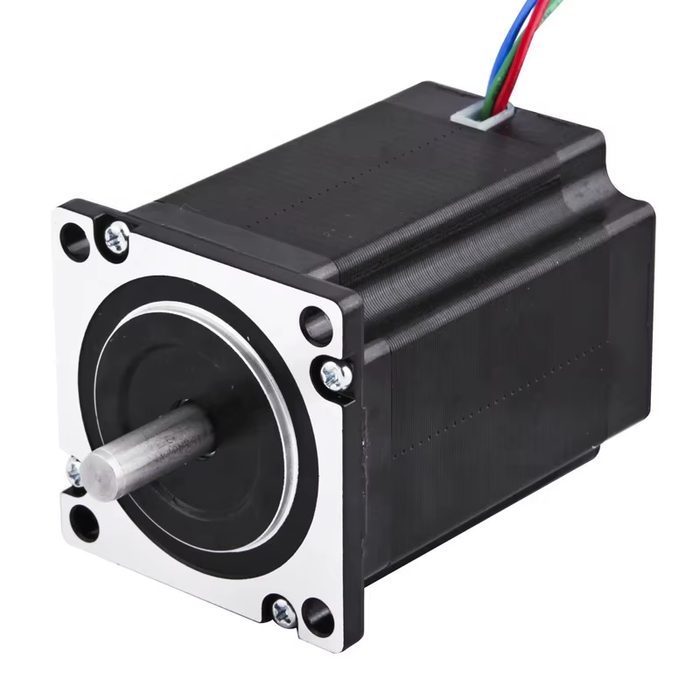
NEMA 23 High Torque 2-Phase Stepper Motor
Keyway: 0.8x15 mmNEMA Frame Size: 23Phase: 2Shaft Diameter: 8 mm
-
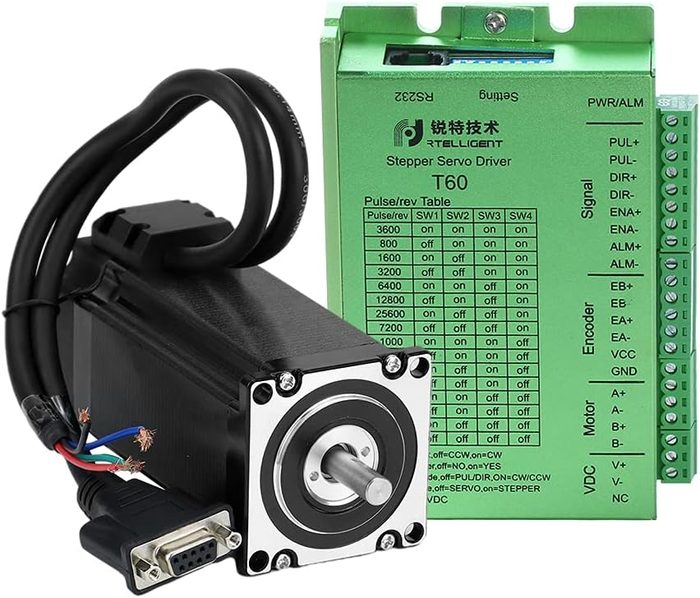
NEMA 23 Integrated Closed Loop Stepper Servo Motor with Driver
Encoder Line: 1000NEMA Frame Size: 23Resistance: 0.5 ohms
-
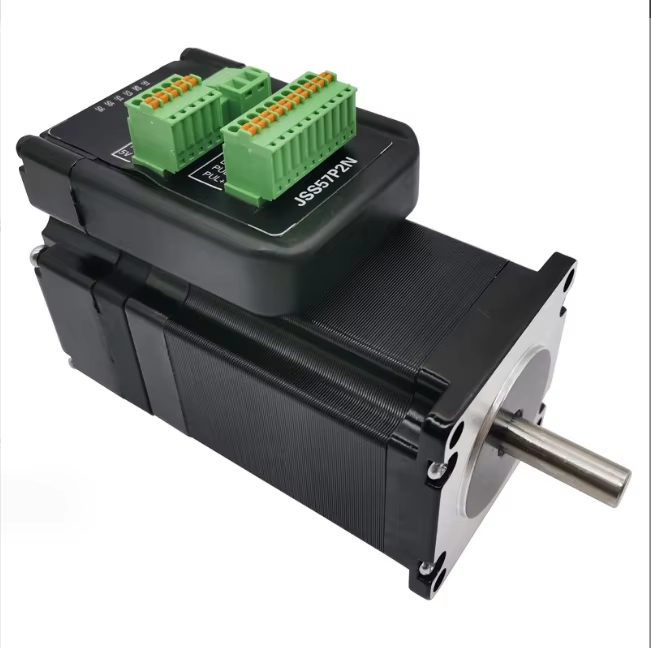
NEMA 23 Integrated Hybrid Stepper Motor & Driver
NEMA Frame Size: 23Torque: 0.55~2.8 N.MVoltage: 24~48 VDC
-
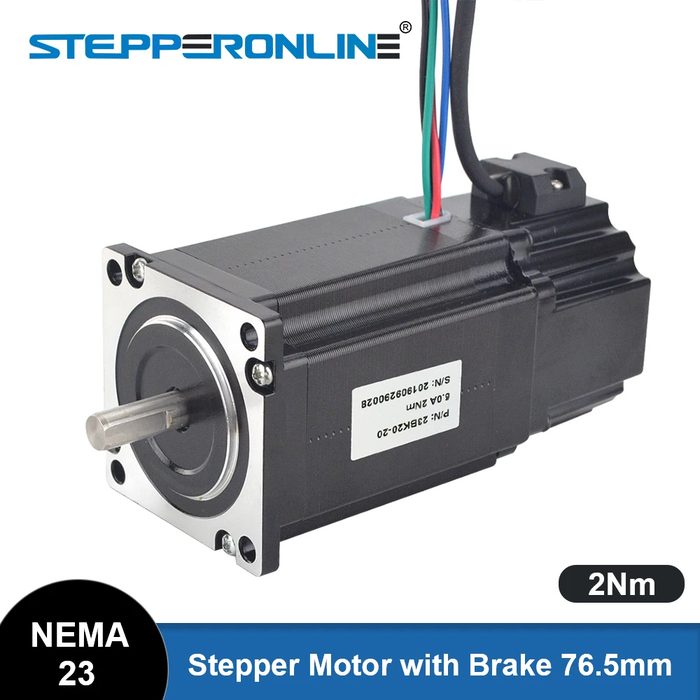
NEMA 23 Stepper Motor with 2NM Brake
Brake Thickness: 40 mmBrake Torque: 2 N.MHolding Torque: 3 N.MMotor Length: 113 mmNEMA Frame Size: 23
-
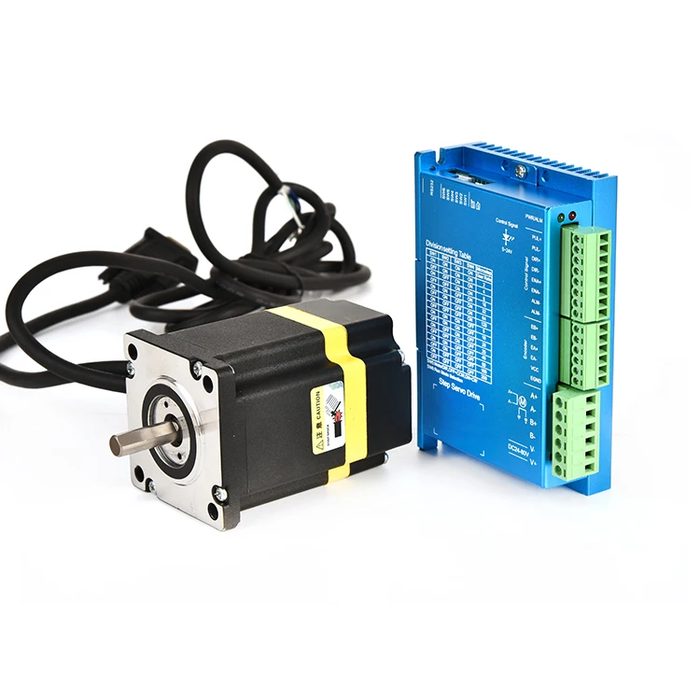
NEMA 23, 24, 34 Servo Stepper Motors
NEMA Frame: 23, 24, 34
-
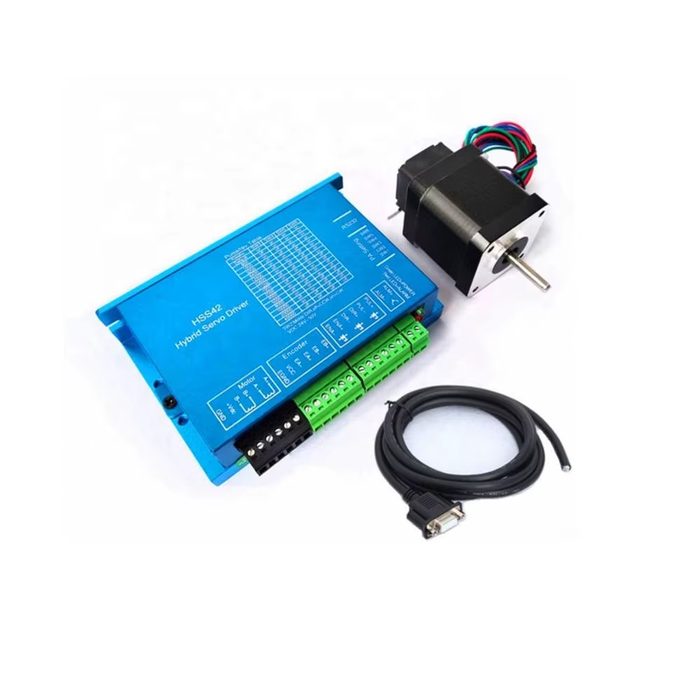
Nema 17 40mm High Torque Stepper Motor Driver Kit
Frame Size: NEMA 17Holding Torque: 0.48 N.mLength: 40 mmPhase: 2Subdivision Range: 400~51200 ppr
-
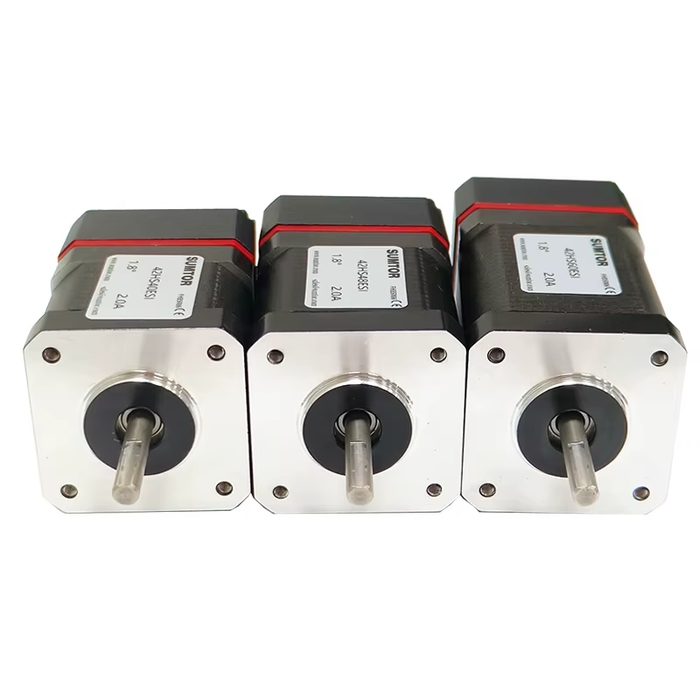
Nema 17 Stepper Motor 0.48 N.m Torque
Current: 2.2 AFrame Size: NEMA 17Holding Torque: 0.48 N.mPhase: 2Wire Length: 300 mm
-
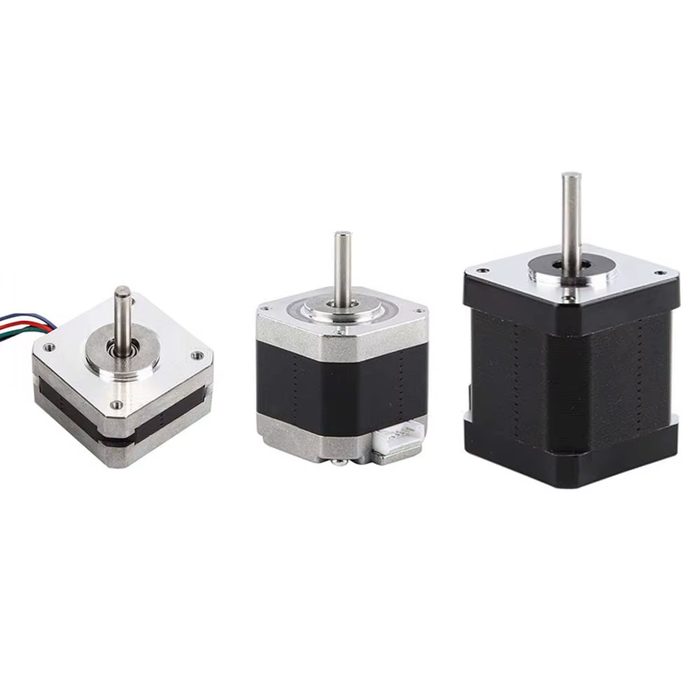
Nema 17 Stepper Motor SR42BYGH22
Frame Size: NEMA 17Phase: 2Shaft Diameter: 5 mmShaft Length: 23 mmType: Hybrid
-
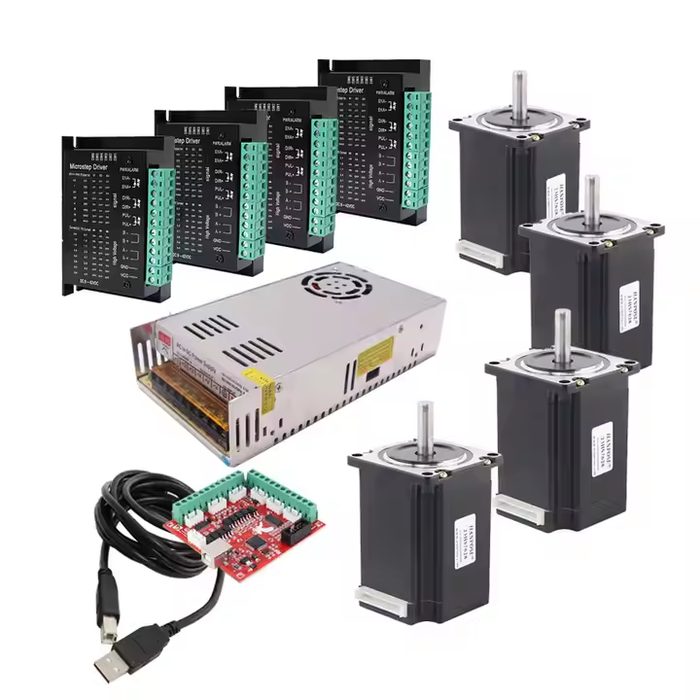
-
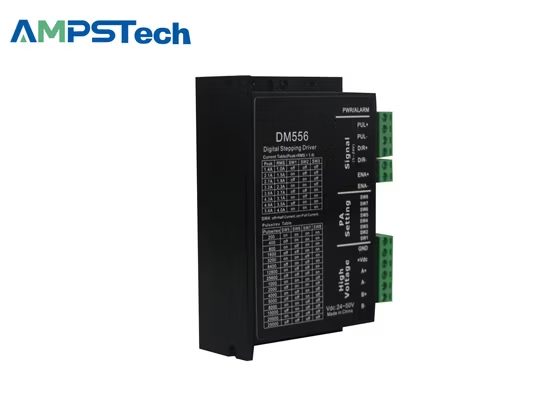
Stepper Driver Dm556 24-40VDC 5.6A for NEMA17 NEMA23 Stepper Motor
Current: 5.6 AInput Voltage: 24-40 VDC
-
Stepper Half Step Driver - 120V 6A, 2-Phase Motor
Current: 6 APhase: 2-PhaseSupply Voltage: 120 V
About stepper motors
Stepper motors are brushless DC electric motors that divide a full rotation into a number of discrete steps, allowing for precise position control without a feedback system. They are commonly used in applications requiring accurate positioning, such as 3D printers, CNC machines, and robotics. Key types include variable reluctance, permanent magnet, and hybrid synchronous steppers, with hybrid types offering a balance of torque, speed, and step resolution. Standardized NEMA frame sizes, such as NEMA 17, NEMA 23, and NEMA 34, define the motor's faceplate dimensions and mounting hole patterns, facilitating interchangeability. Performance is primarily characterized by holding torque, detent torque, step angle (e.g., 1.8 degrees or 0.9 degrees), rated current per phase, and winding resistance. Geared stepper motors integrate a planetary or spur gearbox to increase torque and resolution at the expense of speed. Stepper motor driver modules, often based on ICs like the A4988 or DRV8825, are essential for controlling the motor's current and step sequence, enabling microstepping for smoother operation and reduced resonance. Driver selection depends on motor current requirements, voltage, and desired microstepping capabilities. Motors typically feature steel laminations for the stator and rotor, with copper windings and often aluminum or steel end bells.
How to choose
When selecting a stepper motor, first determine the required holding torque to overcome static loads and the detent torque for unpowered stability. Next, identify the necessary step angle or microstepping resolution to meet positioning accuracy requirements for the application. Evaluate the available voltage and current capacity of the power supply and select a motor and driver combination that operates within these limits. Consider the operating speed range and select a motor that can maintain sufficient torque at the desired RPMs. Finally, choose a NEMA frame size that fits the mechanical constraints of the system, and if increased torque or finer resolution is needed, consider a geared stepper motor or a driver with microstepping capabilities.