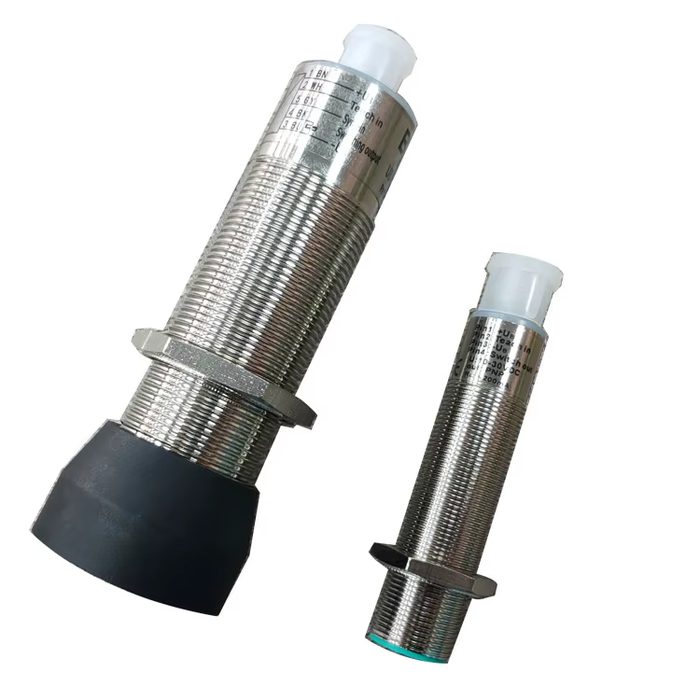
Sensors
Proximity, photoelectric, ultrasonic, hall and limit sensors.
Also searched as: proximity sensorphotoelectricinductive sensorhall sensorultrasonic
-
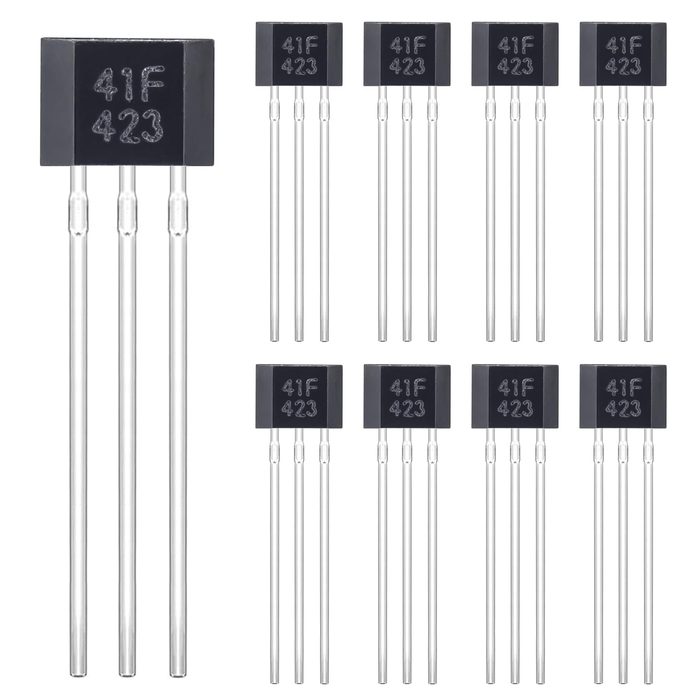
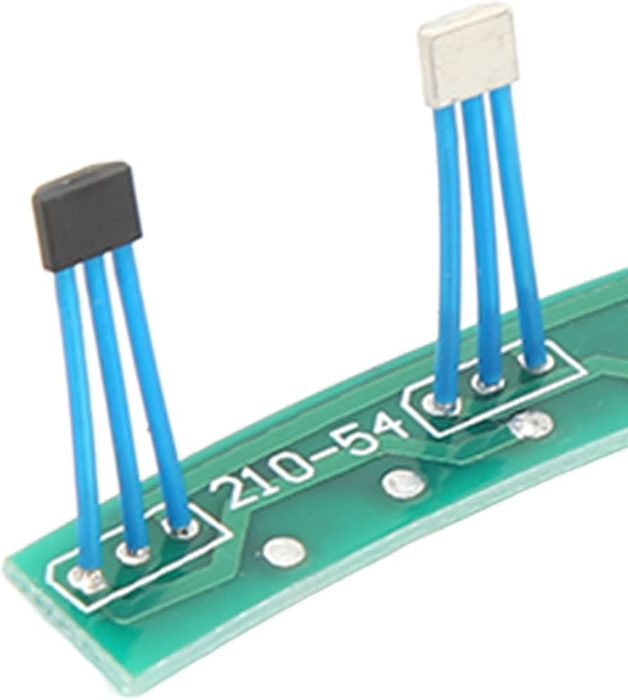
41F Hall Sensor Digital Magnetic Speed Sensor
Output: Digital
-
-
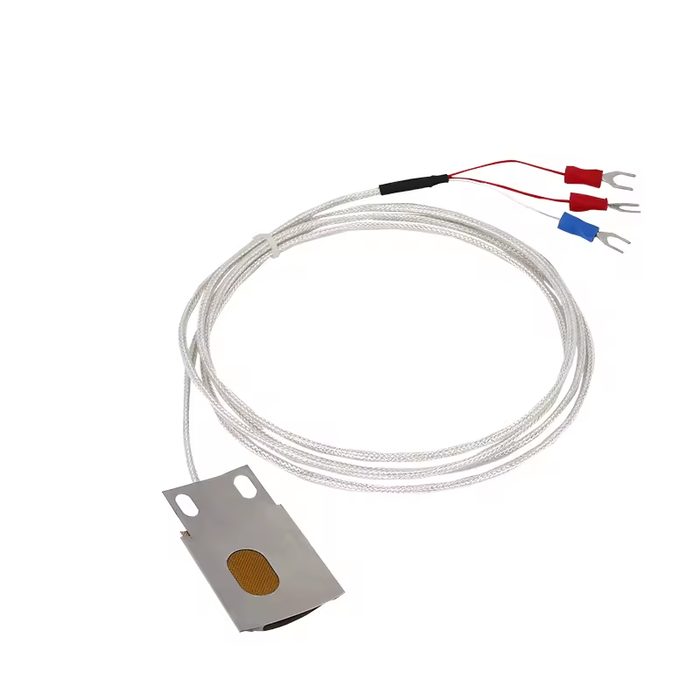
Class A PT100 Thin Film Temperature Sensor
Class: AType: PT100
-
-
-
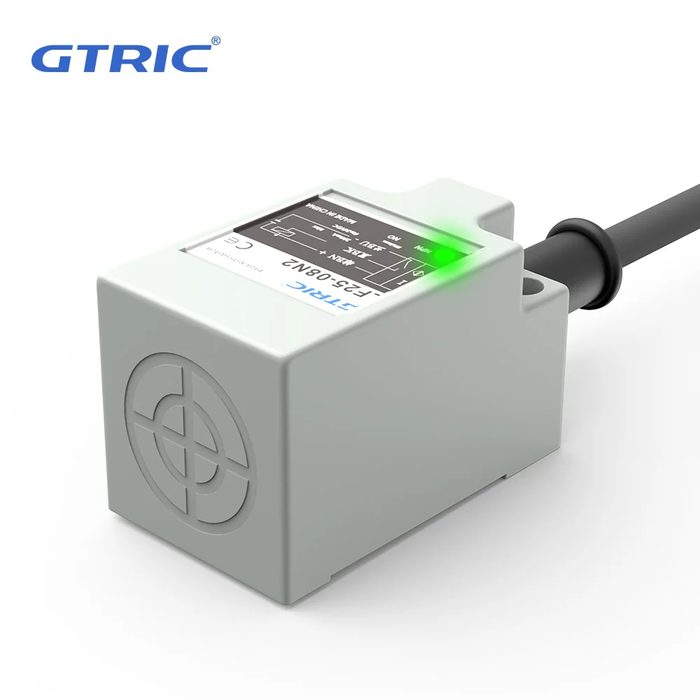
Square Inductive Proximity Sensor: NPN PNP, 5mm Sensing Distance, 500Hz Switching Frequency
Sensing Distance: 5 mmSwitching Frequency: 500 HzVoltage: 12-24 VDC
-
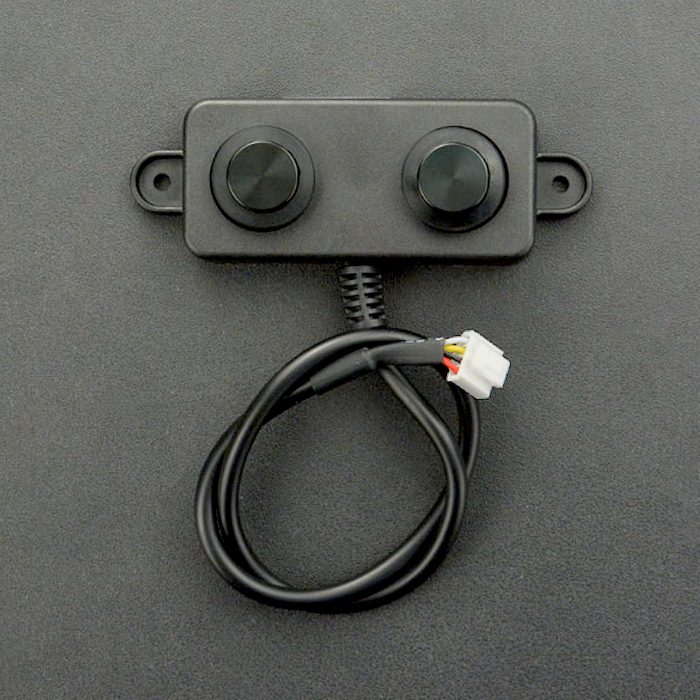
Waterproof Ultrasonic Sensor
Waterproof: True
About sensors
Sensors in this category detect the presence or absence of objects without physical contact, or by contact in the case of limit switches. Proximity sensors, including inductive and capacitive types, respond to metallic and non-metallic objects respectively, typically within short ranges (1-50mm). Photoelectric sensors utilize light (infrared, red, laser) to detect objects, with through-beam, retro-reflective, and diffuse scan modes offering ranges from millimeters to several meters. Ultrasonic sensors emit sound waves and measure the time-of-flight for detection, suitable for varying materials and longer ranges (up to several meters). Hall effect sensors detect magnetic fields, often used for position sensing with magnets. Limit switches are electromechanical devices that detect physical contact. Key selection parameters include sensing range, output type (PNP/NPN, NO/NC), supply voltage (e.g., 10-30VDC, 24VAC/DC), housing material (nickel-plated brass, stainless steel, plastic), IP rating (IP67, IP69K), connection type (M8, M12 connector, pre-wired), and operating frequency. Common form factors include cylindrical (M12, M18, M30 threaded) and rectangular designs.
How to choose
To select a sensor, first define the object to be detected: its material (metallic, non-metallic, transparent), size, and the required sensing distance. This narrows down the primary technology (inductive, capacitive, photoelectric, ultrasonic, Hall, or limit switch). Next, determine the environmental conditions, including temperature, moisture, and presence of contaminants, to specify the appropriate IP rating and housing material. Then, consider the required output type (PNP/NPN, NO/NC) and supply voltage to ensure compatibility with control systems. Finally, select the mounting style and connection type (e.g., M12 connector, pre-wired cable) that fits the physical installation constraints and wiring requirements.