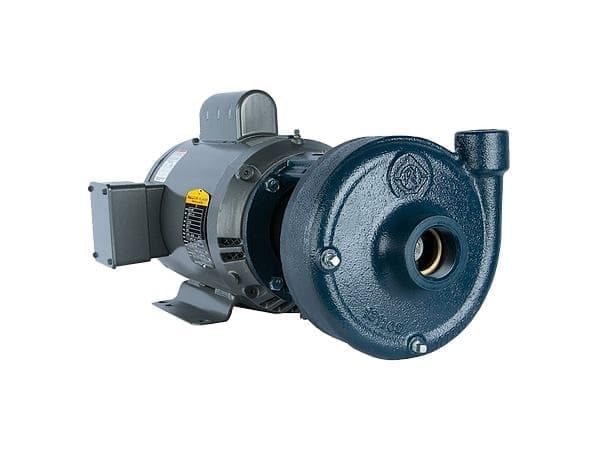
Pumps
Gear, centrifugal, diaphragm, vacuum and metering pumps.
Also searched as: gear pumpcentrifugal pumpdiaphragm pumpvacuum pumpwater pump
-
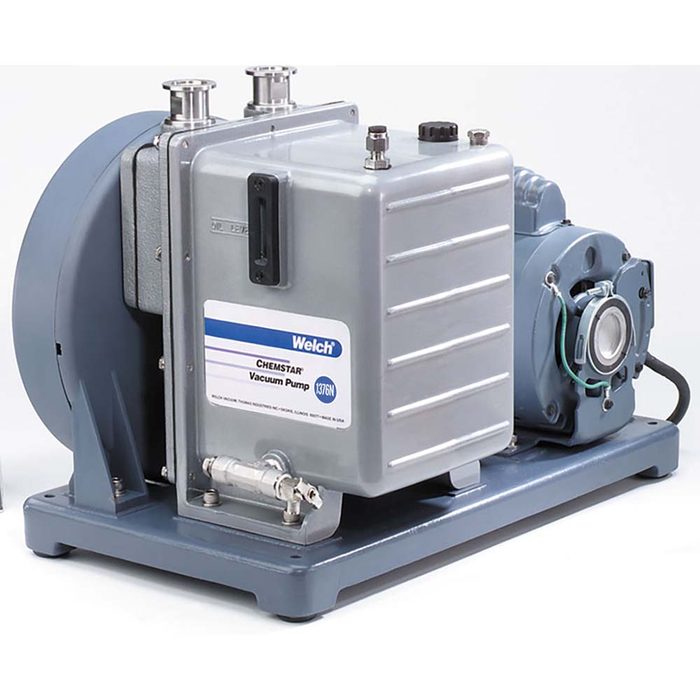
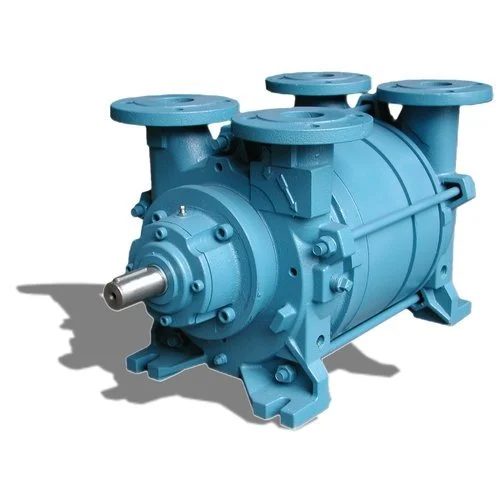
Rotary Vane Vacuum Pump
Horsepower: 1.1 hpPhase: Single
-
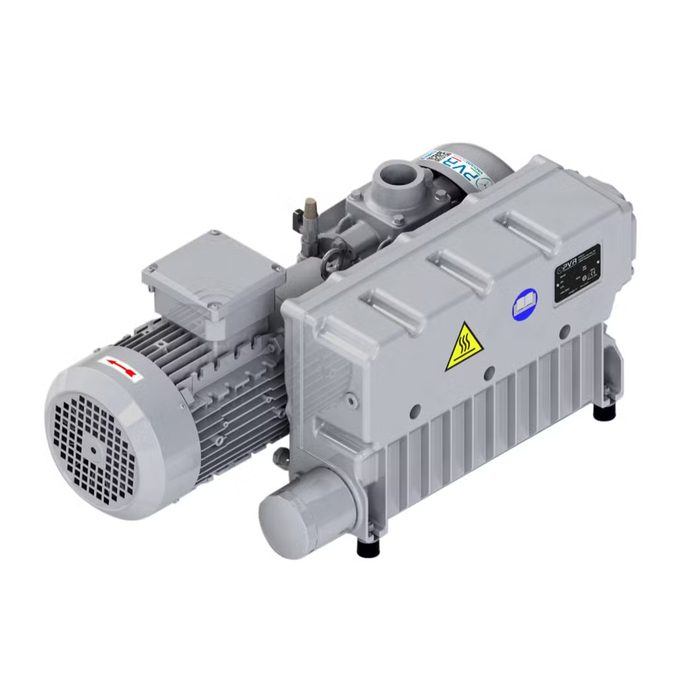
Rotary Vane Vacuum Pump
Compressor Type: Vacuum PumpCubic Feet per Minute: 18.00Phase: SingleSpecial Item Information: Oil FreeVacuum Rating: 90
-
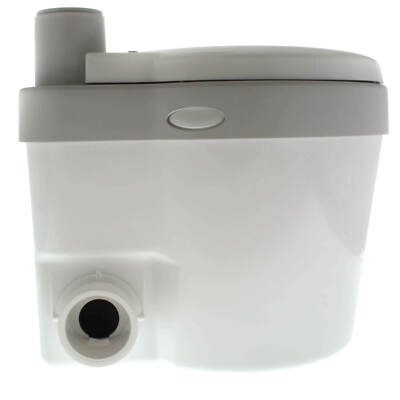
SaniSwift Grey Water Pump
Power: 0.3 HP
-
-
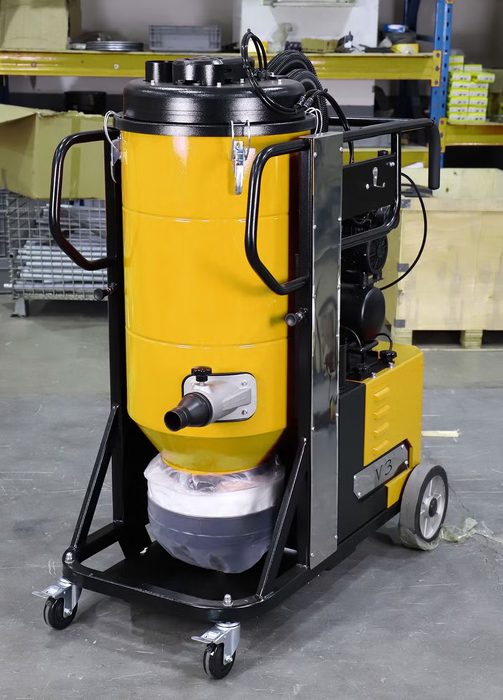
Self-Cleaning Dry Vacuum System
Flow Rate: 35 lpmVacuum Pressure: 2 torrVoltage: 115V
-
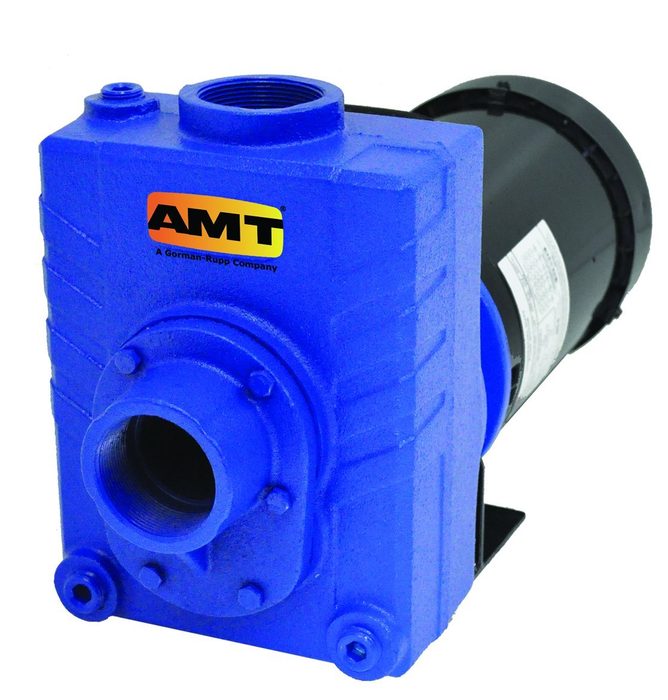
Self-Priming Centrifugal Pump
HP: 3NPT: 2"Phase: 3Solids Diameter: 3/8"Voltage: 230/460V
-
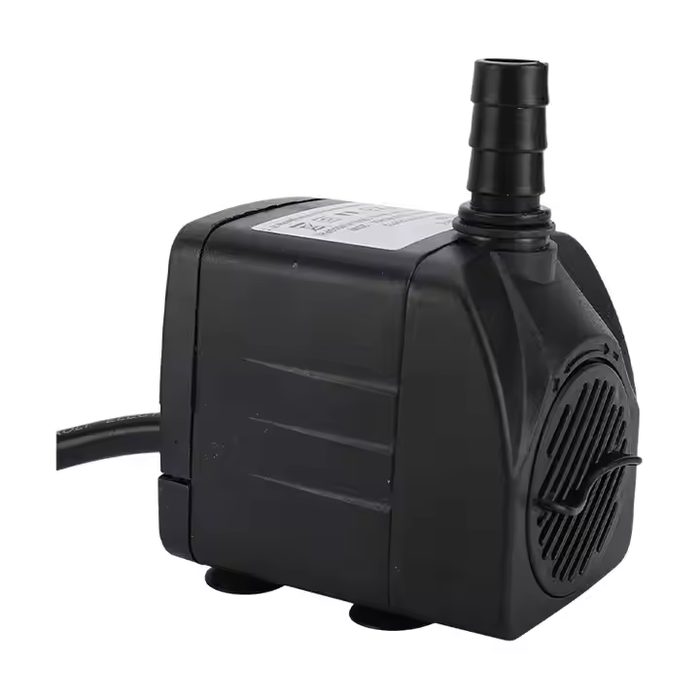
Silent Submersible Mini Water Pump
Voltage: 3V DC
-
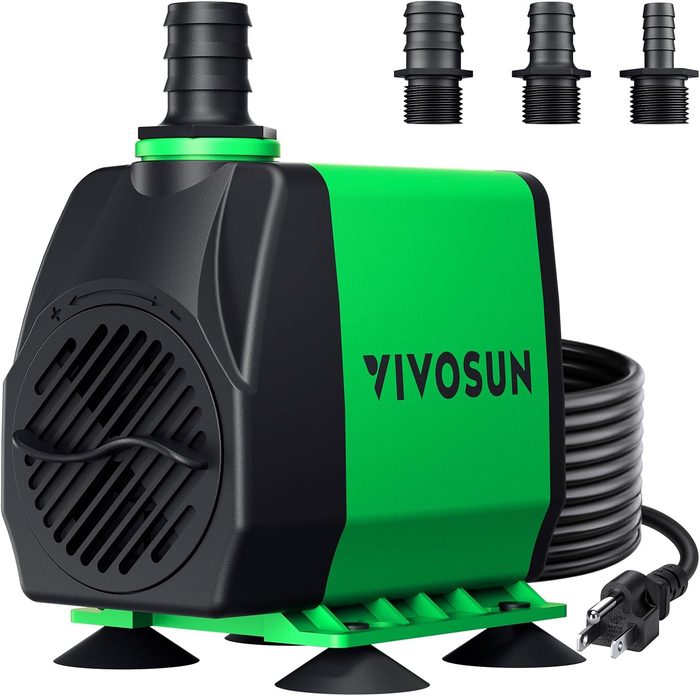
Silent Submersible Water Pump
Voltage: 3V DC
-
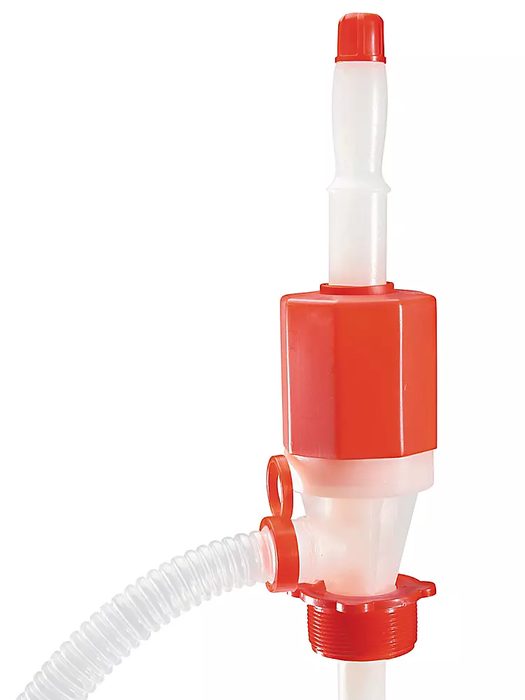
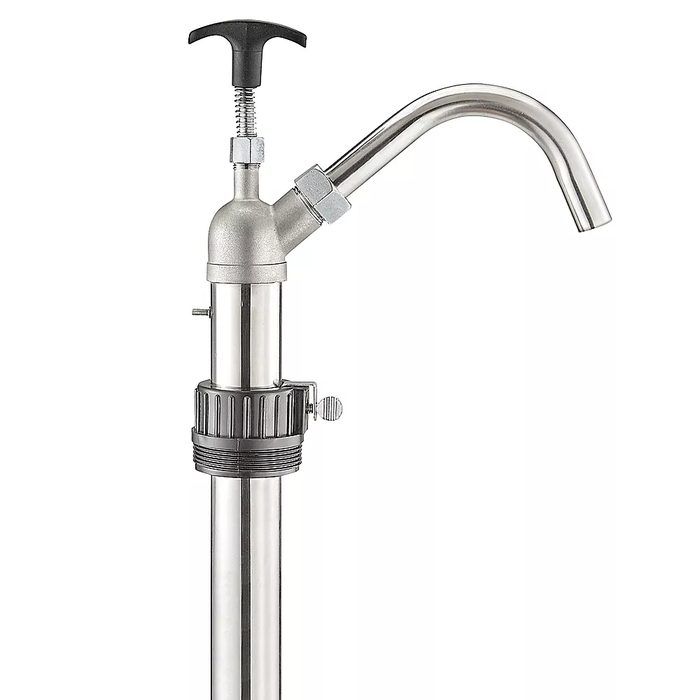
Siphon Drum Pump
Suction Tube Reach: 34"
-
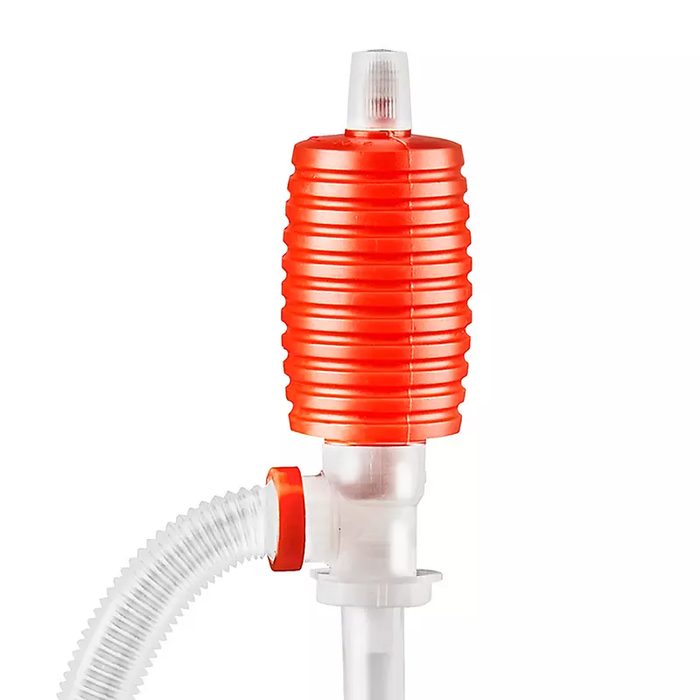
Siphon Pail Pump
Discharge Tube: 21"
-
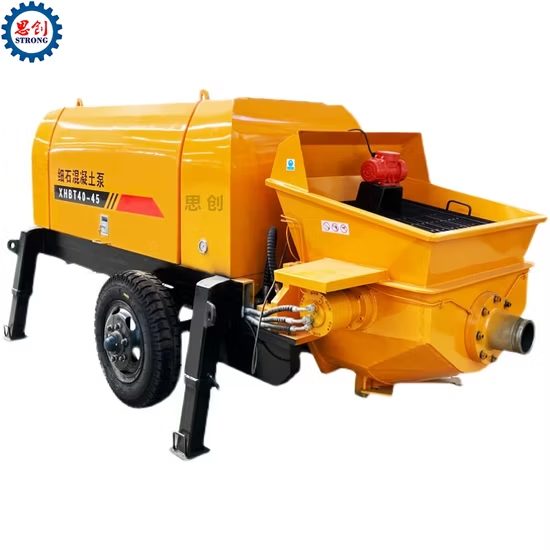
Small Portable Concrete Pump
Power Source: Diesel
-
-
-
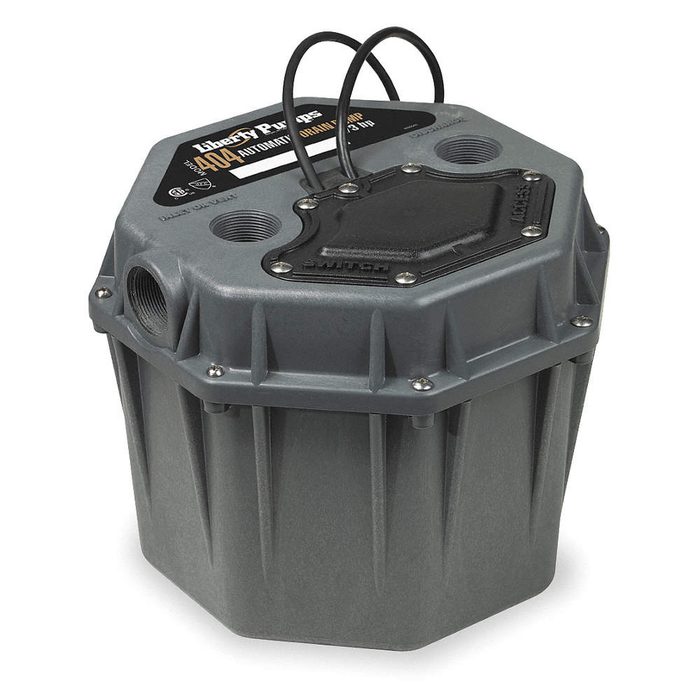
Submersible Drain Pump
Horsepower: 1/3 HP
-
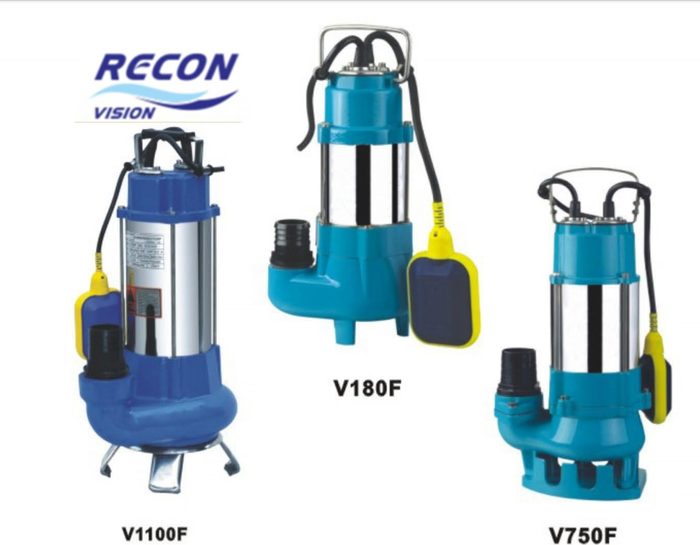
Submersible Sewage Cutting Water Pump
Power: 1.1 kW
-
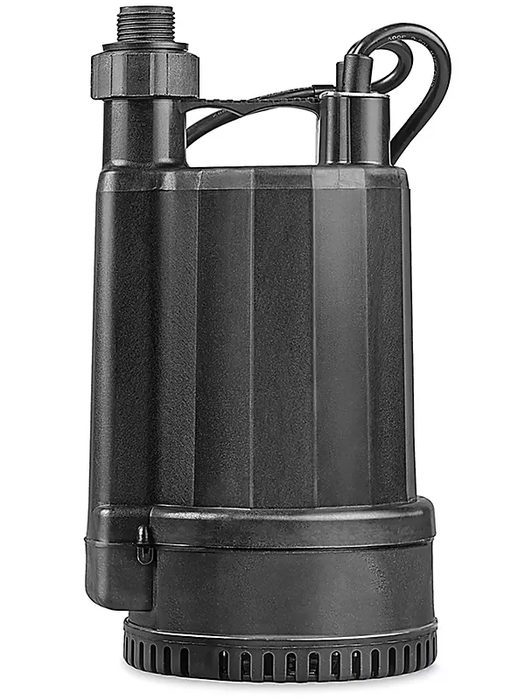
Submersible Utility Pump - Automatic, 1/4 HP, 10' Cord
Cord Length: 10'Horsepower: 0.25 HPVoltage: 120 Volts
-
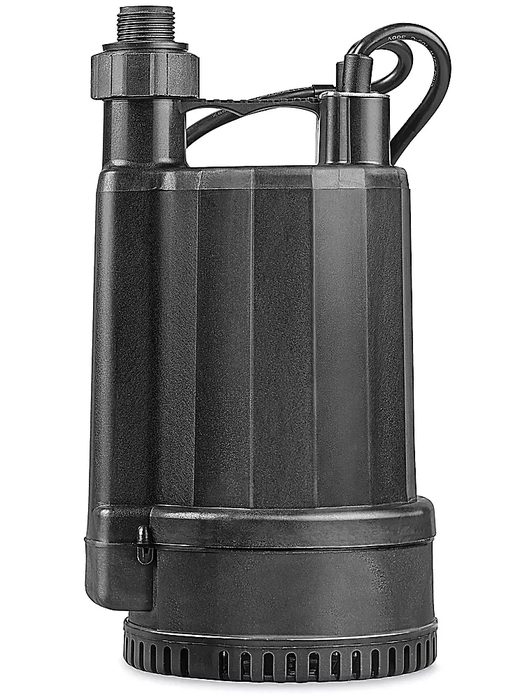
Submersible Utility Pump - Automatic, 1/4 HP, 25' Cord
Cord Length: 25'Horsepower: 0.25 HPVoltage: 120 Volts
-
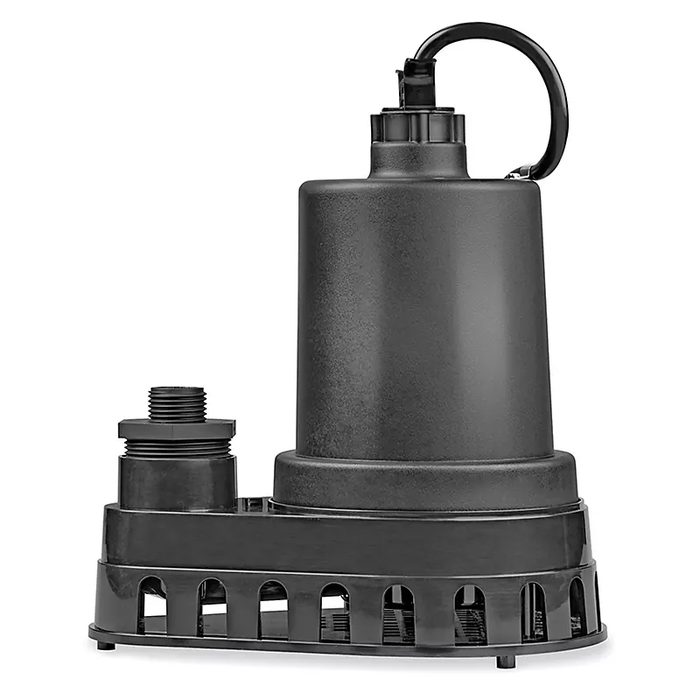
Submersible Utility Pump - Manual, 1/2 HP, 25' Cord
Cord Length: 25'Horsepower: 0.5 HPVoltage: 120 Volts
-
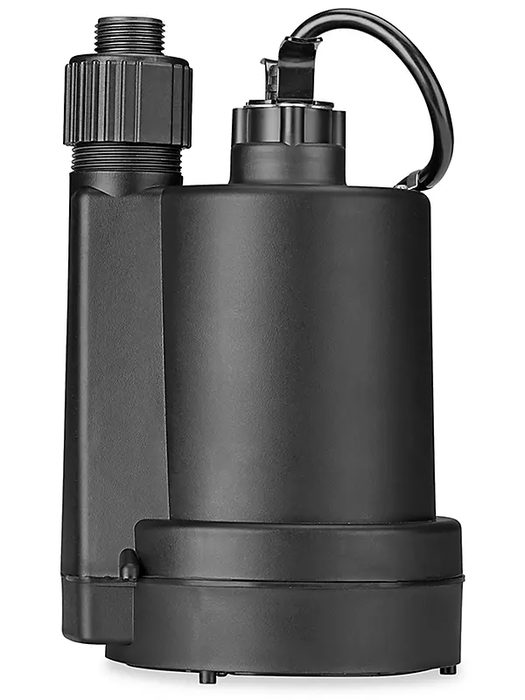
Submersible Utility Pump - Manual, 1/4 HP, 10' Cord
Cord Length: 10'Horsepower: 0.25 HPVoltage: 120 Volts
-
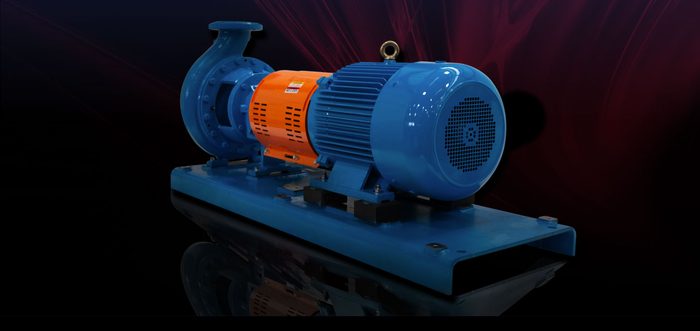
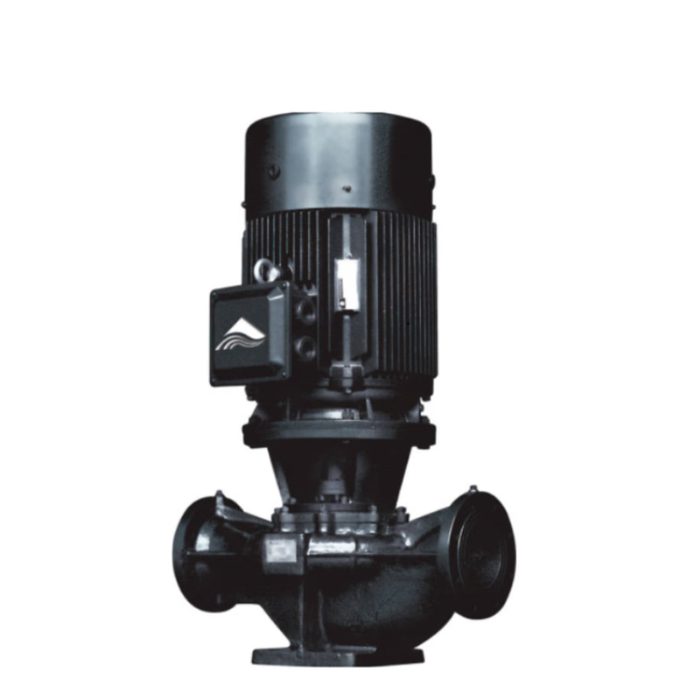
T Pump
Max Rpm: 3000 rpmMax ft of Head: 126 ftMaximum Flow Rate: 200 gpmType Design: T Pump
-
-
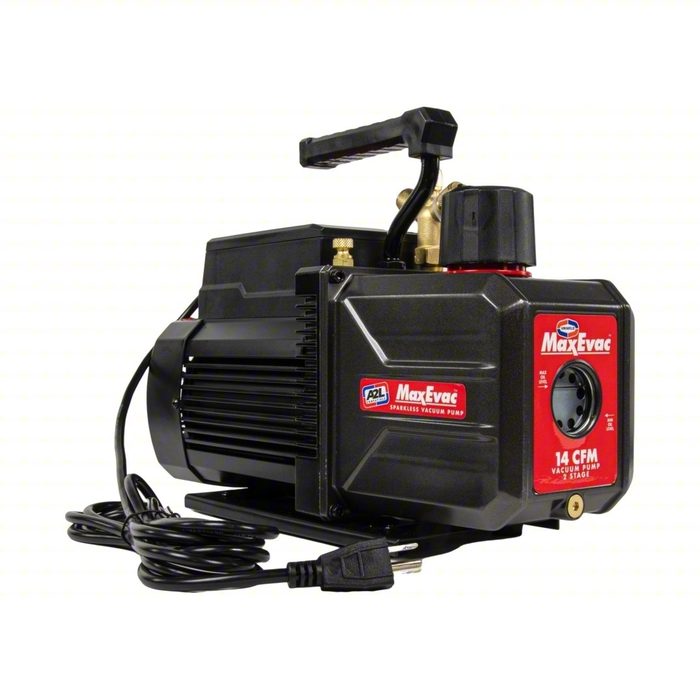
UNIWELD 14.4 cfm, 120V AC MaxEvac Vacuum Pump
Flow Rate: 14.4 cfmVoltage: 120V AC
from $933.57Grainger $933.57 -
-
-
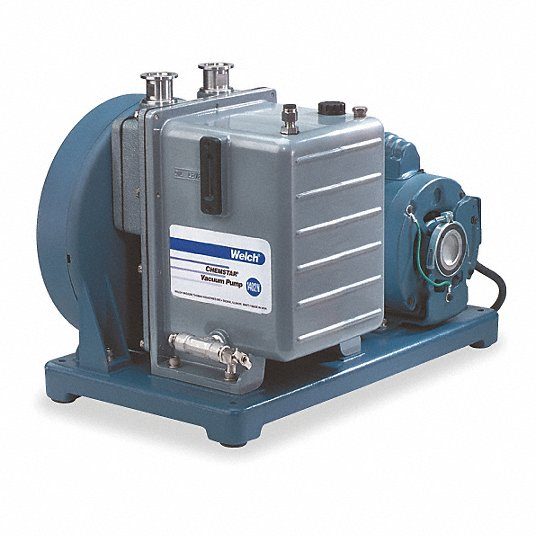
Vacuum Pump
Horsepower: 0.5 hpPhase: 1 Phase
-
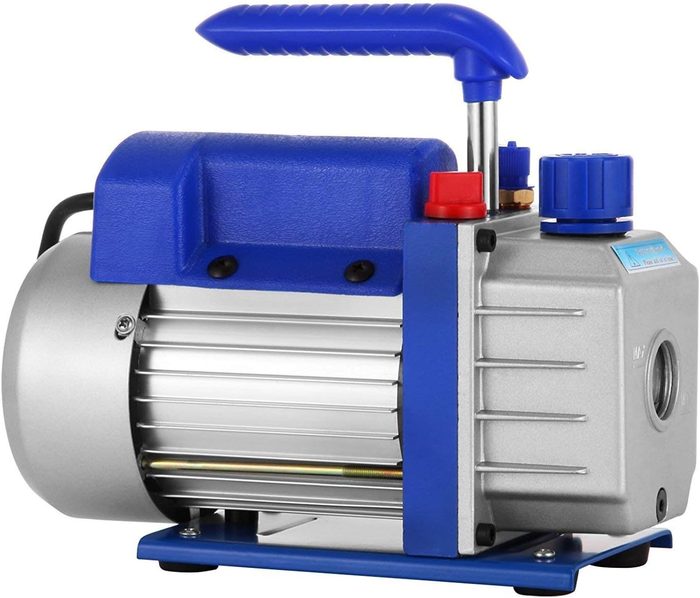
Vacuum Pump
Flow Rate: 7 CFMHorsepower: 1/3 HPStage: Single
-
-
-
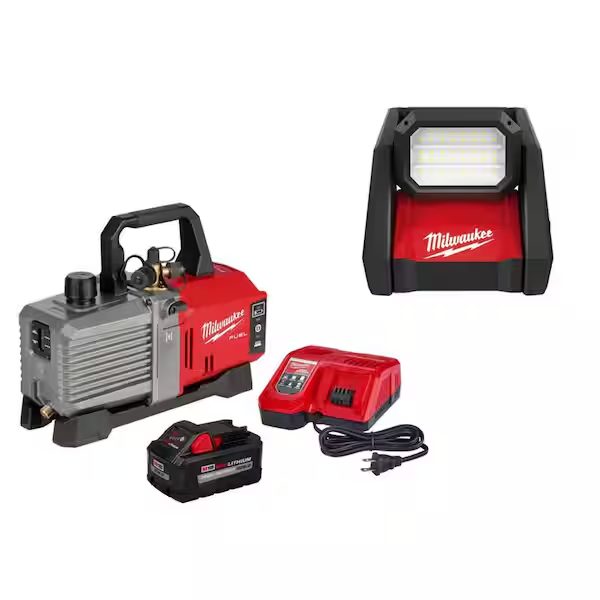
Vacuum Pump Kit
Flow Rate: 5 cfmUltimate Vacuum: 25 micron
-
-
-
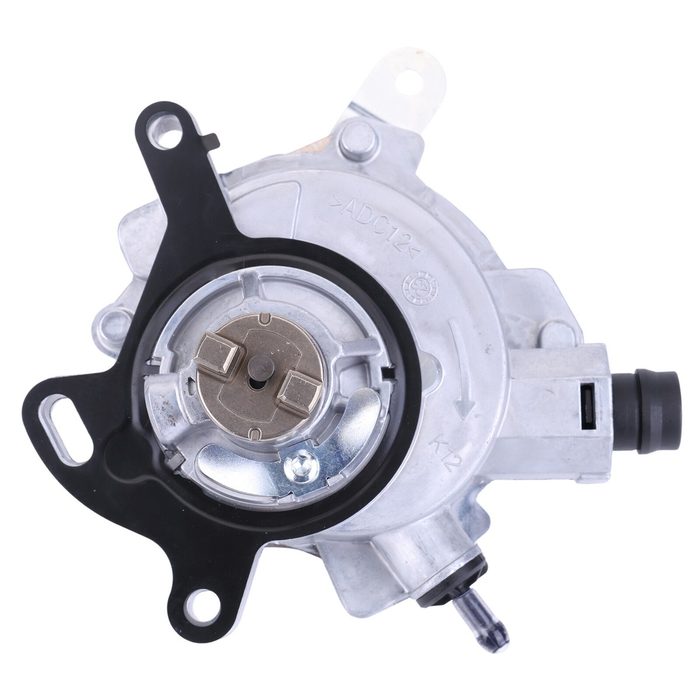
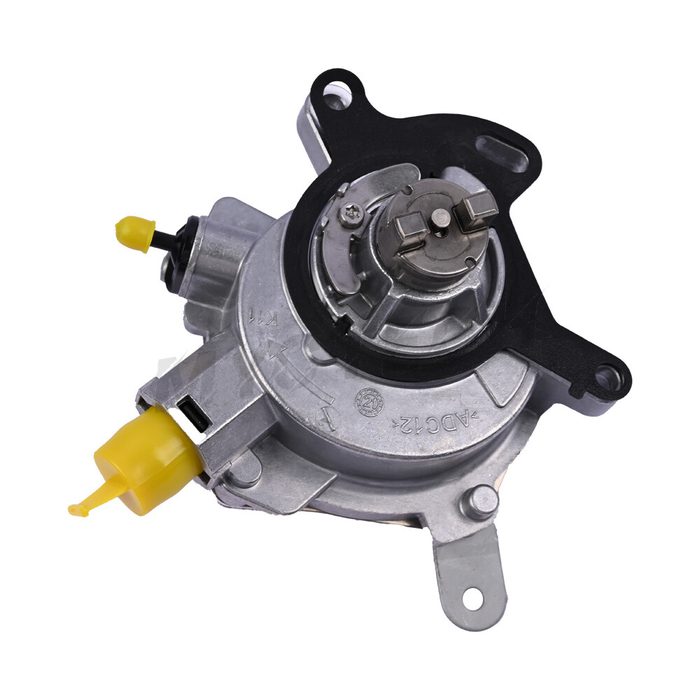
Vacuum Pump for Ford Ford EcoSport. Fiesta
Model: EcoSport, Fiesta
-
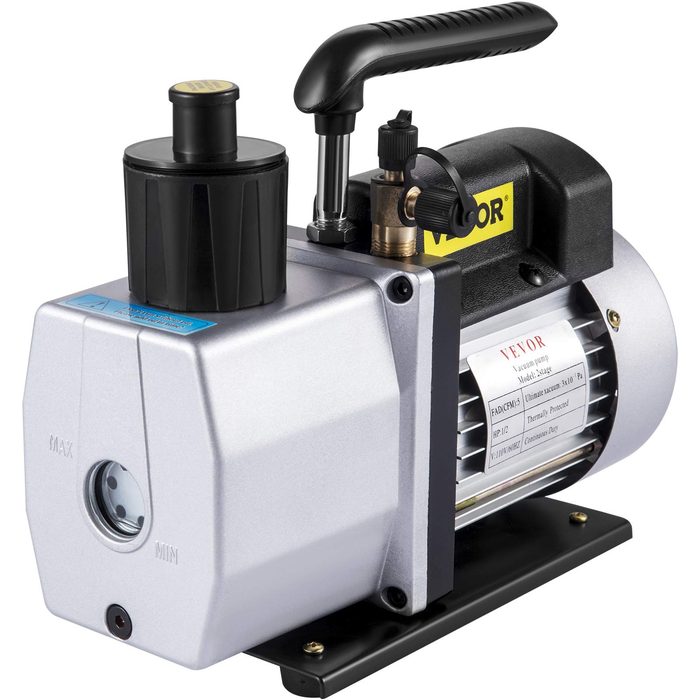
-
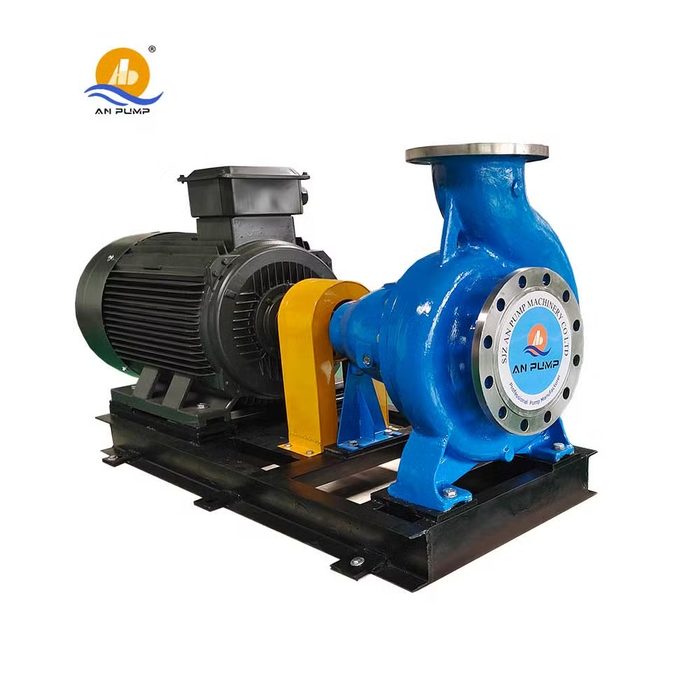
-
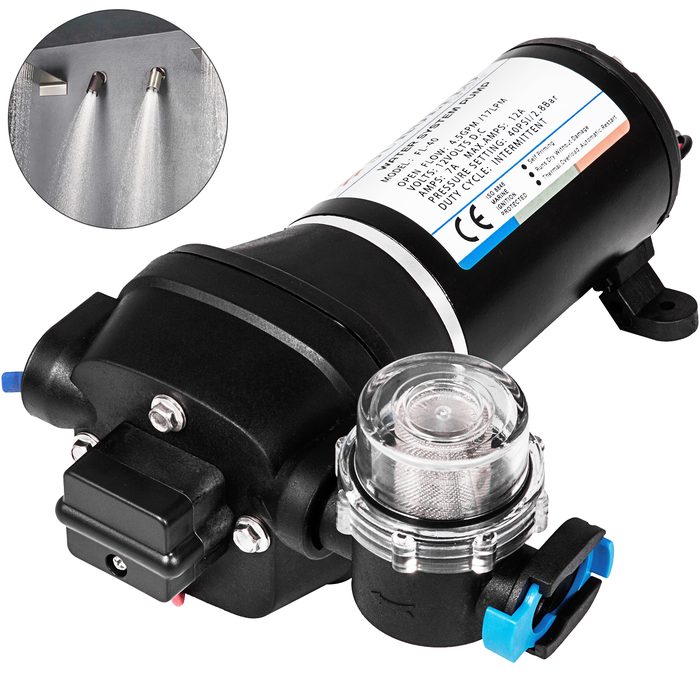
Water Diaphragm Pump
Flow Rate: 3.3 GPMPressure: 45 PSIVoltage: 110V AC
-
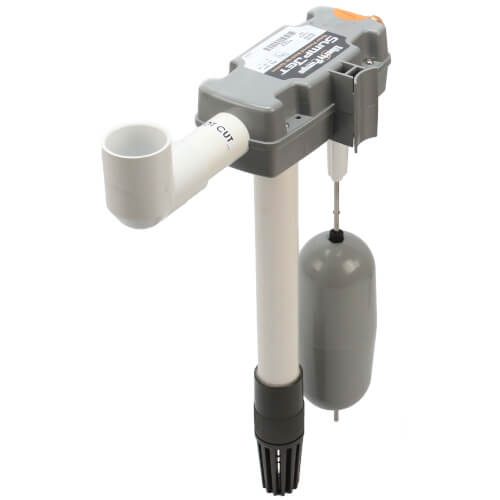
Water Powered Back-up Sump Jet Sump Pump
Maximum Head Lift: 25 ft
About pumps
Pumps are mechanical devices designed to move fluids, whether liquids, gases, or slurries, by converting mechanical energy into hydraulic energy. They are broadly categorized by their operational principle into positive displacement and kinetic (dynamic) types. Positive displacement pumps, such as gear, diaphragm, and peristaltic pumps, trap a fixed volume of fluid and force it into the discharge pipe. Kinetic pumps, including centrifugal and axial-flow pumps, impart velocity to the fluid through an impeller, then convert that velocity into pressure. Key selection parameters include flow rate (typically in GPM or m³/hr), discharge pressure (PSI or bar), NPSH requirements, and fluid viscosity. Material compatibility is critical, with common construction materials including cast iron, stainless steel (304, 316L), bronze, and various polymers like PTFE or PVDF, chosen based on fluid corrosivity, temperature, and abrasiveness. Seal types, such as mechanical seals, packing, or sealless magnetic drive designs, are specified according to leakage tolerance and fluid characteristics. Drive mechanisms range from electric motors (AC/DC, single/three-phase) to pneumatic or hydraulic power sources, with considerations for RPM and power consumption (HP or kW). Connection types often conform to NPT, BSPT, or flange standards like ANSI B16.5.
How to choose
title: How to Choose a Pump
steps: What fluid is being pumped? Identify its viscosity, temperature, chemical compatibility, and presence of solids. This dictates material selection and pump type.
What flow rate (GPM/m³/hr) and discharge pressure (PSI/bar) are required? This defines the pump's hydraulic performance curve and motor sizing. Consider system head losses.
What is the available Net Positive Suction Head (NPSHa)? Compare this to the pump's NPSH required (NPSHr) to prevent cavitation. Evaluate suction lift or flooded suction conditions.
What power source is available (electric, pneumatic, hydraulic)? Specify voltage, phase, and frequency for electric motors, or air/fluid pressure for others. Consider hazardous area classifications (e.g., ATEX, NEMA).
What level of leakage is acceptable? Select between sealed (mechanical seals, packing) or sealless (magnetic drive, canned motor) designs based on fluid toxicity or value, and maintenance requirements.