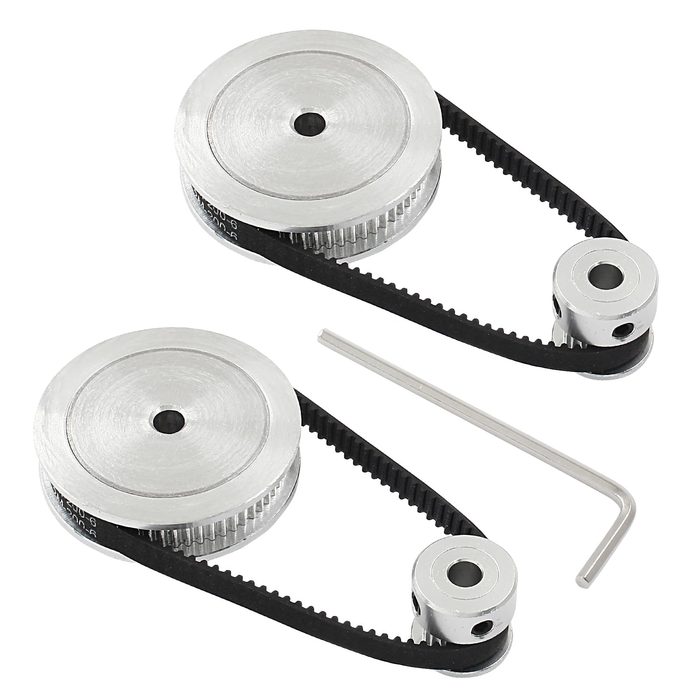
Pulleys & Sheaves
Timing pulleys, V-sheaves, idlers and taper-lock bushings.
Also searched as: timing pulleysheavesidler pulleytaper lockgt2 pulley
-
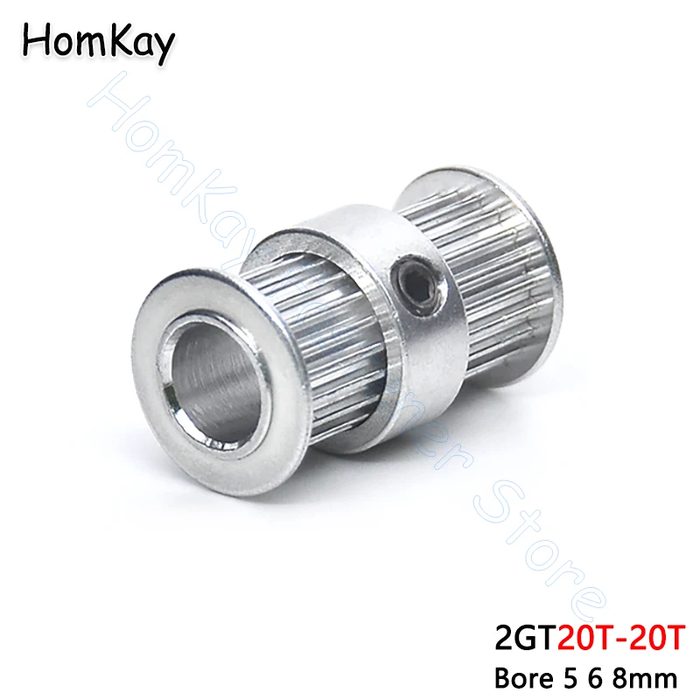
2GT Timing Pulley
Belt Width: 8mmBore: 5mm, 6mm, 8mmTeeth: 20T
-
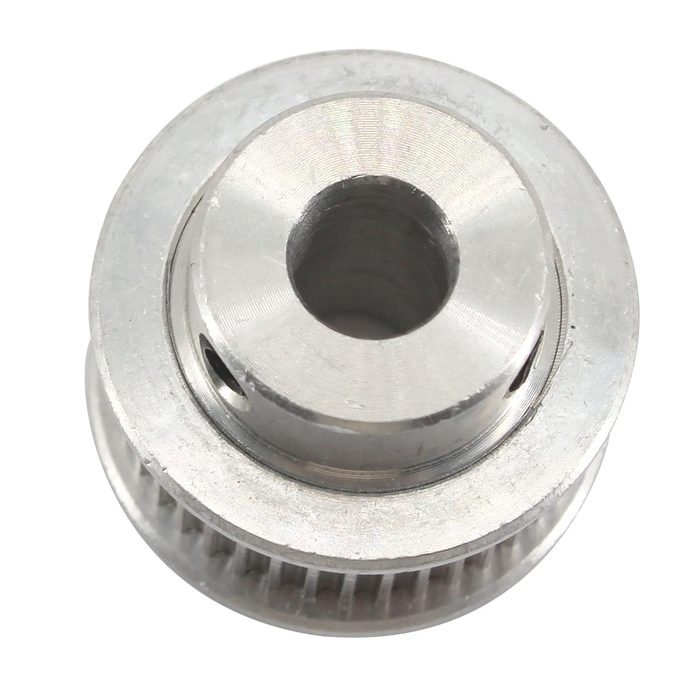
2GT Timing Pulley
Teeth: 22-29Width: 6/10 mm
-
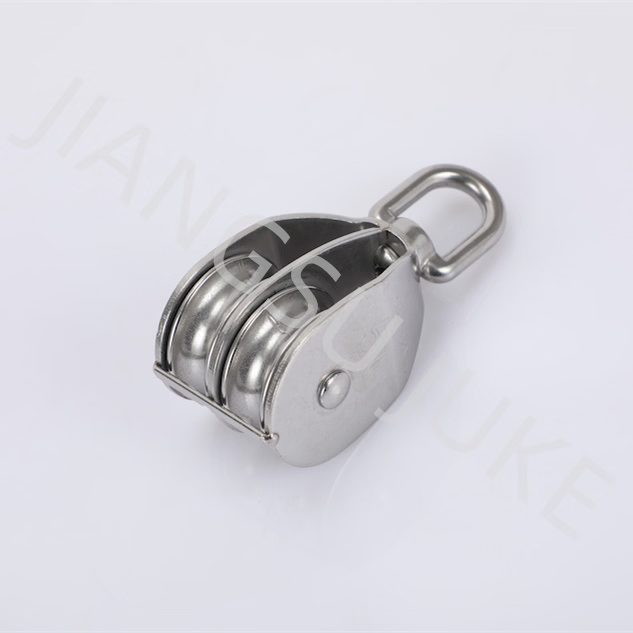
304 Stainless Steel Pulley Sheave
Bore Diameter: M15-M100
-
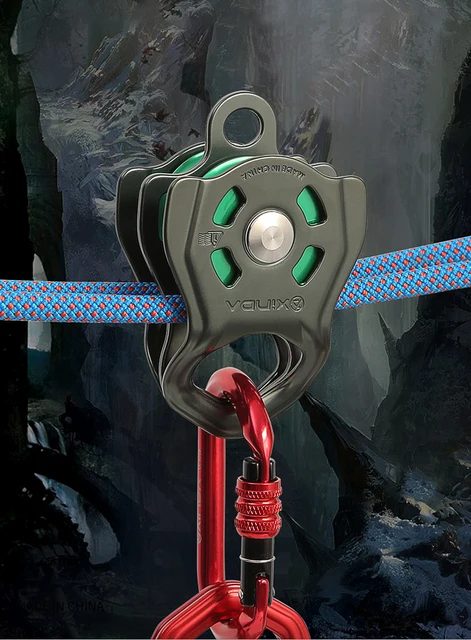
35KN Double Pulley Twin Sheave
Load Capacity: 35 kN
-
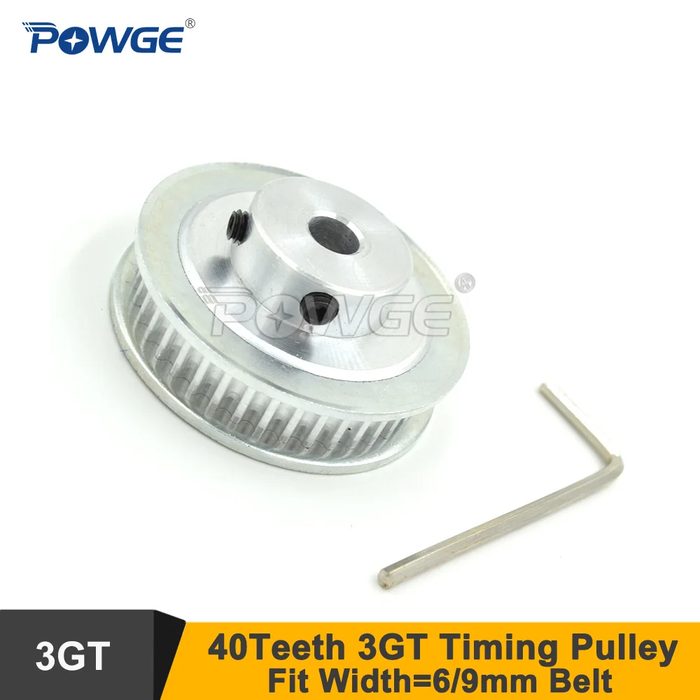
3GT Timing Pulley
Bore: 6.35/8/10 mmPitch: 3 mmTeeth: 60
-
-
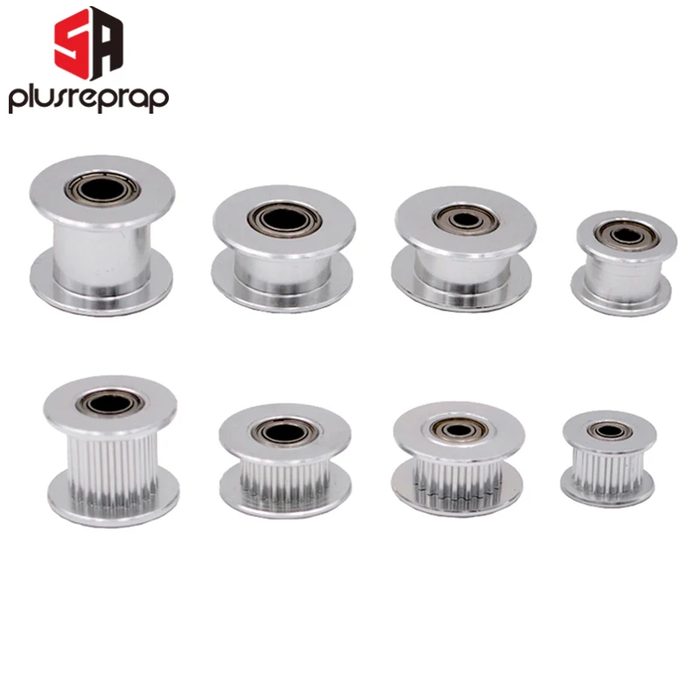
GT2 Idler Timing Pulley
Bore: 3 mm, 5 mmTeeth: 16T, 20T
-
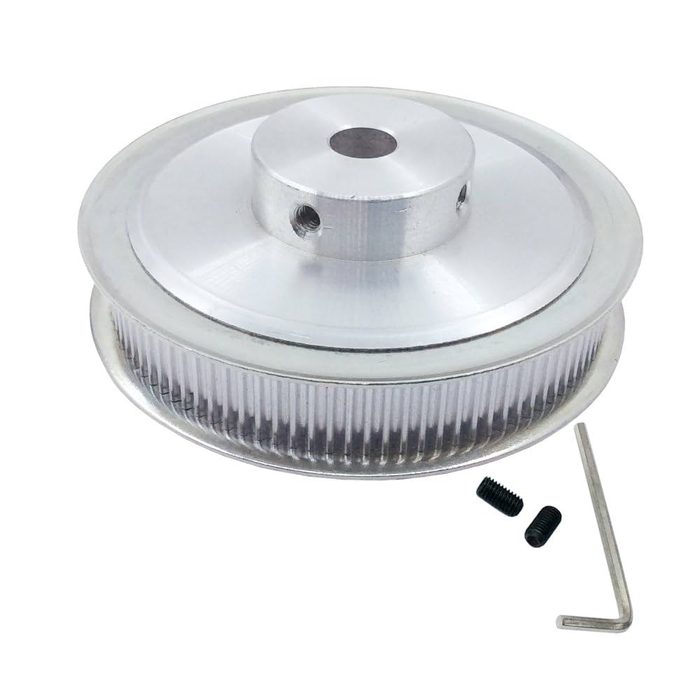
HTD 3M Timing Pulley
Belt Width: 6/10/15/20 mmBore: 4/5/6/6.35/8/10/12/15 mmPitch: 3 mmTeeth: 20/22/24
-
HTD 3M Timing Pulley
Belt Width: 6/10/15 mmBore: 5-20 mmBore Diameter: 14 mmTeeth: 40/42/44
-
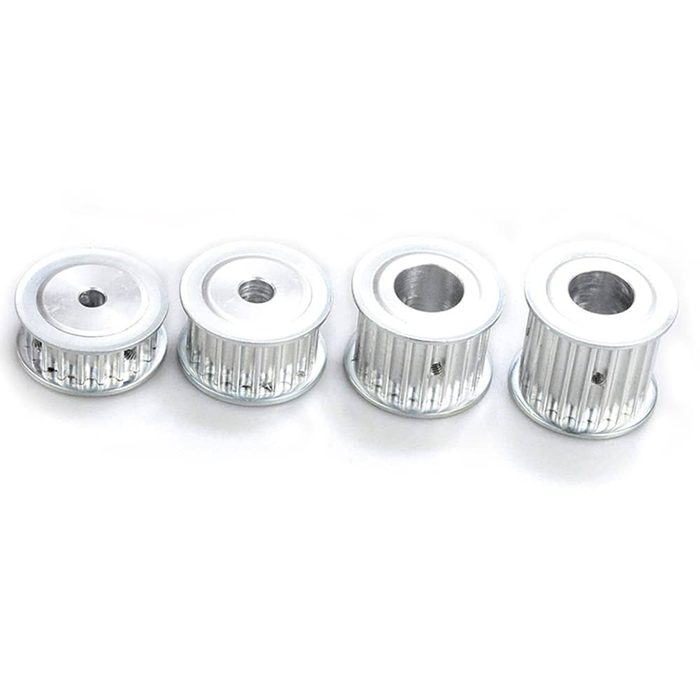
HTD 5M Timing Pulley
Bore: 5-30 mmTeeth: 30/32
-
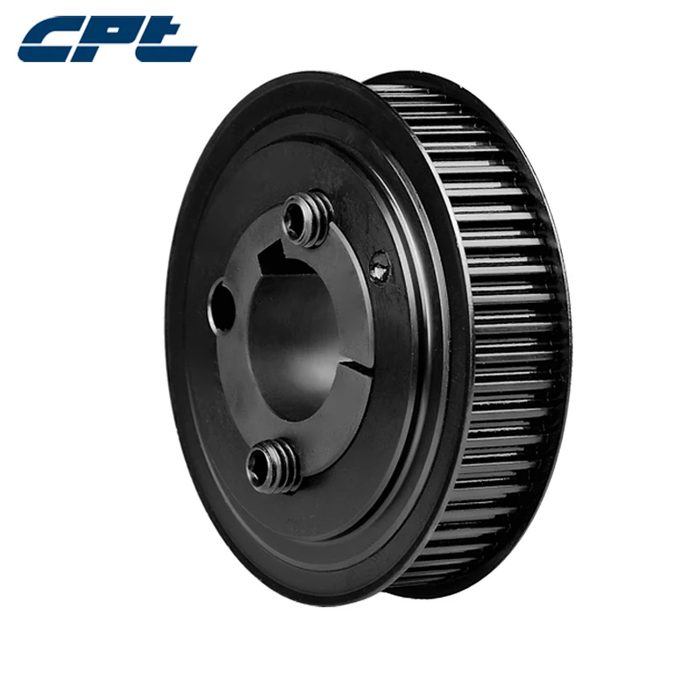
HTD 8M Timing Pulley
Belt Width: 15mm, 20mm, 25mm, 30mm, 40mmBore: 8mm-28mmTeeth: 22T
-
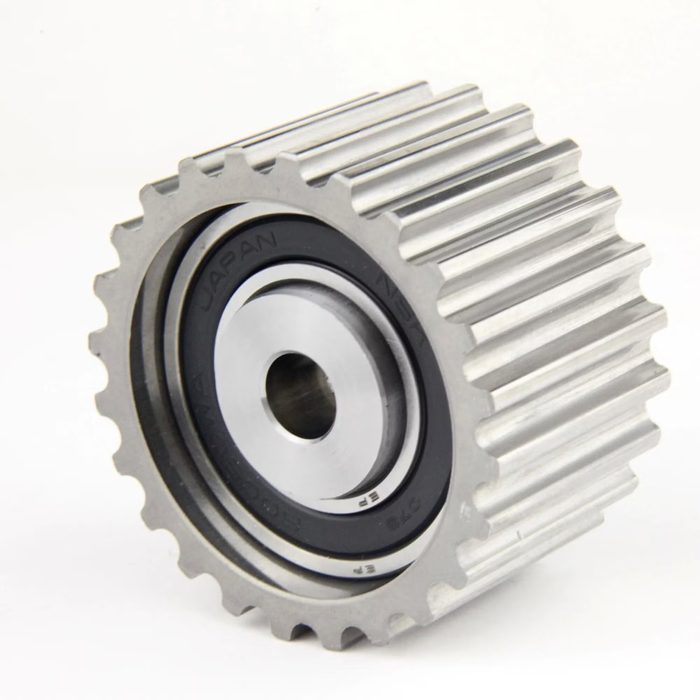
Idler Timing Pulley
Belt Width: 10mm, 15mm, 20mmOutside Diameter: 22mm
-
-
-
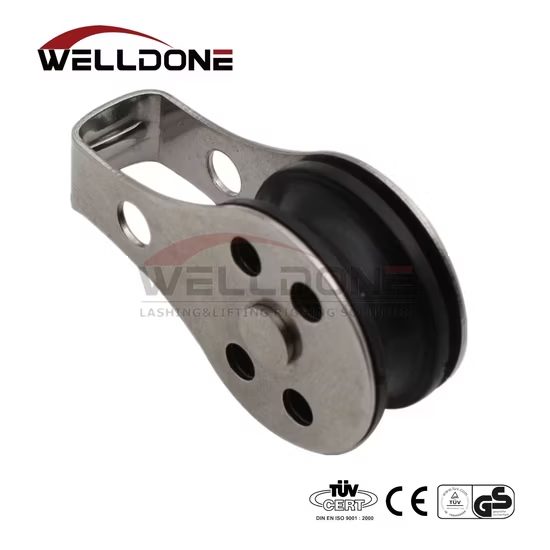
Stainless Steel Single Wheel Pulley with Nylon Sheaves
Length: 25 mmRope Diameter: 4 mm
-
-
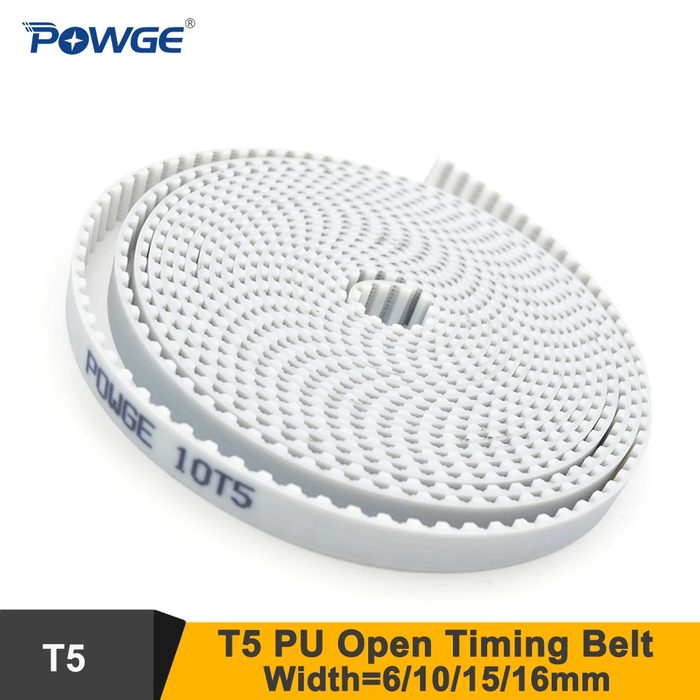
T5 Timing Pulley
Teeth: 10/12/14/15/16/17/18
-
-
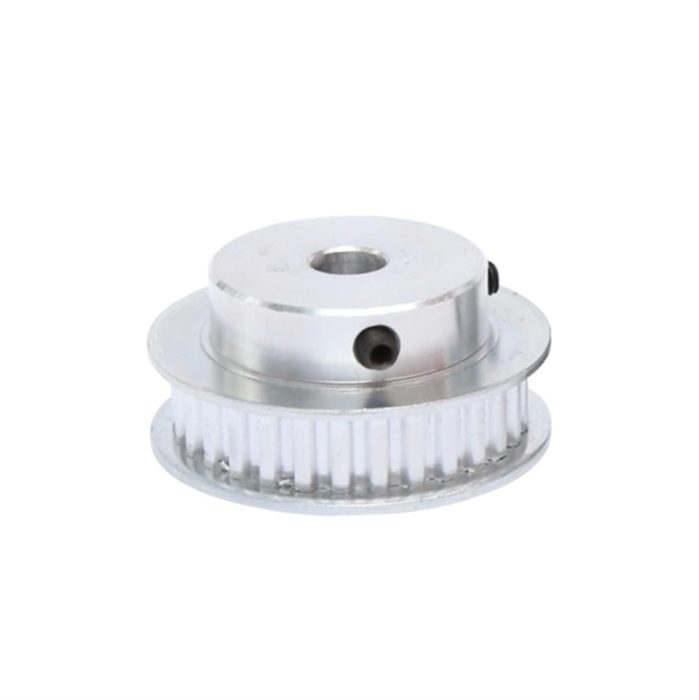
XL Aluminum Timing Pulley
Pitch: 5.08 mmSlot Width: 11 mmTeeth: 25-49
-
XL Aluminum Timing Pulley
Bore Diameter: 10 mmPitch: 5.08 mmSlot Width: 11 mmTeeth: 10-29
-
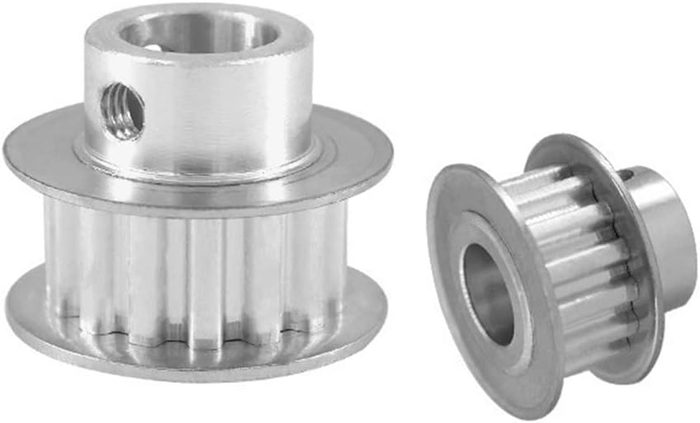
XL Timing Pulley BF CF Bore
Teeth: 10-14
-
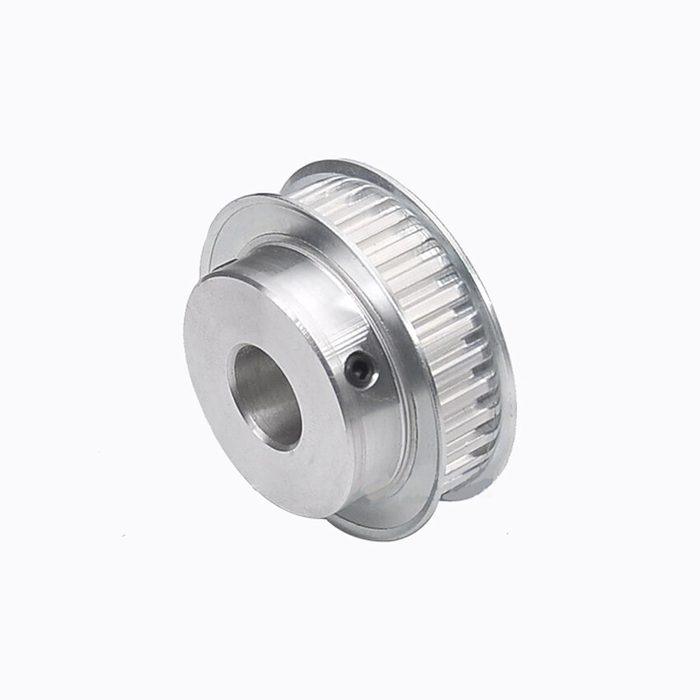
XL10 Timing Pulley
Belt Width: 11 mmBore: 3.17/4/5/6/6.35/8 mmPitch: 5.08 mm
About pulleys & sheaves
Pulleys and sheaves are mechanical components designed to transmit power and motion through belts, facilitating speed changes, torque multiplication, or directional alteration in power transmission systems. This category encompasses timing pulleys, V-belt sheaves, idler pulleys, and associated taper-lock bushings. Timing pulleys, often specified by pitch (e.g., GT2, HTD, XL, L, H) and tooth count, engage with synchronous belts to maintain precise timing and eliminate slippage, critical in applications requiring exact positioning. V-belt sheaves are designed for classic V-belts, transmitting power through friction; they are characterized by their pitch diameter, groove profile (e.g., A, B, C, D, 3V, 5V, 8V), and number of grooves. Idler pulleys are used to guide belts, maintain tension, or route belt paths without transmitting power directly. Taper-lock bushings provide a secure, keyless shaft-to-hub connection for pulleys and sheaves, identified by their series number (e.g., 1008, 1210) and bore size. Common materials include aluminum, steel, cast iron, and various plastics (e.g., acetal, nylon), often with finishes like black oxide or anodization to enhance durability and corrosion resistance. Selection criteria include shaft diameter, belt type, desired speed ratio, torque requirements, and environmental conditions.
How to choose
When selecting pulleys and sheaves, first determine the belt type: synchronous (timing) or V-belt. For timing pulleys, specify the required pitch (e.g., GT2, HTD) and tooth count to achieve the desired speed ratio and center distance. For V-belt sheaves, identify the V-belt section (e.g., 3V, 5V) and the sheave's pitch diameter and number of grooves. Next, consider the shaft diameter and select an appropriate bore size or taper-lock bushing series. Evaluate material requirements based on strength, weight, and environmental factors. Finally, assess if an idler pulley is needed for belt tensioning or routing, specifying its diameter and bore.