Pneumatic Cylinders
Single and double-acting, compact, rodless and guided cylinders.
Also searched as: air cylinderpneumatic cylinderiso cylindercompact cylinder
-
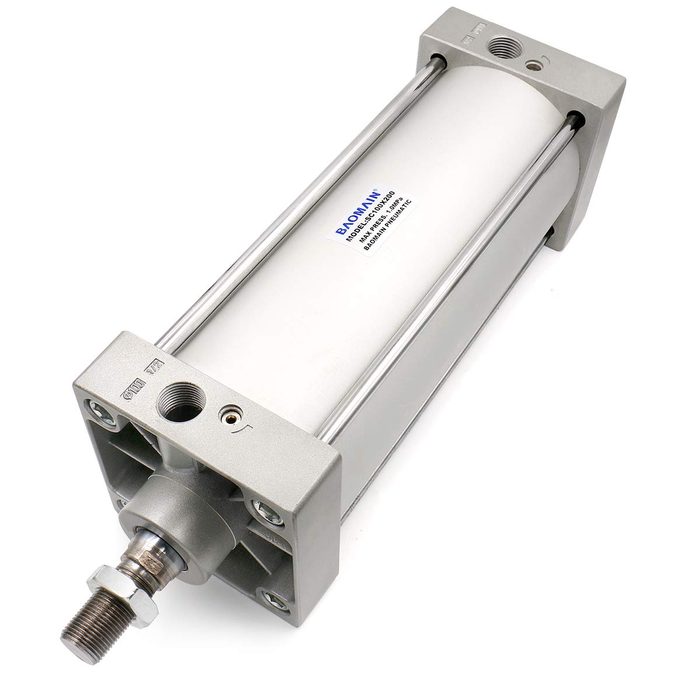
SC Series Pneumatic Air Cylinder
Bore: 100 mmSeries: SCStroke: 25-350 mm
-
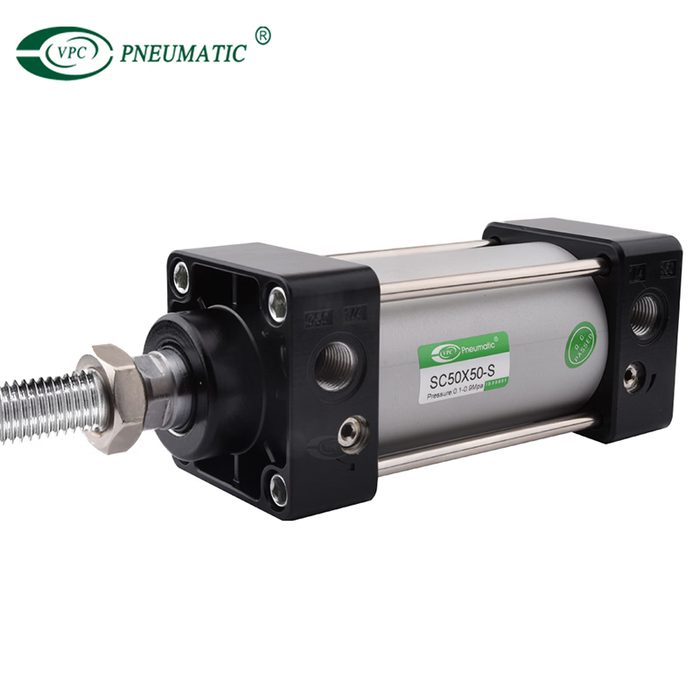
SC Series Pneumatic Cylinder, Long Stroke
Bore: 32-320 mmShaft Diameter: 1100 mm
-
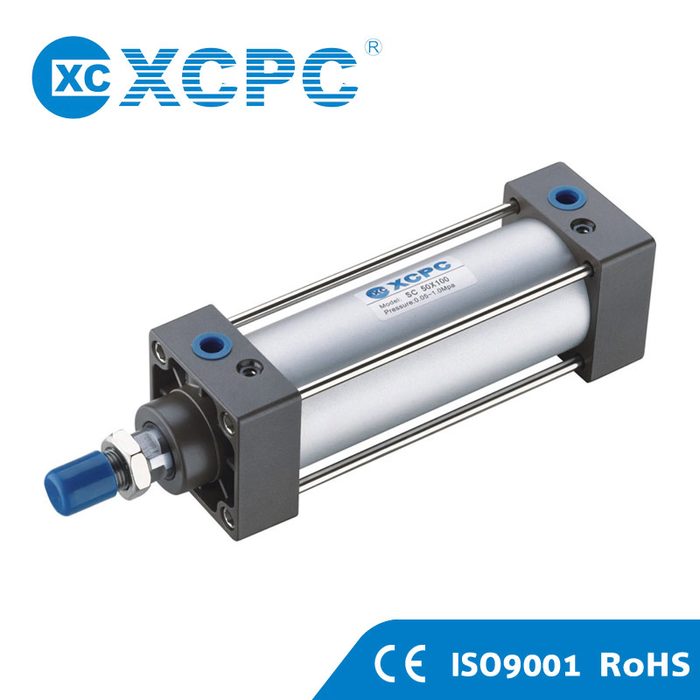
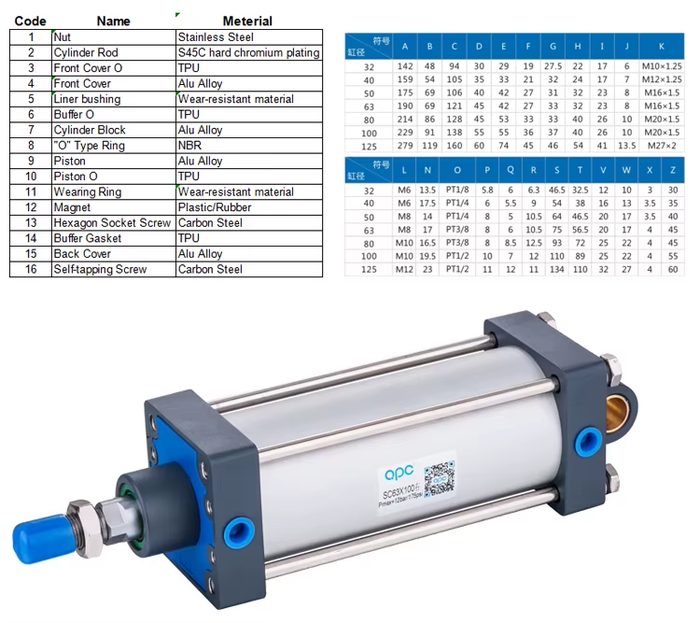
SC Series Pneumatic Piston Cylinder
Bore Diameter: 40-1000 mmStroke: 8-3000 mm
-
-
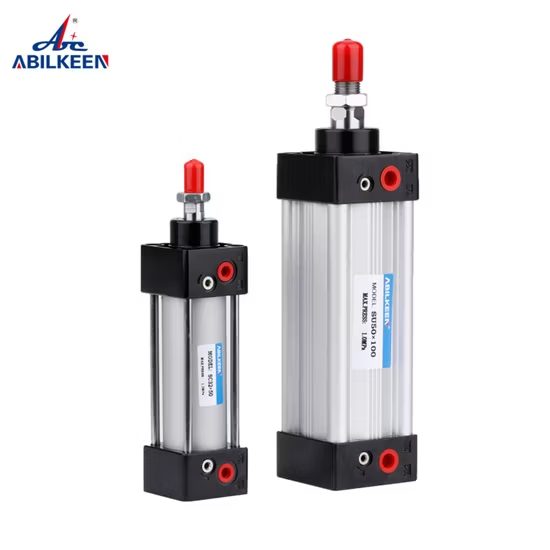
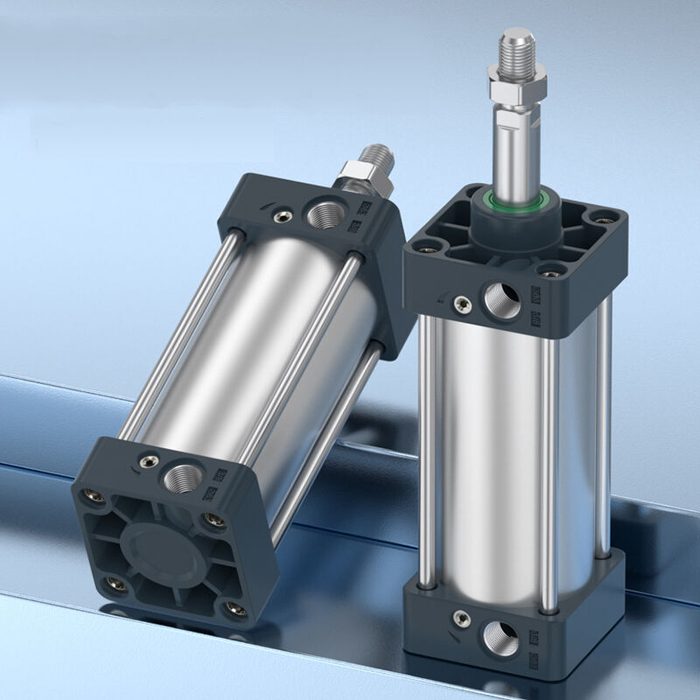
SC Type Standard Pneumatic Cylinder
Pressure Range: 0.1~1.0MPAWorking temperature: -5~70oC
-
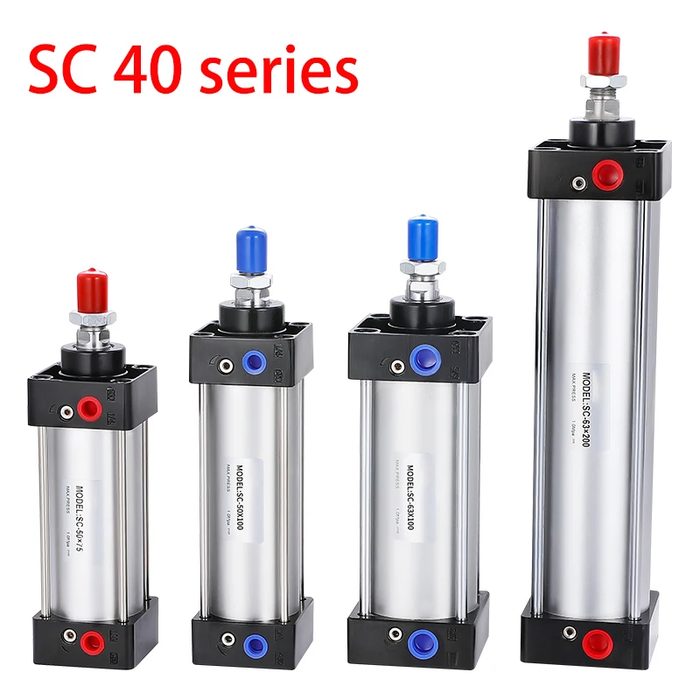
SC40 Series Double Acting Air Cylinder
Bore: 40 mmSeries: SC40Stroke: 25-1000 mm
-
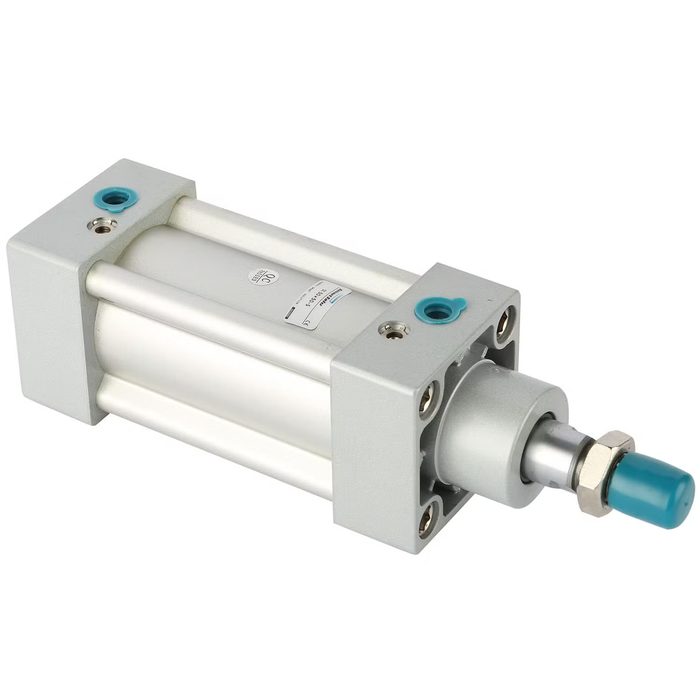
SI Series Pneumatic Cylinder
Bore: 50 mmSeries: SIStroke: 25-300 mm
-
-
-
-
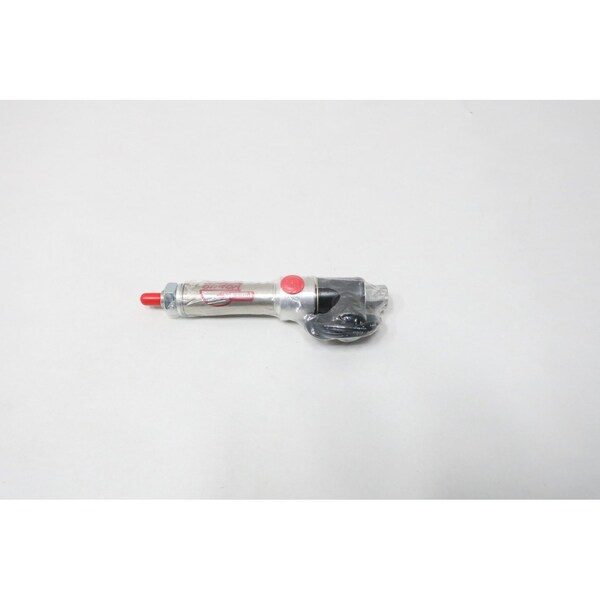
Single Acting Pneumatic Cylinder 0.25in Bore 1in Stroke
Action: Single ActingBore: 0.25 inStroke: 1 in
-
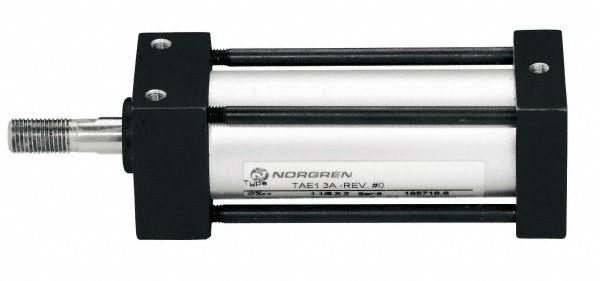
Single Acting Rodless Air Cylinder
Bore: 1-1/8 inchMax Pressure: 150 psiPort: 1/8 NPTFStroke: 5 inch
-
-
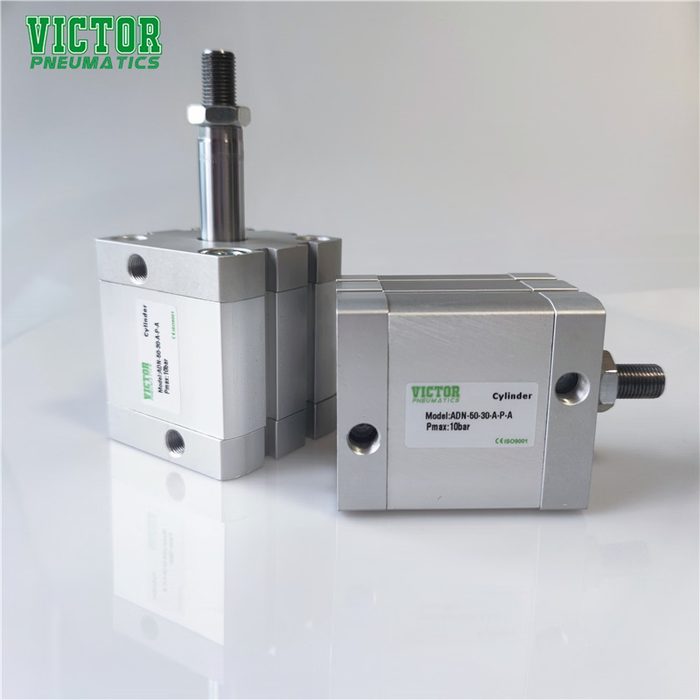
Square Compact Cylinder
Bore: 32 mmStroke: 5 mm
-
-
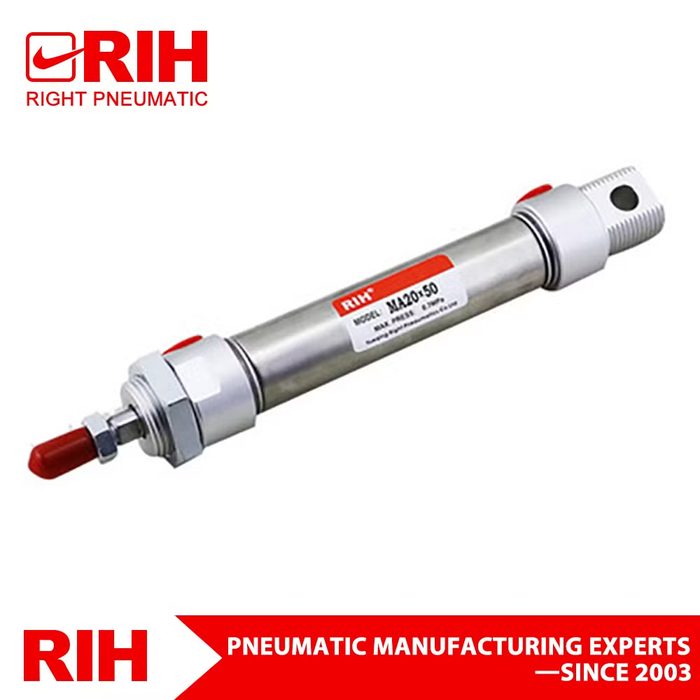
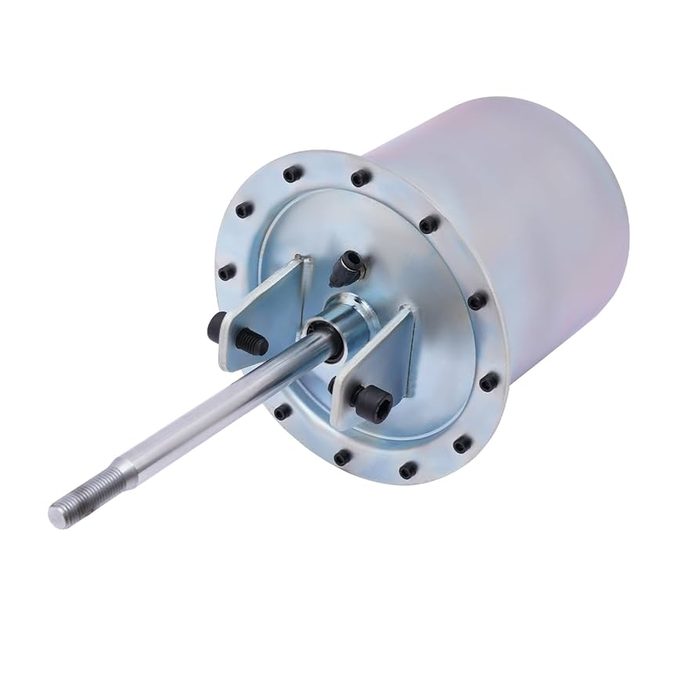
Stainless Steel Double/Single Acting Pneumatic Air Cylinder
Action: Double/Single Acting
-
-
-
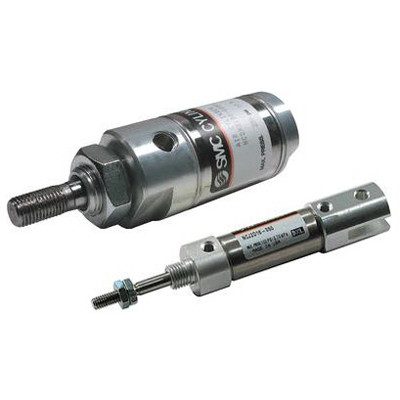
Standard Double Acting Single Rod Stainless Steel Cylinder
Action: Double ActingRod Type: Single
-
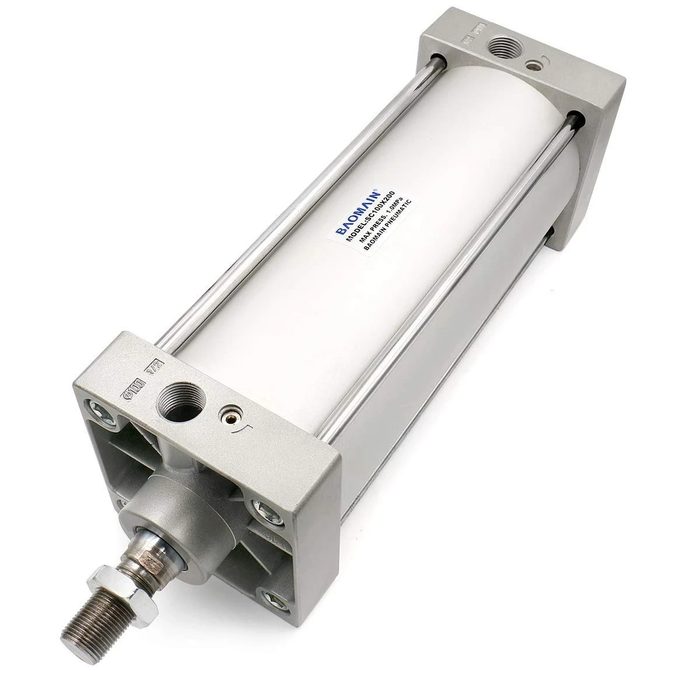
Standard Double-Acting Pneumatic Cylinder DIN ISO 15552
D2: 80Thread: M20X1.5
-
-
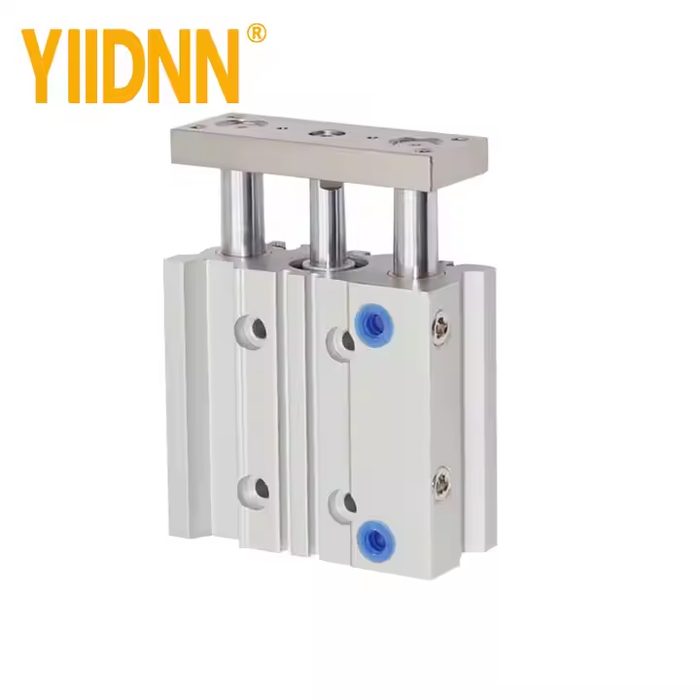
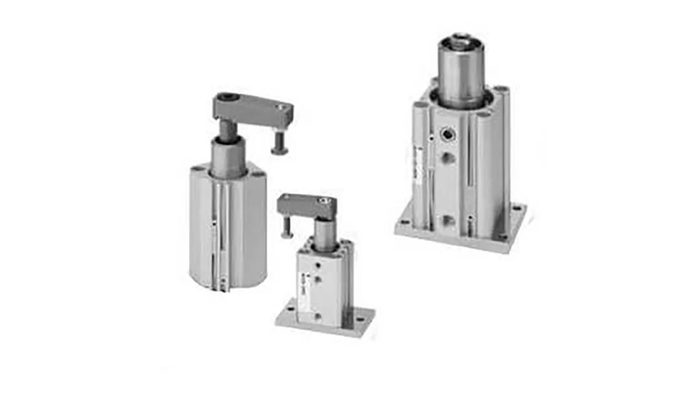
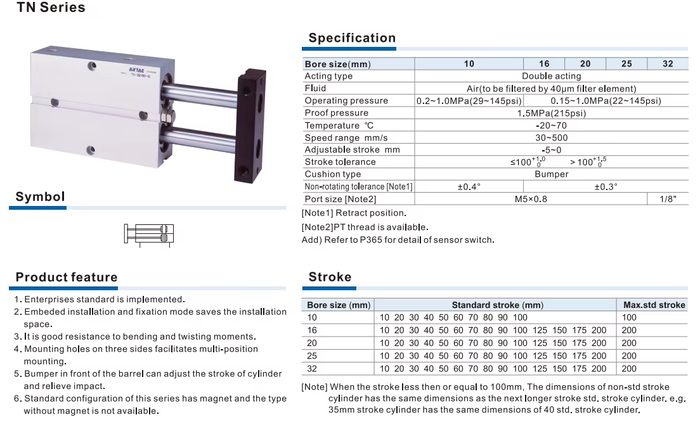
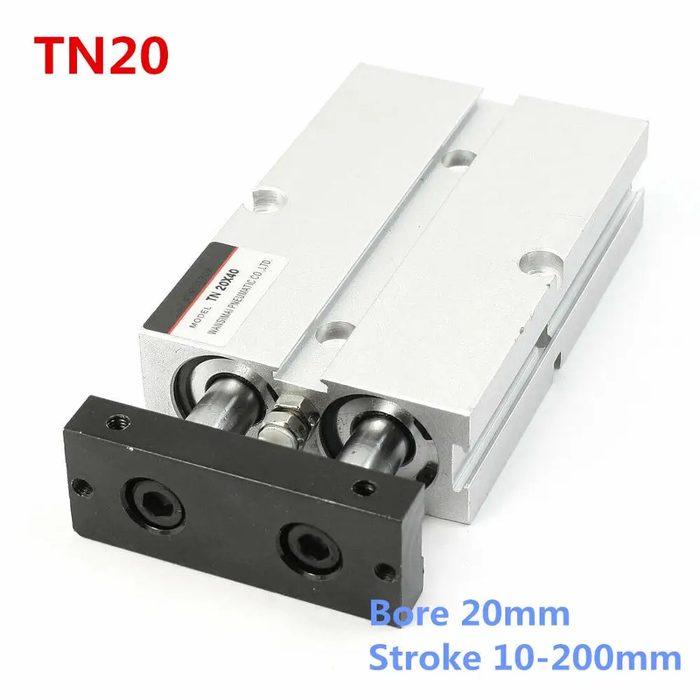
TN Series Double Shaft Aluminum Alloy Twin-rod Air Cylinders
Action: DoubleBore size: 10-16-20-25-32 mmSeries: TN
-
-
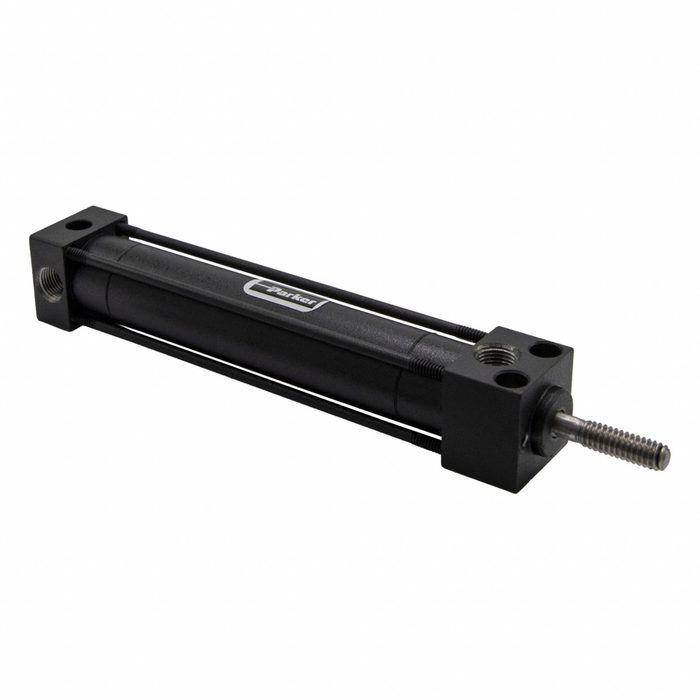
Tie Rod Air Cylinder
Bore Diameter: 40 mmStroke: 50 mm
-
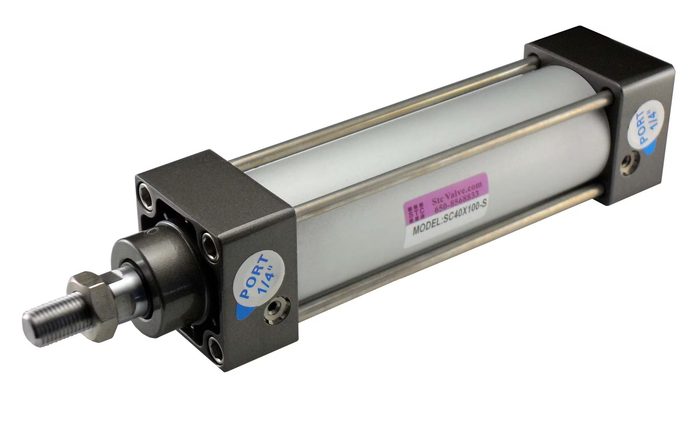
Tie Rod Air Cylinder
Bore Diameter: 63 mmStroke Length: 80 mm
-
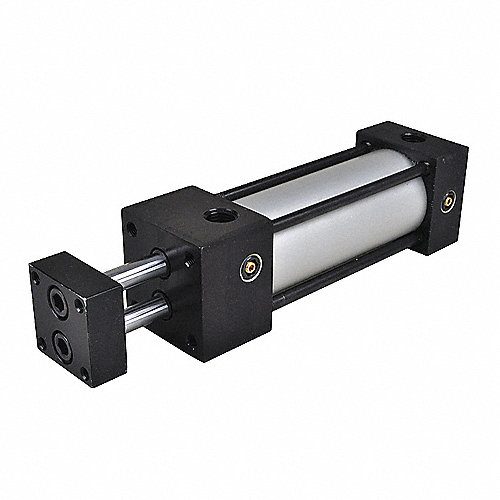
Tie Rod Air Cylinder
Bore Diameter: 1 1/2 inch
-
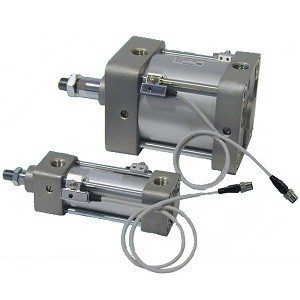
Tie Rod Air Cylinder
Bore: 4.0000 inCushion: Both EndsStroke: 2.0000 in
-
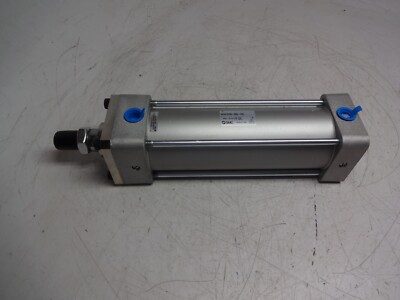
Tie Rod Air Cylinder
Bore: 2.5000 inCushion: Both EndsStroke: 24.0000 in
-
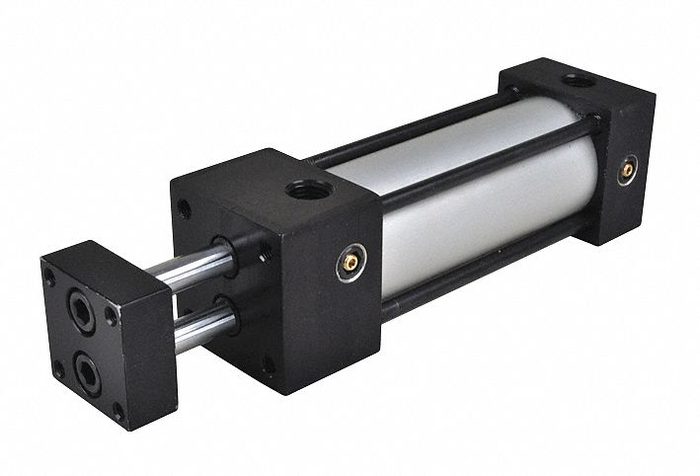
Tie Rod Air Cylinder, Double-Acting, ISO Standard
Bore Diameter: 1 1/2 in
-
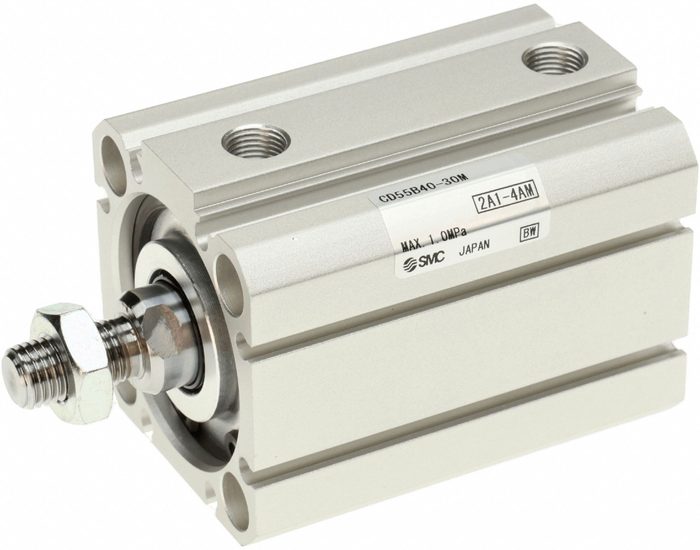
Tie Rod Cylinder
Bore Diameter: 32 mm
-
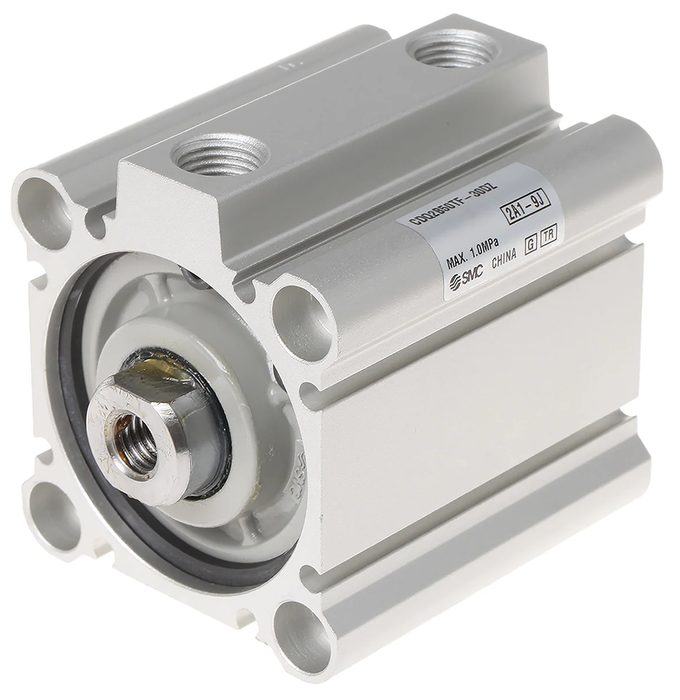
Tie Rod Cylinder
Bore Diameter: 80 mm
-
Tie Rod Cylinder, Double-Acting, ISO Standard
Bore Diameter: 32 mm
-
-
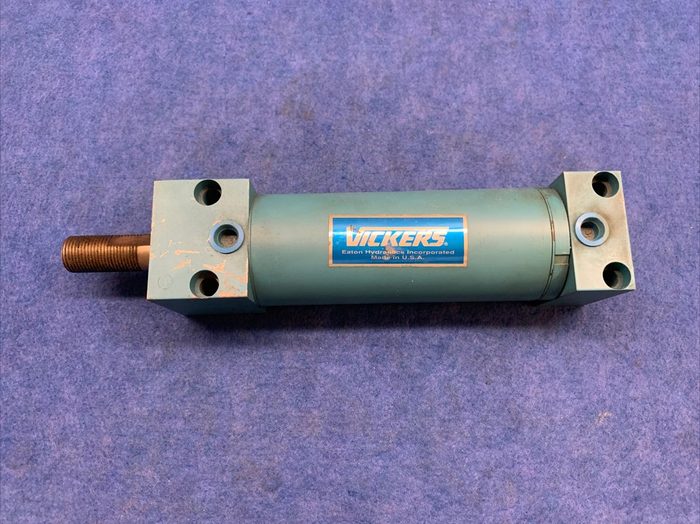
Vickers Air Cylinder 2" bore, 2.25" stroke
Bore: 2 inchPressure: 250 psiRod: 0.75 inchStroke: 2.25 inch
-
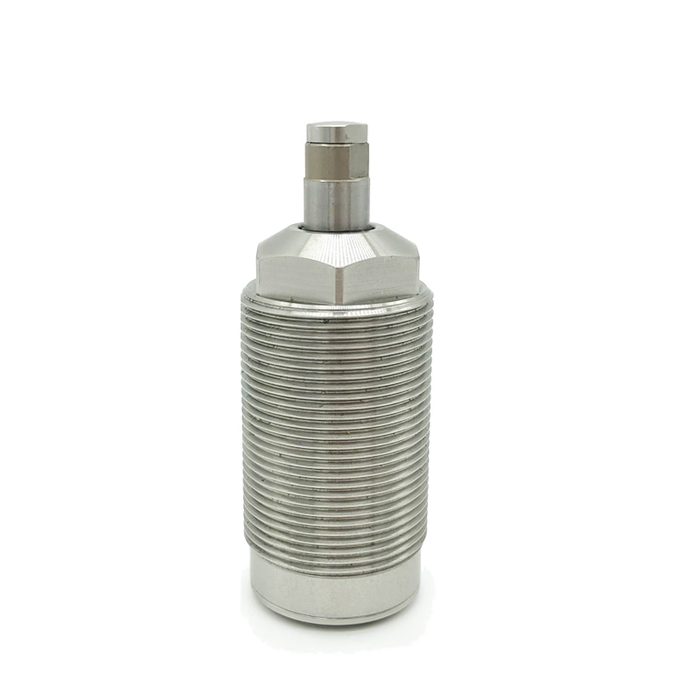
Work Support Air Cylinder HSW30-AL-S
Pressure: 4-10 kg/cm2Stroke: 8 mm
-
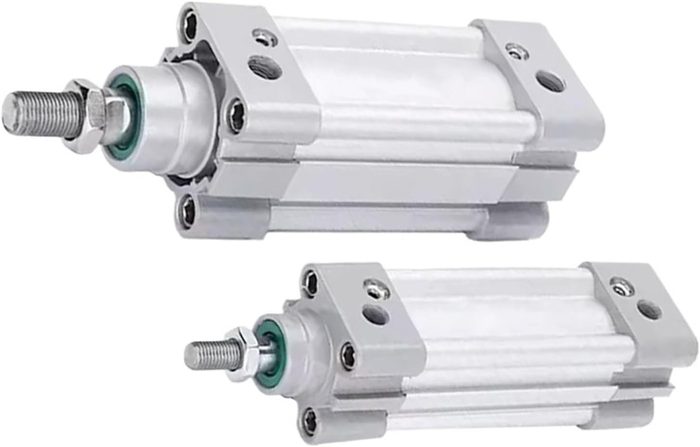
ZDIEVYPP Pneumatic Cylinder Air Cylinder 32/40/50/63/80/100mm Bore 25/50/75/100/125/150/175/200mm Stroke
Bore: 32/40/50/63/80/100 mmStroke: 25/50/75/100/125/150/175/200 mm
About pneumatic cylinders
Pneumatic cylinders convert compressed air energy into linear motion, providing force and displacement for various industrial automation tasks. They are broadly categorized by their acting mechanism: single-acting cylinders extend with air pressure and retract via spring force, while double-acting cylinders use air pressure for both extension and retraction. Specialized variants include compact cylinders, designed for space-constrained applications; rodless cylinders, which move a carriage along the cylinder body without an external rod, offering longer strokes in a compact footprint; and guided cylinders, which incorporate guide rods to resist rotation and side loads. Key selection parameters include bore size (typically from 6mm to 320mm), stroke length (from 5mm to several meters), operating pressure (commonly 0.1 MPa to 1.0 MPa), and mounting style (e.g., clevis, flange, trunnion, foot). Materials often include aluminum barrels and end caps, stainless steel piston rods, and various elastomer seals (e.g., NBR, FKM). ISO standards like ISO 6431, ISO 15552, and ISO 21287 define interchangeability and dimensions for many common cylinder types.
How to choose
When selecting a pneumatic cylinder, first determine the required force and stroke length. This will dictate the necessary bore size and overall cylinder dimensions. Next, consider the application's movement requirements: does it need force in only one direction (single-acting) or both (double-acting)? Evaluate available space and potential side loads; compact or rodless cylinders address space constraints, while guided cylinders manage side loading and non-rotation. Finally, specify mounting configuration (e.g., clevis for pivoting, flange for rigid attachment) and port thread type (e.g., G, NPT, M). Environmental factors like temperature, moisture, and chemical exposure will influence seal and construction material choices.