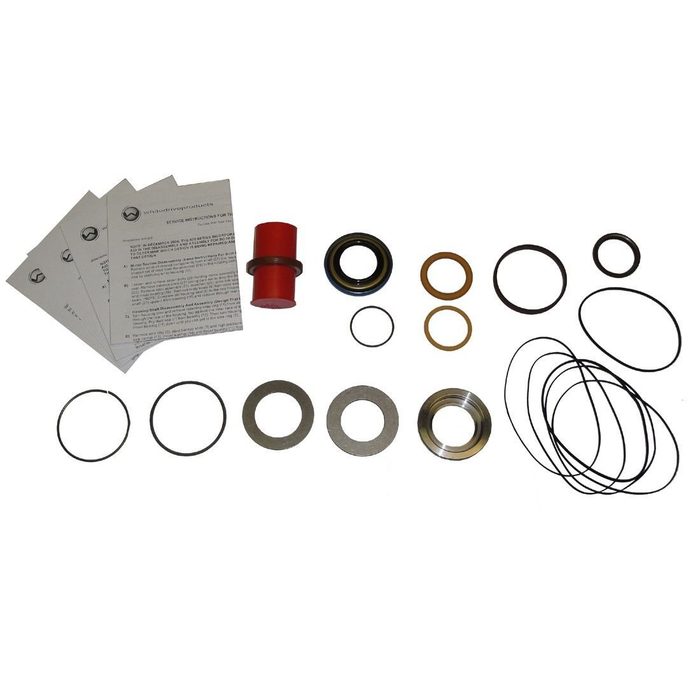
Pistons, Rods & Seals Kits
Piston assemblies, chrome rod, seal kits and rebuild parts.
Also searched as: piston rodchrome rodseal kitpiston sealcylinder repair
-
-
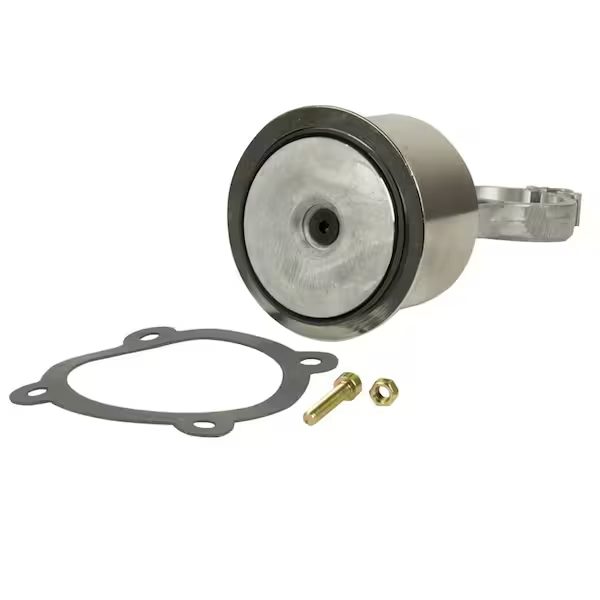
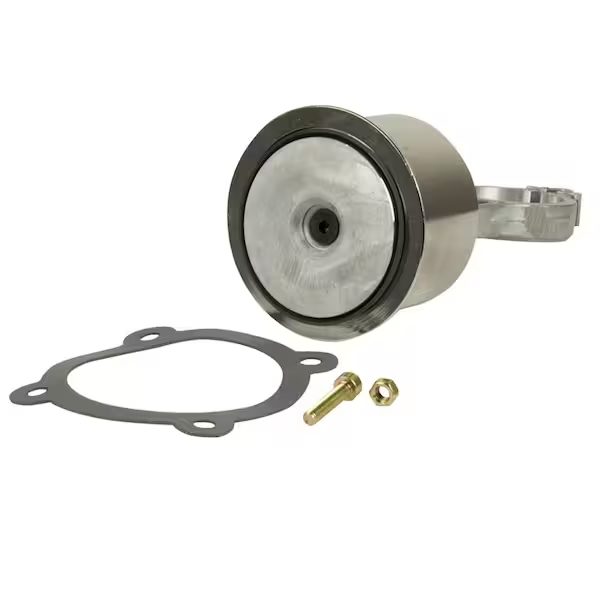
Piston Kit for Husky Air Compressor
Application: Air Compressor
-
-
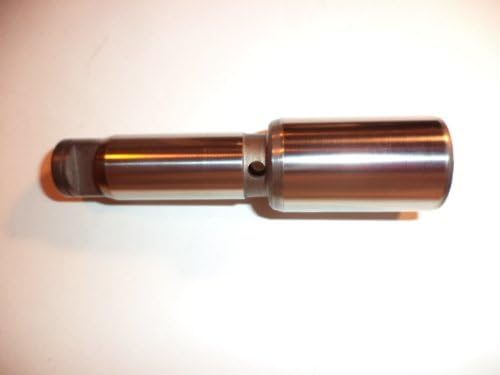
-
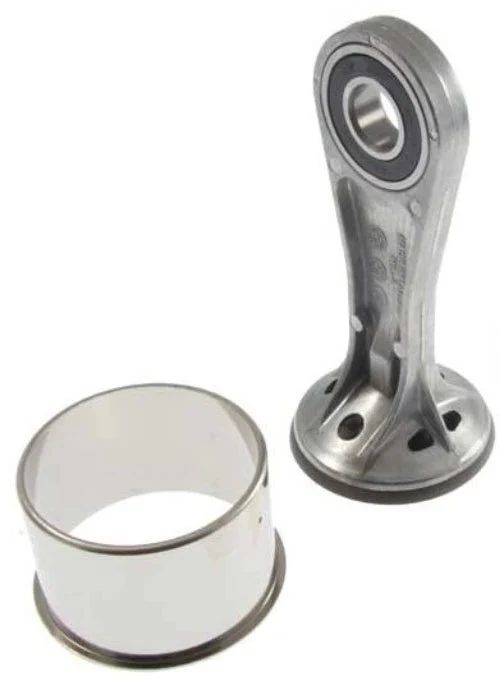
-
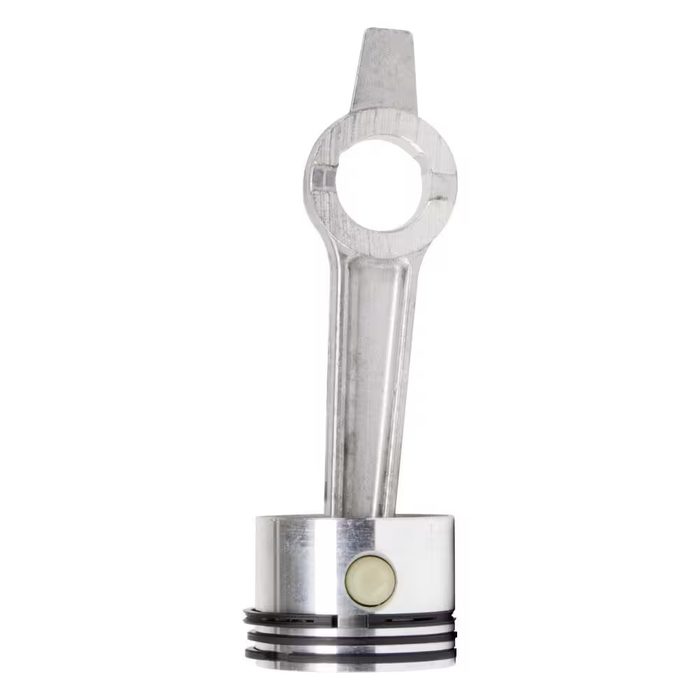
-
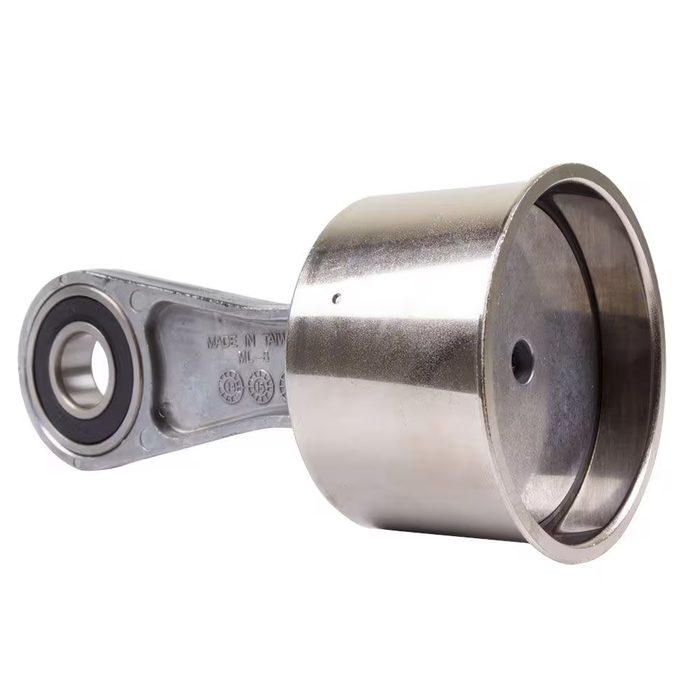
Replacement Piston Kit for Air Compressor
Model: C331H and C303H
About pistons, rods & seals kits
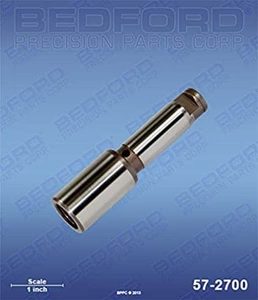
Pistons, Rods & Seals Kits encompass the critical components required for the assembly, repair, or refurbishment of hydraulic and pneumatic cylinders. Piston assemblies typically include the piston head, which translates fluid pressure into mechanical force, often featuring an integral or attached piston rod connection. Piston rods, frequently specified as chrome rod, are precision-ground and polished steel shafts, hard chrome plated to resist wear, corrosion, and provide a low-friction sealing surface. They are characterized by their diameter, length, and end-threading (e.g., UNF, UNC, metric fine) for attachment to clevises or other linkages. Seal kits comprise a variety of elastomeric and thermoplastic components, including piston seals (e.g., U-cups, O-rings, compact seals), rod seals (e.g., U-cups, chevron sets), wipers, and wear rings. These seals are crucial for preventing fluid bypass and external leakage, and their material selection (e.g., Nitrile, Viton, Polyurethane, PTFE) depends on operating temperature, pressure, and fluid compatibility. Rebuild parts can also include cylinder barrels, end caps, and mounting hardware, ensuring a comprehensive solution for cylinder maintenance.
How to choose
When selecting Pistons, Rods & Seals Kits, first determine the cylinder type (hydraulic or pneumatic) and the bore diameter, which dictates piston and seal sizing. Next, specify the piston rod diameter and required stroke length, along with the rod end threading for attachment compatibility. Evaluate the operating pressure range and temperature, as these factors are critical for selecting appropriate seal materials and piston designs. Consider the fluid medium for chemical compatibility with seal elastomers. Finally, assess the application's duty cycle and potential for side loading, which may influence rod material, plating thickness, and wear ring selection for optimal longevity and performance.