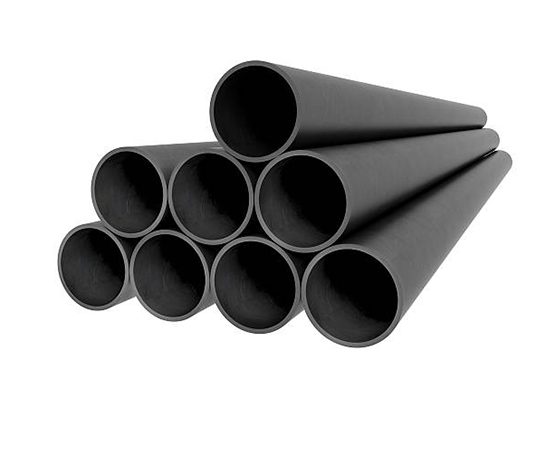
Pipe & Pipe Fittings
Black, galvanized, stainless and PVC pipe with elbows and tees.
Also searched as: pvc pipeblack pipepipe fittingselbownpt pipe
-
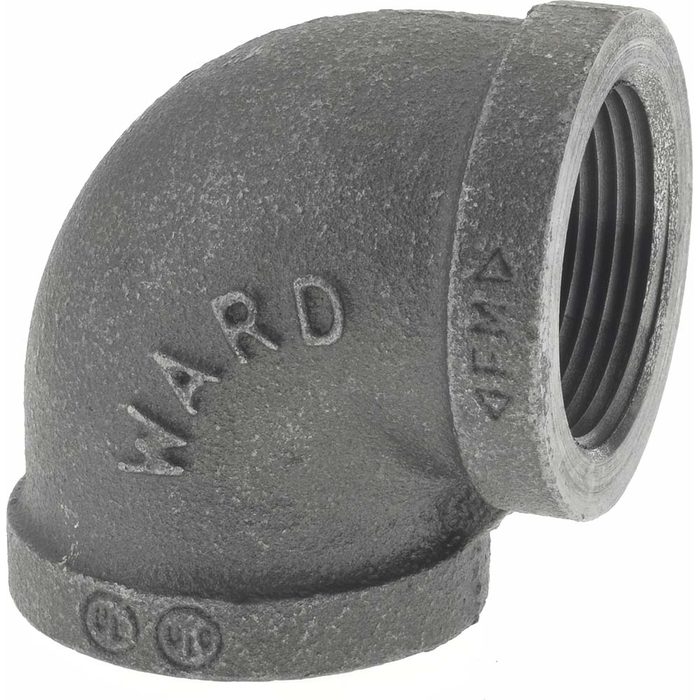
Black 90 deg Elbow: 1-1/4", Threaded
Angle: 90 degConnection: ThreadedSize: 1.25 in
-
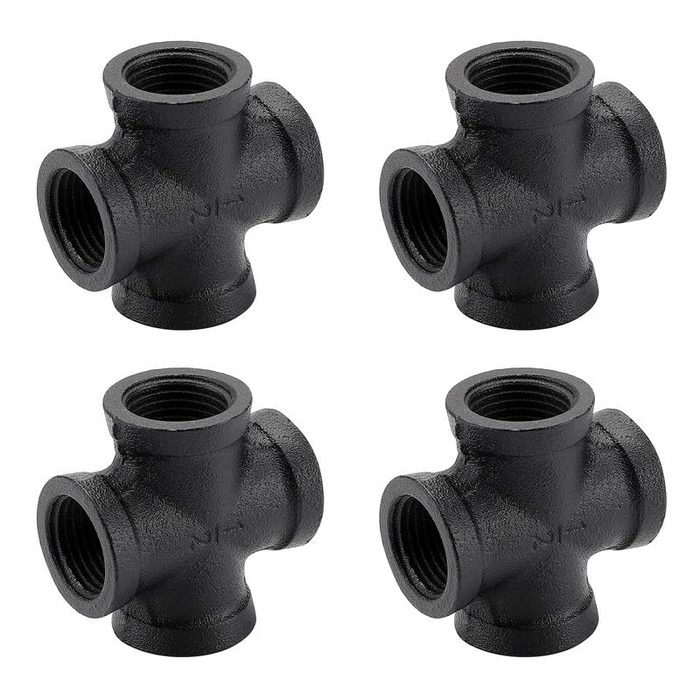
Black Pipe Cross Fitting
End Connections: NPTFitting Size: 4"Fitting Type: Cross
-
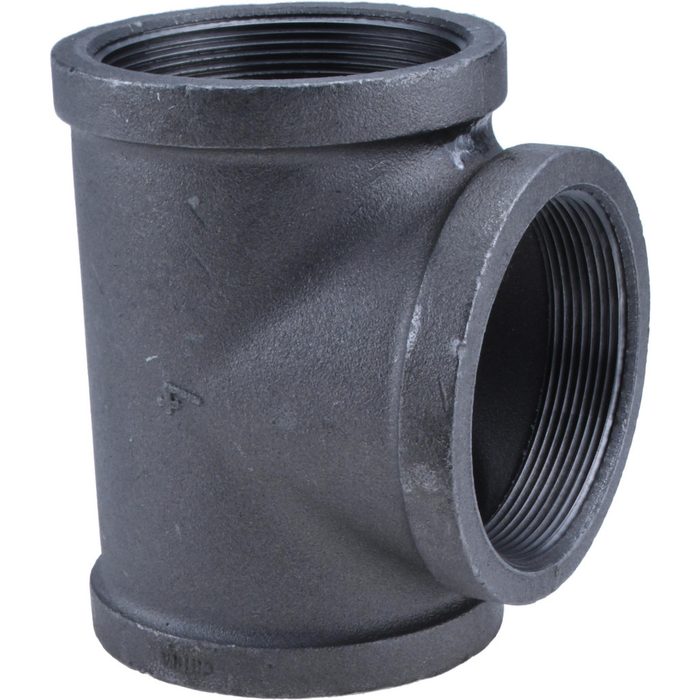
Black Pipe Tee Fitting
Class: 150End Connections: ThreadedFitting Size: 3/4"Fitting Type: Tee
-
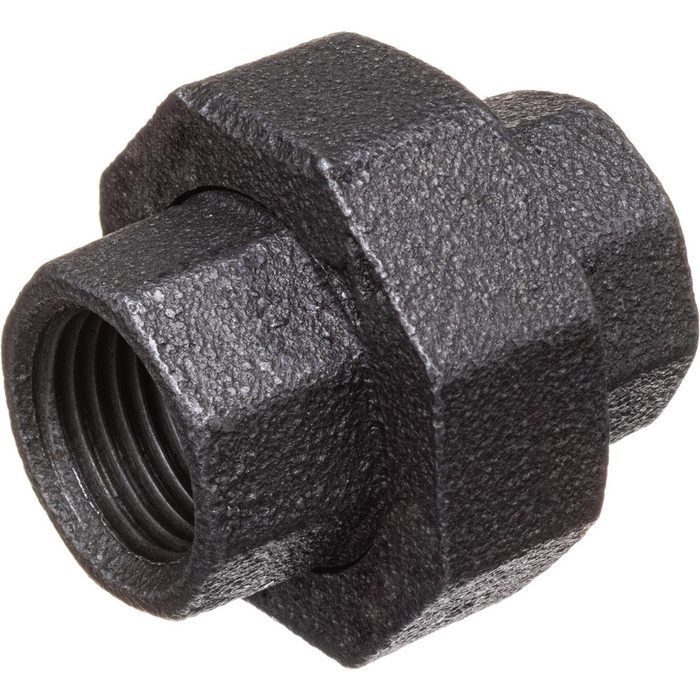
Black Pipe Union
End Connections: NPTFitting Size: 1/2"Fitting Type: Union
-
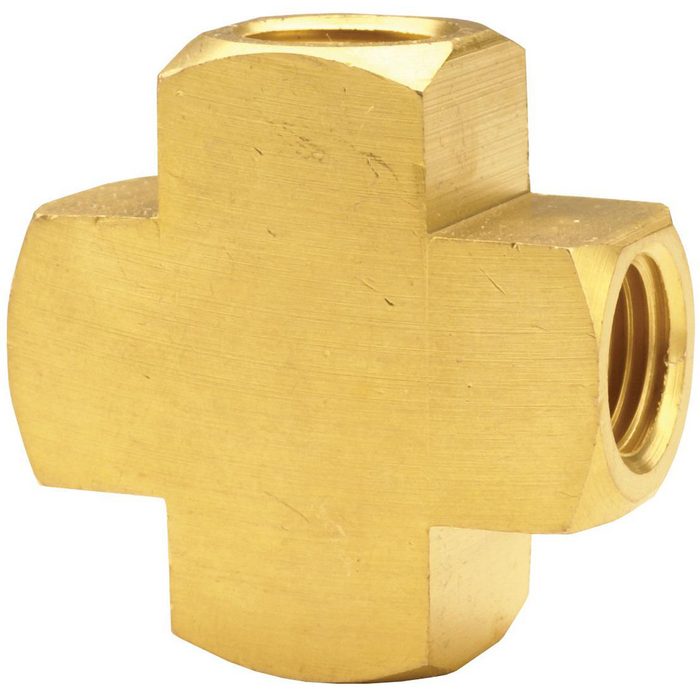
Brass & Chrome Pipe Cross Fitting
Fitting Type: Cross
-
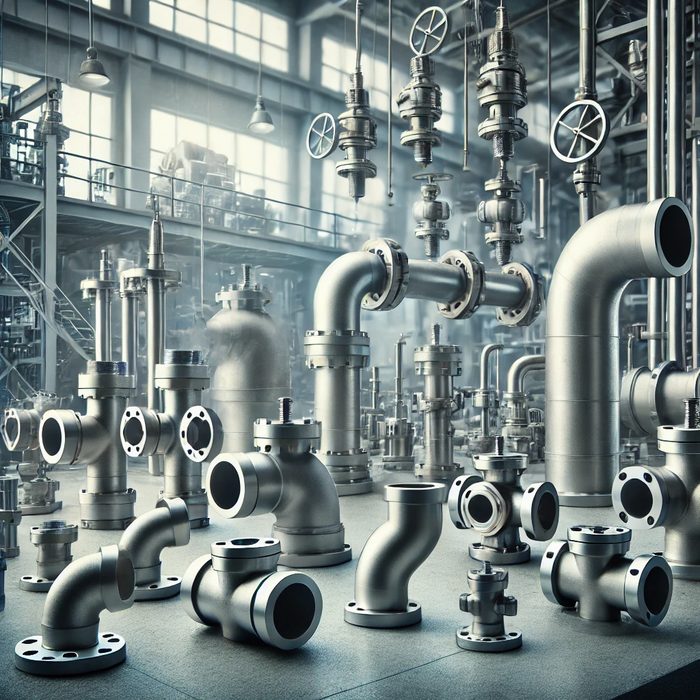
Industrial Pipe Fitting
Connection Type: NPTFemale Thread Size: 1Male Thread Size: 1Pressure Rating: 150 psi
-
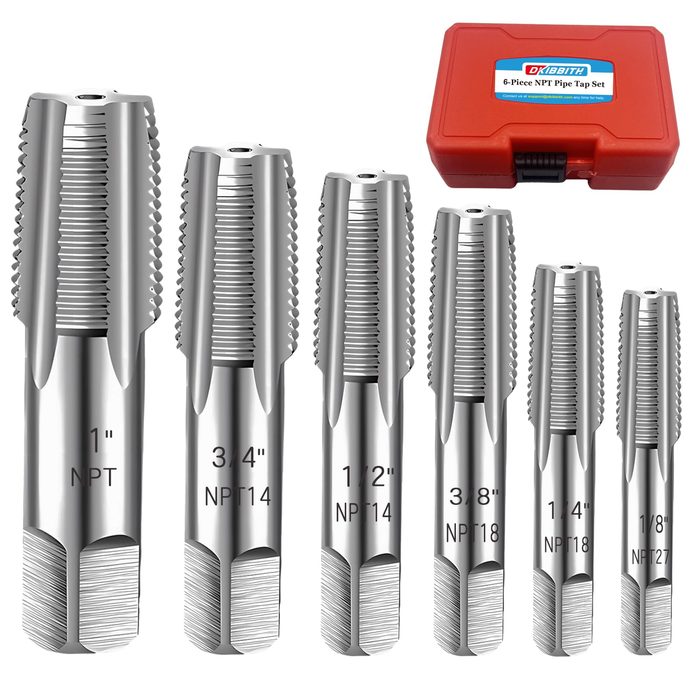
NPT Pipe Tap
Chamfer: 2.5 threadThread Size (Inch): 1-11-1/2Thread Standard: NPT
-
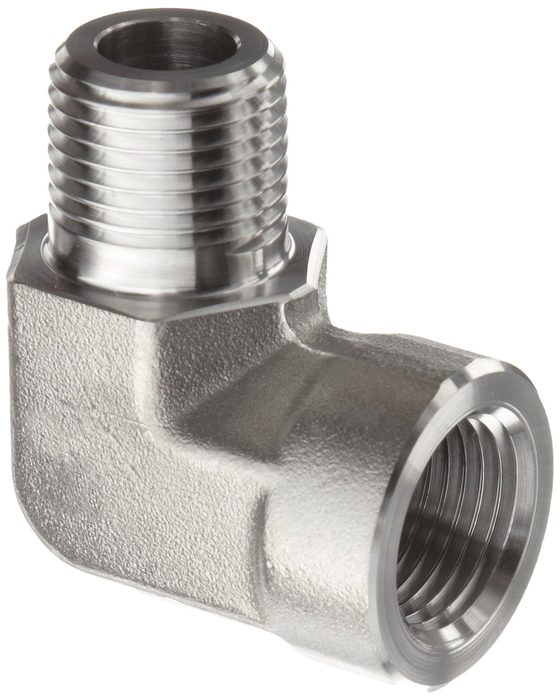
Pipe Street Elbow: 1/2", 316 Stainless Steel
Fitting Size: 0.5 inPressure Rating: 3000 psi
-
Standard Pipe Tap
Coating/Finish: Bright/UncoatedFlutes: 4Thread Size: 1/4-18Thread Standard: NPT
-
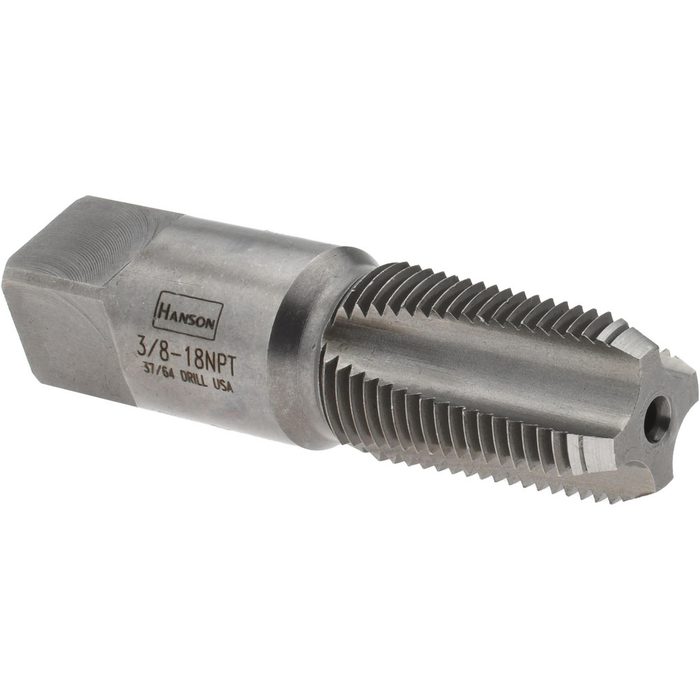
Standard Pipe Tap
Coating/Finish: Bright/UncoatedNumber Of Flutes: 5Thread Size (Inch): 1-1/4-11-1/2Thread Standard: NPT
-
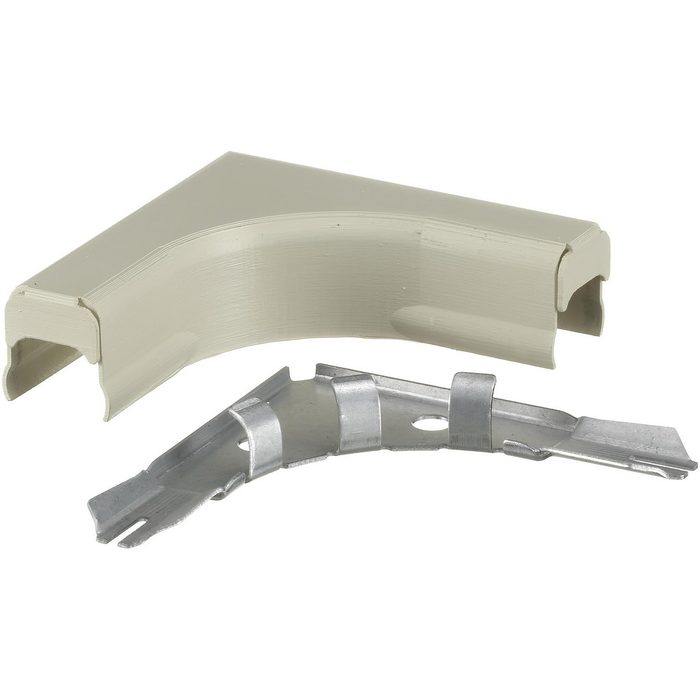
Twisted Elbow
Color: WhiteOverall Height: 0.94 inOverall Length: 3.0000 inOverall Width: 3 in
About pipe & pipe fittings
Pipe and pipe fittings are essential components for fluid and gas conveyance systems across industrial, commercial, and residential applications. Pipes are typically defined by their nominal pipe size (NPS), which approximates the interior diameter, and schedule (SCH), indicating wall thickness and thus pressure rating. Common pipe materials include black iron (ASTM A53, A106), galvanized steel (zinc-coated for corrosion resistance), stainless steel (304, 316 for enhanced corrosion resistance and hygiene), and PVC (polyvinyl chloride, often Schedule 40 or 80, for non-metallic applications). Fittings, such as elbows, tees, couplings, and reducers, alter the direction or diameter of the piping run. These are available in various connection types, including threaded (NPT for tapered threads, BSP for parallel threads), socket weld, butt weld, and solvent weld (for PVC). Threaded fittings are specified by their NPS and thread form. Pressure ratings (e.g., Class 150, Class 300, or specific PSI values) and temperature limits are critical selection criteria, ensuring compatibility with system operating conditions. Material compatibility with the conveyed medium is paramount to prevent degradation or contamination.
How to choose
When selecting pipe and pipe fittings, first determine the medium to be conveyed and its operating pressure and temperature. This dictates the required material (e.g., PVC for water, stainless steel for corrosive chemicals, black iron for natural gas) and pressure rating. Next, establish the required flow rate and system layout to determine the nominal pipe size (NPS) and schedule (SCH). Consider the connection method: threaded for ease of assembly/disassembly, welded for permanent, high-integrity joints, or solvent-welded for PVC. Finally, specify the necessary fitting types (elbows, tees, reducers) to achieve the desired routing and branch connections, ensuring material and pressure rating consistency with the pipe.