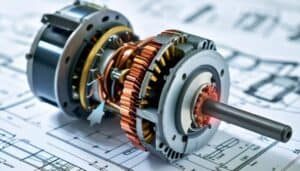
AC & DC Motors
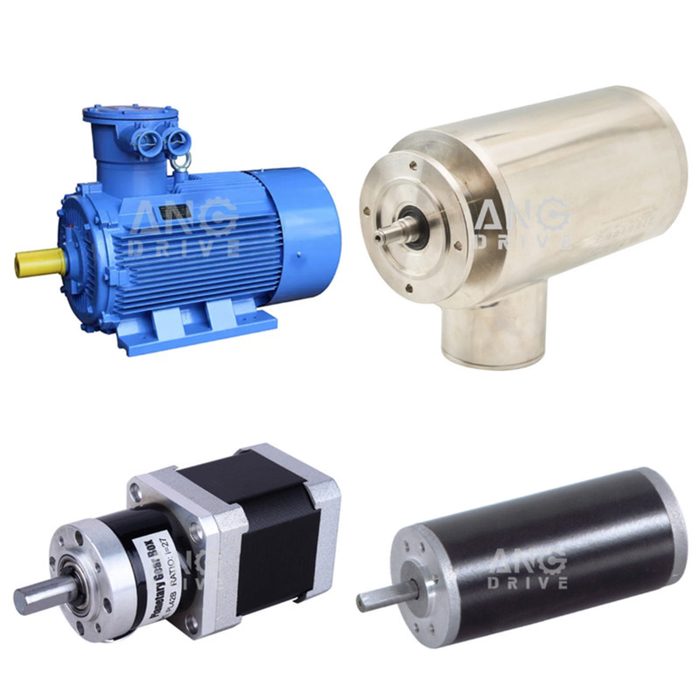
Induction, brushed, brushless and gear motors by frame size.
Also searched as: ac motordc motorbldcgear motorinduction motor
-
-
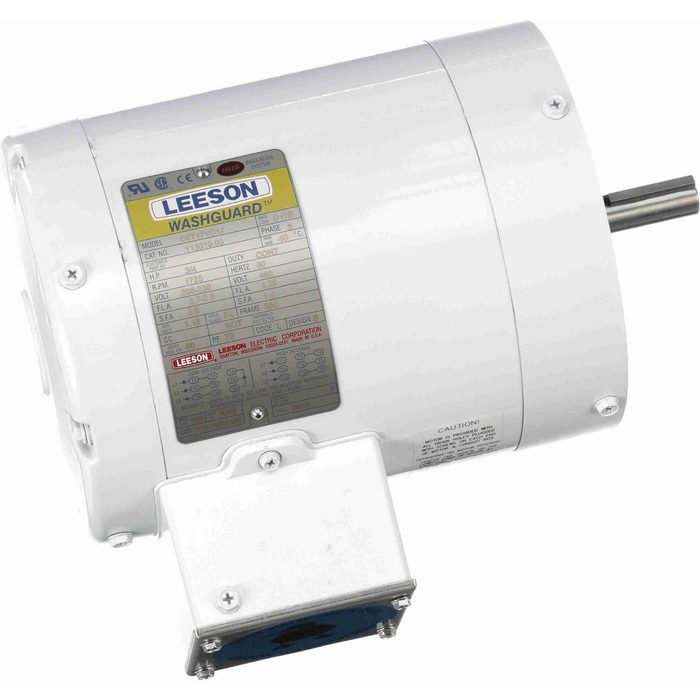
AC Motor
Motor Horsepower: 2 hpMotor Orientation: HorizontalPower: 1.50 kWRPM: 1800
-
-
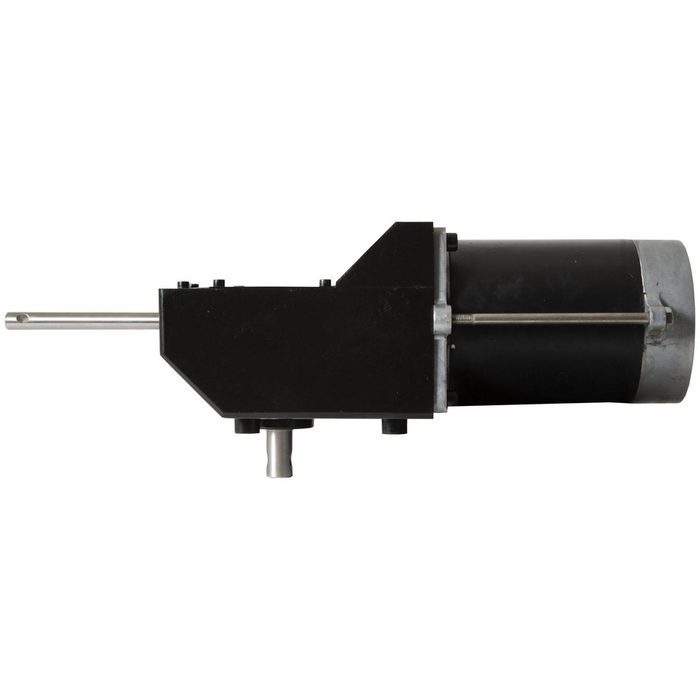
AC Parallel Gear Motor
Gear Ratio: 10.6 :1Horsepower: 0.16 hpVoltage: 115/230 V
-
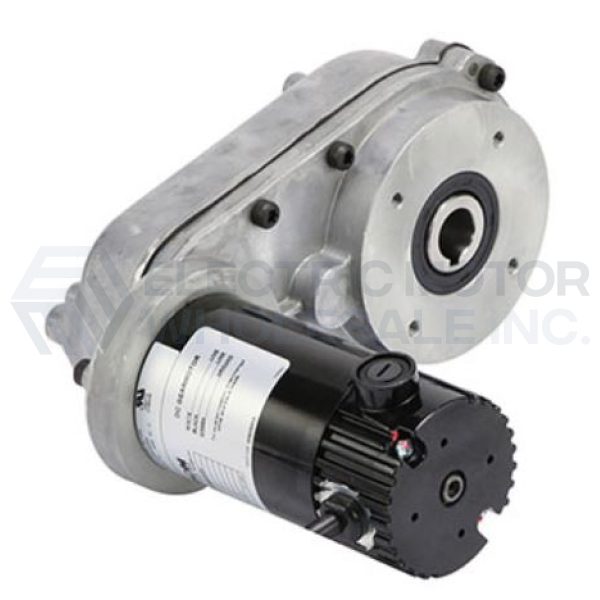
AC Parallel Gear Motor
Gear Ratio: 71.7 :1Input Horsepower: 1/20 hpMotor Phase: 3 phMotor Supply Voltage: 230 VShaft Type: Parallel
-
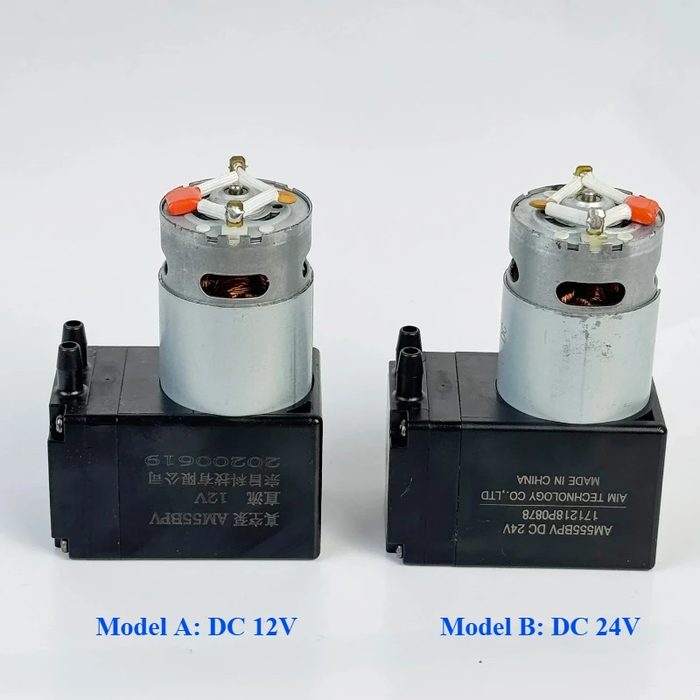
AC Servo Motor Driven Pump
Displacement: 200 cc/revMaximum Operating Pressure: 21 psiMaximum Operating Pressure (alternate): 21 MPa
-
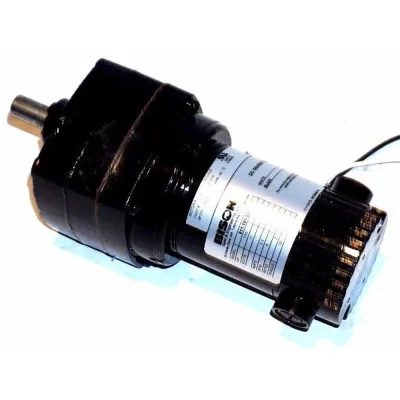
DC Motor
Continuous Torque: 100 in-lbs
-
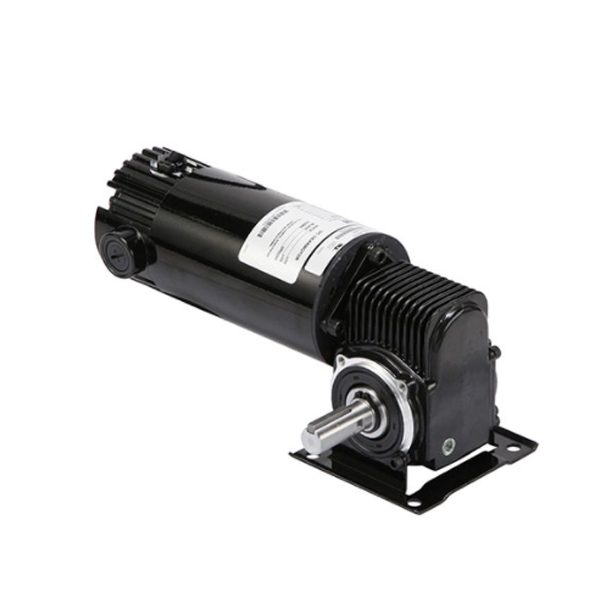
DC Motor
Continuous Torque: 120 in-lbs
- MO
-
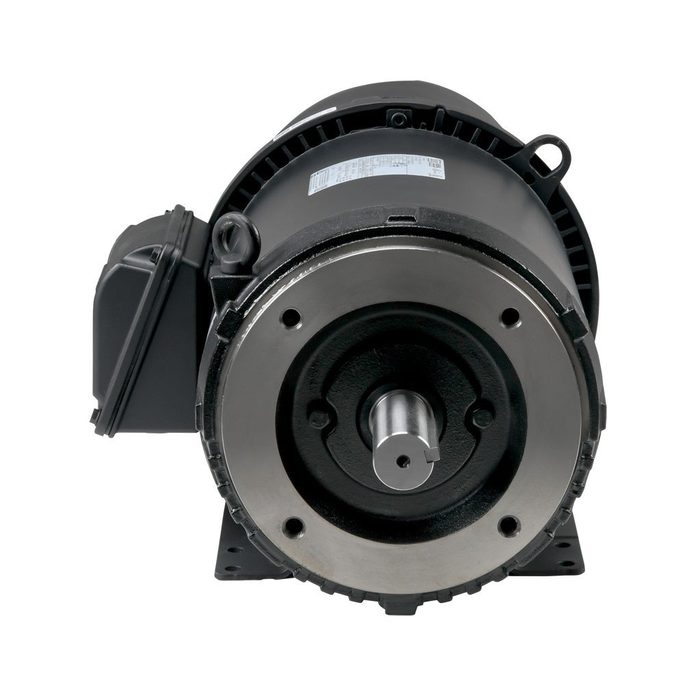
Explosion Proof / Hazardous Location Motor, 1/2 hp, 1800 rpm, 3 ph, 208-230/460 V, 56C Frame, 60 Hz
Enclosure: EPNV (Explosion Proof Non-Ventilated)Frame: 56CFrequency: 60 HzHorsepower: 1/2 hpPhase: 3 ph
-
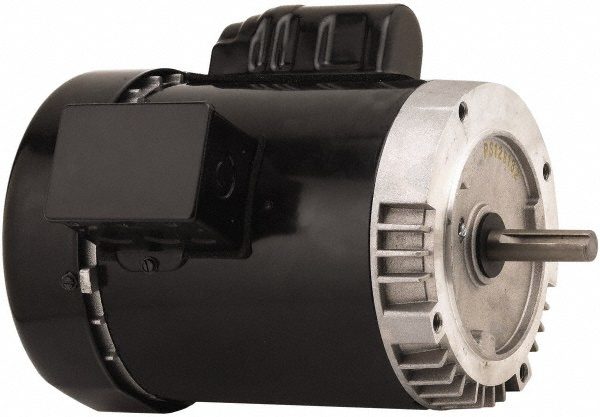
General Purpose Motor, 1 hp, 1800 rpm, 1 ph, 115/208-230 V, 56C Frame, TEFC
Enclosure: TEFCFrame Size: 56CFrequency: 60 HzHorsepower: 1 hpPhase: 1 ph
-
-
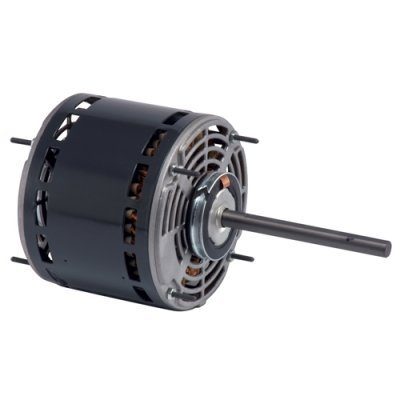
Induction Run Motor
Assembly: F1
-
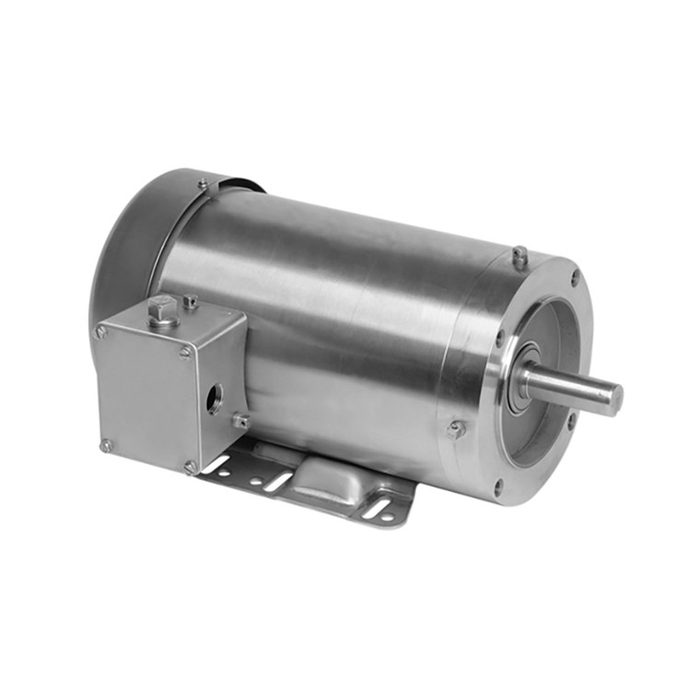
Motor, 3 ph, 1 hp, 3600 rpm, 208-230/460 V
Horsepower: 1 hpPhase: 3 phSupply Voltage: 208-230/460 VSynchronous Rpm: 3600 rpm
-
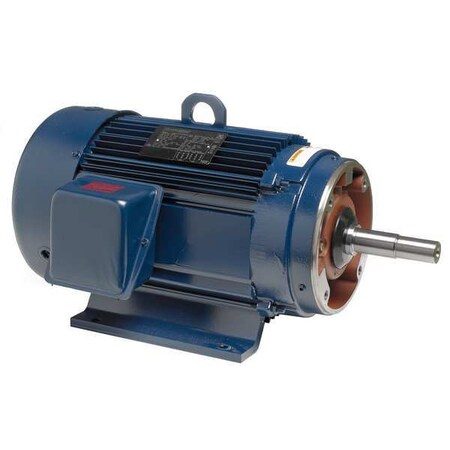
Motor, 3 ph, 2 hp, 3600 rpm, 190/380//208-230/460 V
Horsepower: 2 hpPhase: 3 phSupply Voltage: 190/380//208-230/460 VSynchronous Rpm: 3600 rpm
-
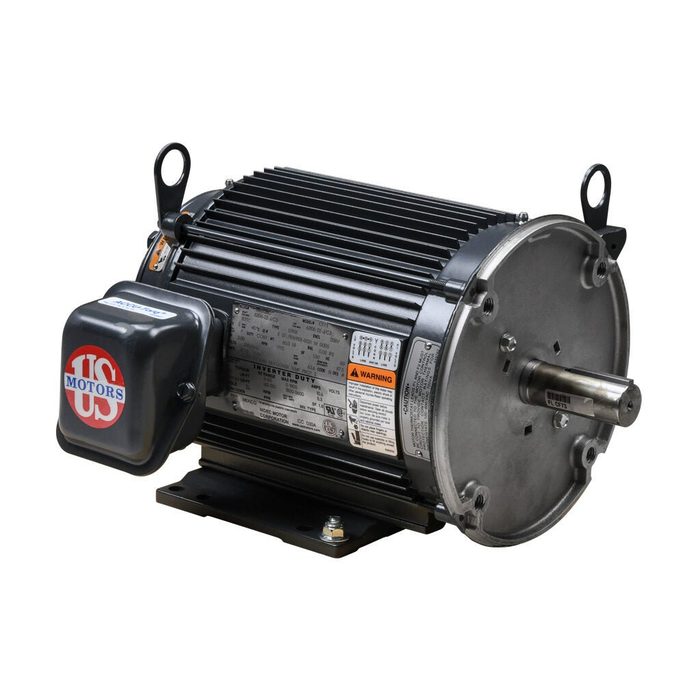
Motor, 3 ph, 3 hp, 1800 rpm, 575 V, 182TC Frame
Frame Size: 182TCHorsepower: 3 hpPhase: 3 phSupply Voltage: 575 VSynchronous Rpm: 1800 rpm
-
-
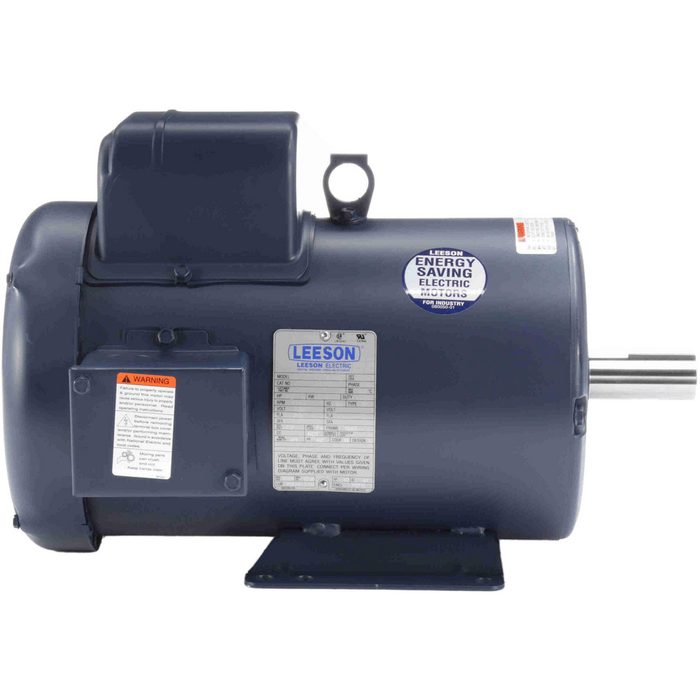
Parallel Brushed Gearmotor
Shaft Diameter: 0.7500 in
-
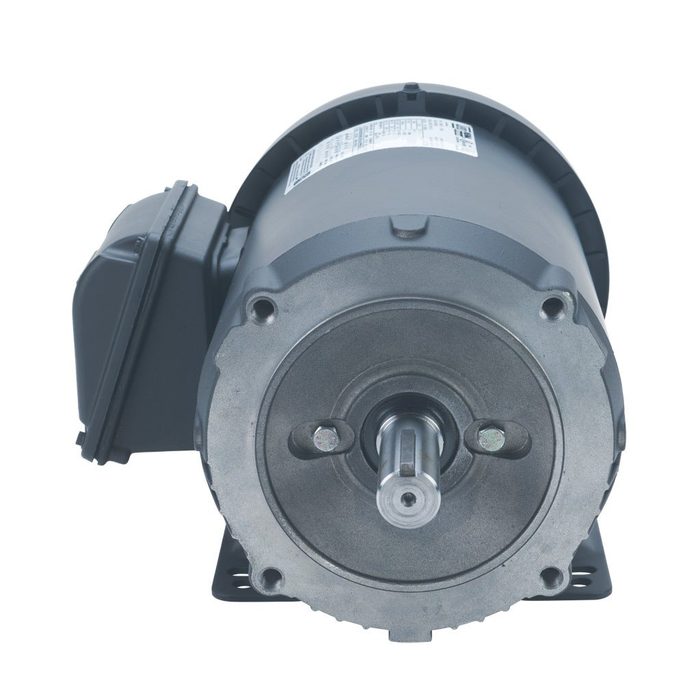
Pump Motor, 1-1/2 hp, 1800 rpm, 1 ph, 115/208-230 V, 145JM Frame, DP Enclosure, 60 Hz, 1725 rpm Base
Base RPM: 1725Duty: ContinuousEnclosure: DP (Drip Proof)Frame: 145JMFrequency: 60 Hz
-
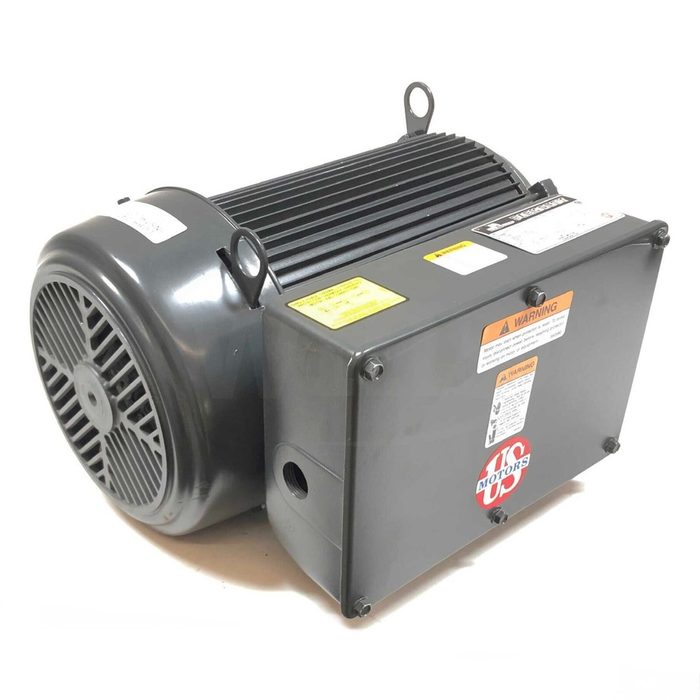
Single-Phase Motor
Phase: 1
About ac & dc motors
AC and DC motors convert electrical energy into mechanical energy, driving a wide range of industrial and consumer applications. Key types include induction motors, which operate on alternating current and are known for their robustness and efficiency in fixed-speed applications; brushed DC motors, offering simple control and high starting torque; brushless DC (BLDC) motors, providing high efficiency, long life, and precise control without brush wear; and gear motors, which integrate a gearbox with a motor to reduce speed and increase torque. Selection is primarily driven by the required output power, torque, and speed, often specified in Watts, N-m, and RPM, respectively. Frame size, such as NEMA or IEC standards (e.g., NEMA 17, IEC 71), dictates mounting dimensions and often correlates with power output. Voltage and current ratings (e.g., 24VDC, 230VAC) are critical for electrical compatibility. Additional considerations include enclosure ratings (e.g., IP65 for dust and water protection), operating temperature range, and shaft configuration (e.g., D-cut, keyed, or spline). Materials typically involve copper windings, steel laminations, and aluminum or cast iron housings.
How to choose
To select an AC or DC motor, first determine the required mechanical output: torque (N-m) and speed (RPM) for the application. This will dictate the necessary motor power. Second, specify the available electrical supply: AC or DC voltage and frequency. This narrows down the motor type (e.g., induction for AC, brushed/BLDC for DC). Third, consider the operating environment to determine the appropriate ingress protection (IP) rating and temperature range. Finally, evaluate the required mounting configuration, such as NEMA or IEC frame size, and shaft type. If the application demands high torque at low speed, a gear motor should be considered to simplify the mechanical design and improve efficiency.