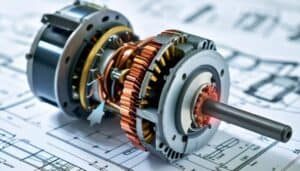
AC & DC Motors
Induction, brushed, brushless and gear motors by frame size.
Also searched as: ac motordc motorbldcgear motorinduction motor
-
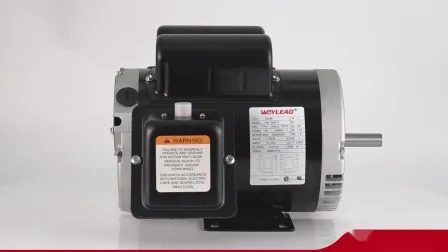
AC Universal Motor
Frame Size: 80mmPower: 750WRPM: 5000rpmTorque: 2.39nmVoltage: 220V
from $2.59Made-in-China $2.59 -

-
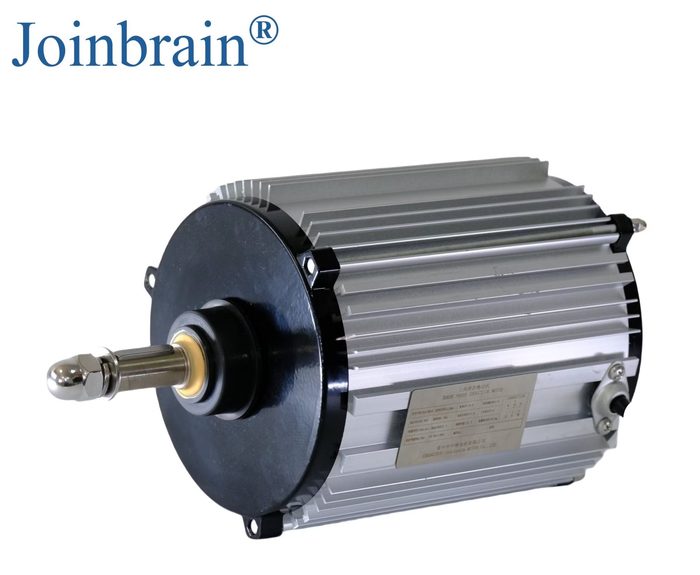
AC/DC Motor for Refrigeration and Cooling Applications - Asynchronous Motor
Application: Industrial, UniversalBearing: Silent Ball BearingBrand: JoinbrainCasing Material: Aluminum CaseCasing Protection: Closed Type
from $40.00Made-in-China $40.00 -
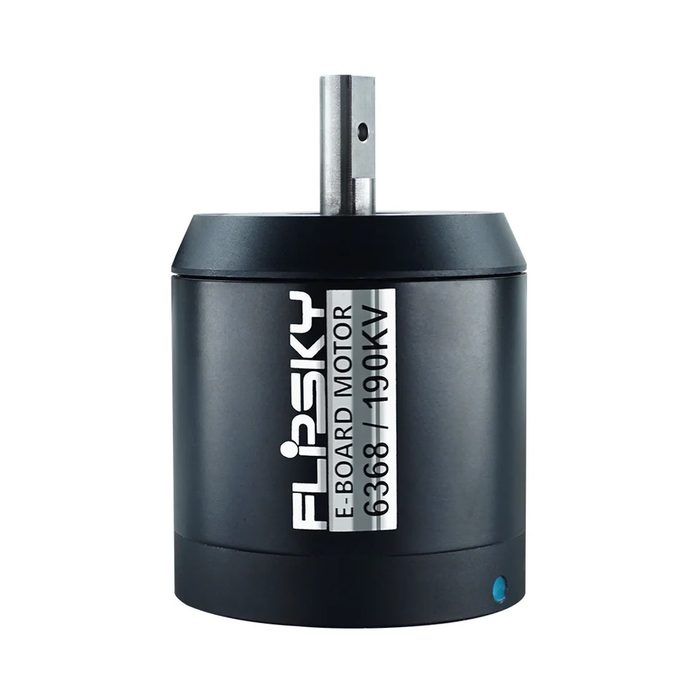
BLDC Brushless Motor 6374 140KV D10m Shaft
KV: 140KVMax Current: 85 AmpsMax Power: 3500 WattsMotor Type: BLDC BrushlessResistance: 0.05 Ohm
-
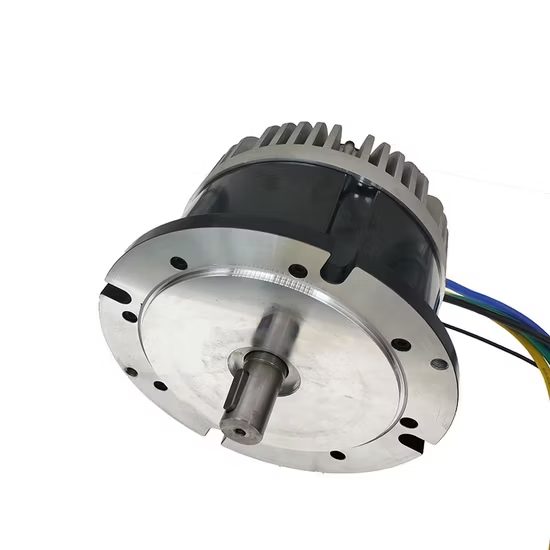
BLDC Motor
Motor Type: BLDC
-
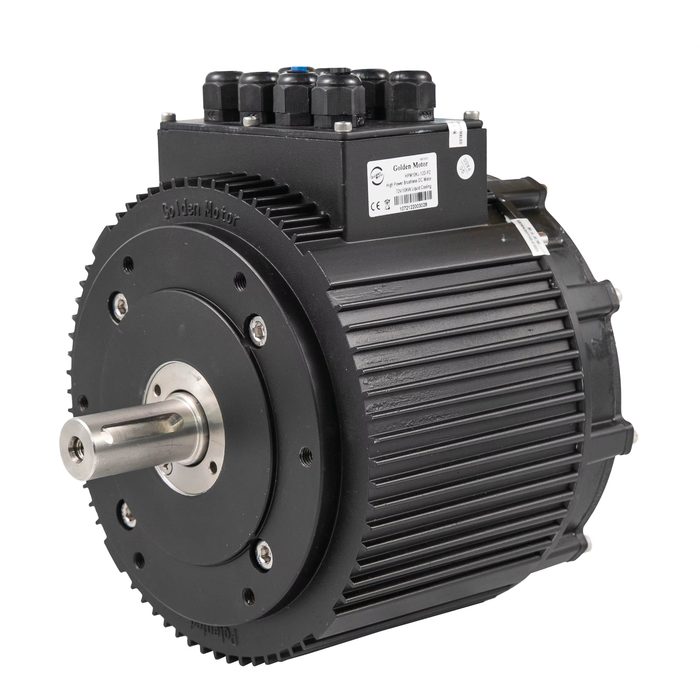
BLDC Motor
Motor Type: BLDC
-
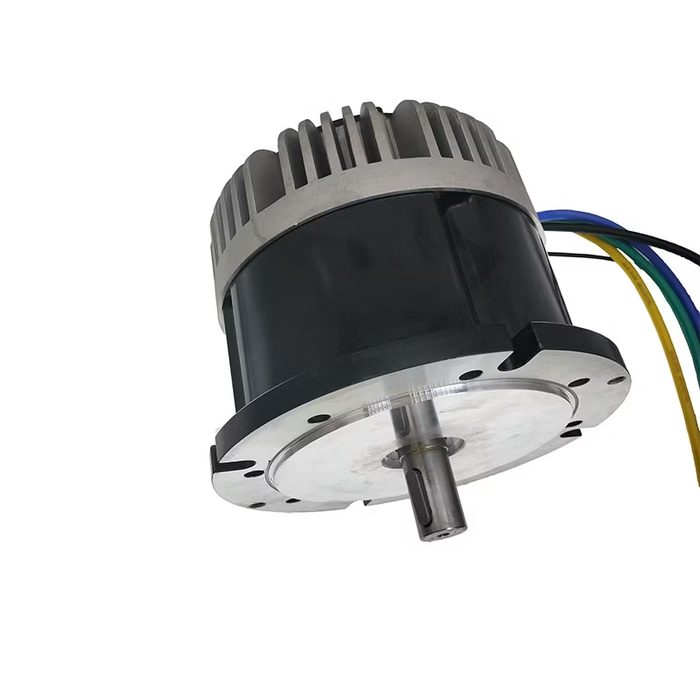
BLDC Motor
Motor Type: BLDC
-
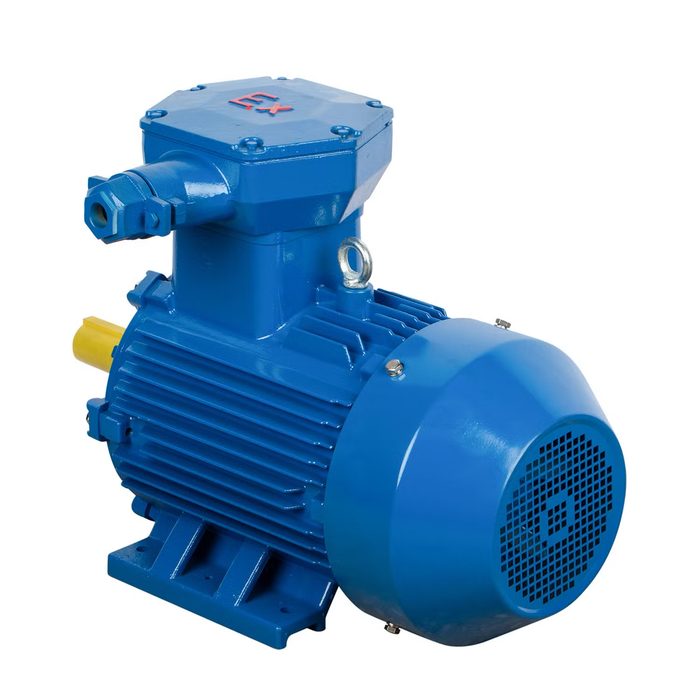
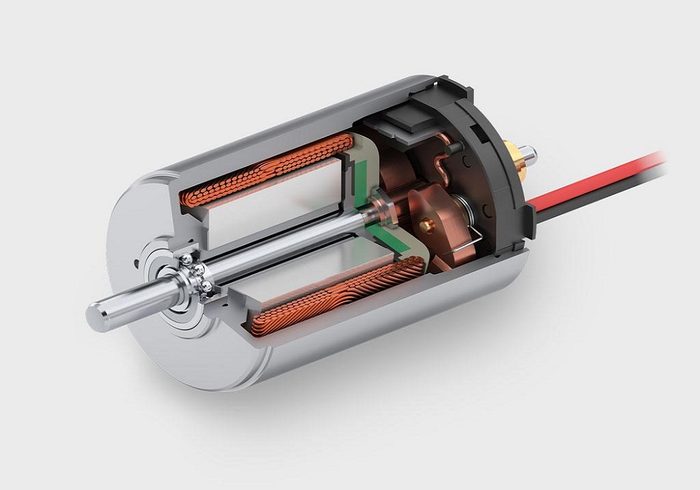
Brushed DC Motor
Power: 50W 100W 150W 200WVoltage: 12V 24V 36V
-
-
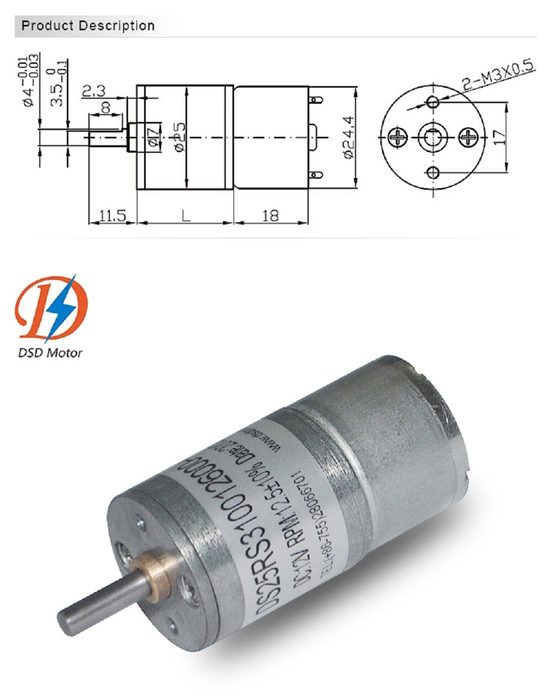
Brushed DC Motor 6V to 12V
Voltage: 6-12 VDC
-
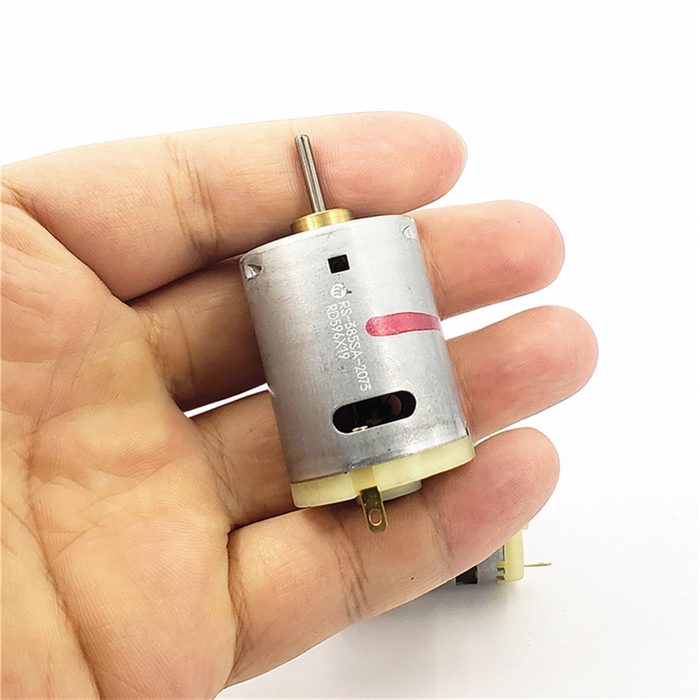
Brushed Metal Stainless Steel Gear DC Motor
Power: 36WSize: 4.8x2.8cmSpeed: 8800rpmSpeed Range: 4500-25500R/Min
-
-
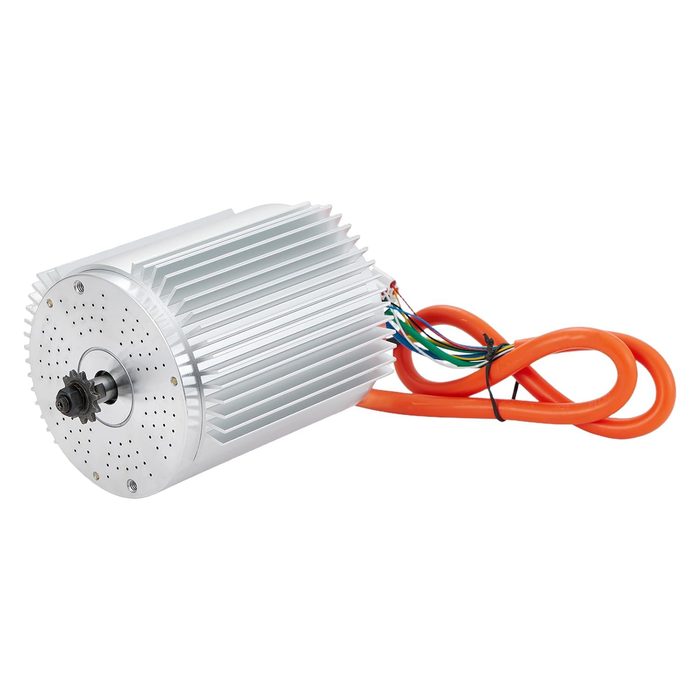
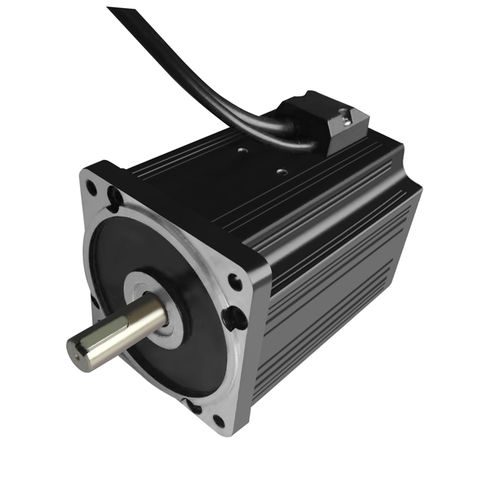
Brushless DC Motor 1000W 48V
No-load Speed: 3500 RPMPower: 1000 WRated Current: 30 AVoltage: 48 VDC
-
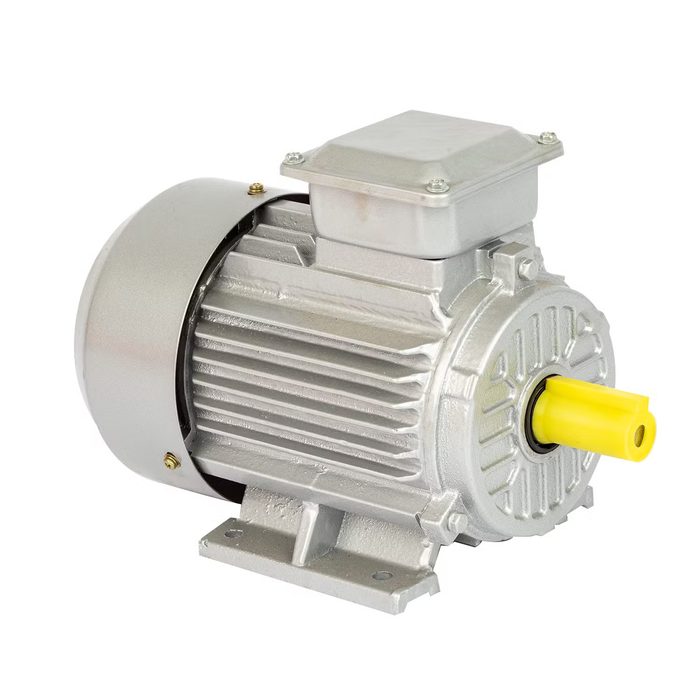
CE Approved Single Phase Induction Motor (YC YL YY MY series)
Efficiency Range: IE1 to IE4 standardsPhase: Single PhaseType: Induction Motor
-
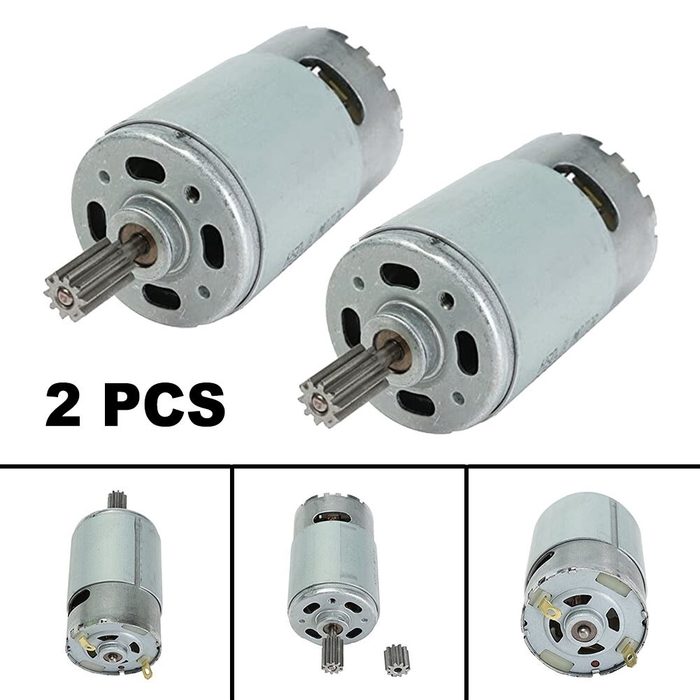
Children's Electric Car DC Motor 35000rpm
Speed: 35000 RPM
-
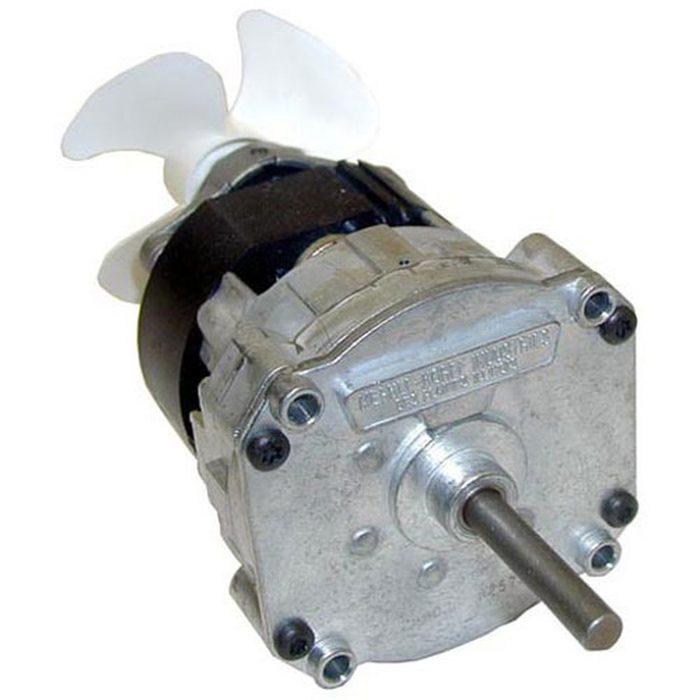
Conveyor Drive Gear Motor, 208-240V, 60Hz
Frequency: 60 HzVoltage: 208-240 V
-
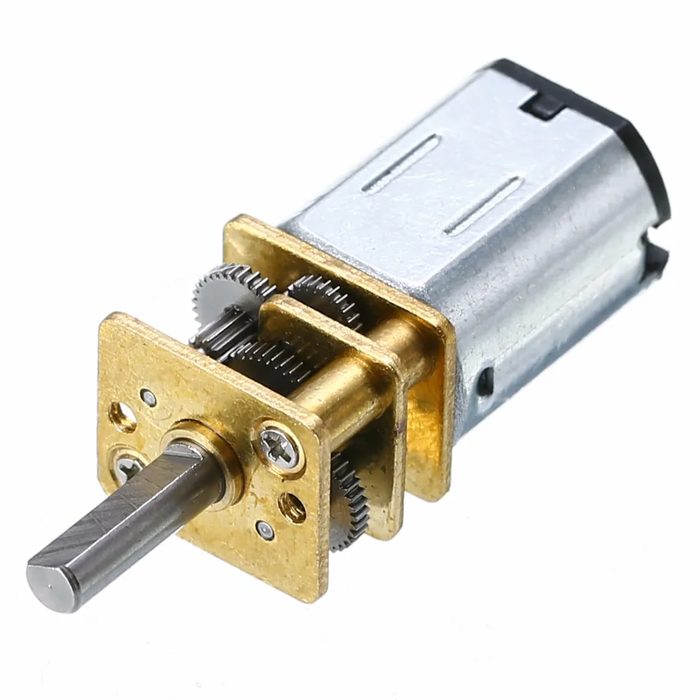
DC Gear Motor
HP: 1/4IP Rating: IP55Mount: SpecialVoltage: 90 V
-
DC Gear Motor
Enclosure Type: Totally Enclosed / Non Vented (TENV)Full Load Amps: 1.2 AFull Load Efficiency: 65.7 %Horsepower: 1/4 HPMotor Type: DC Gear Motor
-
DC Gear Motor
Enclosure Type: Totally Enclosed / Non Vented (TENV)Full Load Amps: 2.0Full Load Efficiency: 67.4%Horsepower: 0.25 HPVoltage: 90 V
-
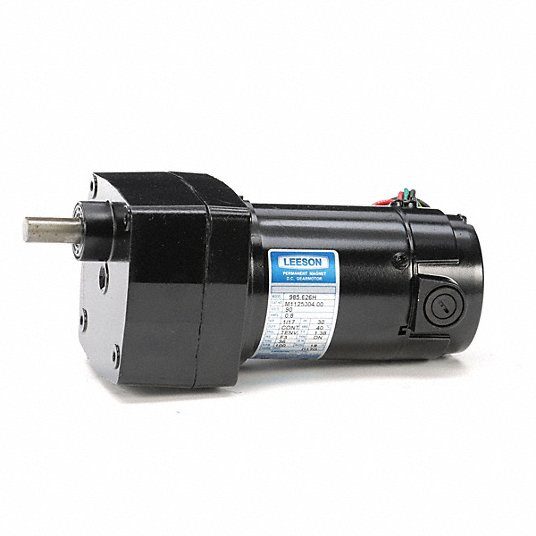
DC Gear Motor
Enclosure Type: Totally Enclosed / Fan Cooled (TEFC)Horsepower: 0.16 HPMotor Type: DC Gear MotorOverall Length: 12.31"Voltage: 110 V
-
DC Gear Motor
Enclosure: Totally Enclosed / Non Vented (TENV)HP: 0.03Mount: SpecialVoltage: 180 V
-
DC Gear Motor
Enclosure: Totally Enclosed / Non Ventilated (TENV)HP: 0.13Maximum Speed: 24 rpmMount: SpecialVoltage: 90 V
-
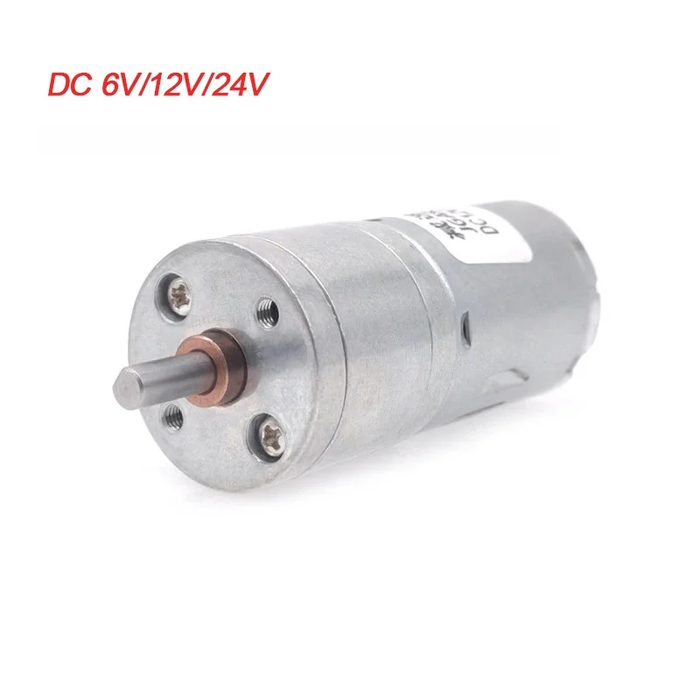
DC Gear Motor 6V 12V 24V
Voltage: 6-24 VDC
-
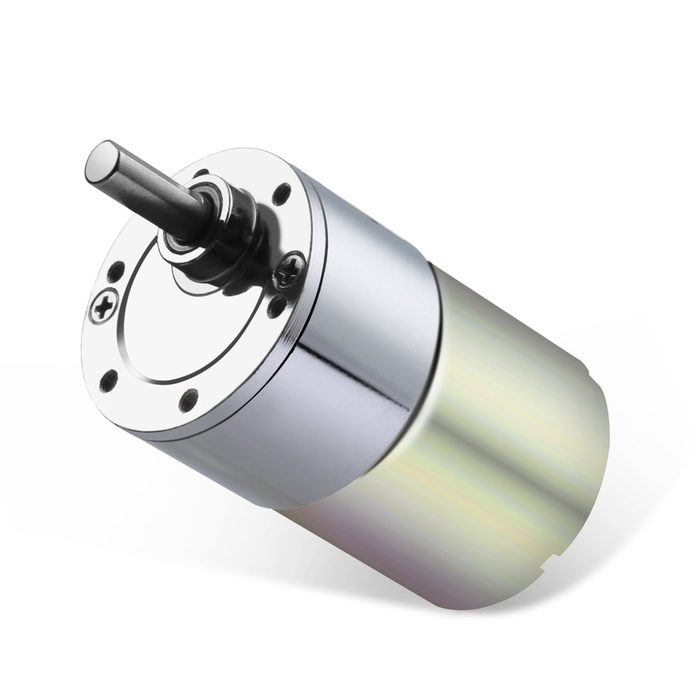
DC Gear Motor High Torque Electric
RPM: 5 To 590Voltage: 12V DC
-
DC Gear Motor High Torque Electric Micro
RPM: 20Voltage: 12V DC
-
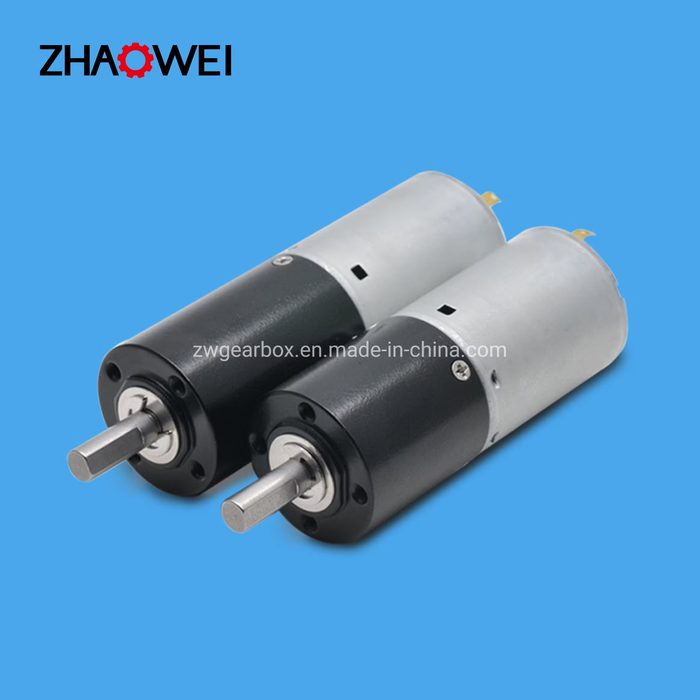
DC Gear Motor Precision
Power: 2 WattRPM: 90 RPMVoltage: 12VDC
-
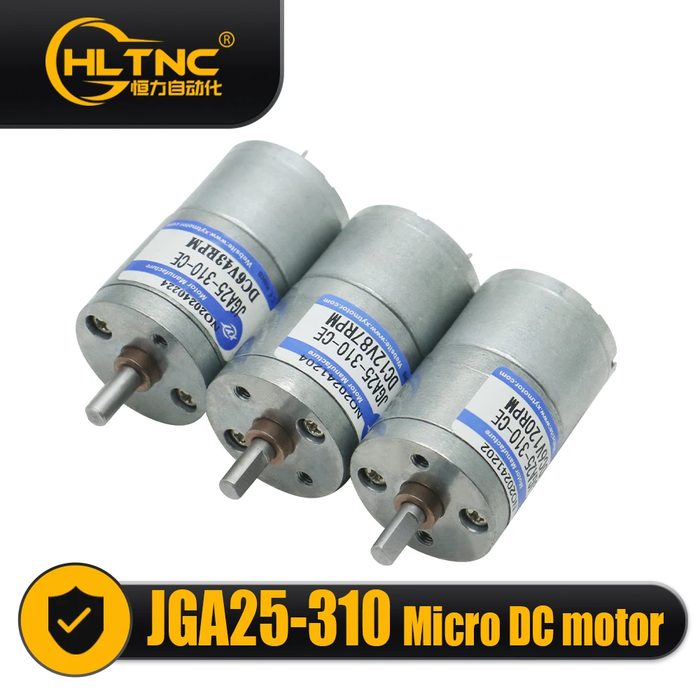
DC Geared Motor High Torque
RPM: 100-1200Shaft: 4mmTorque: 0.05-9kg.cmVoltage: 6V/12V
-
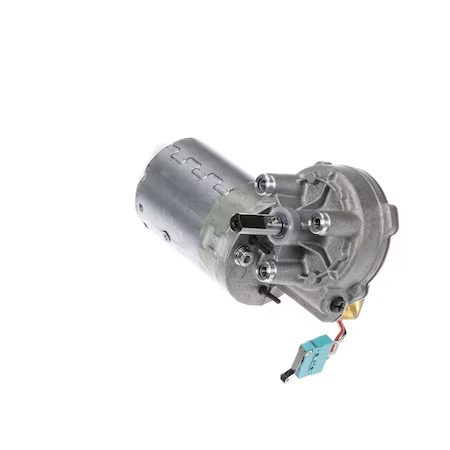
DC MOTOR FOR BREWING UNIT
Voltage: 24V
-
-
-
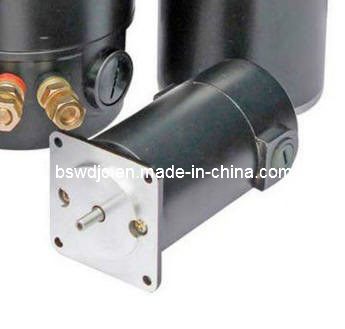
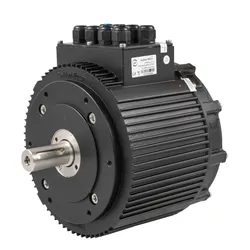
DC Motor
Outer Diameter: 45-168 mm
-
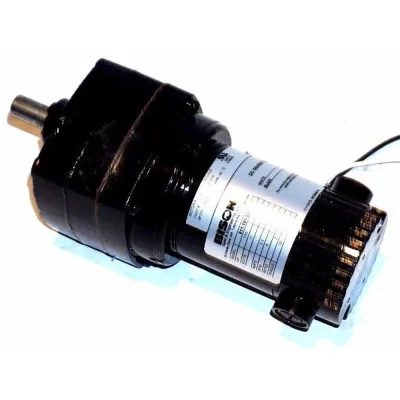
DC Motor
Continuous Torque: 100 in-lbs
-
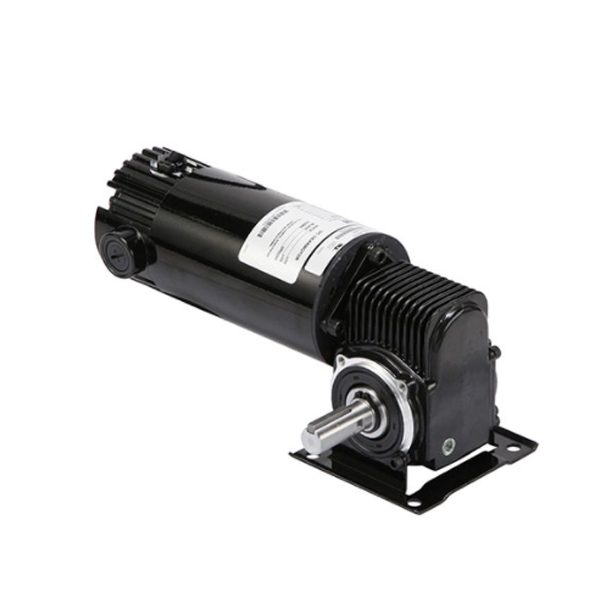
DC Motor
Continuous Torque: 120 in-lbs
-
-
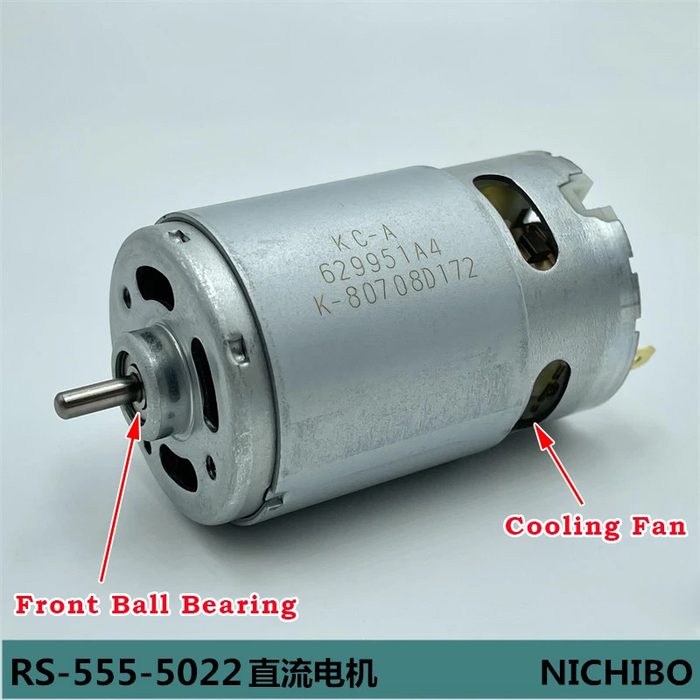
DC Motor
Power: 60 WattsRPM: 13,500Voltage: 12V
-
DC Motor 12VDC 82.08gcm 5.28A
Current: 5.28 ATorque: 82.08 gcmVoltage: 12 VDC
About ac & dc motors
AC and DC motors convert electrical energy into mechanical energy, driving a wide range of industrial and consumer applications. Key types include induction motors, which operate on alternating current and are known for their robustness and efficiency in fixed-speed applications; brushed DC motors, offering simple control and high starting torque; brushless DC (BLDC) motors, providing high efficiency, long life, and precise control without brush wear; and gear motors, which integrate a gearbox with a motor to reduce speed and increase torque. Selection is primarily driven by the required output power, torque, and speed, often specified in Watts, N-m, and RPM, respectively. Frame size, such as NEMA or IEC standards (e.g., NEMA 17, IEC 71), dictates mounting dimensions and often correlates with power output. Voltage and current ratings (e.g., 24VDC, 230VAC) are critical for electrical compatibility. Additional considerations include enclosure ratings (e.g., IP65 for dust and water protection), operating temperature range, and shaft configuration (e.g., D-cut, keyed, or spline). Materials typically involve copper windings, steel laminations, and aluminum or cast iron housings.
How to choose
To select an AC or DC motor, first determine the required mechanical output: torque (N-m) and speed (RPM) for the application. This will dictate the necessary motor power. Second, specify the available electrical supply: AC or DC voltage and frequency. This narrows down the motor type (e.g., induction for AC, brushed/BLDC for DC). Third, consider the operating environment to determine the appropriate ingress protection (IP) rating and temperature range. Finally, evaluate the required mounting configuration, such as NEMA or IEC frame size, and shaft type. If the application demands high torque at low speed, a gear motor should be considered to simplify the mechanical design and improve efficiency.