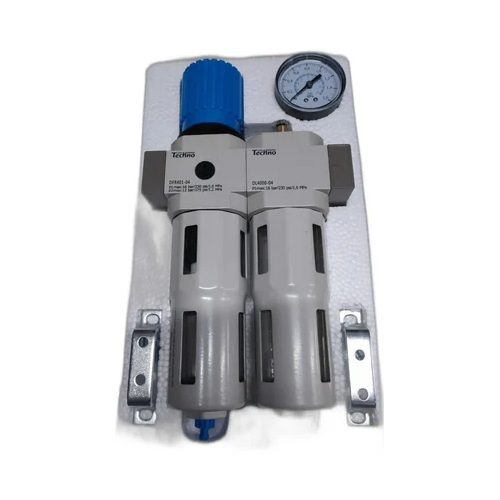
Manifolds & Air Prep
FRLs, filters, regulators, lubricators and distribution manifolds.
Also searched as: frlair regulatorair filterlubricatorair manifold
-
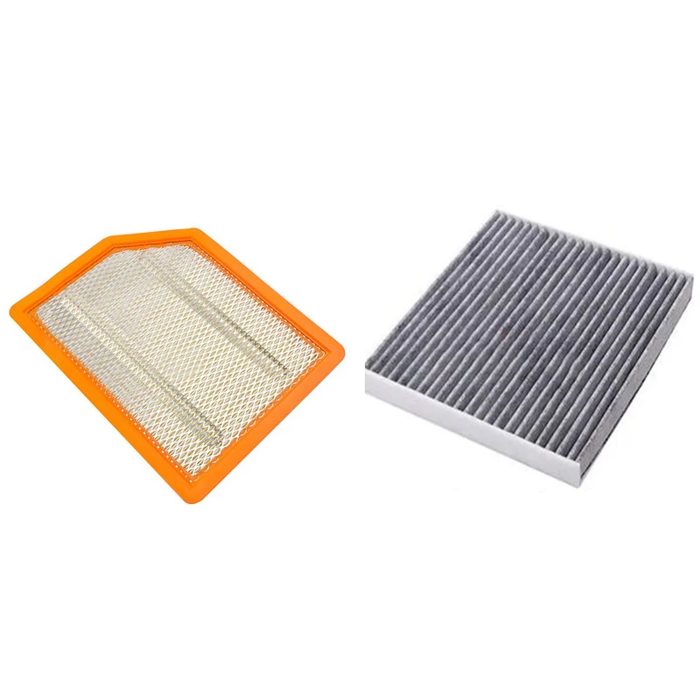
Air Filter Cabin Filter for JAC T6/FRISON T8 Truck Pickup
Engine: 2.0L 2.0T
-
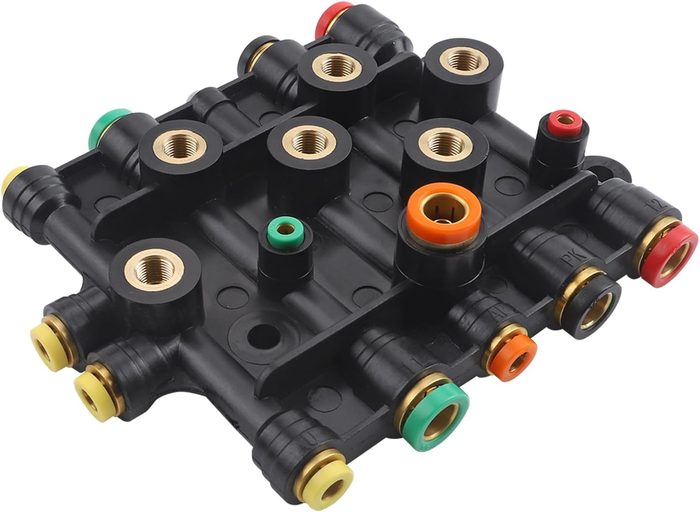
Air Manifold
Dimensions: 18x15x5 cmWeight: 0.468 kg
-
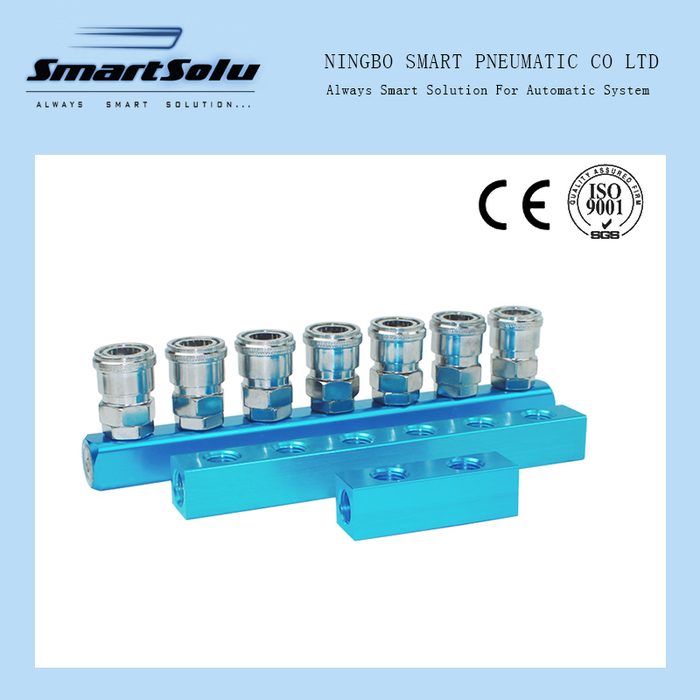
Air Manifold Distributor 1/2" 1/4" Pneumatic Quick Plug In
Port Size: 1/2", 1/4"
-
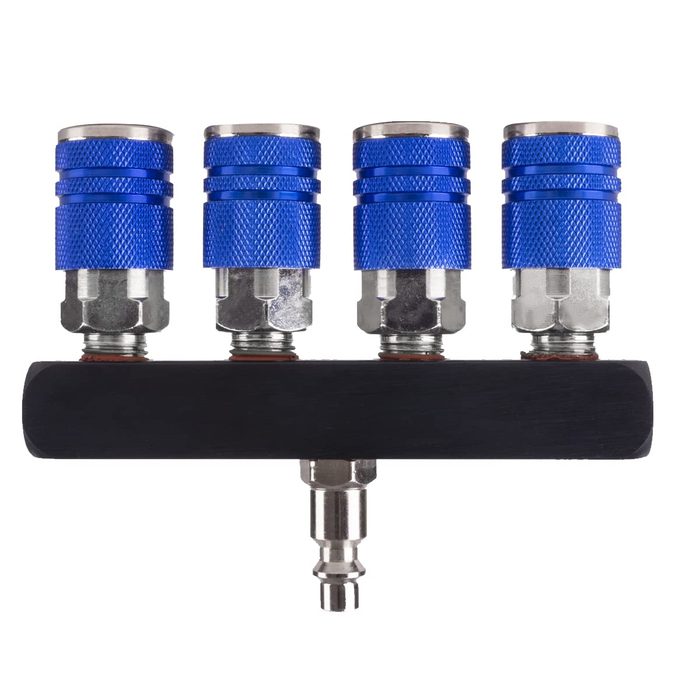
BSPP Threads Pneumatic Manifold Air Distribution Block
Configuration: 2-way to 12-wayThread Type: BSPP
-

Car Air Filter With Activated Carbon For Tesla Model 3
Vehicle: Tesla Model 3
-
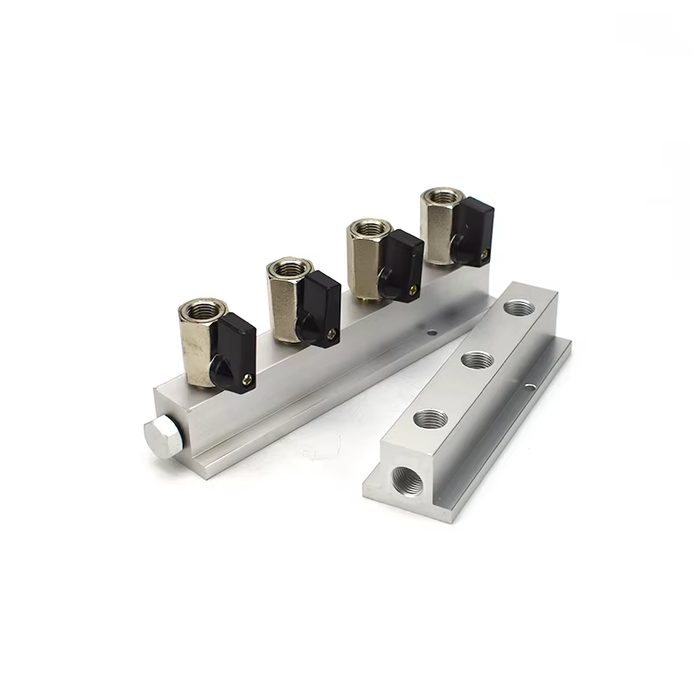
T-Type Aluminum Air Manifold for Pneumatic Systems
Configuration: 2 to 9 ways, 4 to 11 ports
-
-
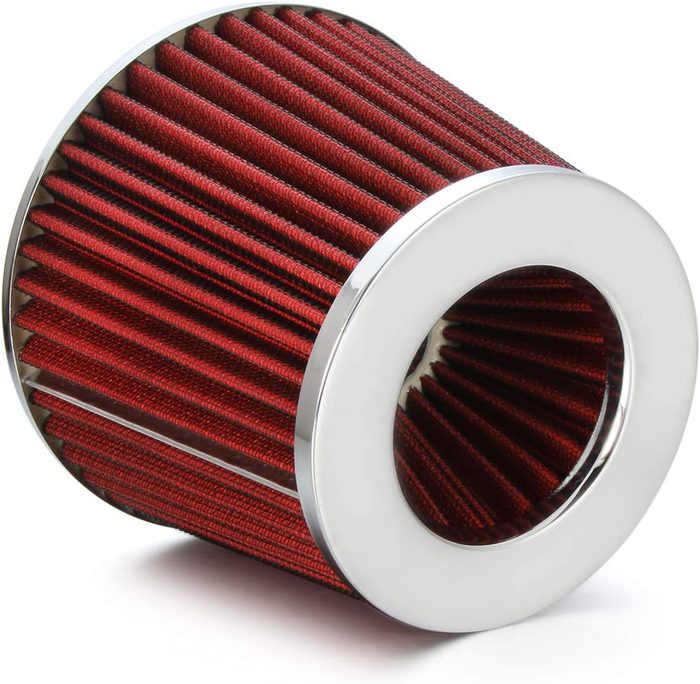
Universal Car Air Filter
Diameter: 12mm, 25mm
-
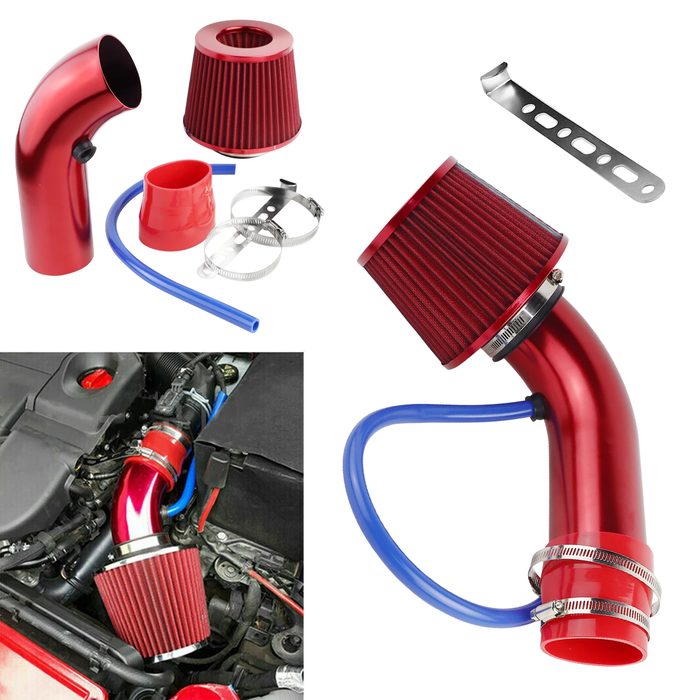
Universal Cold Air Intake Air Filter
Diameter: 76mm, 89mm, 101mmIntake System Size: 3, 3.5, 4 inch
About manifolds & air prep
Manifolds and Air Preparation components are essential for delivering conditioned compressed air to pneumatic systems. This category includes Filters, Regulators, and Lubricators (FRLs), often supplied as modular units or individual components. Filters remove particulates and moisture from the air supply, with common types including coalescing filters for oil removal and particulate filters rated by micron size (e.g., 5-micron, 40-micron). Regulators maintain a constant output pressure, typically specified by their operating pressure range (e.g., 0-125 psi, 0-10 bar) and port size (e.g., 1/4" NPT, G1/2). Lubricators inject a fine mist of oil into the air stream to lubricate downstream pneumatic components, with oil capacity and flow rate being key specifications. Distribution manifolds provide multiple output ports from a single input, simplifying pneumatic plumbing. Manifolds are specified by the number of stations, port sizes, and materials. Common materials for FRLs and manifolds include aluminum, zinc, and engineering plastics, with seals often made from NBR or FKM. Operating temperature range, maximum inlet pressure, and flow coefficient (Cv) are critical performance parameters for all components within this category.
How to choose
Selecting Manifolds & Air Prep components involves a sequential decision process. First, determine the required air quality: does the application need particulate filtration, oil removal, or both? This dictates filter type and micron rating. Second, establish the desired operating pressure for the pneumatic system; this defines the regulator's output range. Third, evaluate if lubrication is necessary for downstream components, considering the type of pneumatic devices. Fourth, specify the required flow rate (SCFM or Nm3/hr) and port sizes (e.g., NPT, G-thread) to ensure adequate air delivery and compatibility with existing plumbing. Finally, for distribution manifolds, determine the number of required output ports and their sizes, ensuring material compatibility with the environment and pressure requirements.