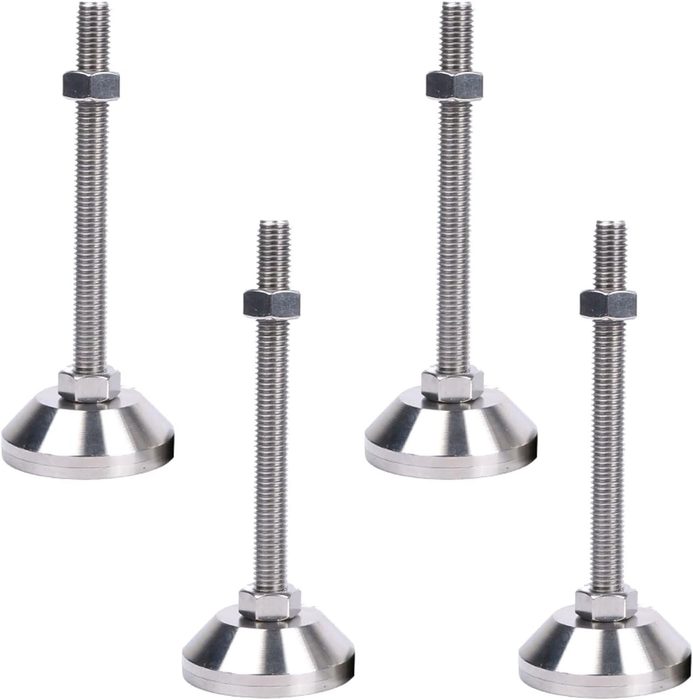
Leveling Feet & Glides
Machine feet, vibration mounts, adjustable glides and pads.
Also searched as: machine feetleveling mountsadjustable feetvibration pads
-
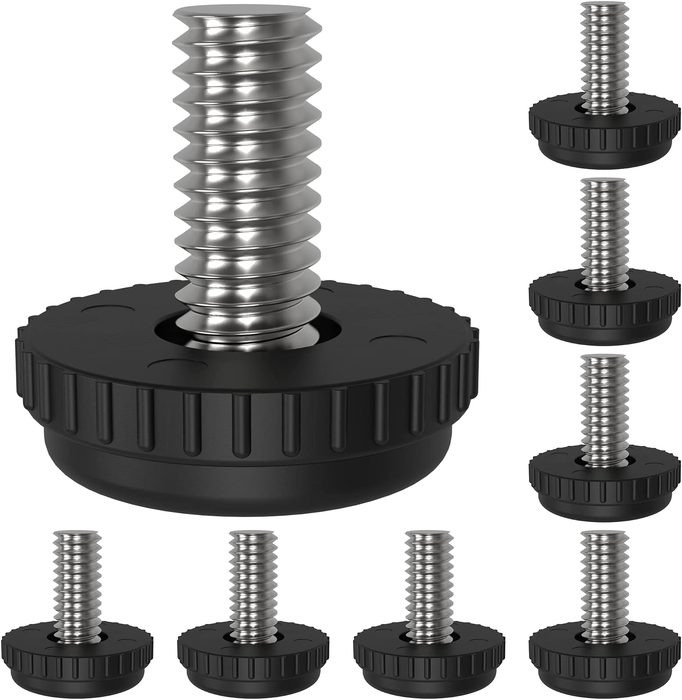
CHAIR GLIDE
Diameter: 1-1/4 in
-
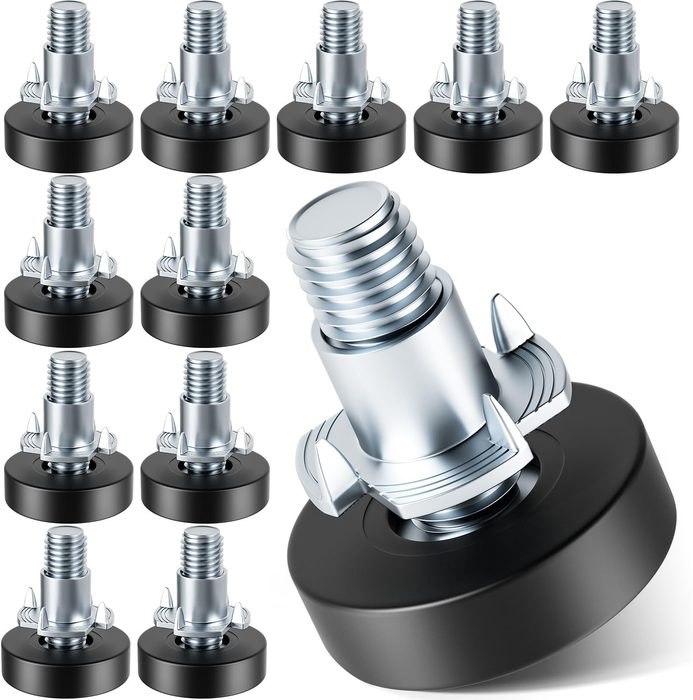
Easy Adjust Threaded Leveling Furniture Glide
Thread Length: 1-1/2 inThread Size: 3/8-16
-
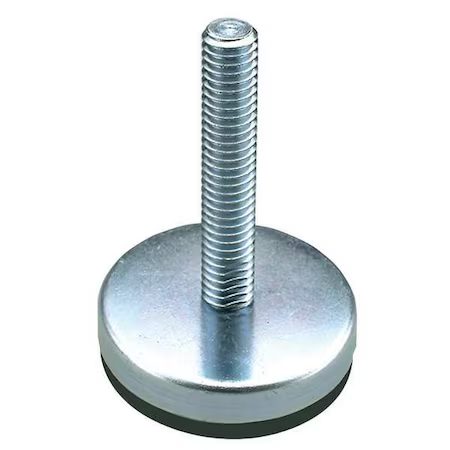
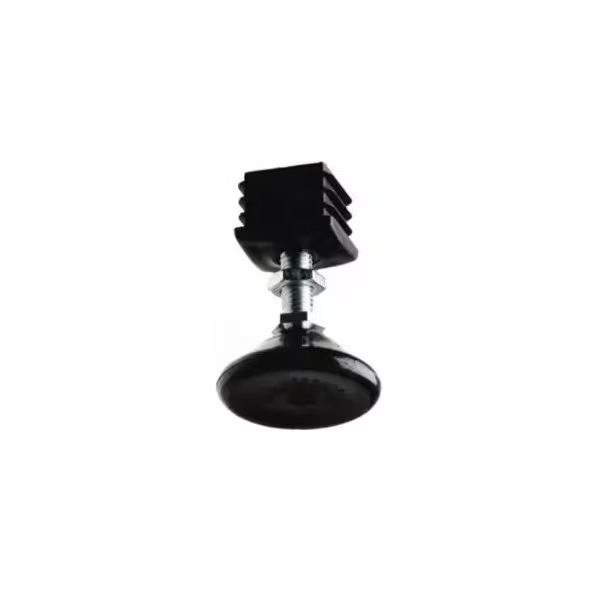
Level Mount, Fixed Stud
Base Diameter: 2.41 inHeight: 5.06 inLoad Capacity: 500 lbThread Size: 1/2-13
-
Leveling Glides, Screw-In, Rd
Length: 1/2 inSize: 1-1/4 in
-
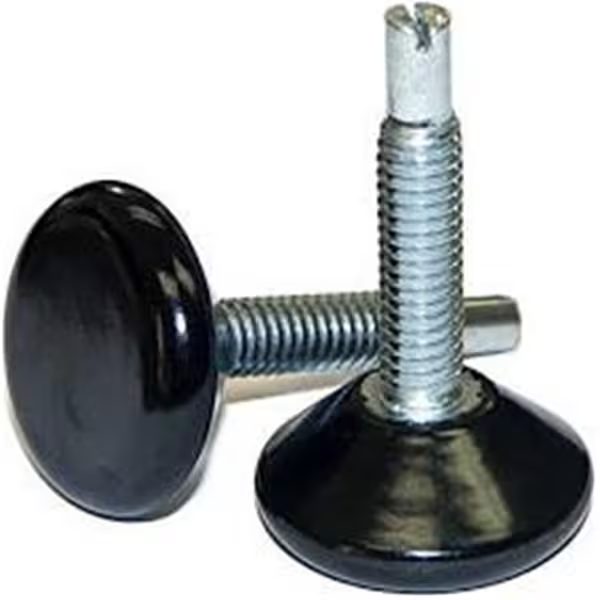
Leveling Glides, Screw-In, Rd
Length: 1/2 inSize: 1-1/16 in
-
Phenolic Base Adjustable Leveling Glide
Size: 1.25 in
-
-
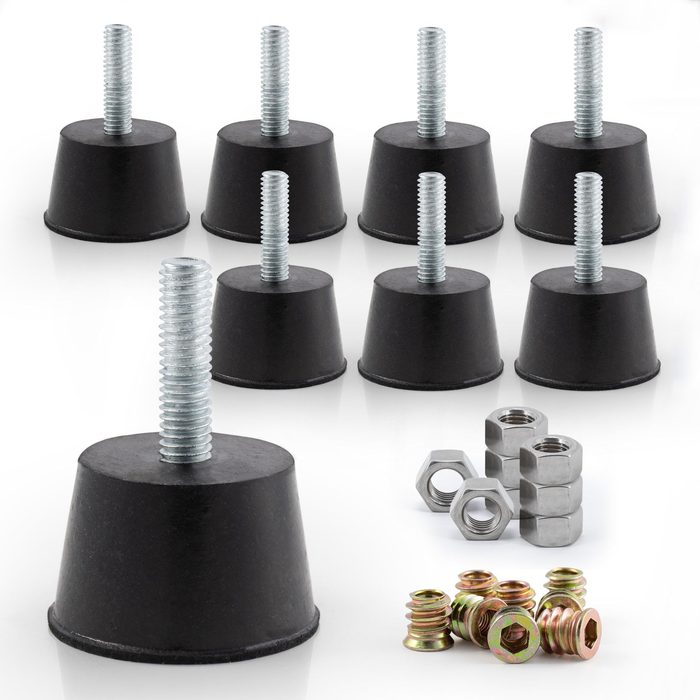
Threaded Leveling Furniture Glide
Thread Length: 1-1/2 inThread Size: 5/16-18
About leveling feet & glides
Leveling feet and glides provide stable, adjustable support for machinery and equipment, accommodating uneven surfaces and facilitating precise alignment. This category encompasses a range of components including fixed machine feet, articulating leveling mounts, and vibration damping pads. Key selection criteria include static and dynamic load capacity, typically specified in Newtons or pounds, which must exceed the applied load by an appropriate safety factor. Threaded studs, commonly available in metric (e.g., M8, M10, M12, M16) and imperial (e.g., 3/8-16, 1/2-13) sizes, connect the foot to the equipment. Base diameters range from 20mm to over 150mm, influencing stability and load distribution. Materials vary, with bases often made from reinforced polyamide, steel, stainless steel (AISI 303, 304, 316), or zinc-plated steel for corrosion resistance. Gliding pads may feature felt, PTFE, or rubber. Vibration isolation is achieved through elastomeric materials such as NBR, EPDM, or natural rubber, selected based on durometer hardness and resonant frequency requirements to attenuate specific frequency ranges.
How to choose
Selecting the correct leveling foot begins with determining the total static load and dividing it by the number of support points to establish the load per foot. Next, identify the required stud diameter and thread pitch to match the equipment's mounting provisions. Consider the necessary height adjustment range to compensate for floor irregularities. Evaluate the operating environment: corrosive conditions necessitate stainless steel, while hygienic applications may require specific polymer bases. Finally, if vibration isolation is critical, specify the type of elastomer and its durometer to achieve the desired damping characteristics for the specific vibration frequencies present, balancing isolation effectiveness against stability.