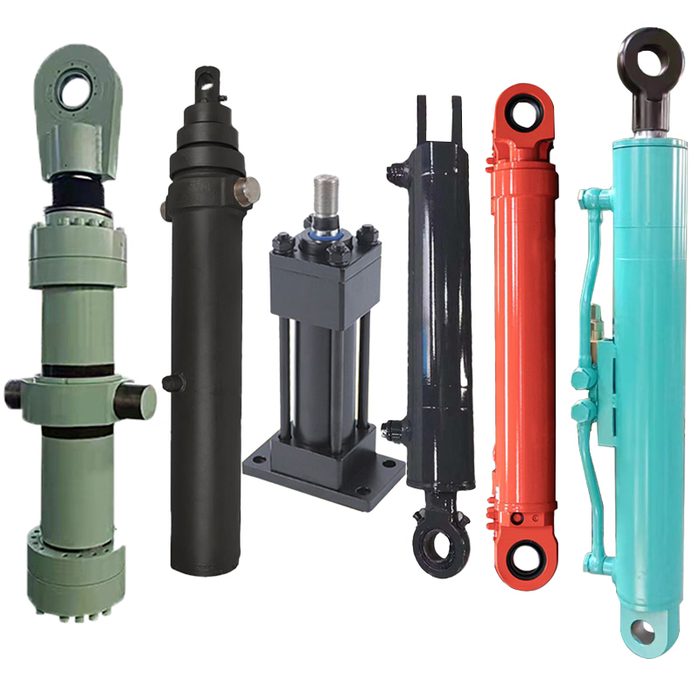
Hydraulic Cylinders
Tie-rod, welded, telescopic and custom-stroke hydraulic rams.
Also searched as: hydraulic ramtie rod cylinderwelded cylinderhydraulic jack
-
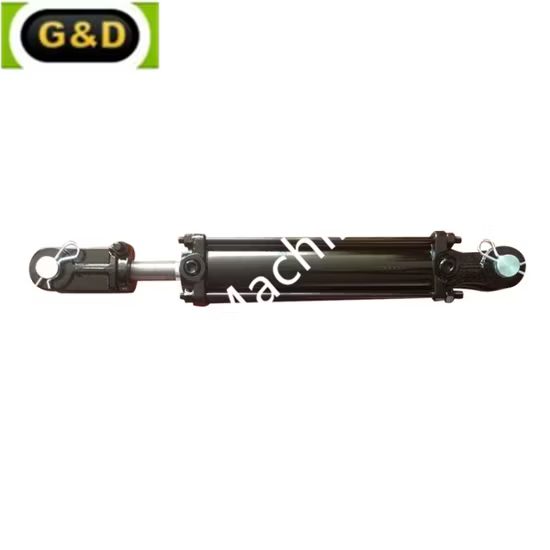
AT Tie-rod Alternative Hydraulic Cylinder
Bore: 2.5 inMax. Pressure: 3000 psiPin Diameter: 1 inRod Diameter: 1.125 inStroke: 16 in
-
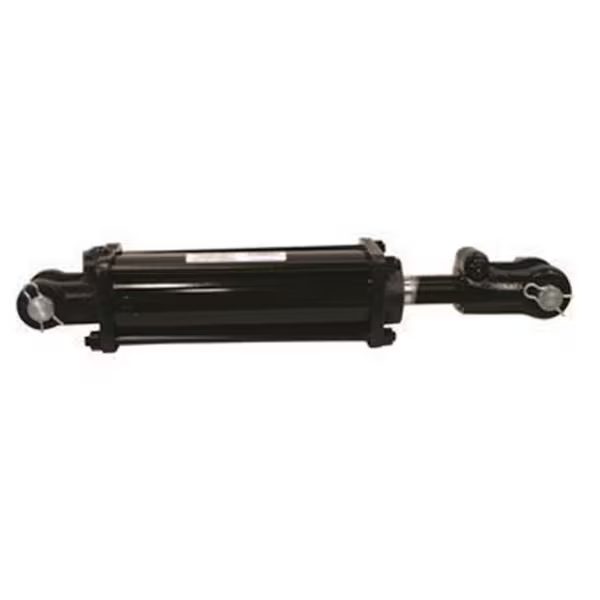
Hydraulic Double Acting Tie Rod Cylinder
Bore: 2.5 inMaximum Pressure: 2500 psiRetracted Length: 26.25 inSeal: O Ring Static Seal & Piston Seal Is 2 Back Up RingsStroke: 16 in
-
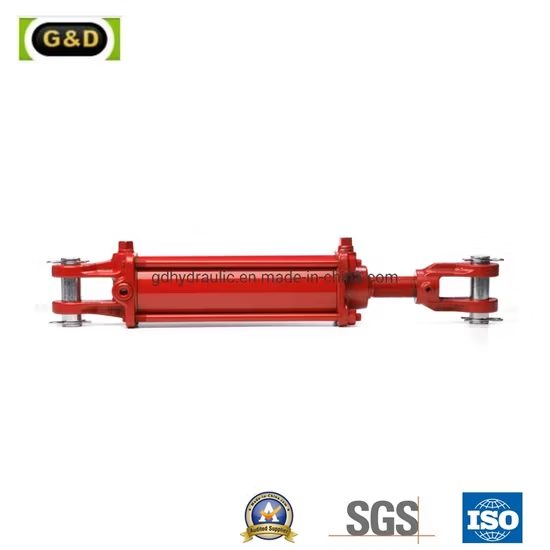
Hydraulic Double Acting Tie Rod Cylinder
Bore: 3 inMaximum Pressure: 2500 psiRetracted Length: 22.25 inSeal: O Ring Static Seal & Piston Seal Is 2 Back Up RingsStroke: 12 in
-
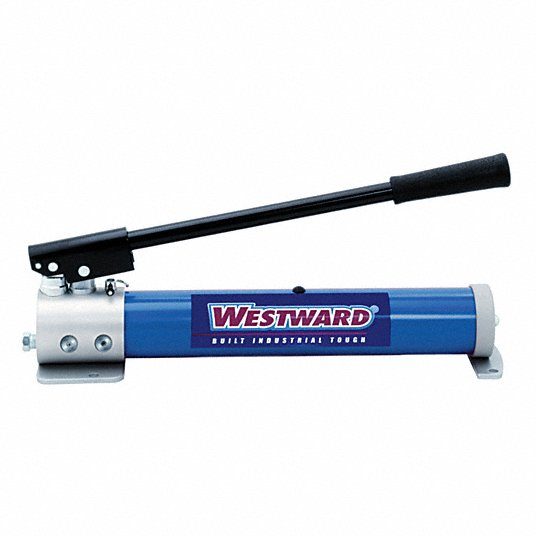
Hydraulic Ram, 10 ton, 1-1/2" Stroke
Capacity: 10 tonStroke: 1.5 Inches
-
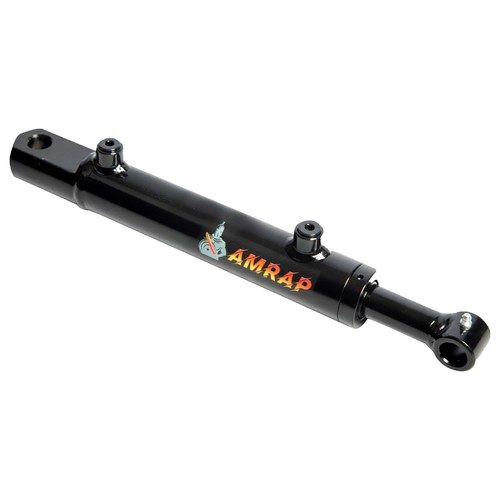
Hydraulic Tie-Rod Cylinder
Bore: 2.5 inRod Diameter: 1.125 in
-
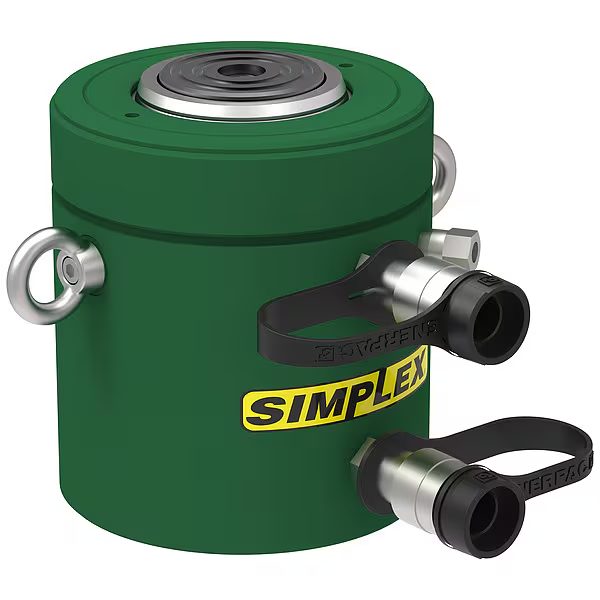
Single Acting Lock Nut Hydraulic Ram, 105 ton Nominal Capacity, 2" Stroke
Effective Push Area: 20.57Nominal Capacity: 105 tonNominal Stroke Length: 2 inStroke Length: 1 31/32 in
-
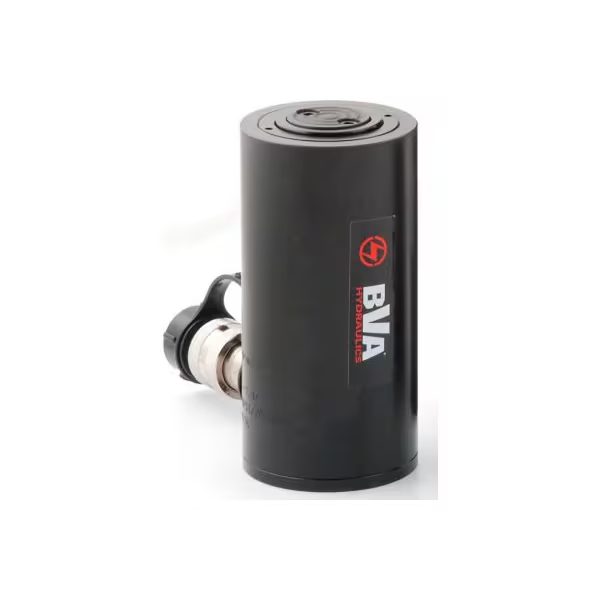
Single Acting Pull Hydraulic Ram, 2.5 ton Capacity
Extended Height: 15.55 inMax. Pressure: 10000 psiNominal Capacity: 2.5 tonRetracted Height: 10.55 inStroke Length: 5 in
-
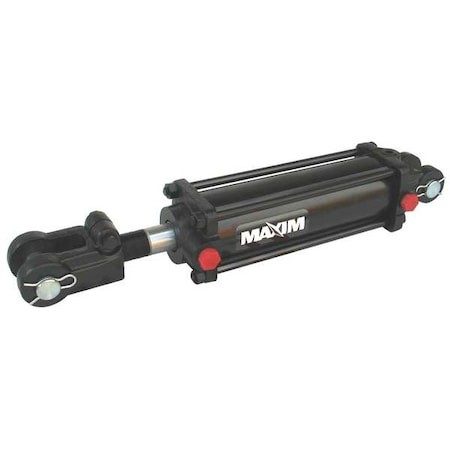
TC Tie-rod Hydraulic Cylinder
Bore: 4 inPressure: 2500 psiStroke: 8 inTemperature Range: -20
About hydraulic cylinders
Hydraulic cylinders convert hydraulic power into linear mechanical force and motion. They consist of a cylinder barrel, a piston, and a piston rod. Common types include tie-rod cylinders, which use threaded rods to hold the end caps to the barrel, and welded cylinders, where the end caps are welded directly to the barrel for a more compact design. Telescopic cylinders, featuring multiple stages, provide extended reach from a compact retracted length. Custom-stroke cylinders are available for applications requiring non-standard travel. Key selection parameters include bore size (e.g., 2.0" to 8.0"), stroke length (e.g., 4" to 120"), operating pressure (e.g., 2000 PSI to 5000 PSI), and mounting style (e.g., clevis, trunnion, flange, cross-tube). Rod diameter, port sizing (e.g., NPT, SAE O-ring), and seal materials (e.g., nitrile, Viton, polyurethane) are also critical. Materials typically include carbon steel, with chrome-plated piston rods for corrosion resistance. Specialty coatings or stainless steel construction are used for demanding environments.
How to choose
When selecting a hydraulic cylinder, first determine the required force output, which dictates bore size and operating pressure. Next, specify the necessary stroke length for the application's linear travel. Third, consider the mounting style (e.g., clevis, trunnion, flange) that best integrates with the machine's frame and load. Fourth, evaluate the operating environment for temperature, contaminants, and potential corrosion, which will influence seal material and construction (e.g., chrome-plated rod vs. stainless steel). Finally, choose between tie-rod, welded, or telescopic designs based on space constraints and required retracted-to-extended length ratio. Each choice impacts the cylinder's footprint, durability, and cost.