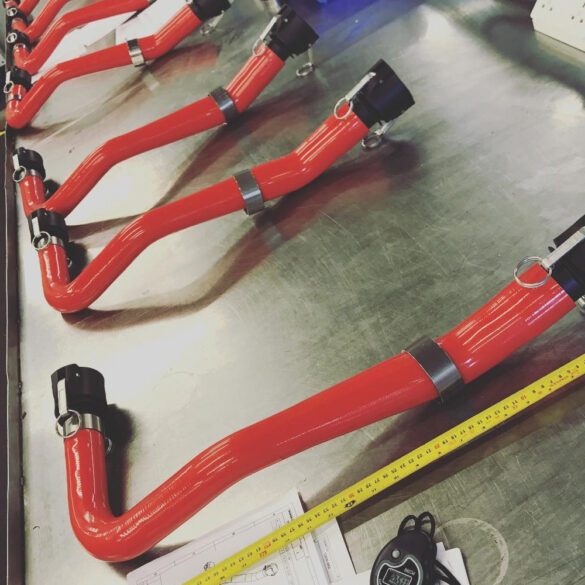
Hose & Hose Assemblies
Hydraulic, air, water, chemical and suction hose plus crimped ends.
Also searched as: hydraulic hoseair hosebraided hosesuction hoseptfe hose
-
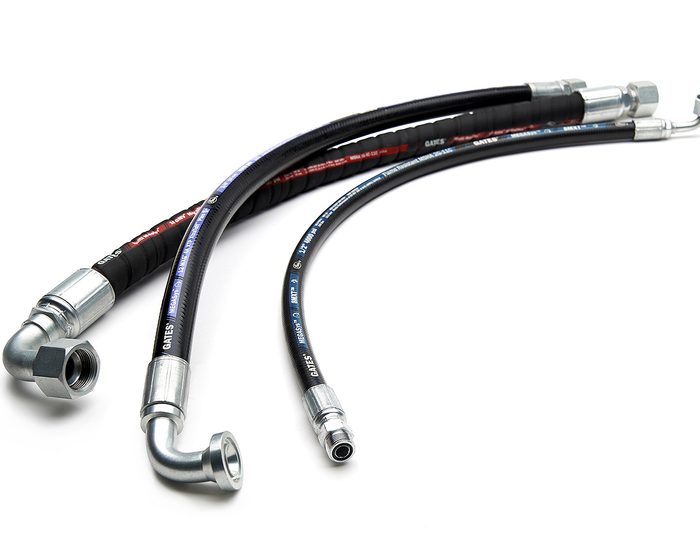
Hydraulic Hose
Hose Size: -8ID: 1/2"Minimum Cut Length: 425'Total Coil Length: 425'Work Pressure: 4000 psi
-
Hydraulic Hose
Bend Radius: 2-1/2"ID: 3/4"Length: 3'Max Pressure: 300 psiThread Size: 1-1/16-12
-
Hydraulic Hose
Bend Radius: 12-1/2"Hose Size: -32ID: 2"Length: 50'Max Pressure: 3000 psi
-
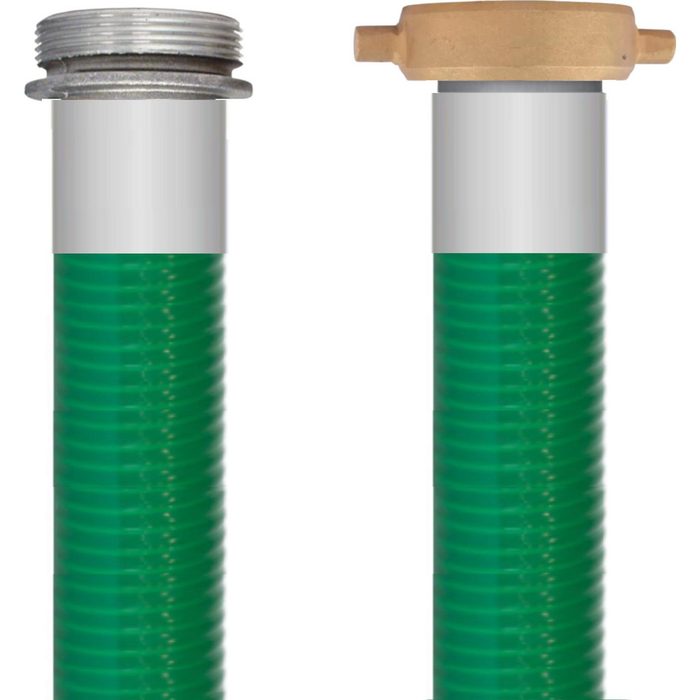
Liquid Suction & Discharge Hose: Inside Diameter (Inch): 1-1/2
Hose Inside Diameter: 1-1/2 inchOutside Diameter: 1.8400 inch
-
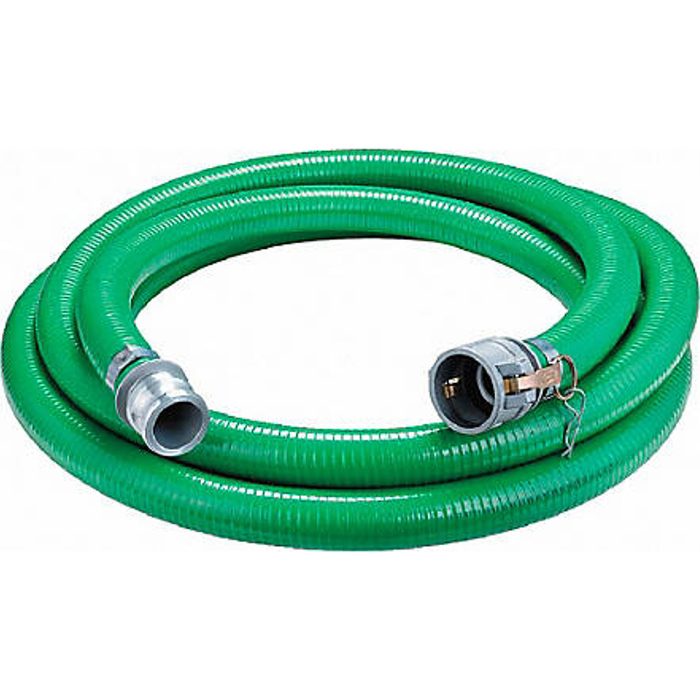
Liquid Suction & Discharge Hose: Inside Diameter (Inch): 4
Hose Inside Diameter: 4 inchVacuum Rating: 29 In. HgWorking Pressure: 50 psi
-
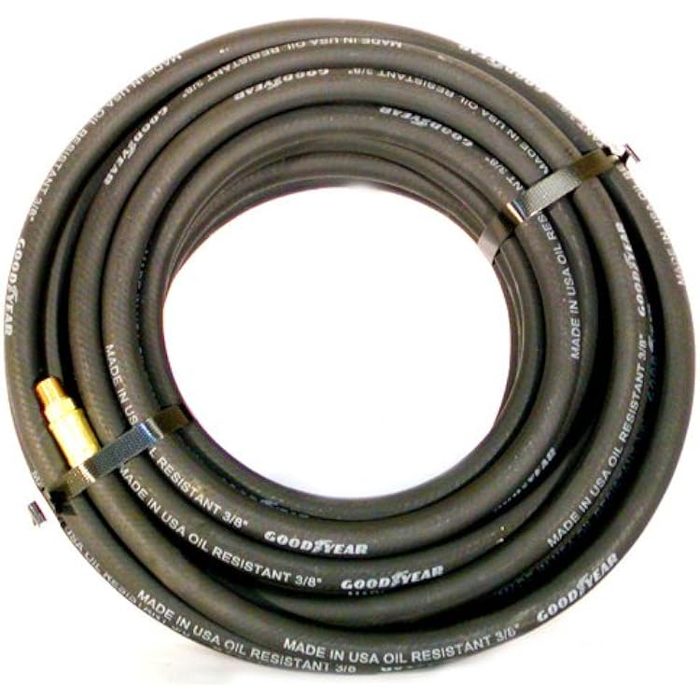
Suction & Discharge Hose: Synthetic Rubber
Hose Inside Diameter: 2 inchLength: 50 feetOutside Diameter: 2.39 inch
-
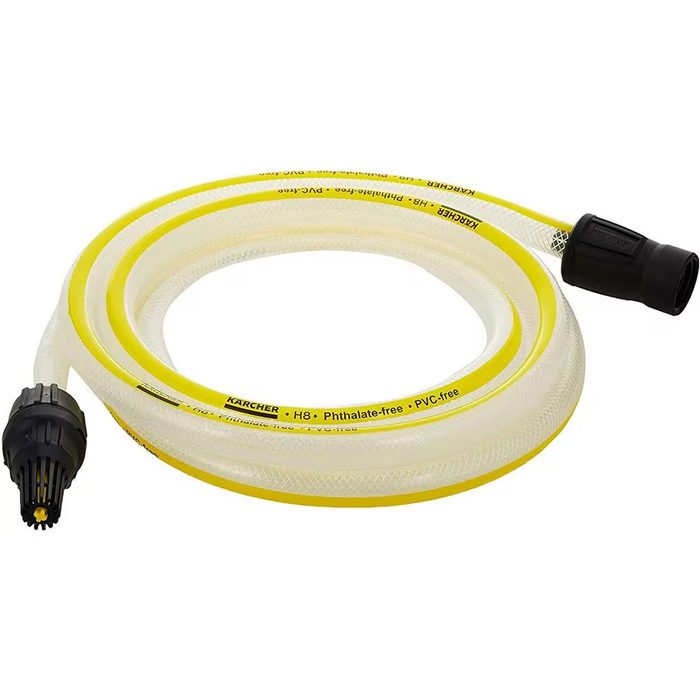
Suction Hose
Hose Length: 118.11 inchHose Type: Anti-Static
-
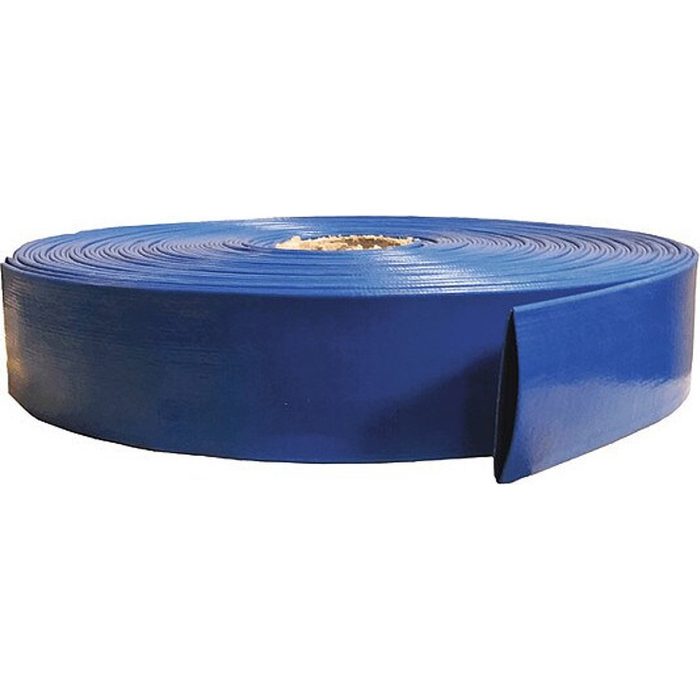
Water Suction & Discharge Hose: 3" ID, 100' Long
Hose Inside Diameter: 3 inchLength: 100 feetMaximum Working Pressure: 70.000 psi
-
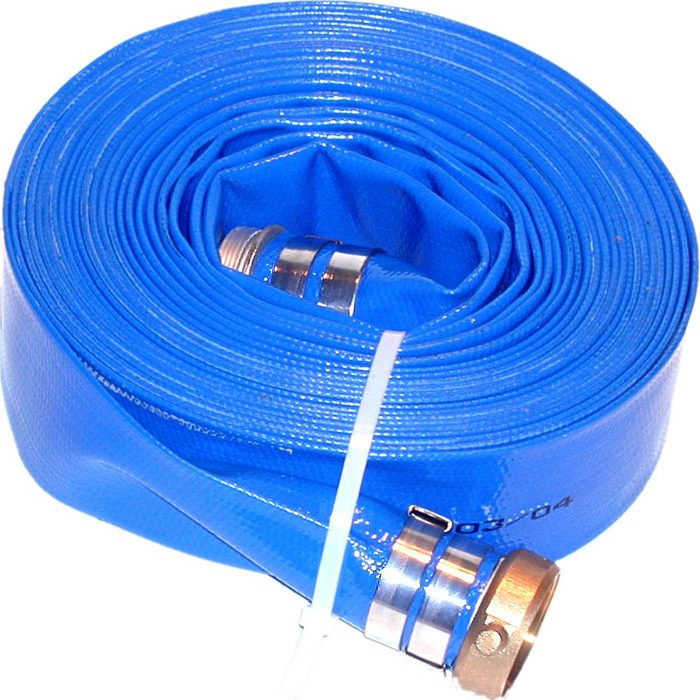
Water Suction & Discharge Hose: Polyvinylchloride
Maximum Pressure: 80 psi
About hose & hose assemblies
Hose and hose assemblies are flexible conduits designed to transport fluids or gases under varying pressure conditions. They are categorized by the fluid they convey: hydraulic, air, water, chemical, and suction hoses. Hydraulic hoses, typically reinforced with braided or spiral wire, are rated for high working pressures (e.g., SAE 100R2, 100R12) and burst pressures, conveying hydraulic fluid in power transmission systems. Air hoses handle compressed air, while water hoses are for general water transfer. Chemical hoses are constructed from materials resistant to specific chemicals, such as PTFE or EPDM. Suction hoses are designed to resist collapse under vacuum, often featuring a helical reinforcement. Key selection parameters include nominal ID (e.g., -4, -8, -16 for 1/4", 1/2", 1" respectively), working pressure, temperature range, and bend radius. End connections, or fittings, are critical and are crimped or field-attachable. Common fitting types include JIC 37° flare, NPT, SAE Code 61/62 flange, and BSPP, specified by thread size and sealing method. Materials for the inner tube, reinforcement, and outer cover are chosen based on fluid compatibility, pressure requirements, and environmental exposure.
How to choose
When selecting hose and hose assemblies, first determine the fluid type and operating pressure, as this dictates the hose material and reinforcement. Next, consider the required flow rate, which defines the nominal ID of the hose. The operating temperature range of the fluid and ambient environment is crucial for material compatibility and hose life. Evaluate the bend radius requirements for the application to ensure the hose can be routed without kinking or stressing. Finally, specify the end connections based on the mating ports, including thread type (e.g., NPT, JIC, BSPP) and size. This sequence ensures proper function, longevity, and safety, balancing pressure rating, fluid compatibility, and physical constraints.