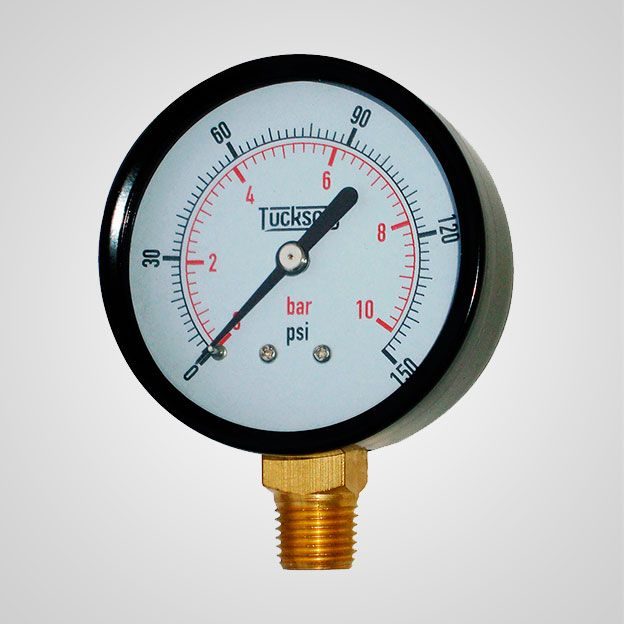
Flow & Pressure Instruments
Gauges, transducers, flow meters and pressure switches.
Also searched as: pressure gaugeflow meterpressure transducerpressure switch
-
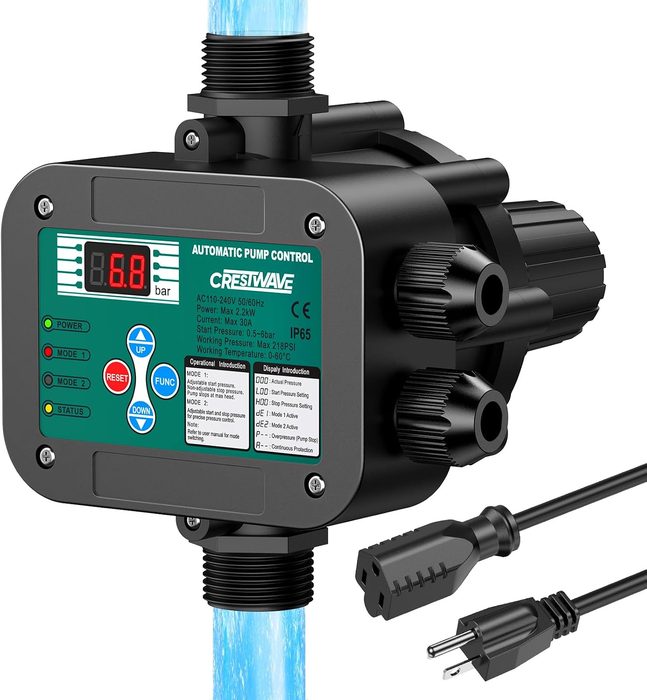
Adjustable Pressure Switch for Well Pump
Adjustable Range: 40-60 PSI
-
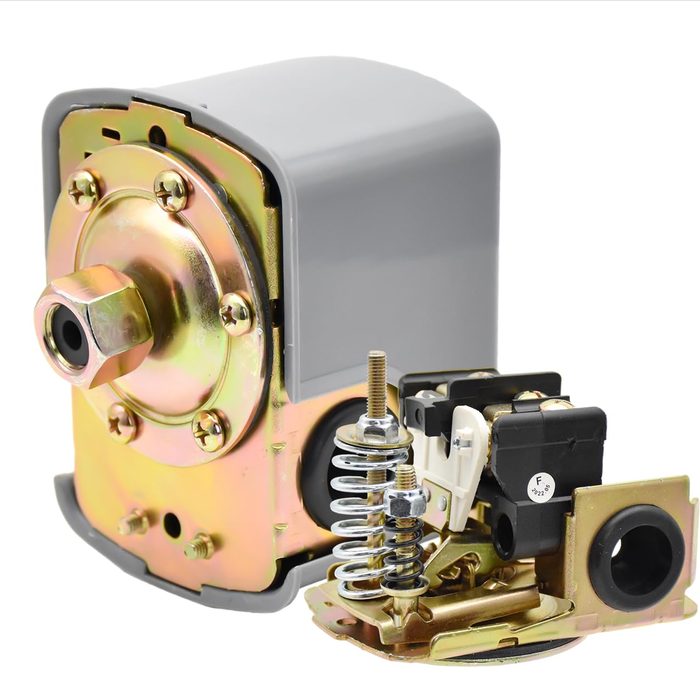
Adjustable Water Pressure Switch for Well Pump
Voltage: 110V
-
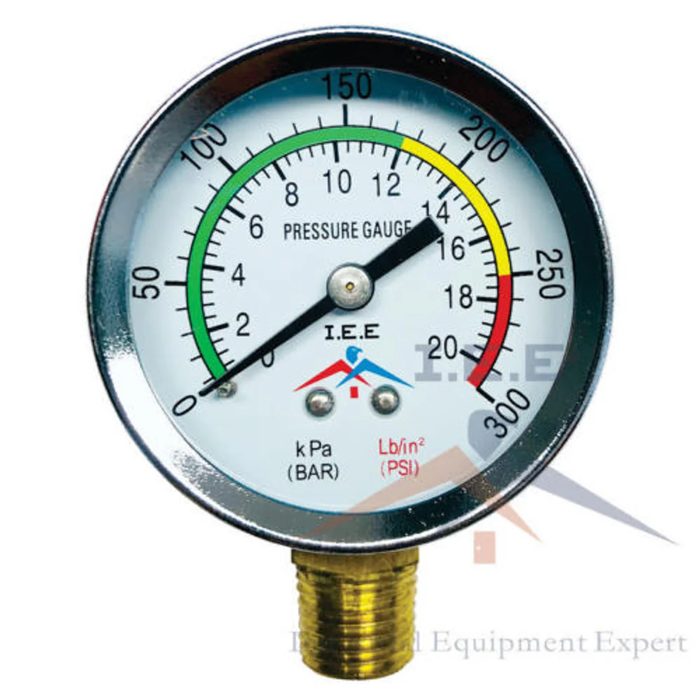
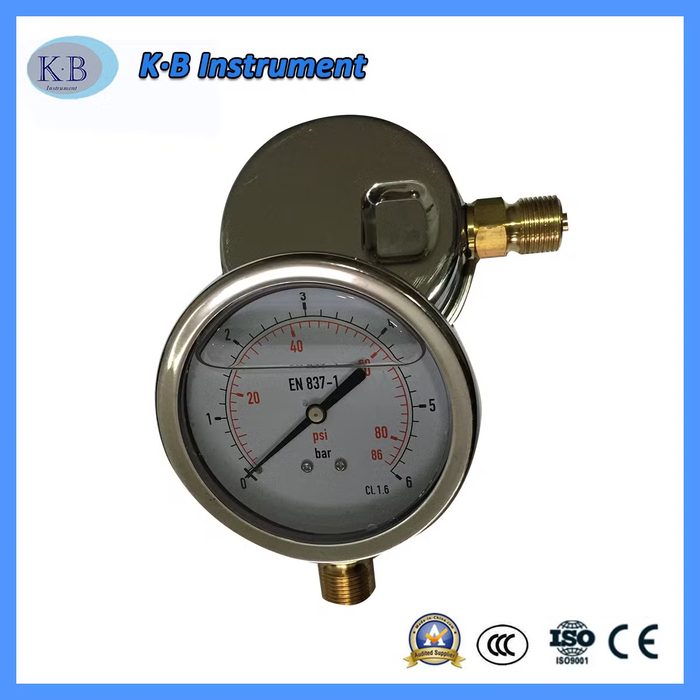
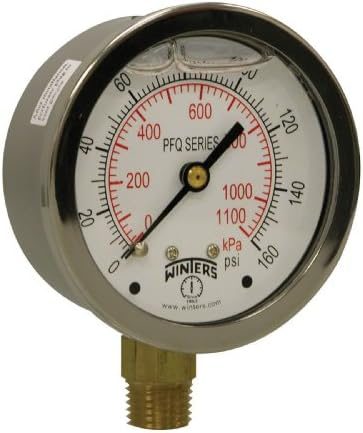
Air Pressure Gauge
Connection: 1/4"NPTDial Size: 2"Mount: SidePressure Range: 0 to 160PSI
-
-
-
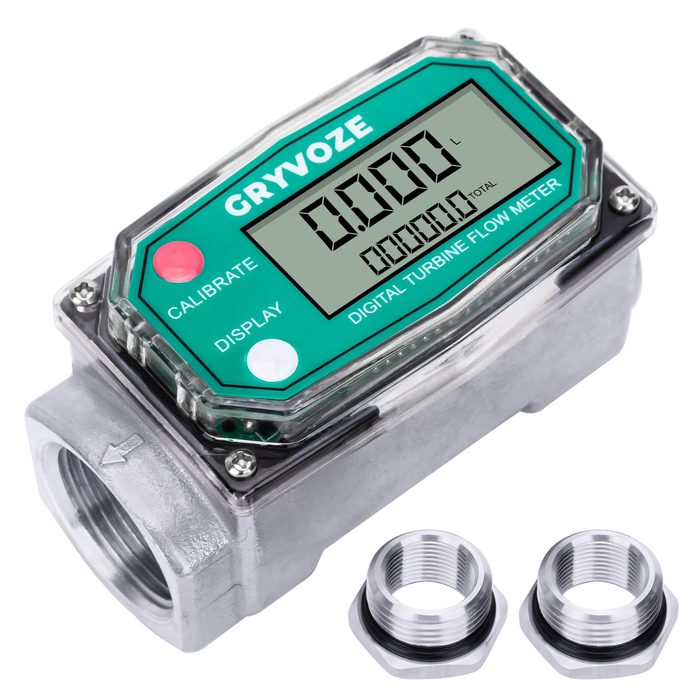
Digital Flow Meter
Flow Rate: 10.5-74 GPMSize: 1.5 inch
-
-
-
-
-
-
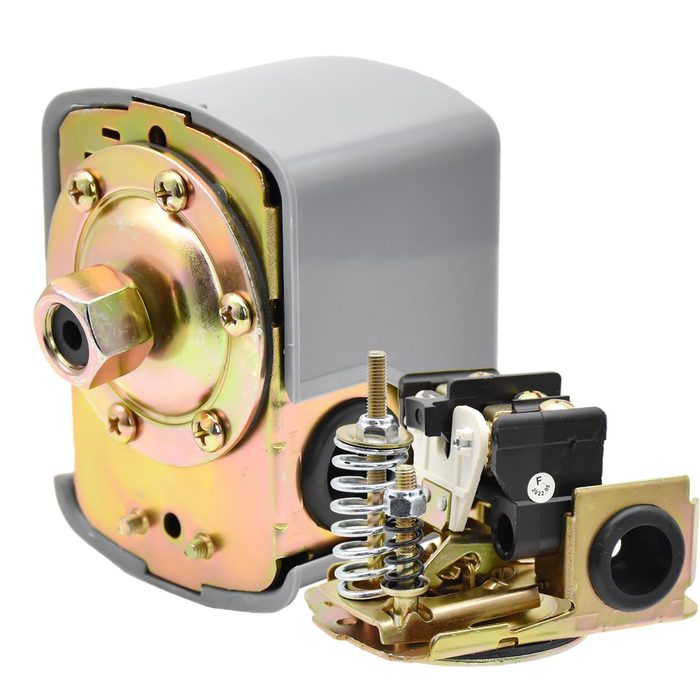
Pressure Switch for Well Pump
Pressure Range: 20-40 PSI
-
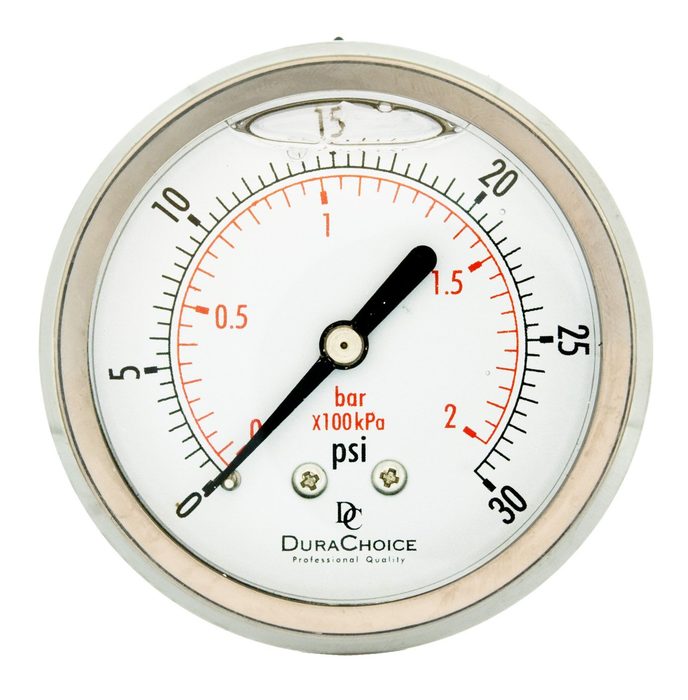
Stainless Steel Commercial Pressure Gauge
Connection Diameter: 1/8" NPTDial Size: 1-1/2”Maximum Pressure: 5000 PSI
-
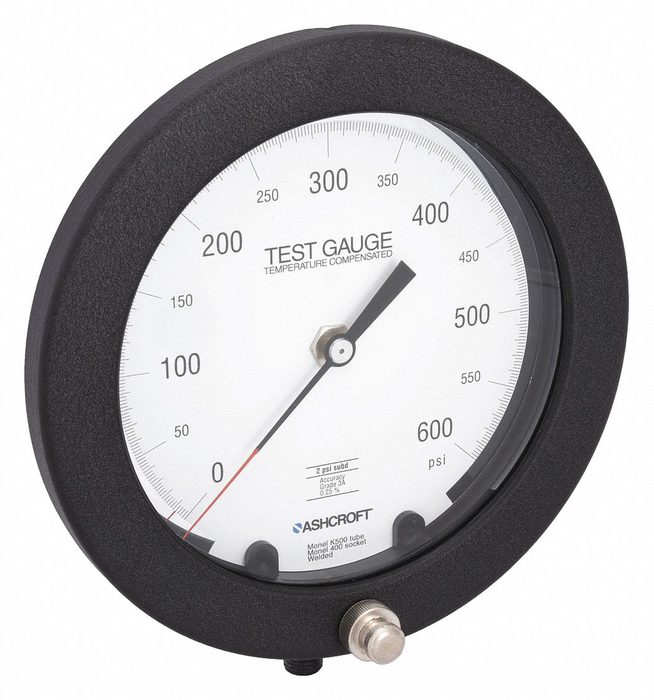
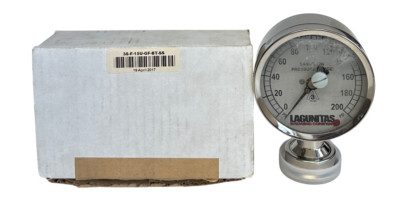
Test Pressure Gauge
Dial Diameter: 10"Pressure Range: 0 to 200 psi
-
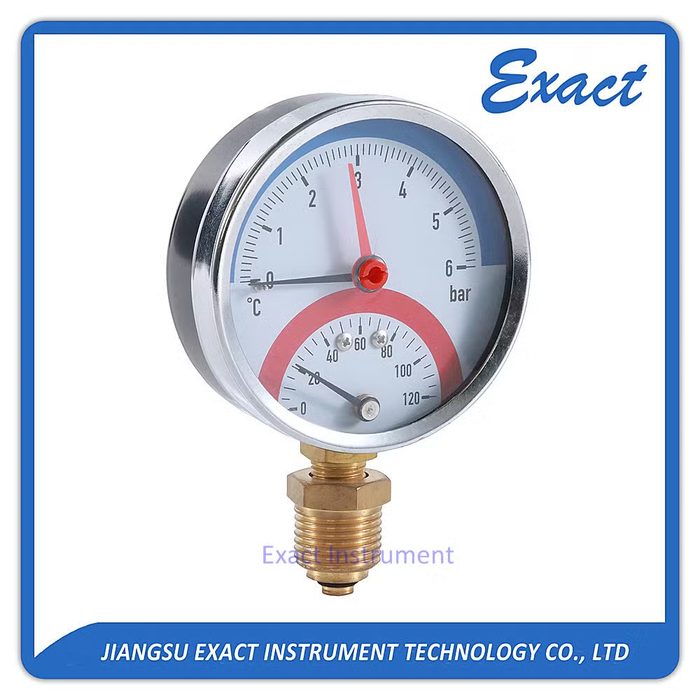
-
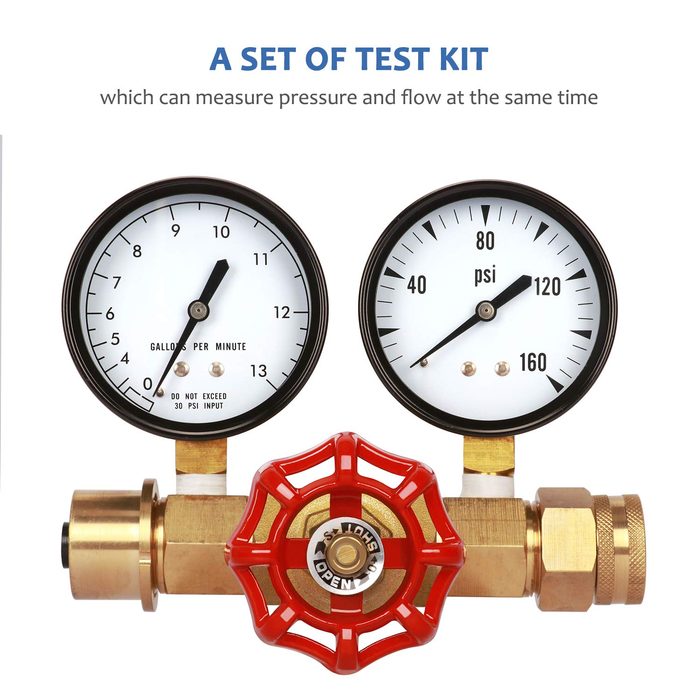
Water Pressure & Flow Test Gauge
Flow Rate Range: 0-13 GPMPressure Range: 0-160 PSI
-
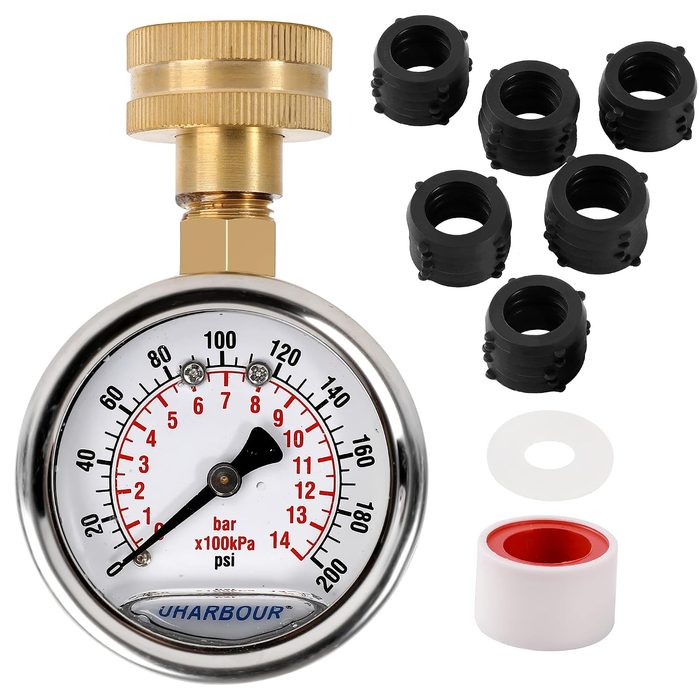
Water Pressure Gauge, Glycerin
Pressure Range: 0-100 PSI/kPa
-
Water Pressure Switch
Pressure Range: 40-60 PSI
-
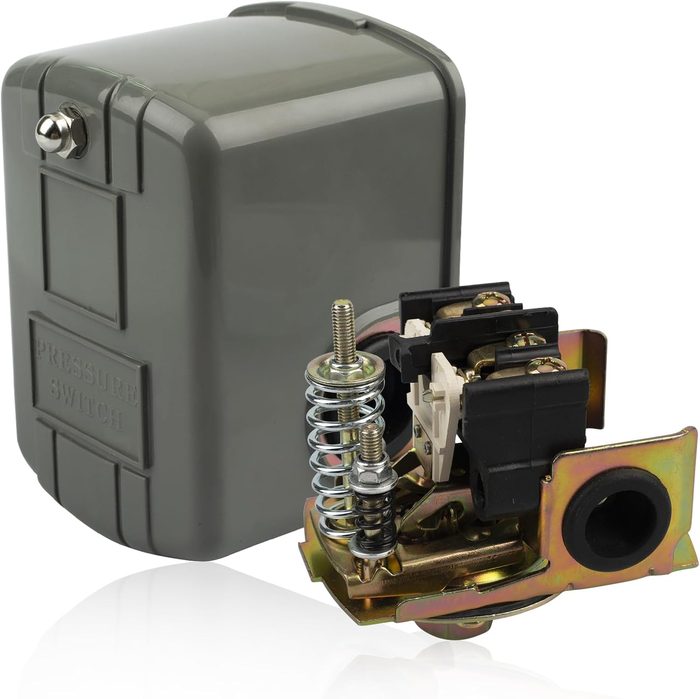
Water Pressure Switch for Well Pump
Connection: 1/4" NPT femalePressure Range: 30-50 PSI
-
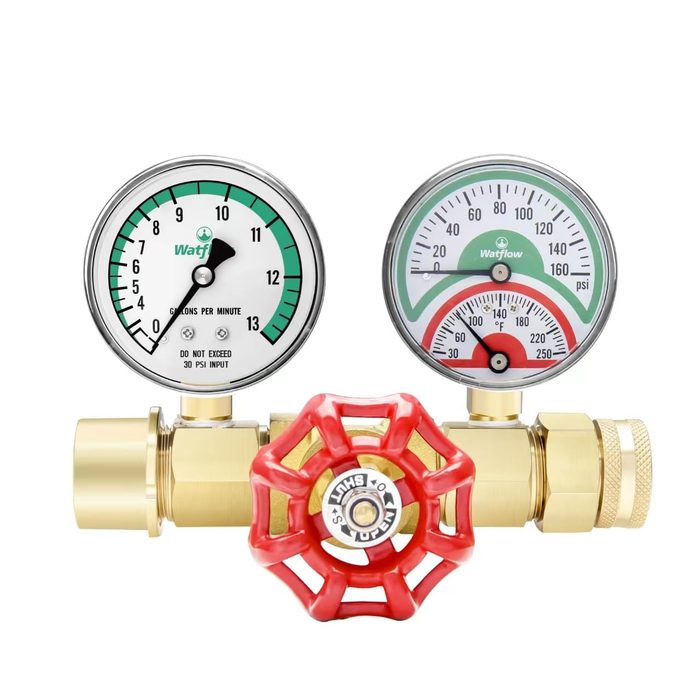
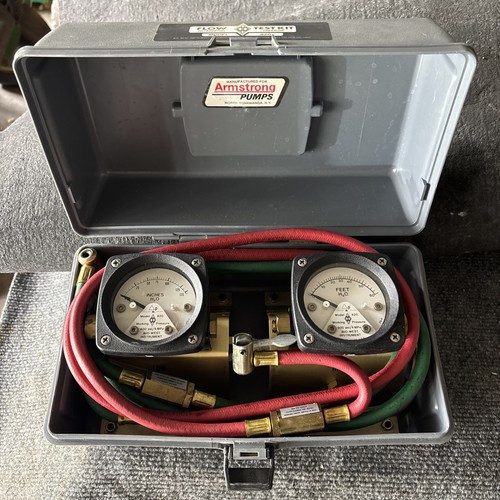
Water Pressure and Flow Gauge Assembly, Dual
Flow Rate Range: 0-13 GPMPressure Range: 0-160 PSI
-
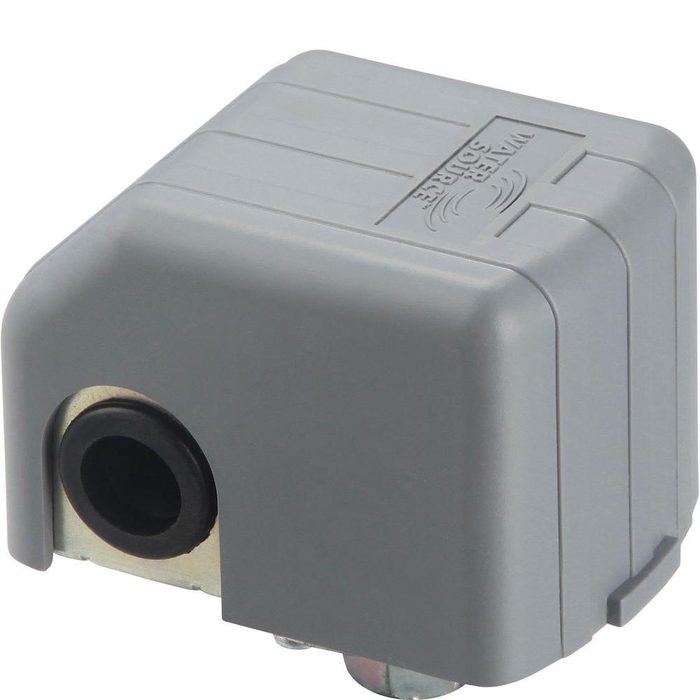
Well System Pressure Switch
Activation Pressure: 20/40 PSI
About flow & pressure instruments
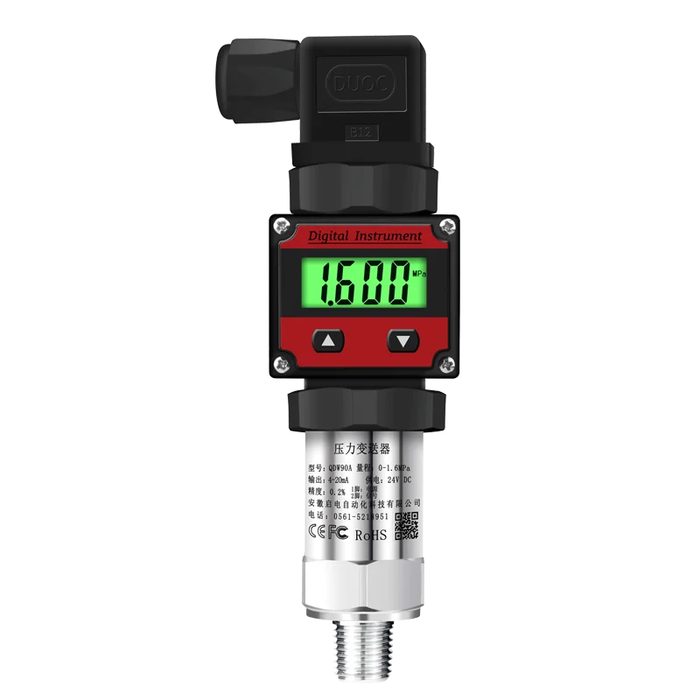
Flow and pressure instruments are essential for monitoring and controlling fluid dynamics in industrial and laboratory settings. This category encompasses devices such as gauges, transducers, flow meters, and pressure switches. Pressure gauges provide local, visual indication of pressure and are available in mechanical (e.g., Bourdon tube, diaphragm, bellows) and digital formats, typically with accuracy classes ranging from 0.05% to 5% of full scale. Common connection types include NPT, BSP, and G threads, with sizes from 1/8" to 1". Materials such as stainless steel, brass, and Monel are selected based on media compatibility and operating environment. Pressure transducers convert pressure into an electrical signal (e.g., 4-20mA, 0-10V), offering higher precision and integration with control systems, with ranges spanning from vacuum to 100,000 psi. Flow meters measure the rate of fluid movement, utilizing principles such as differential pressure (orifice plates, Venturi tubes), electromagnetic, ultrasonic, Coriolis, and turbine. Selection depends on fluid properties, required accuracy (typically 0.5% to 5% of reading), and pipe size (from fractional inches to several feet). Pressure switches provide a discrete output when a set pressure threshold is crossed, available in adjustable or fixed setpoint configurations, often with SPDT or DPDT contacts and NEMA ratings for environmental protection.
How to choose
When selecting flow and pressure instruments, first define the fluid type and its properties, such as viscosity, temperature, and corrosivity, to determine compatible wetted materials. Next, establish the required measurement range and accuracy, which dictates the sensor technology (e.g., Bourdon tube for general indication, Coriolis for high-accuracy mass flow). Then, consider the output requirements: local display for gauges, analog/digital signals for transducers/flow meters, or discrete switching for pressure switches. Finally, evaluate the environmental conditions, including ambient temperature, vibration, and hazardous area classifications (e.g., ATEX, UL), to ensure appropriate housing and sealing, along with process connection type and size.