Fittings & Connectors
Push-to-connect, compression, JIC, NPT, BSP and barbed fittings.
Also searched as: push to connectnpt fittingsjic fittingscompression fittingbarb
-
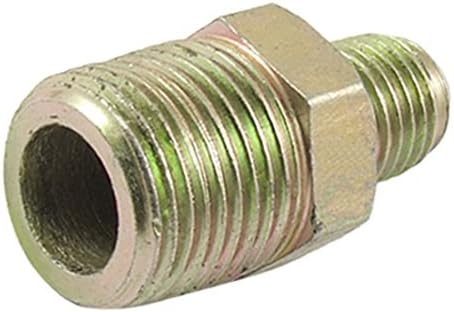
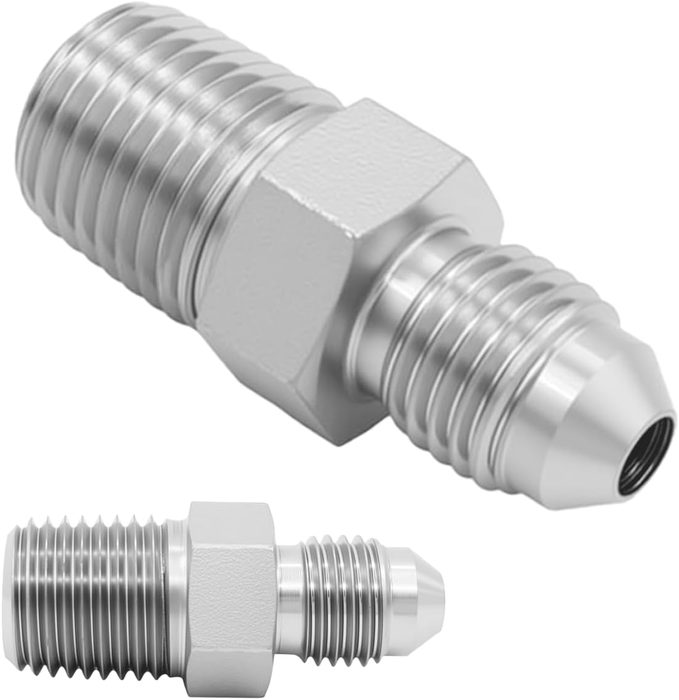
1/4" NPT to 3/8" PT Hydraulic Flare Fitting Straight
Thread Size: 1/4" NPT to 3/8" PT
-
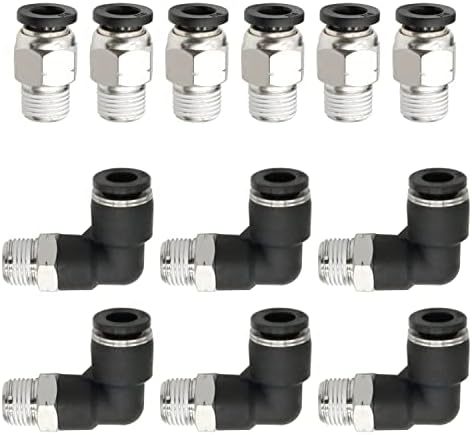
1/8" NPT Thread Straight Push Release Connector for 1/4" Tube OD
NPT Thread Size: 1/8"Tube Outside Diameter: 1/4"
-
-
-
-
-
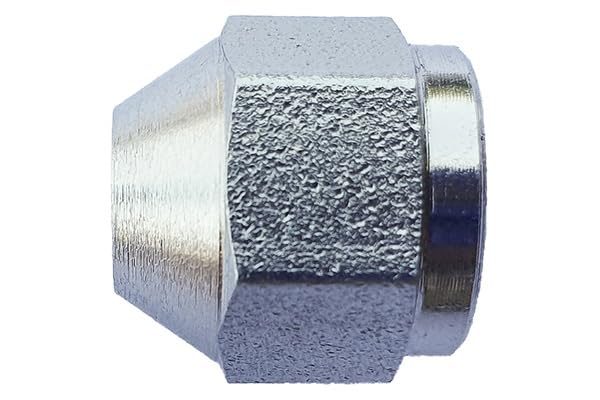
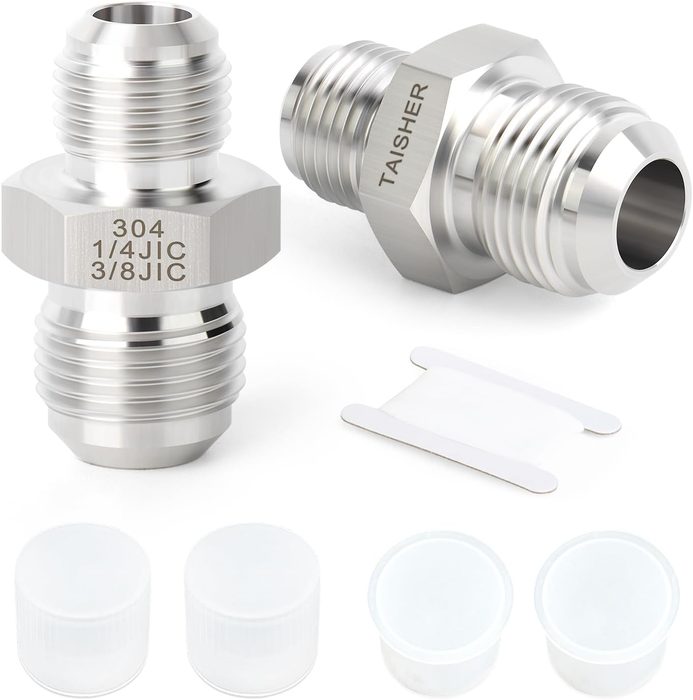
JIC 37° Short Flare Nut 3/8" tube OD
Tube OD: 3/8"
-
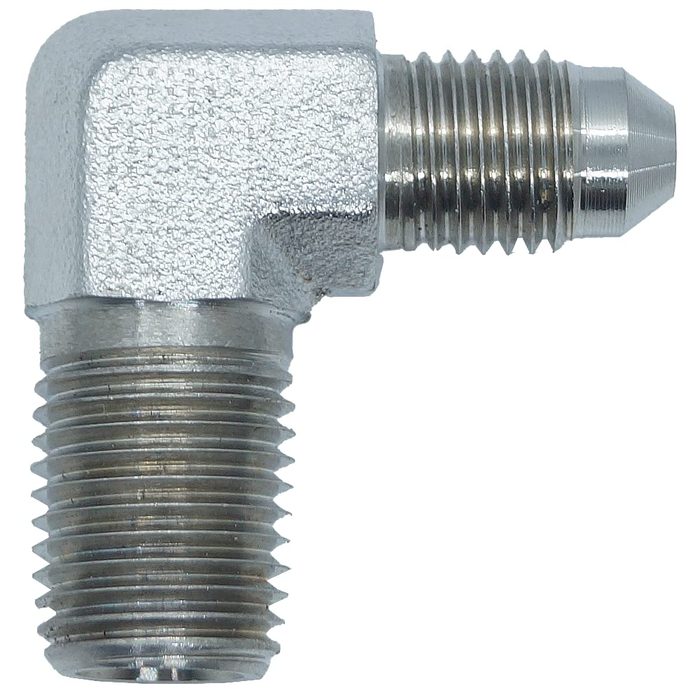
JIC Flared Tube Fitting, 90 Degree
Angle: 90 Degree
-
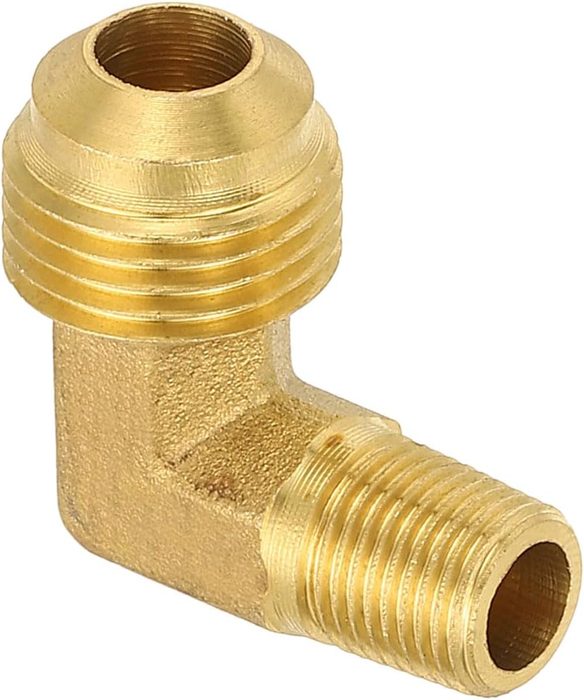
PT Male Thread 90 Degree Flare Pipe Fittings Elbow Connector
Angle: 90 DegreeThread: 3/8" NPT
-
-
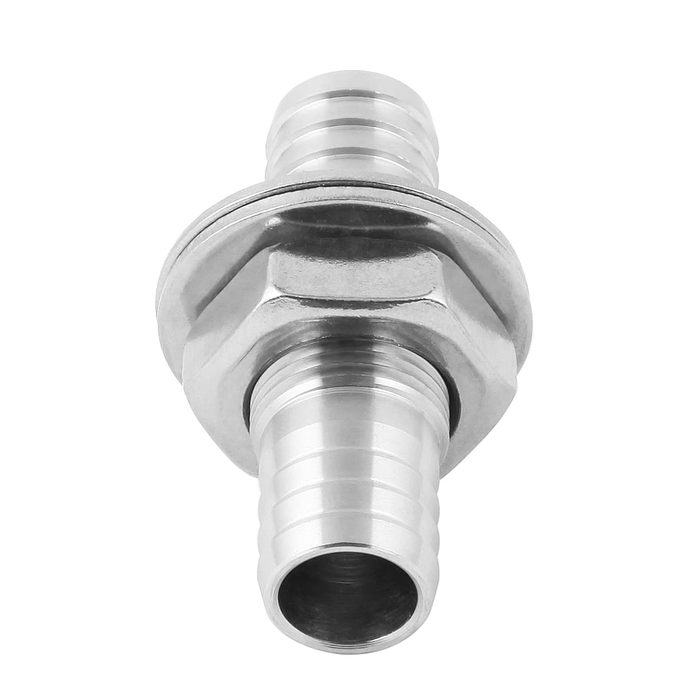
Stainless Steel Hose Barb to Adapter, 1/2"
Size: 1/2"
-
-
About fittings & connectors
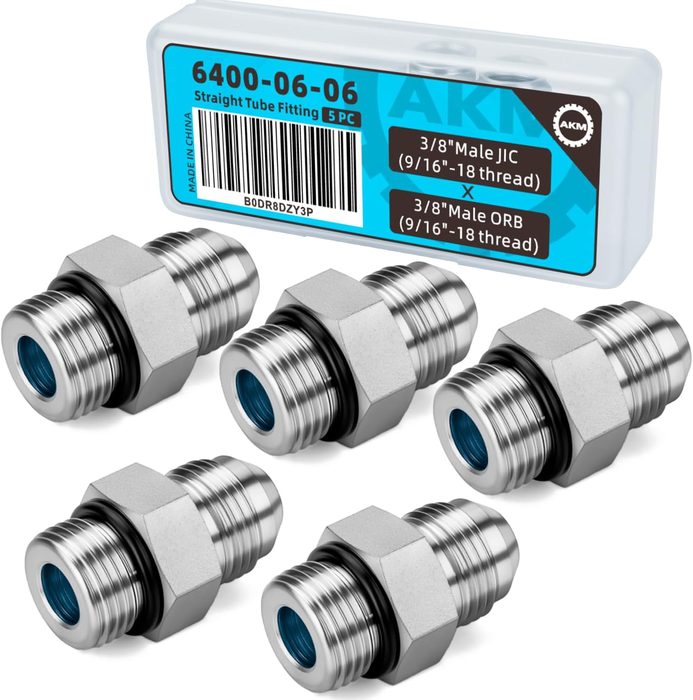
Fittings and connectors are essential components for establishing and maintaining fluid or pneumatic connections in various systems. This category encompasses a wide range of connection types, each designed for specific pressure, temperature, and media compatibility requirements. Common types include push-to-connect fittings, which offer rapid assembly and disassembly for pneumatic and low-pressure fluid applications, often utilizing an O-ring and gripping collet mechanism. Compression fittings create a seal by compressing a ferrule onto tubing, suitable for higher pressures and a variety of tubing materials. JIC (Joint Industry Council) fittings, defined by their 37-degree flare, are prevalent in hydraulic systems, providing a robust, leak-resistant metal-to-metal seal. NPT (National Pipe Taper) and BSP (British Standard Pipe) fittings are common thread forms for general-purpose pipe connections, with NPT being tapered and BSP available in both parallel (BSPP) and tapered (BSPT) versions. Barbed fittings are used for flexible hose connections, relying on a series of ridges to grip the inside of the hose. Selection criteria often involve nominal size (e.g., tube OD, NPT size, dash size for JIC), pressure rating, temperature range, and material compatibility. Common materials include brass, stainless steel (304, 316), carbon steel, and various plastics like nylon, polypropylene, and PVDF, with finishes such as nickel plating or zinc plating for corrosion resistance.
How to choose
Selecting the appropriate fitting involves a sequential decision process. First, determine the fluid or gas type and operating pressure and temperature range; this dictates material compatibility and pressure rating. Second, identify the connection type required for each end of the fitting; common options include tube OD, pipe thread (NPT, BSPP, BSPT), or hose ID. Third, specify the connection geometry, such as straight, elbow, tee, or cross, based on routing requirements. Fourth, consider the assembly method: quick-connect for frequent changes, compression for robust sealing on rigid tubing, or JIC for high-pressure hydraulic lines. Finally, verify material compatibility with the media and environmental conditions to ensure longevity and prevent system contamination or degradation.