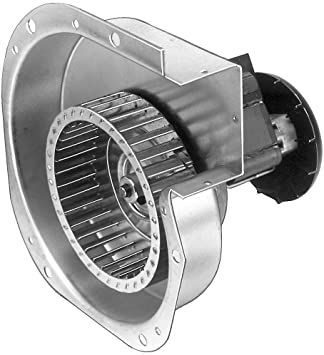
Fans & Cooling
Axial fans, blowers, filter fans, heat sinks and thermoelectric.
Also searched as: axial fanblowerheat sinkcabinet fanpeltier
-
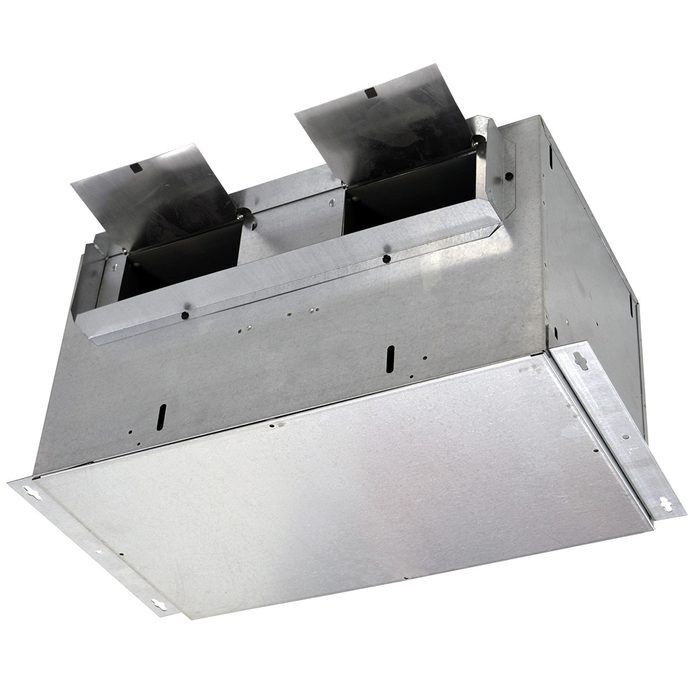
In-Line Cabinet Fan, 12 1/4" D
Depth: 12.25 inExhaust Airflow @ 0.250 in SP: 607 cfmMaximum Airflow: 660 cfmMaximum Noise Level: 4.7 sones
-
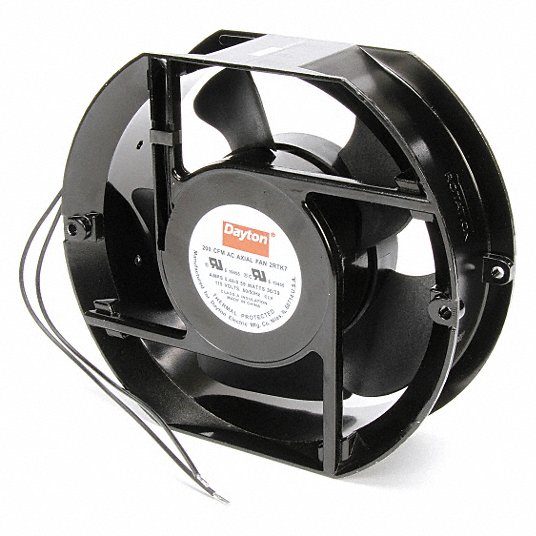
In-Line Cabinet Fan, 254 CFM
Airflow: 254 CFMFan Wattage: 49 WFrequency: 60 HzFull Load Current: 0.45 AMotor Output Power: 16.4 W
-
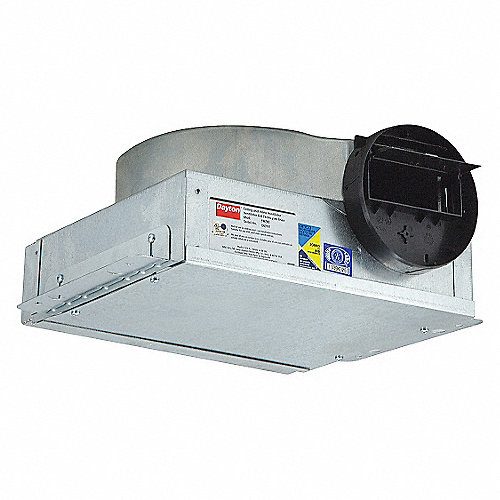
In-Line Cabinet Fan, Low Profile, 151 CFM
Airflow: 151 CFMFan Wattage: 129 WFrequency: 60 HzFull Load Current: 0.65 A
-
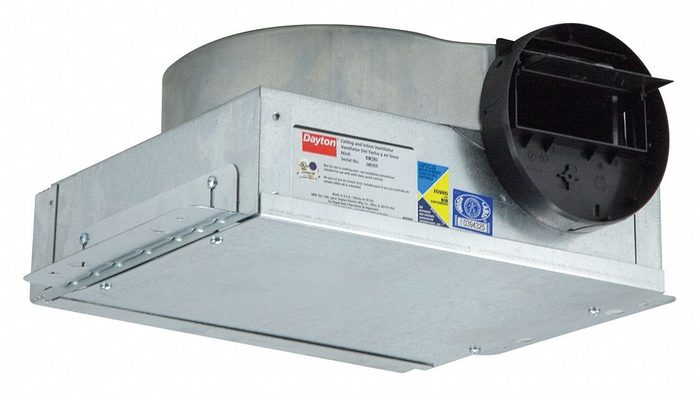
In-Line Cabinet Fan, Low Profile, 186 CFM
Airflow: 186 CFM
from $33.00Amazon $33.00 -
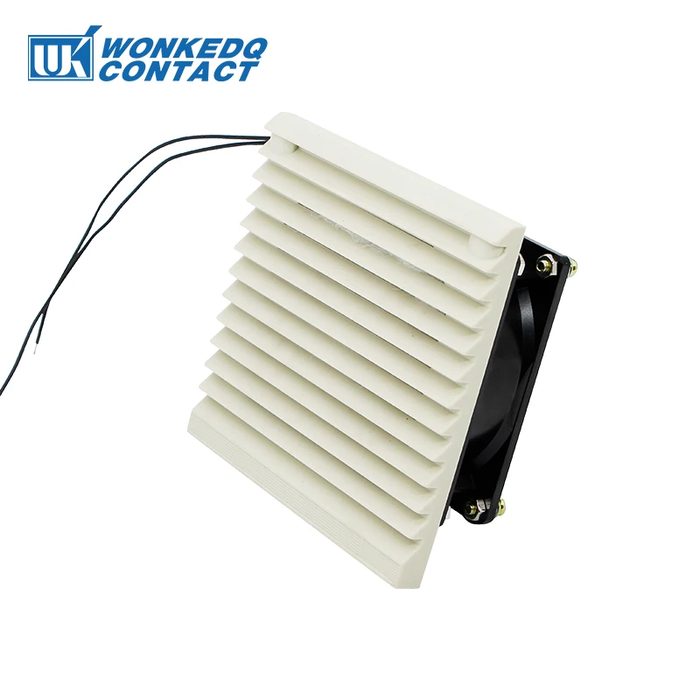
Industrial Electrical Cabinet Fan Filter 92 mm
Fan Diameter: 92 mm
-
-
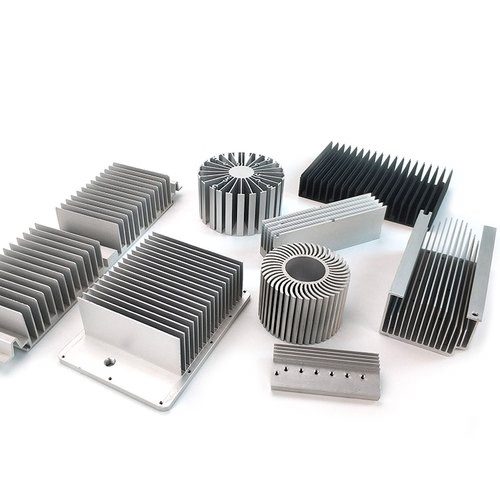
LED PCB Heat Sink
Base Plate Diameter: 20mmBase Plate Thickness: 1.5mm
-
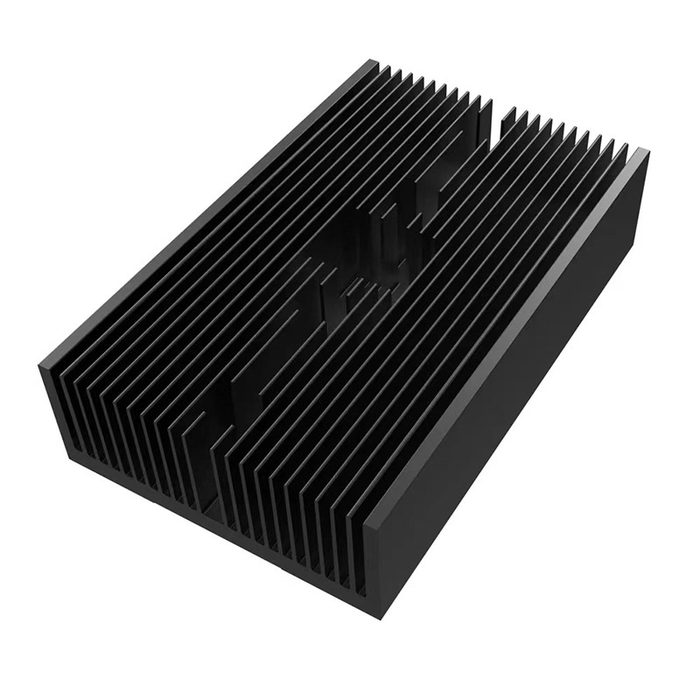
Large Aluminum Heatsink, anodized black
Height: 27 mmLength: 120 mmWidth: 69 mm
-
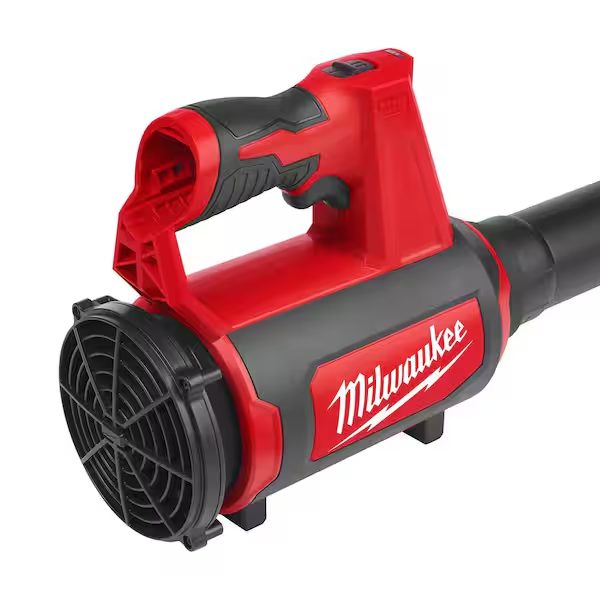
M12 Compact Blower
Air Speed: 110 mphVoltage: 12V
-
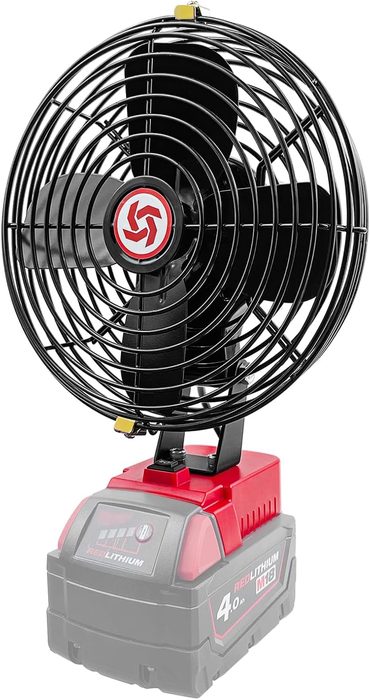
M18 Brushless Precision Blower
Max. Air Flow: 39 cfm
-
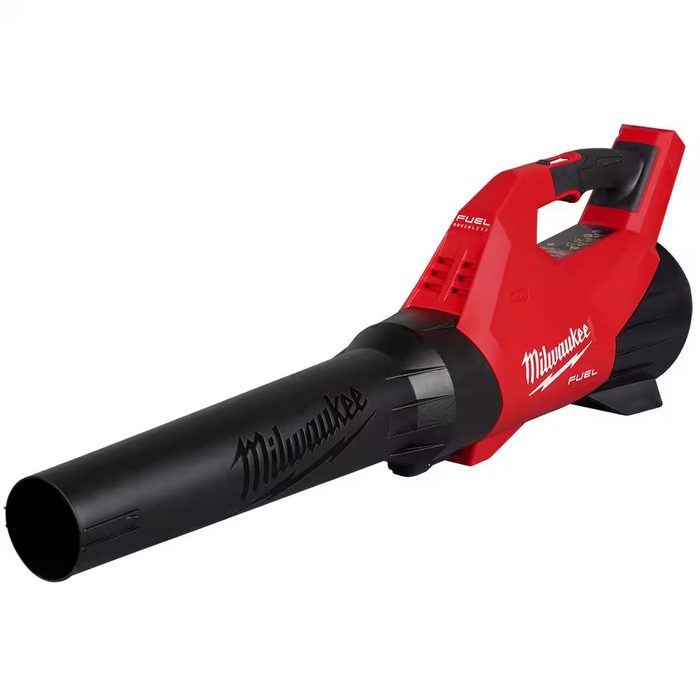
M18 FUEL™ Lithium-Ion Handheld Cordless Blower
Battery Type: Lithium-IonPower Source: Cordless
-
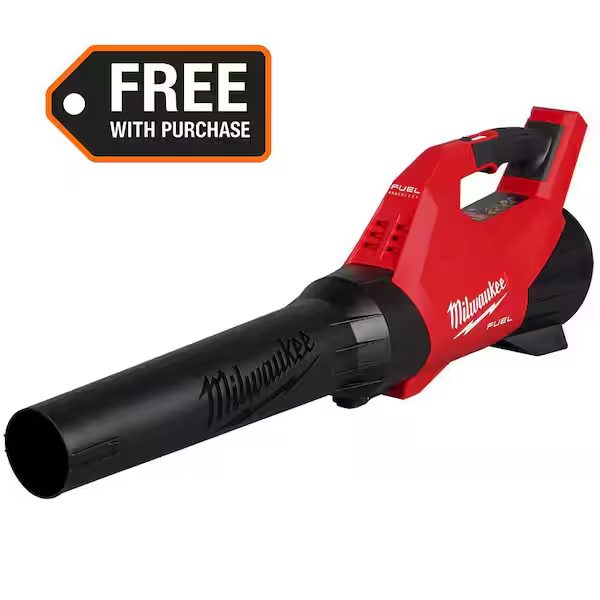
M18™ Three Speed Cordless Handheld Blower
Air Flow: 100 CFMAir Speed: 160 MPHVoltage: 18V
-
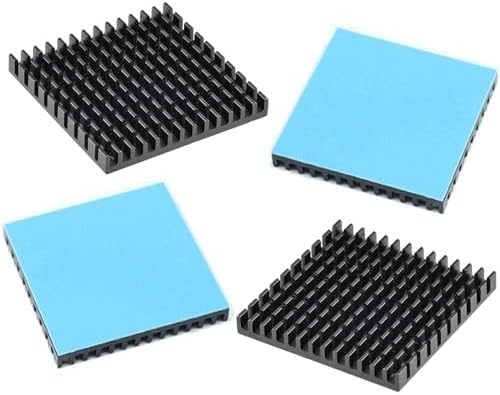
Mini Heatsink
Height: 18 mmLength: 100 mmWidth: 100 mm
-
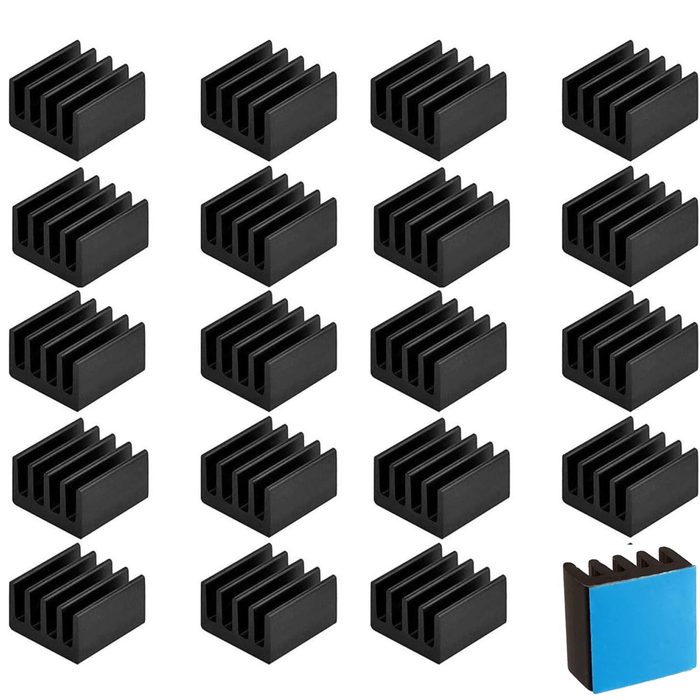
Mini Heatsink Kit with 3M 8810 Thermal Adhesive
Height: 5 mmLength: 9 mmQuantity: 20 pcsWidth: 9 mm
-
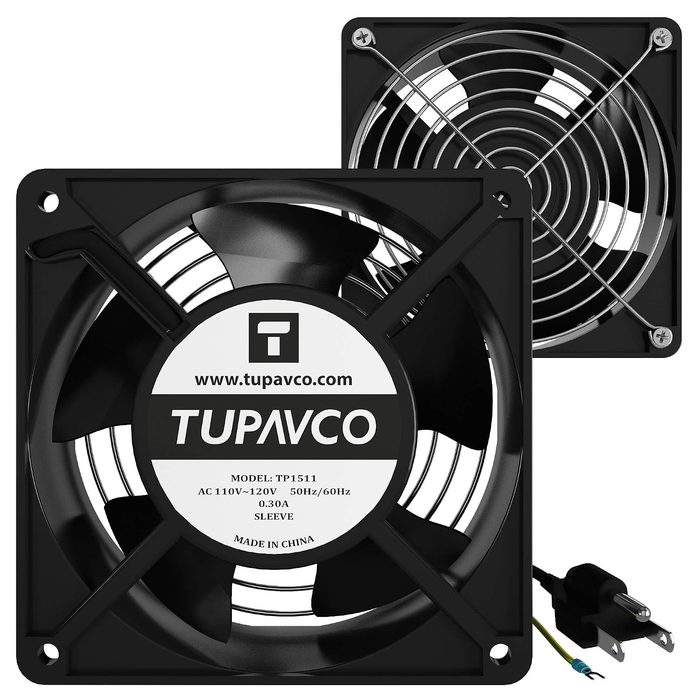
Network Cabinet Fan (2pc Kit) Pair of 120mm 4in Fans 110V AC
Fan Size: 120 mmVoltage: 110V AC
from $38.99Amazon $38.99 -
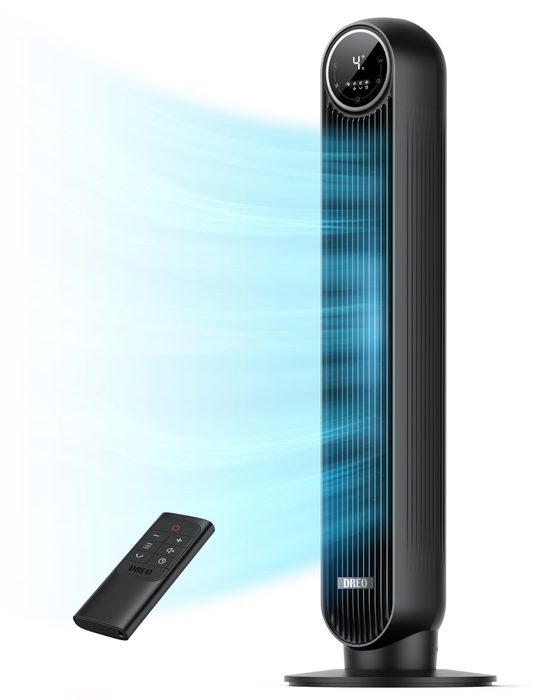
Oscillating Tower Cooling Fan
Oscillation Angle: 60°, 110°Speed Settings: 3
-
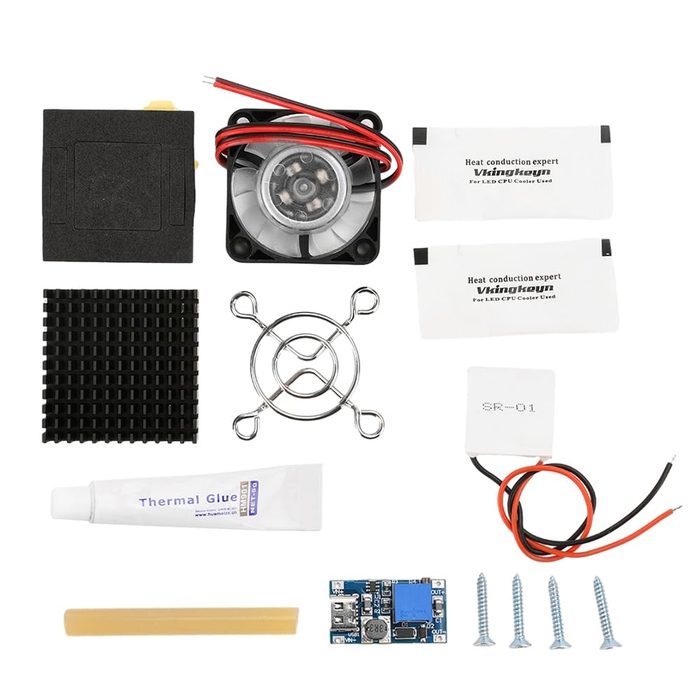
Peltier Cooler
Size: 23x23 mmVoltage: 5-8 V DC
-
-
-
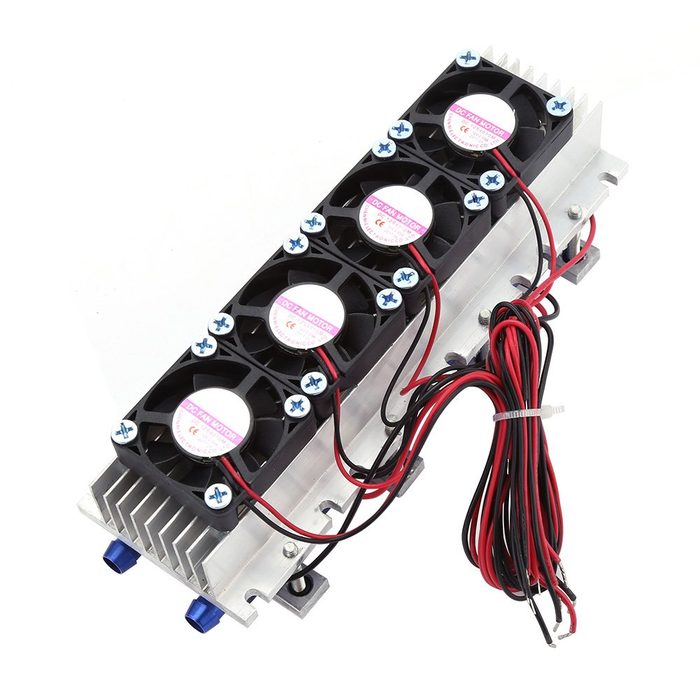
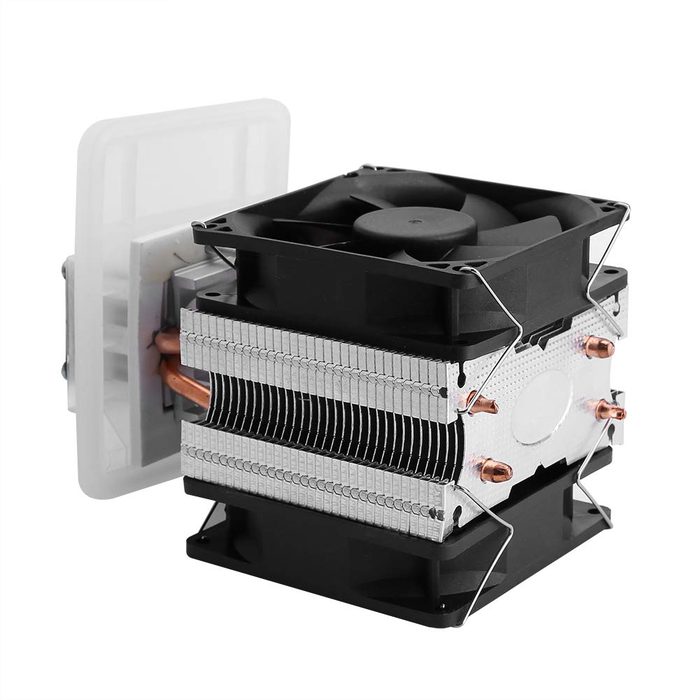
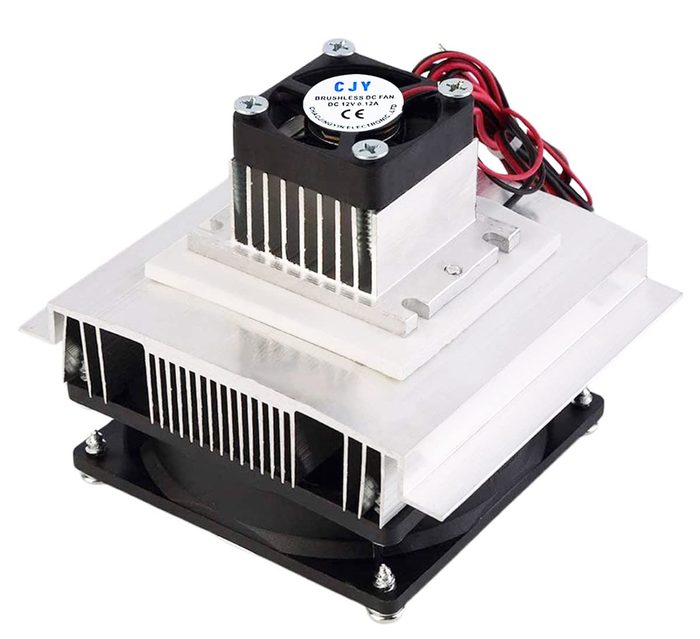
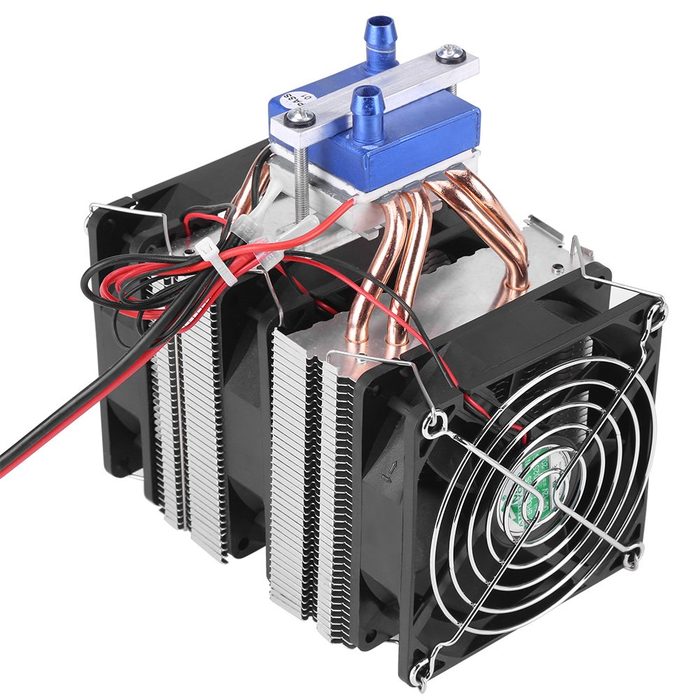
Peltier Module DIY Thermoelectric Cooler Refrigeration Air Cooling Device 4-Chip TEC1-12706 12V 288W Peltier Cooler Semiconductor Water Chiller TEC
Chips: 4Power: 288WVoltage: 12V
from $41.40Amazon $41.40 -
-
-
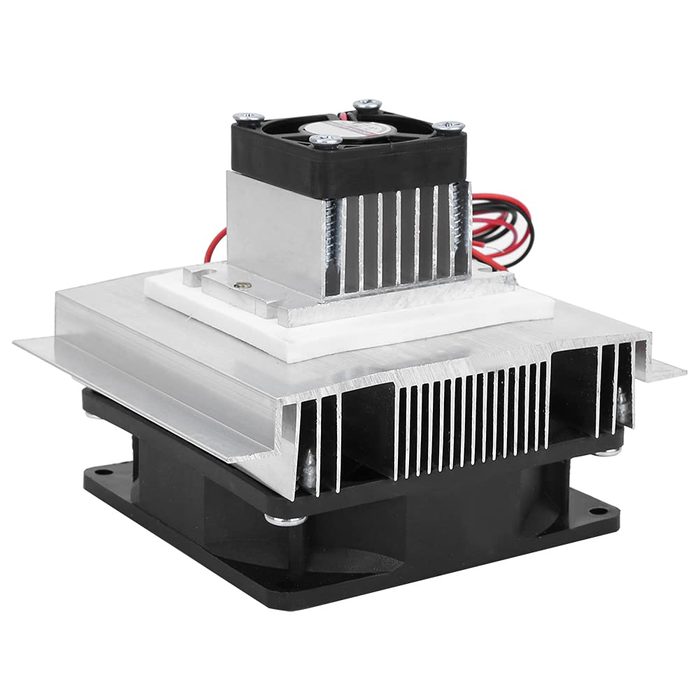
Peltier Thermo-Electric Cooling Module
Current: 6ADimensions: 40 x 40 x 3.8 mmTemperature Difference: 67°CVoltage: 15.4 VWeight: 21.8 g
-
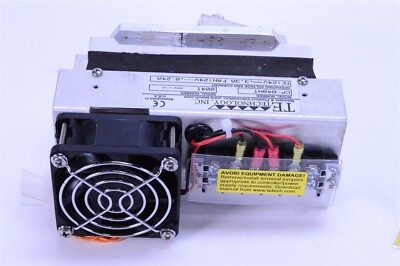
Peltier Thermoelectric Cold Plate Cooler CP-200
Cold Plate Dimensions: 215.9mm x 152.4mmCooling Capacity: 360W
-
-
-
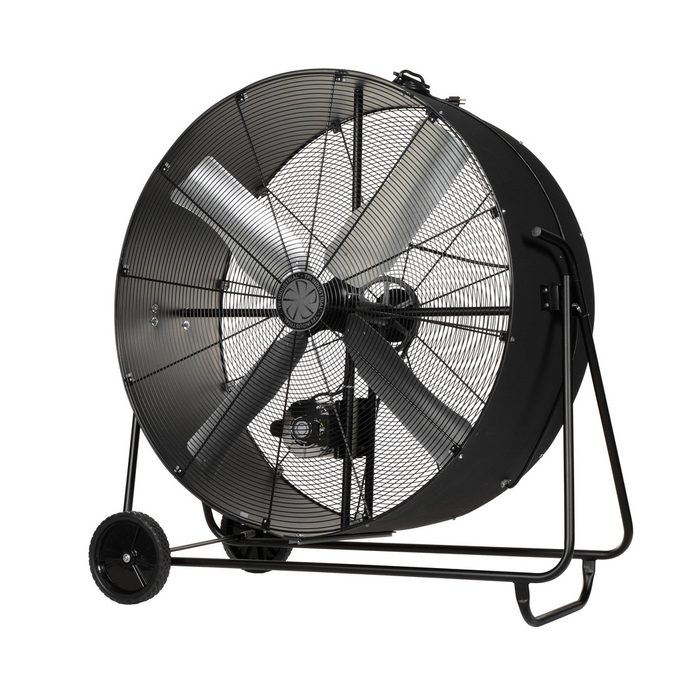
Portable Blower Fan Steel Spiral Wire 48 Inch Blade
Air Flow: 14400 CFMBlade Length: 48 InchOverall Depth: 30.60 inOverall Width: 55 in
-
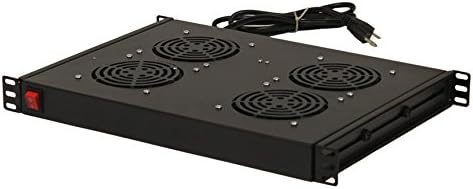
Rack Cabinet Mounted Server 4 Fan Unit Cooling System with 4 Fans 110V Blk 1U
Number of Fans: 4Rack Unit: 1UVoltage: 110V
from $169.99Amazon $169.99 -
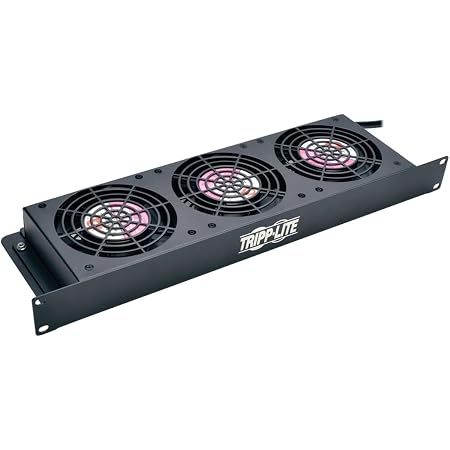
Rack Fan Tray, AC, 3 Fans, 315 CFM
Airflow: 315 CFMHeight: 5.22 inLength: 1.50 inNumber of Fans: 3Width: 18.87 in
-
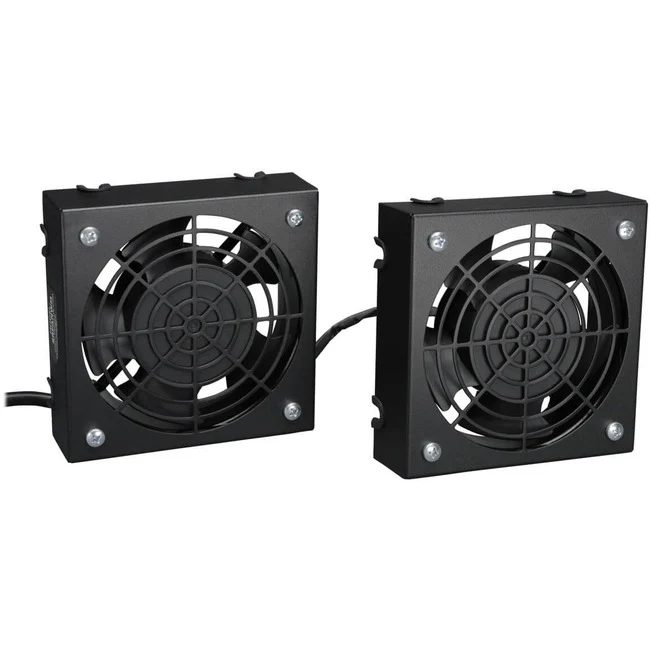
Rack Fan, AC, Square, 210 CFM
Airflow: 210 CFMHeight: 5.20 inLength: 1.61 inShape: SquareWidth: 5.20 in
-
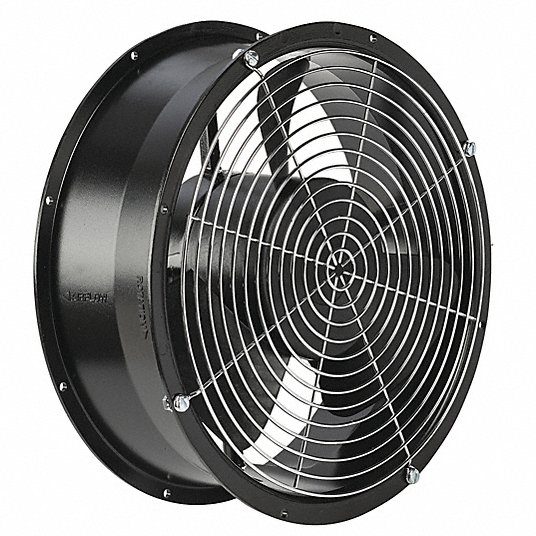
Round Axial Fan
CFM: 240 cfmDepth: 1 1/2 inDiameter: 5 7/8 inVoltage: 115V ACWatts: 36/32 W
-
Round Axial Fan
Depth: 3 1/2 inVoltage: 115V ACWidth: 10"
-
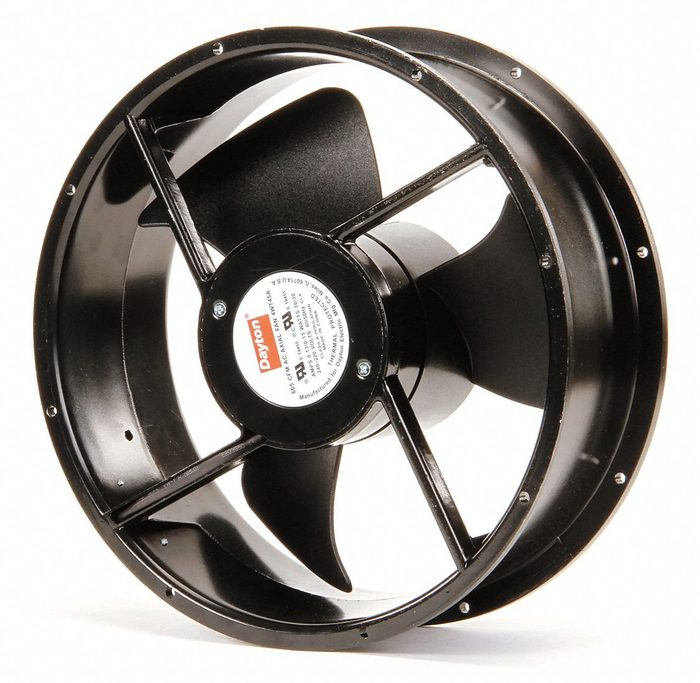
Round Axial Fan, 10" Fan Dia., 230VAC
Fan Diameter: 10 inShape: RoundVoltage: 230V AC
-
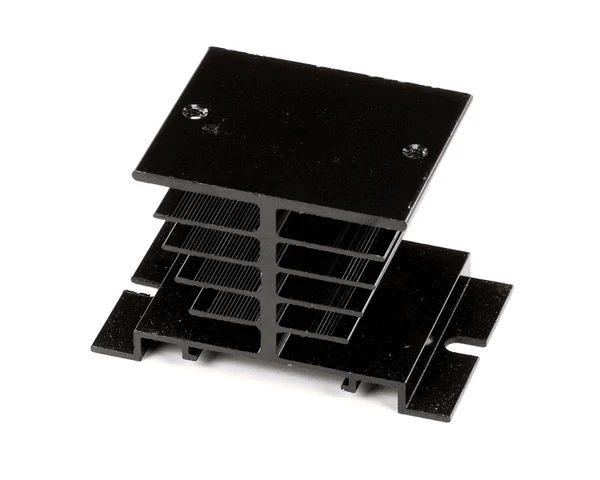
-
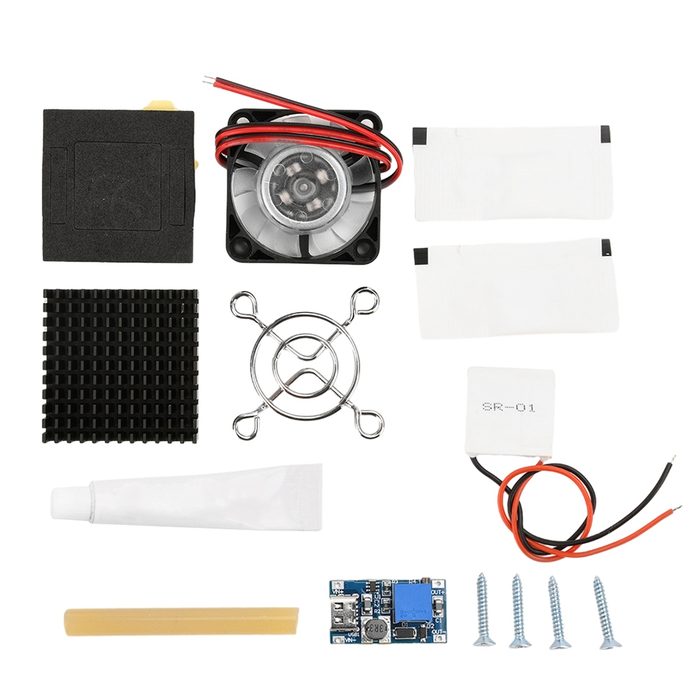
SR-01 Thermoelectric Cooler Peltier Module
Voltage: 5 V
-
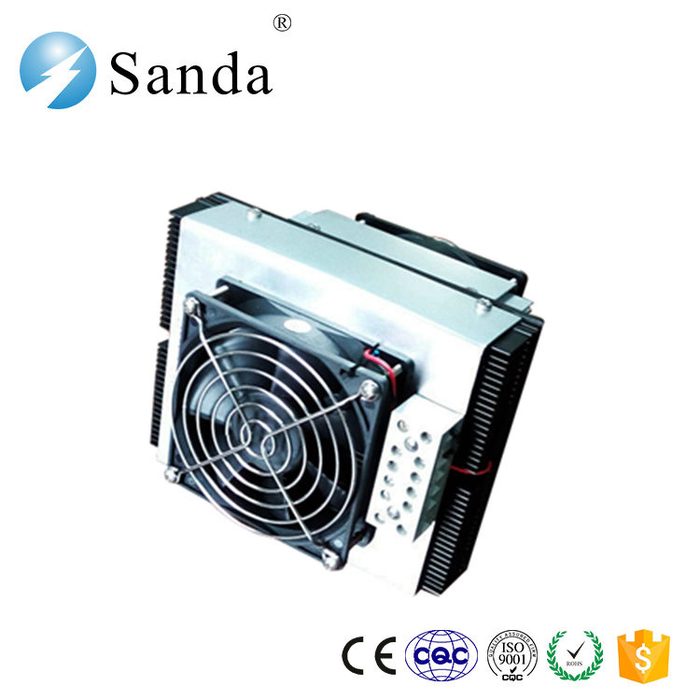
Sealed Peltier Element Thermoelectric Cooler
Cooling Capacity: 40 WVoltage: 24 V
About fans & cooling
Fans and cooling components manage thermal loads in electronic systems and enclosures. This category includes axial fans, which move air parallel to the fan's axis; blowers, which generate higher static pressure and move air centrifugally; filter fans, which integrate a fan with a filtration medium for dust protection; heat sinks, passive devices that dissipate heat through conduction and convection; and thermoelectric coolers (Peltier devices), which create a temperature differential using the Peltier effect. Key selection parameters for fans include airflow (CFM or m³/h), static pressure (in. H₂O or Pa), noise level (dBA), operating voltage (VDC or VAC), and physical dimensions (mm). Heat sinks are characterized by thermal resistance (°C/W), fin geometry, and material, typically aluminum alloys (e.g., 6063-T5) or copper. Thermoelectric coolers are specified by maximum heat pump capacity (Qmax in W), maximum temperature differential (ΔTmax in °C), and current/voltage ratings. Common fan bearing types include sleeve, ball, and fluid dynamic. Materials for fan impellers and housings are often thermoplastics like PBT or ABS, sometimes with flame retardant additives.
How to choose
Selecting fans and cooling components begins with determining the required thermal dissipation. First, define the heat load (W) and the maximum allowable component or enclosure temperature. For fans, establish the necessary airflow (CFM or m³/h) and static pressure (in. H₂O or Pa) to maintain the desired temperature, considering system impedance. Next, consider the available space and mounting constraints to narrow down physical dimensions. Evaluate power requirements (VDC/VAC) and noise limitations (dBA). For heat sinks, calculate the required thermal resistance (°C/W) based on the heat source and ambient conditions, then choose a material and fin geometry that fits the space. For thermoelectric coolers, specify Qmax and ΔTmax based on the application's cooling needs and temperature difference requirements, then match to available power.