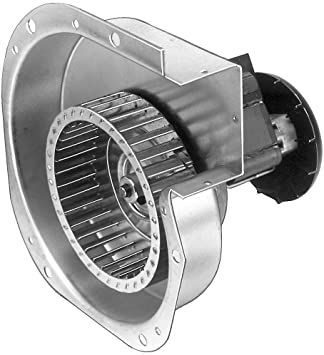
Fans & Cooling
Axial fans, blowers, filter fans, heat sinks and thermoelectric.
Also searched as: axial fanblowerheat sinkcabinet fanpeltier
-
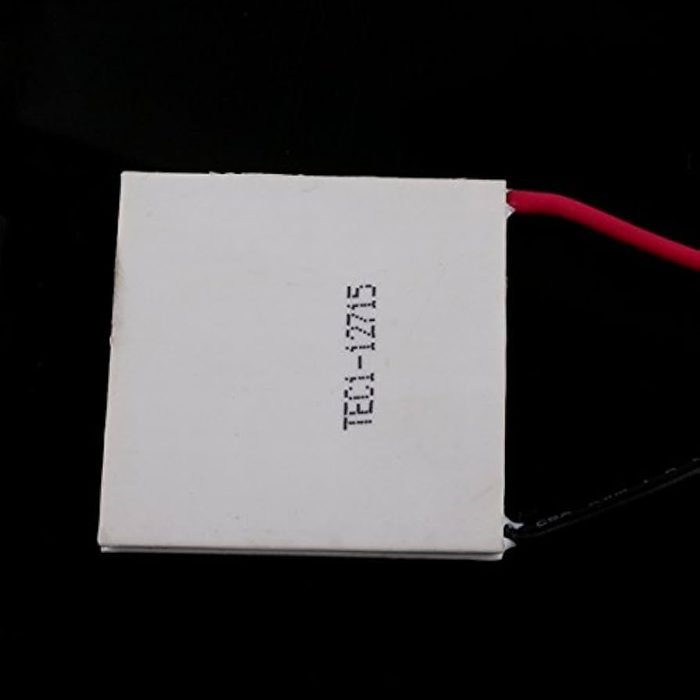
15A High Power 230W TEC1-12715 Peltier Thermoelectric Cooler Module
Current: 15APower: 230W
-
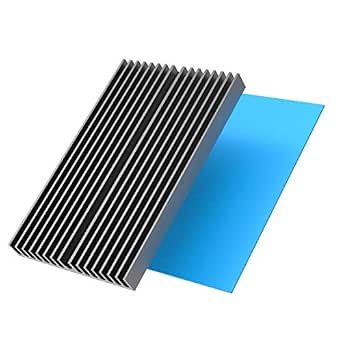
2.5 inch Heat Sink Aluminum
Height: 0.8 inchesLength: 2.5 inchesWidth: 4.85 inches
-
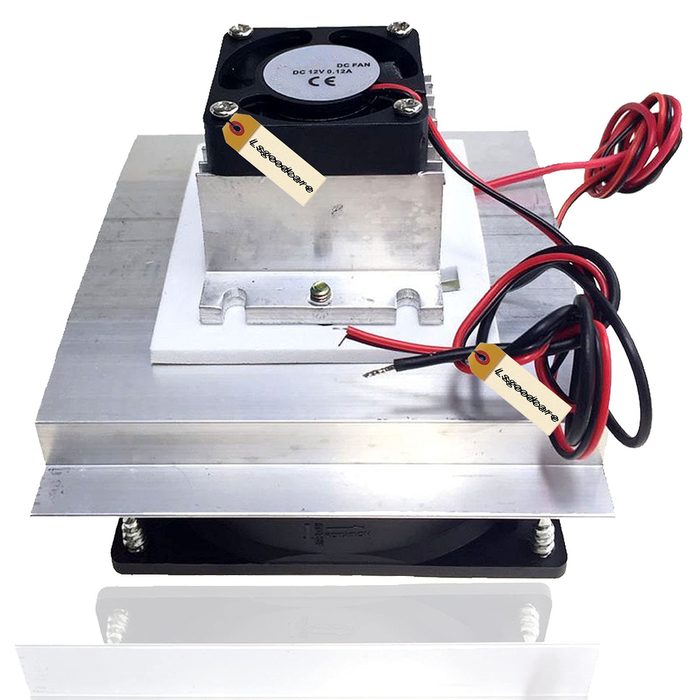
400W Thermoelectric Peltier Cooler 12 VDC - TEC
Power: 400WVoltage: 12 VDC
-
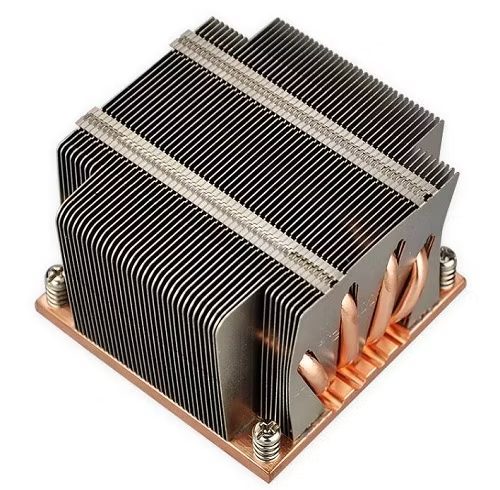
Aluminium Heat Sink Thermal Cooling Fin Radiator CPU
Overall Size: 100*186*12MM
-
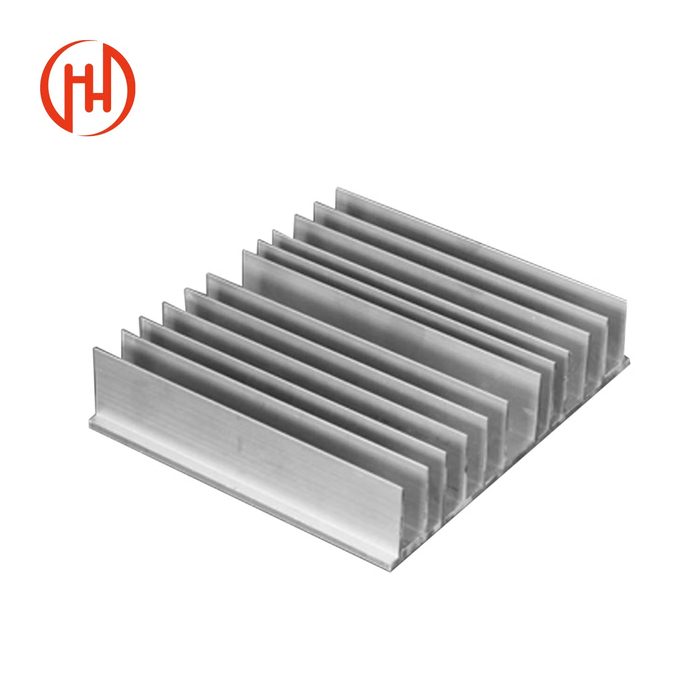
Aluminum Heat Sink, serrated fin
Height: 2 inchLength: 8 inchWeight: 2.7 lbWidth: 6 inch
-
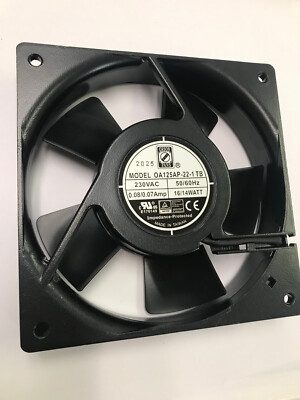
Axial Cooling Fan, 4-3/4" Square x 1" thick, 230 VAC
Dimensions: 4-3/4" x 1"Shape: SquareVoltage: 230 VAC
-
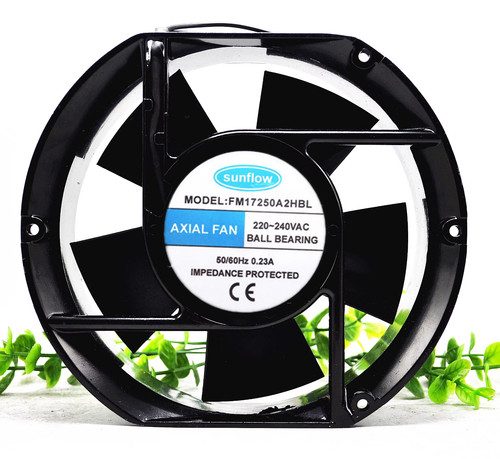
Axial Fan, 220V, 0.23A, 17cm
Current: 0.23ASize: 17cmVoltage: 220V
-
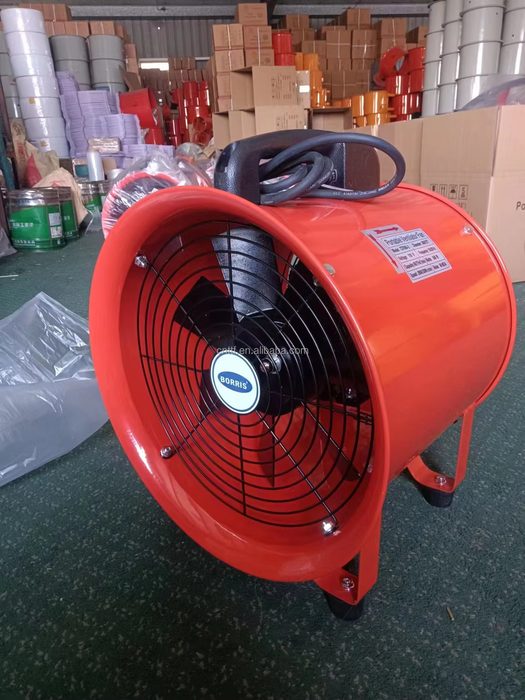
Axial Fan, 300mm (12"), Explosion-proof, 180W
Diameter: 300mmNoise: 62dBPower: 180W
-
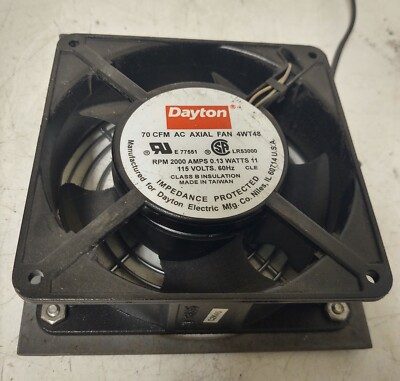
Axial Fan, Square, 4-11/16" H, 70/76 CFM
CFM: 70/76Height: 4-11/16"Shape: Square
-
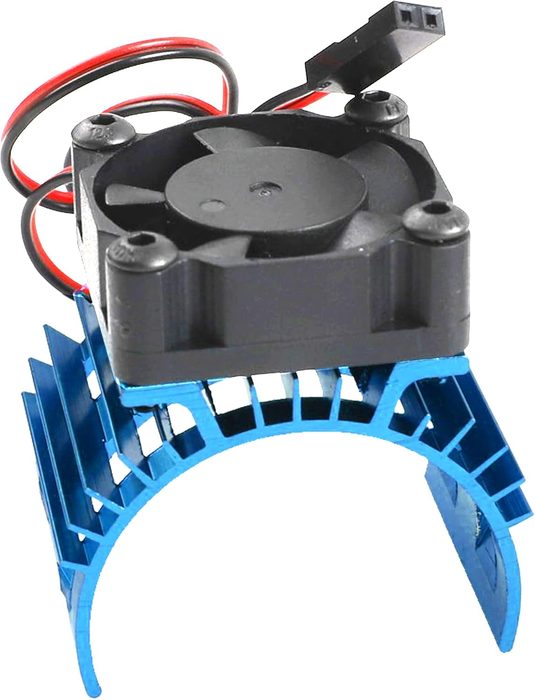
Clip-on Cooling Heat Sink
Height: 1.25HLength: 1.75LWidth: 1.75W
-
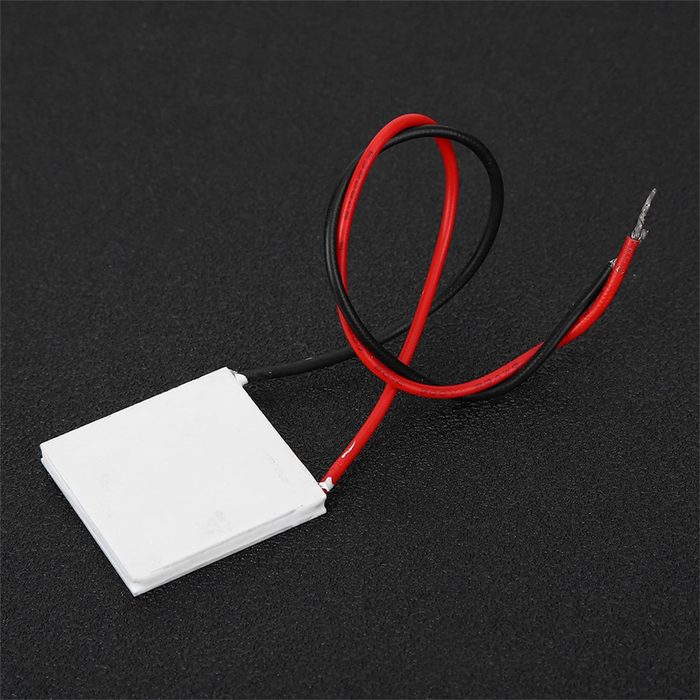
Compact 40mm Thermoelectric Cooler Peltier Module
Module Size: 40mm
-
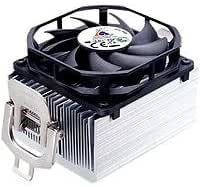
Cooling Fan and Heat Sink
Socket Compatibility: 754, 939, 940, AM2, AM3
-
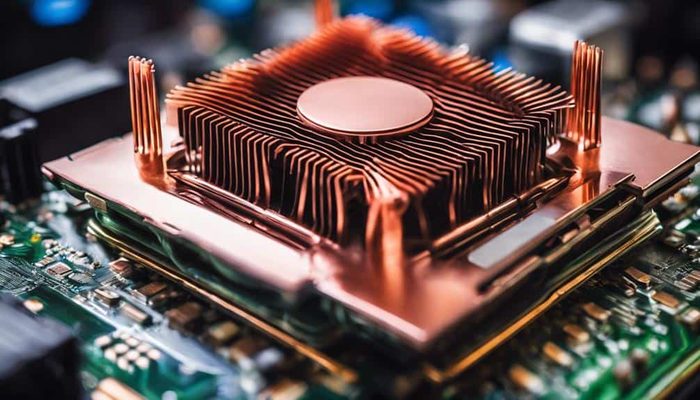
-
Heat Sink
Length: 150mmThickness: 10mmWidth: 74mm
-
-
Heat Sink
Height: 5 mmLength: 8.8 mmWidth: 8.8 mm
-
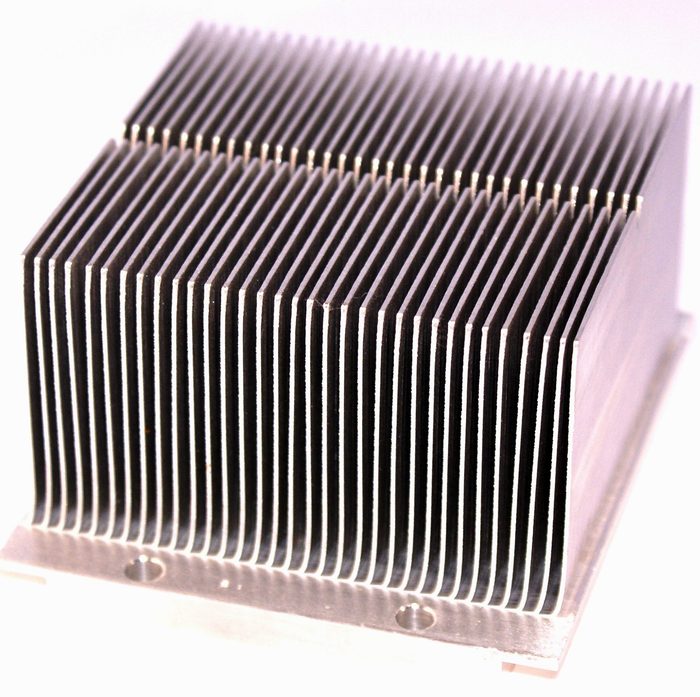
Heat Sink
Height: 9.5MMLength: 30MMWidth: 30MM
-
Heat Sink
Diameter: 2 inchLength: 2.0 inchWidth: 1.5 inch
-
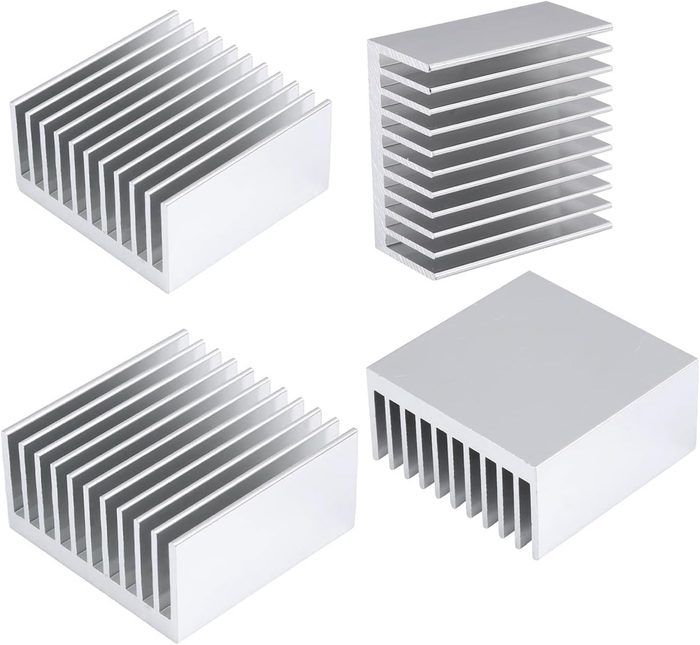
-
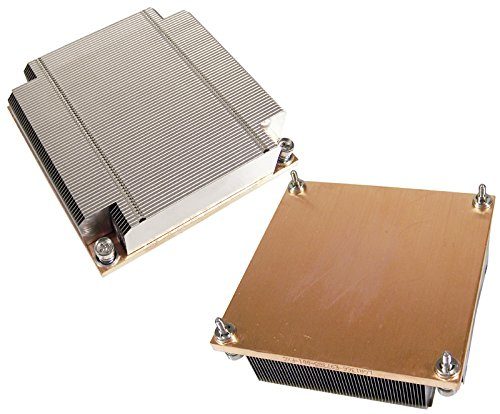
-
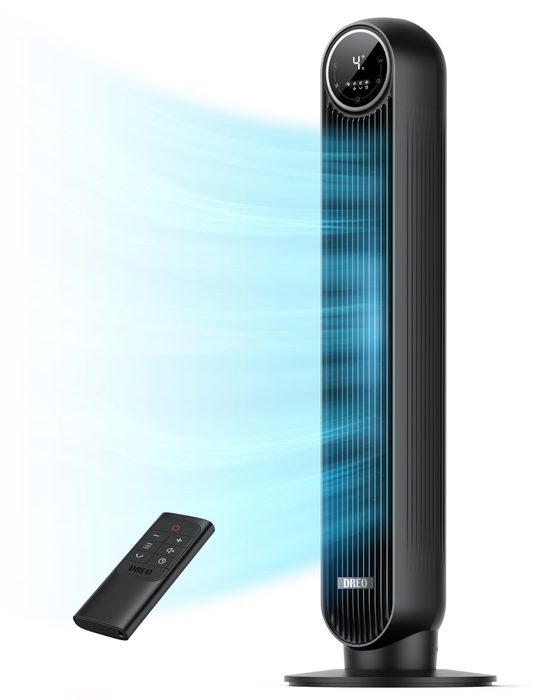
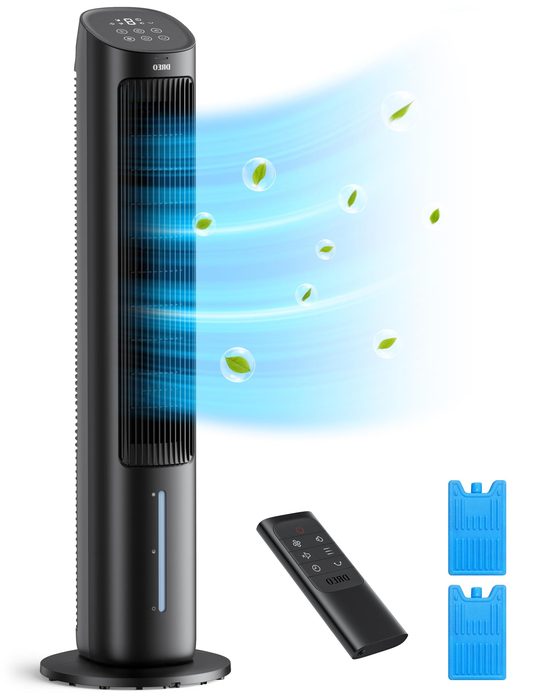
Oscillating Tower Cooling Fan
Oscillation Angle: 60°, 110°Speed Settings: 3
-
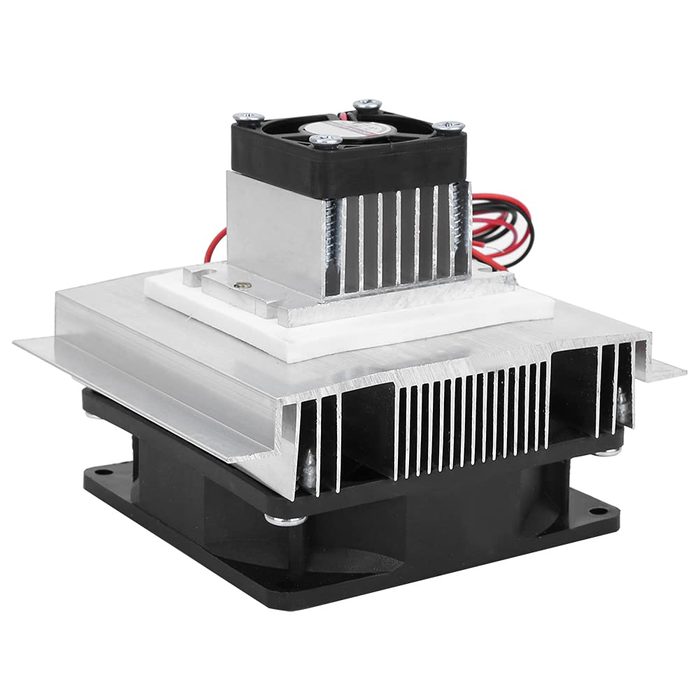
Peltier Thermo-Electric Cooling Module
Current: 6ADimensions: 40 x 40 x 3.8 mmTemperature Difference: 67°CVoltage: 15.4 VWeight: 21.8 g
-
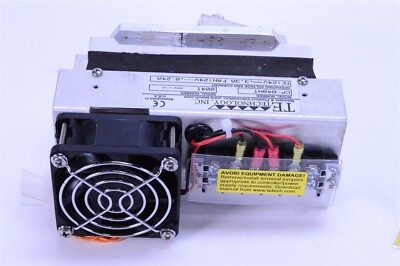
Peltier Thermoelectric Cold Plate Cooler CP-200
Cold Plate Dimensions: 215.9mm x 152.4mmCooling Capacity: 360W
-
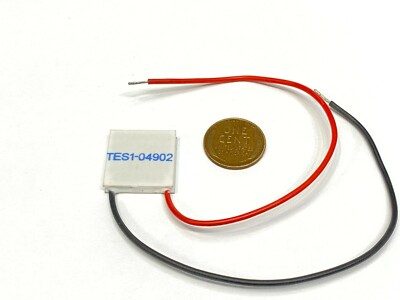
TEC1-04902 Thermoelectric Cooler
Voltage: 3.7V
-
-
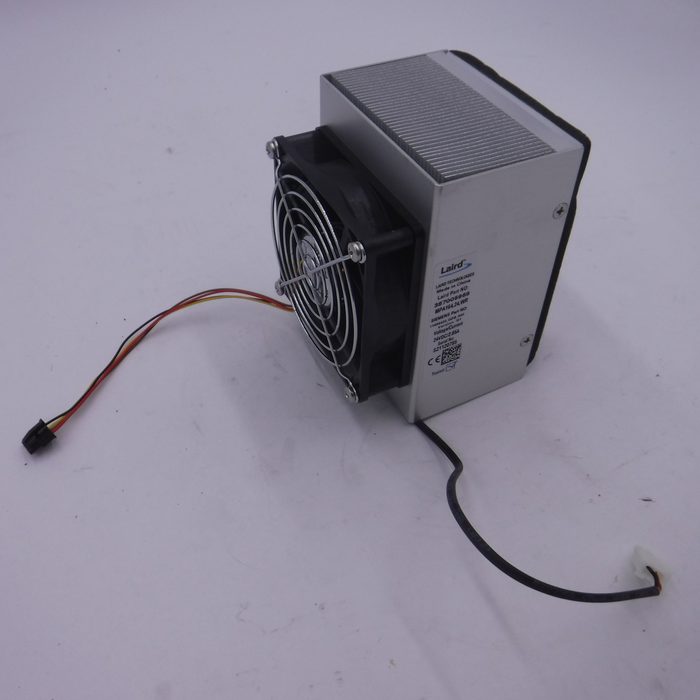
Thermoelectric Peltier Module CP10-63-06-L1-W4.5
Dimensions: 30 x 15 x 3.6 mm
-
Tower Cooling Fan
Airflow: 27ft/s
-
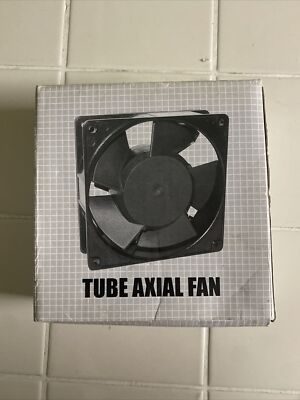
Tube Axial Fan PF-2 Pac Fan, 4.65"
Size: 4.65"
-
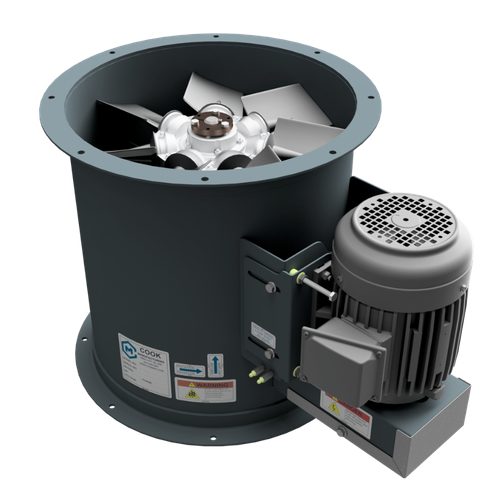
Tube Axial Fan, 18" Dia, 2Hp, 3Ph
Diameter: 18"Horsepower: 2HpPhase: 3Ph
-
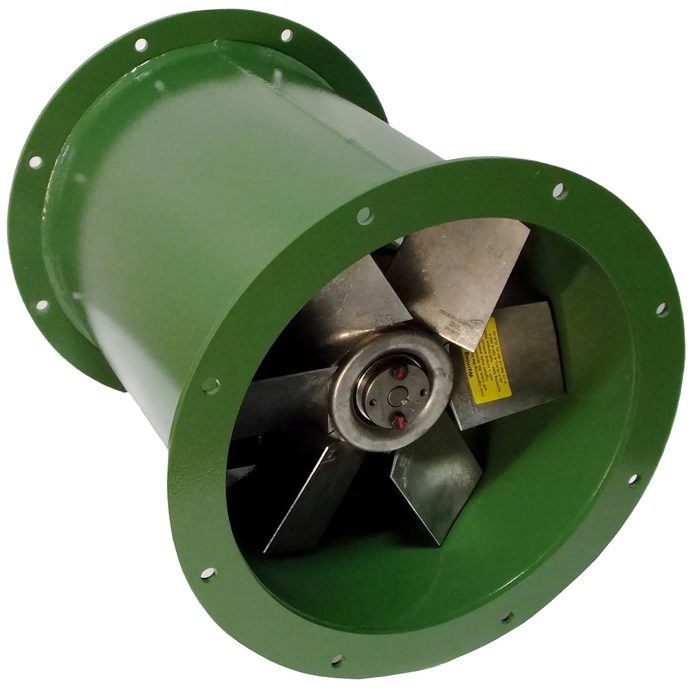
Tube Axial Fan, 24" Dia, 220V
Diameter: 24"Voltage: 220V
-
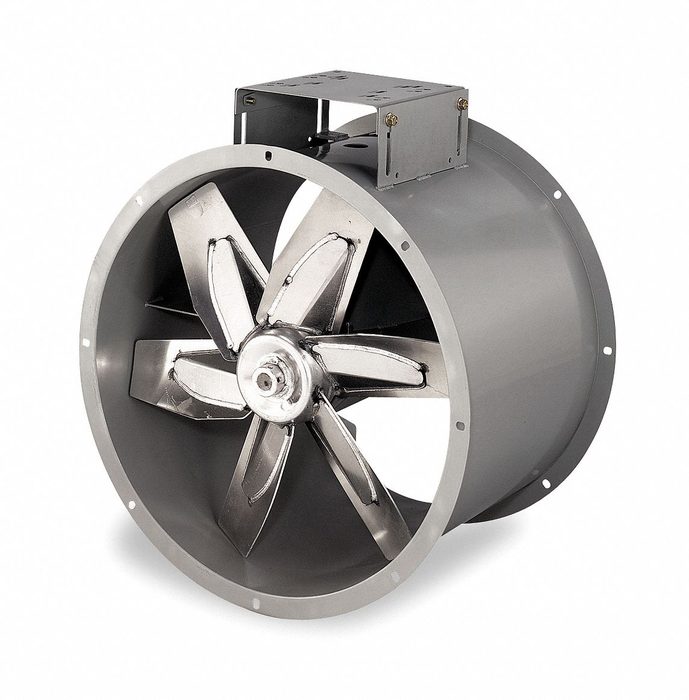
Tube Axial Fan, 42" Dia, 5Hp, 3Ph
Diameter: 42"Horsepower: 5HpPhase: 3Ph
-
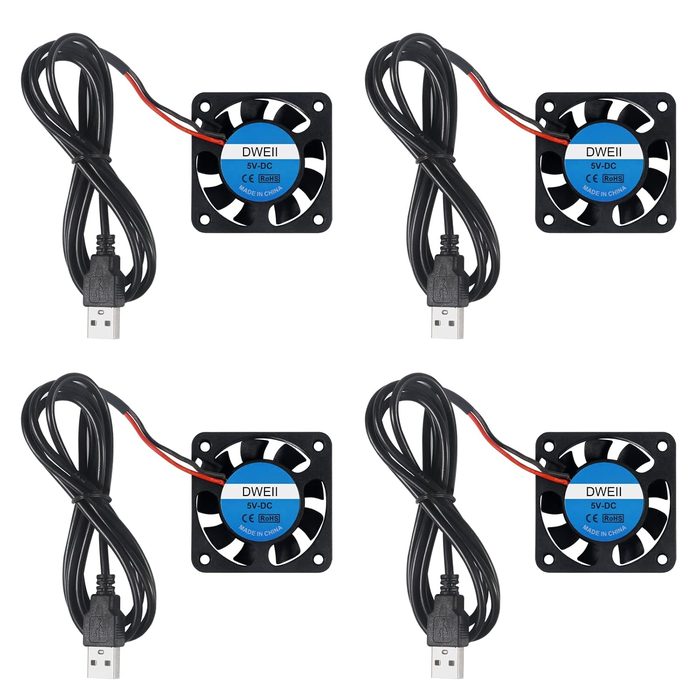
USB Brushless Cooling Fan
Fan Dimensions: 40x40x10mm
About fans & cooling
Fans and cooling components manage thermal loads in electronic systems and enclosures. This category includes axial fans, which move air parallel to the fan's axis; blowers, which generate higher static pressure and move air centrifugally; filter fans, which integrate a fan with a filtration medium for dust protection; heat sinks, passive devices that dissipate heat through conduction and convection; and thermoelectric coolers (Peltier devices), which create a temperature differential using the Peltier effect. Key selection parameters for fans include airflow (CFM or m³/h), static pressure (in. H₂O or Pa), noise level (dBA), operating voltage (VDC or VAC), and physical dimensions (mm). Heat sinks are characterized by thermal resistance (°C/W), fin geometry, and material, typically aluminum alloys (e.g., 6063-T5) or copper. Thermoelectric coolers are specified by maximum heat pump capacity (Qmax in W), maximum temperature differential (ΔTmax in °C), and current/voltage ratings. Common fan bearing types include sleeve, ball, and fluid dynamic. Materials for fan impellers and housings are often thermoplastics like PBT or ABS, sometimes with flame retardant additives.
How to choose
Selecting fans and cooling components begins with determining the required thermal dissipation. First, define the heat load (W) and the maximum allowable component or enclosure temperature. For fans, establish the necessary airflow (CFM or m³/h) and static pressure (in. H₂O or Pa) to maintain the desired temperature, considering system impedance. Next, consider the available space and mounting constraints to narrow down physical dimensions. Evaluate power requirements (VDC/VAC) and noise limitations (dBA). For heat sinks, calculate the required thermal resistance (°C/W) based on the heat source and ambient conditions, then choose a material and fin geometry that fits the space. For thermoelectric coolers, specify Qmax and ΔTmax based on the application's cooling needs and temperature difference requirements, then match to available power.