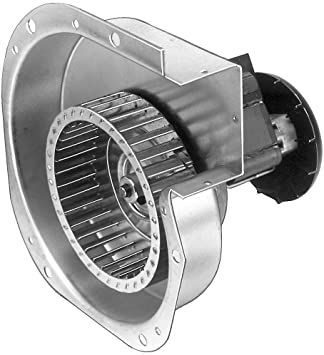
Fans & Cooling
Axial fans, blowers, filter fans, heat sinks and thermoelectric.
Also searched as: axial fanblowerheat sinkcabinet fanpeltier
-
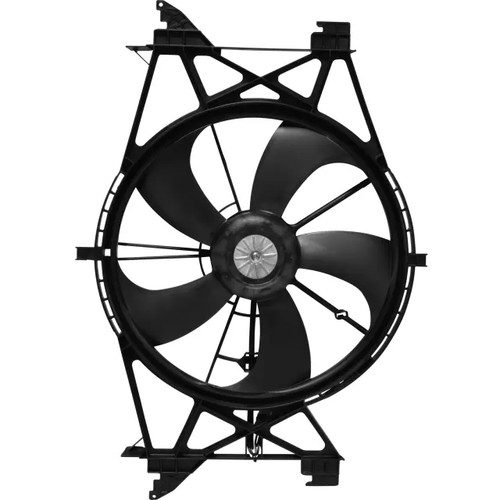
-
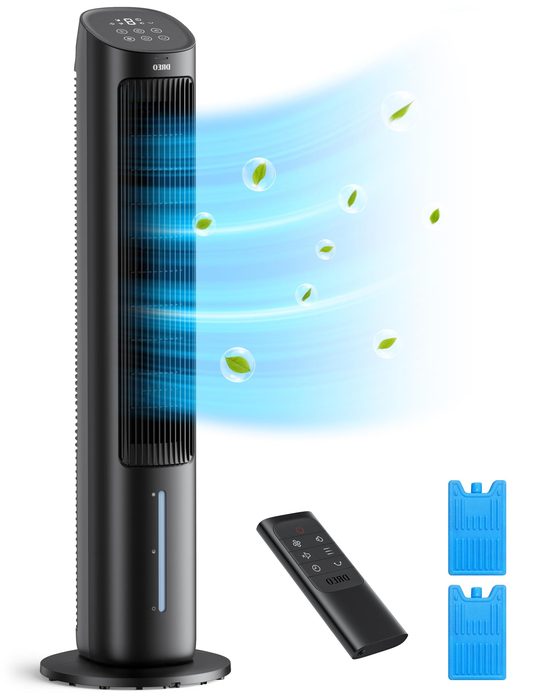
-
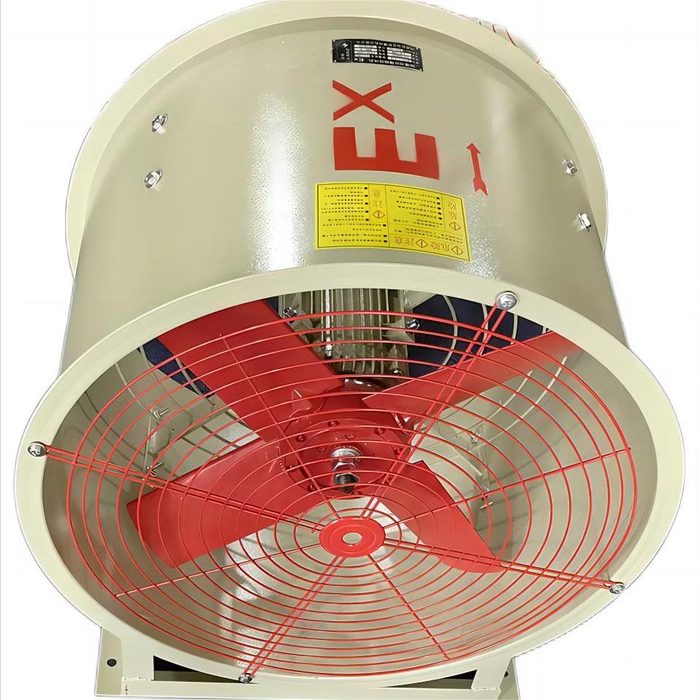
Explosion-Proof Axial Canister Fan
Duct Length: 25 feetFrequency: 60 HzSize: 12"
-
-
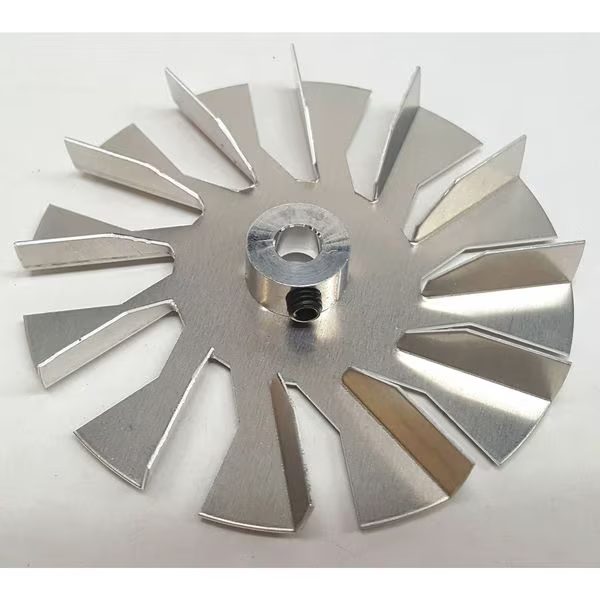
Fan Blade, 3" Heat Sink
Size: 3"
from $17.89Zoro $17.89 -
-
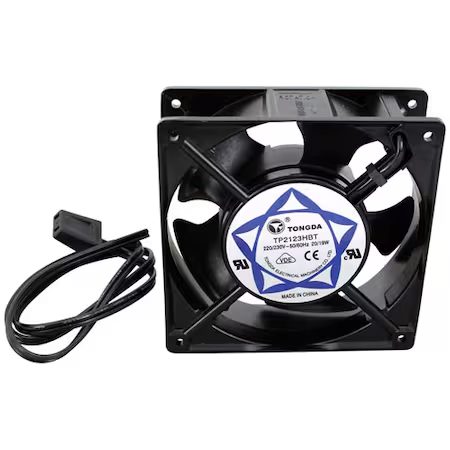
HATCO COOLING AXIAL FAN
Frequency: 50/60HZVoltage: 230 VOLT
-
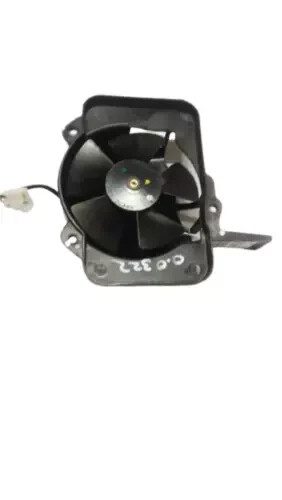
HEAT SINK INSULATION, TOP, BK WARMER
Quantity: 80/BOX
-
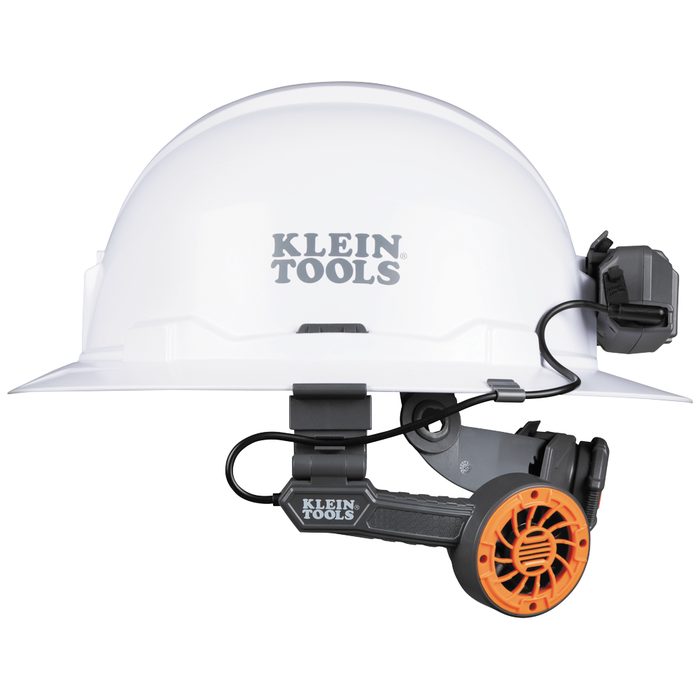
Hard Hat Cooling Fan
Speed: 2 Speed
-
-
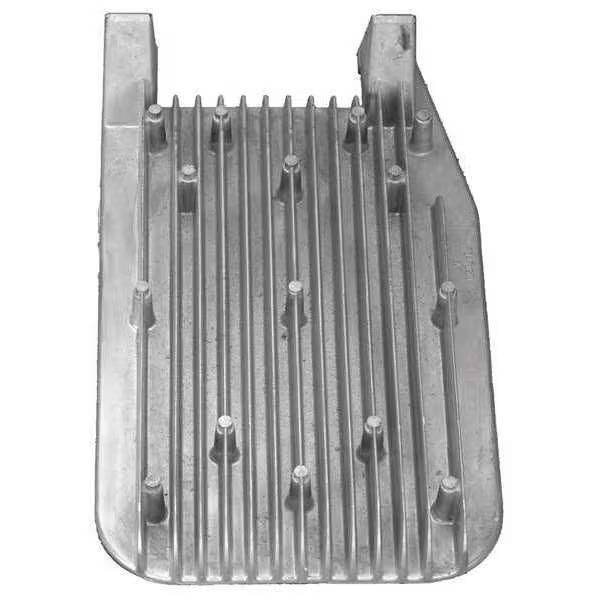 from $100.99Zoro $100.99
 -
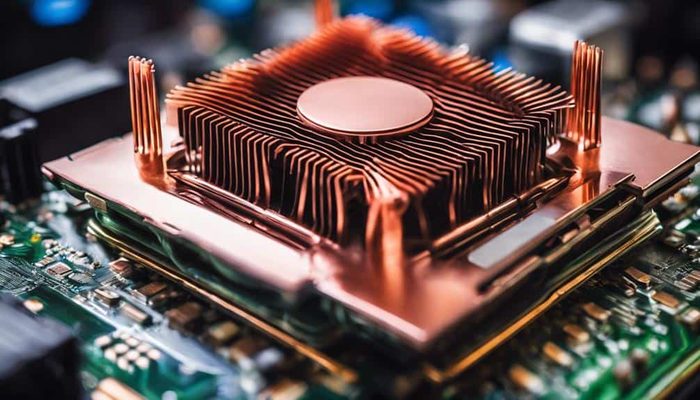
Heat Sink
Length: 150mmThickness: 10mmWidth: 74mm
-
-
Heat Sink
Height: 5 mmLength: 8.8 mmWidth: 8.8 mm
-
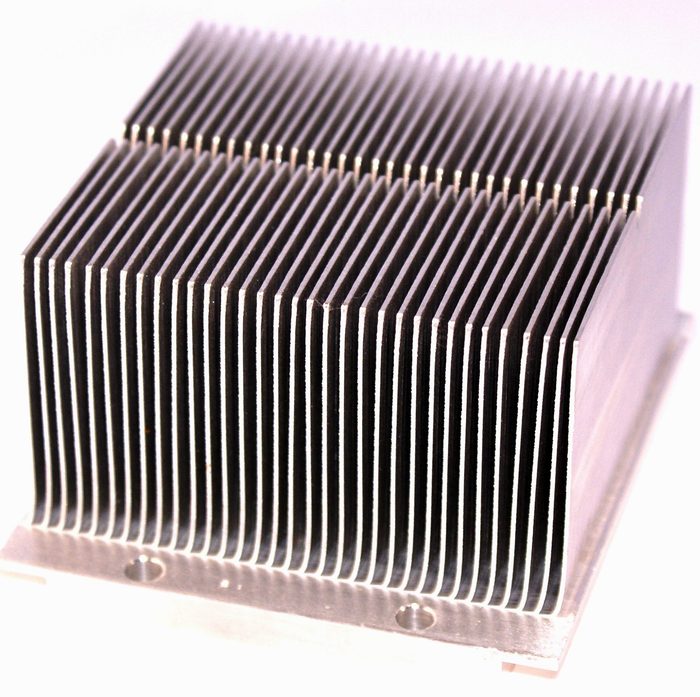
Heat Sink
Height: 9.5MMLength: 30MMWidth: 30MM
-
Heat Sink
Diameter: 2 inchLength: 2.0 inchWidth: 1.5 inch
-
-
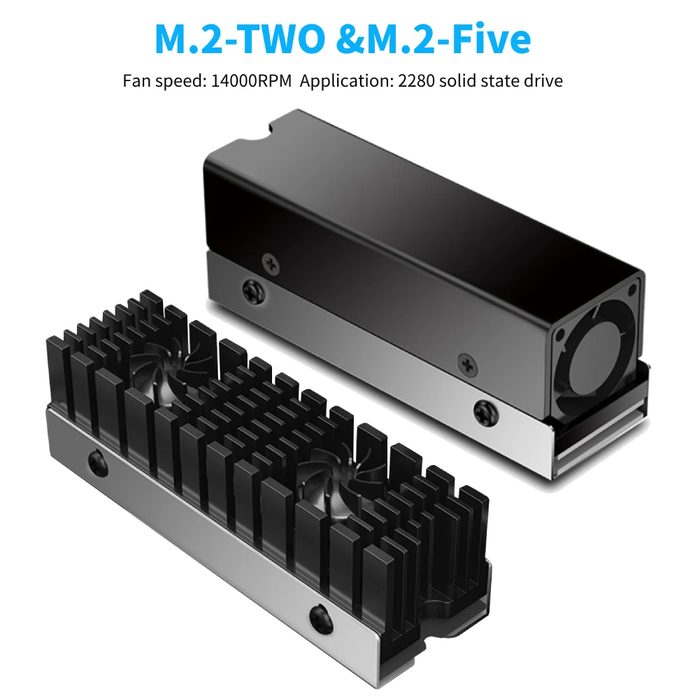
Heat Sink
Inside Diameter: 2 5/16 inNominal Length: 24 inNominal Width: 48 inOutside Diameter: 2 13/16 in
-
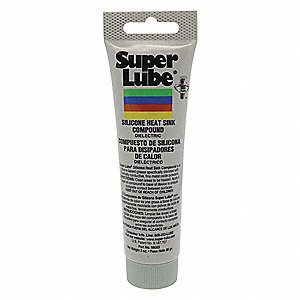
Heat Sink Compound Thermally Conductive
Property: Thermally Conductive
-
Heat Sink Compound Thermally Conductive
Weight: 30lb
-
-
-
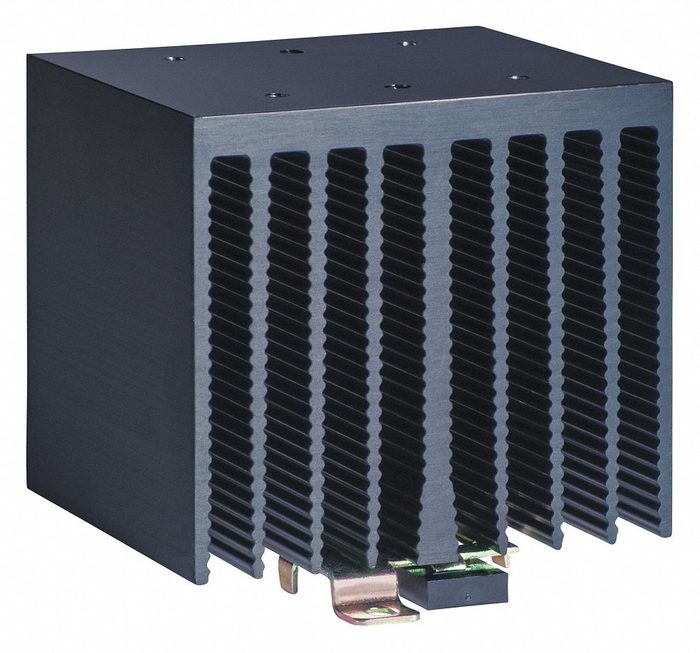
Heat Sink, 1.2 Deg C/W DIN Rail Mount
Fan Connection: YesMounting Style: DIN RailNumber of Mounting Holes: 6Thermal Resistance: 1.2 °C/WWeight: 1.2 lb
-
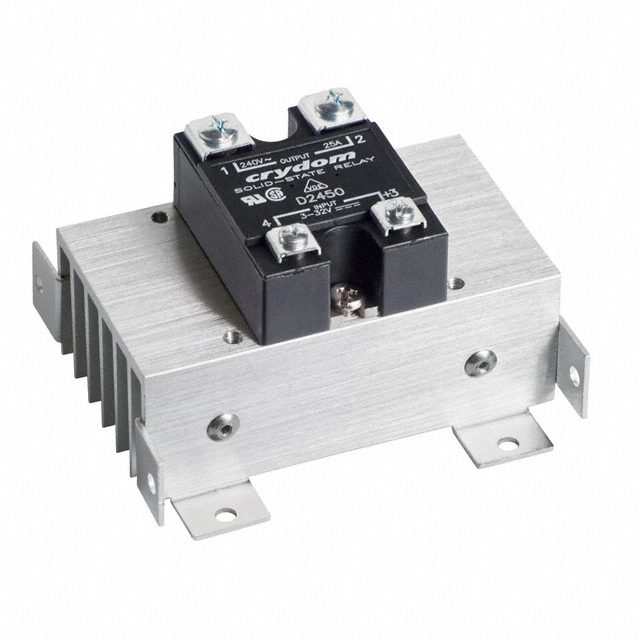
Heat Sink, 1.7 Deg C/W Panel Mount
Fan Connection: NoMounting Style: PanelNumber of Mounting Holes: 6Thermal Resistance: 1.7 °C/W
-
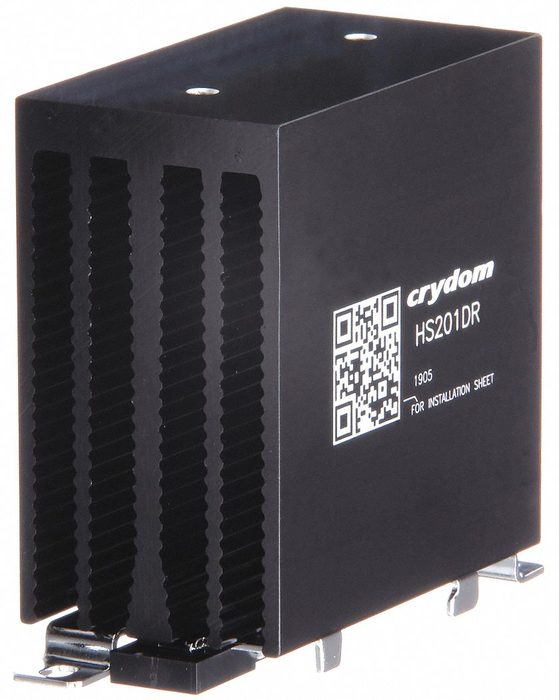
Heat Sink, 2.0 Deg C/W Panel Mount
Mounting Style: PanelThermal Resistance: 2.0 °C/WWeight: 0.71 lb
-
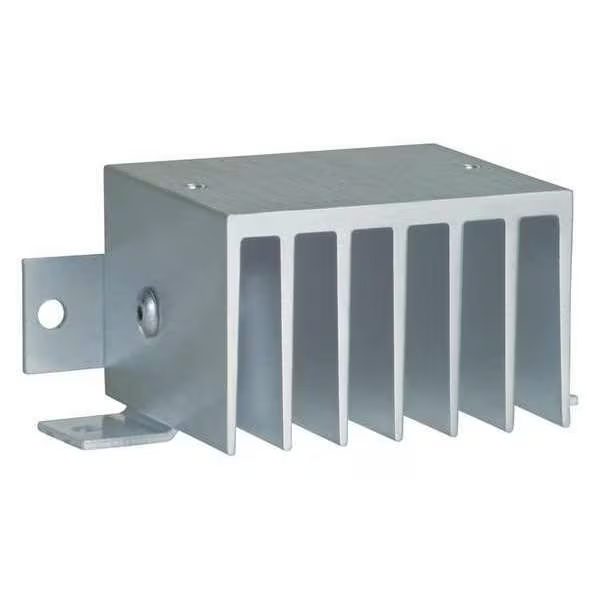
Heat Sink, 2.5 Deg C/W Panel Mount
Thermal Resistance: 2.5 Deg C/W
from $28.19Zoro $28.19 -
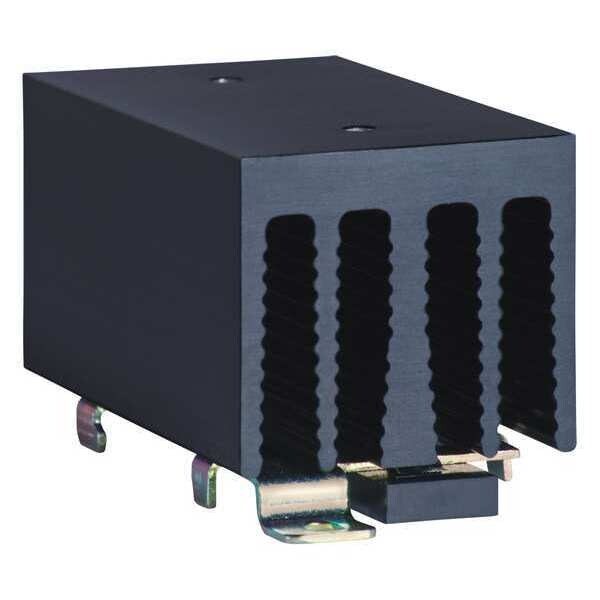
Heat Sink, 3.0 Deg C/W DIN Rail Mount
Depth: 1.57 inHeight: 3.54 inThermal Resistance: 3 Degrees C/WWeight: 0.4 lbWidth: 1.87 in
from $49.15Zoro $49.15 -
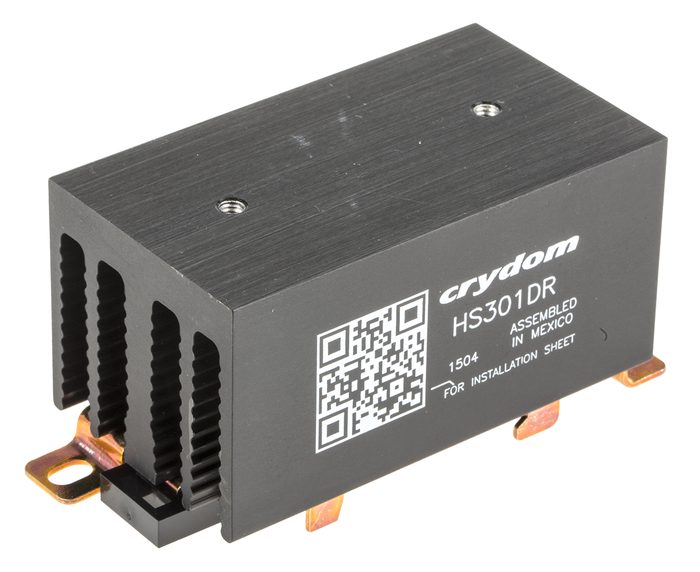
Heat Sink, 3.0 Deg C/W Panel Mount
Fan Connection: YesMounting Style: PanelNumber of Mounting Holes: 2Thermal Resistance: 3.0 °C/W
-
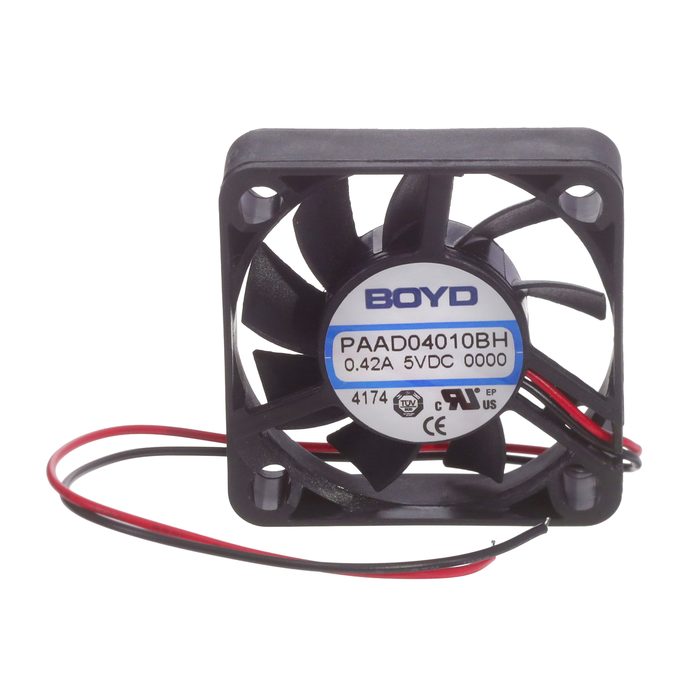
Heat Sink, Extrusion
Height: 1.312 inLength: 8 ftThermal Resistance: 0.90 degC/WWidth: 9.875 in
-
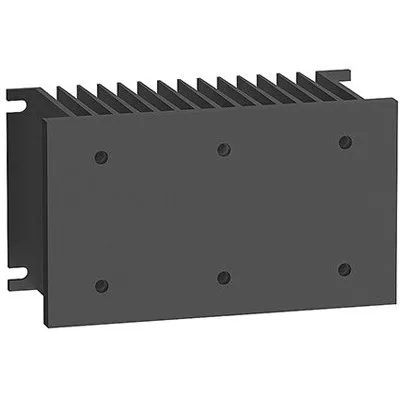
Heat Sink, Panel, 5.2 in W
Mounting Style: panelNumber of Mounting Holes: 6Thermal Resistance: 1 °C/WWidth: 5.2 in
-
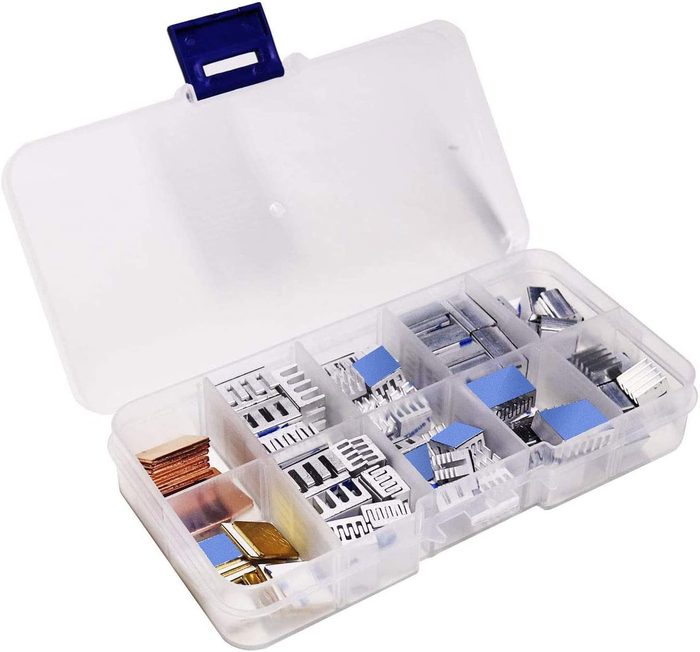
Heatsink Kit with conductive adhesive tape
Quantity: 100 PCSSizes: 8 Different
-
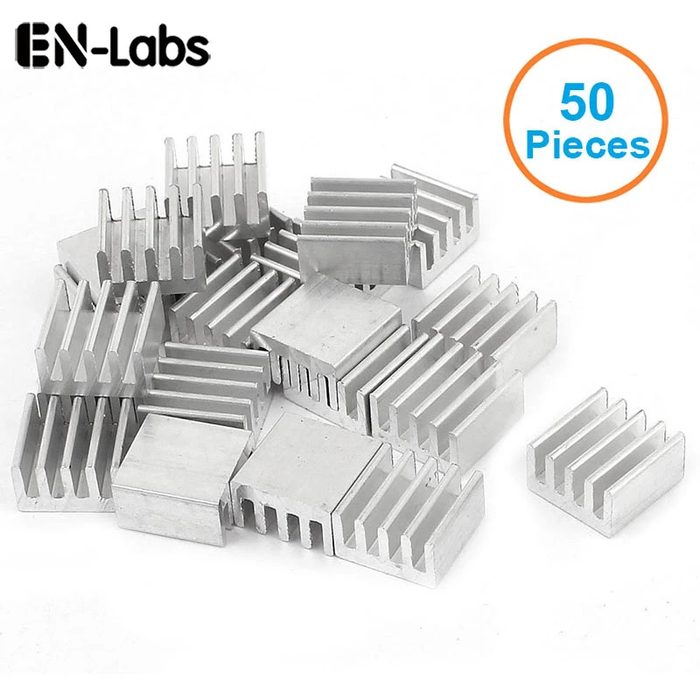
Heatsink Radiator Cooling Fin, 8.8x8.8x5mm
Dimensions: 8.8x8.8x5mm
-
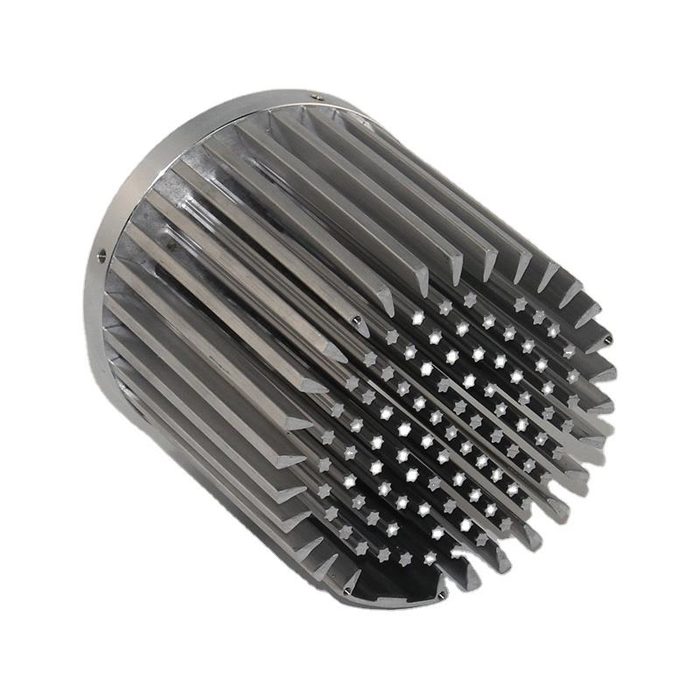
High Power LED Heat Sink
Power Rating: 1W, 3W, 5W
-
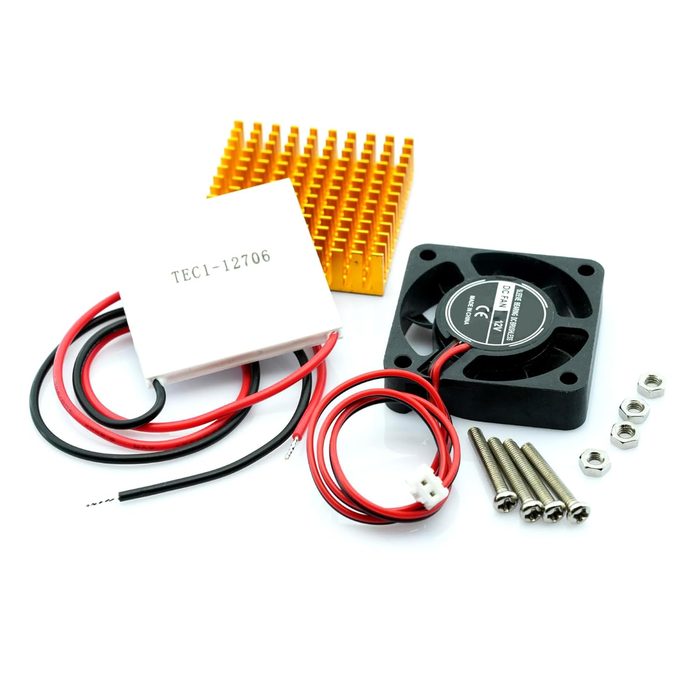
High-temperature Power Peltier Module TEC1-31130
Cooling Power: 648.9 WCurrent: 32.5 AVoltage: 36.7 V
-
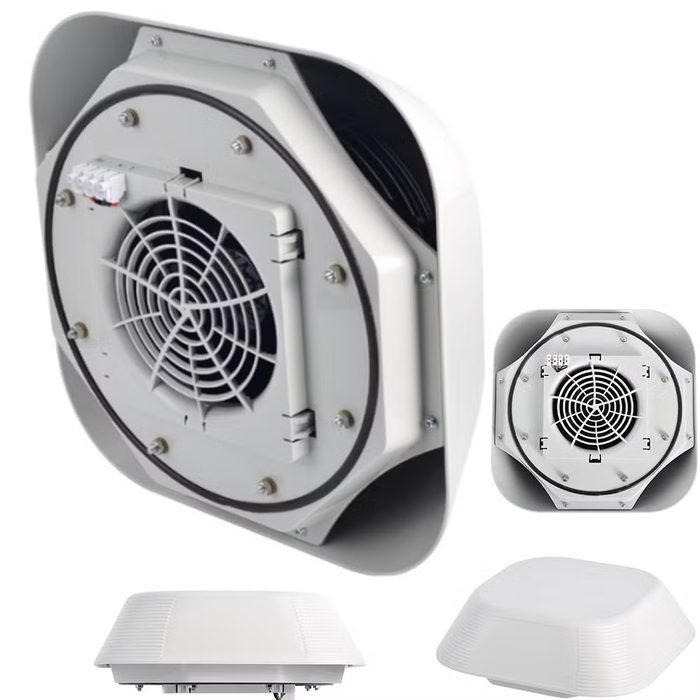
IP55 Top 620-1410m3/h Cabinet Fan
Airflow: 620-1410 m3/hIP Rating: IP55
-
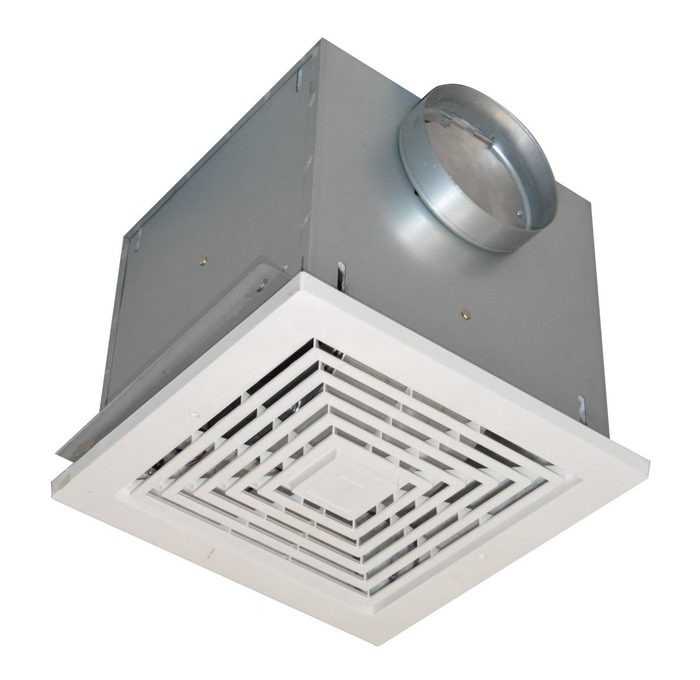
In-Line Cabinet Fan, 12 1/4" D
Depth: 12.25 inWidth: 7.875 in
About fans & cooling
Fans and cooling components manage thermal loads in electronic systems and enclosures. This category includes axial fans, which move air parallel to the fan's axis; blowers, which generate higher static pressure and move air centrifugally; filter fans, which integrate a fan with a filtration medium for dust protection; heat sinks, passive devices that dissipate heat through conduction and convection; and thermoelectric coolers (Peltier devices), which create a temperature differential using the Peltier effect. Key selection parameters for fans include airflow (CFM or m³/h), static pressure (in. H₂O or Pa), noise level (dBA), operating voltage (VDC or VAC), and physical dimensions (mm). Heat sinks are characterized by thermal resistance (°C/W), fin geometry, and material, typically aluminum alloys (e.g., 6063-T5) or copper. Thermoelectric coolers are specified by maximum heat pump capacity (Qmax in W), maximum temperature differential (ΔTmax in °C), and current/voltage ratings. Common fan bearing types include sleeve, ball, and fluid dynamic. Materials for fan impellers and housings are often thermoplastics like PBT or ABS, sometimes with flame retardant additives.
How to choose
Selecting fans and cooling components begins with determining the required thermal dissipation. First, define the heat load (W) and the maximum allowable component or enclosure temperature. For fans, establish the necessary airflow (CFM or m³/h) and static pressure (in. H₂O or Pa) to maintain the desired temperature, considering system impedance. Next, consider the available space and mounting constraints to narrow down physical dimensions. Evaluate power requirements (VDC/VAC) and noise limitations (dBA). For heat sinks, calculate the required thermal resistance (°C/W) based on the heat source and ambient conditions, then choose a material and fin geometry that fits the space. For thermoelectric coolers, specify Qmax and ΔTmax based on the application's cooling needs and temperature difference requirements, then match to available power.