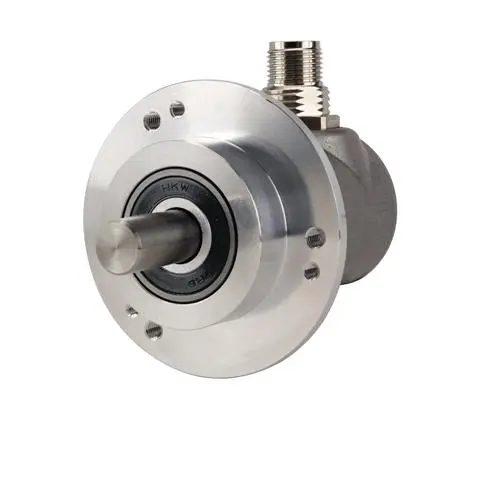
Encoders & Feedback
Incremental, absolute, rotary and linear encoders plus resolvers.
Also searched as: rotary encoderabsolute encoderlinear encoderresolverquadrature
-
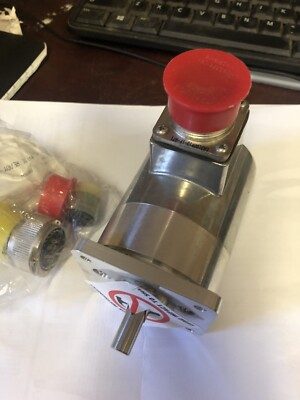
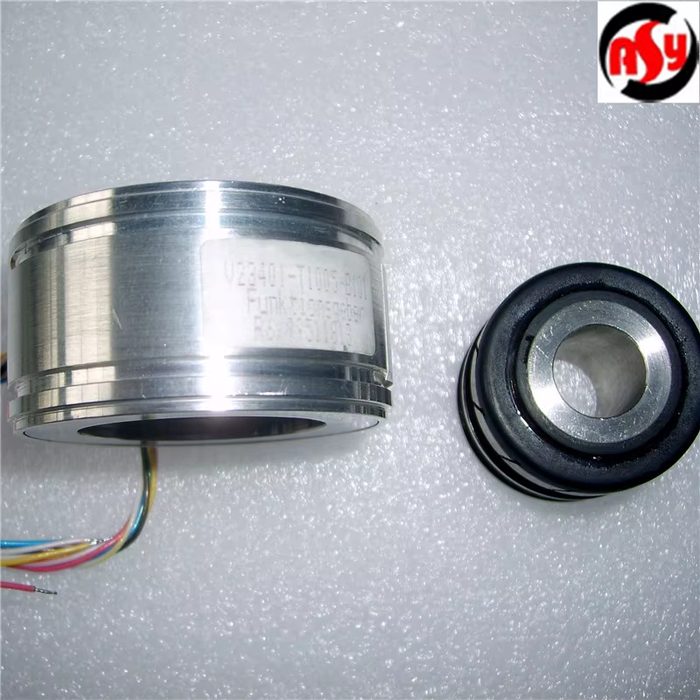
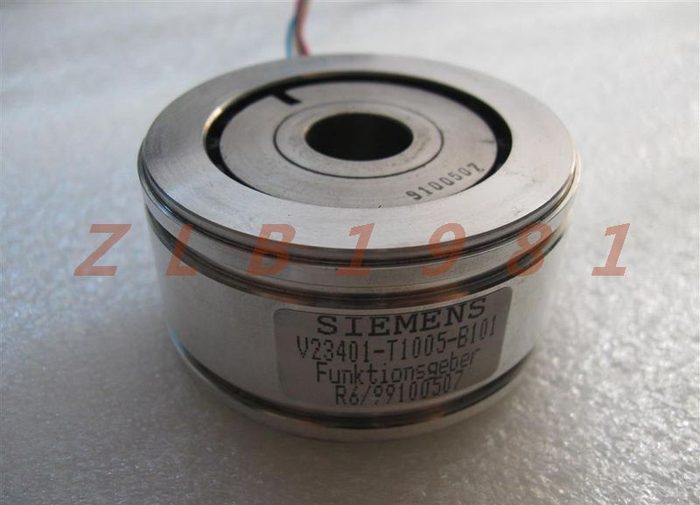
INDUSTRIAL RESOLVER ROTARY ENCODER, 9MM
Shaft Diameter: 9 mm
-
-
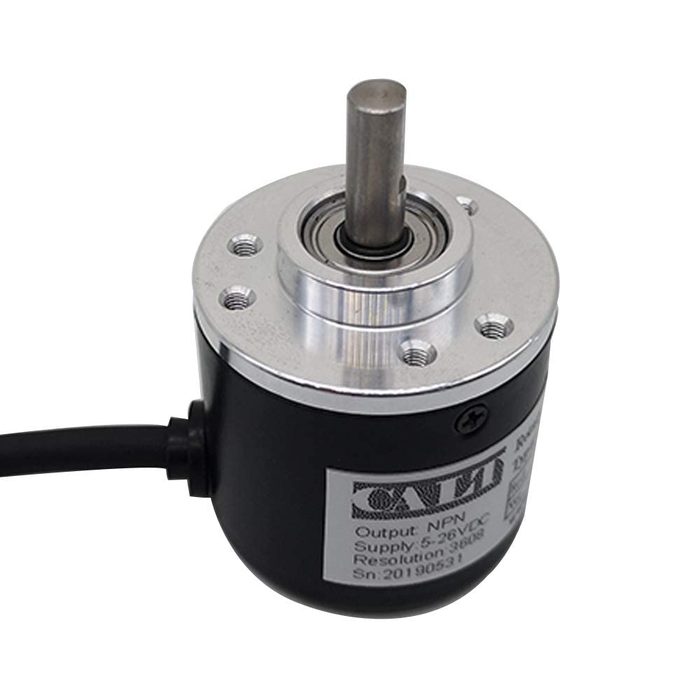
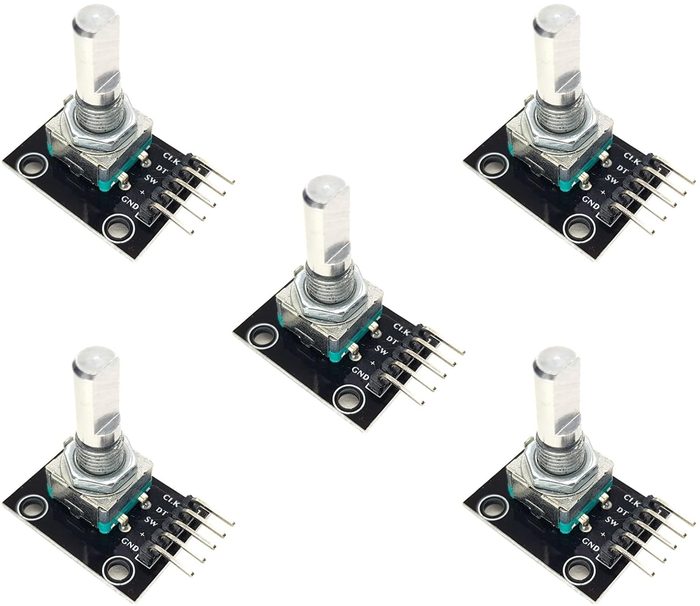
Incremental Rotary Encoder
Output: PNPPhase: AB 90°Pulses per revolution: 100Shaft Diameter: 6 mmShaft Type: Solid
-
-
-
-
-
-
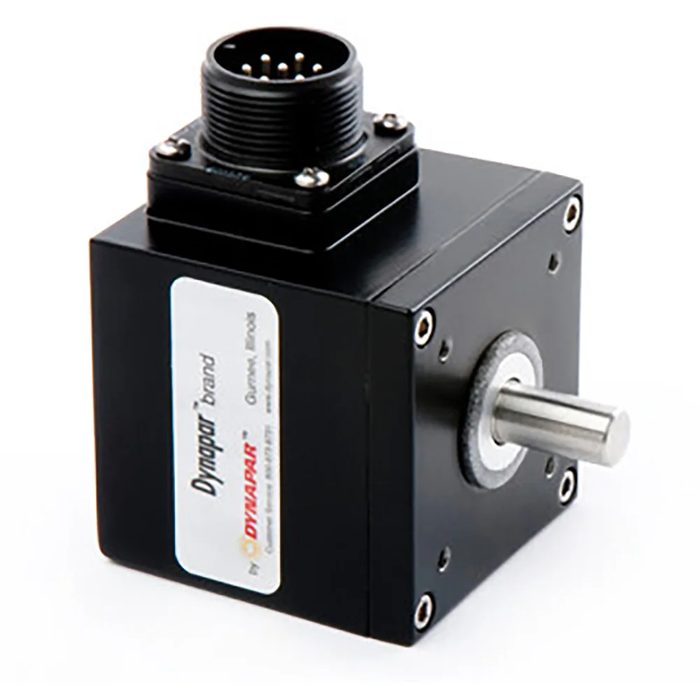
3/8in Rotary Encoder
Shaft Diameter: 3/8 in
-
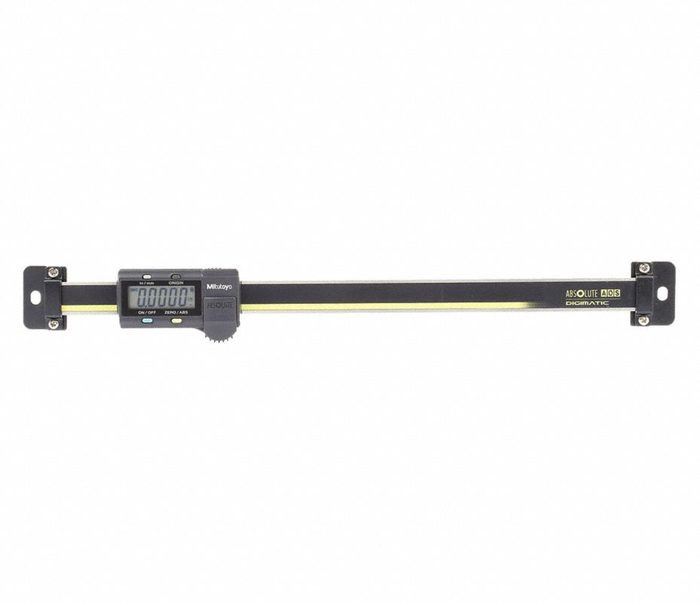
Digital Scale Unit, 8 In, Horizontal
Measurement Range: 8 in
-
-
-
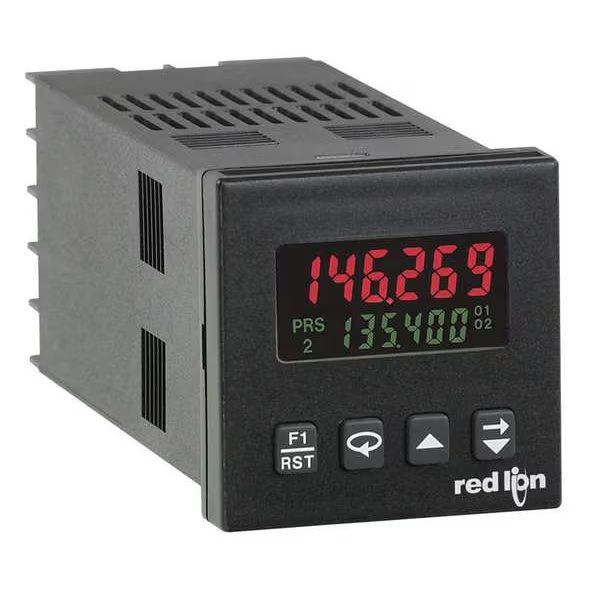
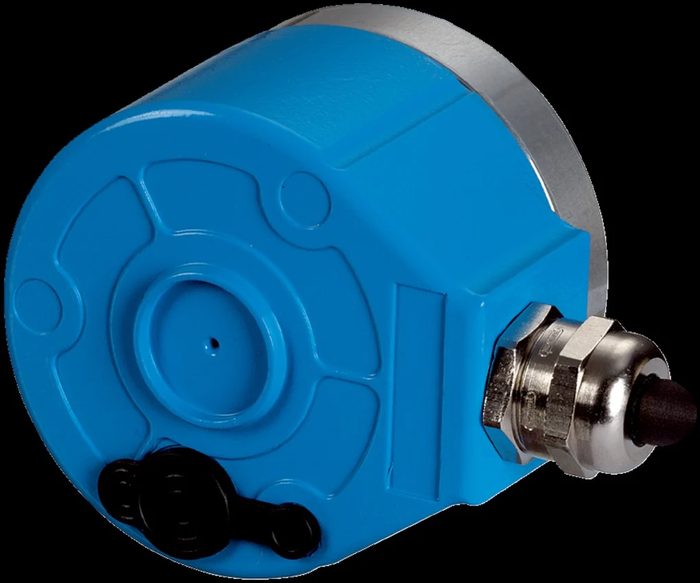
Encoder
Input Voltage: 4.75 to 24V DC; 4.75 to 28V DCMax Current: 250 mAMax Speed: 6000 RPMShaft Diameter: 3/8 in
-
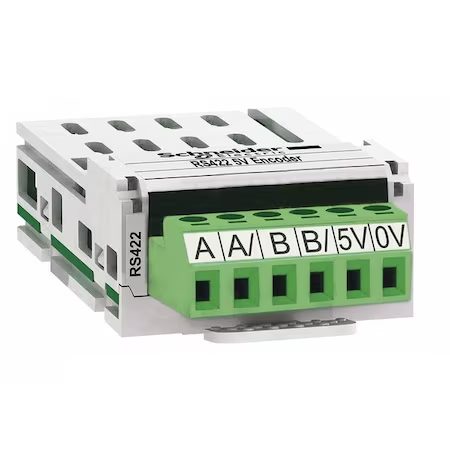
Encoder Interface Module, Speed Feedback
Type: Speed Feedback
-
-
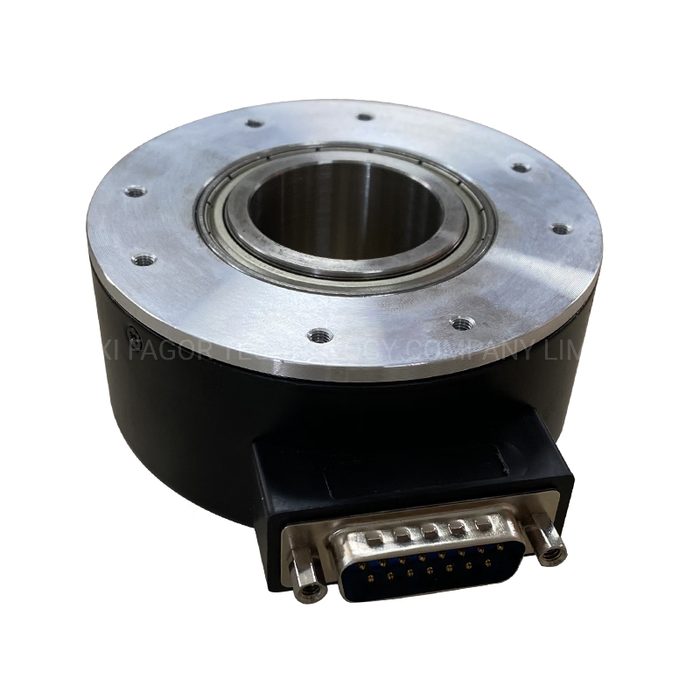
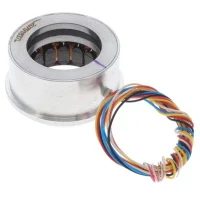
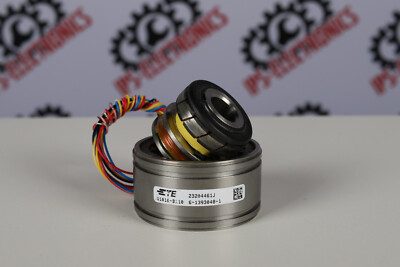
Hollow Shaft Encoder
Cable Length: 250 mmDiameter: 12 mmMax Speed: 5000 RPMOverall Diameter: 40 mmPulses Per Revolution: 60
-
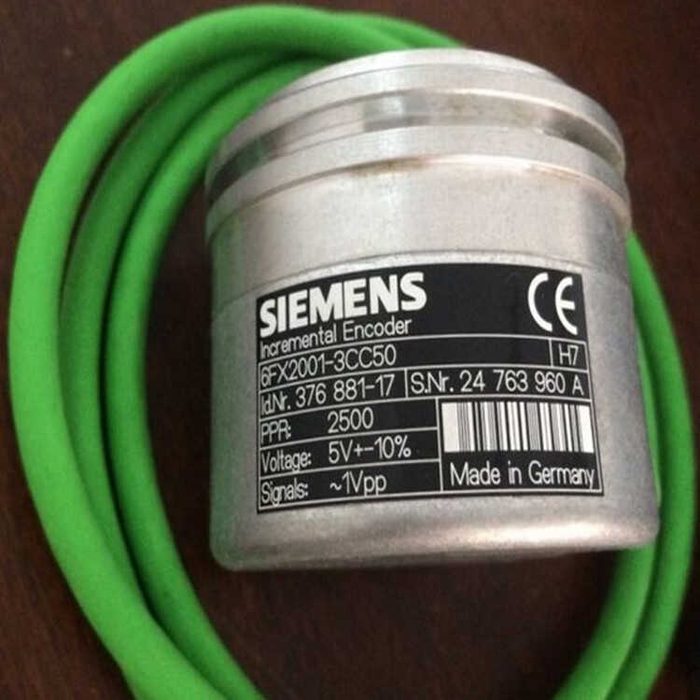
Incremental Encoder with 1-V-Sinus
Operating Voltage: 5 VPulses Per Revolution: 1024Shaft Diameter: 6 mm
-
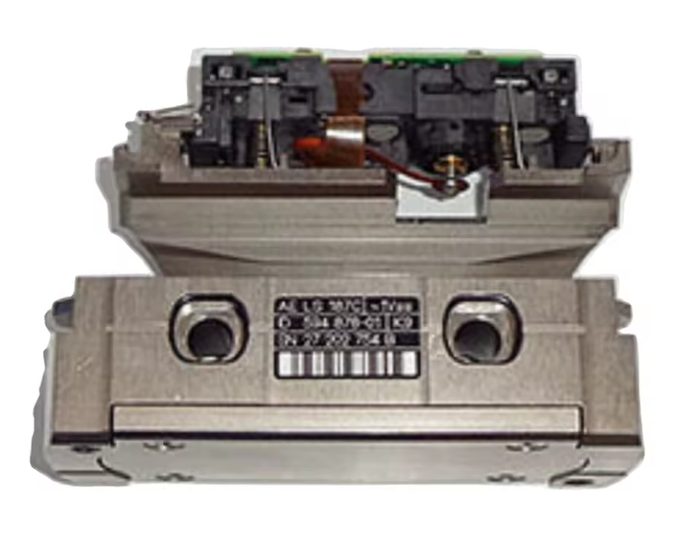
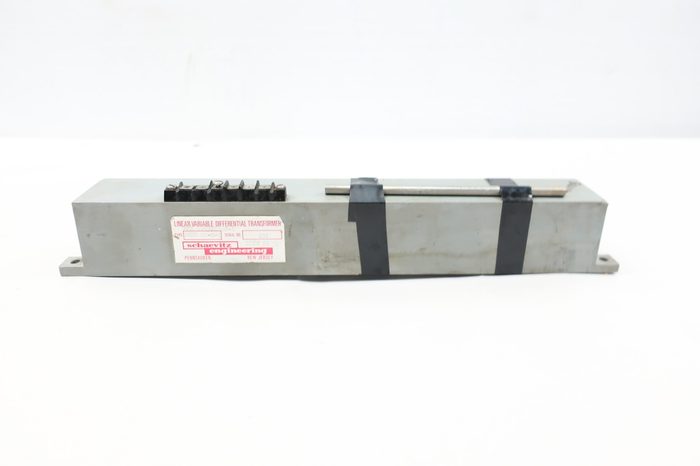
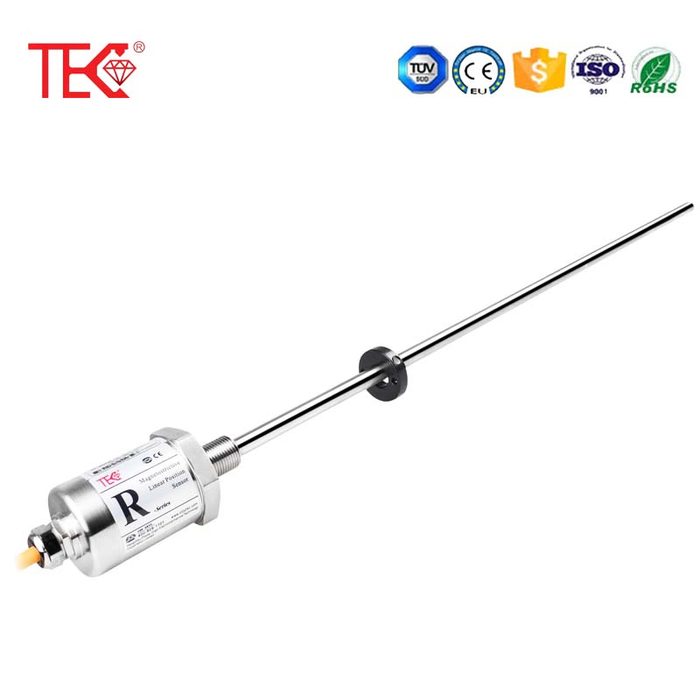
LINEAR ENCODERS AND LVDT, 220mm
Length: 220mmType: Linear
-
-
-
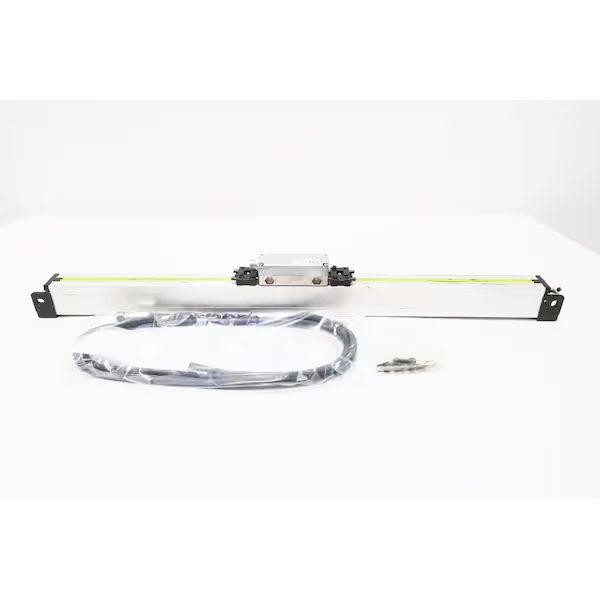
Linear Scale
Measurement Range: 0 to 48 in / 1200 mm
-
-
-
-
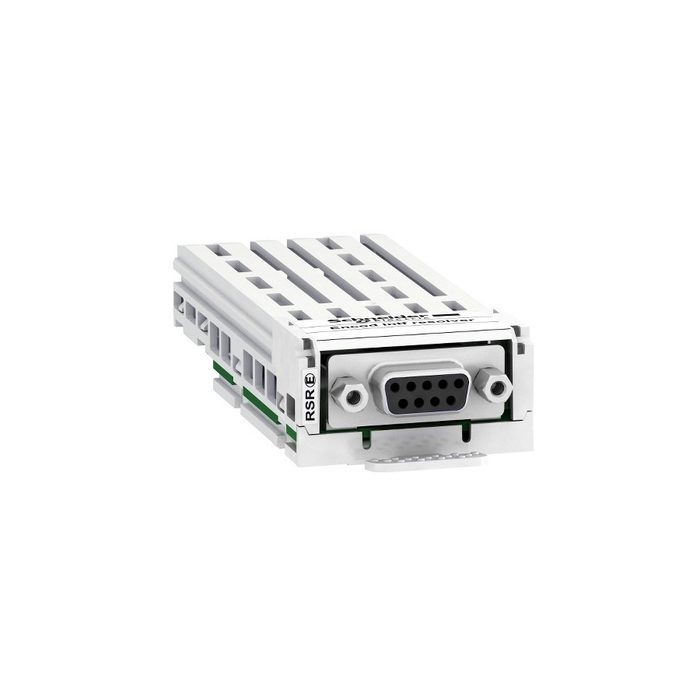
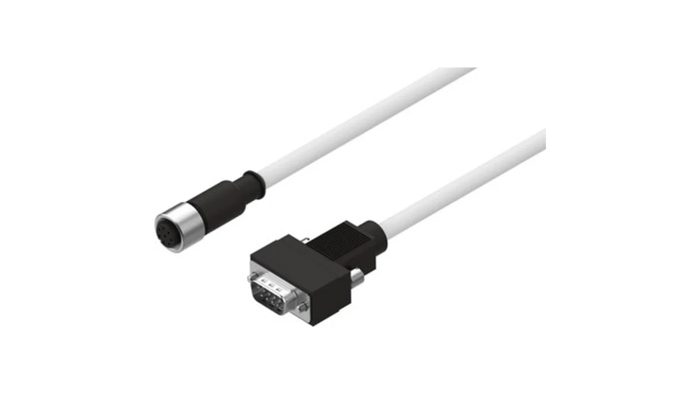
Resolver interface module, Altivar, 1 female SUB D9 connector
Connector Type: Female SUB D9
-
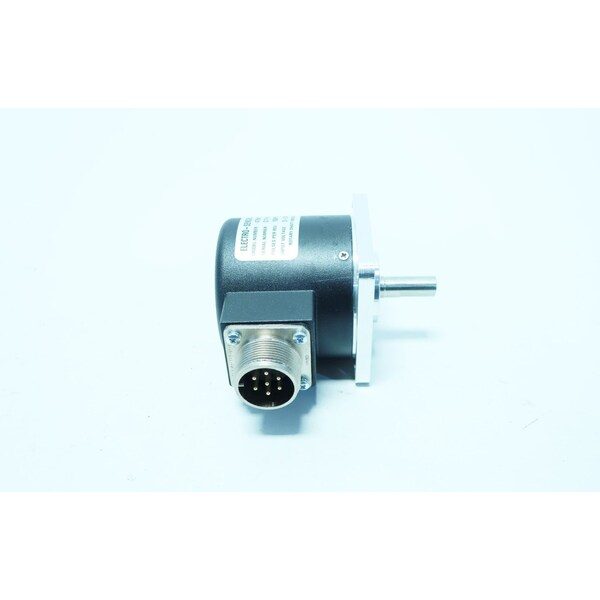
Rotary Encoder
Size: 3/8 inchVoltage: 5-28 VDC
from $925.99Zoro $925.99 -
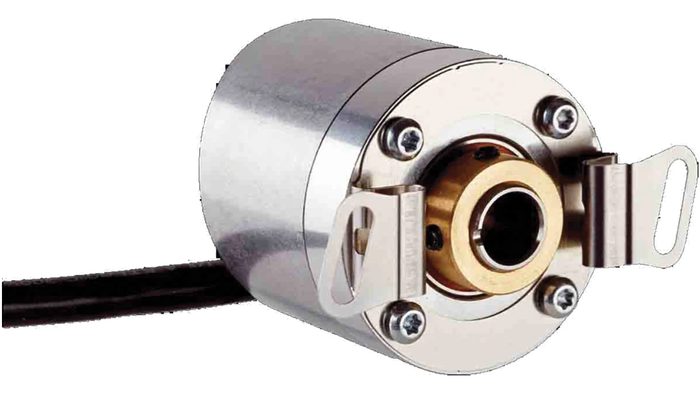
Rotary Encoder DFS20AB2BAF001200
Type: Rotary
-
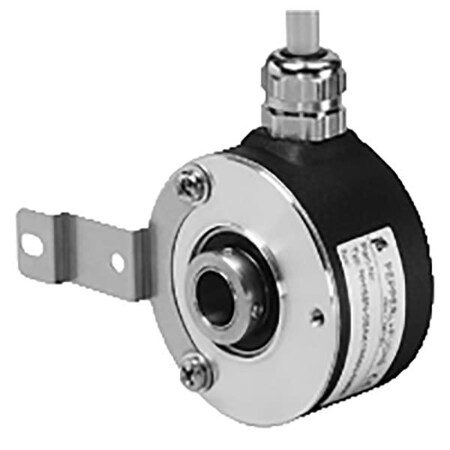
Rotary Encoder RHS58N-2BAK1R6ZN-02048
Type: Rotary
-
-
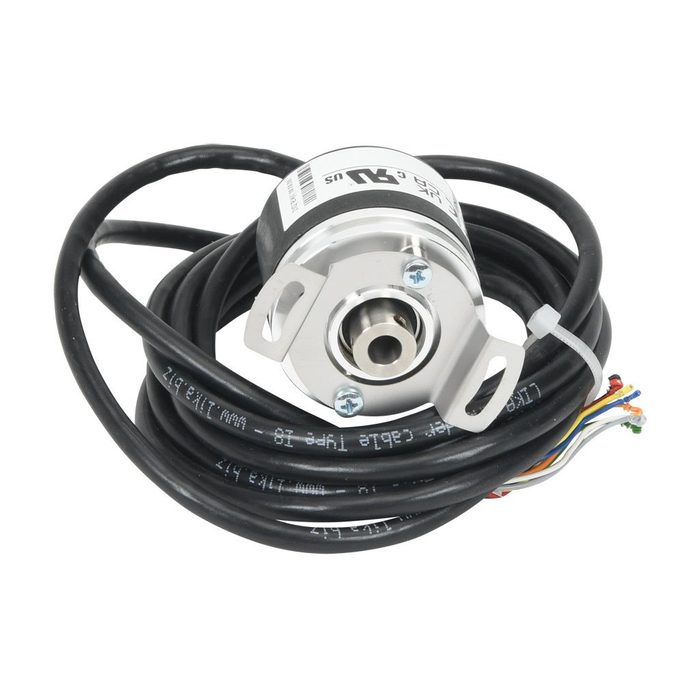
Wheeled Encoder, 12in. POLY, 500 PPR, 5-28VDC, 2 M CABLE
Cable Length: 2 mOperating Voltage: 5-28VDCPulses Per Revolution: 500Wheel Diameter: 12 in
-
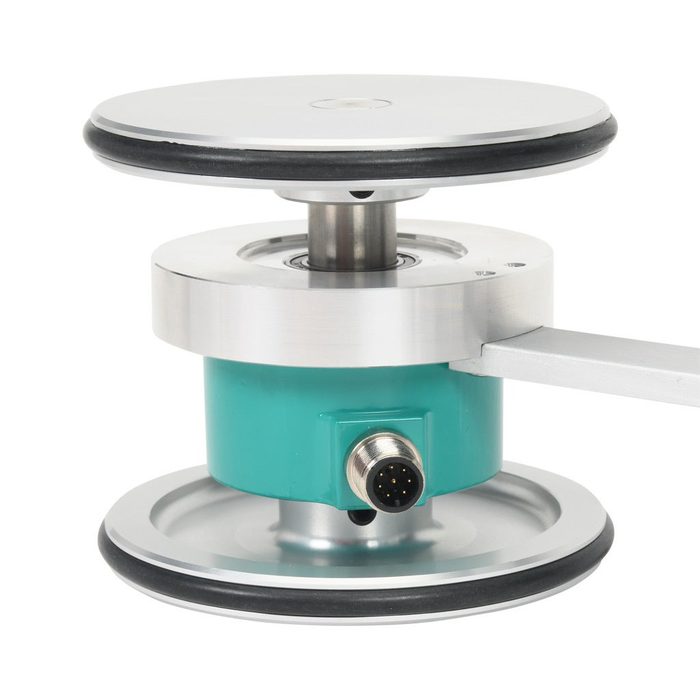
Wheeled Encoder, 250 PPR, 12in. POLY, 5-28VDC
PPR: 250Voltage: 5-28VDCWheel Diameter: 12in
About encoders & feedback
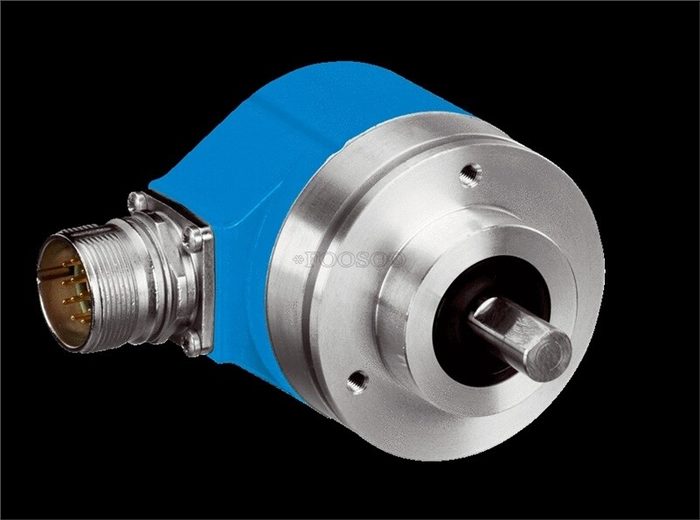
Encoders and feedback devices translate mechanical motion into electrical signals for control and measurement. This category encompasses incremental, absolute, rotary, and linear encoders, alongside resolvers. Incremental encoders output a series of pulses per unit of displacement, often in quadrature (A/B channels) with an index pulse (Z channel), providing relative position. Absolute encoders provide a unique digital code for each position, maintaining position information after power cycling, available in single-turn and multi-turn variants. Rotary encoders measure angular displacement, specified by resolution (PPR for incremental, bits for absolute), shaft diameter (e.g., 6mm, 10mm, 1/4", 3/8"), mounting style (flange, servo, hollow shaft), and output protocol (e.g., HTL, TTL, SSI, BiSS, Ethernet/IP, PROFINET). Linear encoders measure linear displacement, defined by resolution, measuring length, and output. Resolvers are analog inductive devices providing absolute angular position via sine/cosine signals, robust in harsh environments. Key selection parameters include resolution, accuracy, operating temperature range, shock/vibration resistance, IP rating (e.g., IP65, IP67), electrical interface, and supply voltage. Common materials include aluminum or stainless steel housings, with various bearing types for rotary units.
How to choose
When selecting an encoder or feedback device, first determine if relative or absolute positioning is required. For relative, incremental encoders are suitable; for absolute, consider absolute encoders or resolvers. Next, specify the type of motion: rotary or linear. For rotary, define the required resolution (PPR or bits) and shaft interface (solid, hollow, through-hole). For linear, specify the measuring length and resolution. Evaluate environmental conditions: IP rating for dust/moisture, operating temperature, and shock/vibration resistance. Finally, select the appropriate output protocol (e.g., HTL, TTL, SSI, BiSS, Ethernet/IP) and electrical interface for integration with the control system, balancing performance requirements against system complexity and cost implications.