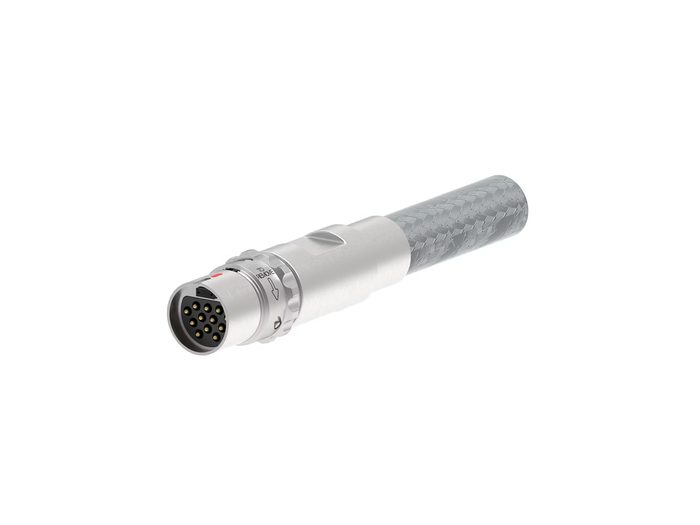
Electrical Connectors
Circular, rectangular, terminal, ring and quick-disconnect.
Also searched as: circular connectorm12 connectorring terminalspade connectorjst
-
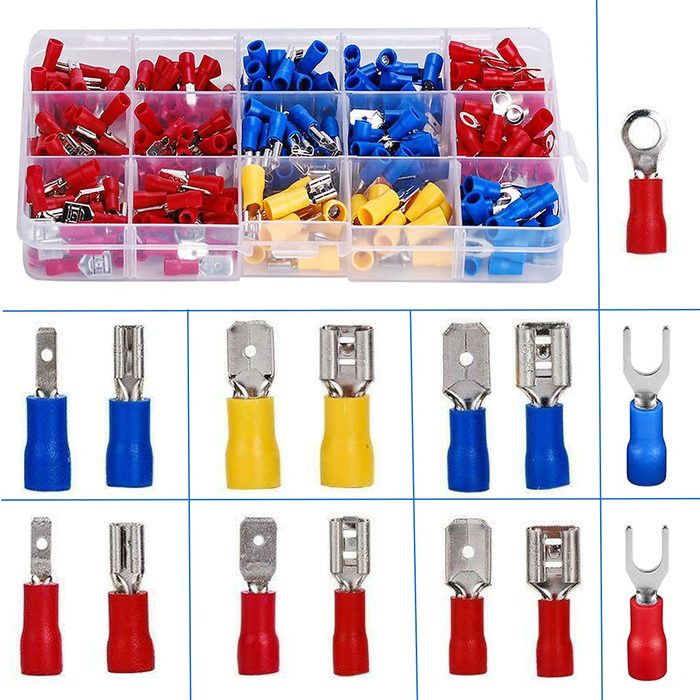
Crimp Ring Terminal Insulated Male and Female Wire Connector
Rated Voltage: 400V
-
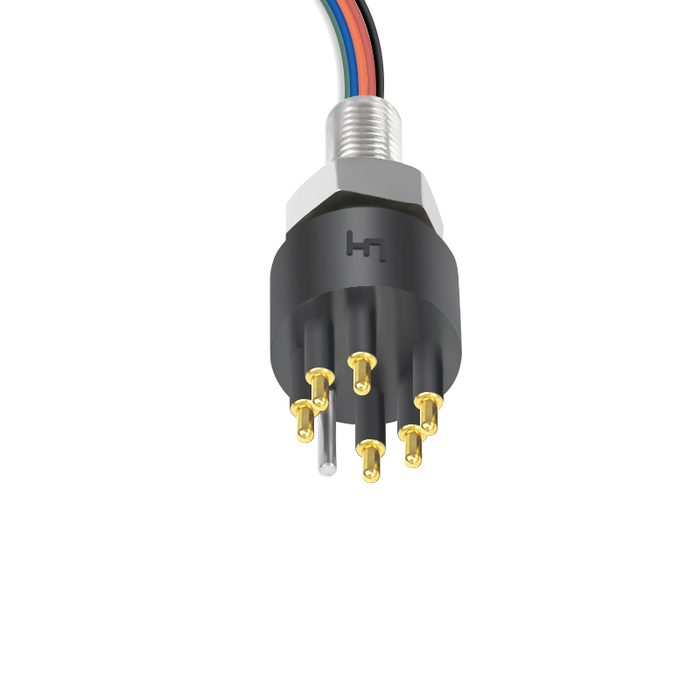
Deepsea 6 Pin Bulkhead Electrical Connector BH6M
Pins: 6Type: BulkheadWaterproof: true
-
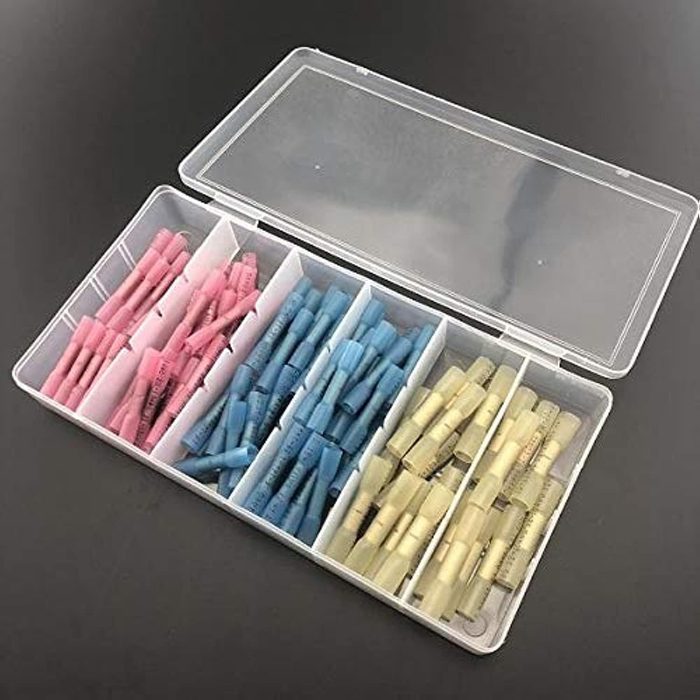
Heat Shrink Wire Connector Set Waterproof Automotive Marine Grade Electrical Terminals DIY Crimp Butt Connectors
Connector Type: ButtRated Voltage: 600 VWaterproof: true
-
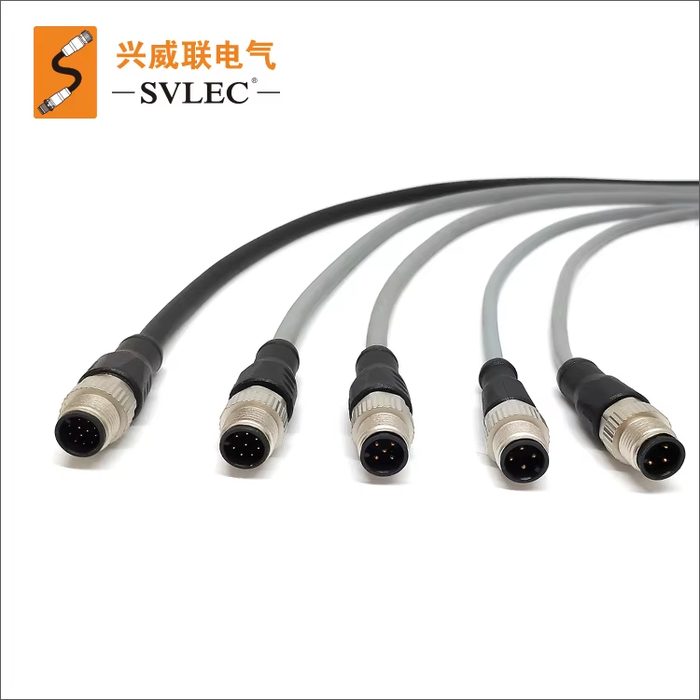
M12 3 Pin Connector, Gray Cable, 3 Meter
Cable Color: GrayCable Length: 3 MeterCore Design: 3-coreIP Rating: IP67Pin Count: 3 Pin
-
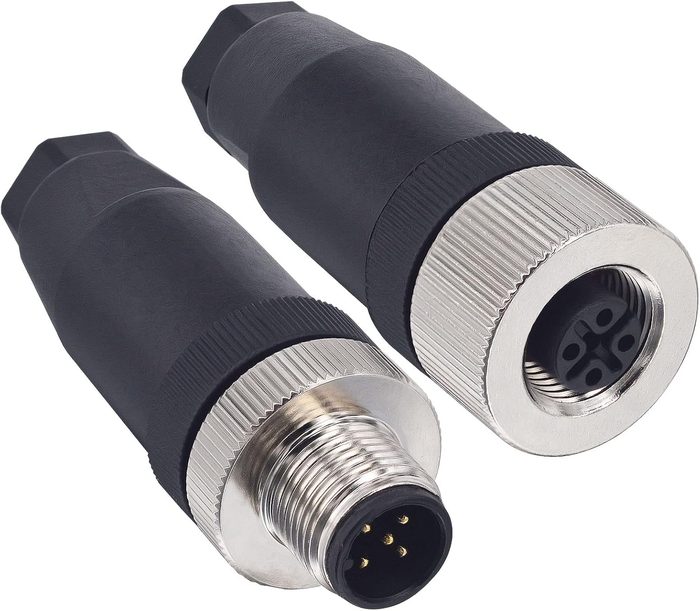
M12 Connector
Size: M12
-
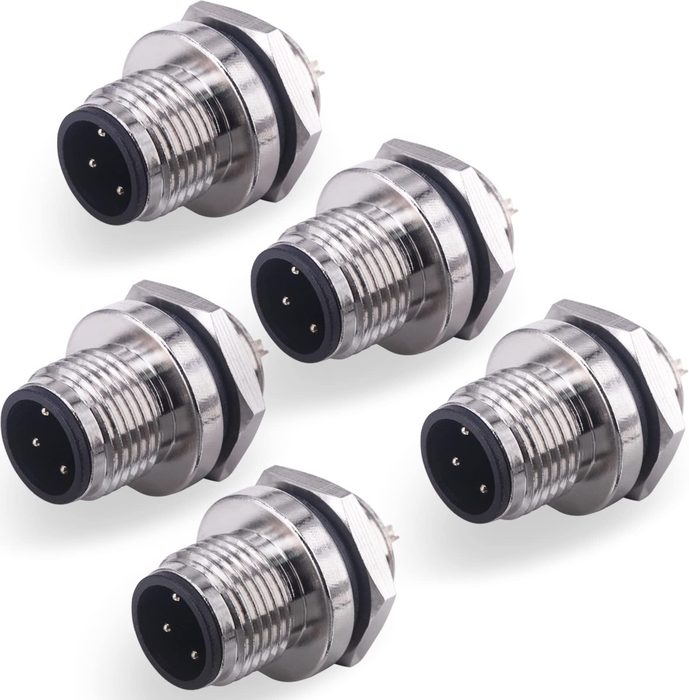
M12 Connector 4 Pin T Code Welding Pcb Contact Panel Mount Signal Male Female Protect Cover Connector
Code: T CodeGender: Male, FemaleMounting: Panel MountPin Count: 4 Pin
-
M12 Connector Pin Female Male
Gender: Female, MaleIP Rating: IP68, IP67
-
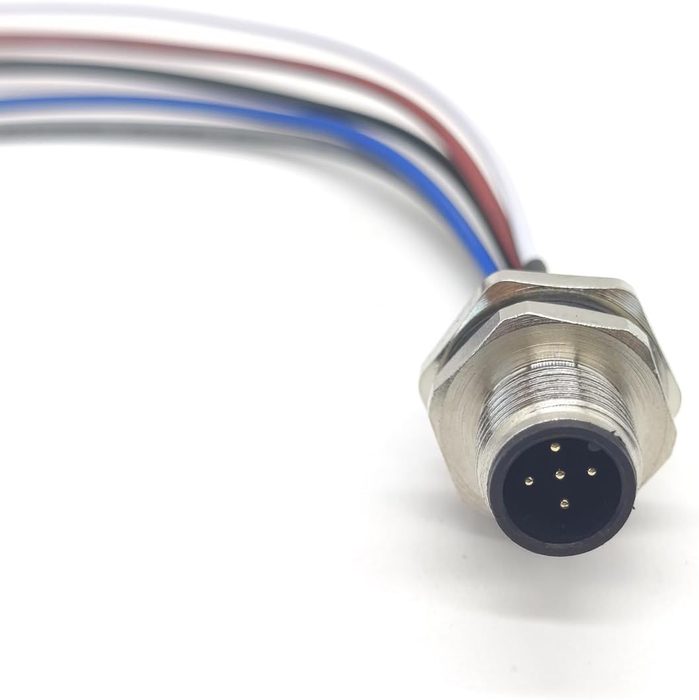
M12 Female Pin Connector, 5 Pin USB Cable C Code
Gender: FemalePin Count: 5 PinUSB Type: C Code
-
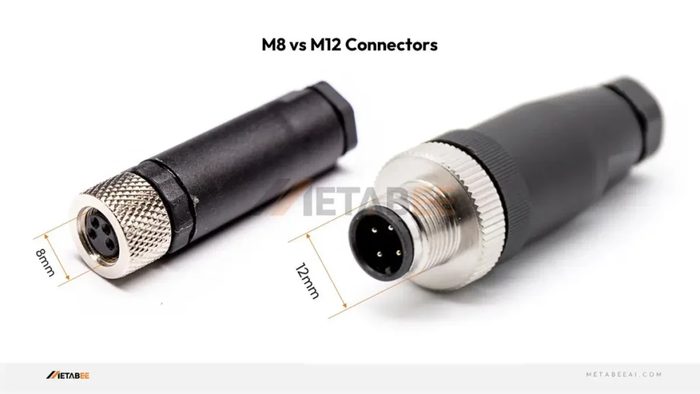
-
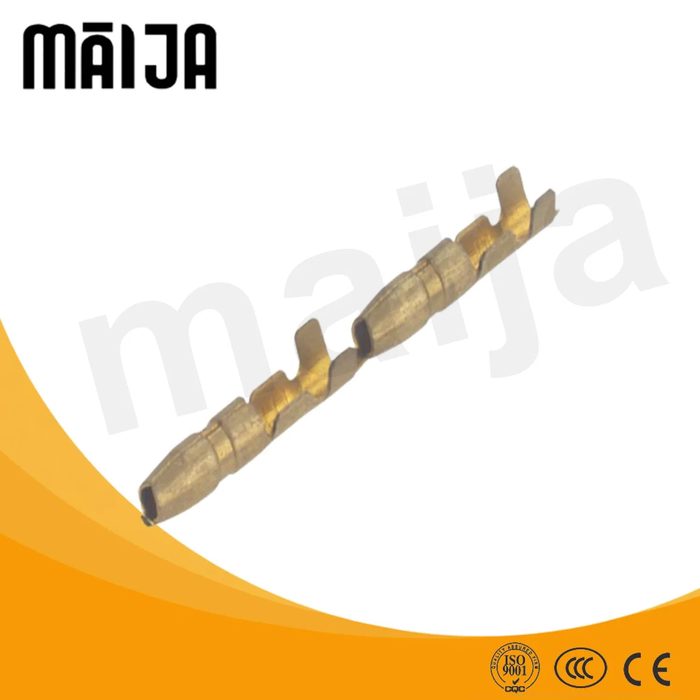
Non-insulated ring terminals, AWG 14 to 22
Conductor Size: 0.5~2.5 mm2Wire Gauge Compatibility: 14 to 22 AWG
-
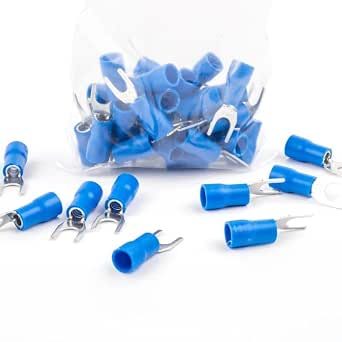
O-type Ring Terminal Connector RV3.5-6 PVC Round Cable Lug Insulated Electrical Crimp Terminal
Type: O-typeWire Gauge: 3.5-6mm2
-
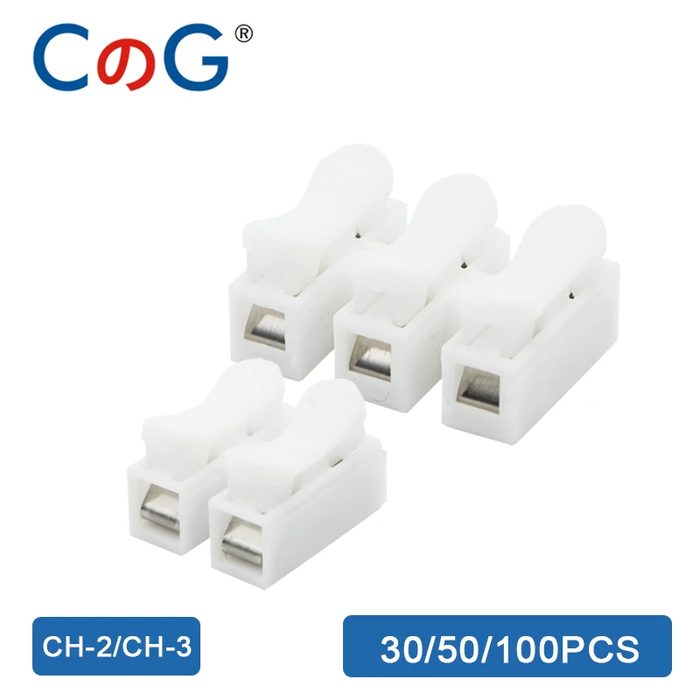
Push-In Terminal Male Electrical Wire Connector CH-303
Current: 32ASize: 33*18*6MMVoltage: 450VWiring Type: Side-entry
-
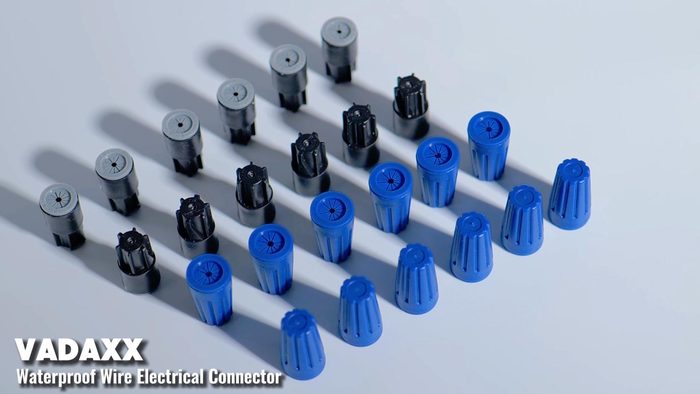
R3 Type Waterproof Wire Electrical Connectors
Type: Twist Nuts CapsWaterproof: true
-
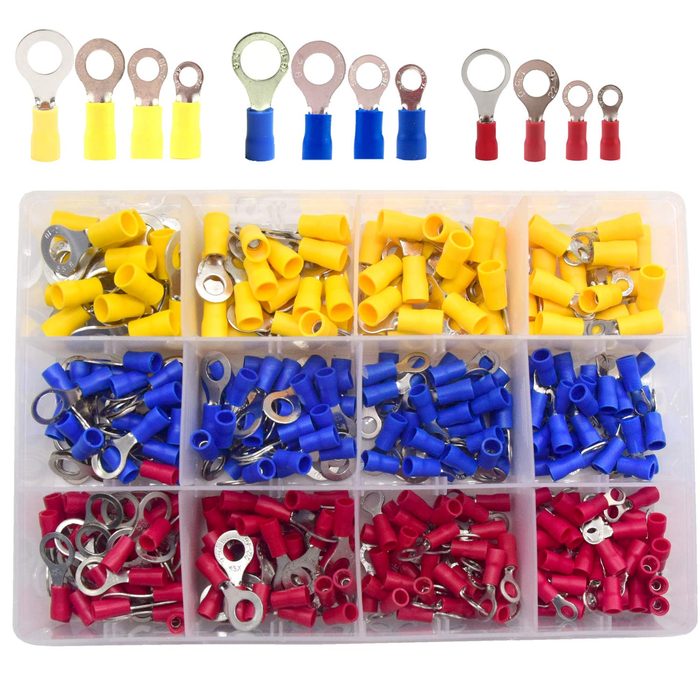
Ring Terminal Connector
Impedance: 75 Ohms
-
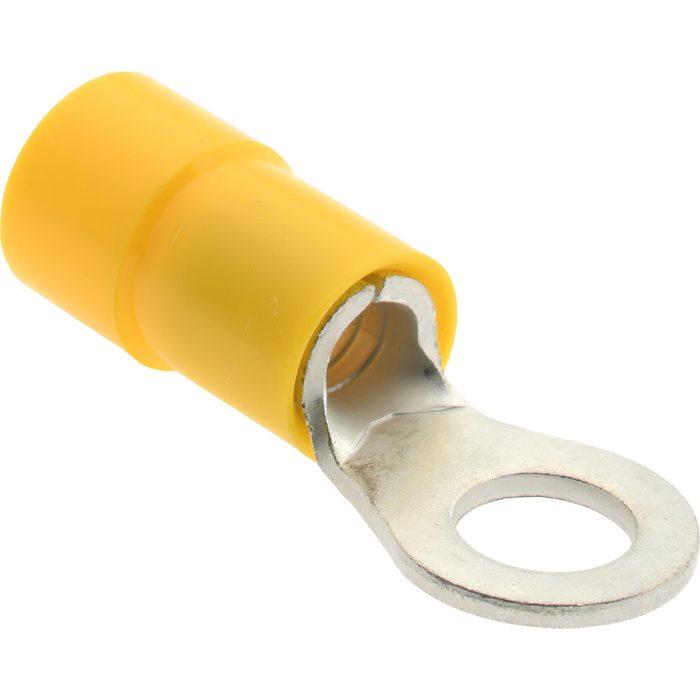
Ring Terminal Connector Circular 10 Stud 10-12 Awg Crimp Non-Insulated
Connection Type: CrimpStud Size: 10Wire Gauge: 10-12 AWG
-
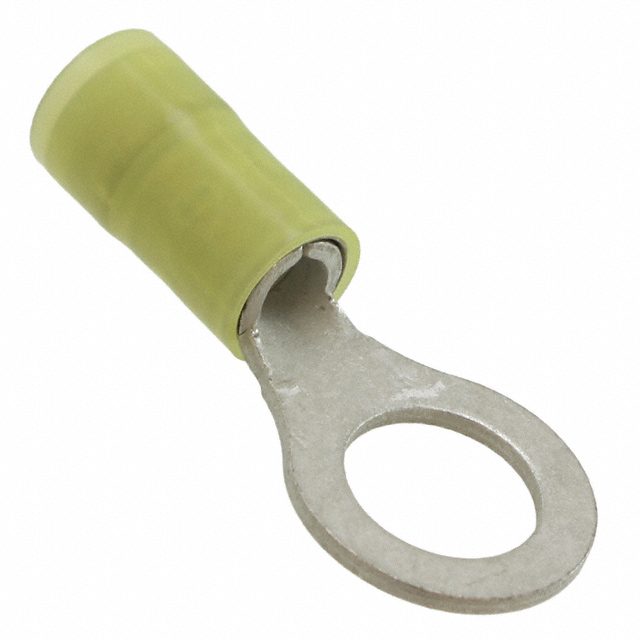
Ring Terminal Connector Circular M8 Stud 2.5-6mm2 Crimp
Stud/Tab Size: M8Terminal Type: CircularTermination: CrimpWire Gauge: 2.5-6.0mm2
-
About electrical connectors
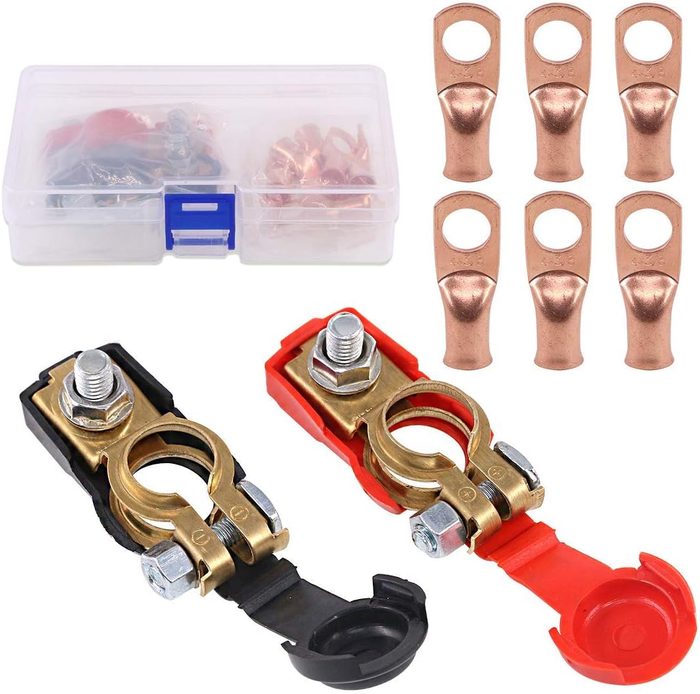
Electrical connectors facilitate the establishment of an electrical circuit between two or more components, allowing for the transmission of power or data while enabling modularity and ease of assembly/disassembly. This category encompasses a broad range of form factors, including circular connectors, rectangular connectors, terminal blocks, ring terminals, and quick-disconnect terminals. Circular connectors, often specified by shell size (e.g., M8, M12, M23) and pin count, are frequently used in industrial and harsh environments due to their robust construction and environmental sealing capabilities (IP ratings). Rectangular connectors, such as D-subminiature (DB9, DB25) or modular connectors (RJ45), are common for data and signal transmission. Terminal blocks provide secure wire-to-wire or wire-to-board connections, with types including screw, spring-cage, and push-in. Ring and spade terminals are crimped onto wires and secured with a screw or stud, while quick-disconnect terminals (e.g., 0.250" or 0.187" tabs) offer rapid connection and disconnection. Key selection parameters include current and voltage ratings, contact resistance, operating temperature range, insulation resistance, and mating cycles. Materials commonly include brass or copper alloys for contacts, often plated with gold, silver, or tin for improved conductivity and corrosion resistance. Housings are typically made from engineering plastics, aluminum, or stainless steel, with specific materials chosen for chemical resistance, EMI shielding, or mechanical strength.
How to choose
Selecting the appropriate electrical connector begins with defining the electrical requirements. First, determine the required current and voltage ratings, along with the number of circuits. This immediately narrows down potential connector families. Second, consider the operating environment: Will the connector be exposed to moisture, dust, vibration, or extreme temperatures? This dictates the necessary IP rating, material selection, and locking mechanism (e.g., threaded, bayonet, push-pull). Third, define the physical constraints: available space, cable entry requirements (straight, angled), and mounting method (panel mount, cable mount, PCB mount). Fourth, assess the frequency of connection and disconnection. For high-mating-cycle applications, connectors with robust contact plating (e.g., gold) and durable housing materials are essential. Finally, evaluate any specific industry standards or certifications required for the application.