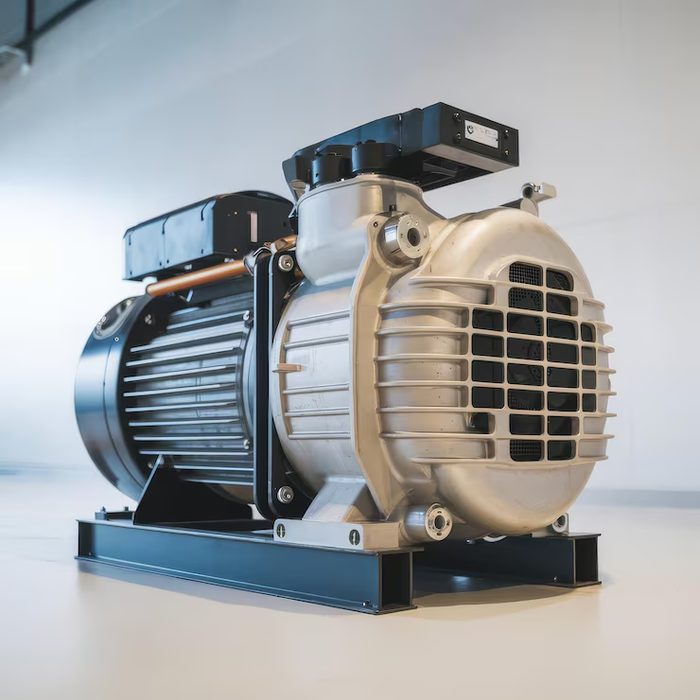
Compressors & Vacuum
Air compressors, vacuum generators, ejectors and pumps.
Also searched as: air compressorvacuum generatorventurivacuum ejector
-
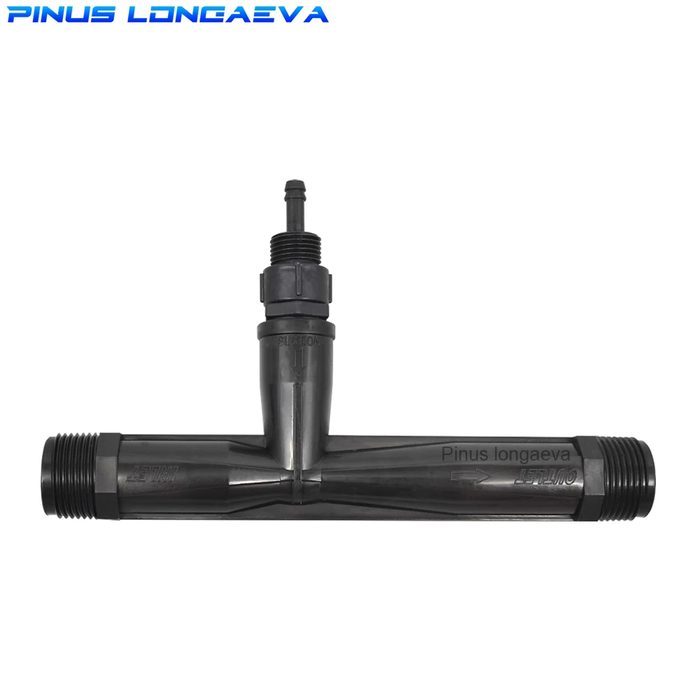
1/4 Inch Venturi Jet
Size: 1/4 Inch
-
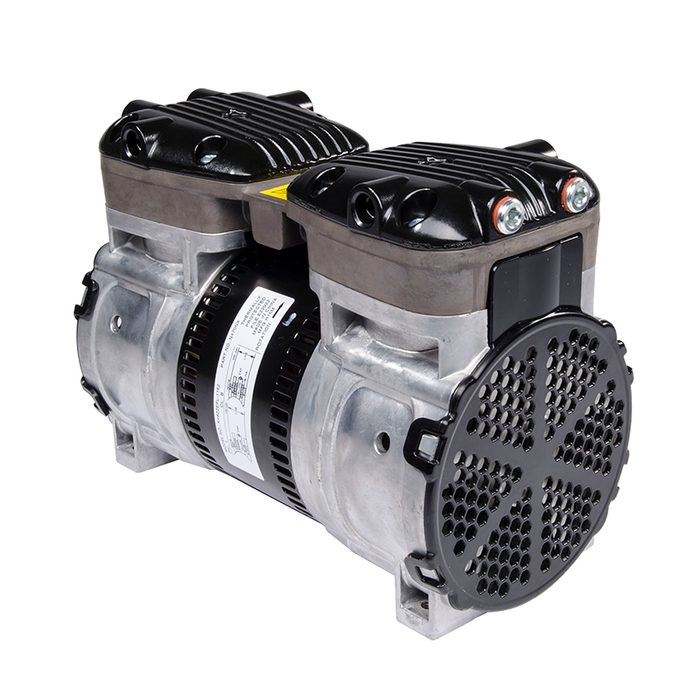
110V Oil-Free Piston Air Compressor Vacuum Pump 550W
Power: 550WVoltage: 110V
-
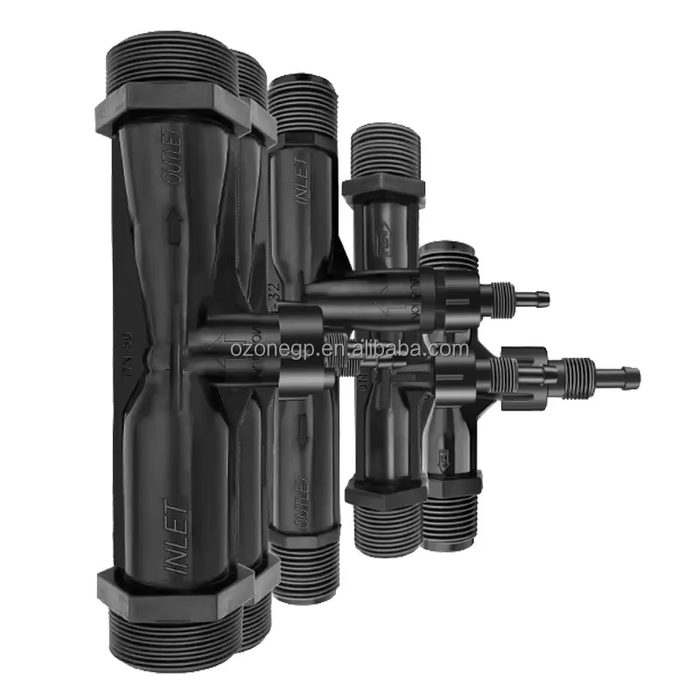
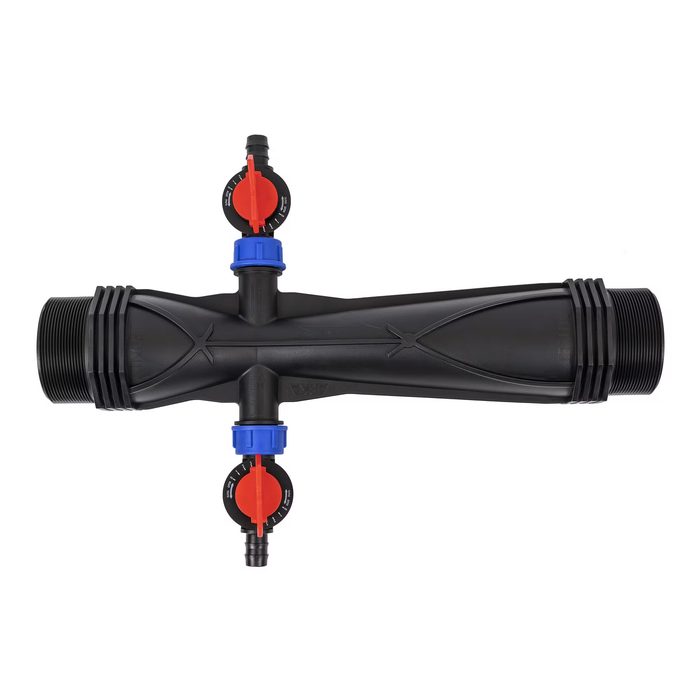
3/4 Inch Venturi Injector 1~3m3/hr for Ozone Mixing
Flow Rate: 1~3 m3/hrSize: 3/4 Inch
-
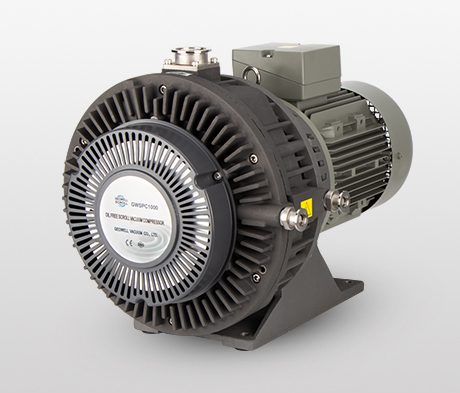
4.5/5/11/22/43cfm Vacuum Compressor Oil Free Scroll
Flow Rate: 4.5/5/11/22/43 cfm
-
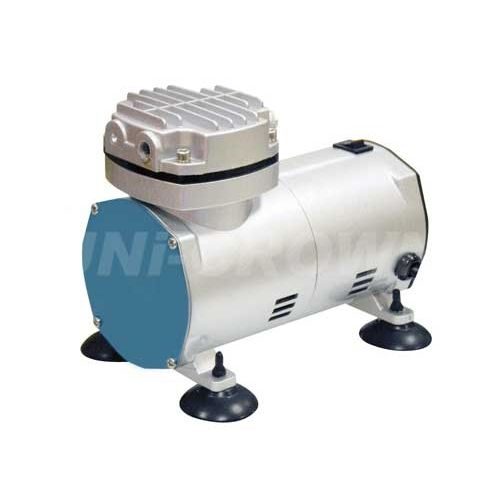
AC Oilless Silent Mini Air Compressor Vacuum Pump
Air Capacity: 24 LPMPower: 125W
-
-
-
-
-
-
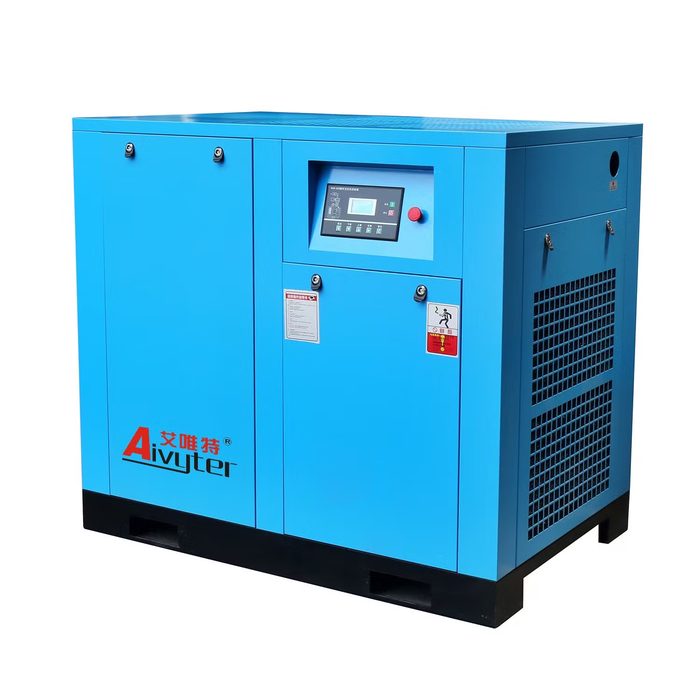
Industrial Rotary Screw Air Compressor
Power: 30 kW
-
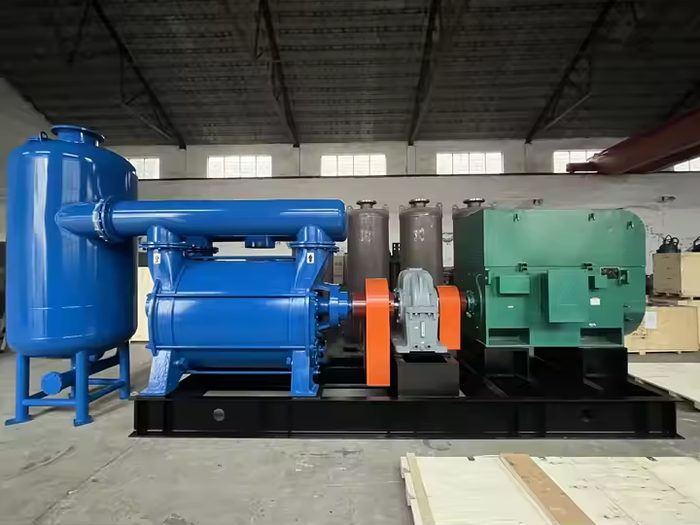
-
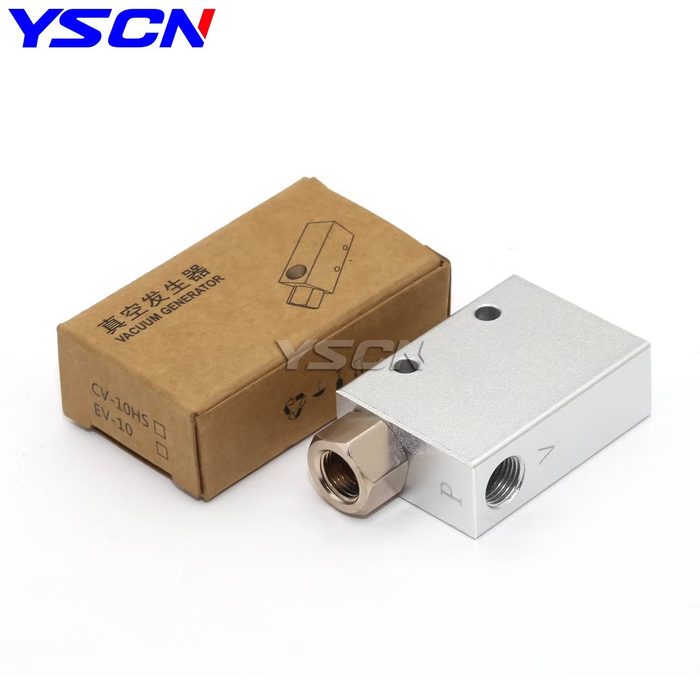
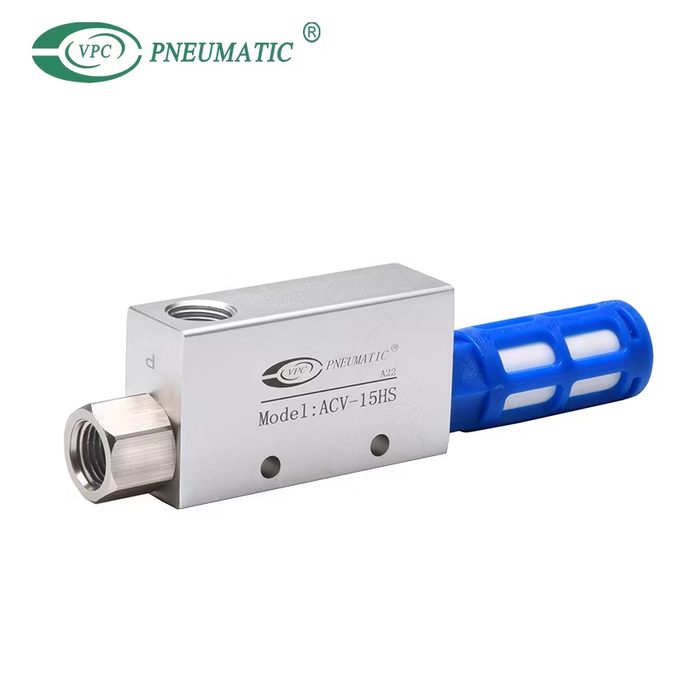
Mini Air Vacuum Pump Ejector CV Series 1/8" to 1/2"
Size: 1/8" to 1/2"
-
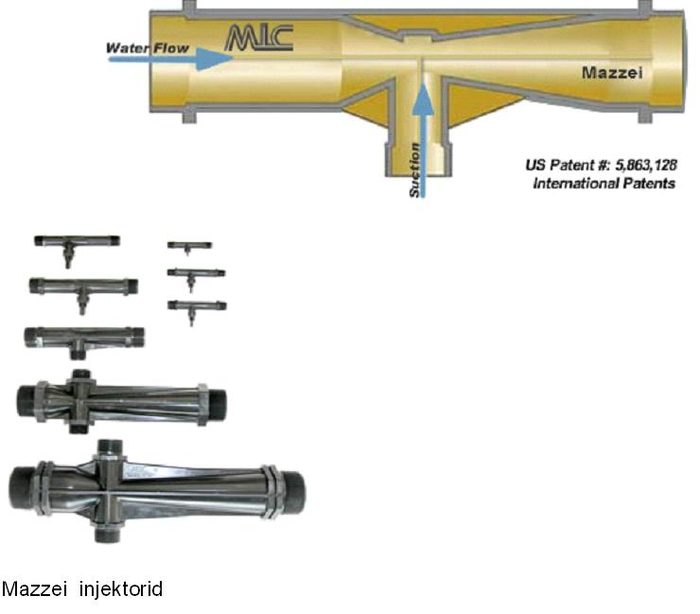
Multifunctional Mazzei Venturi Injectors for 10l Oxygen
Oxygen Capacity: 10 l
-
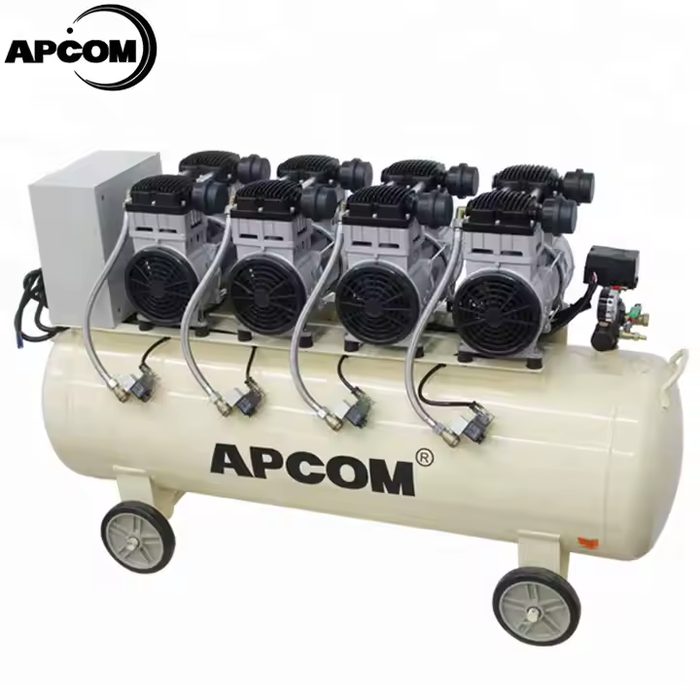
Oil Free Air Compressor
Flow Rate: 120 CFMHorsepower: 30 HPPower: 22 KW
-
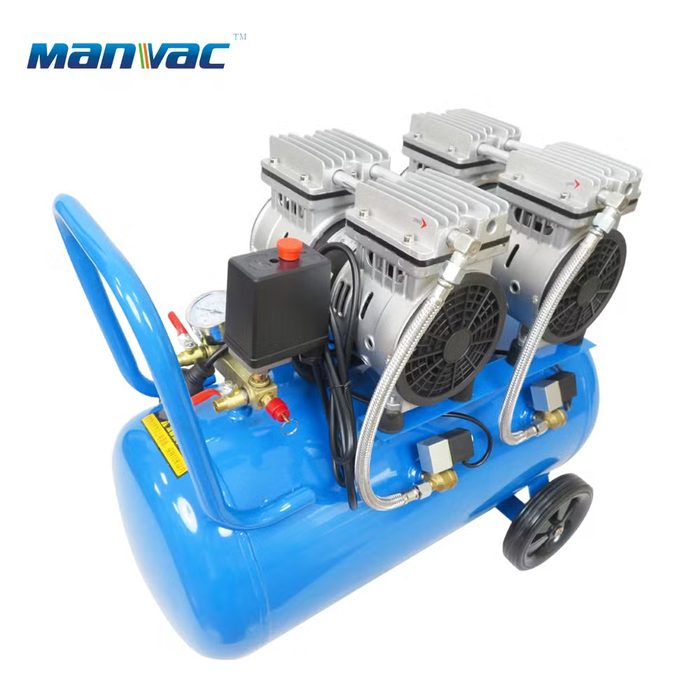
Oil Free Cabinet Type Air Compressor Vacuum Pump
Capacity: 20 GallonPower: 3-4.5 KW
-
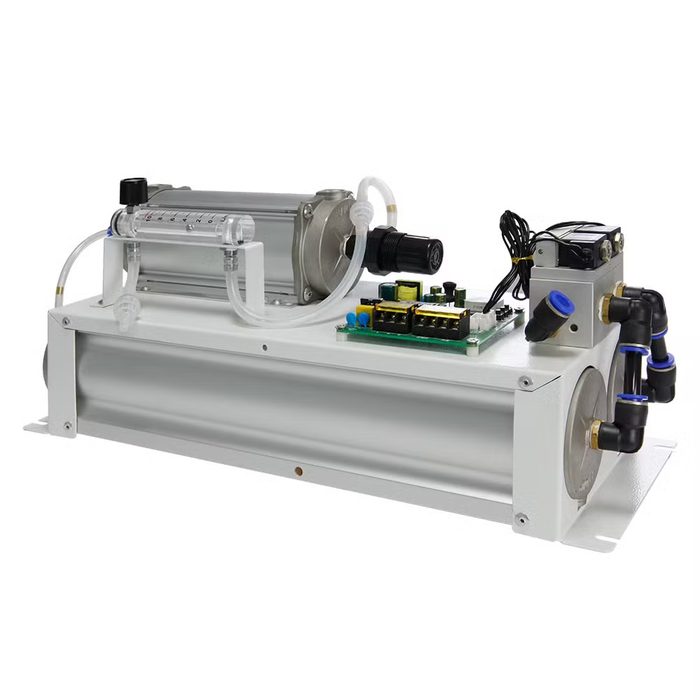
Ozonator Water Treatment AA-12-I 1/2 Threaded PVDF Venturi Injector
Connection Size: 1/2 Threaded
-
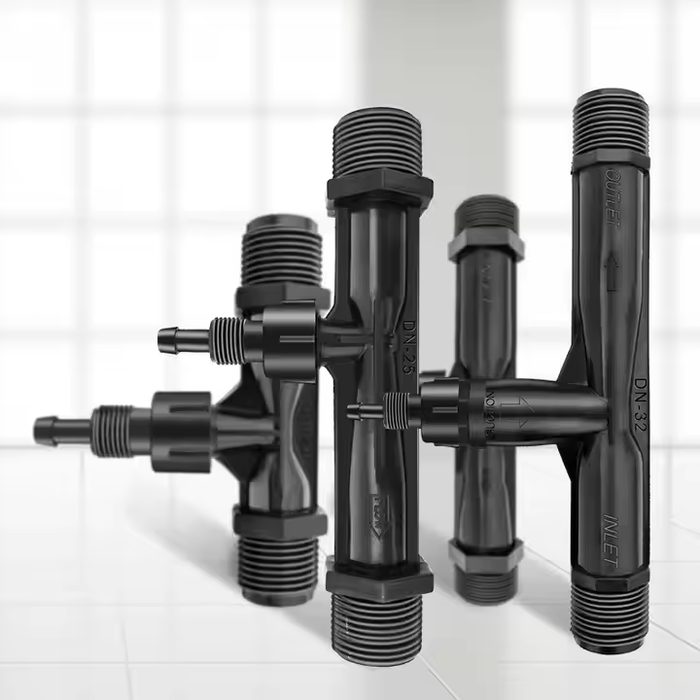
PVDF 1/2 Inch Ozone Venturi Injector
Inspiratory Capacity: 1-49 M3/hrSize: 1/2 InchWater Flow: 0.05-50 M3/hrWater Pressure: 0.1-0.7 MPA
-
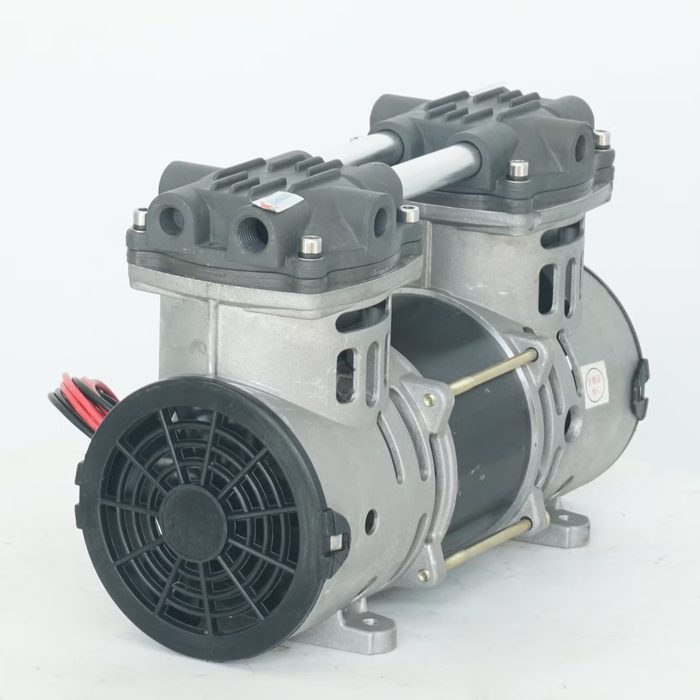
Piston Air Compressor
Flow Rate: 1000 L/minPower: 7.5kwPressure: 8 BARTank Capacity: 300L / 500L
-
-
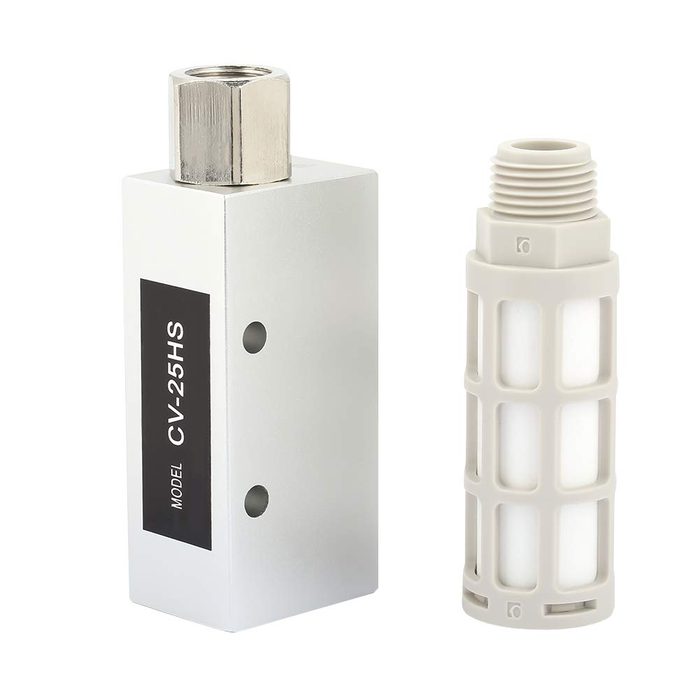
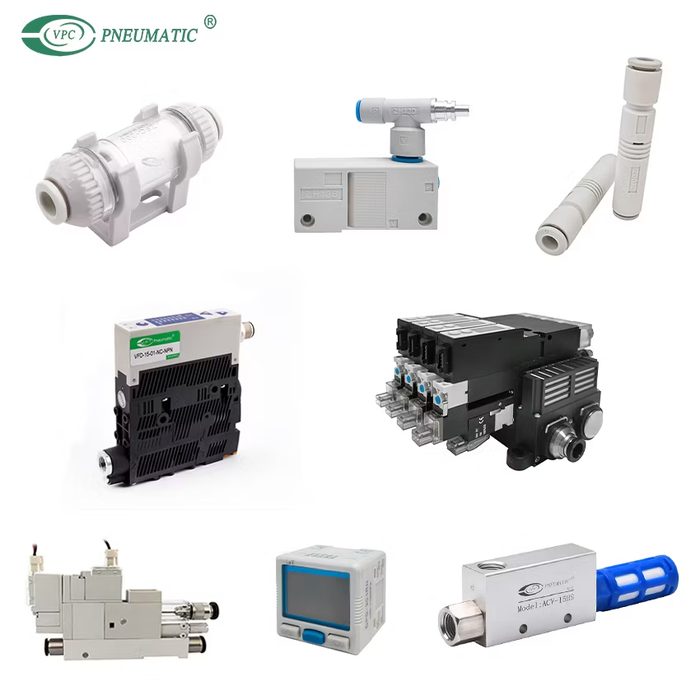
Pneumatic Vacuum Ejector CV Series
Max Vacuum Pressure: -90 Kpa
-
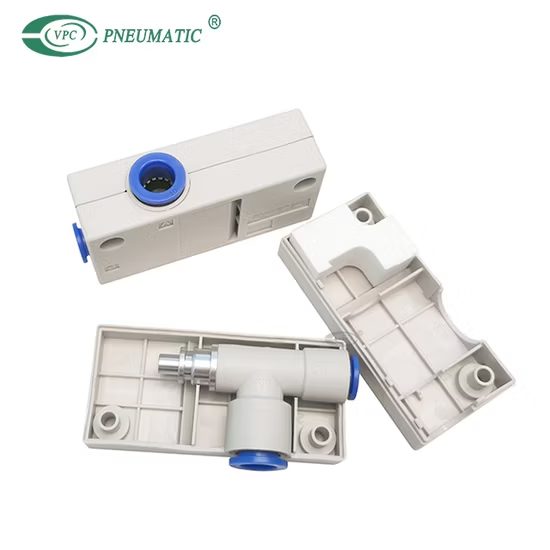
Pneumatic Vacuum Ejector ZH Series
Size: 6-16 mm
-
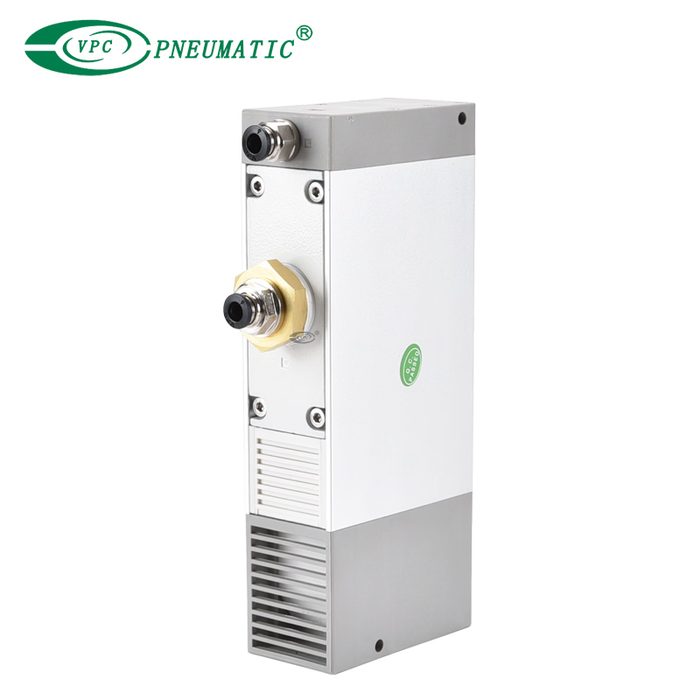
Pneumatic Venturi Vacuum Generator High Flow Multi
Control Valve: 1/4"
-
-
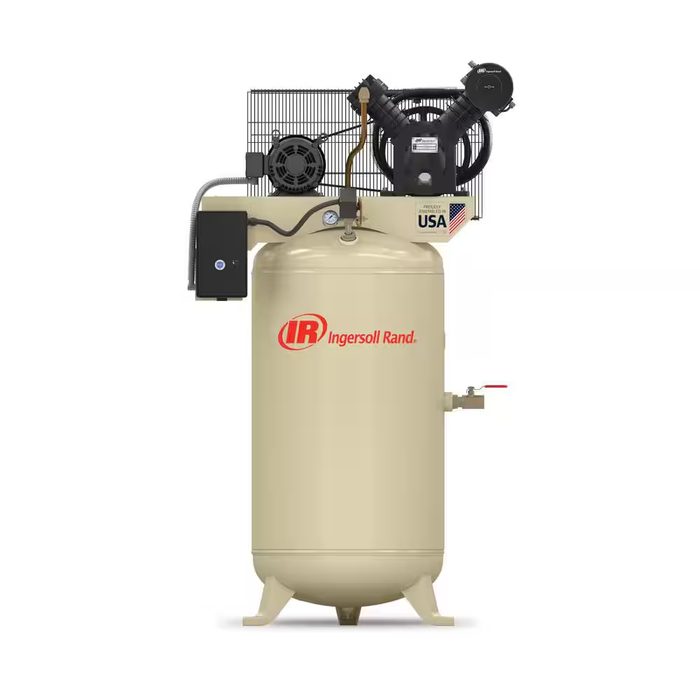
Type 30 Vacuum 30hp 2-Stage Electric Reciprocating Air Compressor
Horsepower: 30 hp
-
-
-
-
-
About compressors & vacuum
Compressors and vacuum generators are critical components for converting mechanical energy into pneumatic power for a wide range of industrial and laboratory applications. Air compressors, such as reciprocating, rotary screw, and centrifugal types, increase air pressure for tools, actuators, and process lines. Key selection parameters include flow rate (SCFM or Nm³/hr), maximum pressure (PSI or bar), duty cycle, and power source (AC, DC, or engine-driven). Vacuum generators, including venturi-style ejectors and mechanical vacuum pumps, create a pressure differential for material handling, degassing, and process vacuum. Ejectors, often specified by nozzle diameter and vacuum flow (SCFM), are typically constructed from anodized aluminum, brass, or stainless steel for compatibility with various media. Mechanical vacuum pumps, such as rotary vane, diaphragm, and turbomolecular types, are characterized by ultimate vacuum level (Torr or Pa), pumping speed (CFM or L/min), and oil-free vs. oil-sealed operation. Materials for pump wetted parts range from cast iron and aluminum to chemically resistant polymers and ceramics, depending on the application's media compatibility and temperature requirements. Connections frequently utilize NPT, BSPP, or ISO-KF flanges.
How to choose
Choosing the right compressor or vacuum generator begins with defining the application's primary requirement. First, determine if it's a pressure or vacuum application. For pressure, what is the required flow rate (SCFM) and maximum operating pressure (PSI)? This narrows down compressor types and sizes, balancing initial cost against energy efficiency. For vacuum, what is the target ultimate vacuum level (Torr) and required pumping speed (CFM)? This differentiates between ejectors for lower vacuum/higher flow and mechanical pumps for deeper vacuum. Second, consider the duty cycle and power availability (voltage/phase). Third, evaluate the media compatibility and environmental conditions; oil-free operation or specific material construction (e.g., stainless steel, chemical-resistant elastomers) may be necessary. Finally, assess noise levels and footprint constraints.