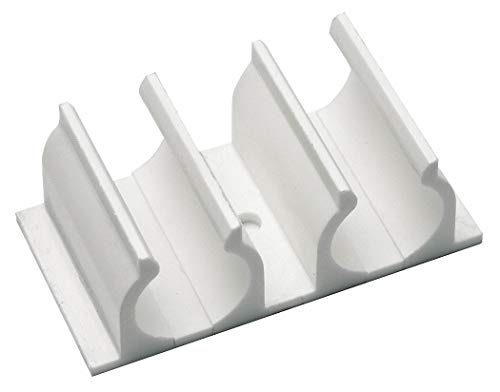
Clamps & Clips
Hose, cable, beam, spring and P-clips for holding and routing.
Also searched as: hose clampscable clipsp clipsbeam clampsspring clips
-
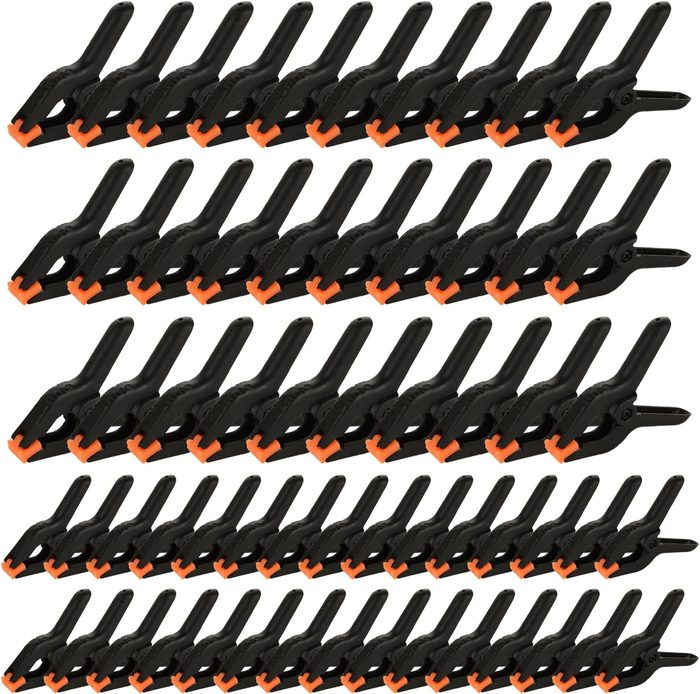
4 Inch Heavy Duty Plastic Spring Clip
Size: 4 Inch
-
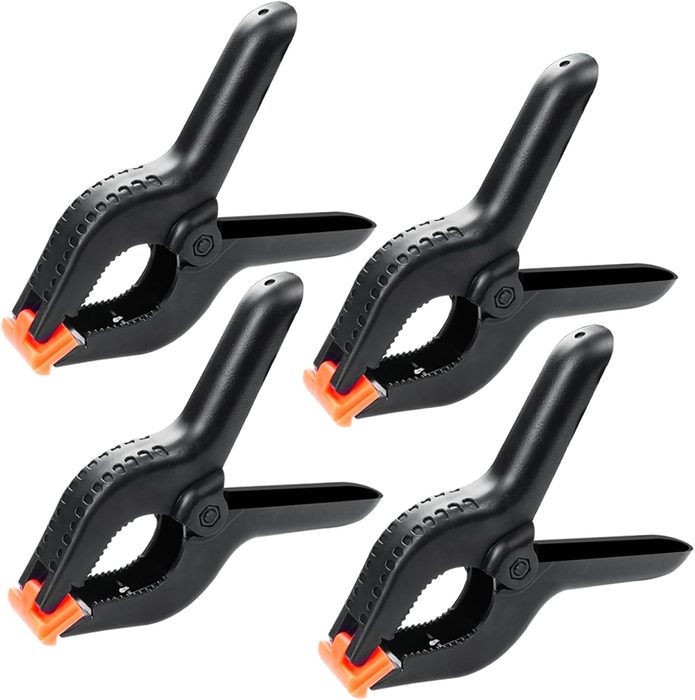
4” ABS Plastic Spring Clip
Size: 4”
-
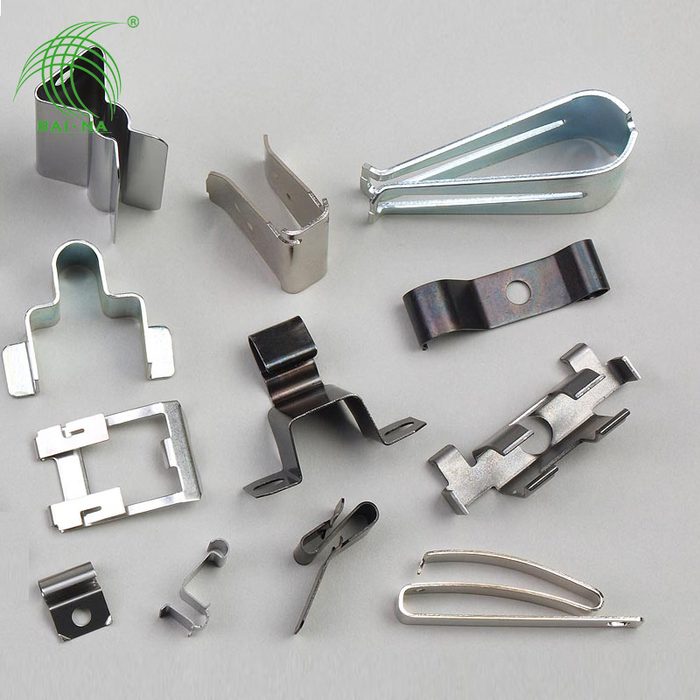
Flat Spring Clip Fastener
Shape: Flat
-
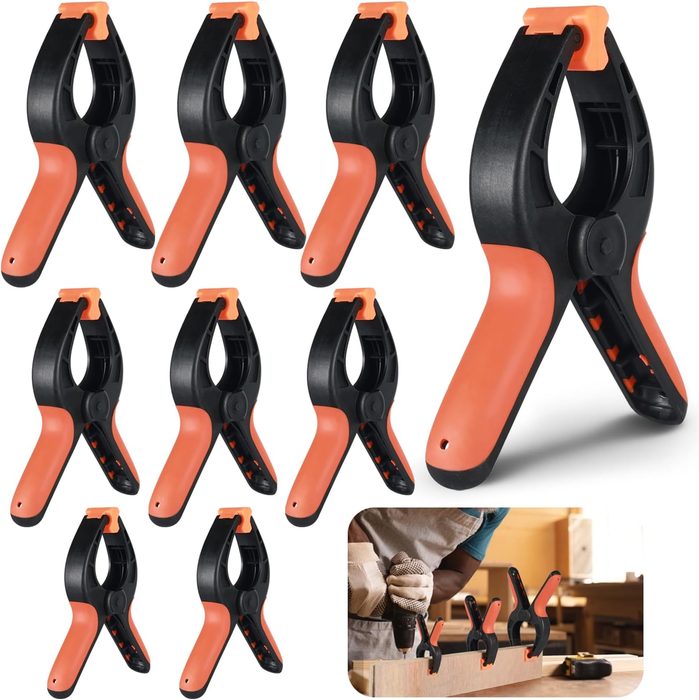
Heavy Duty Muslin Spring Clamps Clips
Quantity: 10Size: 4 1/4 inch
-
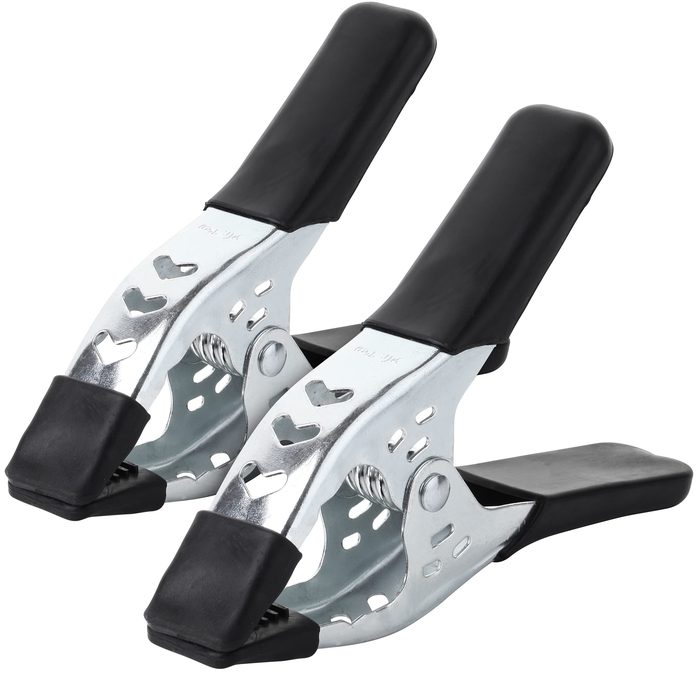
Heavy Duty Spring Clamps Clips
Quantity: 2Size: 4-1/4"
-
Heavy Duty Spring Clamps Clips
Quantity: 2Size: 4-1/4"
-
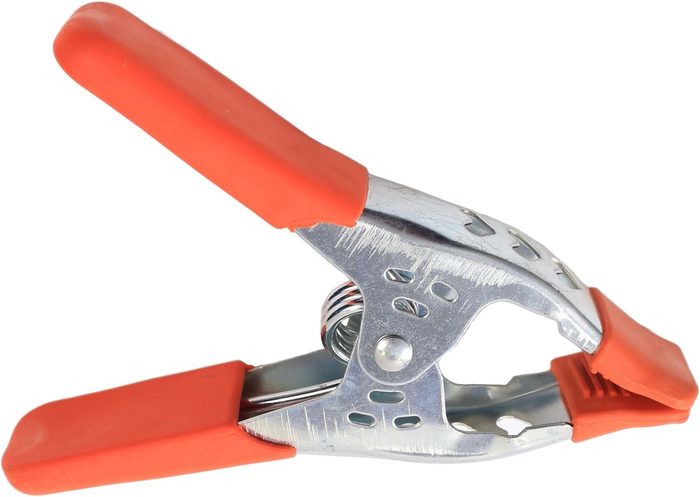
Heavy Duty Spring Clips
Size: 4.5"
-
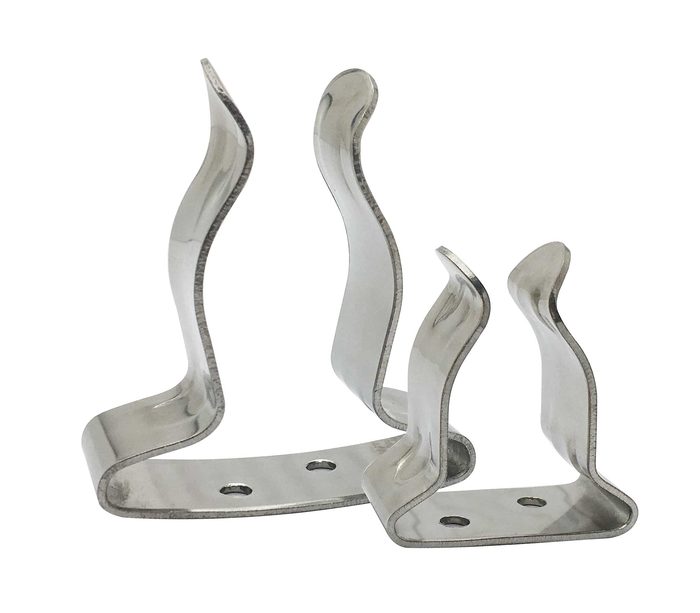
Metal Spring Clips
Quantity: 50
-
-
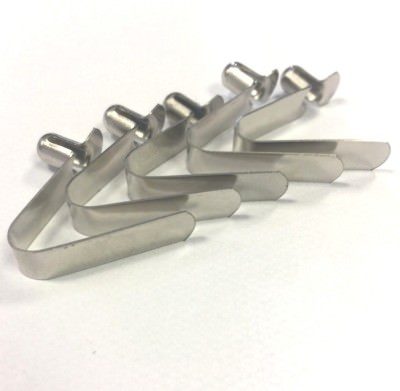
Push Clip Locking Tube Metal Pin Spring Clip
Type: Push Clip Locking Tube
-
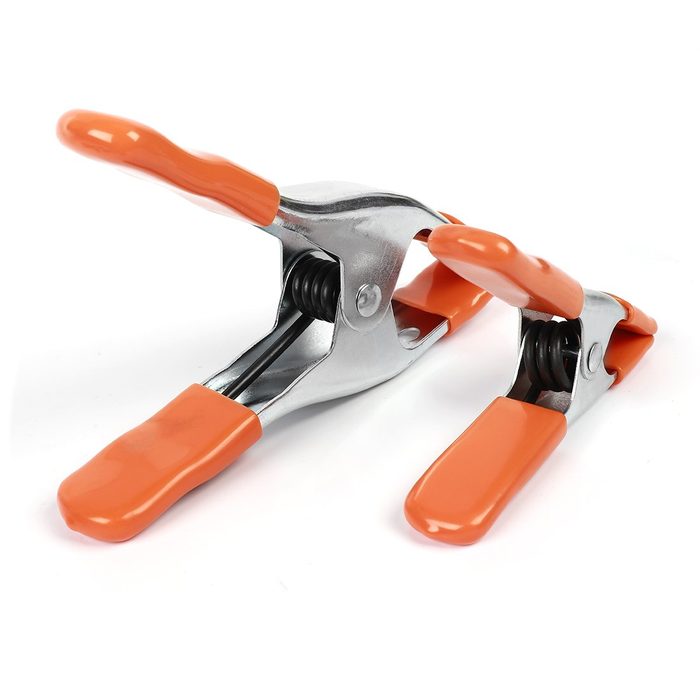
Small Metal Spring Clamps
Quantity: 100
-
Small Metal Spring Clamps
Quantity: 100
-
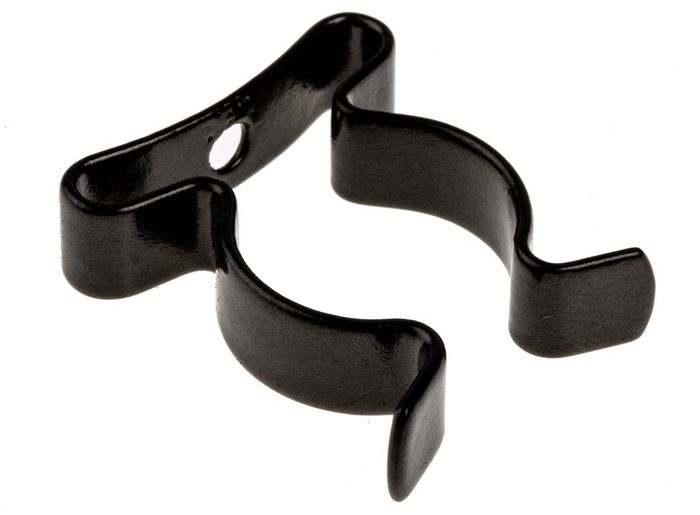
-
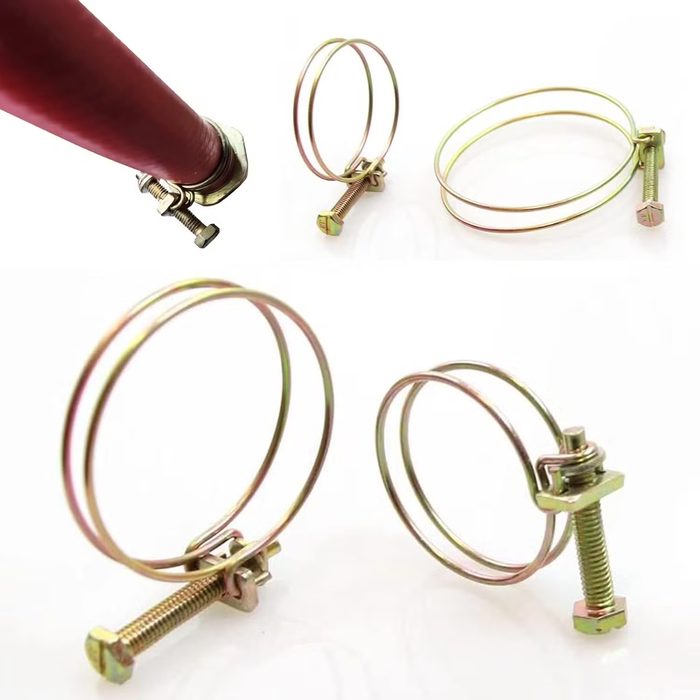
Wire/Tube Clips Self Seating Clamps
Diameter: 1/2"Mount Hole: 1/4"Quantity: 25
About clamps & clips
Clamps and clips secure, route, and support various components, primarily hoses, cables, and pipes, within mechanical and automation systems. They prevent movement, minimize wear, and ensure organized layouts. Key types include hose clamps (worm drive, band, ear, spring), cable clips (P-clips, saddle clips, adhesive clips), beam clamps, and spring clips. Hose clamps are specified by their clamping range (e.g., 8-16mm, 1/2"-5/8") and material, commonly 304 or 316 stainless steel for corrosion resistance, or galvanized steel for general use. Cable clips are selected based on cable diameter, bundle capacity, and mounting method (screw-mount, adhesive, push-in). P-clips often conform to AS2191 or MS21919 standards, indicating material and cushioning. Beam clamps attach to structural steel without drilling, defined by beam flange thickness and load capacity. Spring clips provide quick, tool-free attachment, typically for light-duty applications, and are characterized by grip range and material. Materials range from various grades of steel (carbon, stainless), aluminum, and plastics (nylon, polypropylene) to specialized elastomers for cushioning or vibration dampening. Finishes include zinc plating, powder coating, and passivation to enhance durability and environmental resistance.
How to choose
When selecting clamps and clips, first identify the item to be secured: hose, cable, pipe, or structural element. For hoses, determine the outer diameter and required clamping force. Consider material compatibility with the fluid and environment (e.g., 316 SS for corrosive applications). For cables, specify the cable diameter or bundle size and the intended routing path. Evaluate mounting options: screw-mount for secure, permanent placement, or adhesive/push-in for lighter duty. For structural attachment, ascertain the beam flange thickness and load requirements. Finally, select the material and finish based on environmental conditions, temperature range, vibration resistance, and any specific industry standards (e.g., aerospace, marine) to ensure optimal performance and longevity.