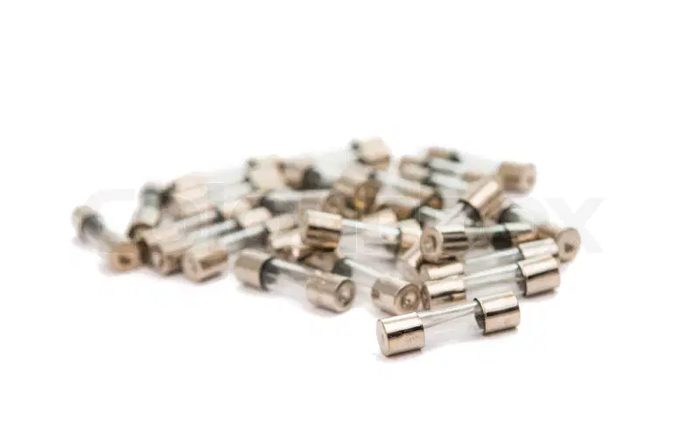
Circuit Protection
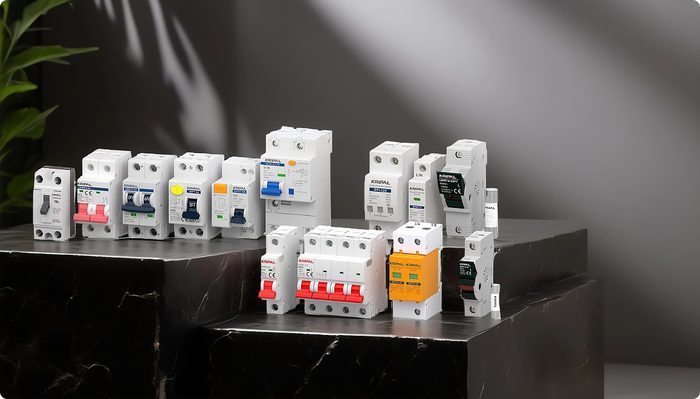
Fuses, breakers, holders, surge suppressors and disconnects.
Also searched as: fusescircuit breakerfuse holdersurge protectordisconnect
-
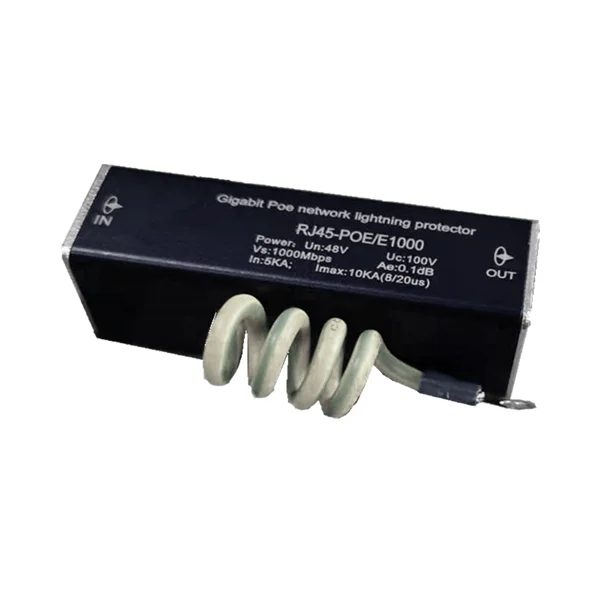
10-100-1000Mbps 24V PoE Network Lightning - Surge Protector
Data Rate: 10/100/1000 MbpsVoltage: 24 V
-
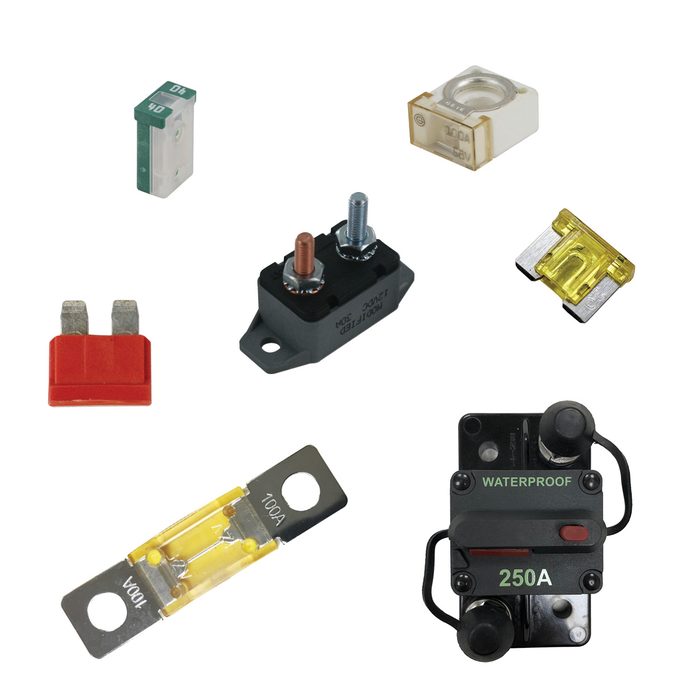
100 Amp Maxi Fuses
Current Rating: 100 A
-
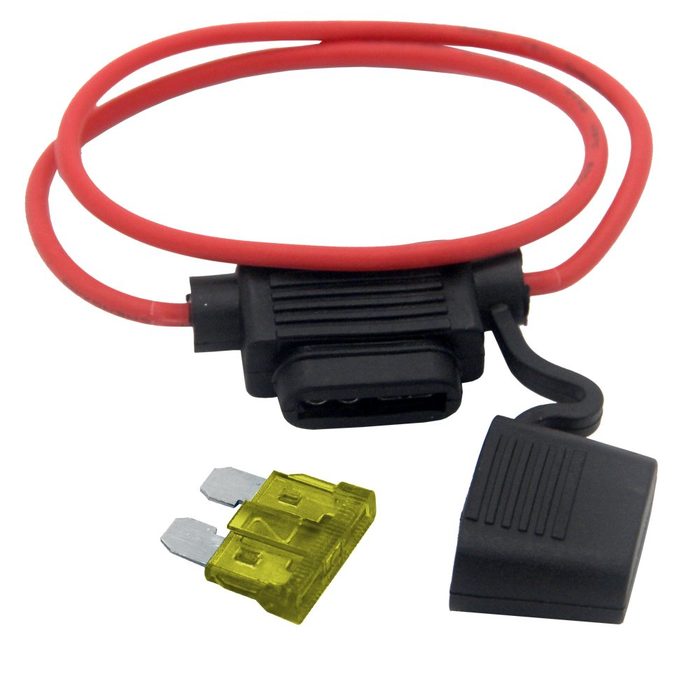
20 Amp In Line Fuse Holder
Amp Range: 20 AmpFuse Type: Delay, Fast-ActingVoltage Rating: 600V AC, 700V AC
-
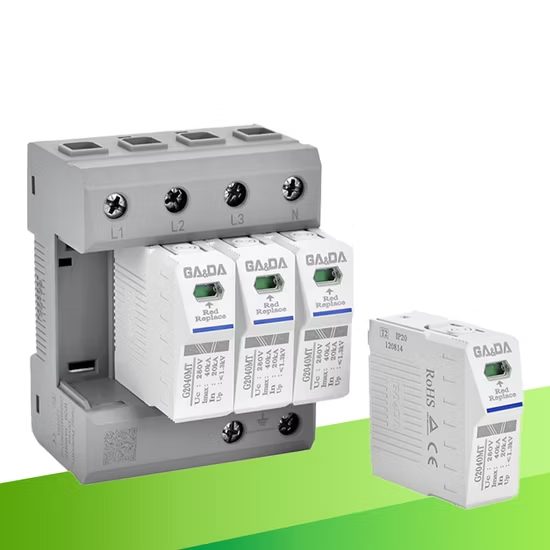
4-Pole Pluggable Surge Protector, DIN rail mount
Mounting: DIN railPoles: 4Standard: UL1449 4th EditionVoltage Rating: 600/347 Vac, 120/208 V
-
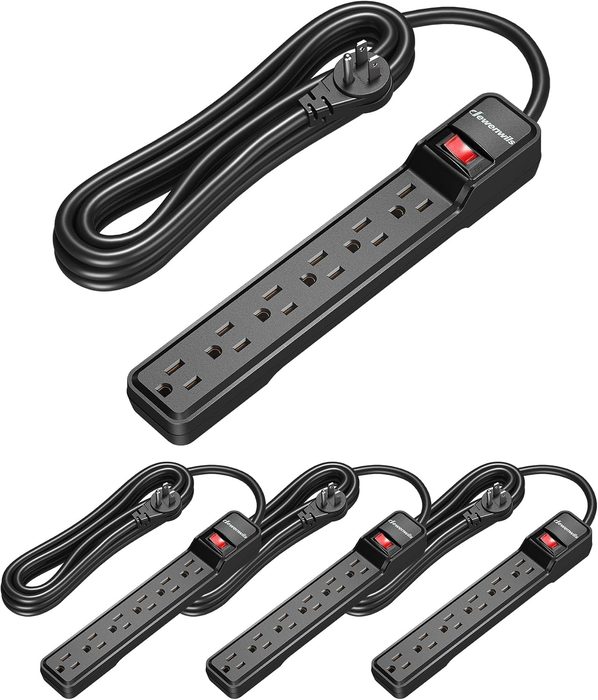
6-Outlet Surge Protector Power Strip, 15 Ft., Black
Cord Length: 15 ftCurrent Rating: 15 AOutlets: 6Power Rating: 1875 WSurge Protection: 350 Joules
-
-
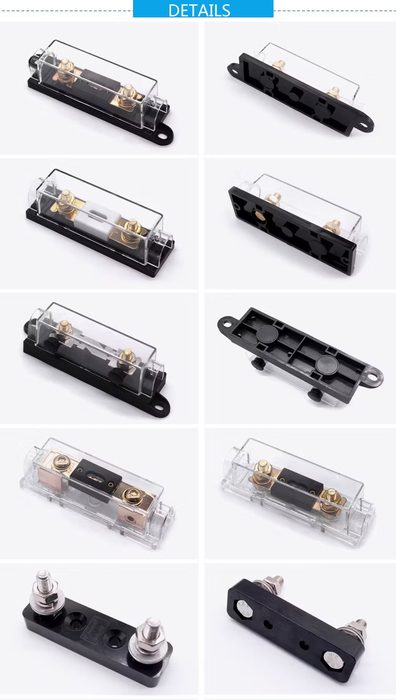
Bolt-On 2 in. Fuse Holder For A Openings
Amp Range: 30 AmpMounting: Bolt-On
-
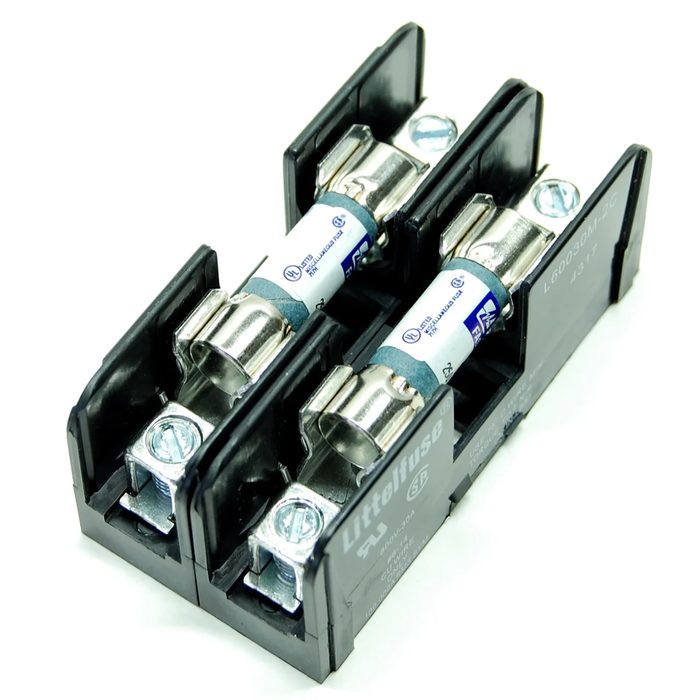
Fuse Holder
Amp Range: 300AHeight: 1.35 inLength: 4.98 inVoltage Rating: 48VWidth: 1.25 in
-
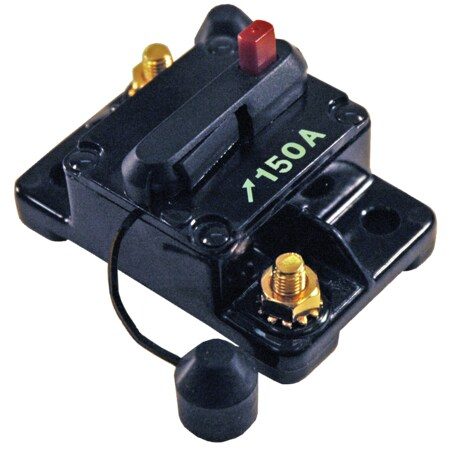
Fuse Holder, Outdoor Fuse Type
Amp Range: 80AFuse Type: Outdoor
-
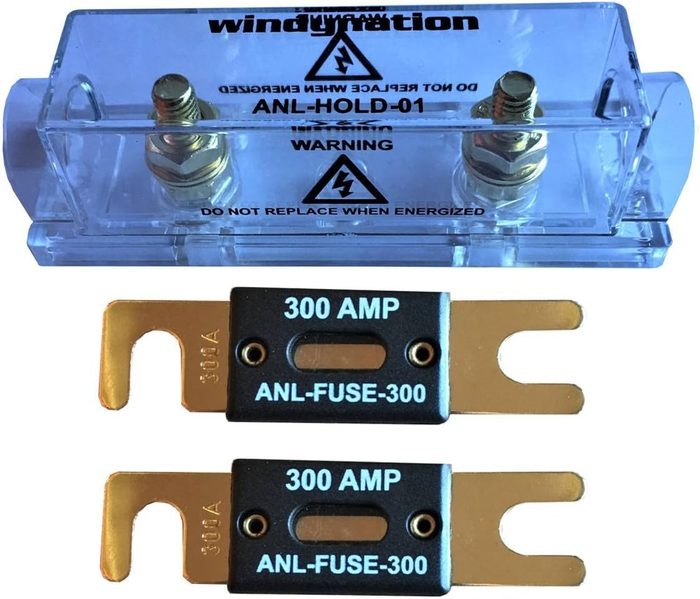
Fuse Holder, Wire Leads, Automotive Fuse Type
Fuse Type: AutomotiveWire Range: 4 AWG to 1/0 AWG
-
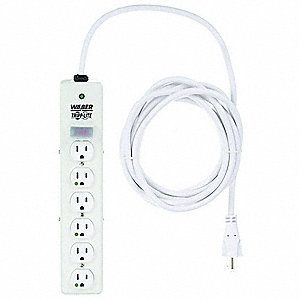
Hospital-Grade Surge Protector with 6 Hospital-Grade Outlets
Cord Length: 10 ftJoules: 1050Outlets: 6
-
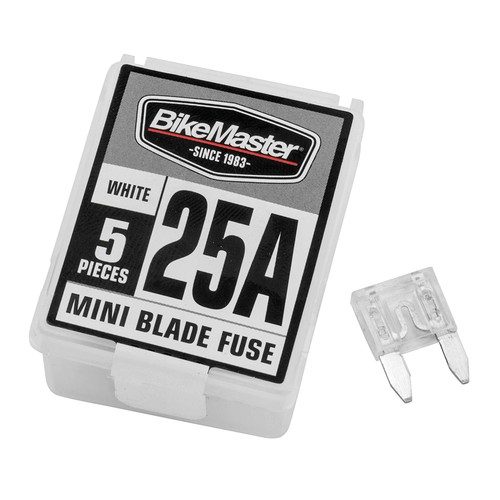
Mini Blade Fuse 25 Amp White Type ATM
Current Rating: 25 A
-
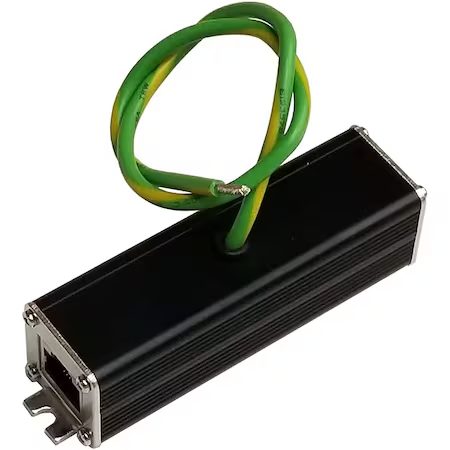
Network Lightning & Surge Protector
Clamp Voltage: 70VData Rate: 10GbpsSurge Current: 10KA
-
PoE Network Lightning - Surge Protector
Data Rate: 10-100-1000MbpsVoltage: 24V
-
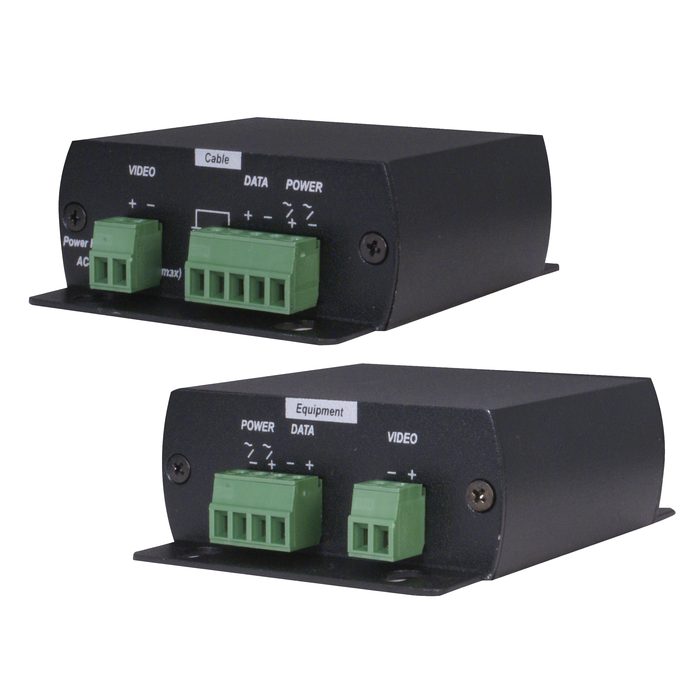
UTP Data Surge Protector
Height: 1 inLength: 3-3/8 inWidth: 2 in
About circuit protection
Circuit protection devices safeguard electrical systems from overcurrents, short circuits, and voltage surges. This category encompasses fuses, circuit breakers, fuse holders, surge suppressors, and disconnect switches. Fuses are sacrificial devices containing a metallic wire or strip that melts and breaks the circuit when current exceeds a specified rating. Key parameters include current rating (Amperes), voltage rating (Volts AC/DC), breaking capacity (kA), and time-current characteristics (e.g., fast-acting, time-delay). Common fuse types include cartridge (e.g., UL Class CC, J, RK5, T), blade (automotive), and surface-mount (SMD) fuses. Circuit breakers are resettable protective devices, available in thermal, magnetic, or thermomagnetic trip mechanisms. Specifications include current rating, voltage rating, number of poles, interrupt rating, and trip curve (e.g., B, C, D for IEC). Fuse holders are designed for specific fuse sizes and types, rated by current and voltage, and come in panel mount, PCB mount, or in-line configurations. Surge suppressors, or transient voltage surge suppressors (TVSS), protect against voltage spikes, characterized by clamping voltage, energy absorption (Joules), and response time. Disconnect switches isolate power, with ratings for current, voltage, and sometimes horsepower, and can be fused or non-fused, often with NEMA enclosure ratings for environmental protection.
How to choose
When selecting circuit protection, first determine the required current and voltage ratings of the circuit to be protected. Second, identify the fault current capacity of the system to ensure the chosen device has an adequate interrupt or breaking capacity. Third, consider the desired response time to overcurrents; fast-acting fuses protect sensitive electronics, while time-delay fuses accommodate inrush currents. Fourth, evaluate environmental conditions and mounting requirements, selecting appropriate enclosure ratings (e.g., NEMA 4X for harsh environments) and mounting styles (e.g., DIN rail, panel mount, PCB). Finally, decide between resettable circuit breakers for convenience or sacrificial fuses for precise, single-use protection, weighing maintenance against protection specificity.