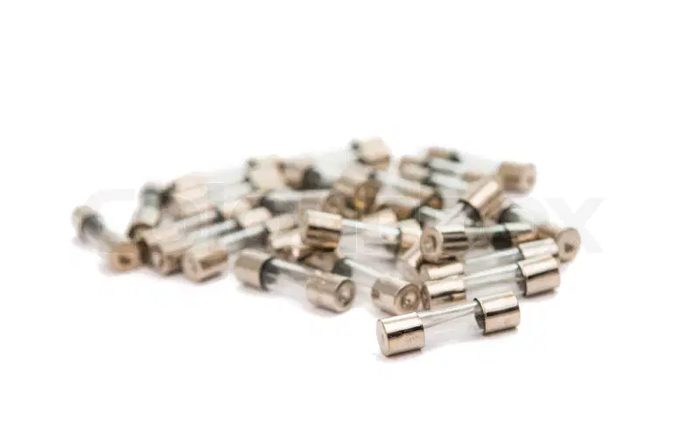
Circuit Protection
Fuses, breakers, holders, surge suppressors and disconnects.
Also searched as: fusescircuit breakerfuse holdersurge protectordisconnect
-
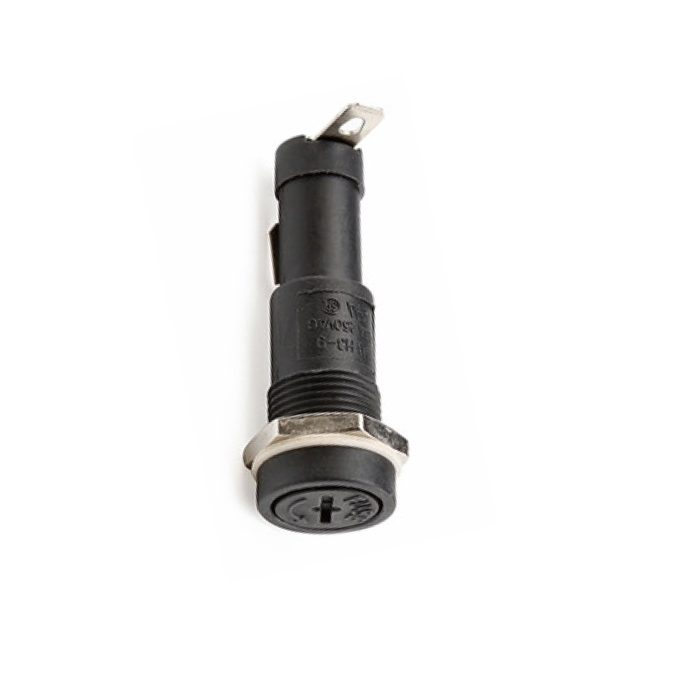
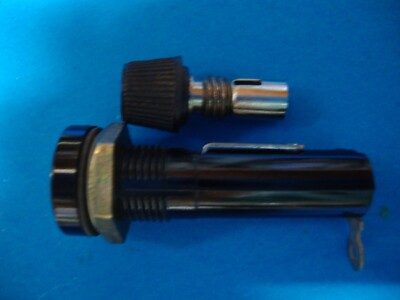
6x30mm Glass Fuse Holder Panel Mount
Current Rating: 15 A, 10 AFuse Size: 6x30 mmMounting: Panel MountVoltage Rating: 125 V, 250 V
-
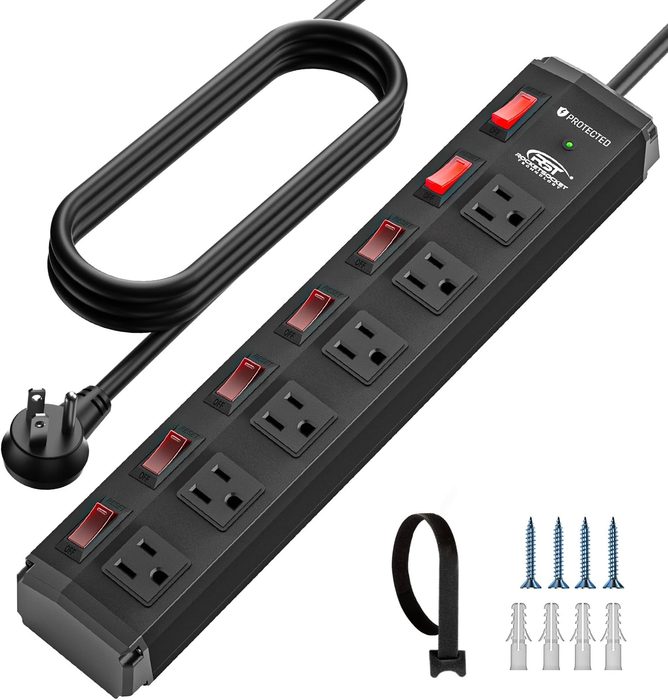
7 Outlet Surge Protector
Cord Length: 7 ftCurrent: 15 AOutlets: 7Surge Protection: 2160 Joules
-
-
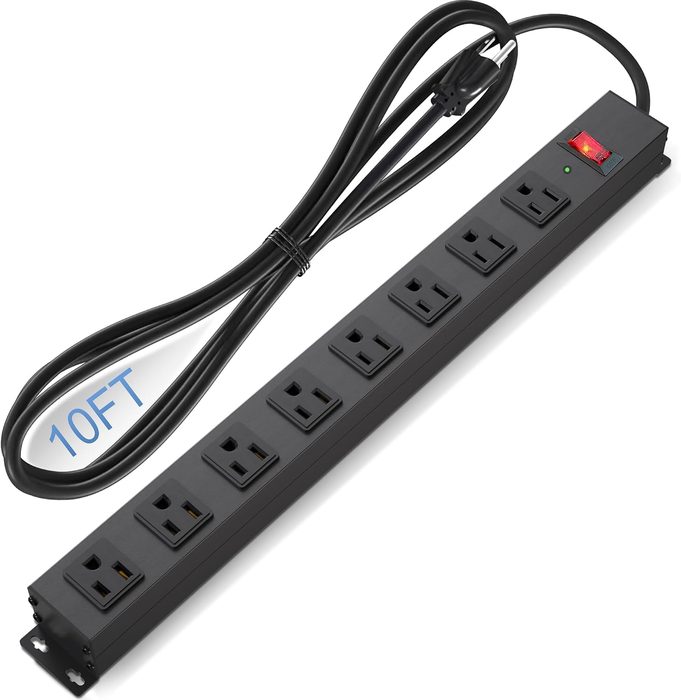
8 Outlet Long Power Strip, 2100J Surge Protector
Joule Rating: 2100 JOutlets: 8
-
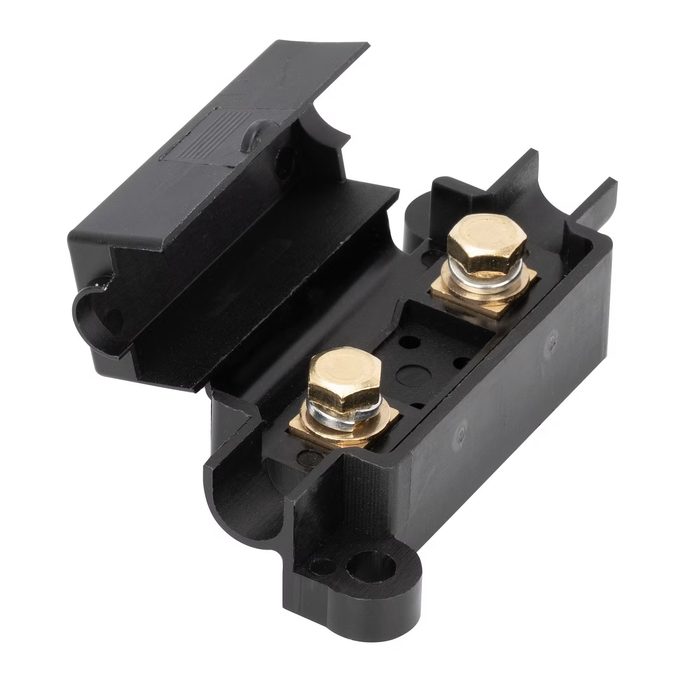
ANL Fuse Block Base Holder Bolt Down
Current Rating: 500 AStud: M8Voltage Rating: 32 V
-
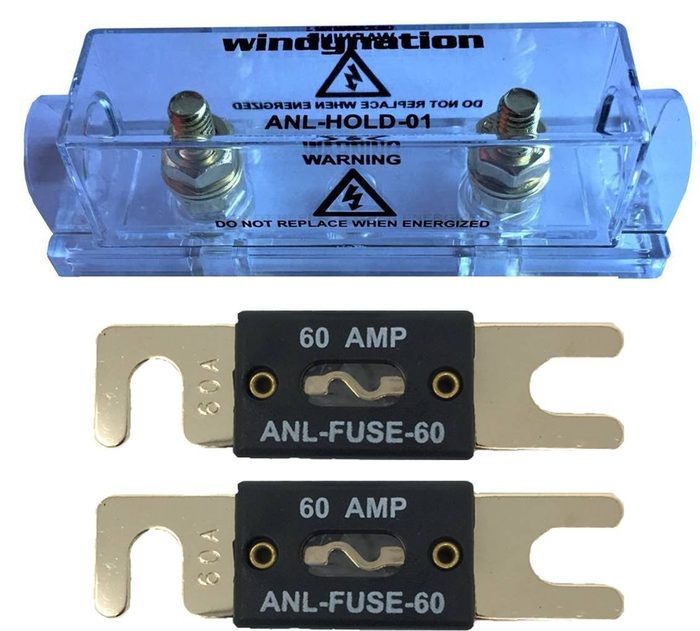
ANL Fuse Holder
Max Cable Gauge: 2/0 gaugeMounting Bolt Diameter: 8 mm
-
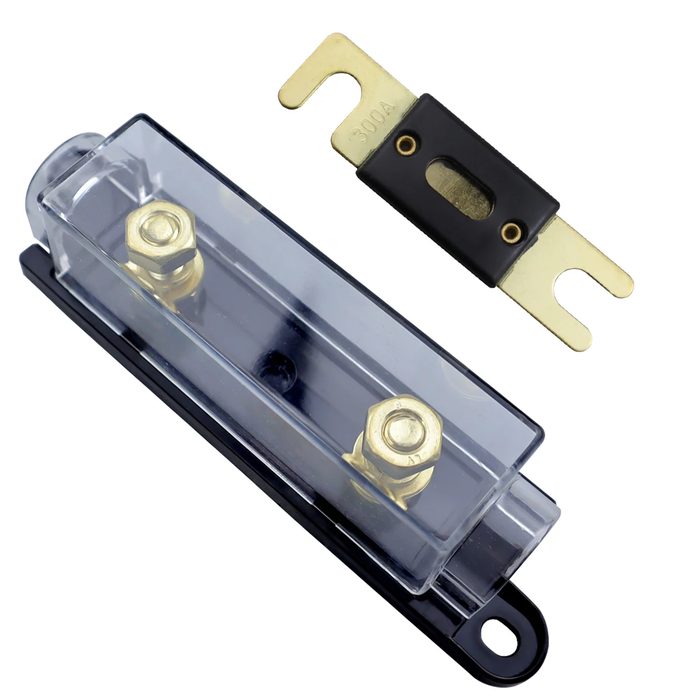
ANL Fuse Holder
Max Current: 750AVoltage: 48V
-
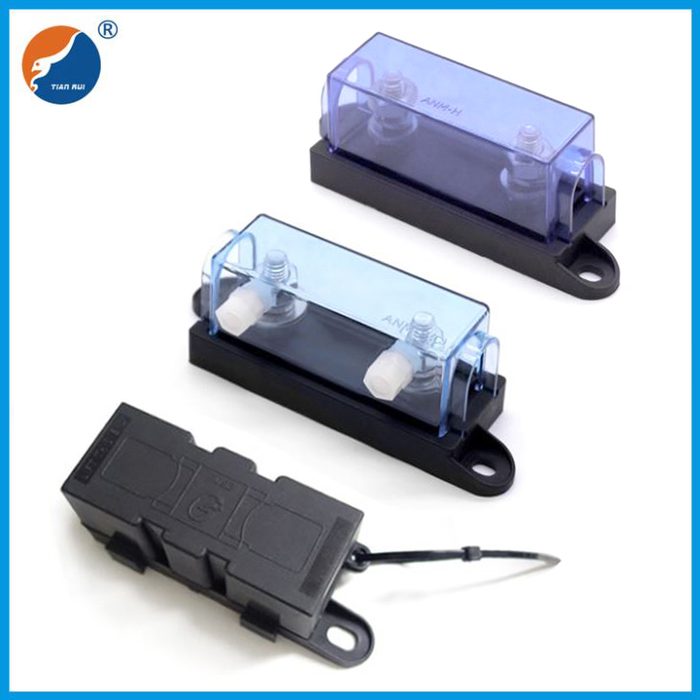
ANL Fuse Holder Bolt-on Fuse Automotive
Amp Range: 30A to 500AFuse Type: ANL, AutomotiveMounting: Bolt-on
-
-
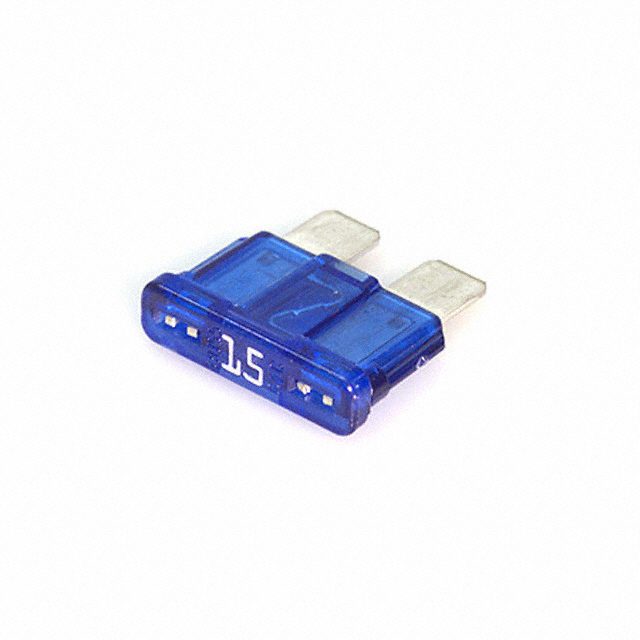
ATC Automotive Blade Fuse
Amperage: 15 AVoltage: 32 V
-
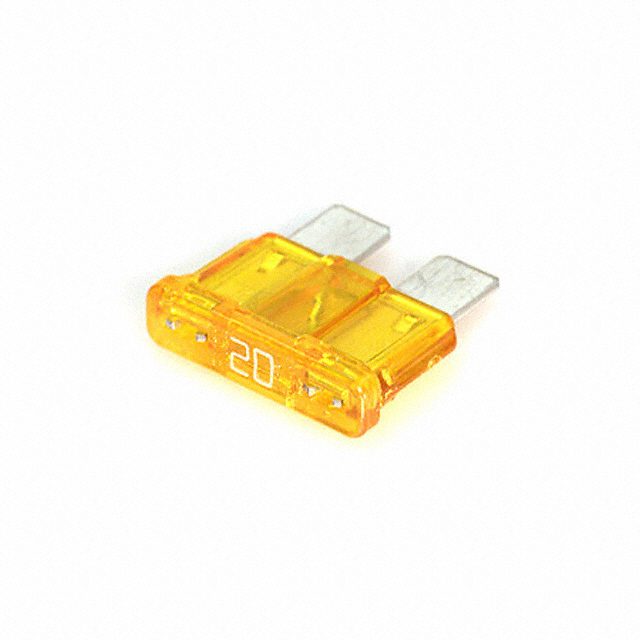
ATC Automotive Blade Fuse
Amperage: 20 AVoltage: 32 V
-
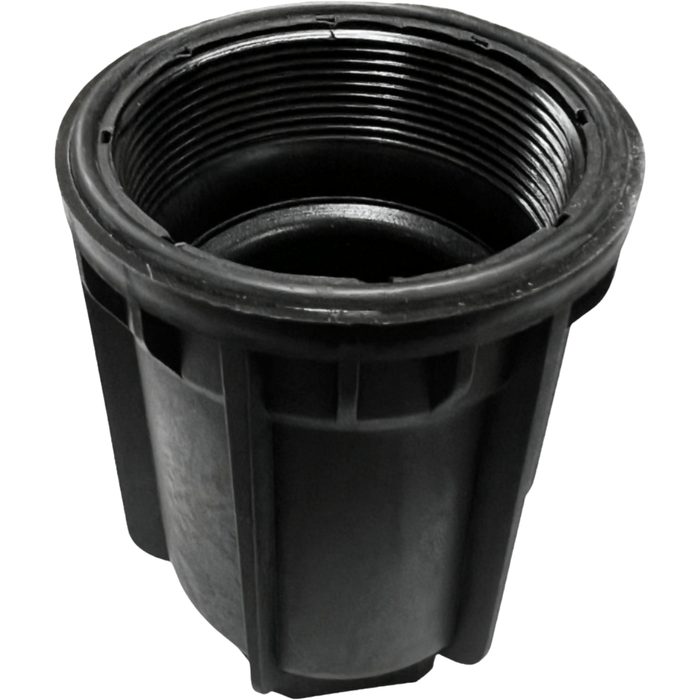
- BU
-
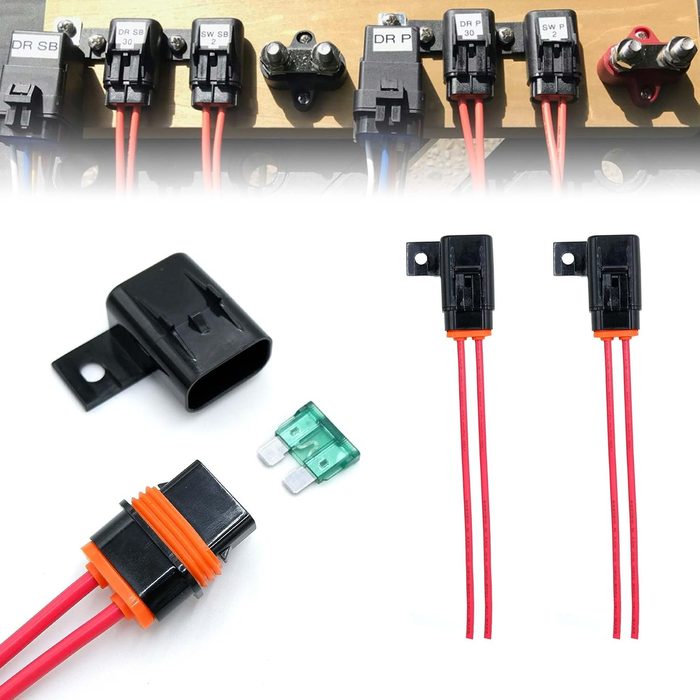
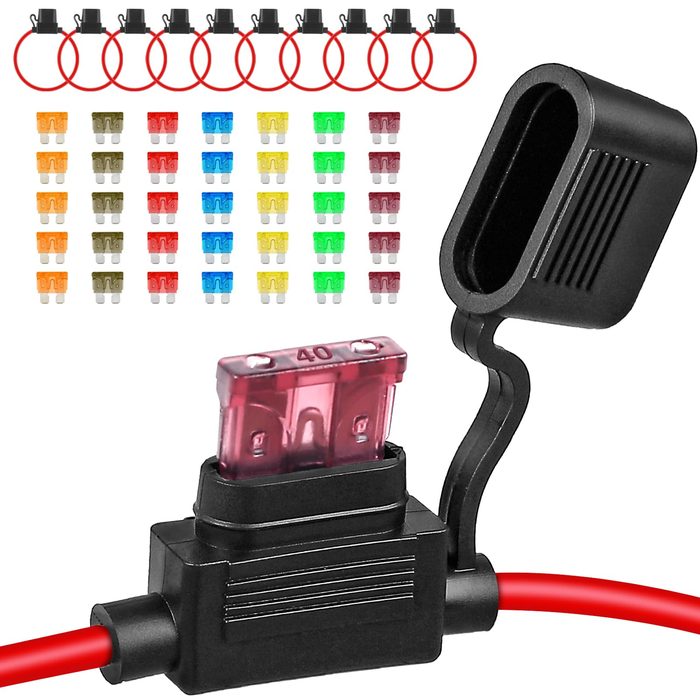
ATC/ATO In-line Waterproof Fuse Holder
Fuse Type: ATC/ATO, Maxi/Standard/Mini Micro Blade
-
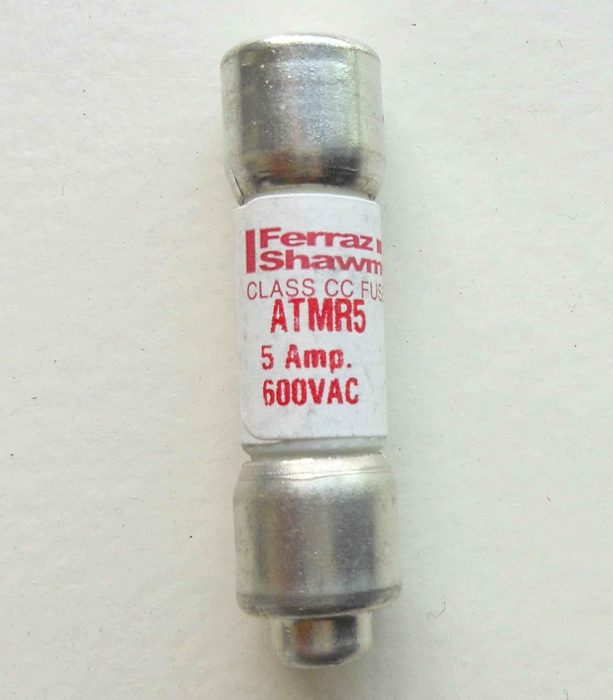
-
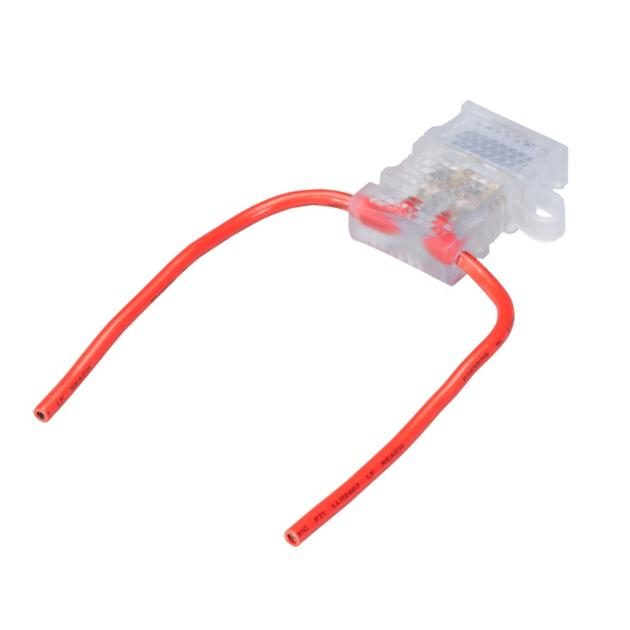
ATO ATC In-Line Fuse Holder
Wire Gauge: 16AWG
-
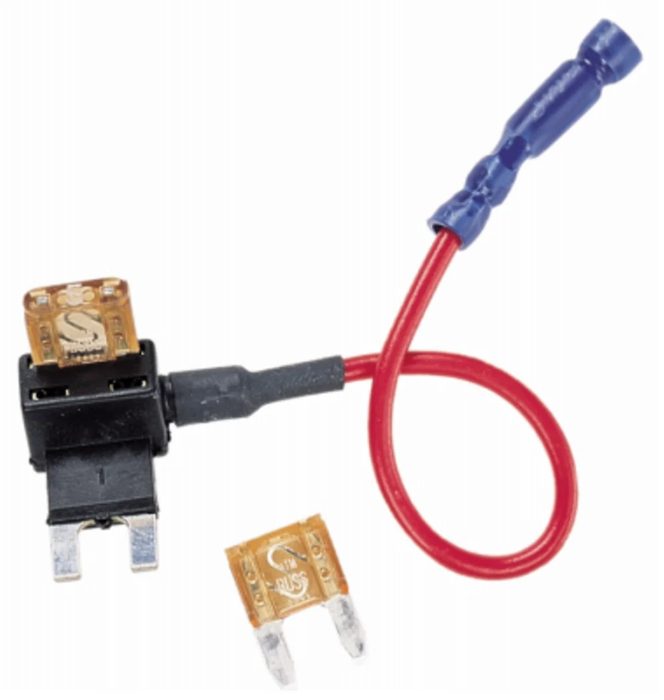
Add-A-Circuit Fuse Tap
Amperage: 10 ANumber of Poles: 1Voltage: 32 VWire Gauge: 16 AWG
-
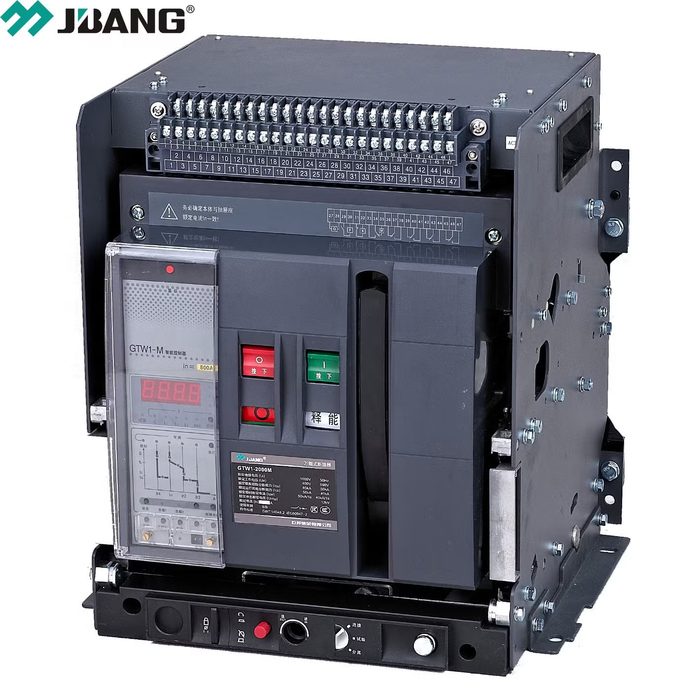
-
-
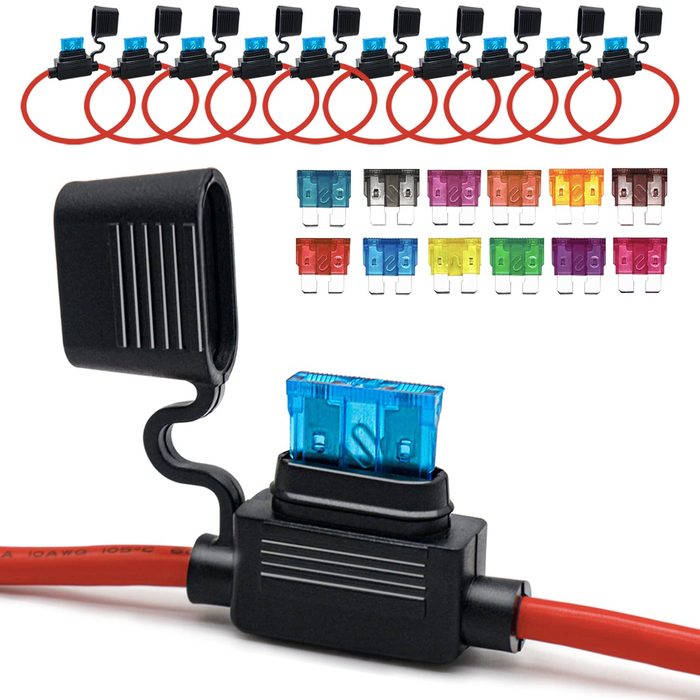
Automotive In-Line ATC Fuse Holder
Amperage: 20 AVoltage: 32 V
-
Automotive In-Line ATC Fuse Holder
Amperage: 30 AVoltage: 32 V
-
Automotive In-Line ATC Fuse Holder
Amperage: 20 ANumber of Poles: 1Voltage: 32 V
-
-
-
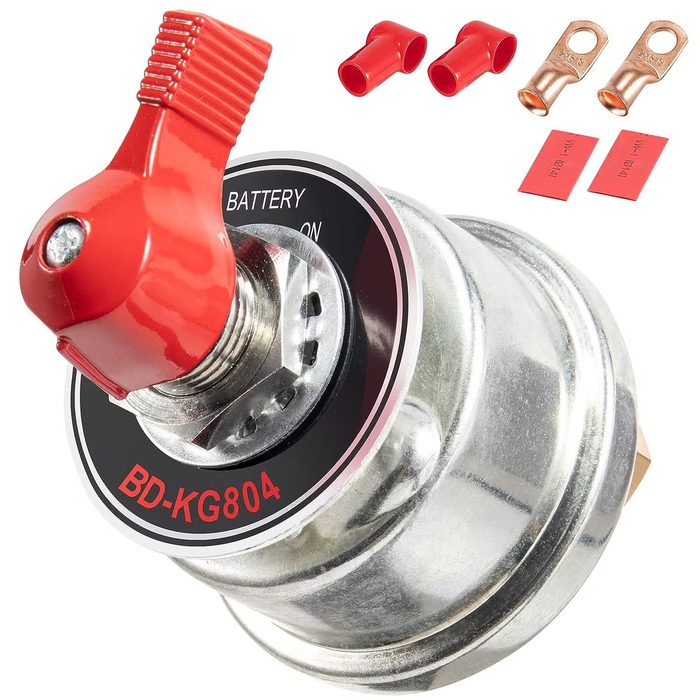
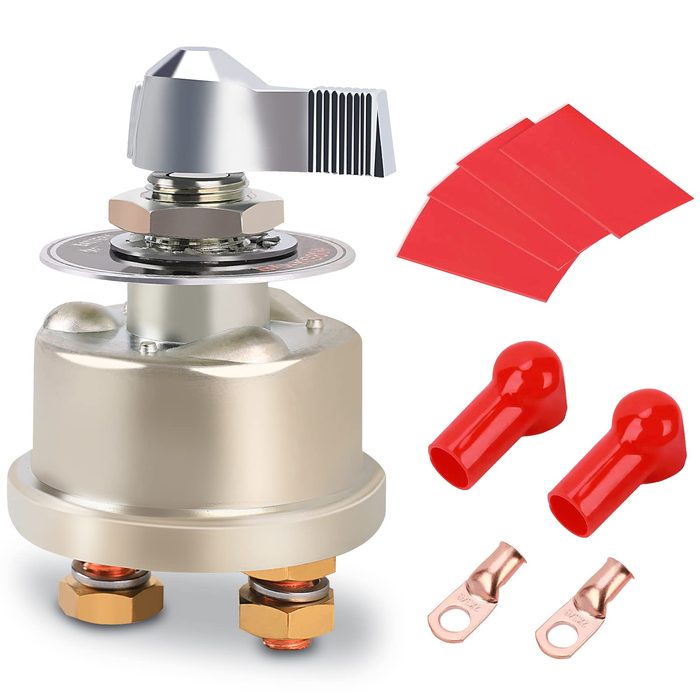
Battery Disconnect Switch Non-Detachable High Current DC
Current: High CurrentVoltage: DC
-
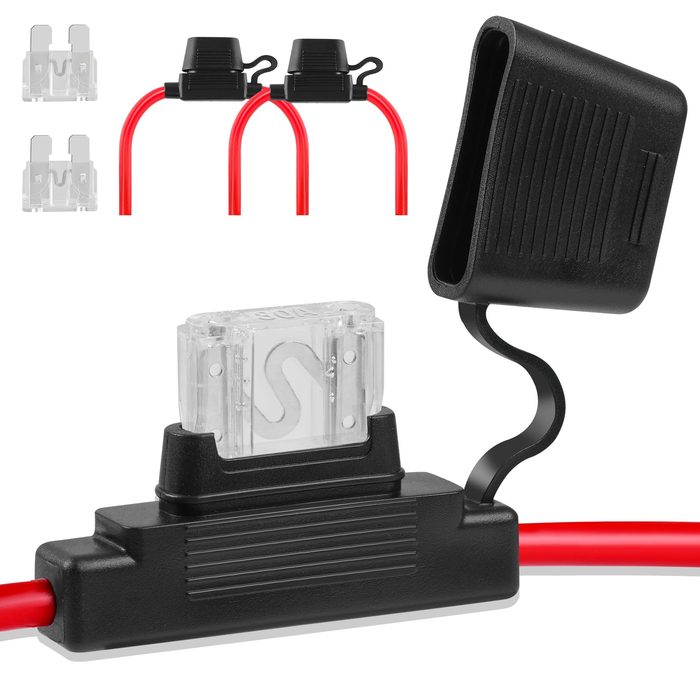
Blade Fuse Holder
Current: 30A
-
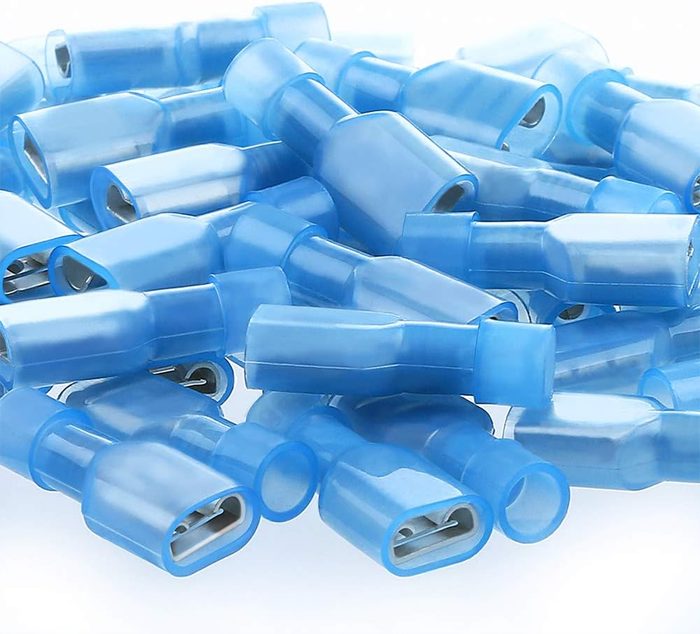
Blue Nylon Insulated Female Disconnect
Wire Gauge: 16-14 AWG
-
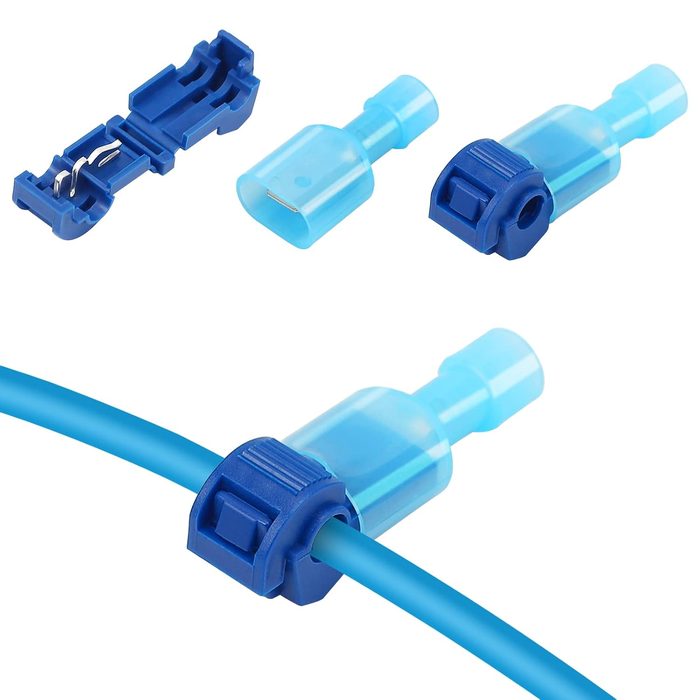
Blue Nylon Insulated Quick Connect Male Disconnect Terminal
Wire Gauge: 16-14 AWG
-
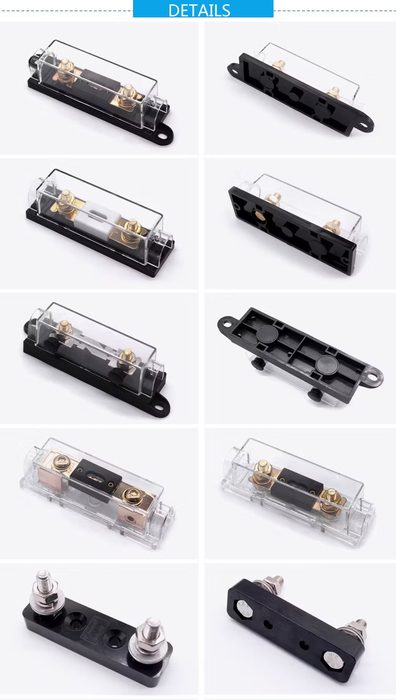
Bolt-On 2 in. Fuse Holder For A Openings
Amp Range: 30 AmpMounting: Bolt-On
-
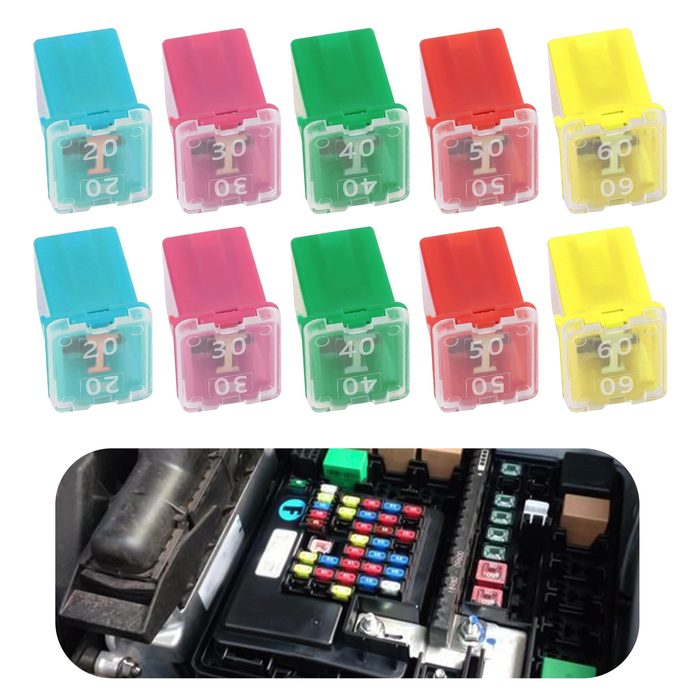
Box Shaped Car Fuses Kit
Amperage: 20A, 30A
-
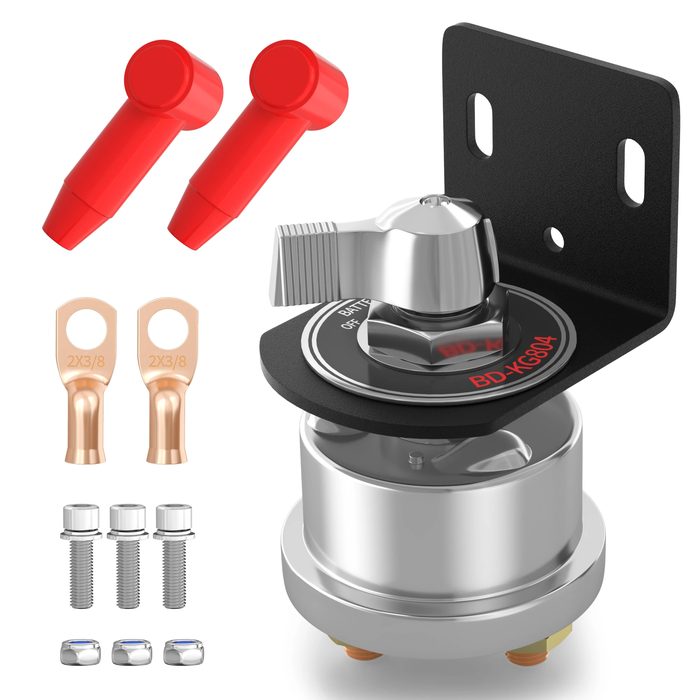
Car Battery Disconnect Switch
Voltage Rating: 12-24 V
-
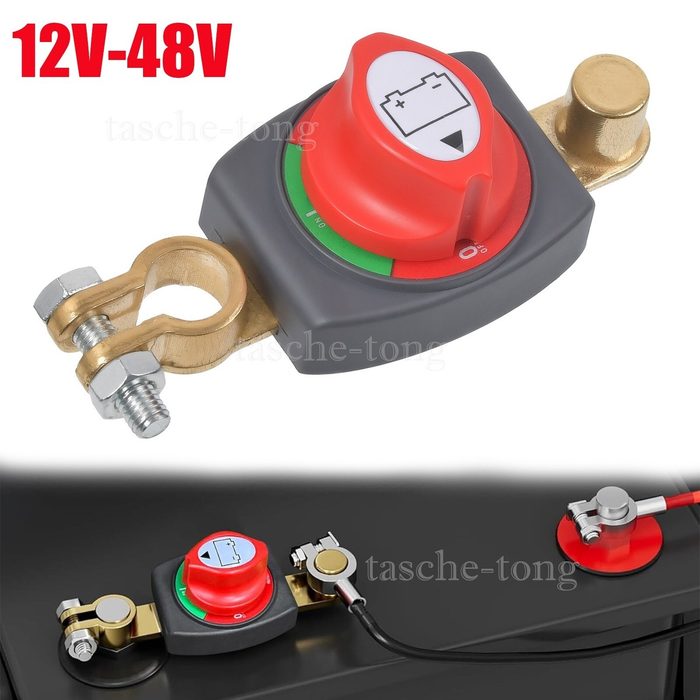
-
-
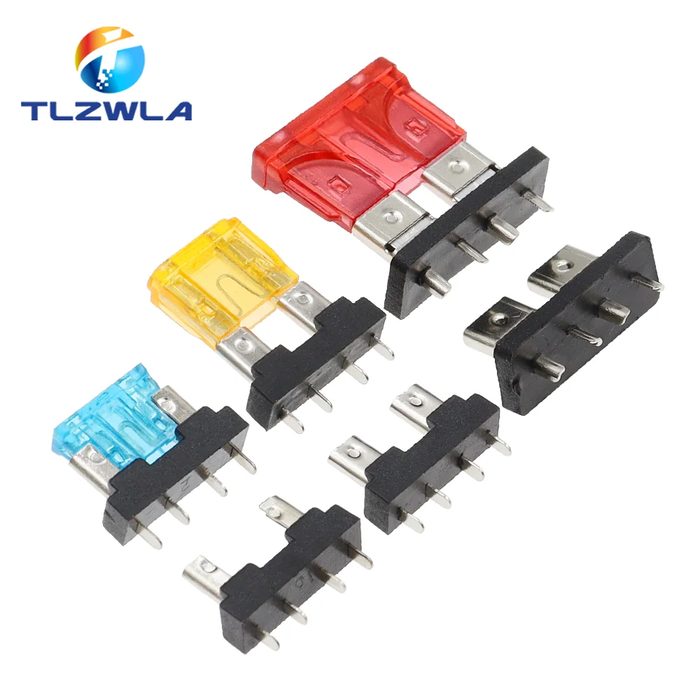
Car Fuse Holder PCB Board
Fuse Size: Mini Micro StandardVoltage: 32V
-
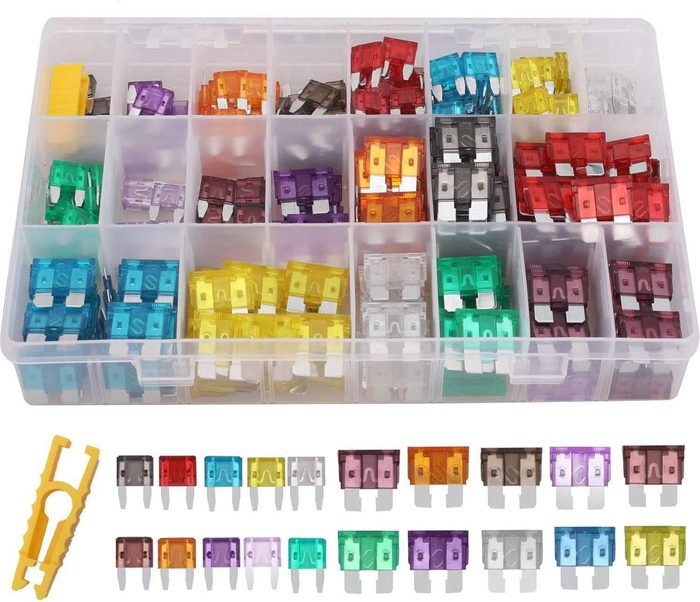
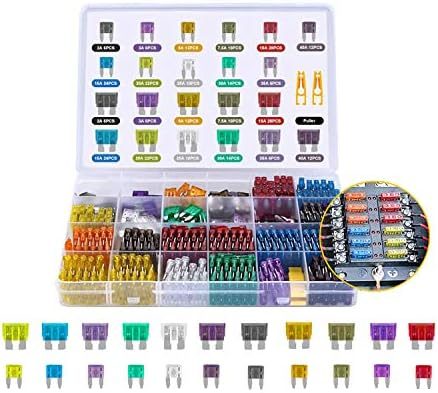
Car Fuses Assortment Kit
Amperage: 2A to 40AVoltage: 32V
-
About circuit protection
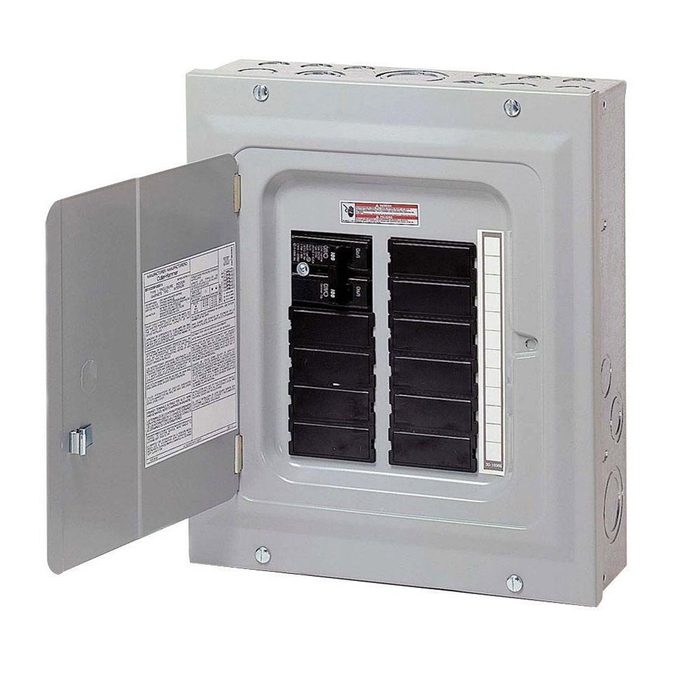
Circuit protection devices safeguard electrical systems from overcurrents, short circuits, and voltage surges. This category encompasses fuses, circuit breakers, fuse holders, surge suppressors, and disconnect switches. Fuses are sacrificial devices containing a metallic wire or strip that melts and breaks the circuit when current exceeds a specified rating. Key parameters include current rating (Amperes), voltage rating (Volts AC/DC), breaking capacity (kA), and time-current characteristics (e.g., fast-acting, time-delay). Common fuse types include cartridge (e.g., UL Class CC, J, RK5, T), blade (automotive), and surface-mount (SMD) fuses. Circuit breakers are resettable protective devices, available in thermal, magnetic, or thermomagnetic trip mechanisms. Specifications include current rating, voltage rating, number of poles, interrupt rating, and trip curve (e.g., B, C, D for IEC). Fuse holders are designed for specific fuse sizes and types, rated by current and voltage, and come in panel mount, PCB mount, or in-line configurations. Surge suppressors, or transient voltage surge suppressors (TVSS), protect against voltage spikes, characterized by clamping voltage, energy absorption (Joules), and response time. Disconnect switches isolate power, with ratings for current, voltage, and sometimes horsepower, and can be fused or non-fused, often with NEMA enclosure ratings for environmental protection.
How to choose
When selecting circuit protection, first determine the required current and voltage ratings of the circuit to be protected. Second, identify the fault current capacity of the system to ensure the chosen device has an adequate interrupt or breaking capacity. Third, consider the desired response time to overcurrents; fast-acting fuses protect sensitive electronics, while time-delay fuses accommodate inrush currents. Fourth, evaluate environmental conditions and mounting requirements, selecting appropriate enclosure ratings (e.g., NEMA 4X for harsh environments) and mounting styles (e.g., DIN rail, panel mount, PCB). Finally, decide between resettable circuit breakers for convenience or sacrificial fuses for precise, single-use protection, weighing maintenance against protection specificity.