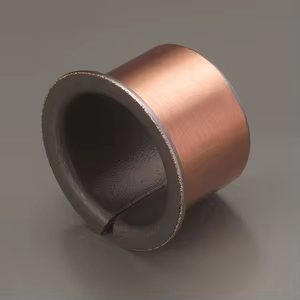
Bushings & Plain Bearings
Bronze, sintered, PTFE-lined and polymer sleeve bearings.
Also searched as: oilite bushingssleeve bearingsbronze bushingsflanged bushingsdry bearings
-
-
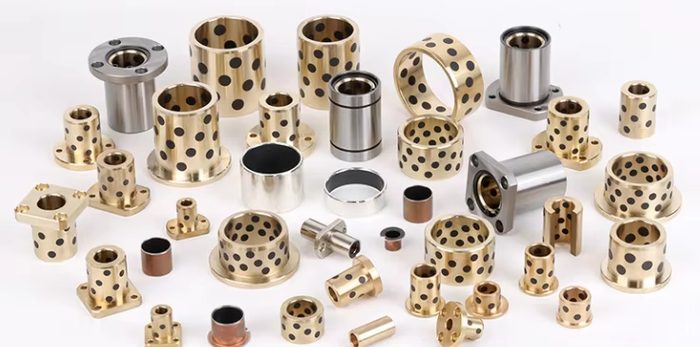
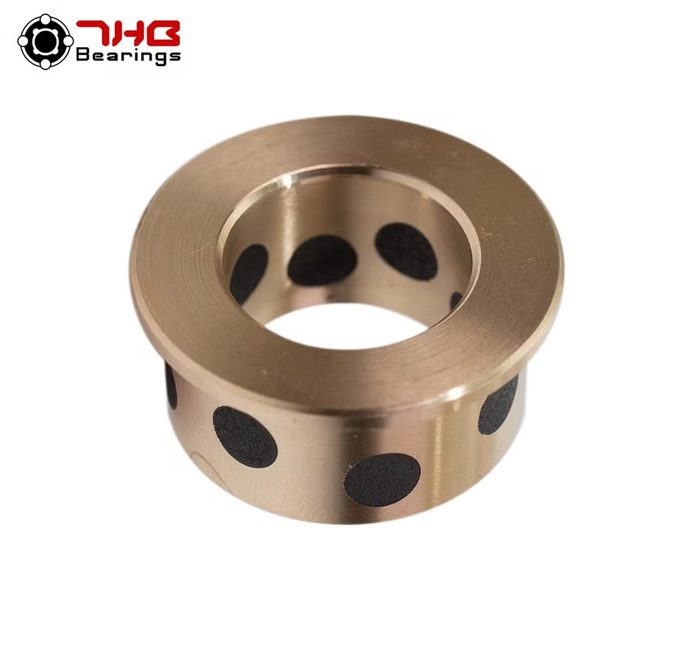
Grease Linear Sleeve Sliding Bearing
Inside Diameter Tolerance: ±0.01 mmOutside Diameter Tolerance: ±0.05 mmOverall Length: 100 mm
-
Grease Linear Sleeve Sliding Bearing Oilite Graphite Brass Bronze Bushing
Inside Diameter Tolerance: ±0.01 mmOverall Length: 100mm (3.94in)
-
-
-
-
-
About bushings & plain bearings
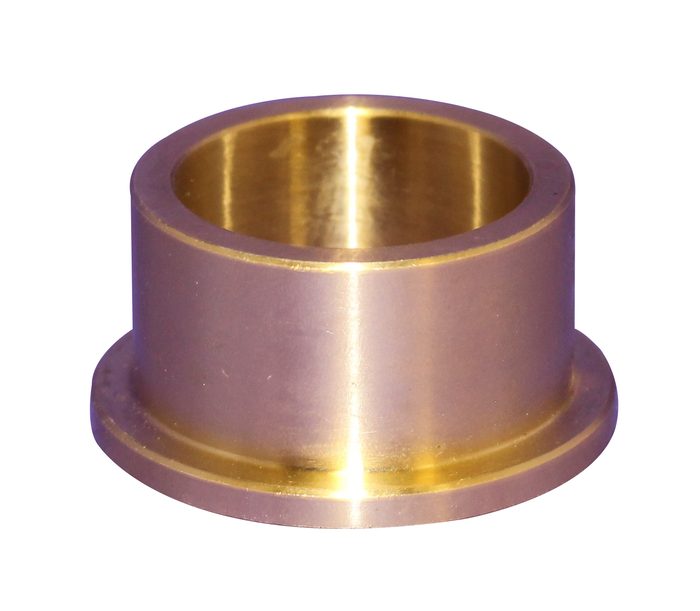
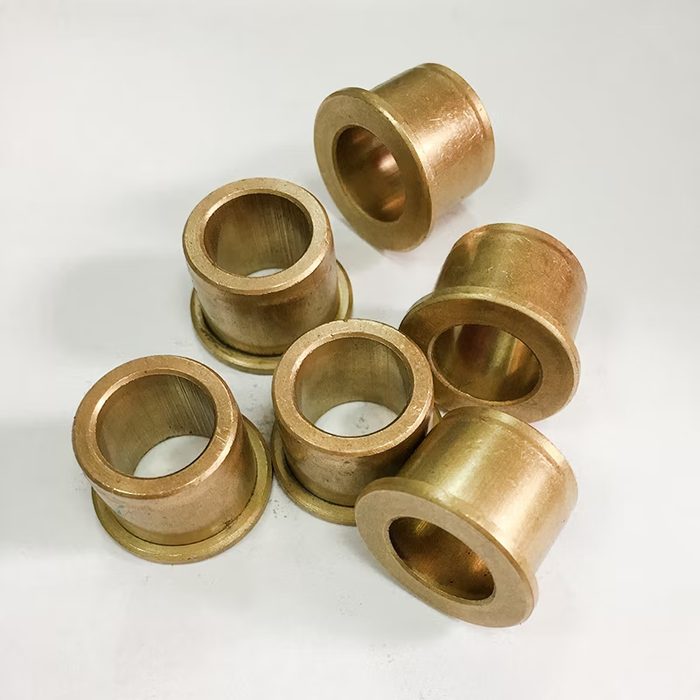
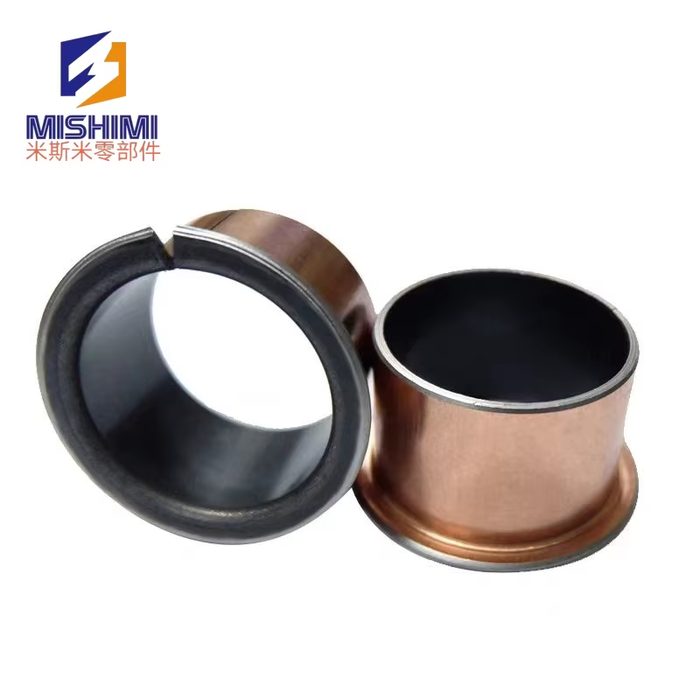
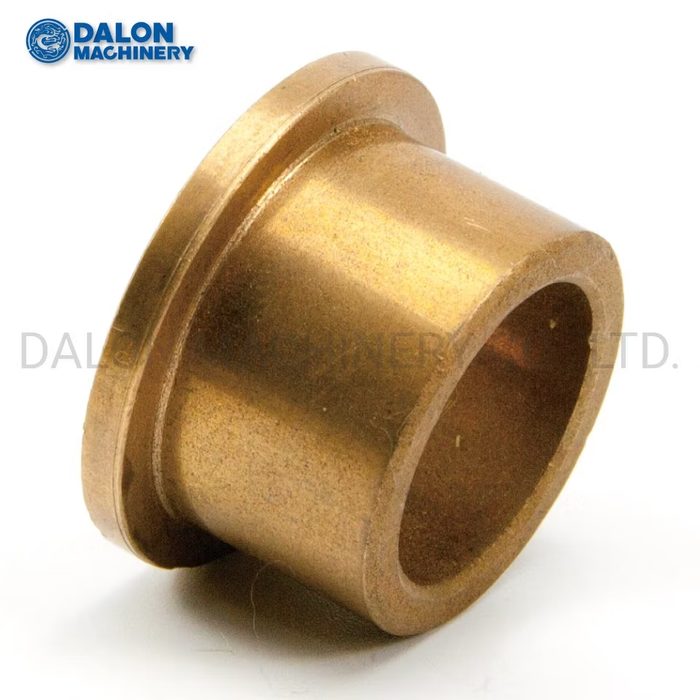
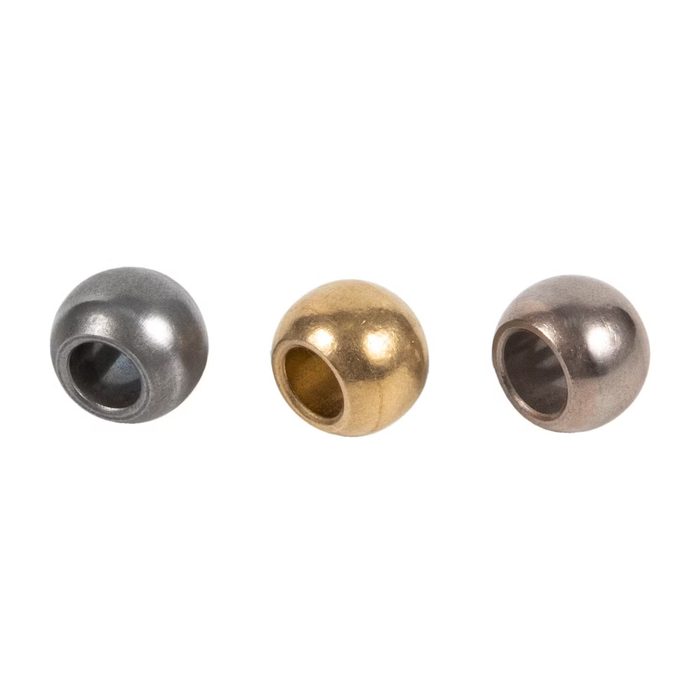
Bushings and plain bearings facilitate relative motion between two components, typically a shaft and a housing, by providing a low-friction, wear-resistant interface. Unlike rolling-element bearings, plain bearings operate on a sliding principle, relying on a lubricant film or the inherent lubricity of the bearing material. Common types include sleeve bearings, flanged bearings, and thrust washers. Sleeve bearings are cylindrical, designed for radial loads, while flanged bearings incorporate a collar to handle both radial and axial loads. Thrust washers are flat, circular components used exclusively for axial loads. Key selection parameters include the bore diameter, outer diameter, length, and flange dimensions (for flanged types), often specified in inches or millimeters. Performance characteristics such as PV (pressure-velocity) rating, maximum static and dynamic load capacities, and operating temperature range are critical. Materials frequently encountered are bronze alloys (e.g., SAE 660, oil-impregnated sintered bronze), polymer compounds (e.g., PTFE, acetal, UHMW-PE), and composite materials with PTFE liners. Surface finishes and lubrication grooves may be incorporated to optimize performance and extend service life.
How to choose
title: Choosing the Right Bushing or Plain Bearing
steps: What type of motion and load? (Radial for sleeve, axial for thrust washer, combined for flanged)
What are the operating conditions? (PV rating, temperature, presence of contaminants, lubrication requirements)
What are the dimensional constraints? (Bore, OD, length, flange dimensions)
What material properties are critical? (Corrosion resistance, wear resistance, electrical conductivity, self-lubricating properties)