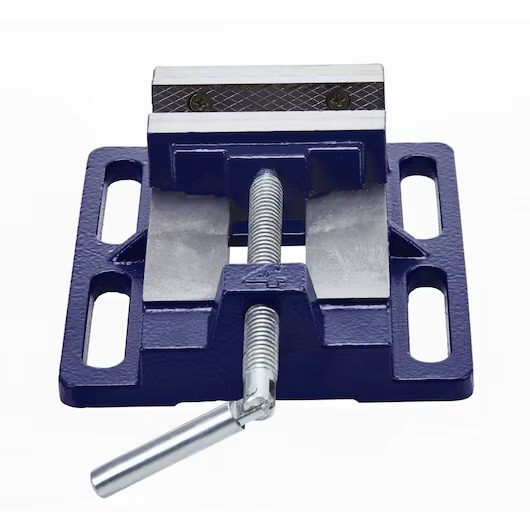
Workholding & Clamping
Vises, toe clamps, chucks, magnetic bases and fixture plates.
Also searched as: machine visetoe clampsfixture platecolletmagnetic base
-
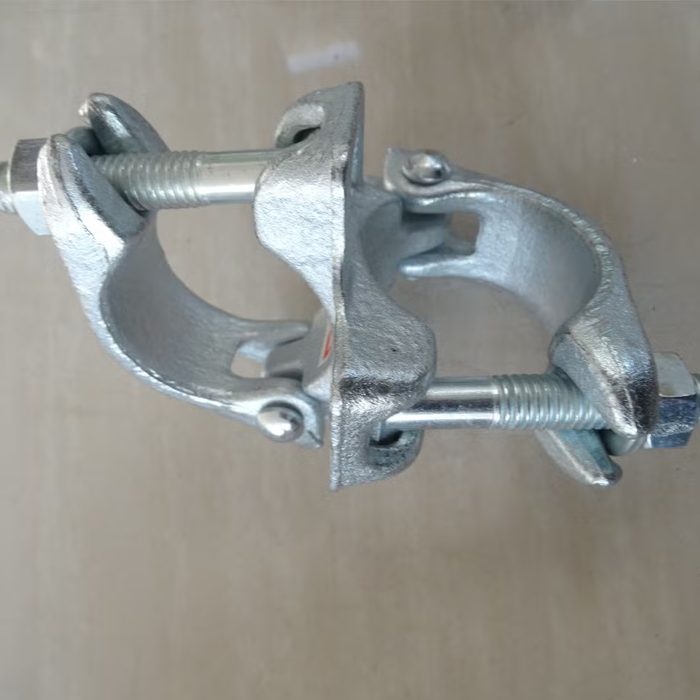
BS Standard Forged Steel Right Angle Scaffolding Clamp for Construction Tubes
Advantage: Self Design and Develop, New Mould MakingAfter-sales Service: Full Time After Sales ServiceBusiness Type: Factory/ManufacturerConstruction Properties: Building ScaffoldErection Position: External Scaffolding
from $1.10Made-in-China $1.10 -
-
-
-
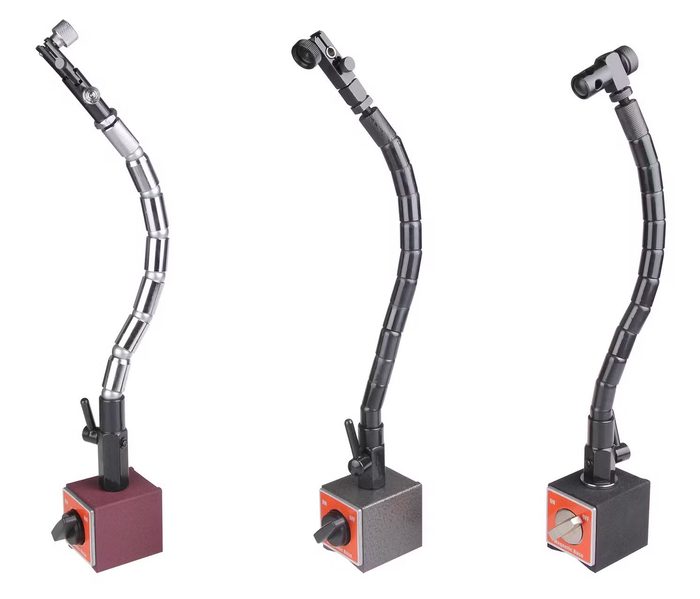
Flexible Stem Magnetic Base Stand
Resolution: 0.01mm
-
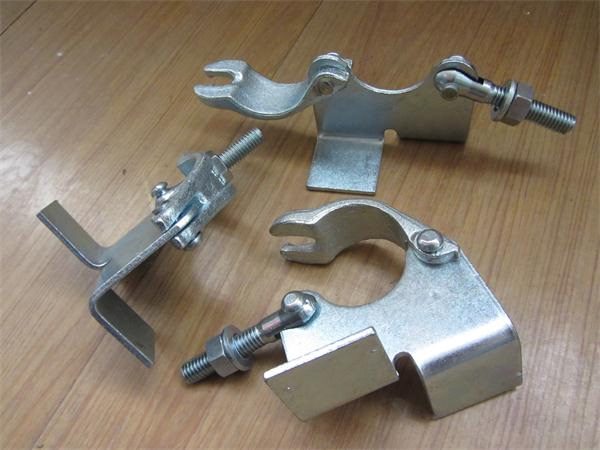
Forged Scaffold Toe Board Clamp Parallel Coupler
Size: 48.3 mmStandard: EN74, BS1139
from $0.90Made-in-China $0.90 -
-
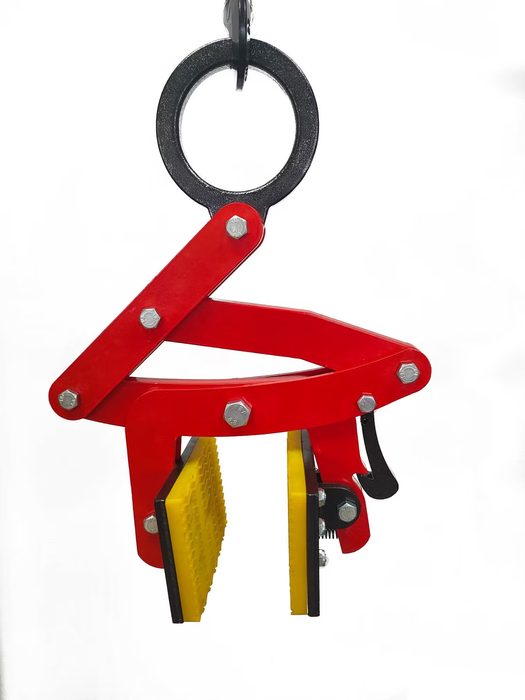
Lifting Plywood Clamp for Chain Hoist Steel 300kg Capacity
Capacity: 300 kg
from $12.70Made-in-China $12.70 -
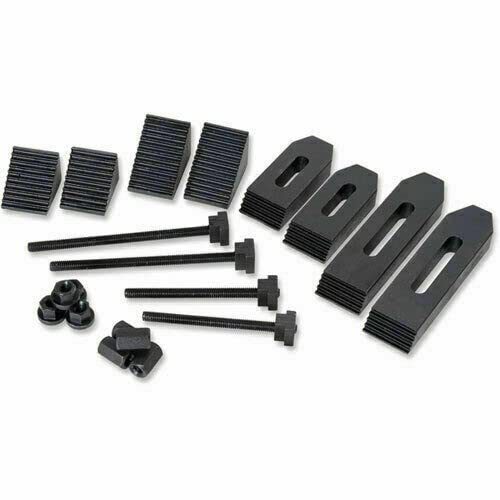
M6 58PCS Clamping Kit
Pieces: 58Thread Size: M6
-
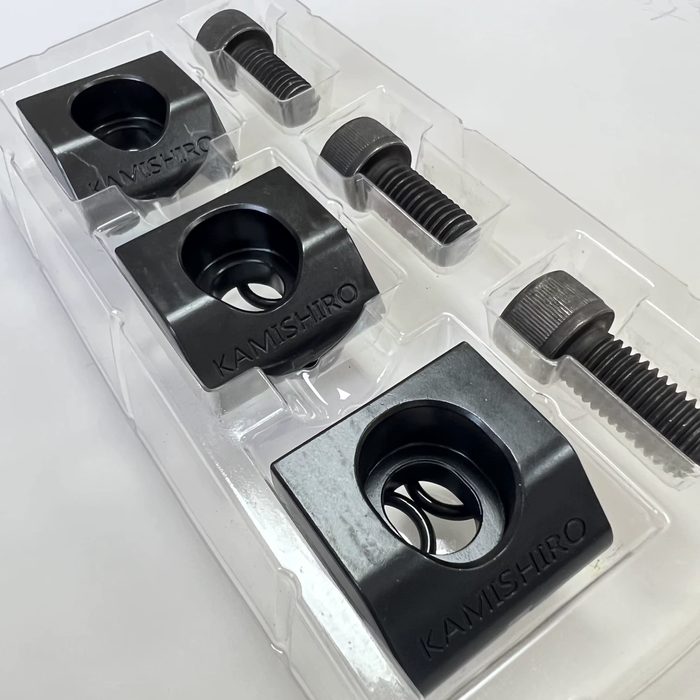
M6 58PCS Economical Machining Workholding Tools Clamping Kit
Pieces: 58Thread Size: M6
-
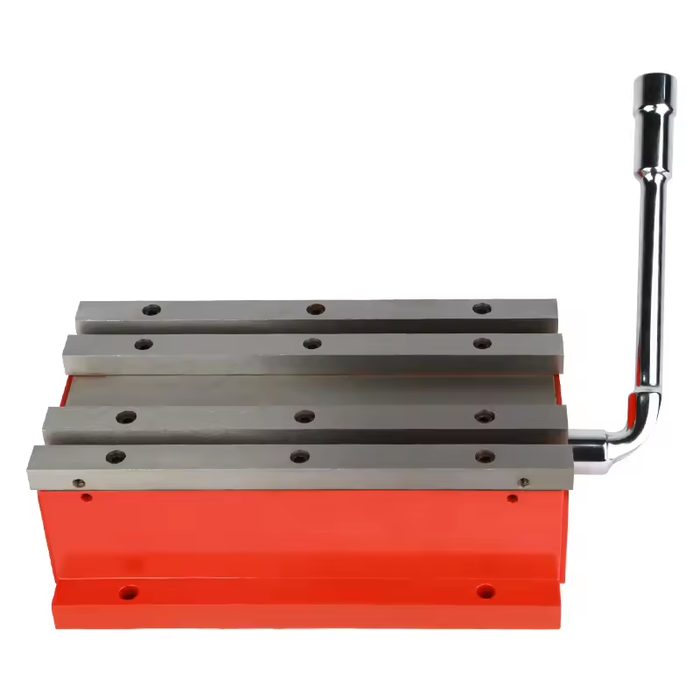
Magnetic Base MU Series
Series: MU
-
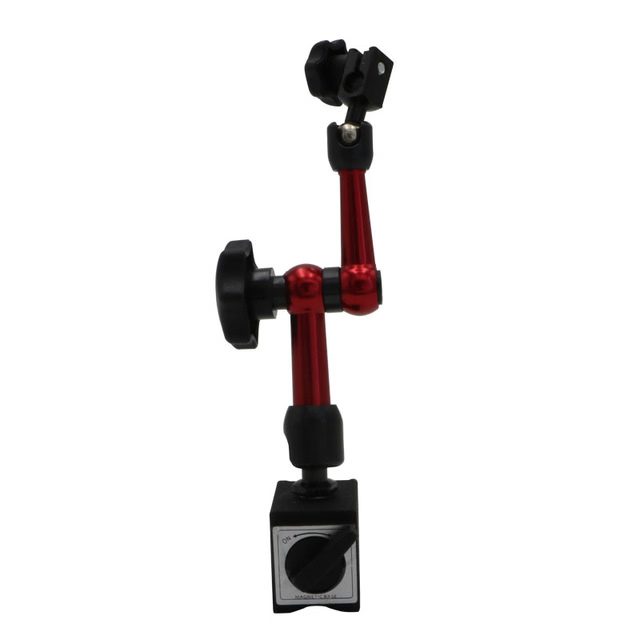
Mini Universal Flexible Indicator Magnetic Base
Holding Force: 30kg
-
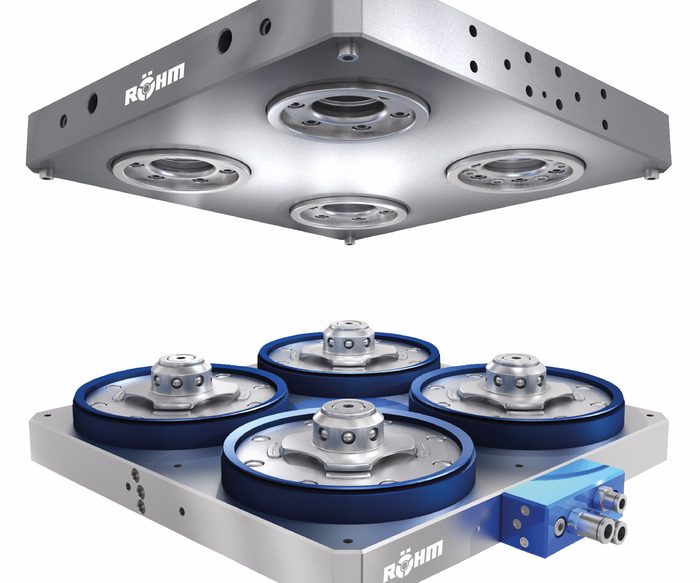
PTM4858 Electric Permanent Magnetic Chuck
Magnetic Force: 1400kg/100cm^2
-
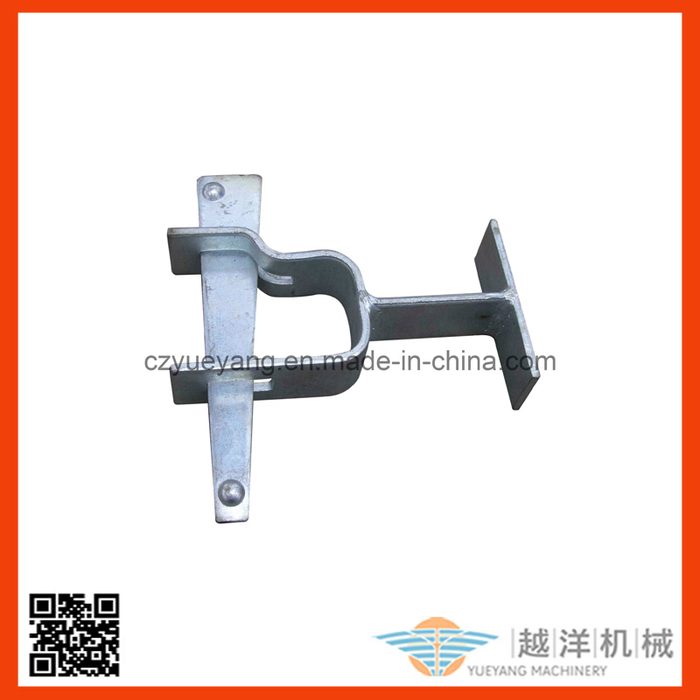 from $5.00Made-in-China $5.00
 -
-
-
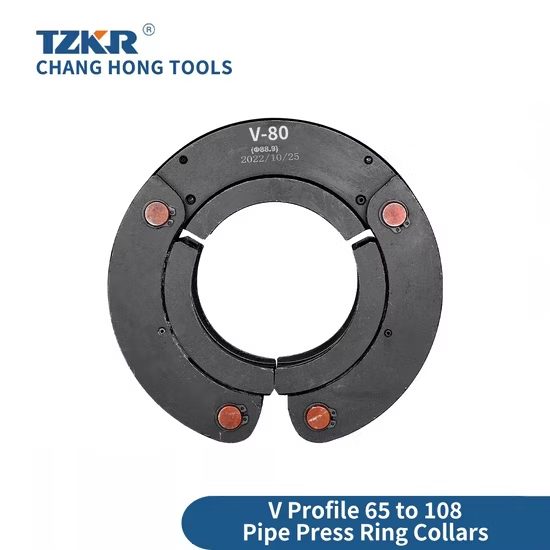
V Profile 80 DIN Standard Tight Spaces Workholding Clamping Plumbing Pipe Press Ring Collar
Profile: V Profile 80Standard: DIN
-
-
-
-
-
About workholding & clamping
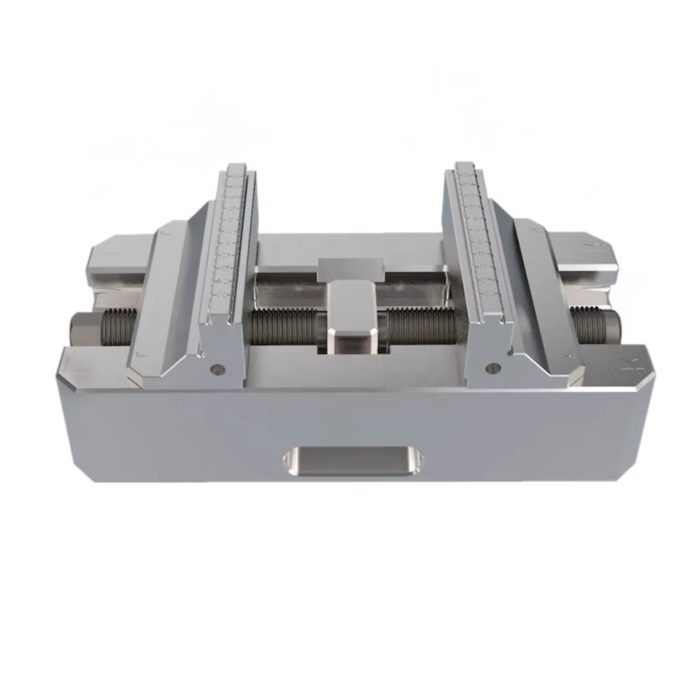
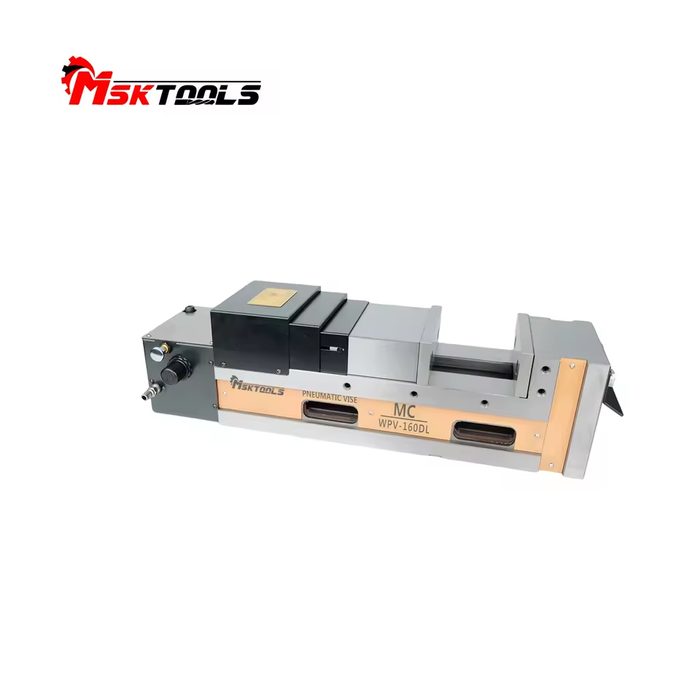
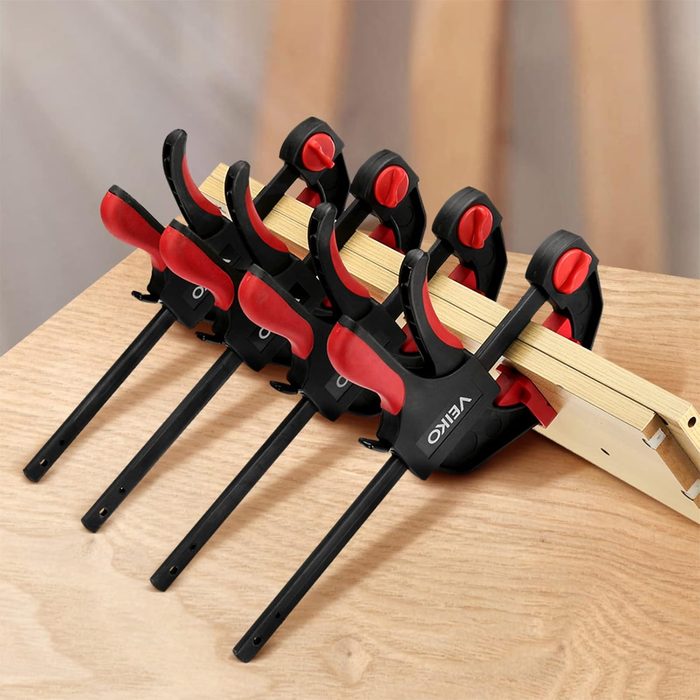
Workholding and clamping components are essential for securing workpieces during machining, assembly, and inspection processes. This category encompasses a range of devices designed to provide rigid, repeatable, and precise workpiece location. Vises, such as precision machine vises and self-centering vises, are commonly used for milling and grinding operations, characterized by jaw width, opening capacity, and clamping force. Toe clamps offer low-profile clamping solutions, often specified by clamping height, thread size (e.g., M8, 1/2-13 UNC), and material (e.g., hardened steel, aluminum). Chucks, including 3-jaw, 4-jaw, and collet chucks, are primarily used for rotary workholding on lathes and rotary tables, defined by their diameter, jaw type (e.g., hard, soft), and through-hole capacity. Magnetic bases provide temporary, repositionable fixturing for indicators and light workpieces, with pull force ratings and base dimensions being key specifications. Fixture plates, available in standard grid patterns (e.g., 50mm, 2-inch) and materials like aluminum or steel, serve as foundational elements for building custom workholding setups, often featuring tapped holes and dowel pin bores for modularity. Material selection for these components often includes hardened tool steel, cast iron, or anodized aluminum, depending on required rigidity, wear resistance, and corrosion properties.
How to choose
Selecting workholding and clamping components begins with defining the workpiece geometry and machining operations. First, determine the workpiece's size, shape, and required clamping access. This dictates whether a vise, chuck, or specialized clamp is appropriate. Second, consider the required clamping force and rigidity to prevent movement or deflection during processing; this will influence the selection of vise size, chuck type, or clamp quantity. Third, evaluate the necessary positioning accuracy and repeatability for the application, which may lead to precision vises, collet chucks, or modular fixture plates. Finally, assess the material and surface finish of the workpiece to ensure compatibility with the clamping mechanism, preventing marring or deformation, and consider environmental factors like coolant exposure for material selection.