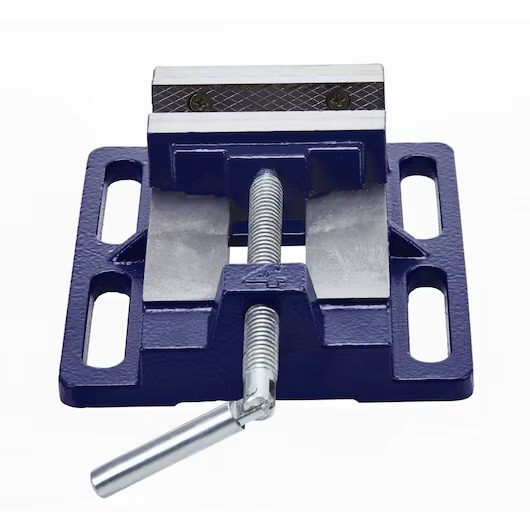
Workholding & Clamping
Vises, toe clamps, chucks, magnetic bases and fixture plates.
Also searched as: machine visetoe clampsfixture platecolletmagnetic base
-
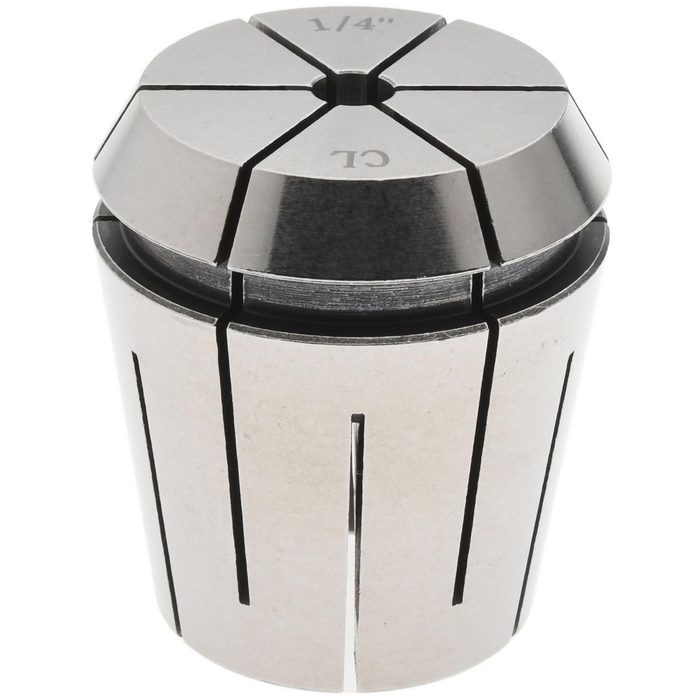
1/4" Shank ER40 Metric Sealed Collet
Collapse Range: 0.5 mmShank Size: 1/4 in.
-
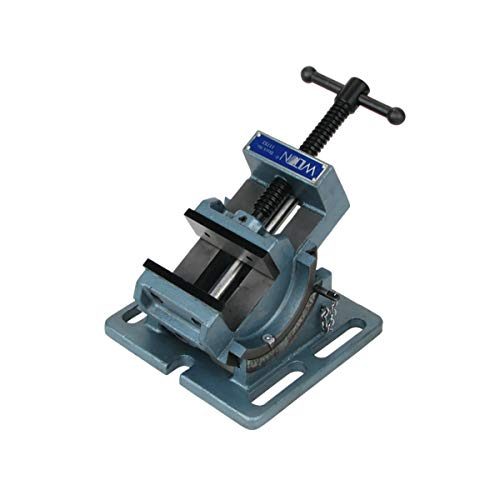
3" Jaw Width Low Profile Drill Press Vise
Jaw Width: 3"
-
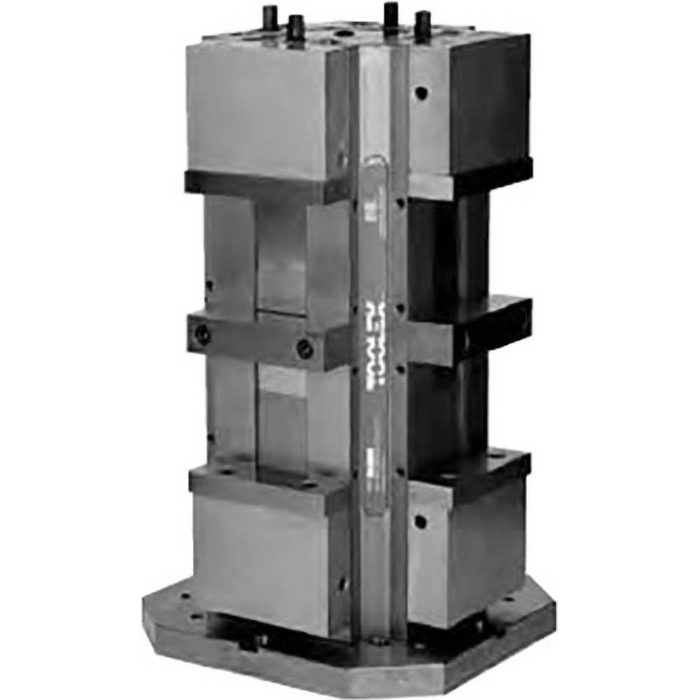
4" 8-Station Vise With (4) 2-Piece Carrier Jaw
Size: 4"Stations: 8
-
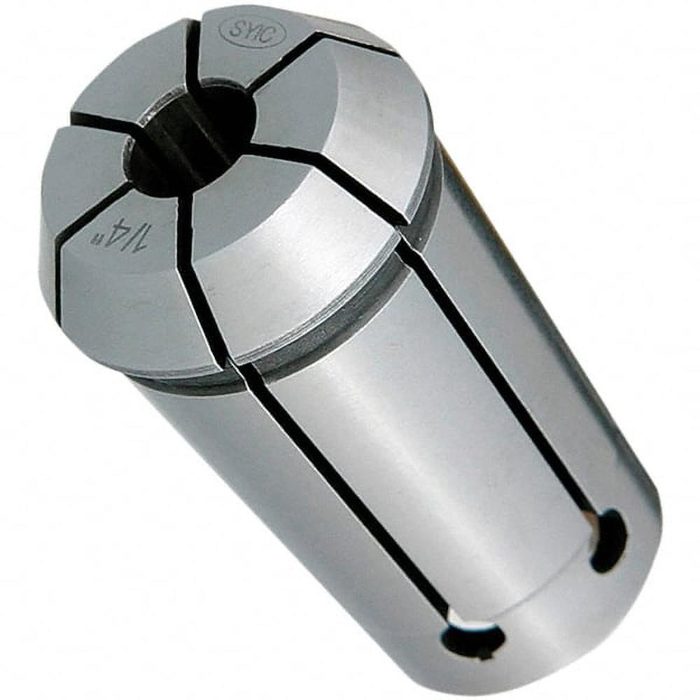
5/16" Shank SYOZ25 Collet
Shank Size: 5/16 in.
-
-
-
-
-
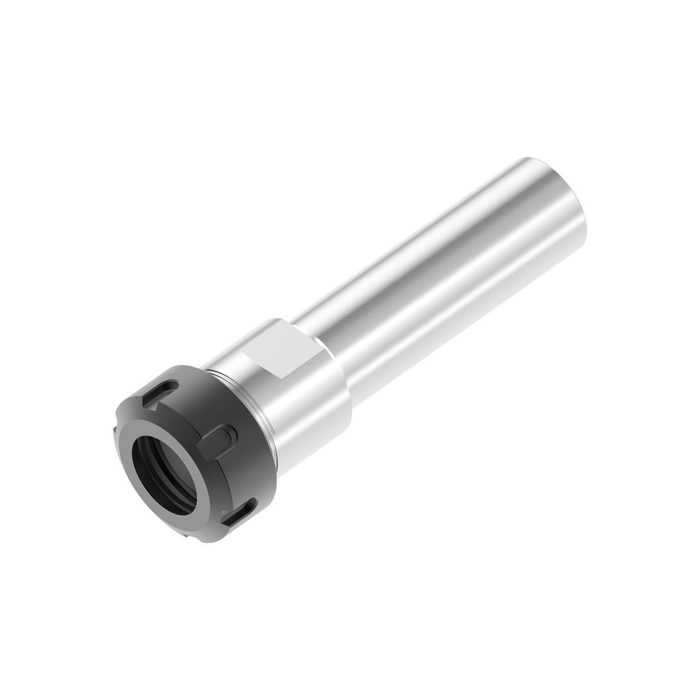
ER25 7.5000 OAL Straight Shank Collet Chuck
Overall Length: 7.5000
-
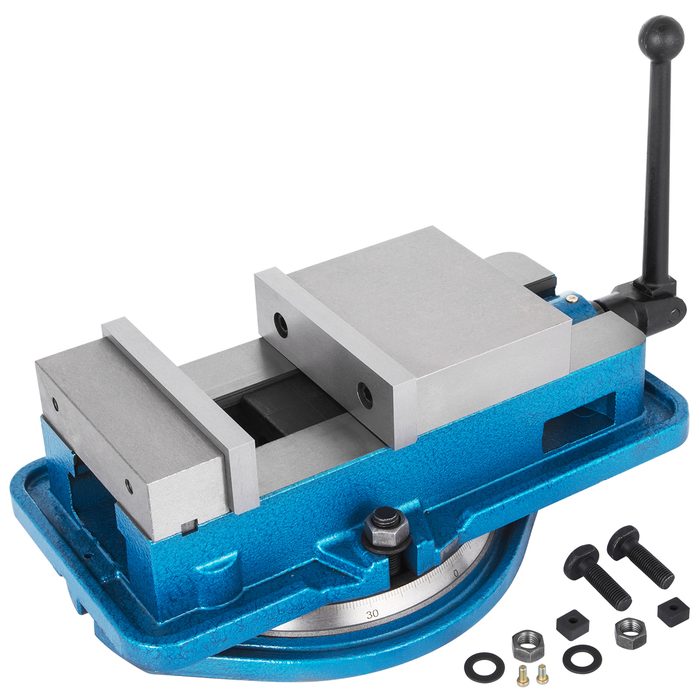
Heavy Duty Milling Vise
Jaw Depth: 2.2"Jaw Opening: 10"Parallelism: 0.0004" per 4"
-
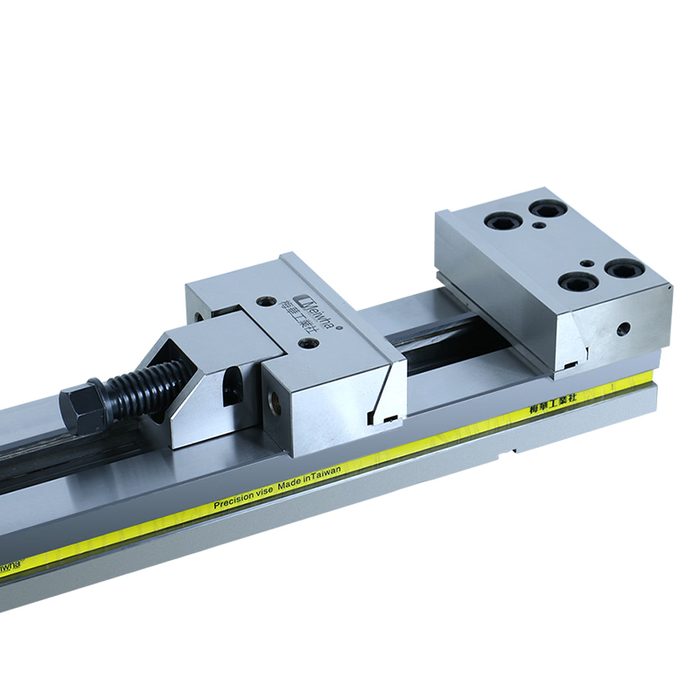
Horizontal Machine Vise
Jaw Opening: 6-1/2"Jaw Width: 4"Throat Depth: 1.2350"
-
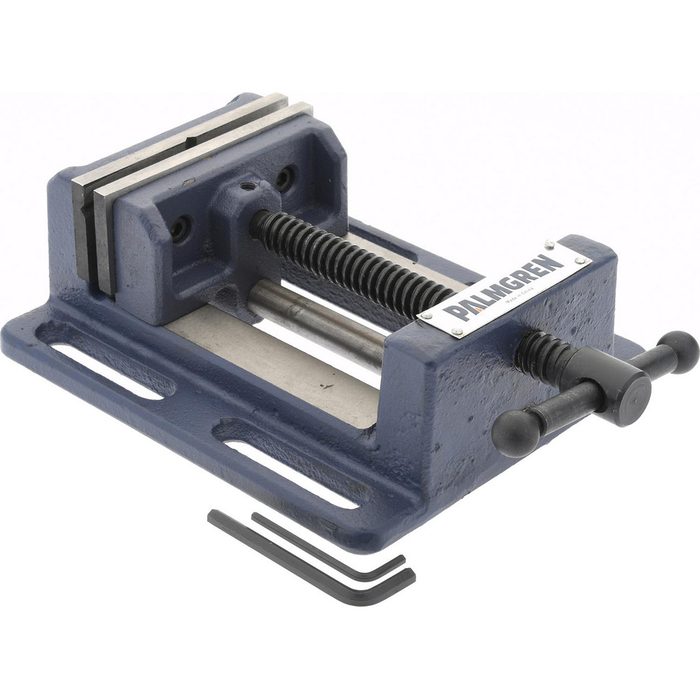
Horizontal Precision Milling Vise
Capacity: 8.8"
-
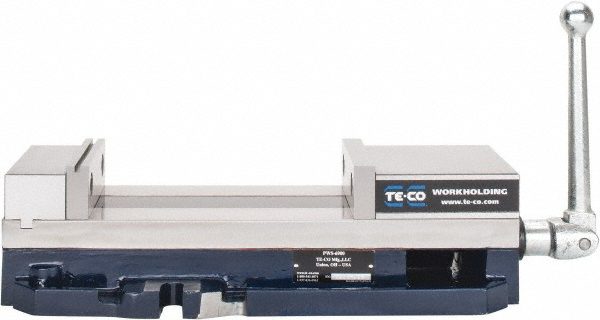
Horizontal Stationary Machine Vise
Jaw Opening: 10"Jaw Width: 8"Throat Depth: 2.2000"
-
-
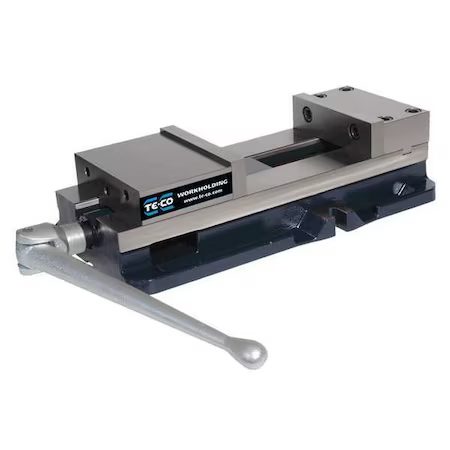
Manual Single Station Vise
Jaw Opening: 9"
-
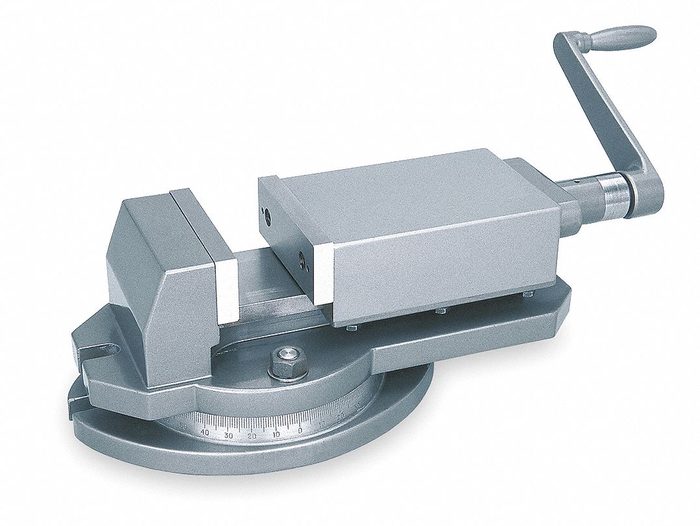
Swivel Base Milling Vise
Mounting Lugs: 4" x 16.38" x 4"
-
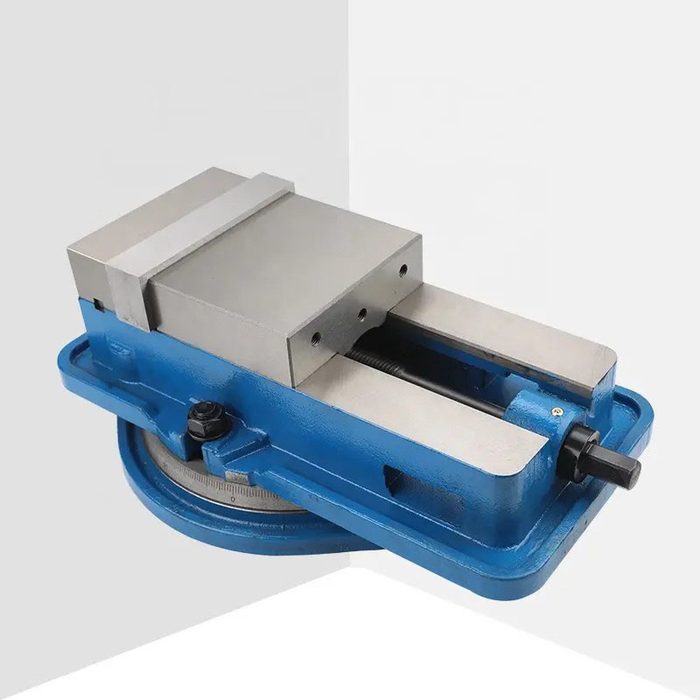
Swivel Base for 8" Milling Vise
Vise Size: 8"
-
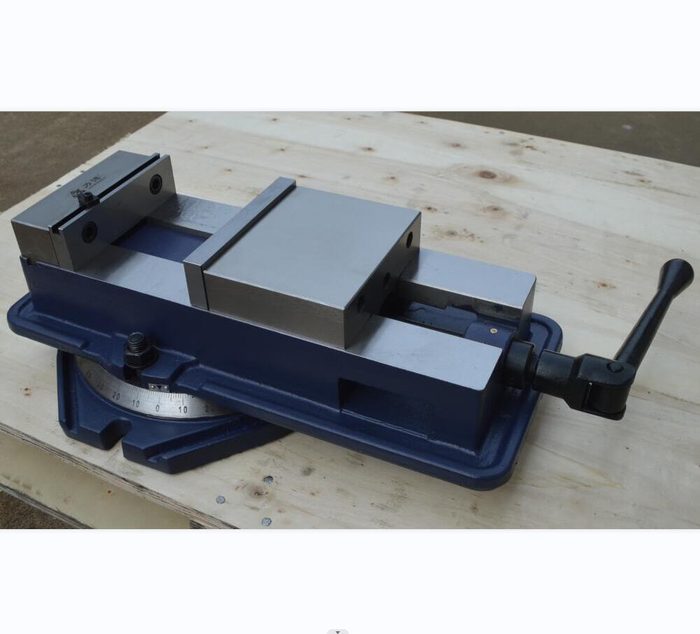
Verti-Lock Milling Machine Vise 7-1/2" x 19.7"
Length: 19.7"Width: 7-1/2"
About workholding & clamping
Workholding and clamping components are essential for securing workpieces during machining, assembly, and inspection processes. This category encompasses a range of devices designed to provide rigid, repeatable, and precise workpiece location. Vises, such as precision machine vises and self-centering vises, are commonly used for milling and grinding operations, characterized by jaw width, opening capacity, and clamping force. Toe clamps offer low-profile clamping solutions, often specified by clamping height, thread size (e.g., M8, 1/2-13 UNC), and material (e.g., hardened steel, aluminum). Chucks, including 3-jaw, 4-jaw, and collet chucks, are primarily used for rotary workholding on lathes and rotary tables, defined by their diameter, jaw type (e.g., hard, soft), and through-hole capacity. Magnetic bases provide temporary, repositionable fixturing for indicators and light workpieces, with pull force ratings and base dimensions being key specifications. Fixture plates, available in standard grid patterns (e.g., 50mm, 2-inch) and materials like aluminum or steel, serve as foundational elements for building custom workholding setups, often featuring tapped holes and dowel pin bores for modularity. Material selection for these components often includes hardened tool steel, cast iron, or anodized aluminum, depending on required rigidity, wear resistance, and corrosion properties.
How to choose
Selecting workholding and clamping components begins with defining the workpiece geometry and machining operations. First, determine the workpiece's size, shape, and required clamping access. This dictates whether a vise, chuck, or specialized clamp is appropriate. Second, consider the required clamping force and rigidity to prevent movement or deflection during processing; this will influence the selection of vise size, chuck type, or clamp quantity. Third, evaluate the necessary positioning accuracy and repeatability for the application, which may lead to precision vises, collet chucks, or modular fixture plates. Finally, assess the material and surface finish of the workpiece to ensure compatibility with the clamping mechanism, preventing marring or deformation, and consider environmental factors like coolant exposure for material selection.