Wire & Cable
Hookup, multiconductor, shielded, THHN and high-flex cable.
Also searched as: hookup wirethhnshielded cablemulticoresilicone wire
-
-
-
-
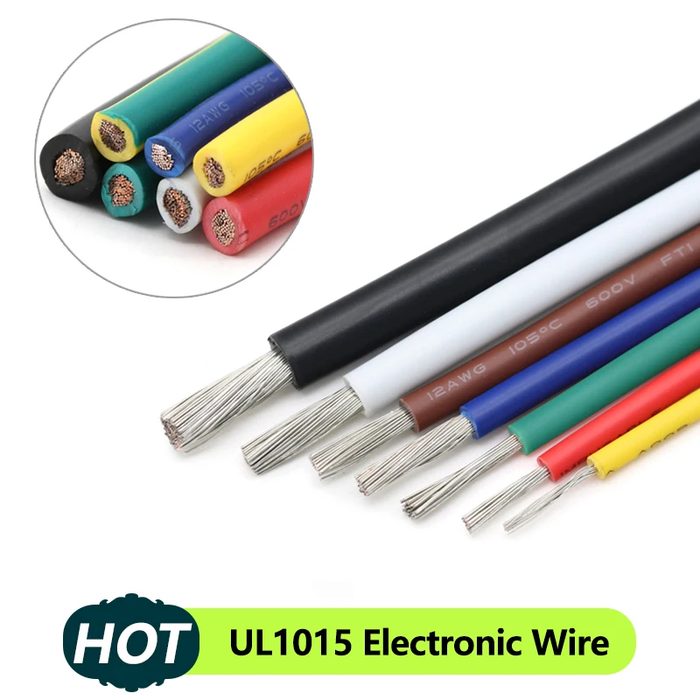
Awg 1015 PVC Hook-up Wires
Insulation Material: PVCVoltage: 600V
-
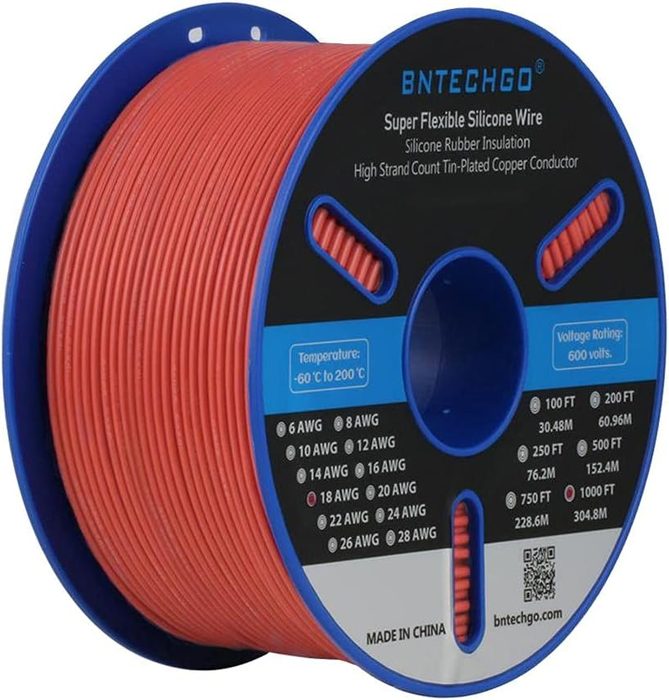
BNTECHGO 18 Gauge Silicone Wire Spool 1000 ft Red Flexible 18 AWG Stranded Tinned Copper Wire
Gauge: 18 AWGLength: 1000 ft
from $164.98Amazon $164.98 -
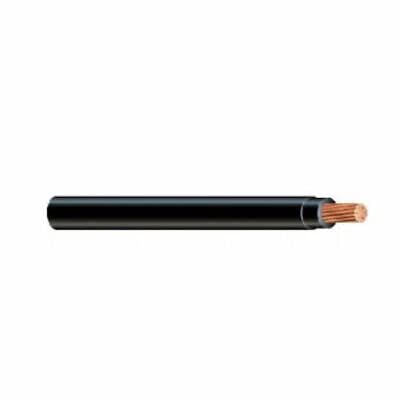
Black #4 Gauge THHN 19-Stranded Copper Building Wire
Color: BlackStranding: 19-StrandedVoltage Rating: 600 VWire Gauge: 4 AWG
-
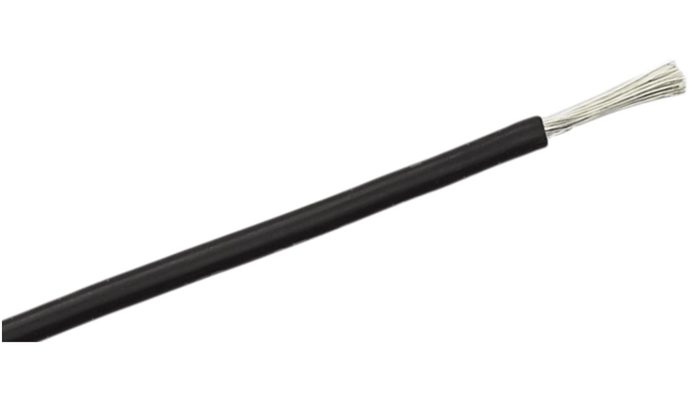
Black Silicone Lead Wire
CSA: 1mm²
-
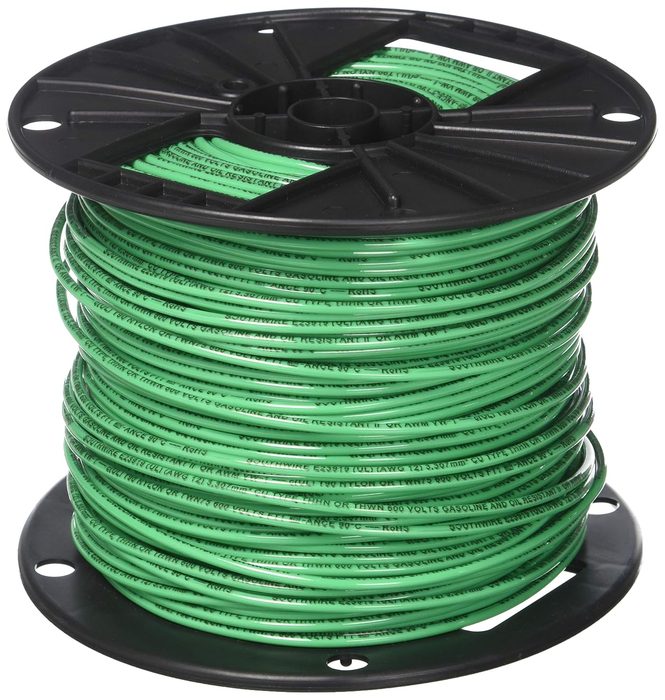
Building Wire, THHN, Green
Gauge: 10 AWGLength: 100ftVoltage: 600 volts
-
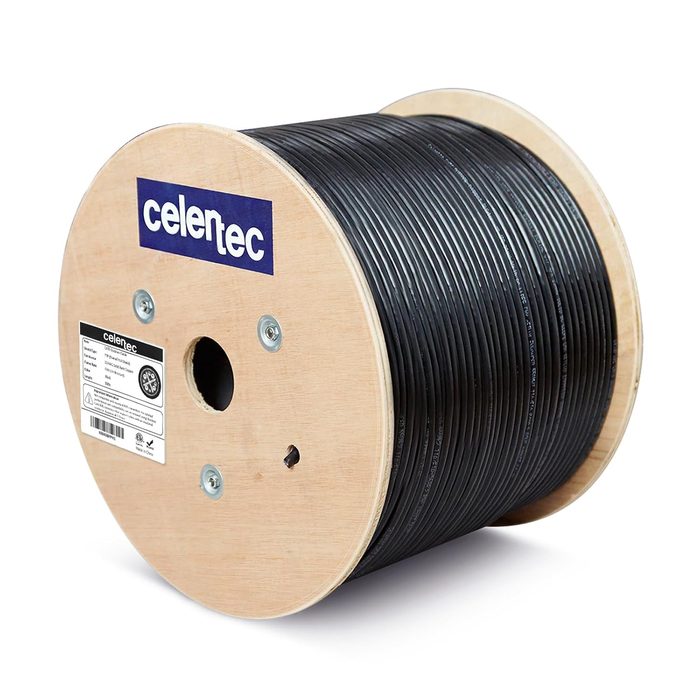
CAT6 Shielded Cable, FTP (Overall Foil Shield)
Category: CAT6Frequency: 550 MHzLength: 500 ftShielding: FTP
-
Cable Wire
AWG: 16 AWGNumber of Cable Strands: 100Voltage: 600 Volts
-
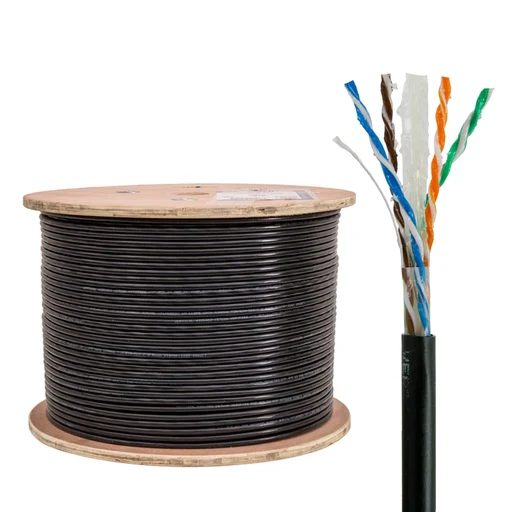
Cat6 Shielded Cable
AWG: 23Category: Cat6Conductor Type: SolidFrequency: 550 MHzShielding: F/UTP
-
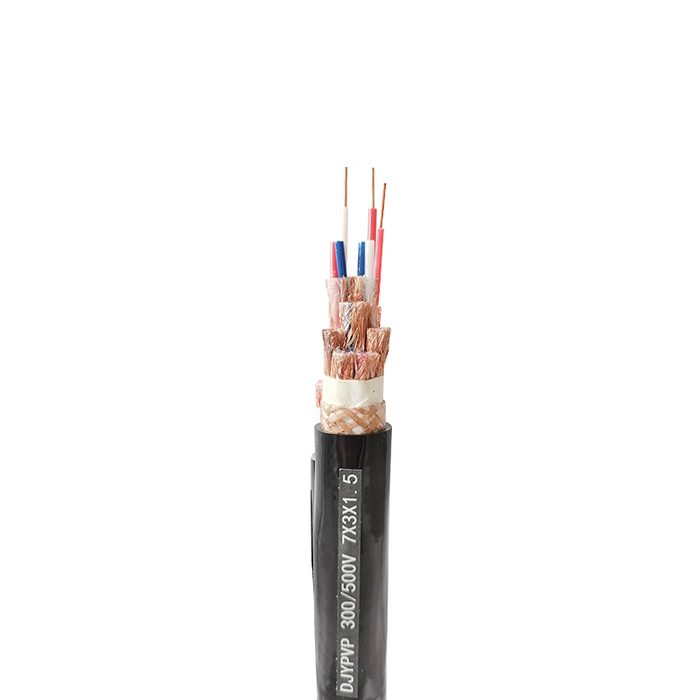 from $0.10Made-in-China $0.10
 -
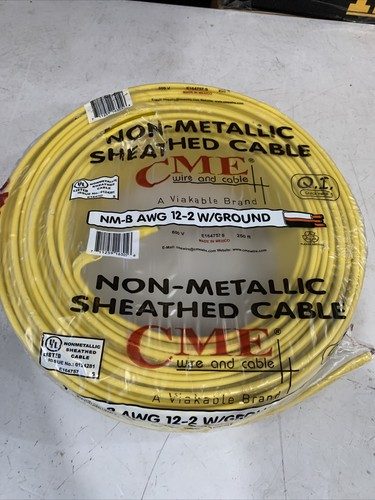
Copper Building Wire
AWG: 14Conductors: 3Length: 250-Feet
-
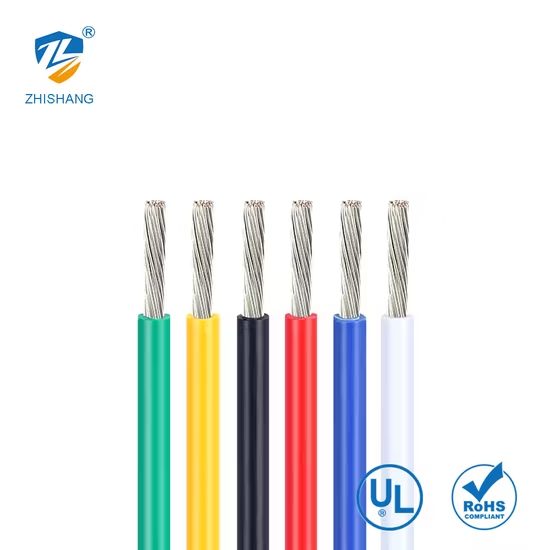
Copper Conductor PVC Electronic Hookup Wire 1007-RoHS
Insulation Material: PVCVoltage: 300V
-
-
-
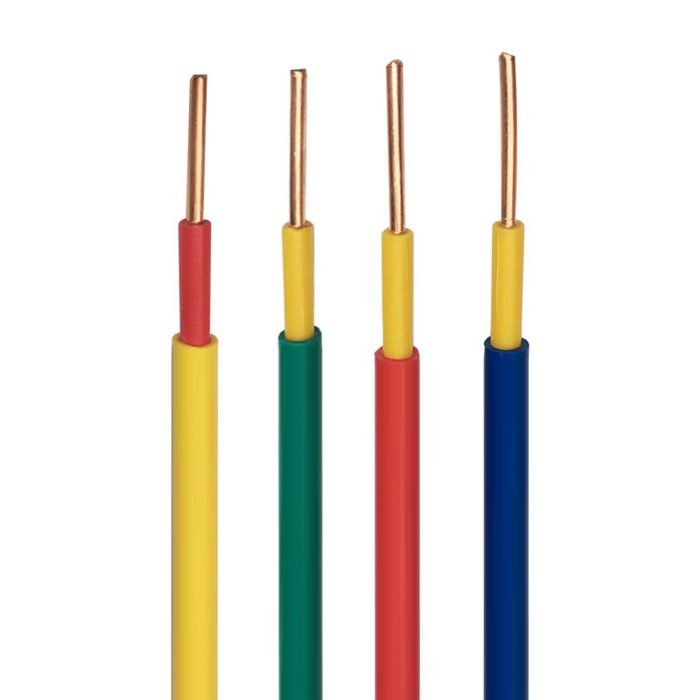
EHGS UL1617 PVC Hookup Wire
AWG: 24/22/20/18/16/14/12/10Insulation Material: PVCVoltage: 600 V
-
-
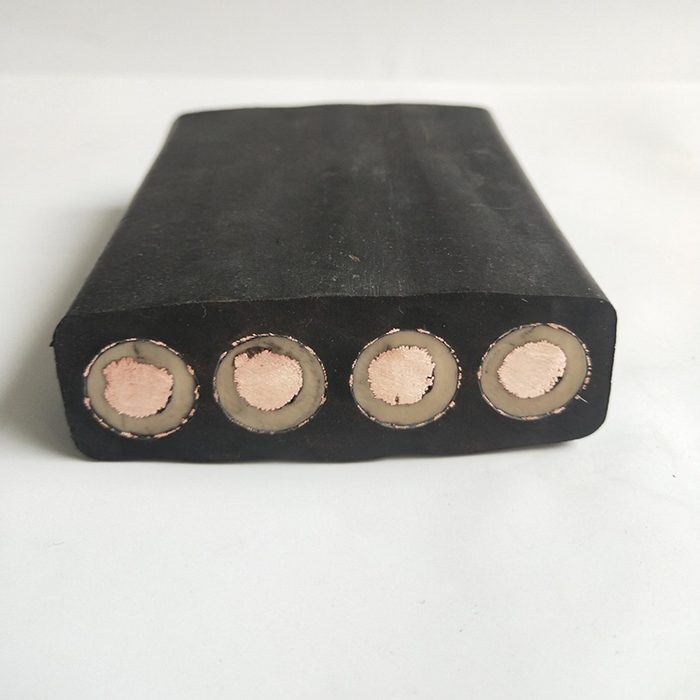
Fire Resistant Flat Multicore Crane Cable 0.6/1kV 24x5.5
Cores: 24Cross-section: 5.5 mm2Voltage Rating: 0.6/1 kV
-
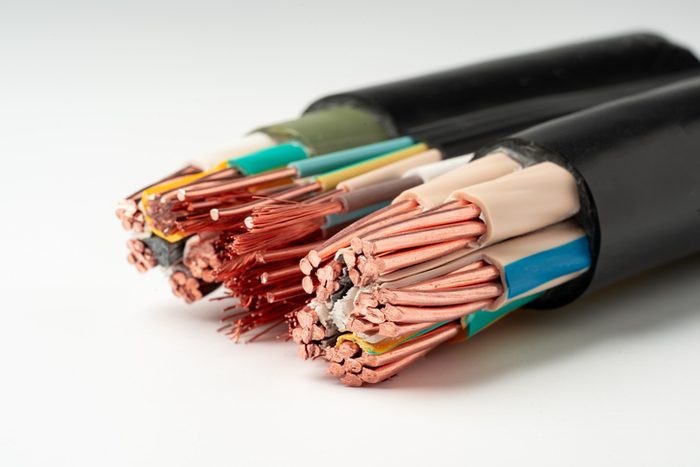
Fireproof Silicone Wire
Length: 1000m/roll
-
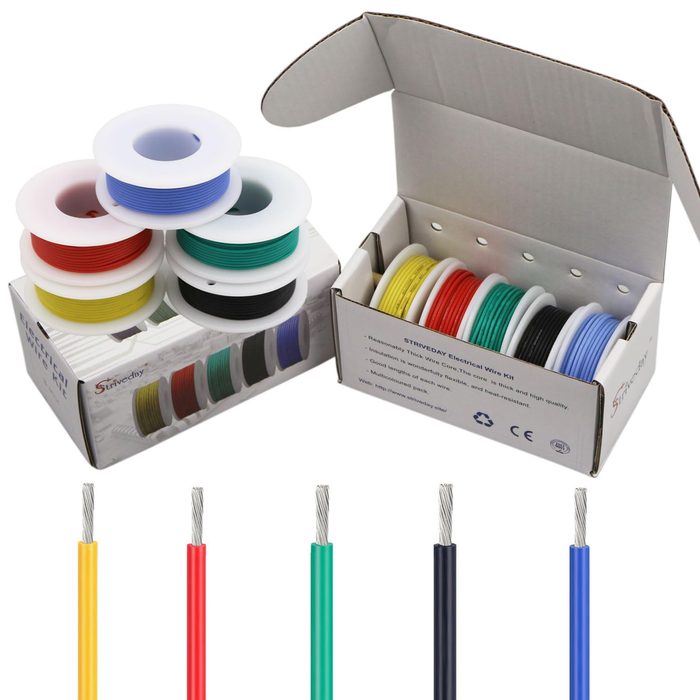
Flexible Silicone Cable Wire
AWG: 4-30AWGVoltage: 600V
-
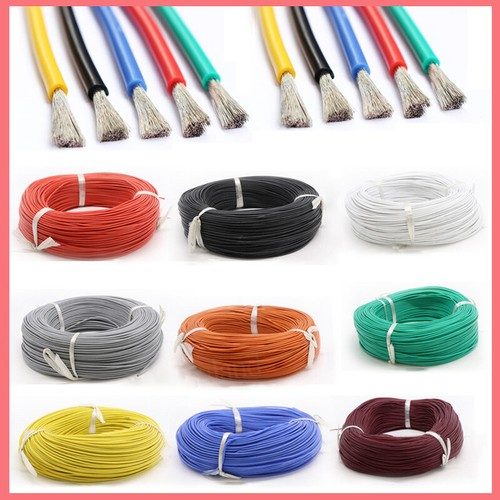
Flexible Soft Silicone Wire Cable
Conductor type: StrandedGauge: 4/6/8/10/12 AWGTemperature rating: 200 C
-
-
-
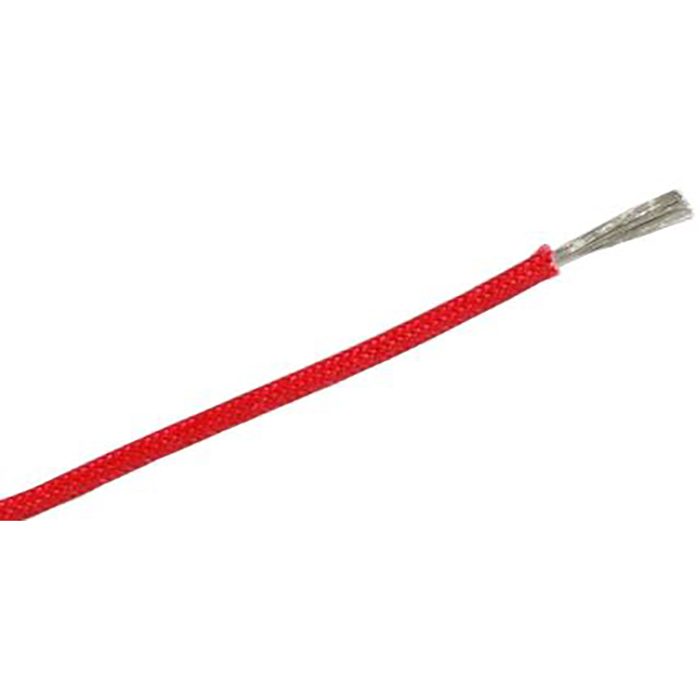
Heat Resistant Hook Up Wire
Gauge: 30/0.25
-
-
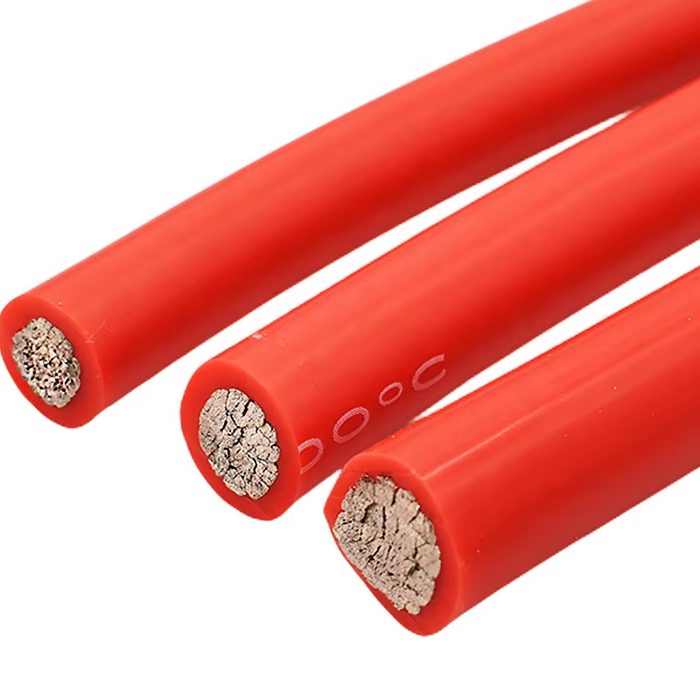
Heat-resistant Silicone Wire
AWG: 12, 14, 16, 18, 20, 22, 24, 26, 28, 30
-
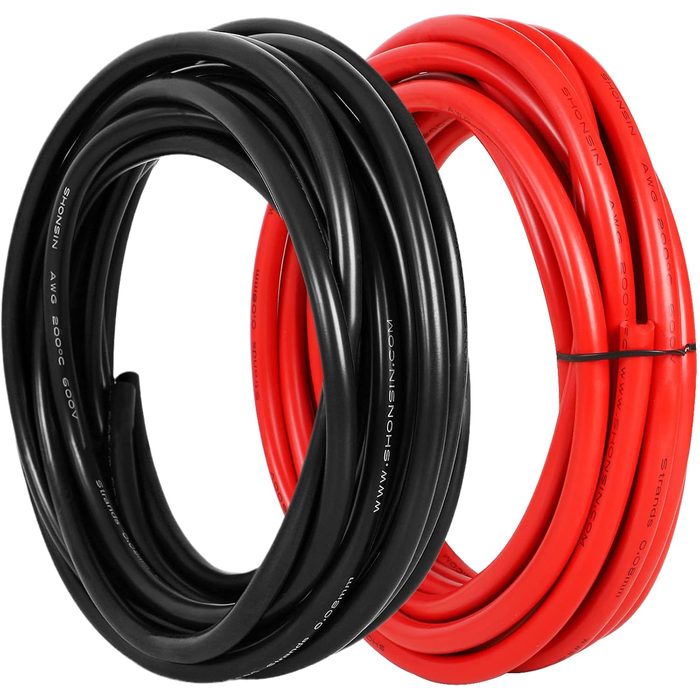
High Flexible Silicone Cable 6 AWG
Gauge: 6 AWGVoltage: 3KV
-
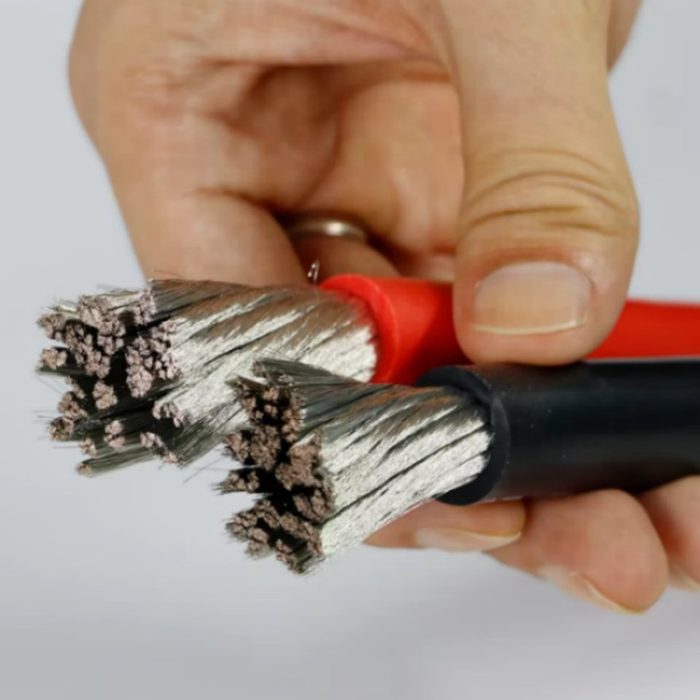
High Temperature Resistant Silicone Wire
AWG: 18AWGCross-section: 0.75mm2Temperature Range: -60oC~+200oCVoltage: 600V
-
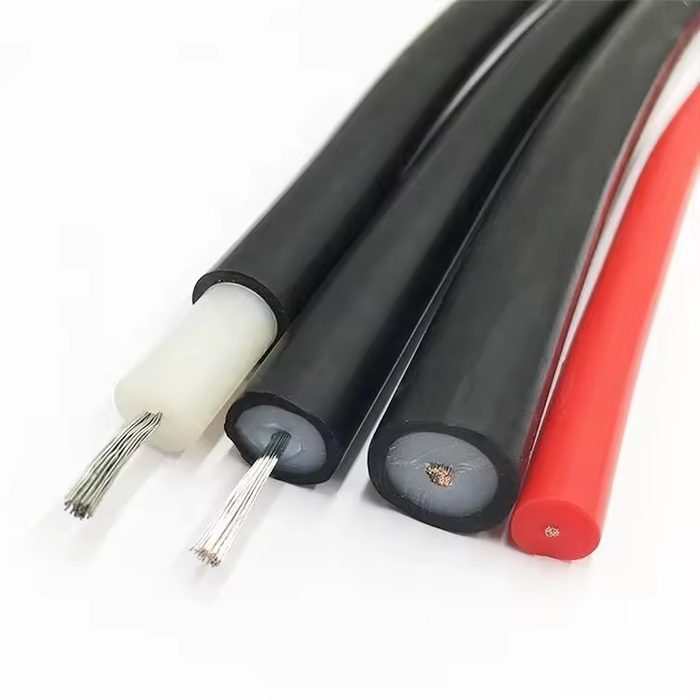
High Voltage Silicone Rubber Insulated Hookup Wire
Insulation Material: Silicone Rubber
-
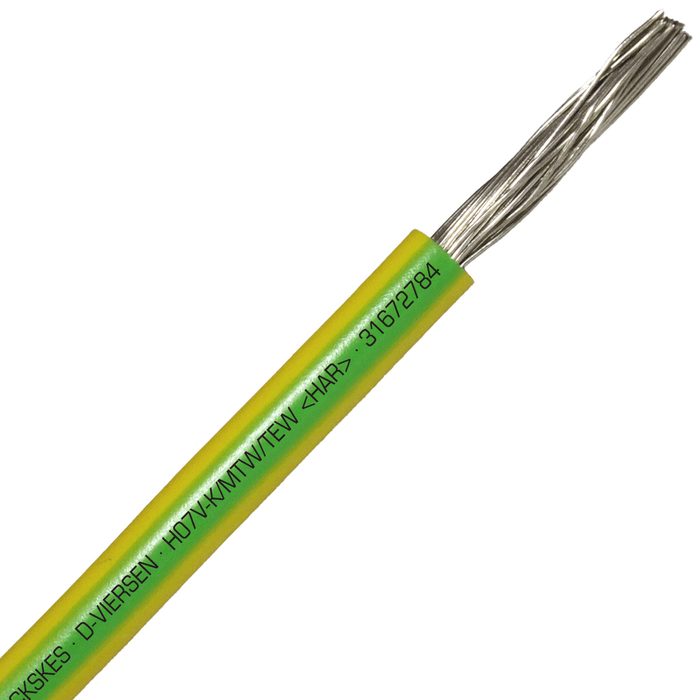
Hook-Up Wire, 14 AWG, 46/30 Green, Yellow, 600V
AWG: 14Stranding: 46/30Voltage Rating: 600V
from $1.14Digi-Key $1.14 -
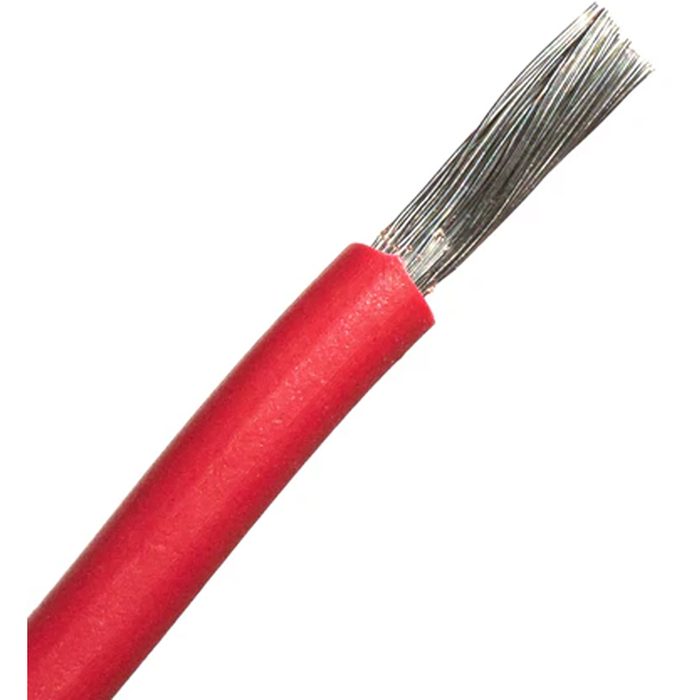
Hook-Up Wire, 18 AWG
AWG: 18
-
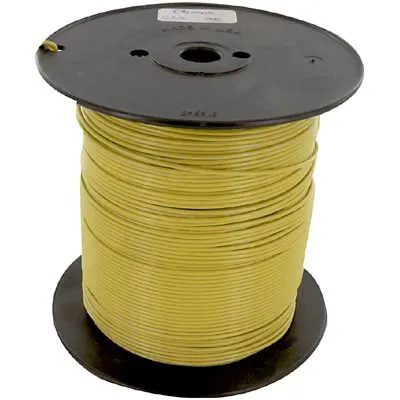
Hook-Up Wire, Black CX/500
Length: 500 ft
-
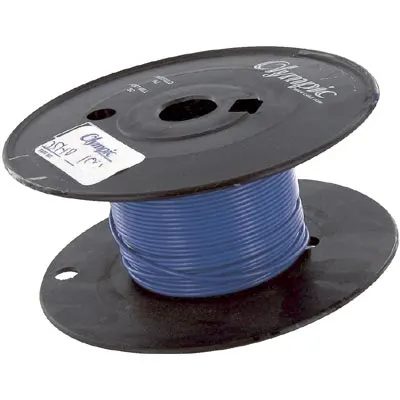
Hook-Up Wire, Red CX/1000
Length: 1000 ft
-
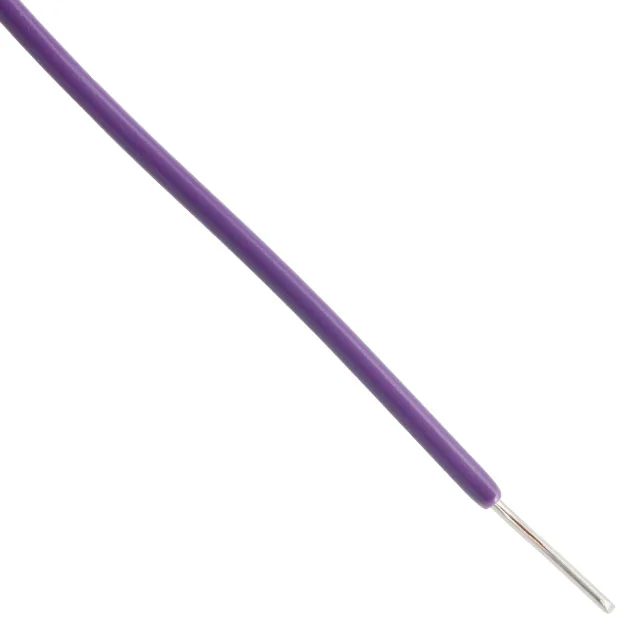
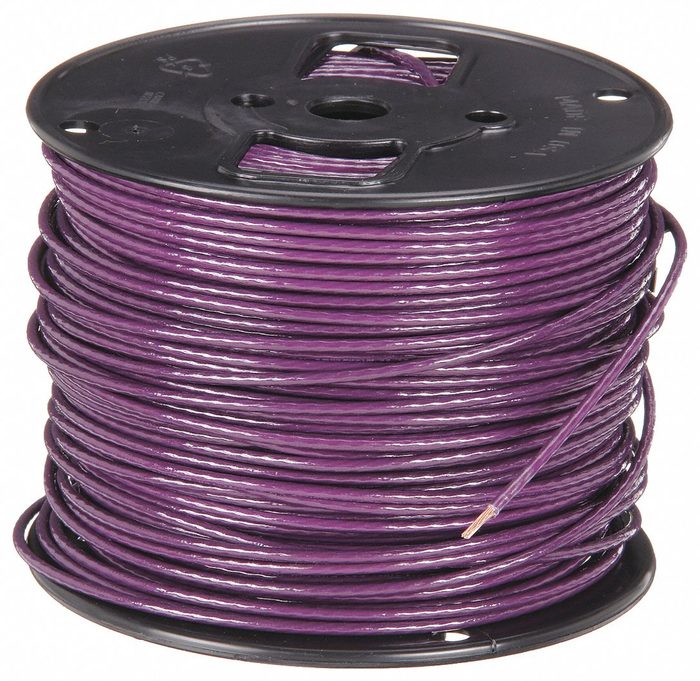
Hookup Wire, 1 Conductor, Violet, 100'
Color: VioletConductors: 1Length: 100'Wire Type: Hookup
-
Hookup Wire/MTW, 16 AWG, 500'
AWG: 16Length: 500'Wire Type: Hookup, MTW
About wire & cable
Wire and cable serve as the conduits for electrical signals and power within systems. Hookup wire, typically single-conductor, is used for internal wiring of electronic equipment, control panels, and appliances, commonly available in gauges from 30 AWG to 10 AWG with PVC, XLPE, or silicone insulation for varying temperature and flexibility requirements. Multiconductor cables integrate multiple insulated conductors within a single jacket, simplifying wiring harnesses and often incorporating shielding to mitigate electromagnetic interference (EMI). Shielding options include foil, braid, or a combination, with materials like tinned copper. THHN (Thermoplastic High Heat-resistant Nylon-coated) wire is a common building wire, rated for 90°C in dry locations and 75°C in wet, featuring a PVC insulation with a nylon jacket for abrasion resistance. High-flex cables are engineered for applications involving continuous motion, such as robotics or automated machinery, utilizing fine-stranded conductors and specialized jacket materials like PUR or TPE to withstand millions of flex cycles without conductor fatigue. Selection criteria include conductor material (copper, tinned copper), gauge (AWG), voltage rating, temperature rating, insulation material, jacket material, and the presence and type of shielding.
How to choose
When selecting wire and cable, first determine the electrical requirements: voltage, current, and signal type. This will establish the necessary conductor gauge (AWG) and insulation voltage rating. Next, consider the environmental conditions: operating temperature, exposure to chemicals, abrasion, and moisture, which dictate the appropriate insulation and jacket materials (e.g., PVC, XLPE, silicone, PUR, TPE). For applications with EMI concerns, evaluate the need for shielding and the type (foil, braid, or combination) required for effective attenuation. Finally, assess the mechanical demands, particularly for dynamic applications. If the cable will experience continuous flexing, high-flex constructions with fine-stranded conductors and durable jacket materials are essential to ensure longevity and prevent premature failure.