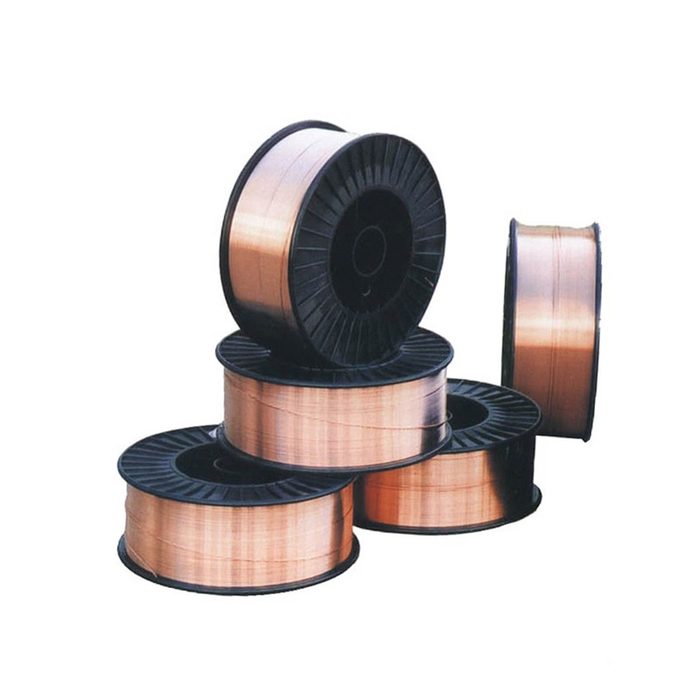
Welding & Soldering
MIG, TIG, stick consumables, torches, filler and solder.
Also searched as: welding wiretigmigwelding rodsolderflux
-
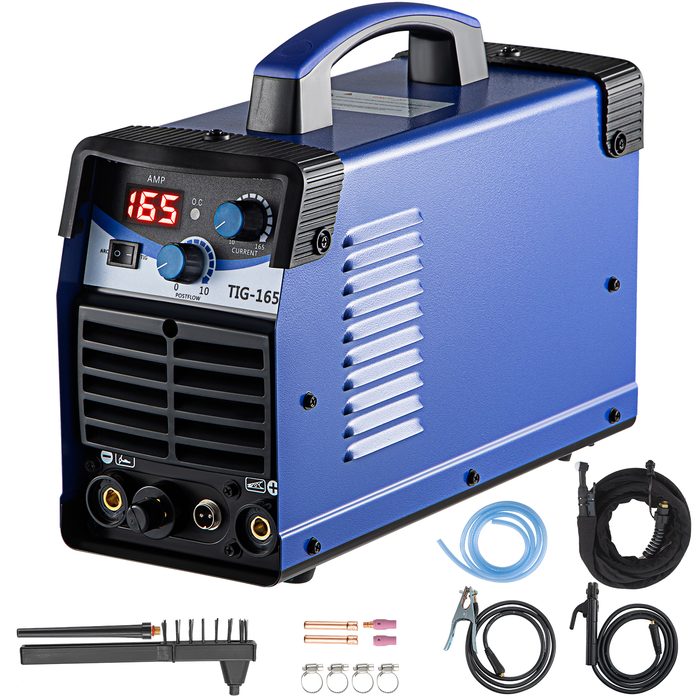
160 Amp TIG Stick Arc DC Inverter Welder
Amperage: 160 AmpVoltage: 95-Volt to 260-Volt
-
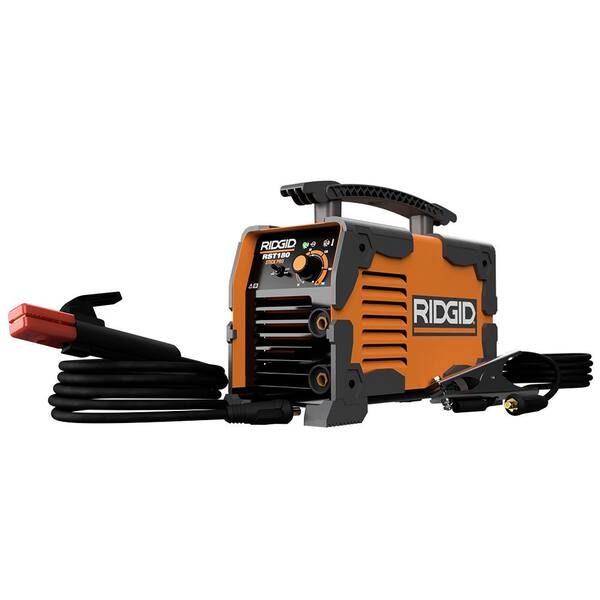
180 Amp Stick/TIG Welder
Amperage: 180 AmpVoltage: 120-Volt/240-Volt
-
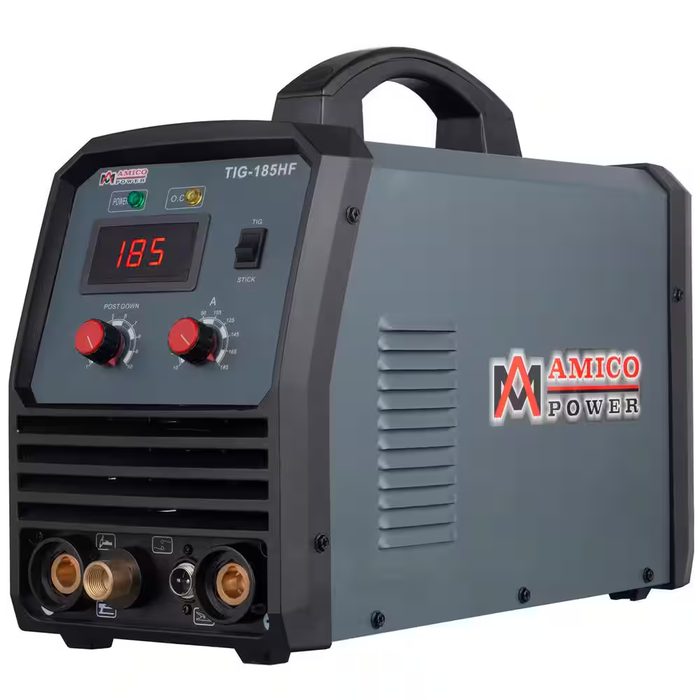
180 Amp TIG Stick Arc DC Inverter Welder
Amperage: 180 AmpVoltage: 95-Volt to 260-Volt
-
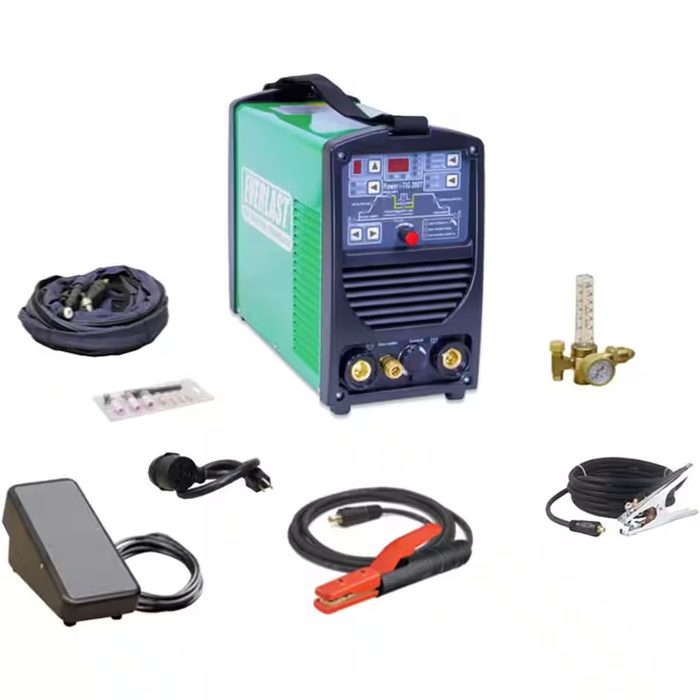
200 Amp Power i-TIG 200T IGBT Digital Inverter DC Stick/TIG Welder
Amperage: 200 Amp
-
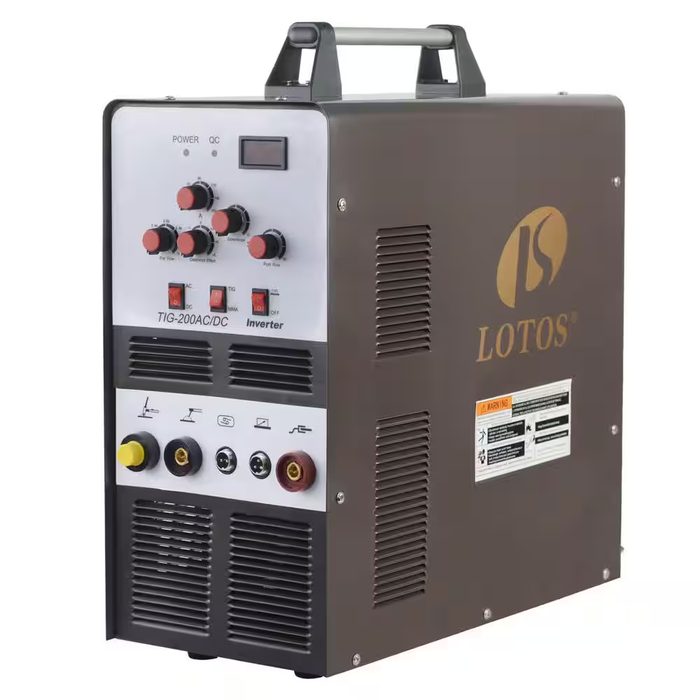
200 Amp TIG/Stick Square Wave Inverter Welder
Amperage: 200 Amp
-
205 Amp TIG Stick Arc DC Inverter Welder
Amperage: 205 AmpVoltage: 95-Volt to 260-Volt
-
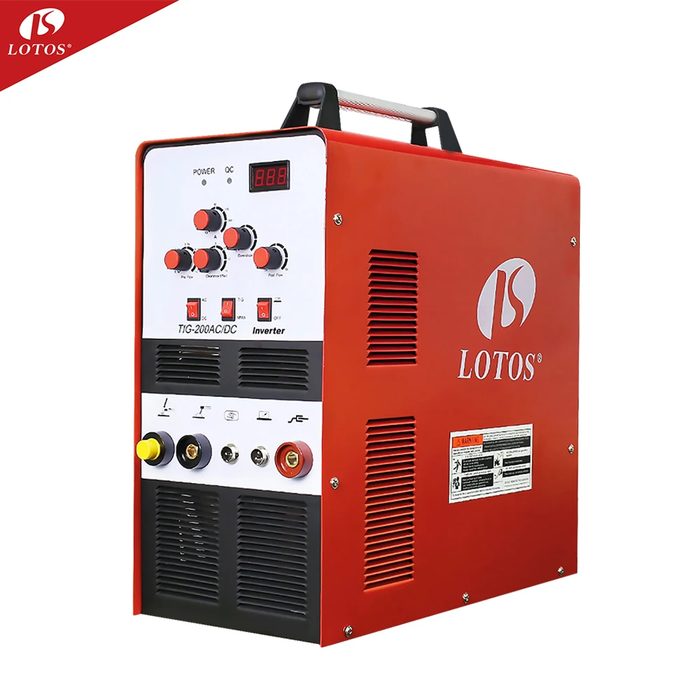
220-Amp AC/DC TIG Welder Digital 13-in-1 Multi-Process
Amperage: 220-Amp
-
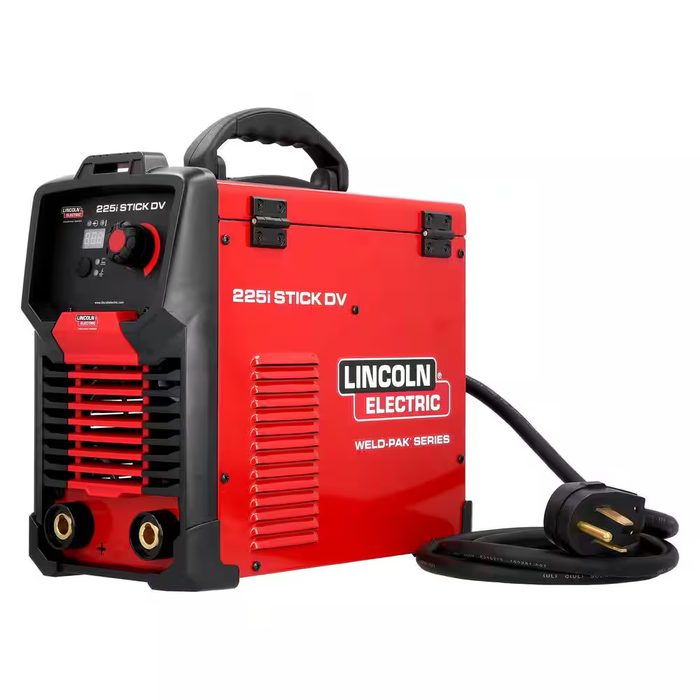
225 Amp Stick/TIG Welder Weld-Pak 225i
Amperage: 225 AmpVoltage: 120/230-Volt
-
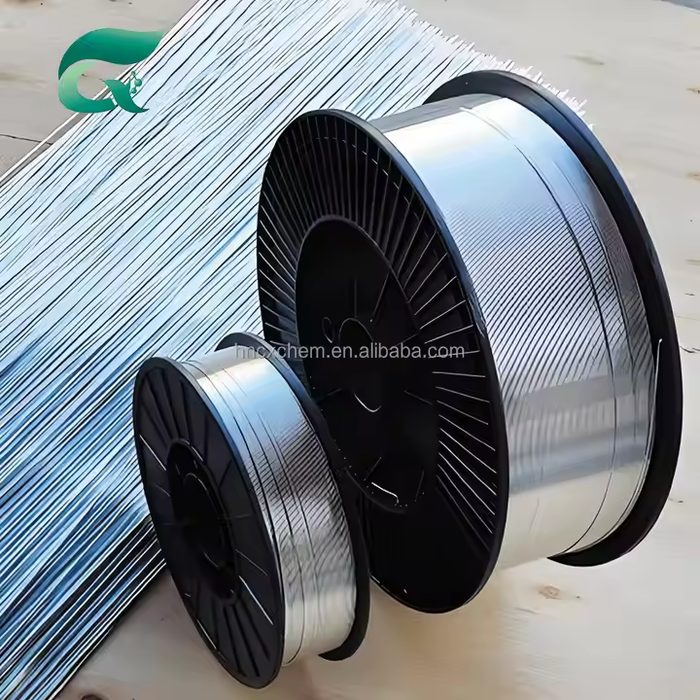
308ER Stainless Steel MIG Welding Wire
Diameter: 0.030 in.Weight: 2 lbs.
-
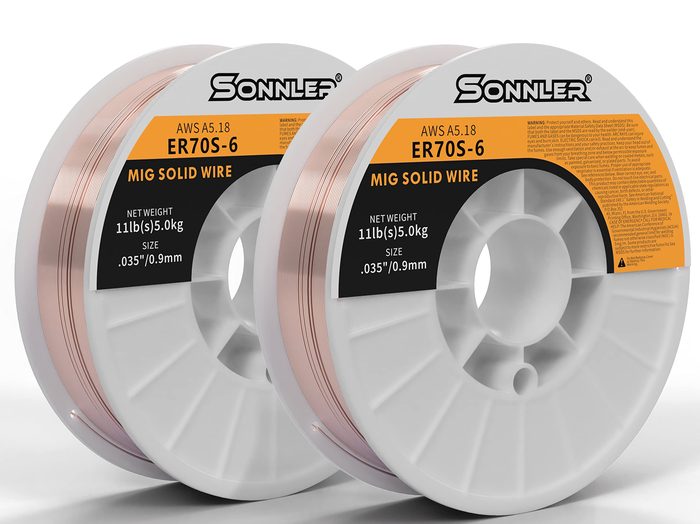
E70S-6 Mild Steel MIG Welding Wire
Diameter: 0.035 in.Weight: 10 lbs.
-
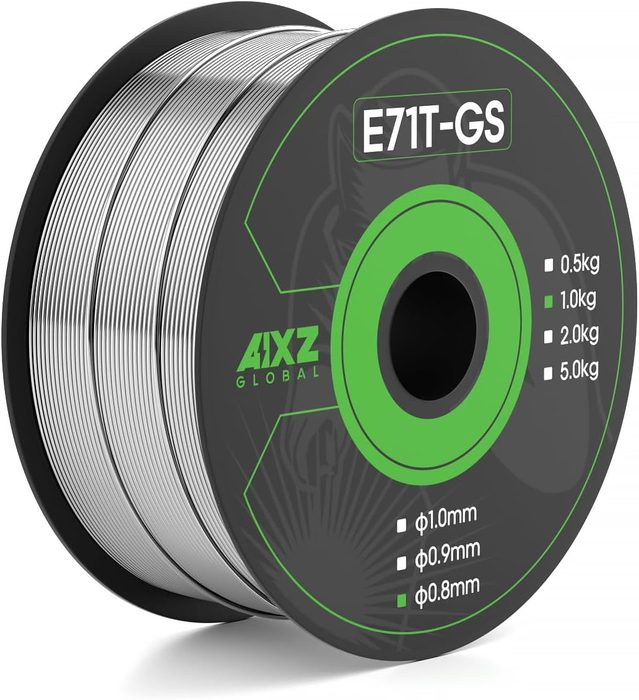
E71T-GS Flux-Core Welding Wire
Diameter: 0.035 in.
-
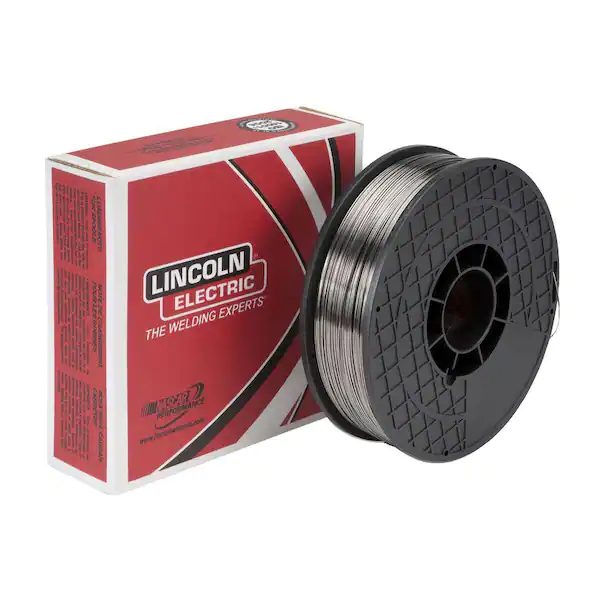
Innershield NR211-MP Flux-Core Welding Wire
Diameter: 0.035 in.
-
Innershield NR211-MP Flux-Core Welding Wire
Diameter: 0.030 in.
-
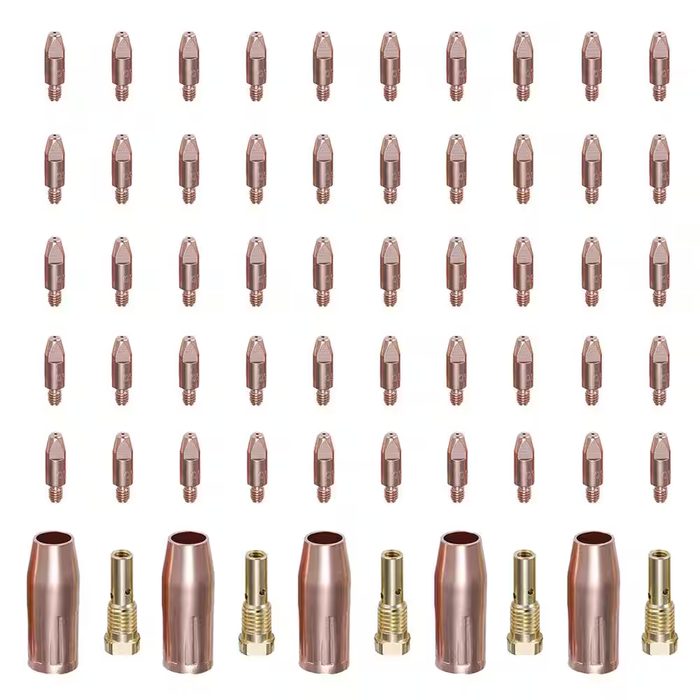
MIG Consumables, 0.030-Tip
Tip Diameter: 0.030 in
-
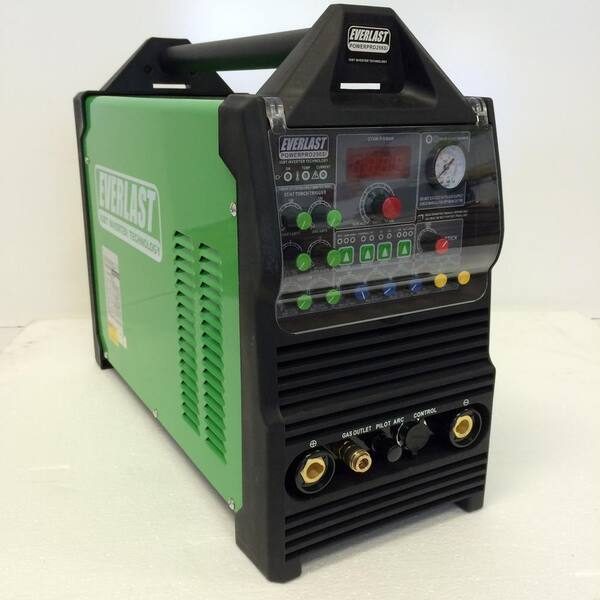
PowerPro 256S TIG/Stick/Plasma Welder
Amperage Range: 5-250 ACurrent Type: AC/DCWelding Process: TIG, Stick, Plasma
-
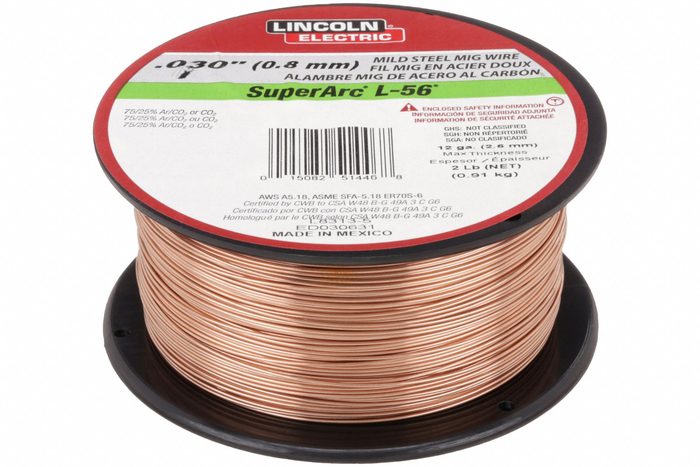
SuperArc L-56 ER70S-6 MIG Welding Wire
Diameter: 0.025 in.
-
SuperArc L-56 ER70S-6 MIG Welding Wire
Diameter: 0.030 in.Weight: 2 lb.
-
SuperArc L-56 ER70S-6 MIG Welding Wire for Mild Steel
Diameter: 0.035 inWeight: 12.5 lb
-
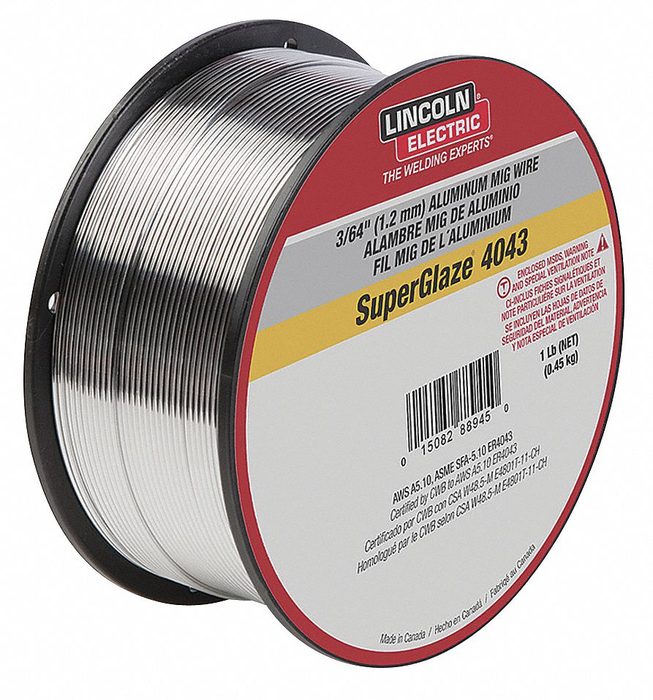
Superglaze ER4043 Aluminum MIG Welding Wire
Diameter: 0.030 in.Weight: 1 lb.
About welding & soldering
Welding and soldering consumables encompass a range of materials essential for joining metals through heat. MIG (Gas Metal Arc Welding) consumables include solid wires, flux-cored wires, and shielding gases such as argon, CO2, or argon/CO2 blends. Wire diameters typically range from 0.023" to 0.062" (0.6mm to 1.6mm), with common alloys like ER70S-6 for mild steel, ER308L for stainless steel, and ER5356 for aluminum. TIG (Gas Tungsten Arc Welding) requires non-consumable tungsten electrodes, typically pure, thoriated, ceriated, or lanthanated, with diameters from 0.020" to 0.250" (0.5mm to 6.4mm). Filler rods, available in similar alloys to MIG wires, are fed manually. Stick welding (Shielded Metal Arc Welding) utilizes flux-coated electrodes, classified by AWS standards (e.g., E6010, E7018), indicating tensile strength, position capabilities, and coating type. Solder, used for lower-temperature joining, commonly consists of tin-lead (e.g., Sn60Pb40) or lead-free alloys (e.g., Sn96.5Ag3.0Cu0.5). Flux, either liquid or paste, is critical for cleaning surfaces and preventing oxidation during both soldering and brazing processes. Torches, for both MIG and TIG, are selected based on amperage rating, cooling method (air or water), and ergonomic considerations, with various nozzle and collet body sizes available to accommodate different electrode and wire diameters.
How to choose
Selecting welding and soldering consumables begins with the joining process: MIG, TIG, stick, or soldering. This dictates the primary consumable type. Next, identify the base material to be joined (e.g., mild steel, stainless steel, aluminum, copper) to determine the appropriate filler metal alloy or solder composition. Consider the required mechanical properties of the joint, such as tensile strength, which influences electrode classification (e.g., E7018 vs. E6010) or filler wire alloy. For welding, evaluate the joint configuration and position, as some consumables are position-specific. Finally, match the consumable dimensions (wire diameter, electrode size, solder gauge) to the equipment's capabilities and the desired deposition rate or joint size, ensuring proper fit and performance.