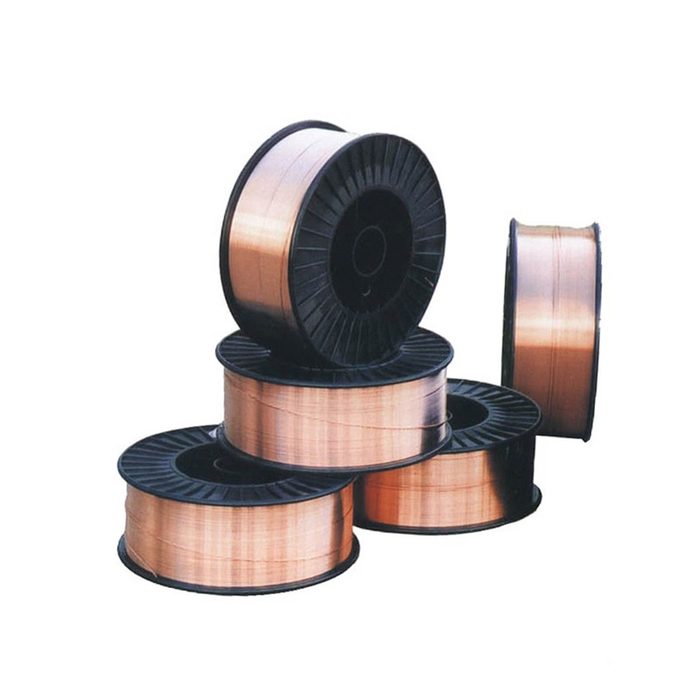
Welding & Soldering
MIG, TIG, stick consumables, torches, filler and solder.
Also searched as: welding wiretigmigwelding rodsolderflux
-
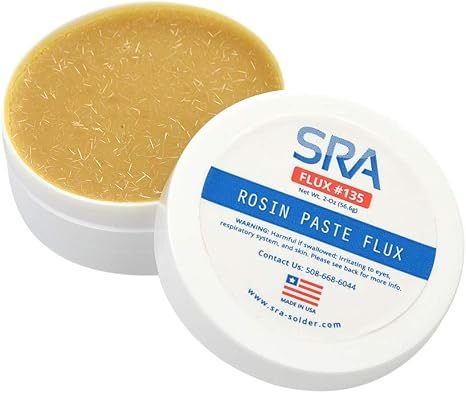
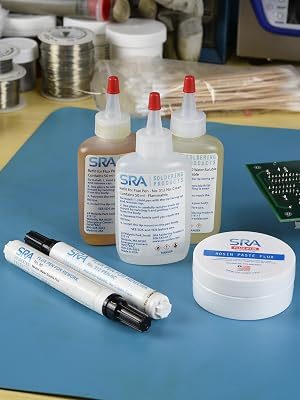
135 Rosin Paste Soldering Flux
Flux Type: Rosin Paste
-
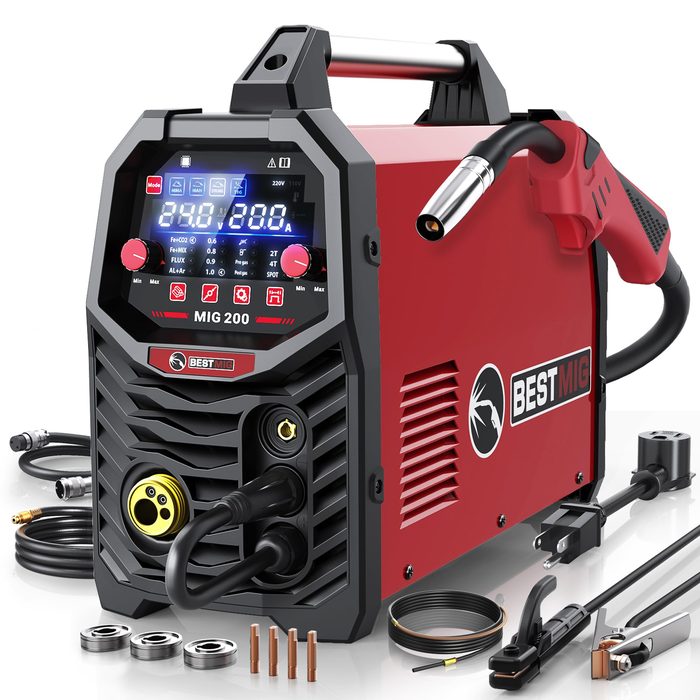
200A 6-in-1 IGBT Inverter Welding Machine
Amperage: 200 AProcesses: Gas MIG, Gasless Flux Core, Stick, Lift TIG, Spot Welding, Spool Gun
-
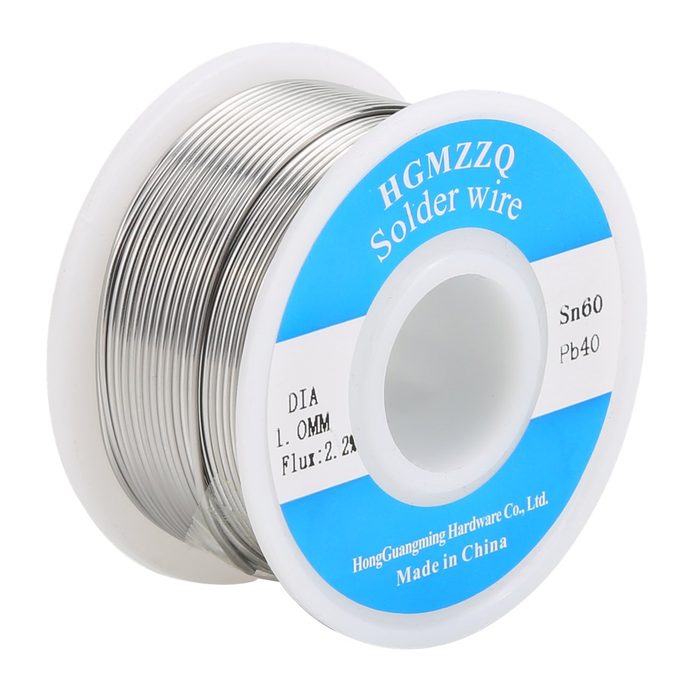
60/40 Tin Lead Solder Wire with Rosin
Composition: 60/40
-
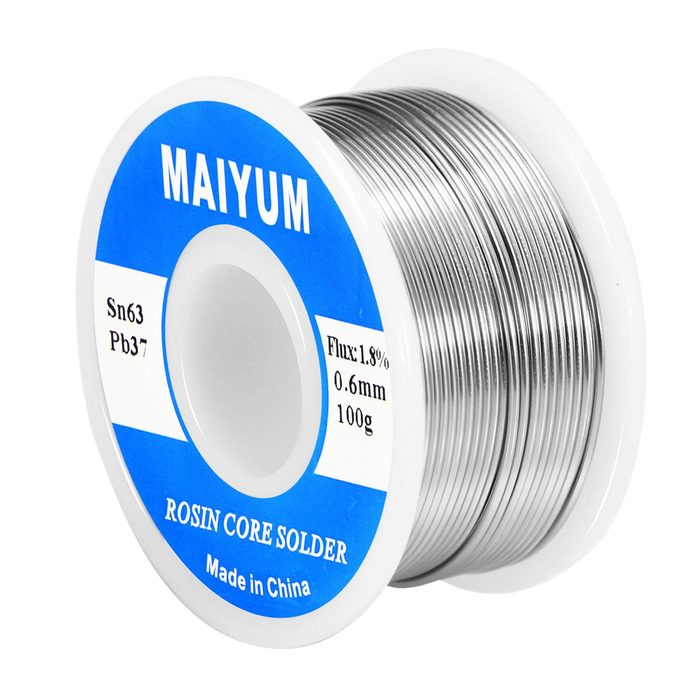
63-37 Tin Lead Rosin Core Solder Wire
Composition: 63-37
-
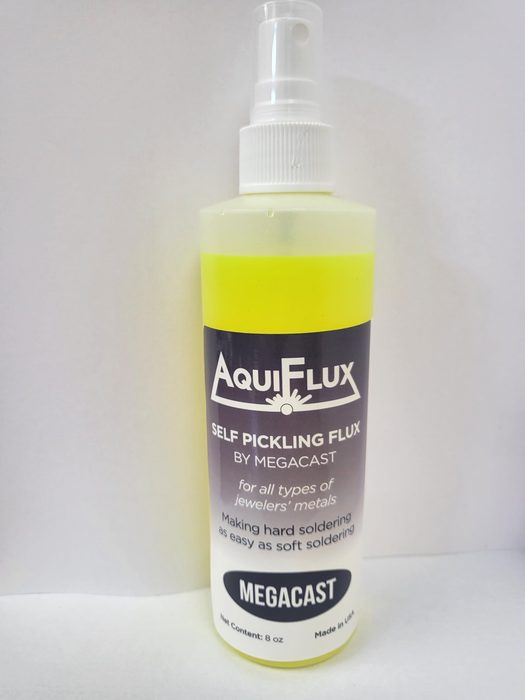
Aquiflux Self Pickling Flux for Precious Metals
Application: for Precious Metals
-
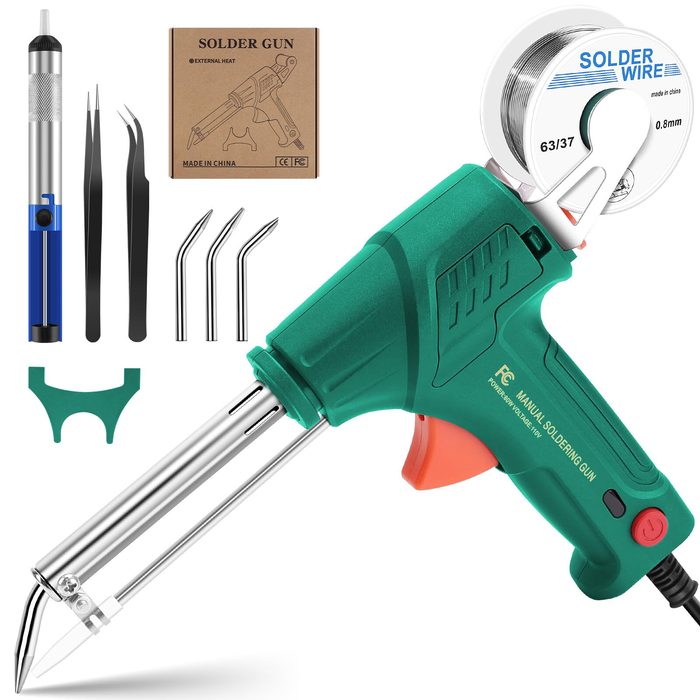
Electric Soldering Iron Gun
Power: 80WVoltage: 110V
-
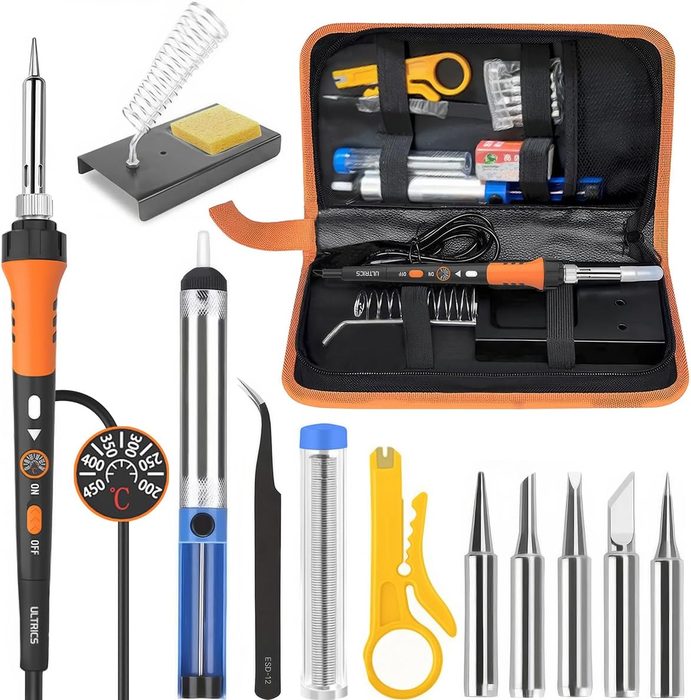
Electric Welding Soldering Iron Kit
Power: 80W
-
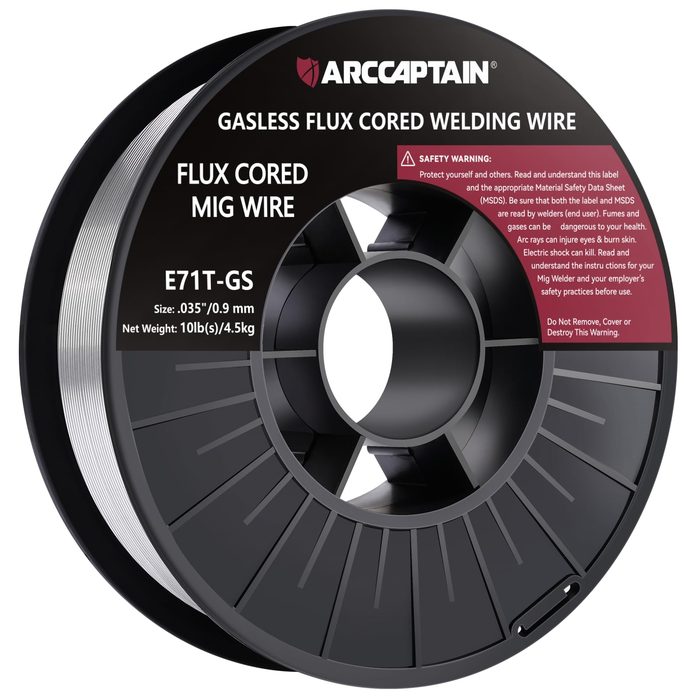
Flux Core Welding Wire, E71T-GS
Diameter: 0.030"
-
Flux Core Welding Wire, E71T-GS
Diameter: 0.030 in
-
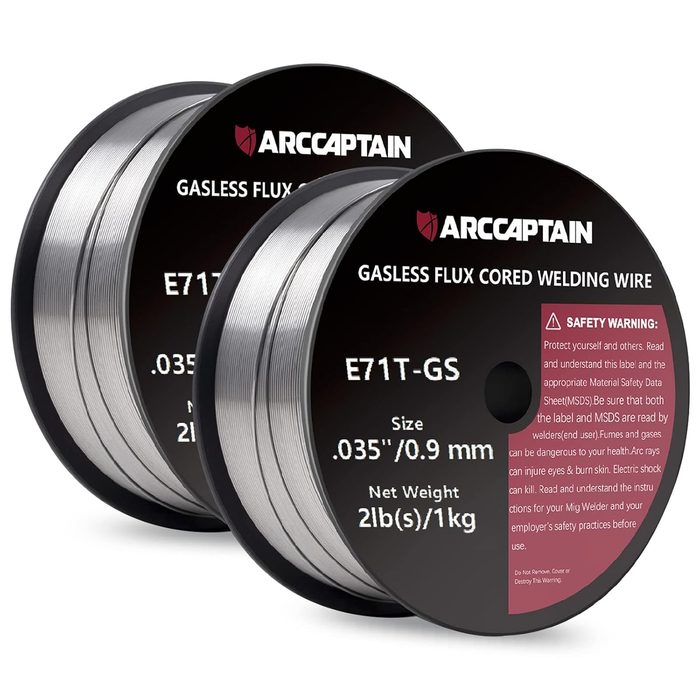
Flux Core Welding Wire, Gasless Carbon Steel
Diameter: 1.0 mm
-
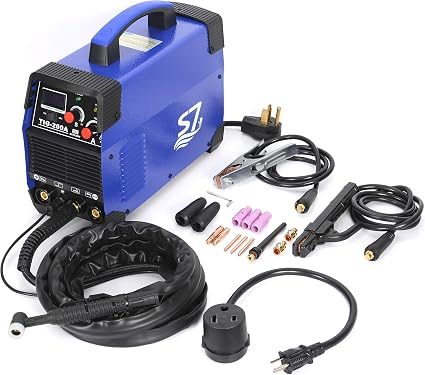
HF Start TIG Welder, DC TIG and Stick Welder
Amperage: 200AVoltage: 110V/220V
-
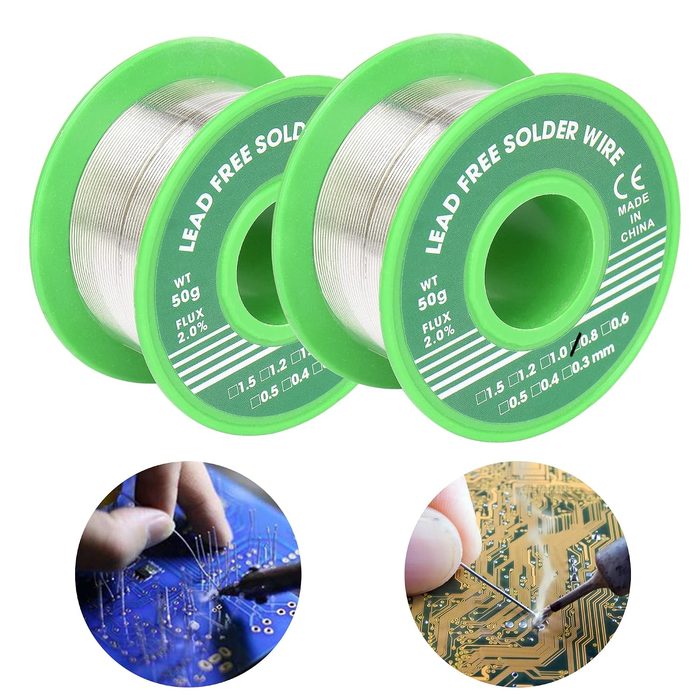
Lead Free Solder Wire, Rosin Core
Diameter: 0.5mm
-
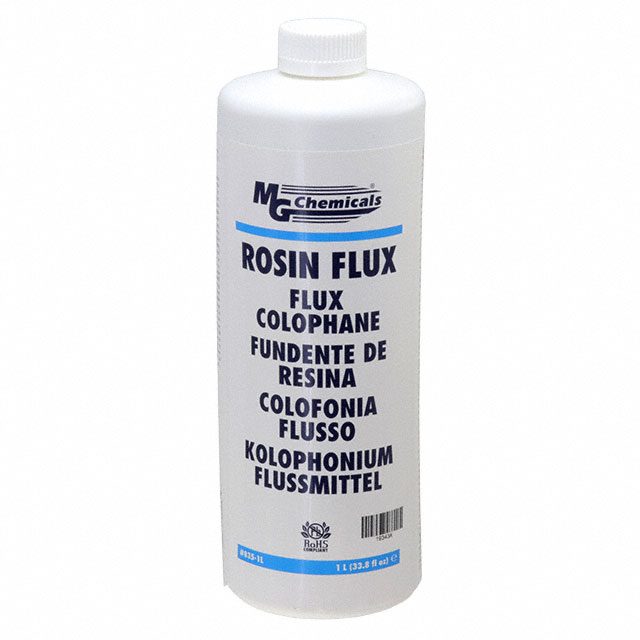
Liquid Rosin Flux
Form: Liquid
-
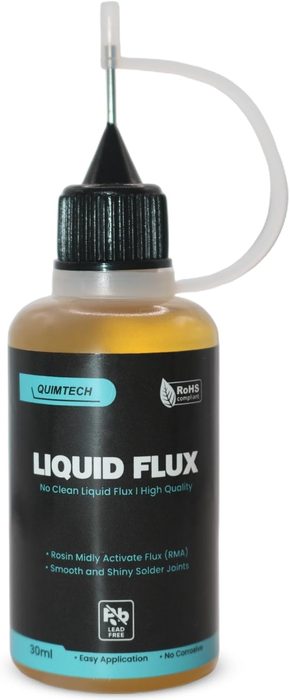
Liquid Solder Flux Dropper
Volume: 30 ml
-
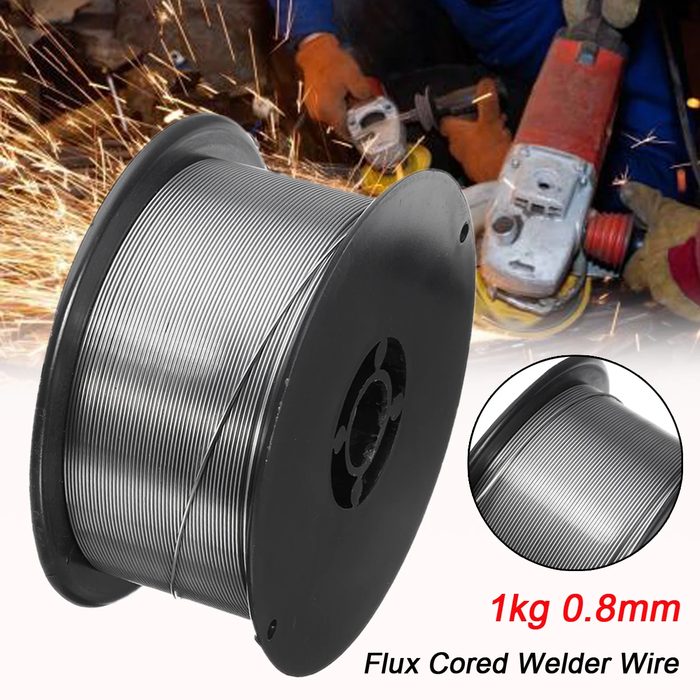
MIG Welding Wire
Diameter: 0.8 mmWeight: 1 kg
-
MIG Welding Wire
Diameter: 0.035"
-
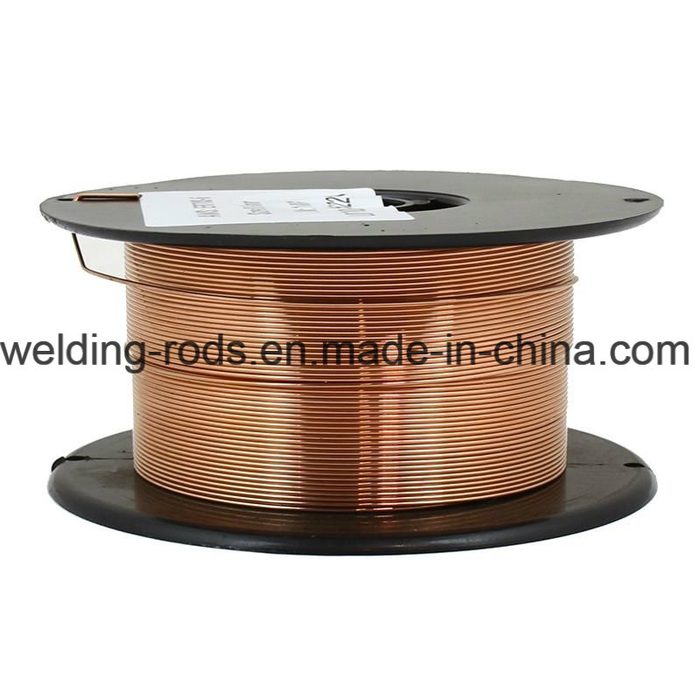
MIG Welding Wire - ER70S-6
Diameter: 0.6 mm
-
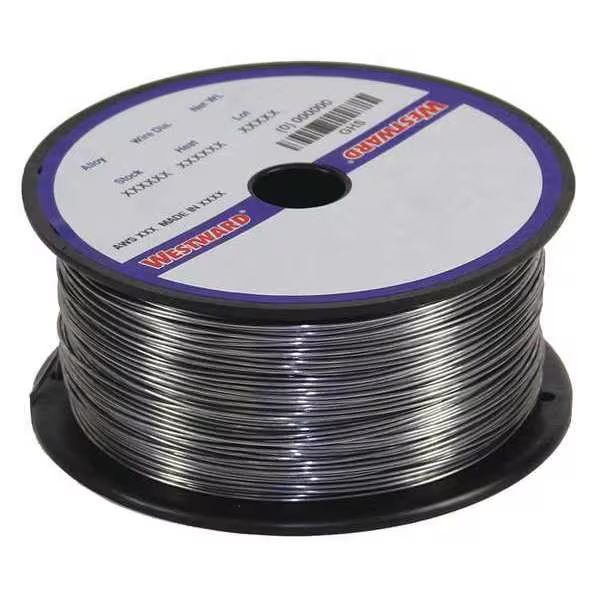
MIG Welding Wire, Cast Iron
Diameter: 0.045 in
-
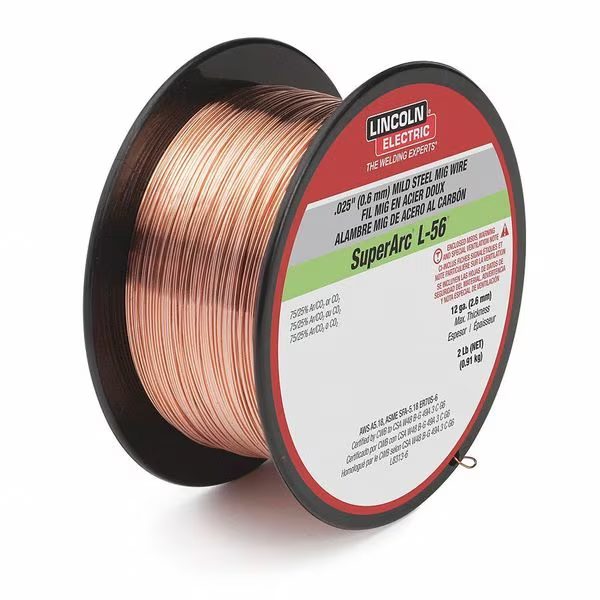
MIG Welding Wire, L-56
Diameter: 0.025"
-
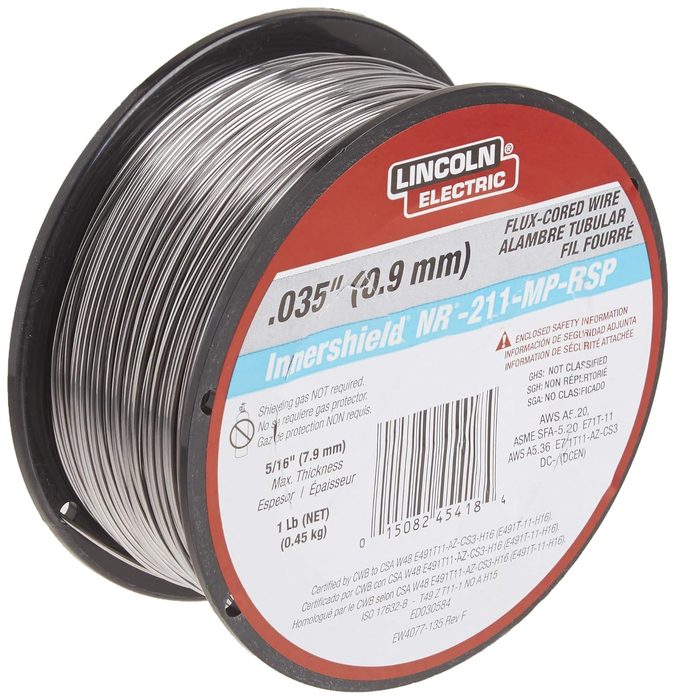
MIG Welding Wire, NR-211-MP
Diameter: 0.035 in
-
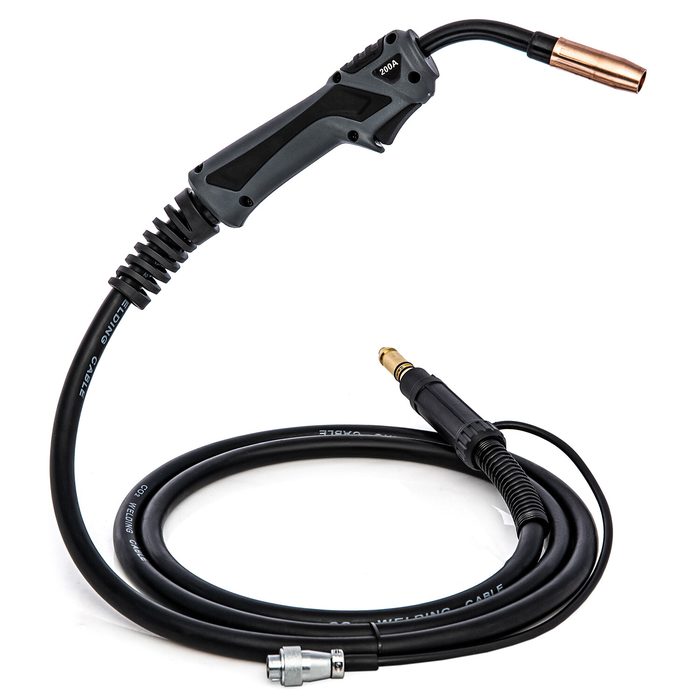
MIG-200, 200-Amp MIG/MAG/Flux-cored/Lift-TIG/Stick Welder
Amperage: 200 AProcesses: MIG, MAG, Flux-Core, Lift-TIG, Stick
-
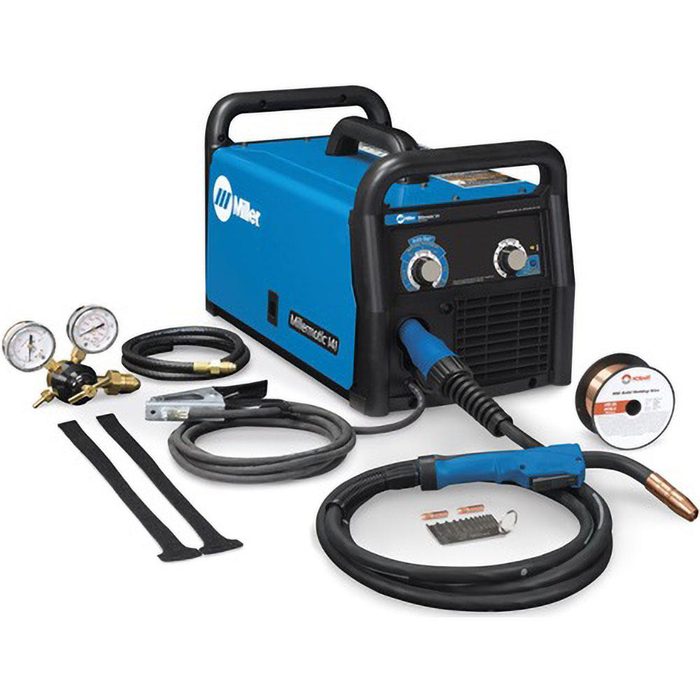
Millermatic® 142 MIG Welder – 120V, Portable Wire Feed Welder
Max Steel Thickness: 3/16"Voltage: 120 V
-
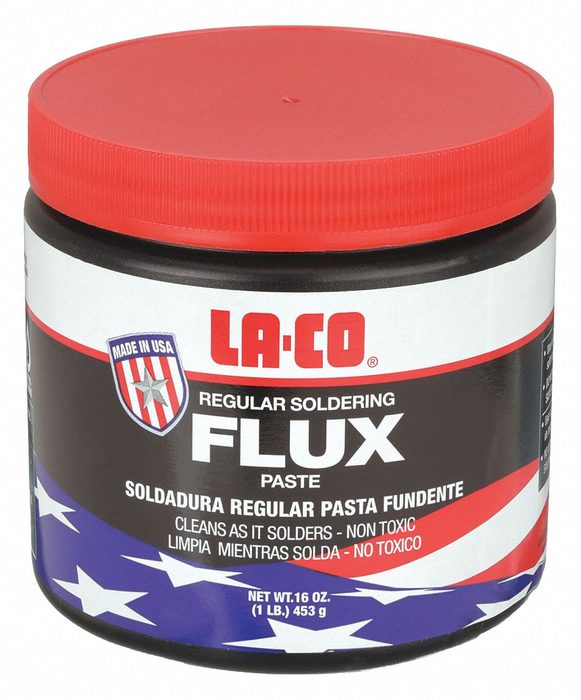
Regular Soldering Flux Paste
Weight: 1 lbs
-
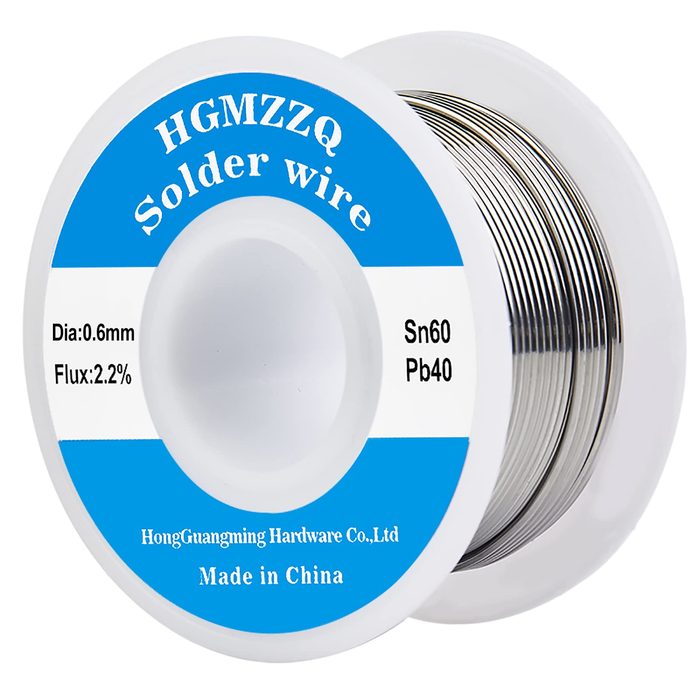
Rosin Core Solder Wire for Electrical Soldering (0.6 mm/50g)
Composition: Tin 63%-Lead 37%Diameter: 0.6 mm
-
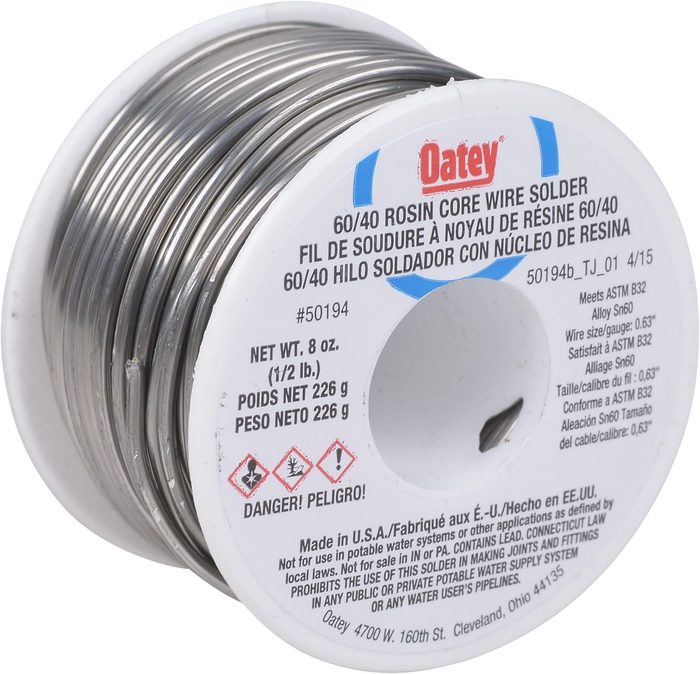
Rosin Leaded Core Solder, 1/8 In Dia, 40/60 Tin/Lead
Alloy: 40/60Diameter: 1/8 in
-
-
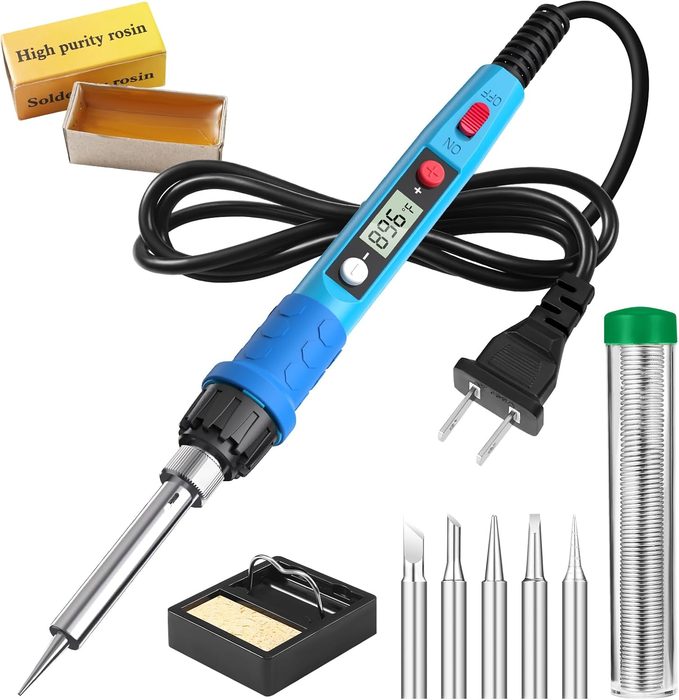
Soldering Iron
Power: 60W
-
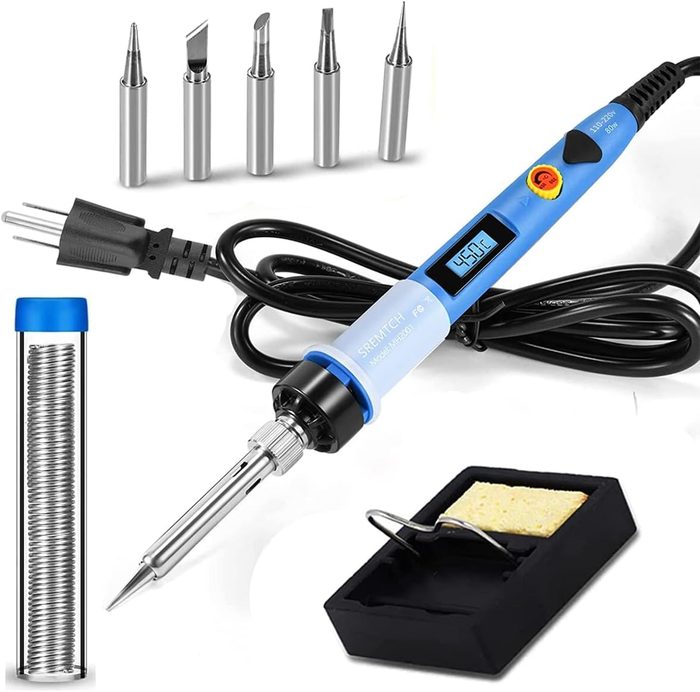
Soldering Iron Gun
Power: 65WVoltage: 110V
-
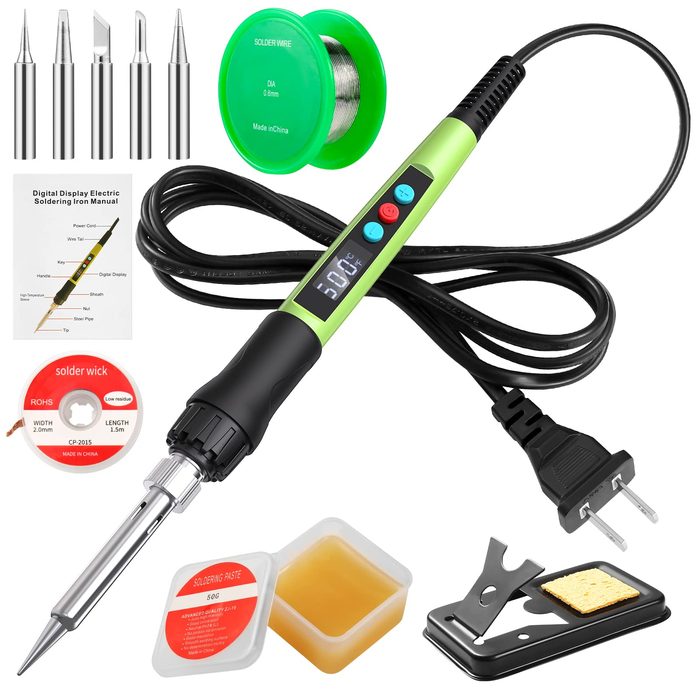
Soldering Iron Kit
Display: LCD DigitalPower: 80WVoltage: 110V
-
Soldering Iron Kit
Power: 60W
-
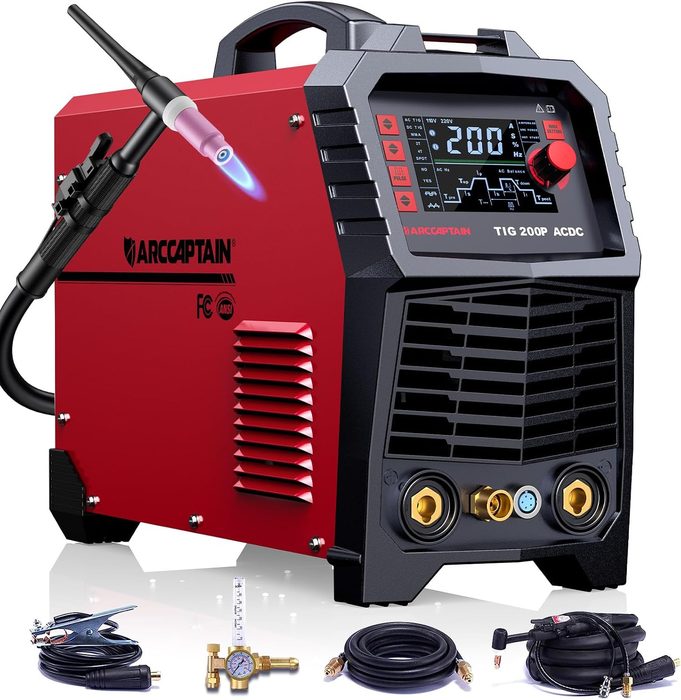
TIG Welder
Amperage: 200AVoltage: 110V
-
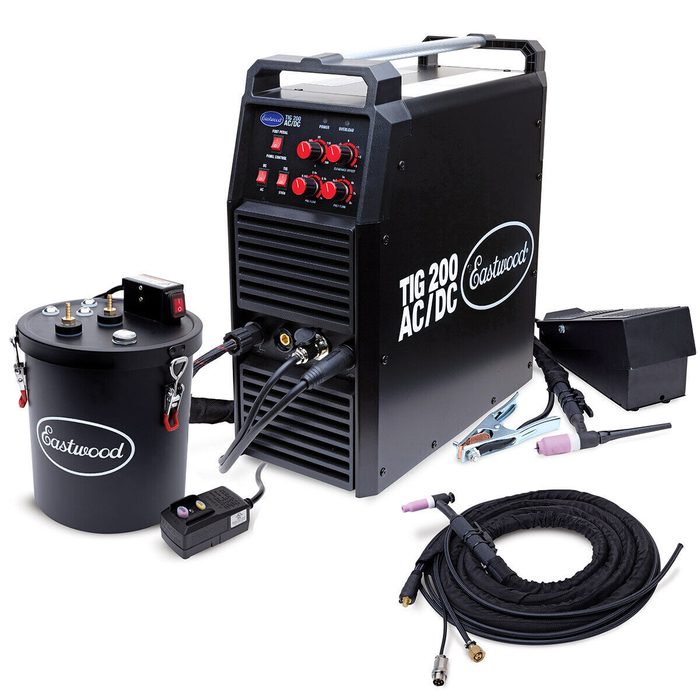
TIG Welder and Stick Welder
Amperage: 220 AMP
-
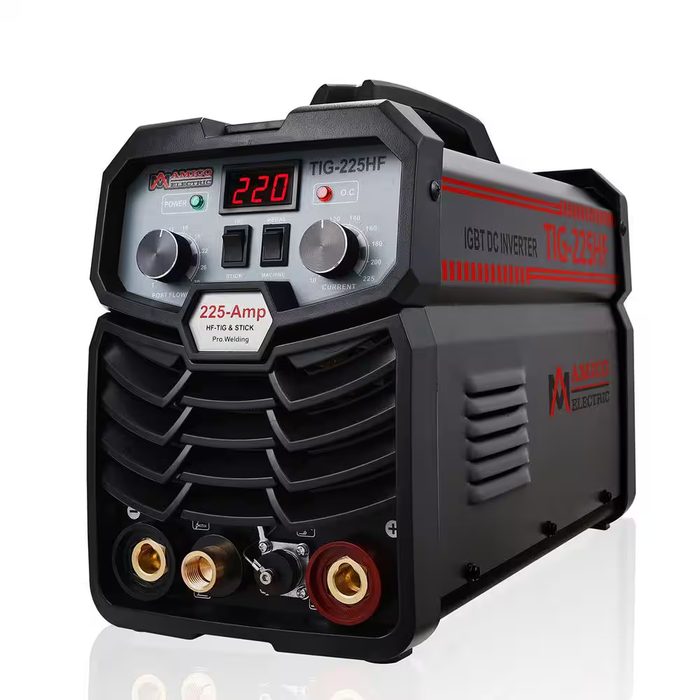
TIG/Arc/Stick DC Welder
Amperage: 225 Amp
-
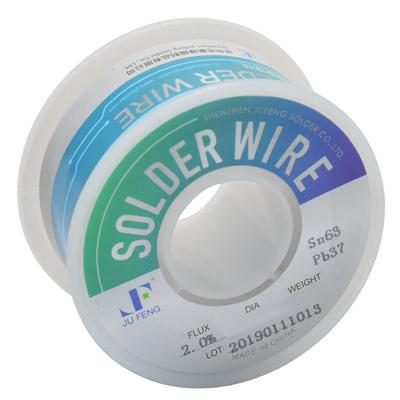
Tin Lead Rosin Core Solder
Composition: 60/40Diameter: 0.6mmWeight: 50g
-
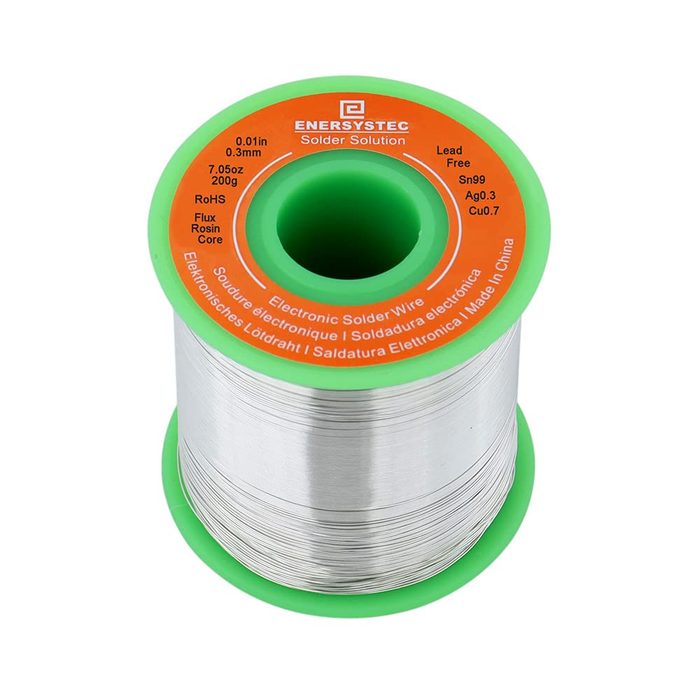
Ultra-Thin Solder Wire 0.01in 0.3mm Rosin Core Flux 2.5
Diameter: 0.01 in
-
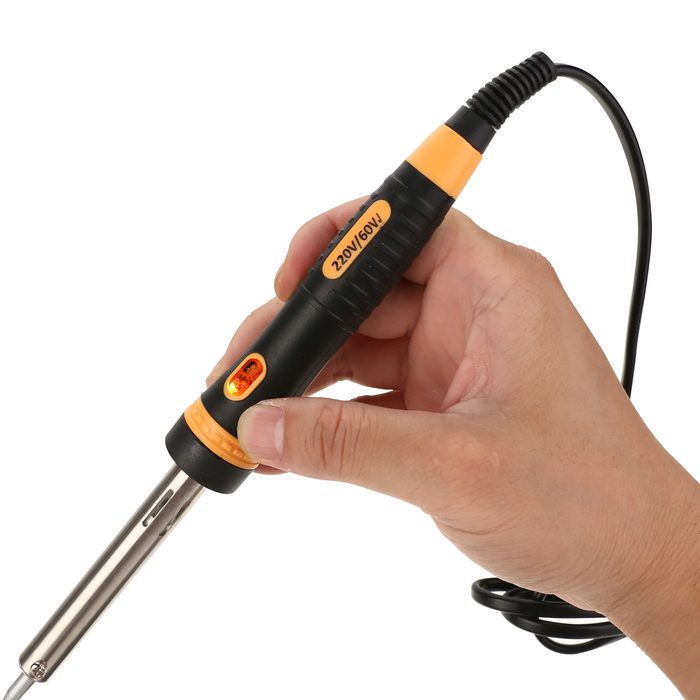
Welding Soldering Iron Gun Heat Pencil Electric Tool
Power: 30WVoltage: 110V / 120V
About welding & soldering
Welding and soldering consumables encompass a range of materials essential for joining metals through heat. MIG (Gas Metal Arc Welding) consumables include solid wires, flux-cored wires, and shielding gases such as argon, CO2, or argon/CO2 blends. Wire diameters typically range from 0.023" to 0.062" (0.6mm to 1.6mm), with common alloys like ER70S-6 for mild steel, ER308L for stainless steel, and ER5356 for aluminum. TIG (Gas Tungsten Arc Welding) requires non-consumable tungsten electrodes, typically pure, thoriated, ceriated, or lanthanated, with diameters from 0.020" to 0.250" (0.5mm to 6.4mm). Filler rods, available in similar alloys to MIG wires, are fed manually. Stick welding (Shielded Metal Arc Welding) utilizes flux-coated electrodes, classified by AWS standards (e.g., E6010, E7018), indicating tensile strength, position capabilities, and coating type. Solder, used for lower-temperature joining, commonly consists of tin-lead (e.g., Sn60Pb40) or lead-free alloys (e.g., Sn96.5Ag3.0Cu0.5). Flux, either liquid or paste, is critical for cleaning surfaces and preventing oxidation during both soldering and brazing processes. Torches, for both MIG and TIG, are selected based on amperage rating, cooling method (air or water), and ergonomic considerations, with various nozzle and collet body sizes available to accommodate different electrode and wire diameters.
How to choose
Selecting welding and soldering consumables begins with the joining process: MIG, TIG, stick, or soldering. This dictates the primary consumable type. Next, identify the base material to be joined (e.g., mild steel, stainless steel, aluminum, copper) to determine the appropriate filler metal alloy or solder composition. Consider the required mechanical properties of the joint, such as tensile strength, which influences electrode classification (e.g., E7018 vs. E6010) or filler wire alloy. For welding, evaluate the joint configuration and position, as some consumables are position-specific. Finally, match the consumable dimensions (wire diameter, electrode size, solder gauge) to the equipment's capabilities and the desired deposition rate or joint size, ensuring proper fit and performance.