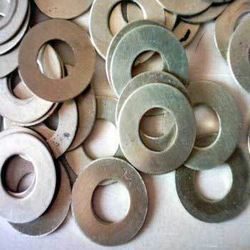
Washers
Flat, split lock, tooth, Belleville and structural washers.
Also searched as: flat washerslock washersbellevillespring washersshim washers
-
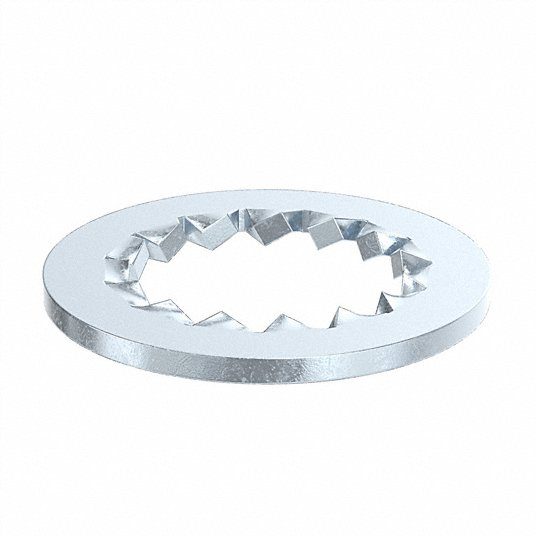
-
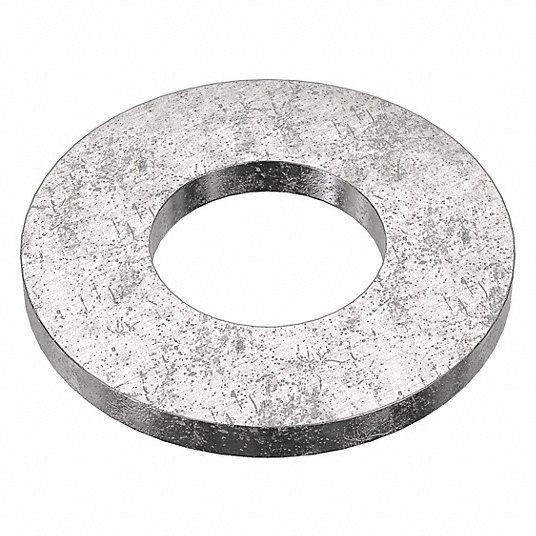
18-8 Stainless Steel Flat Washer
Grade: 18-8
-
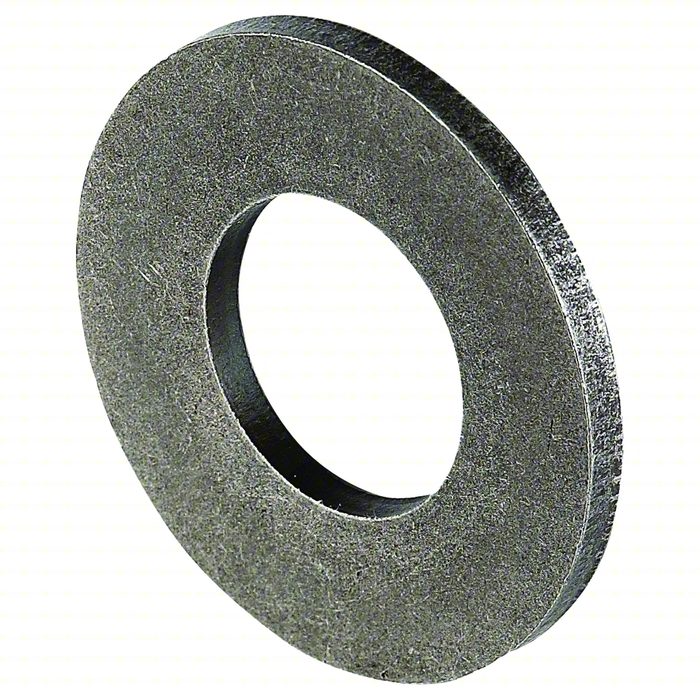
Belleville Spring
ID: 1.31 inOD: 4 in
from $95.37Grainger $95.37 -
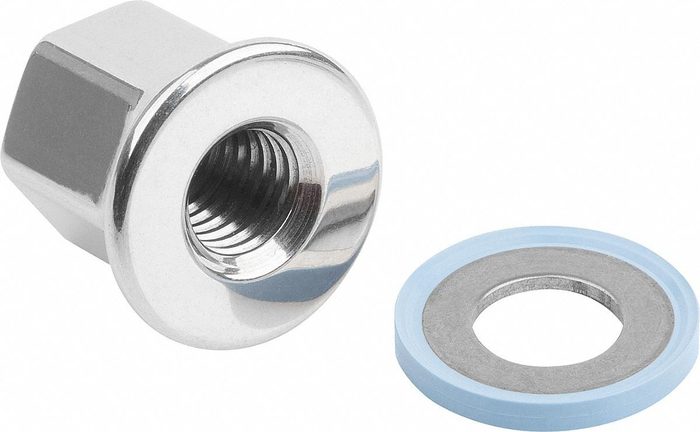
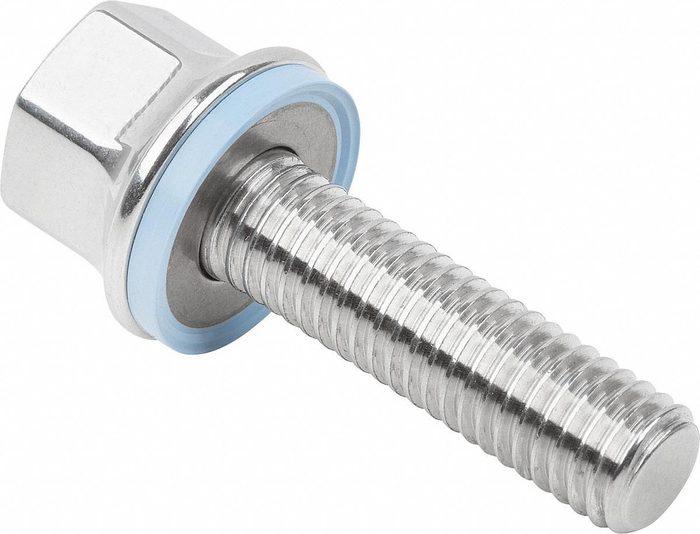
Hygienic USIT Cap Nut with Washer
Thread: M6
-
-
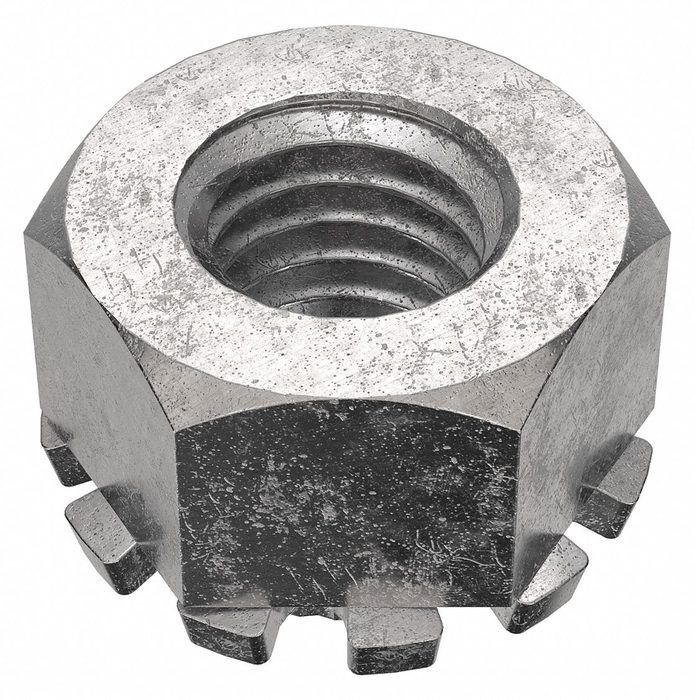
Lock Nut with External Tooth Washer, Std Hex
Form: Std Hex
-
-
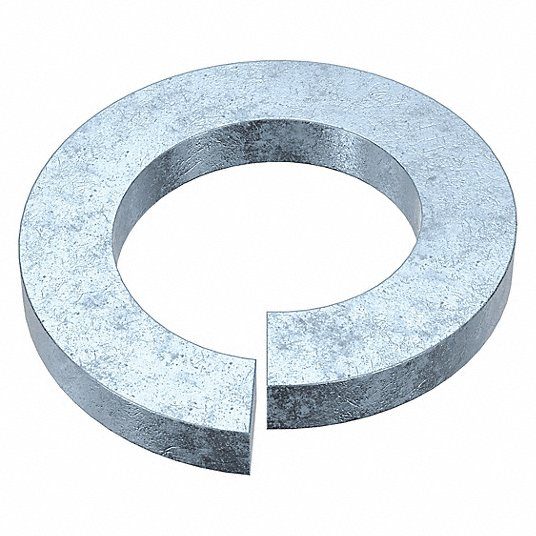
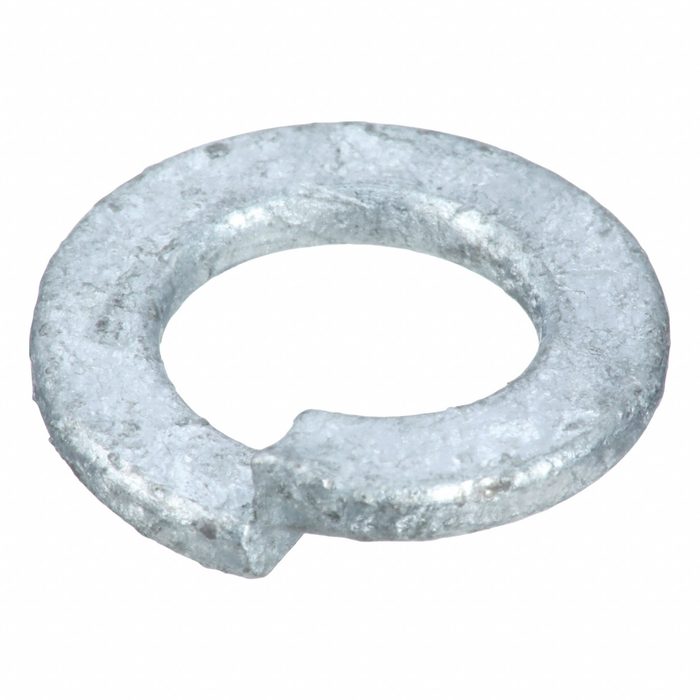
Split Lock Washer, Steel
Screw Size: 1 1/8 in
-
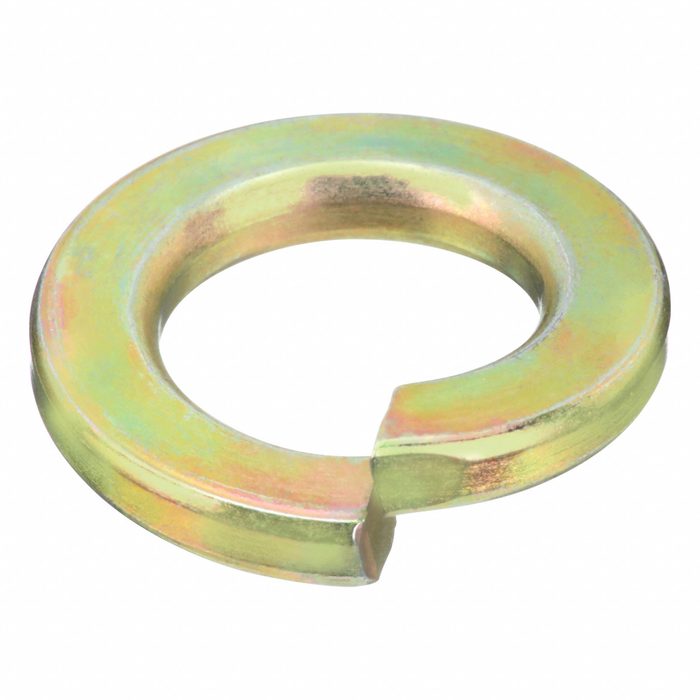
-
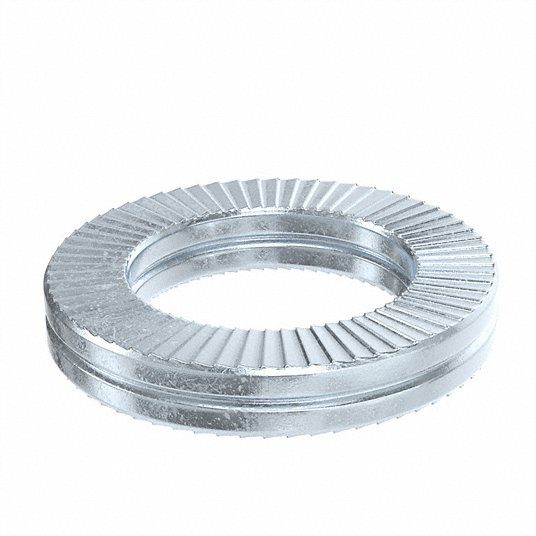
Spring Lock Washer, Advanced Corrosion Resist, Steel
Max Thickness: 7/64 inScrew Size: 3/8 in
-
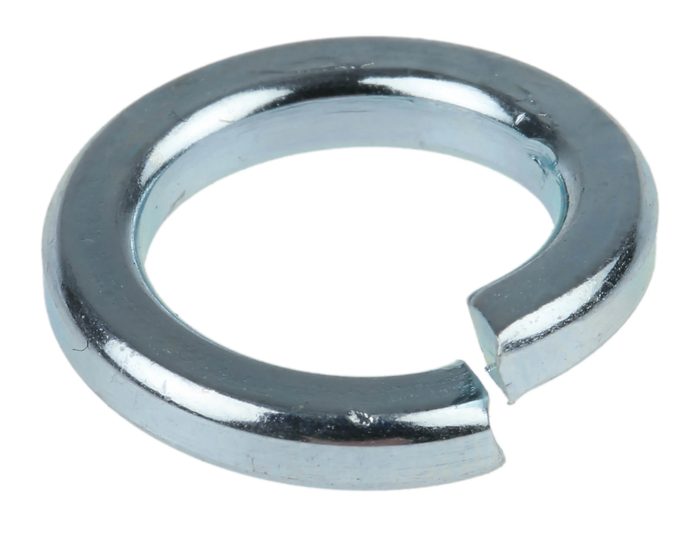
-
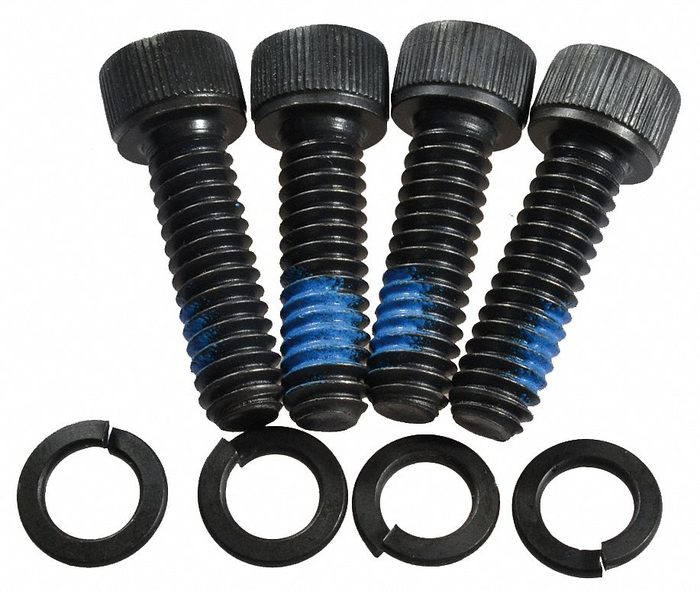
Spring Washer
For Screw: #37
-
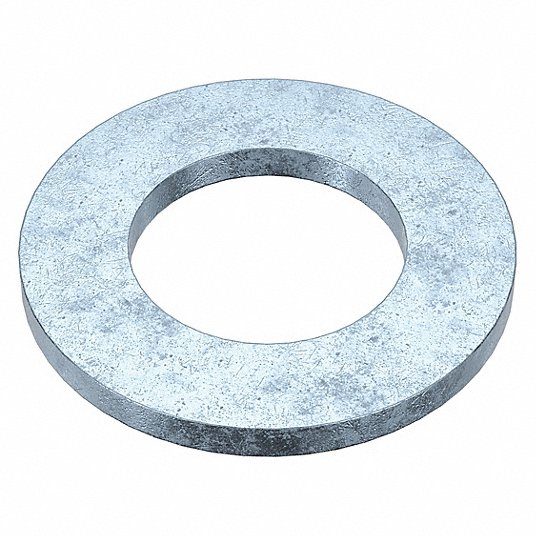
Zinc Plated Steel Flat Washers
Finish: Zinc Plated
-
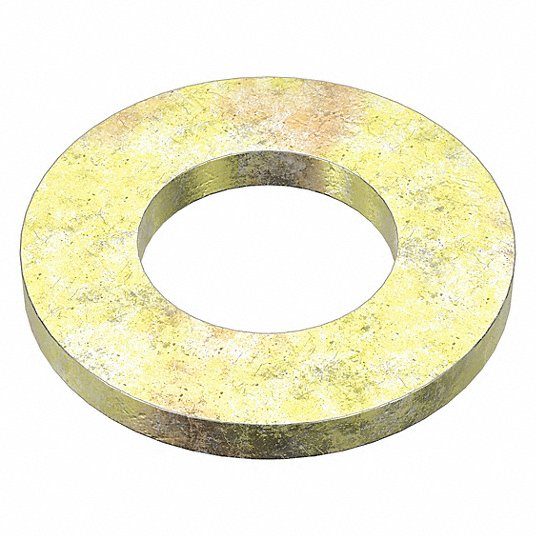
Zinc Yellow Steel Flat Washer
Finish: Zinc Yellow
About washers
Washers are thin, flat plates with a central hole, primarily used to distribute the load of a threaded fastener, prevent loosening, or provide spacing. Flat washers, such as those conforming to ASME B18.21.1 or DIN 125, increase the bearing surface area, reducing the risk of material deformation under the fastener head or nut. Lock washers, including split lock washers (ASME B18.21.1), external or internal tooth lock washers (ASME B18.21.1 Type A/B), and conical spring (Belleville) washers (DIN 6796), are designed to resist loosening due to vibration or thermal expansion. Belleville washers also function as springs, providing a controlled preload. Structural washers, like those specified in ASTM F436, are hardened and intended for use with high-strength structural bolts. Selection is defined by inner diameter, outer diameter, thickness, and material properties. Common materials include carbon steel (often zinc-plated or hot-dip galvanized), stainless steel (304, 316), brass, copper, and nylon, chosen based on strength, corrosion resistance, and electrical insulation requirements.
How to choose
Selecting the correct washer involves several considerations. First, determine the primary function: load distribution, anti-vibration, or spacing. This dictates the general washer type (flat, lock, Belleville). Second, match the inner diameter to the bolt or screw nominal size. Third, consider the load and joint integrity requirements to specify material and thickness; structural applications demand hardened washers, while corrosive environments require stainless steel or appropriate coatings. Fourth, assess vibration or dynamic loads; this often necessitates a lock washer type, with Belleville washers offering predictable spring characteristics. Finally, check outer diameter constraints and any electrical isolation needs, which might lead to non-metallic options.