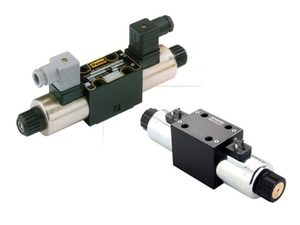
Hydraulic Valves
Directional, relief, check, proportional and cartridge valves.
Also searched as: directional valverelief valvecartridge valveproportional valve
-
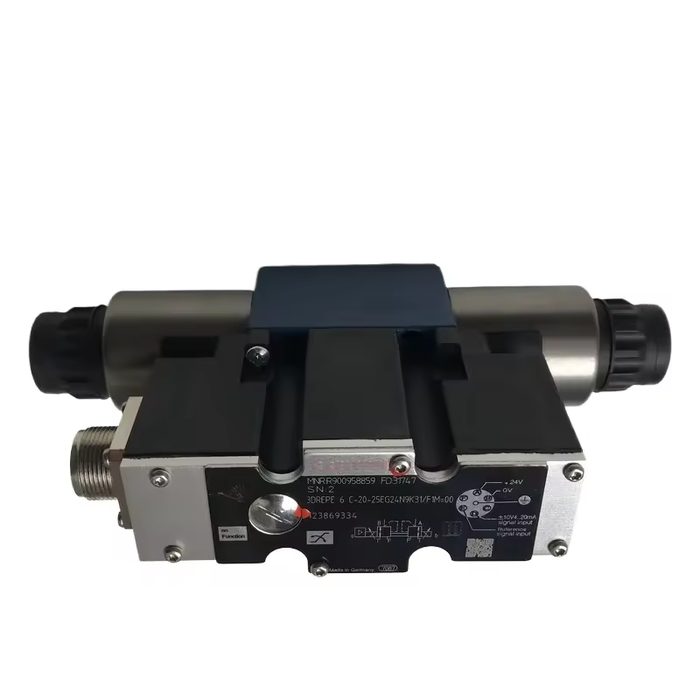
-
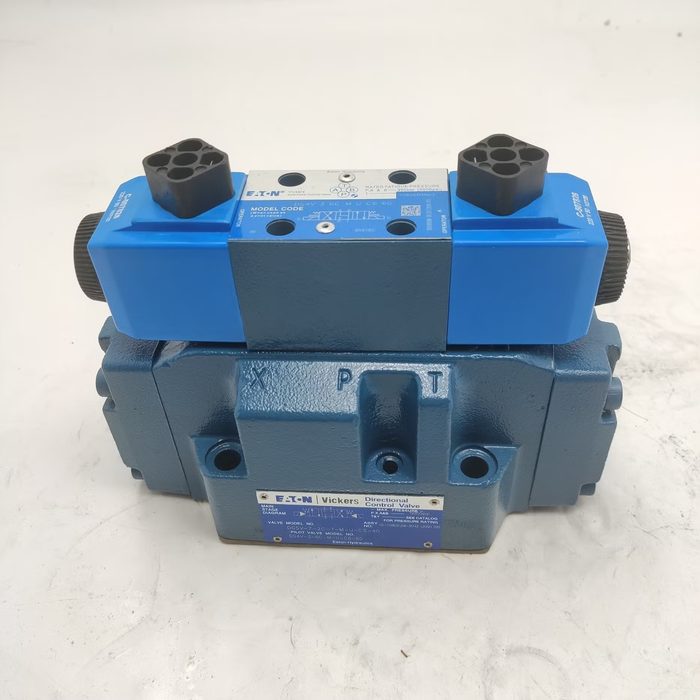
-
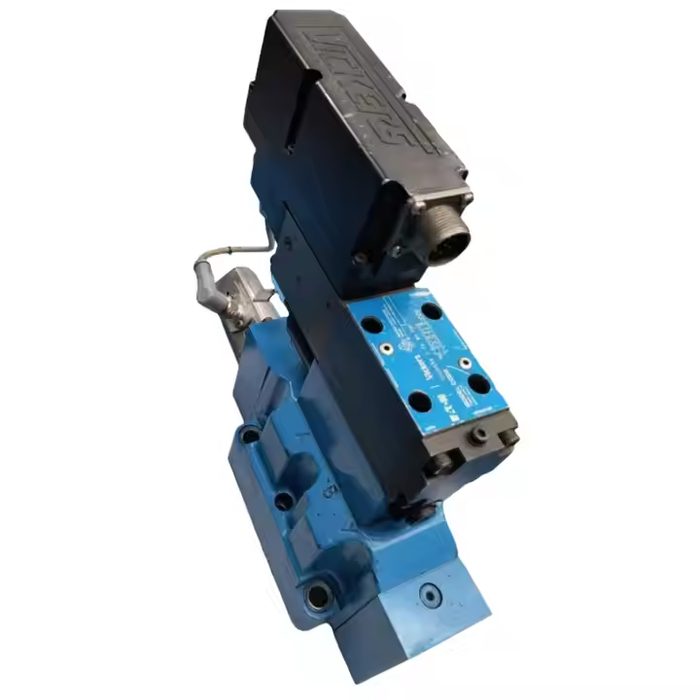
Proportional Directional Pilot Valve Khdg5V-5
Type: Proportional Directional Pilot
-
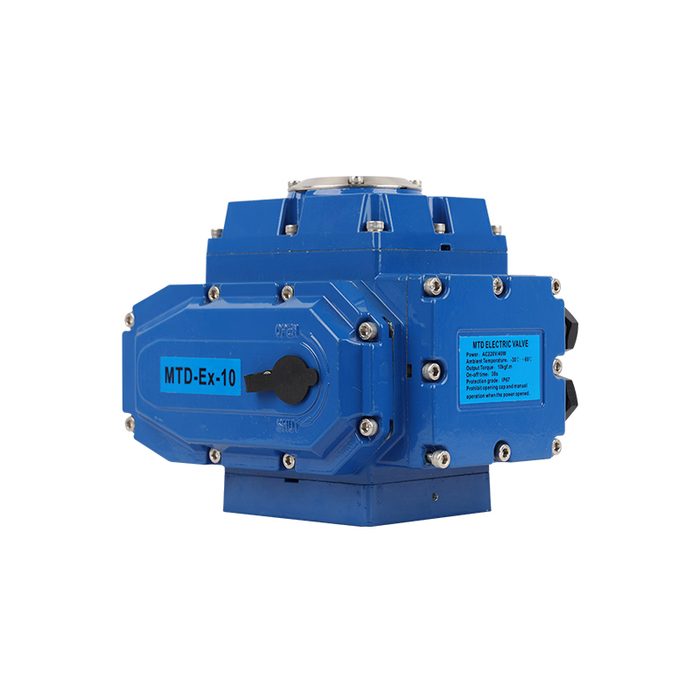
Proportional Electric Valve Actuator
Voltage: 100 to 240V AC
-
-
-
-
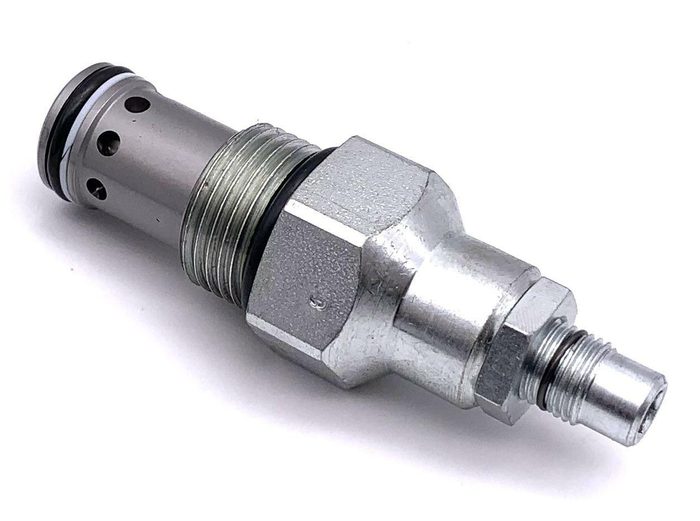 from $39.99eBay $39.99
 -
-
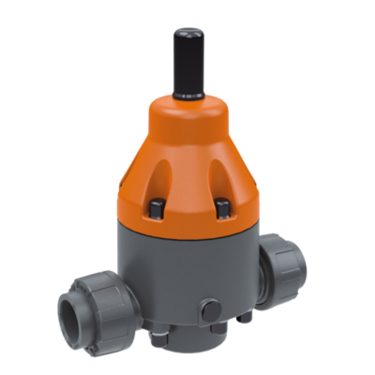
Relief Valve
Inlet: 1/2"Max psi: 160
-
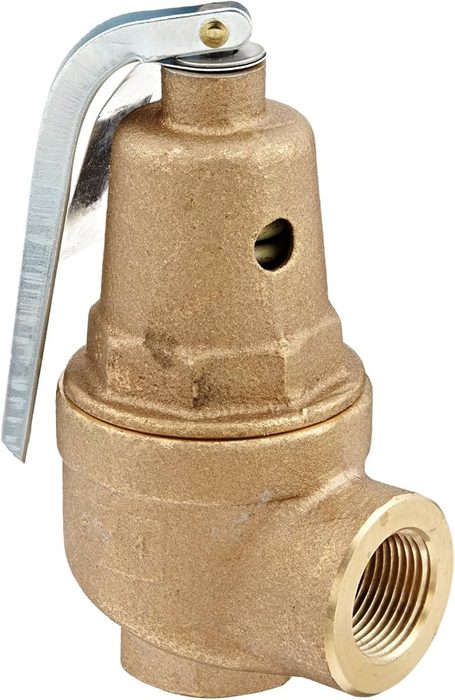
Relief Valve
Item dimensions L x W x H: 2.5 x 3.5 x 1.5 inches
-
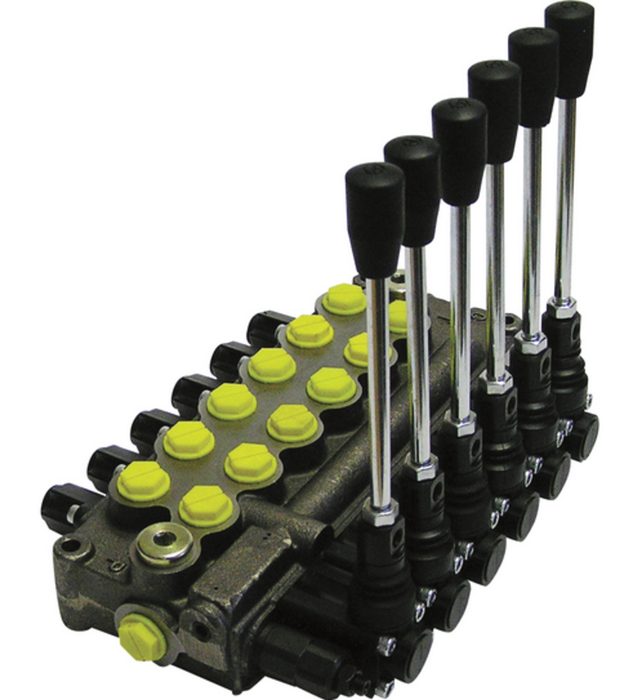
Relief Valve for Caterpillar CAT Engine 3116
Application: Caterpillar CAT Engine 3116, EL200B E200B
-
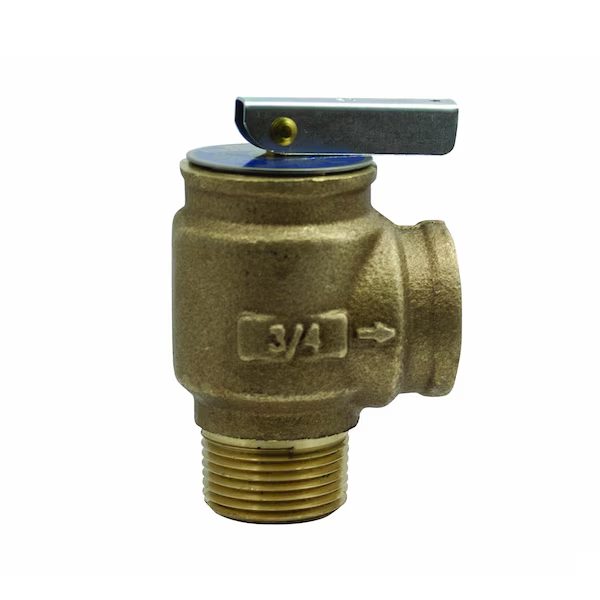
Relief Valve, 3 in Overall H, 30 psig
Overall Height: 3 inRelief Pressure: 30 psig
-
Relief Valve, 3 in Overall H, 30 psig
Overall Height: 3 inRelief Pressure: 30 psigSize: 3/4" female
-
-
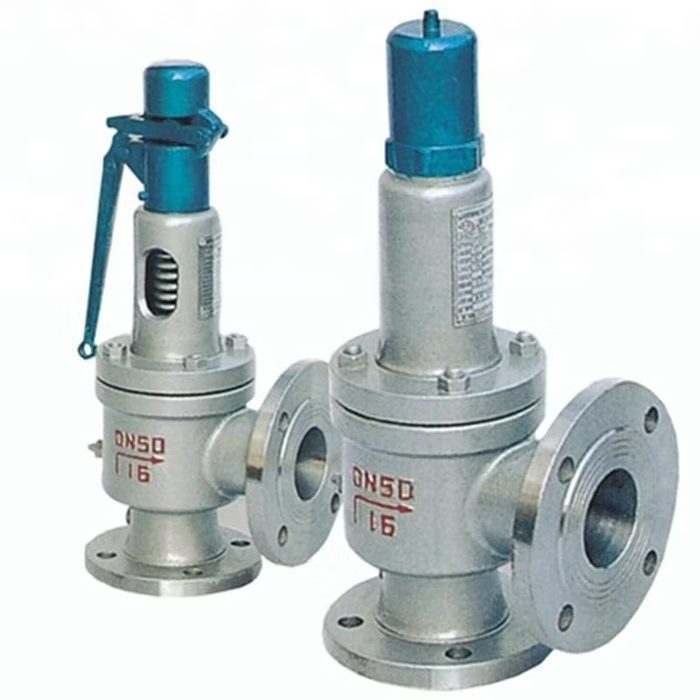
Safety Relief Valve
Pressure Range: 0.1-0.3 mpa
-
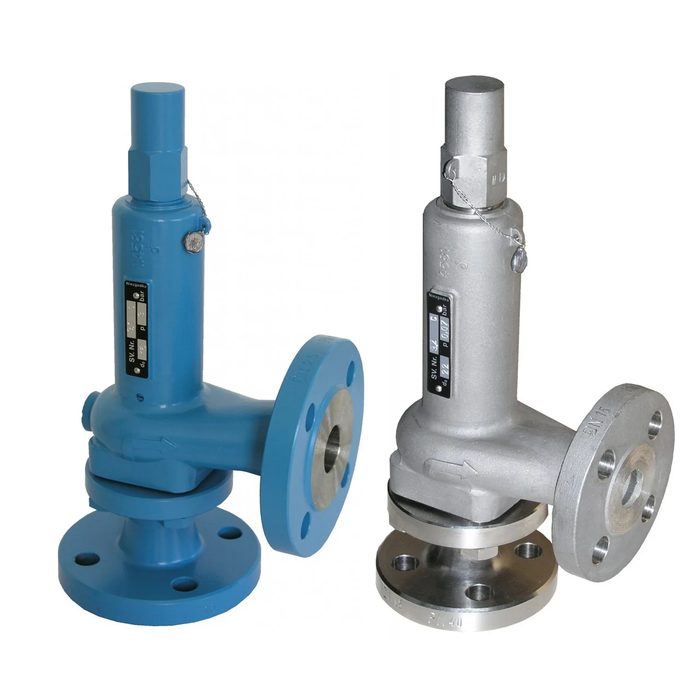
Safety Relief Valve
Size: 2 inch x 600
-
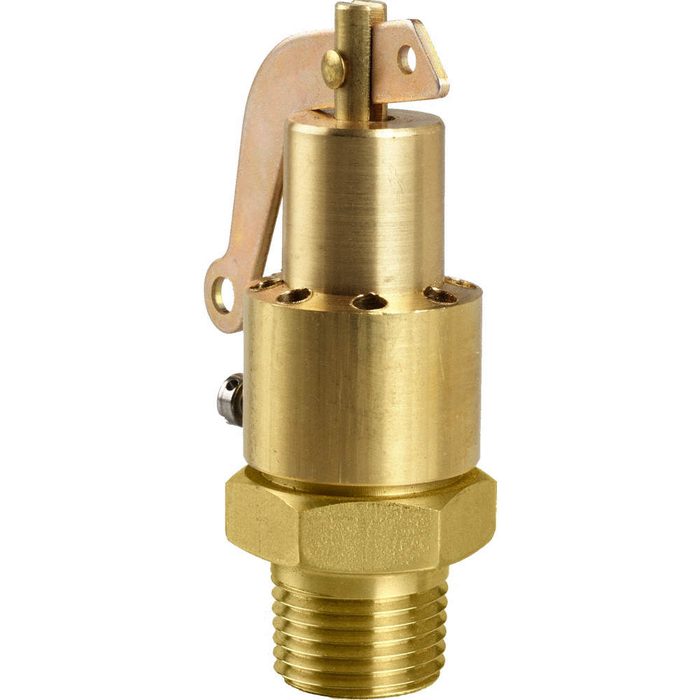
Safety Relief Valve
Inlet Pressure: 215 psiPort Size: 1" x 1-1/4"Pressure: 100 PSIPressure Range: 0 to 200 psi
-
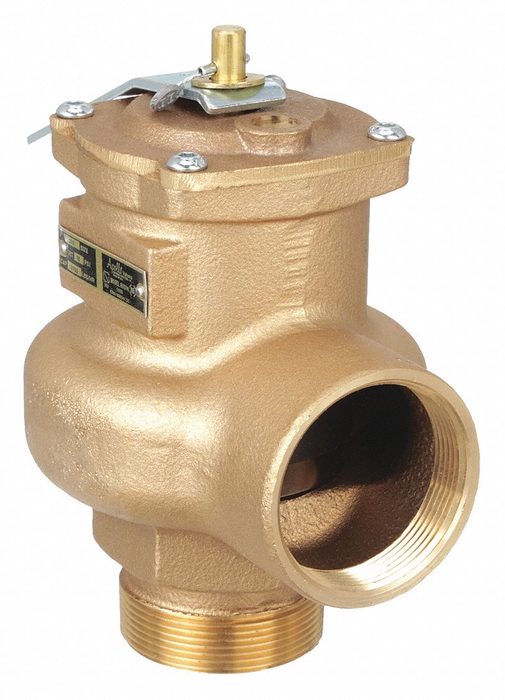
Safety Relief Valve
Inlet: 3/4"Max psi: 45
-
Safety Relief Valve
Inlet: 1-1/4"Max psi: 150
-
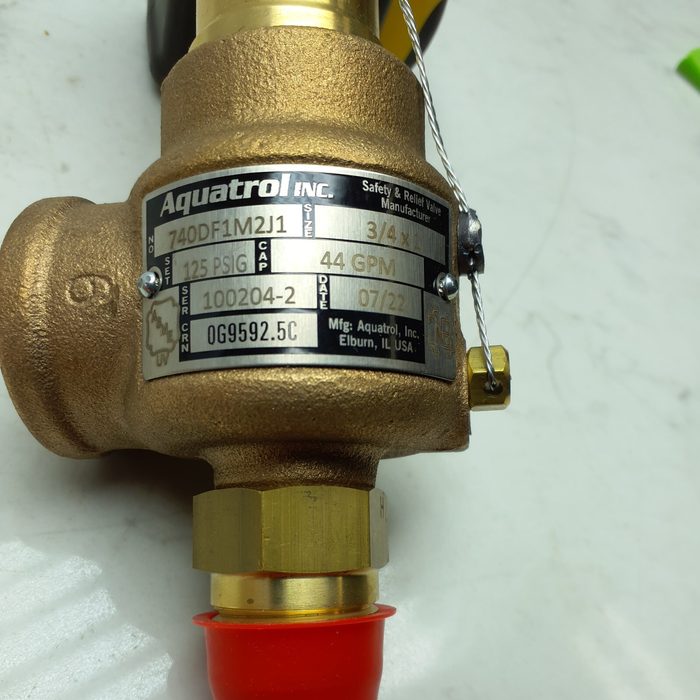
Safety Relief Valve
Pressure: 100 psiSize: 2 x 2
-
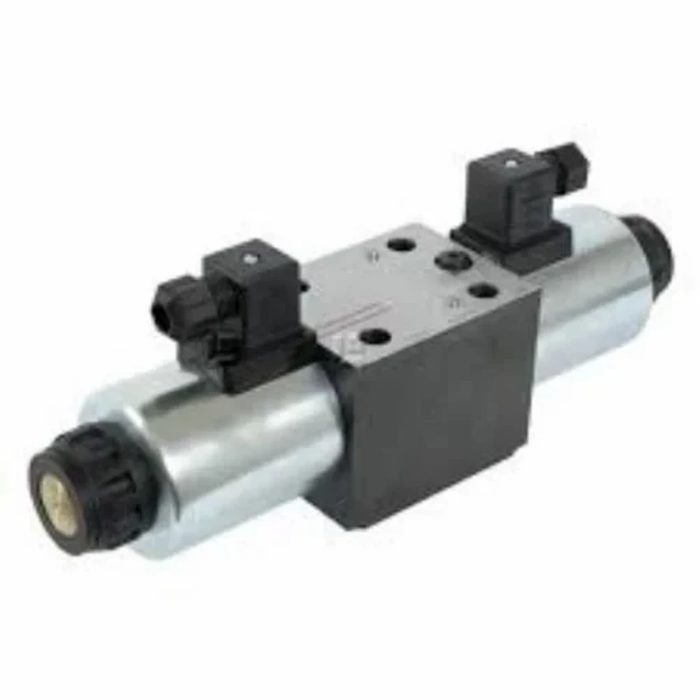
Screw-In Hydraulic Pressure-Relief Cartridge Valve
Overall Height: 4 1/2"
-
-
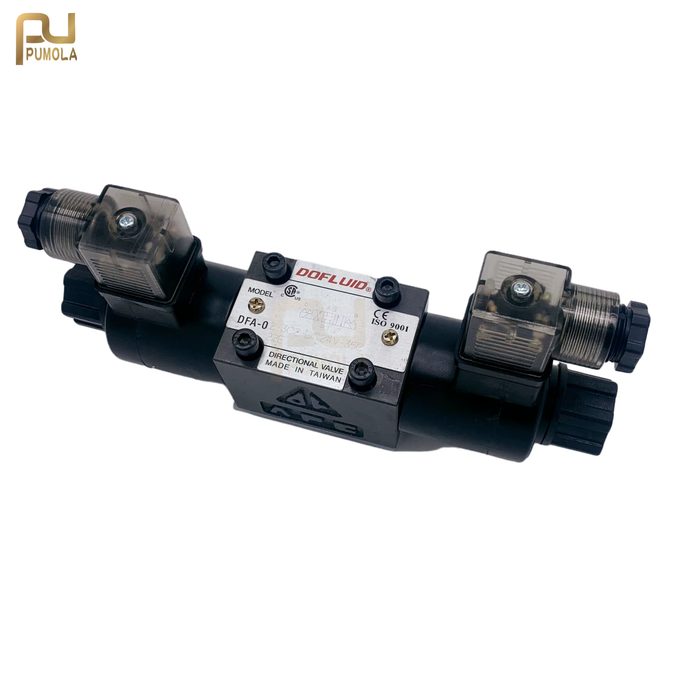
Solenoid Directional Hydraulic Valves
Actuation: SolenoidType: Directional
-
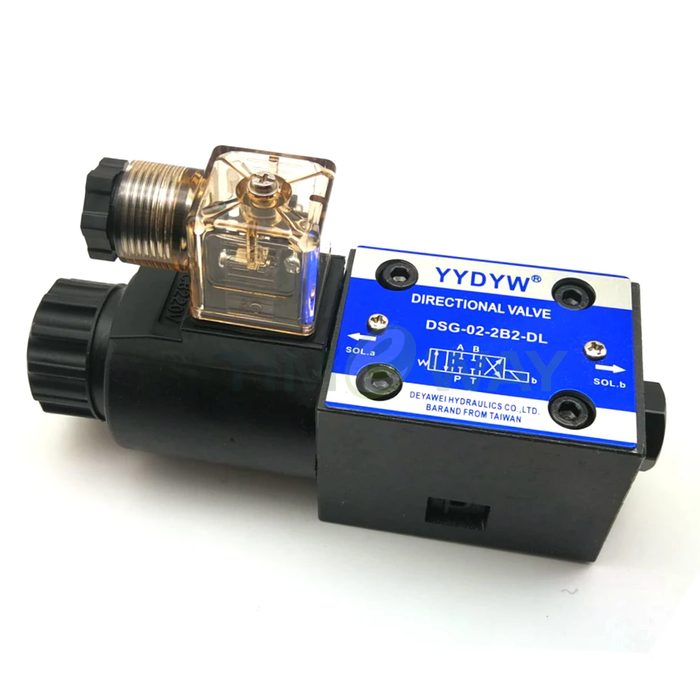
Solenoid Directional Valve DC24V AC220V
Ports: 2Voltage: DC24V AC220V
-
-
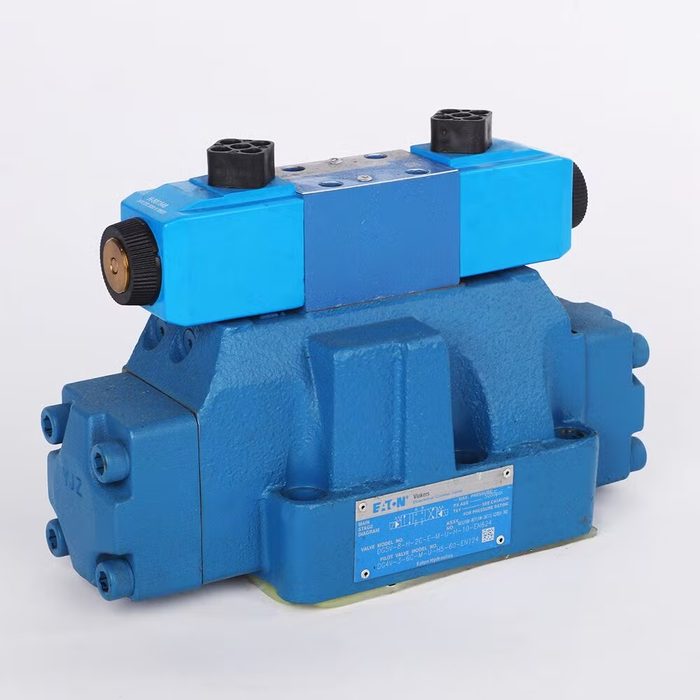
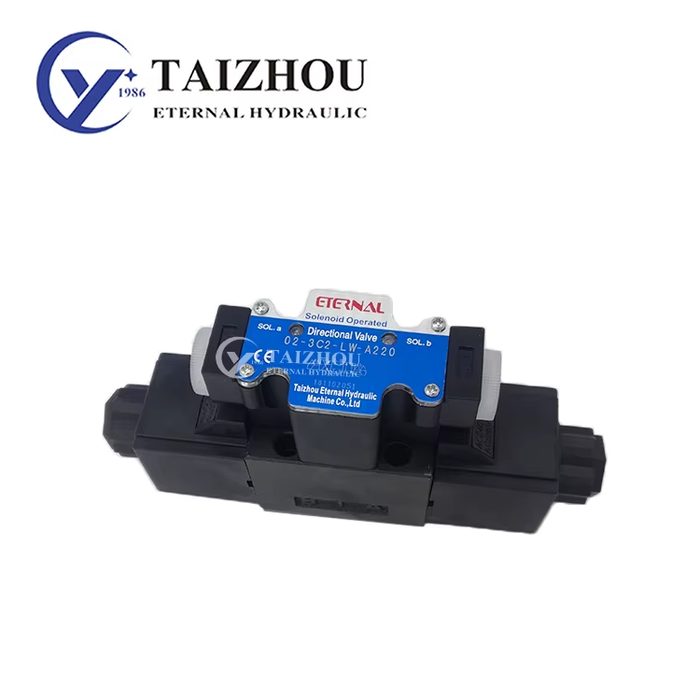
Solenoid-Operated Directional Control Valve
Max Flow Rate: 21 gpmNFPA Size: D03
-
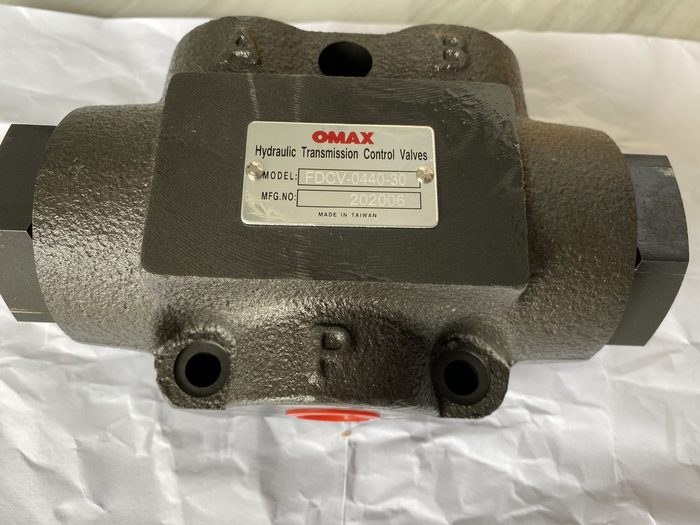
-
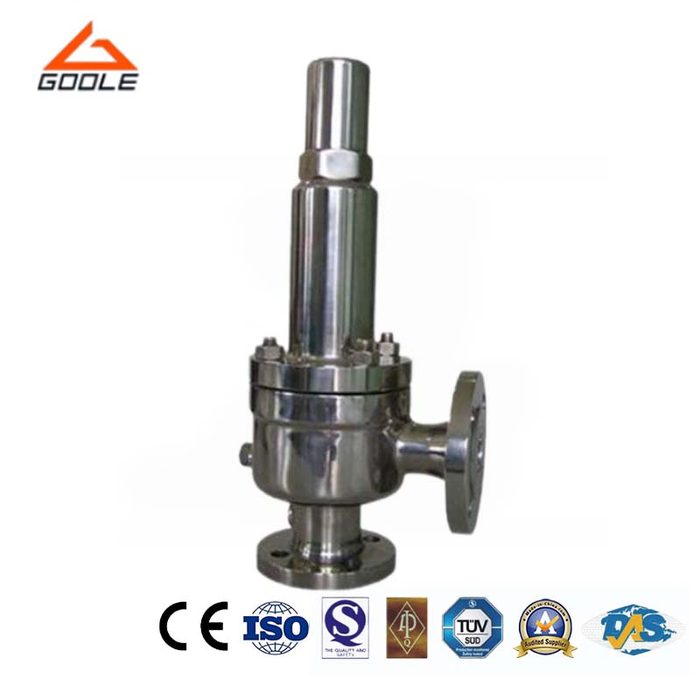
Stainless Steel Safety Relief Valve
Port Size: 1/2" NPTPressure: 225 PSI
-
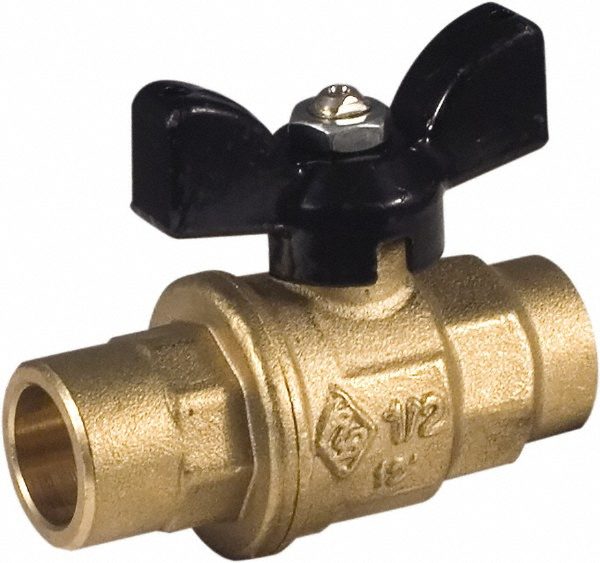
Standard Bi-Directional Manual Ball Valve, 3/4" Pipe, Standard Port
Pipe: 3/4"Port Type: Standard
-
-
-
-
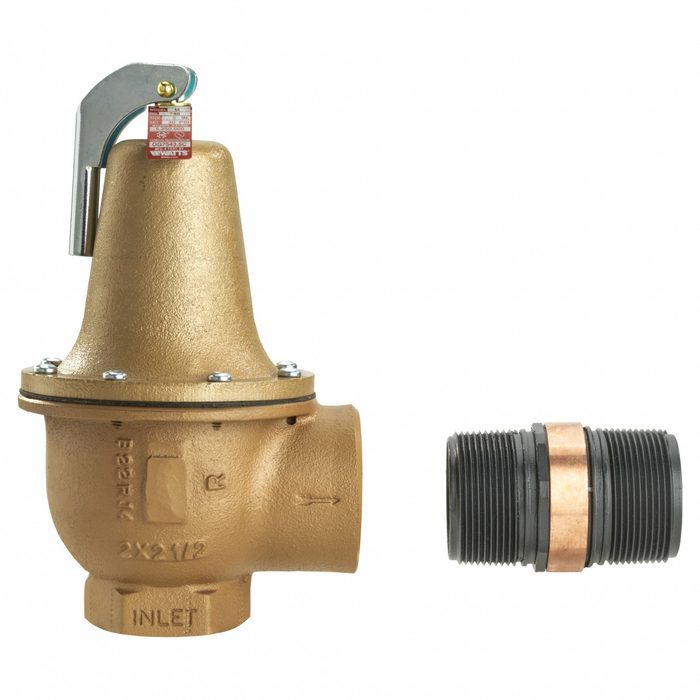
Temperature and Pressure Safety Relief Valve
NPT: 1/2 inchPressure: 150 PSI
-
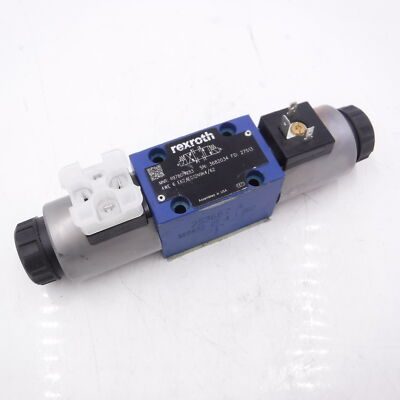
Threaded Cartridge Valve
Maximum Flow Rate: 40 l/minMaximum Working Pressure: 350 bar
-
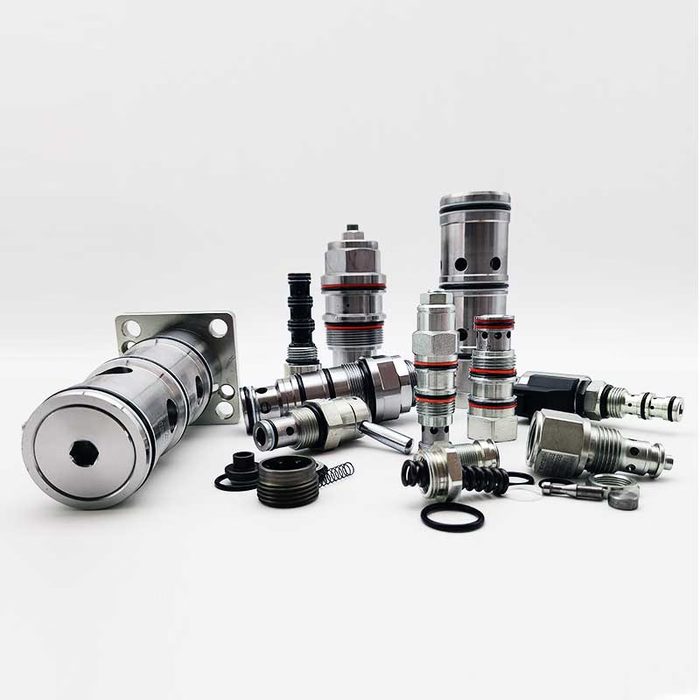
About hydraulic valves
Hydraulic valves regulate the flow, pressure, and direction of hydraulic fluid within a system, enabling precise control over actuators and other components. Directional control valves (DCVs) route fluid to specific ports, commonly available as spool, poppet, or rotary designs, actuated manually, electrically (solenoid), hydraulically, or pneumatically. Configurations include 2/2, 3/2, 4/2, 4/3, and 5/3 way, with common interfaces like ISO 4401 (CETOP) subplate mounting, threaded port (NPT, BSPP, SAE), or cartridge styles. Pressure relief valves (PRVs) protect systems from overpressure by diverting fluid once a set pressure is exceeded, typically direct-acting or pilot-operated, with adjustable cracking pressures ranging from 10 to 400 bar. Check valves permit flow in one direction only, preventing backflow, and are available as ball, poppet, or swing types, with or without spring assistance. Proportional valves offer continuous, variable control of flow or pressure in response to an electrical input signal, often integrating LVDT feedback for accuracy. Cartridge valves are compact, screw-in components that simplify manifold design and are available in various functions, including directional, pressure, and flow control. Key selection parameters include maximum operating pressure (e.g., 210 bar, 350 bar), nominal flow rate (e.g., 10 LPM, 100 LPM), port size, actuation method, response time, and fluid compatibility. Common materials include cast iron, aluminum, and stainless steel, often with surface treatments like phosphating or zinc plating for corrosion resistance.
How to choose
When selecting hydraulic valves, first define the primary function: directional control, pressure regulation, or flow control. For directional control, determine the required number of ways (e.g., 4/3) and positions, actuation method (e.g., solenoid, pilot), and mounting interface (e.g., ISO 4401, threaded). Next, specify the maximum operating pressure and required flow rate; these parameters dictate valve size and construction. For pressure relief, identify the desired cracking pressure range and whether direct-acting or pilot-operated is suitable for response and stability. For proportional control, define the required resolution, linearity, and electrical interface. Finally, consider fluid compatibility, operating temperature, and any specific environmental requirements for material and seal selection.