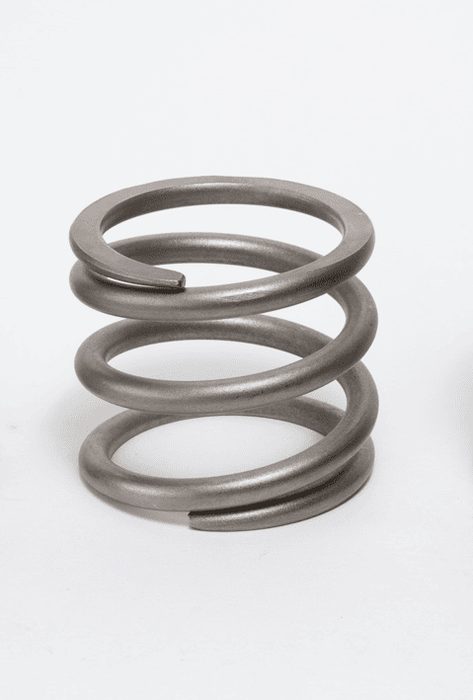
Springs
Compression, extension, torsion, die and constant-force springs.
Also searched as: compression springsextension springtorsion springdie springs
-
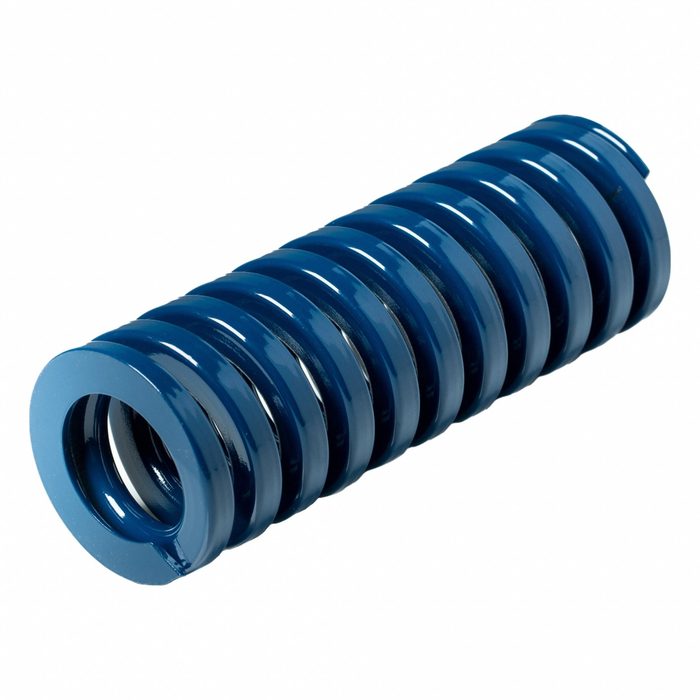
Die Spring
Free Length: 12 inHole Diameter: 5/8 inMaximum Deflection: 2.4000 inMaximum Deflection Load: 108.00 lbsRod Diameter: 11/32 in
-
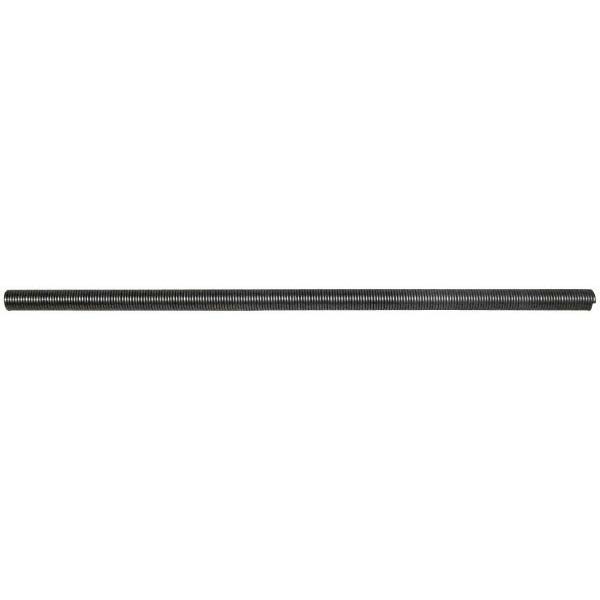
Extension Spring: 0.278" OD, 0.0348" Wire Dia
Outside Diameter: 0.278"Wire Diameter: 0.0348"
-
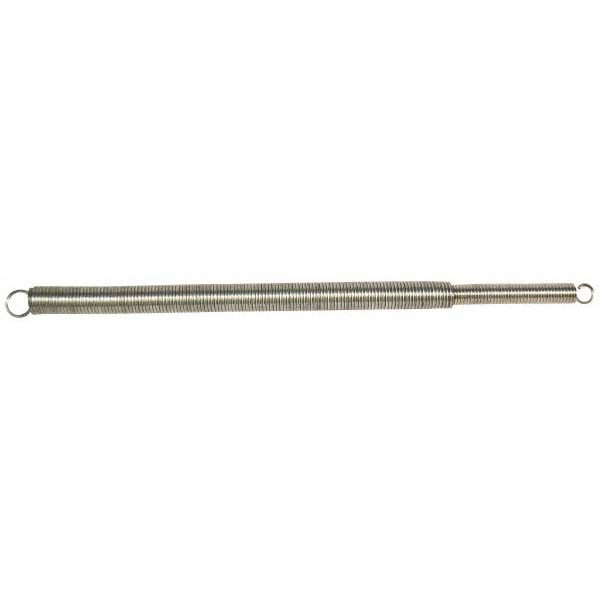
Extension Spring: 1/8" OD, 2.52 lb Max Load, 2.07" Extended Length, 0.02" Wire Dia
Extended Length: 2.07"Max Load: 2.52 lbOutside Diameter: 1/8"Wire Diameter: 0.02"
-
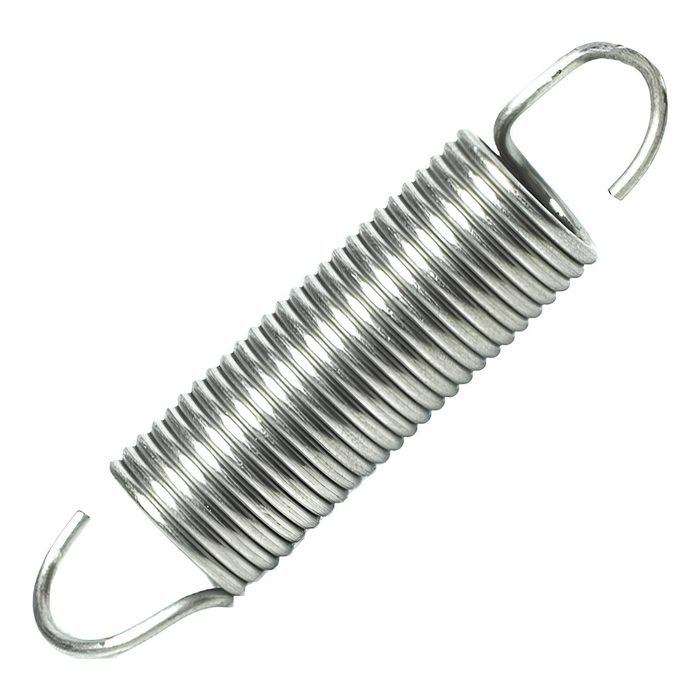
Extension Spring: 12 mm OD, 241.8 mm Extended Length
Extended Length: 241.8 mmFree Length: 82.80 mmInitial Tension: 1.1800 Lb (5.260 N)Outside Diameter: 12 mm
-
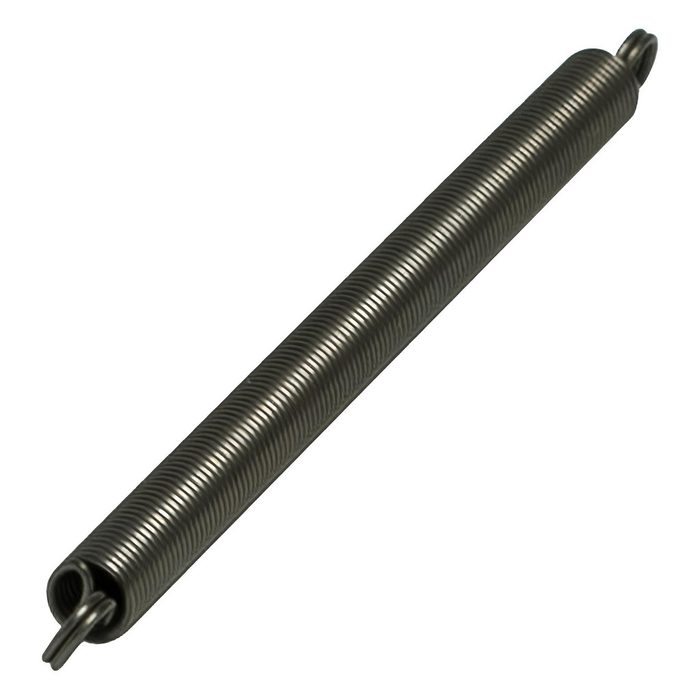
Extension Spring: 20 mm OD, 178 mm Extended Length
Extended Length: 178 mmOutside Diameter: 20 mmRate: 4.1 lb/in
-
Extension Spring: 38.1 mm OD, 530.61 mm Extended Length
Extended Length: 530.61 mmOutside Diameter: 38.1 mmRate: 3.3 lb/in
-
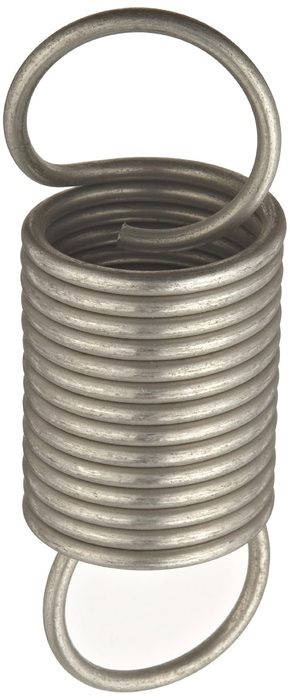
Extension Spring: 50.8 mm OD, 232.92 mm Extended Length
Extended Length: 232.92 mmOutside Diameter: 50.8 mmSpring Rate: 41.1 lb/in
-
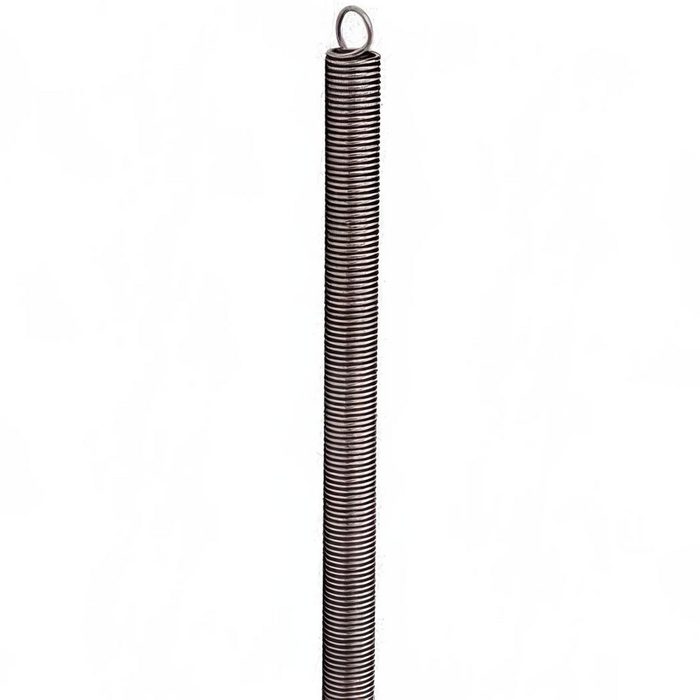
Extension Spring: 9.14 mm OD, 169.16 mm Extended Length
Extended Length: 169.16 mmInitial Tension: 0.36 lbOutside Diameter: 9.14 mmSpring Rate: 0.6 lb/in
-
Extension Spring: 9.14 mm OD, 45.97 mm Extended Length
Extended Length: 45.97 mmInitial Tension: 1.2 lbOutside Diameter: 9.14 mmSpring Rate: 21.6 lb/in
-
Extension Spring: Double Loop End Type
End Type: Double Loop
-
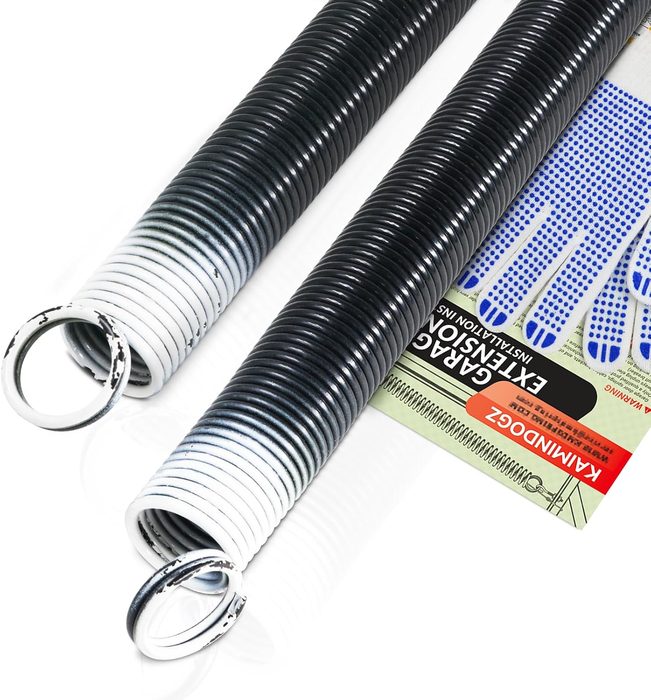
Garage Door Extension Spring
For Use With: 8 ft Residential Door
-
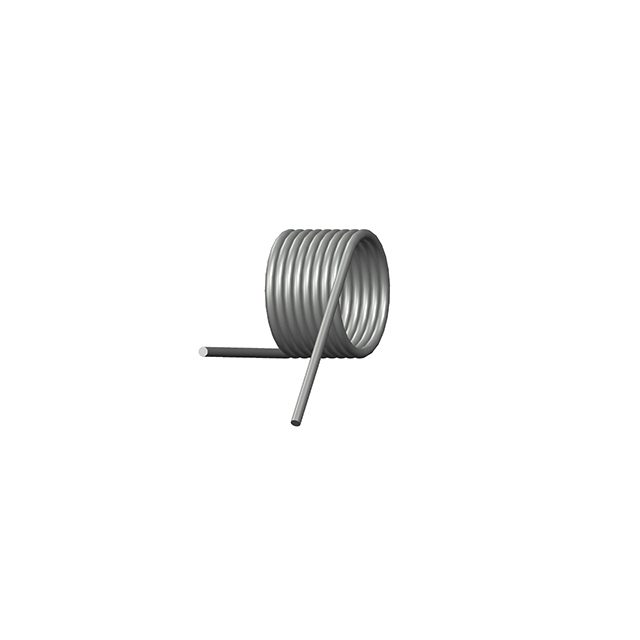
Torsion Spring, 0.109" x 0.185" x 0.021", 180D, RH
Deflection Angle: 180DDimensions: 0.109 in x 0.185 in x 0.021 inWind Direction: RH
-
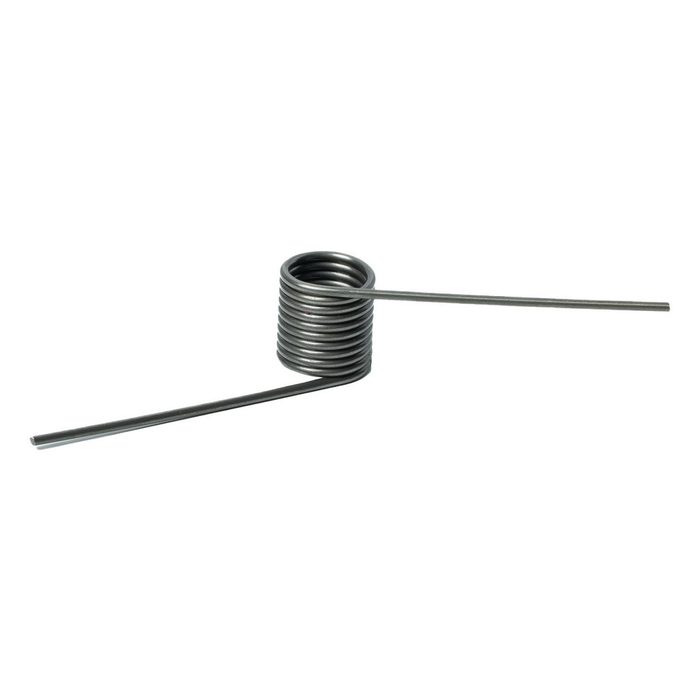
Torsion Spring, 0.235 in Coil Outside Diameter, 0.02500 in Wire Diameter, 0.7500 in Leg Length
Coil Outside Diameter: 0.235 inLeg Length: 0.7500 inMaximum Torque At 1/2 Leg Length: 0.23Rod Size: 0Wire Diameter: 0.02500 in
-
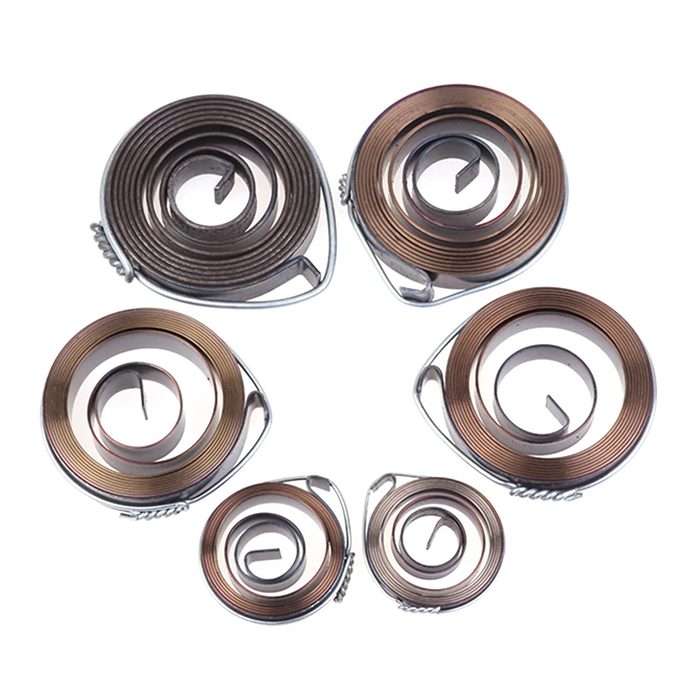
Torsion Spring, 0.757 in Coil Outside Diameter, 0.07500 in Wire Diameter
Coil Outside Diameter: 0.757 inMaximum Torque At 1/2 Leg Length: 6.98Rod Size: 1Wire Diameter: 0.07500 in
-
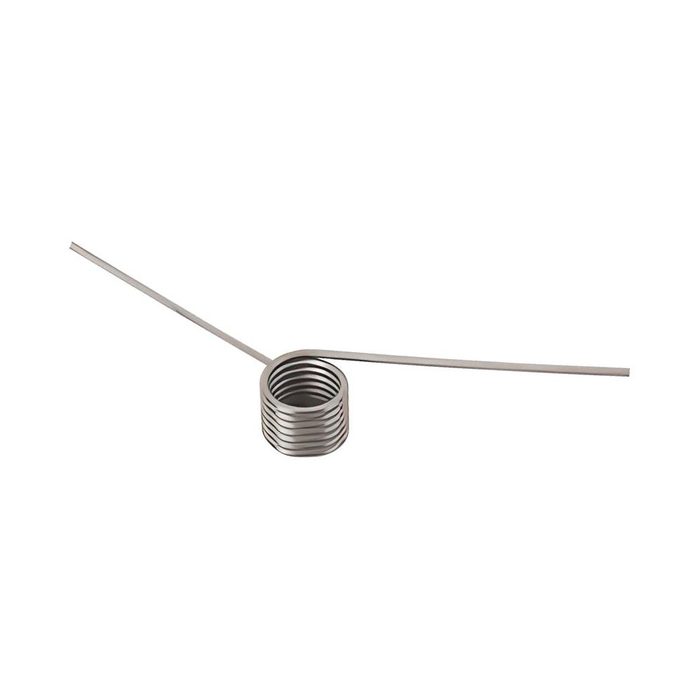
Torsion Spring, 270° Deflection Angle, 0.283" OD, 0.021" Wire Dia, 3 Coils
Coils: 3Deflection Angle: 270°Max Tool Size: 3/16 inOutside Diameter: 0.283 inTorque at Leg Length: 1 in/lb
-
Torsion Spring, 270° Deflection Angle, 3/16" OD, 0.023" Wire Dia, 9-3/4 Coils
Coils: 9.75Deflection Angle: 270°Max Tool Size: 0.109 inOutside Diameter: 3/16 inTorque at Leg Length: 0.33 in/lb
-
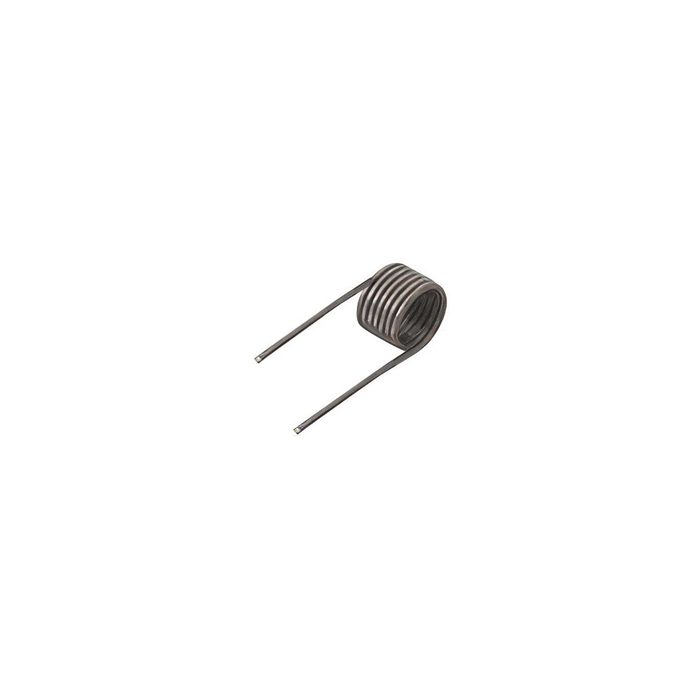
Torsion Spring, 360° Deflection Angle, 0.508" OD, 0.04" Wire Dia, 10-1/2 Coils
Coils: 10.5Deflection Angle: 360°Max Tool Size: 3/8 inOutside Diameter: 0.508 inTorque at Leg Length: 1.5 in/lb
About springs
Springs are mechanical devices designed to store and release elastic energy, typically in response to a compressive, tensile, or torsional force. The primary types include compression springs, which resist compressive loads along their axis; extension springs, which resist tensile loads and often feature hooks or loops at their ends; torsion springs, which apply torque or store rotational energy; and die springs, a heavy-duty variant of compression springs characterized by rectangular wire and high load capacities. Constant-force springs maintain a near-constant force throughout their deflection. Key selection parameters include spring rate (k), free length, solid height, outside diameter (OD), inside diameter (ID), wire diameter, maximum deflection, and maximum load. Materials commonly include music wire (ASTM A228), stainless steel (e.g., 302, 17-7 PH), chrome silicon (ASTM A401), and phosphor bronze. Finishes like zinc plating, black oxide, and shot peening are used for corrosion resistance, enhanced fatigue life, or aesthetic purposes.
How to choose
When selecting a spring, first define the application's force and deflection requirements. Is it a compressive, tensile, or torsional load? This determines the spring type. For compression or extension springs, specify the required spring rate (N/mm or lb/in) and the maximum working load and deflection. Next, consider the available space envelope, defining the maximum OD and minimum ID. Evaluate the operating environment for temperature, corrosion, and fatigue life to select an appropriate material and finish. Finally, verify that the chosen spring's solid height for compression springs, or maximum extension for extension springs, is compatible with the design constraints, ensuring it does not exceed material stress limits.