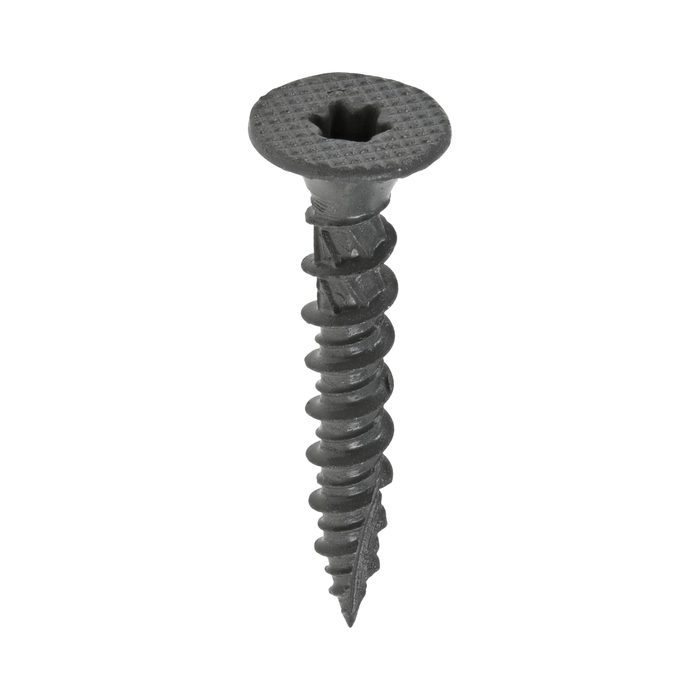
Screws
Machine, wood, sheet metal and self-drilling screws in every head and drive.
Also searched as: machine screwswood screwsself tapping screwssheet metal screwscap screws
-
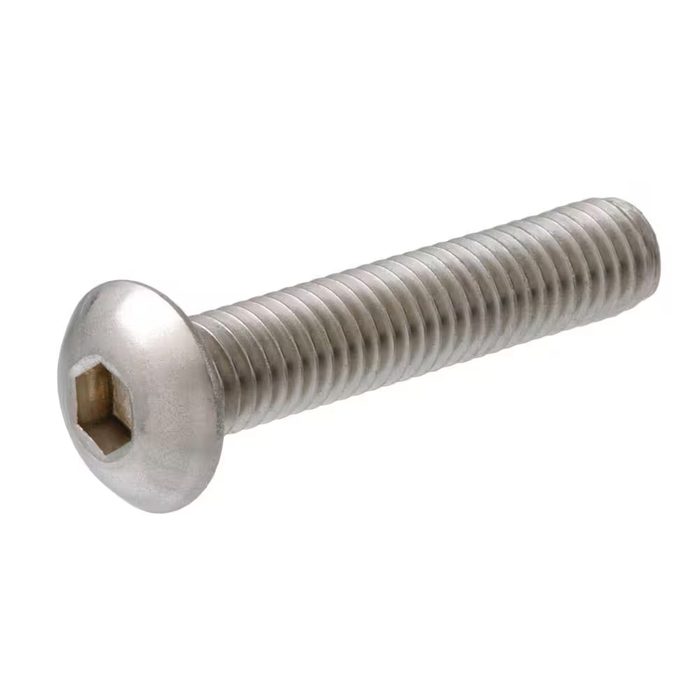
#10-32 Stainless Steel Socket Button Head Cap Screws
Head: Socket Button Head CapThread: #10-32
-
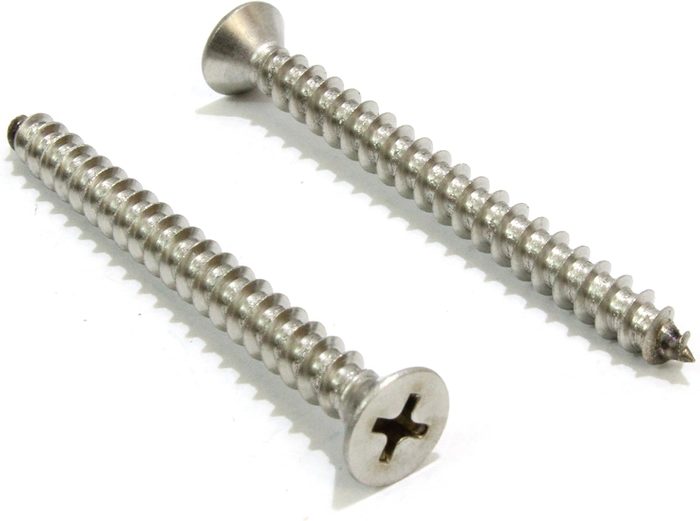
#2 Phillips Head Wood Screws
Head: Phillips HeadSize: #2
-
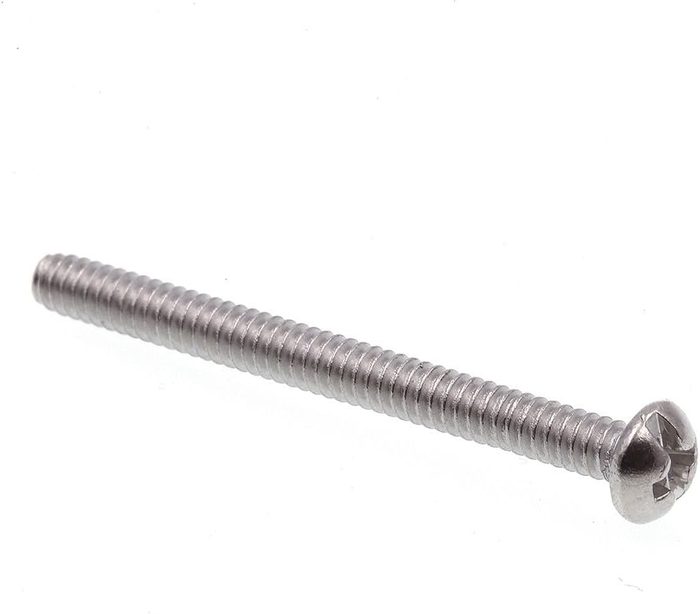
#6-32 x 1" Round Head Combo Stainless Machine Screws
Drive: ComboHead: RoundLength: 1 inchThread: #6-32
-
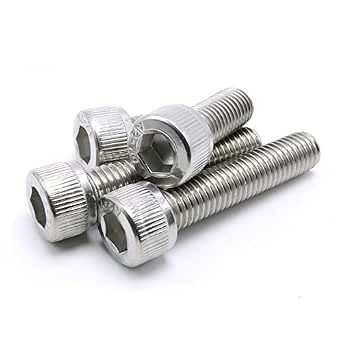
#8-32 UNC Stainless Steel Hex Socket Head Cap Screws
Head: Hex Socket Head CapThread: #8-32 UNC
-
10x1 Zink Flat Head Wood Screws
Head: Flat HeadSize: 10x1
-
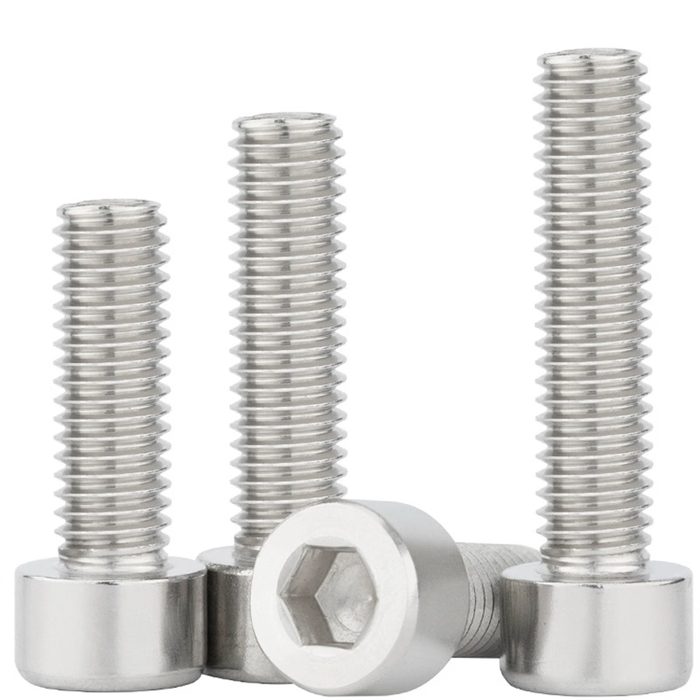
18-8 Stainless Steel Socket Head Cap Screws
Head: Socket Head Cap
-
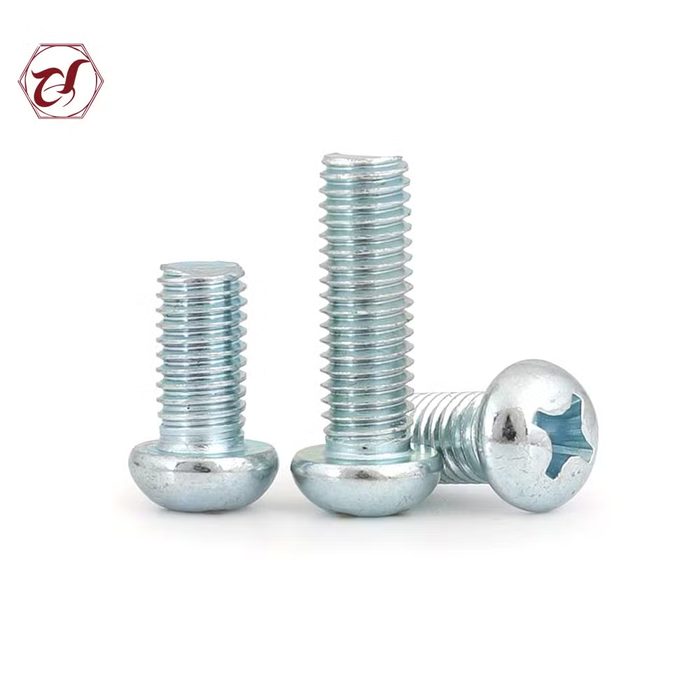
2.5 Inch Zinc Plated Machine Screws
Length: 2.5 inch
-
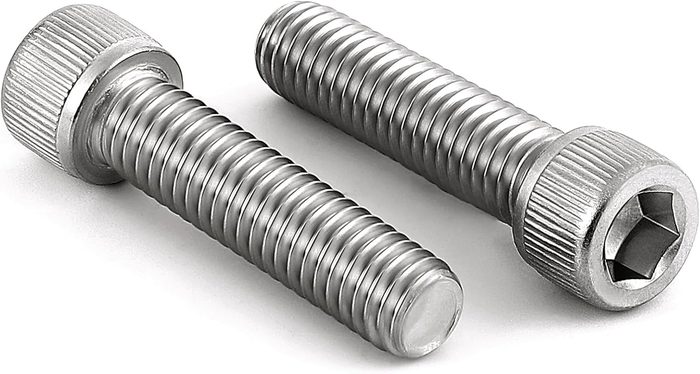
3/8"x1-1/2" Fully Threaded Zinc Socket Head Cap Screws
Diameter: 3/8 inchHead: Socket Head CapLength: 1-1/2 inchThread: Fully Threaded
-
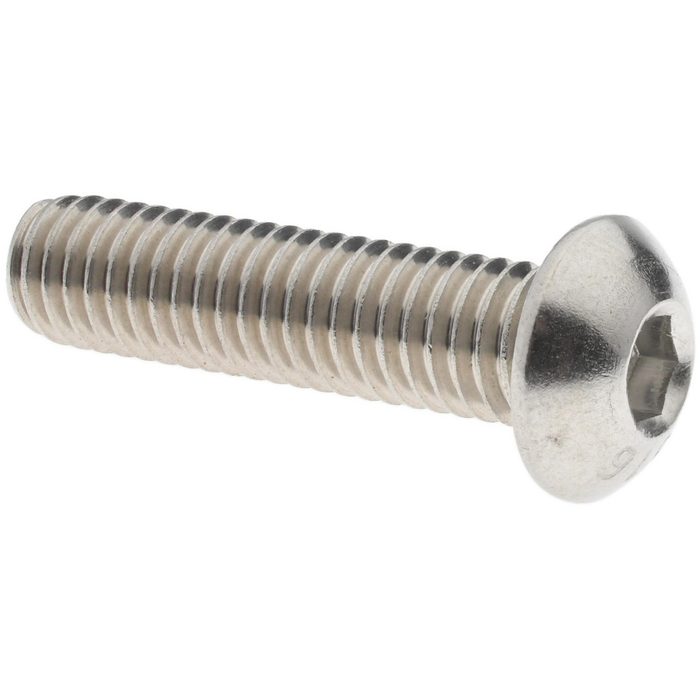
3/8-16 Stainless Steel Button Head Cap Screws
Head: Button Head CapThread: 3/8-16
-
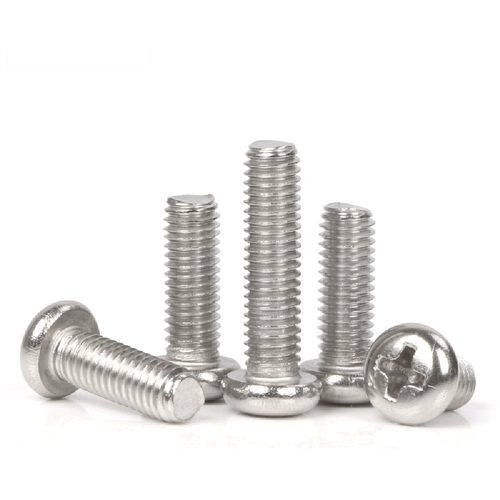
304 Stainless Steel Phillips Cross Pan Head Machine Screws
Drive: Phillips CrossHead: Pan
-
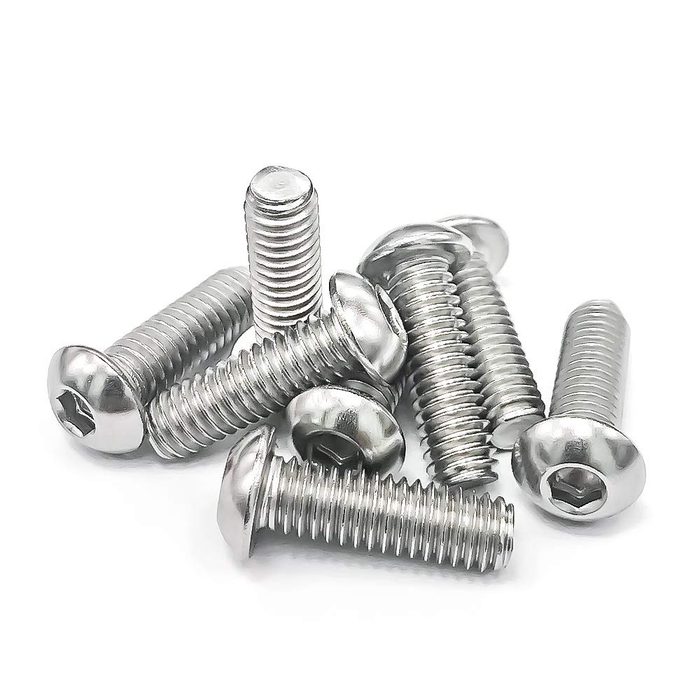
5/16-18 Stainless Steel Button Head Cap Screws
Head: Button Head CapThread: 5/16-18
-
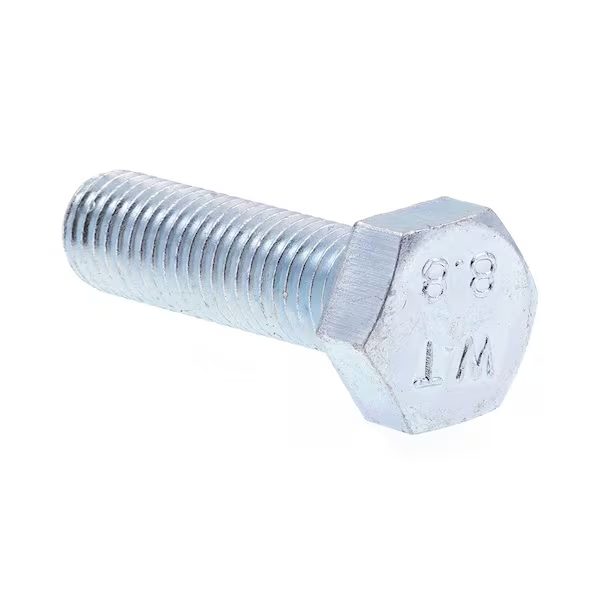
Class 8.8 Metric M7-1.0 x 25mm Hex Head Cap Screws
Diameter: M7Grade: Class 8.8Head: HexLength: 25 mmPitch: 1.0 mm
-
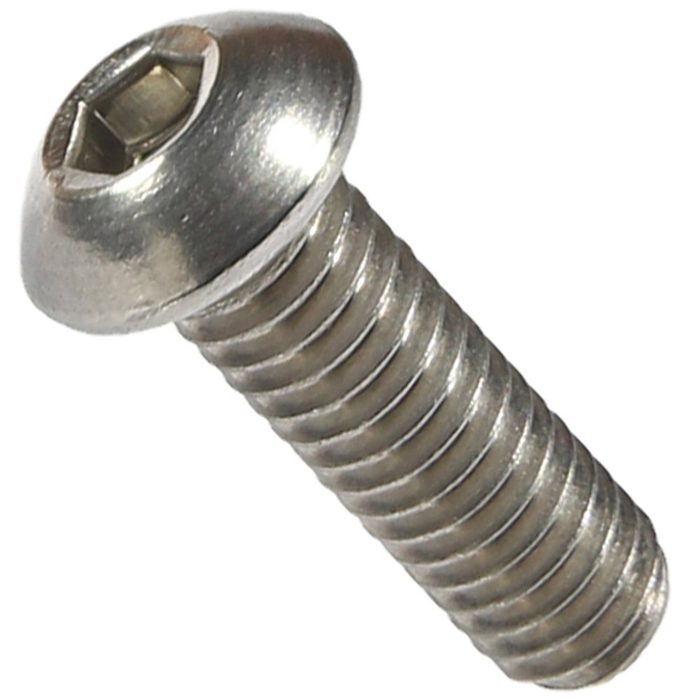
Fastenio 1/4"-20 18-8 (304) Stainless Steel Button Head Socket Cap Screws
Head: Button Head Socket CapThread: 1/4"-20
-
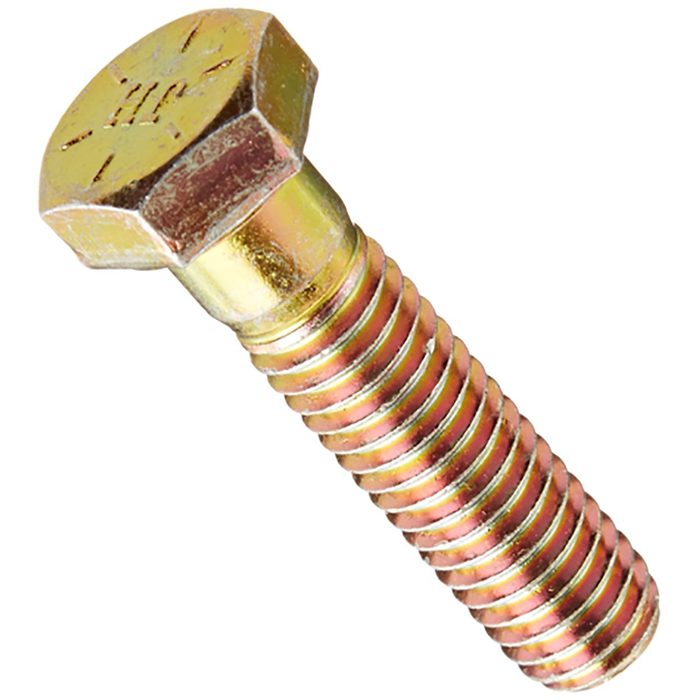
Grade 8 Fine Hex Cap Screws
Grade: 8Head: HexThread: Fine
-
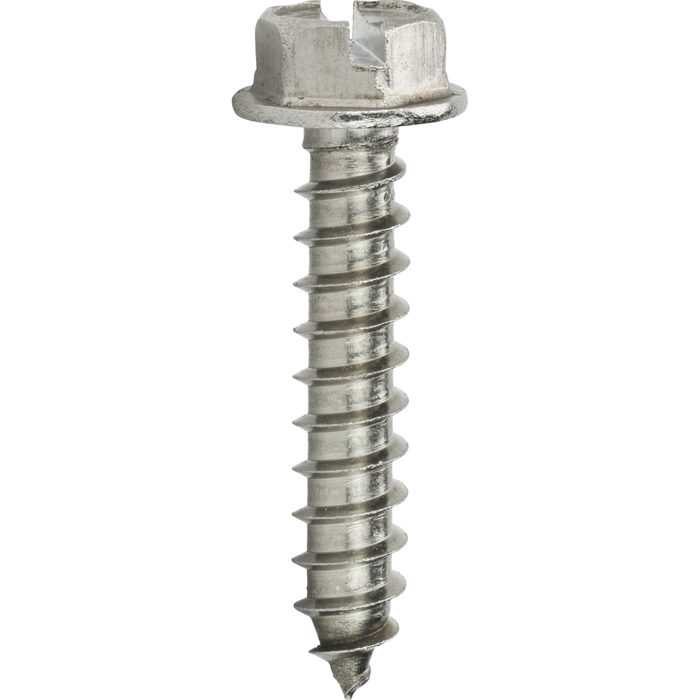
Hex Head Sheet Metal Screws
Head: Hex
-
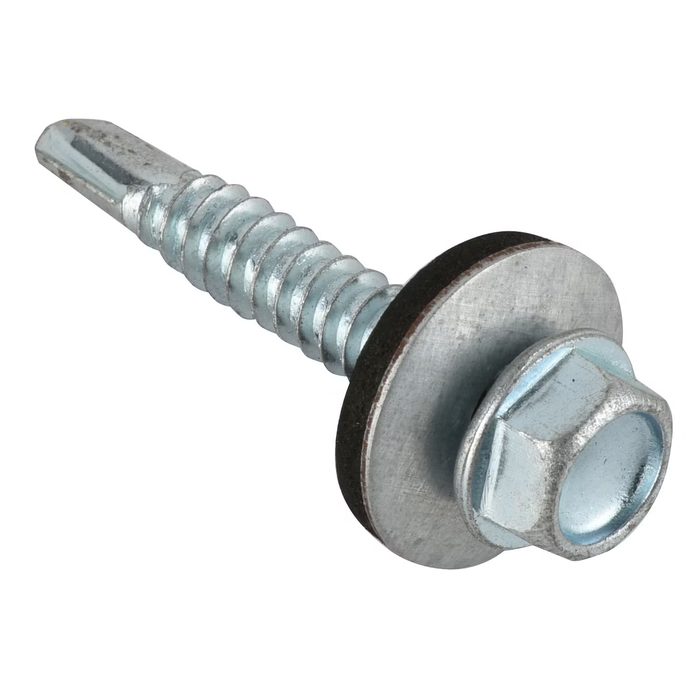
Hex Washer Head Self Tapping Screws
Head: Hex Washer
-
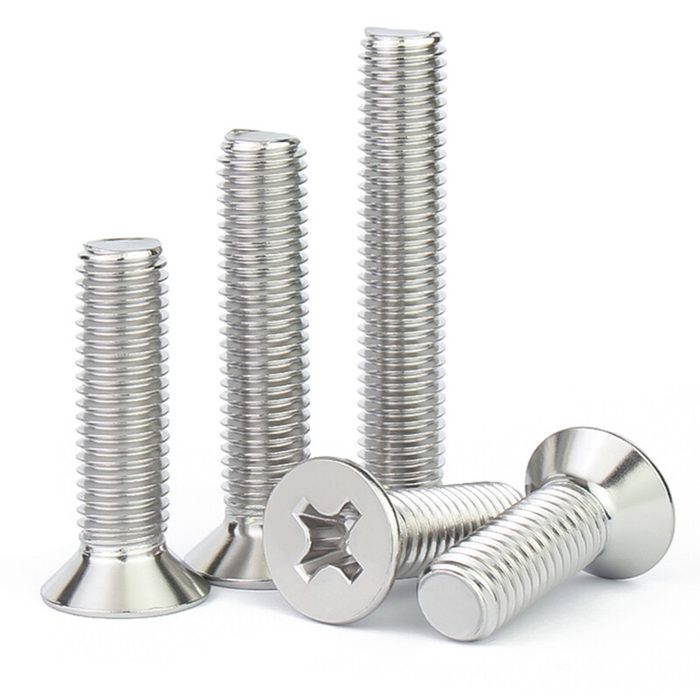
M1.6x2mm 304 Flat Head Machine Screws
Diameter: M1.6Head: FlatLength: 2 mm
-
-
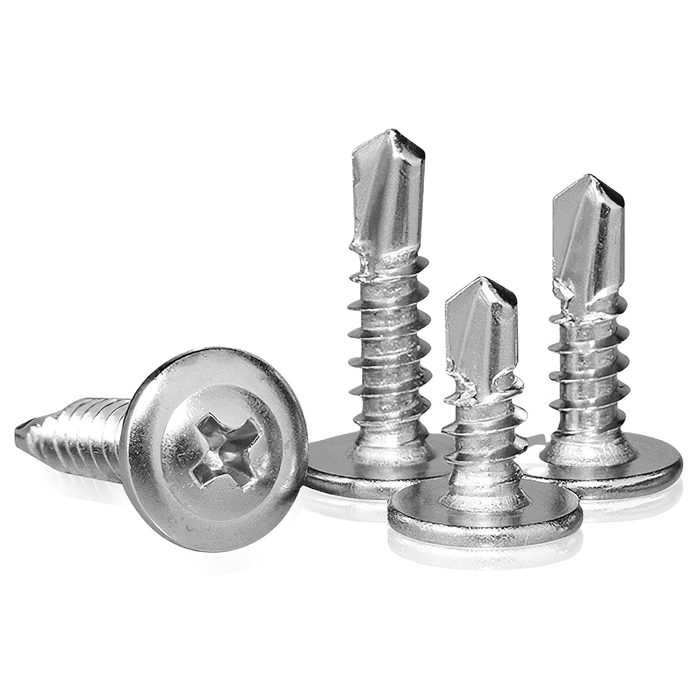
Self Tapping Screws
Thread: #8
-
Self Tapping Screws
Drive: PhillipsHead: PanLength: 0.5 inPoint: Type FThread: 8-32
-
Self Tapping Screws
Drive: Self Tapping
-
Self Tapping Screws
Drive: CrossHead: Flat, CountersunkThread: M3, M4, M5
-
Self-Tapping Screws
Drive: Self-Tapping
-
Self-Tapping Screws Set
Length: 0.47 in, 0.63 in, 0.78 in, 0.98 in, 1.18 in, 1.57 inThread: M3
-
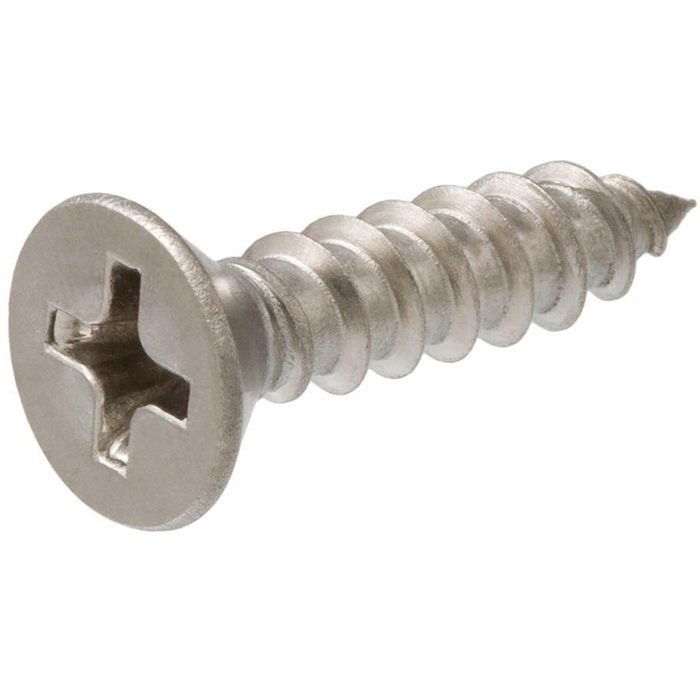
Wood Screws #10 x 2-3/4", Flat Head, Phillips Drive
Drive: PhillipsHead: Flat HeadSize: #10 x 2-3/4"
-
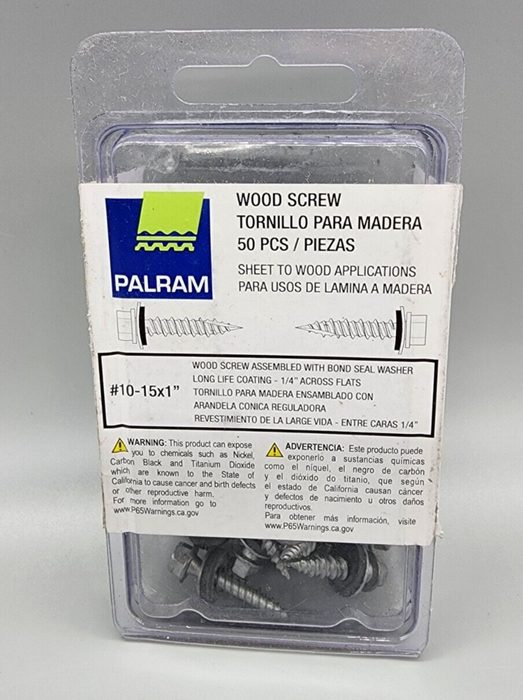
Wood Screws #10-15x1"
Size: #10-15x1"
-
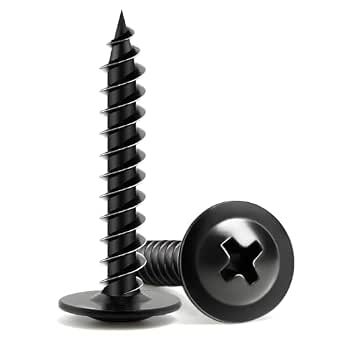
Wood Screws 1 Inch, Phillips Truss Head
Diameter: #8Drive: PhillipsHead: Truss HeadLength: 1 inch
-
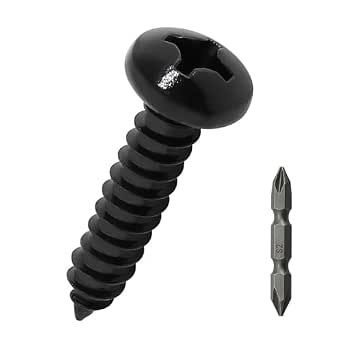
Wood Screws 10-3/4”, Phillips Pan Head
Drive: PhillipsHead: Pan HeadSize: 10-3/4”
-
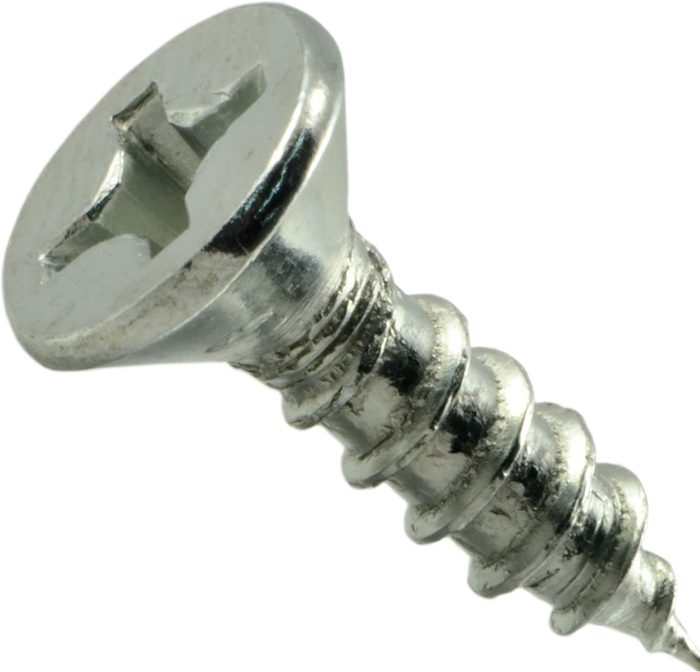
Wood Screws, Phil-Flat Head
Drive: PhillipsHead: Flat Head
About screws
Screws are externally threaded fasteners designed to engage with an internal thread, either pre-formed or self-generated, to hold components together. This category encompasses a comprehensive range of screw types, including machine screws, wood screws, sheet metal screws, and self-drilling screws. Machine screws, often specified to ASME B18.6.3 or ISO 1458, are designed for pre-tapped holes or use with nuts, featuring thread forms like UNC, UNF, or metric coarse/fine. Wood screws, characterized by their coarse, sharp threads and tapered shanks, are optimized for gripping wood fibers. Sheet metal screws, including self-tapping variants, feature threads designed to create their own mating threads in sheet metal or plastics, often conforming to ASME B18.6.3. Self-drilling screws incorporate a drill point, eliminating the need for a pilot hole in many applications. Selection is primarily driven by head style (e.g., pan, flat, hex, socket), drive type (e.g., Phillips, Torx, slot, hex socket), nominal diameter, thread pitch (or TPI), and length. Common materials include carbon steel (often zinc-plated, black oxide, or phosphate coated), stainless steel (e.g., 18-8, 316), and brass, chosen for strength, corrosion resistance, and aesthetic considerations.
How to choose
Choosing the correct screw involves a sequential decision process. First, determine the application: Is it for wood, metal, plastic, or joining components with a pre-tapped hole? This dictates the primary screw type (wood, sheet metal, machine). Second, identify the required thread engagement and strength. For machine screws, this involves thread size (e.g., M4x0.7, 1/4-20 UNC) and material grade. For self-tapping, consider material thickness and type for optimal thread formation. Third, select the appropriate head style and drive type based on aesthetics, clearance, torque requirements, and tool availability (e.g., countersunk for flush finish, hex head for high torque). Fourth, specify the length, ensuring sufficient engagement without bottoming out or protruding excessively. Finally, choose the material and finish based on environmental conditions and corrosion resistance needs.