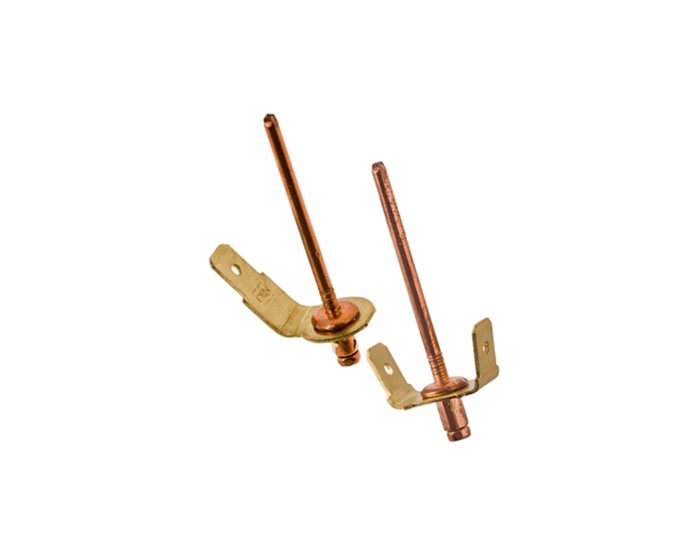
Rivets
Blind, solid, structural and semi-tubular rivets plus setting tools.
Also searched as: pop rivetsblind rivetsstructural rivetsrivet nutssolid rivets
-
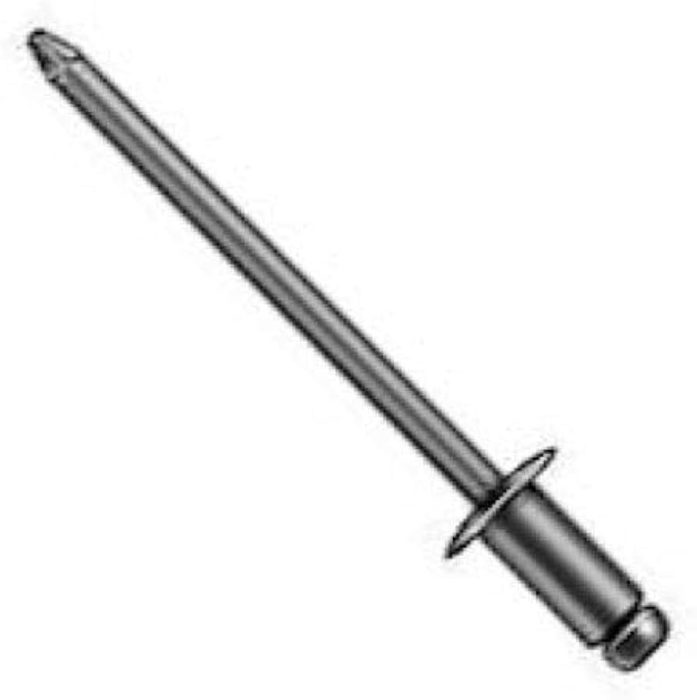
Blind Rivet
Diameter: 1/8 inHead Type: DomedLength: 1 59/99 inOverall Length: 1 19/32 in
-
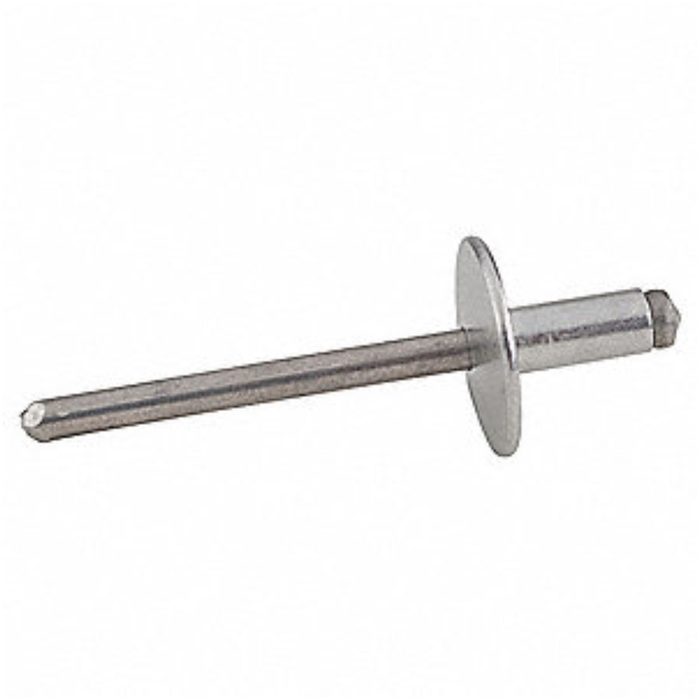
Blind Rivet Open End
Drill Size: FType: Open End
-
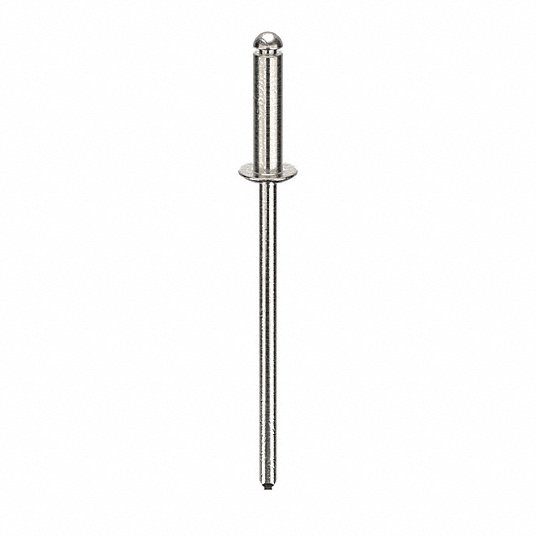
Blind Rivet, Domed-head, 1 15/32 in Overall Lg, 1 7/15" L, 0.094" dia
Diameter: 0.094 inLength: 1 7/15 inOverall Length: 1 15/32 in
-
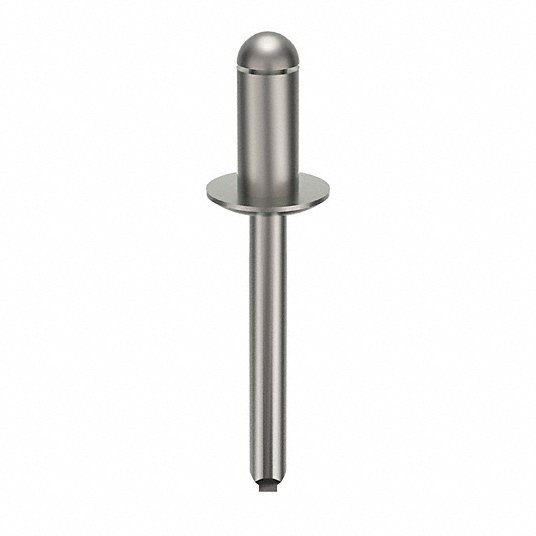
Blind Rivet, Domed-head, 1 44/53" L, 1/4" dia
Diameter: 1/4 inLength: 1 44/53 in
-
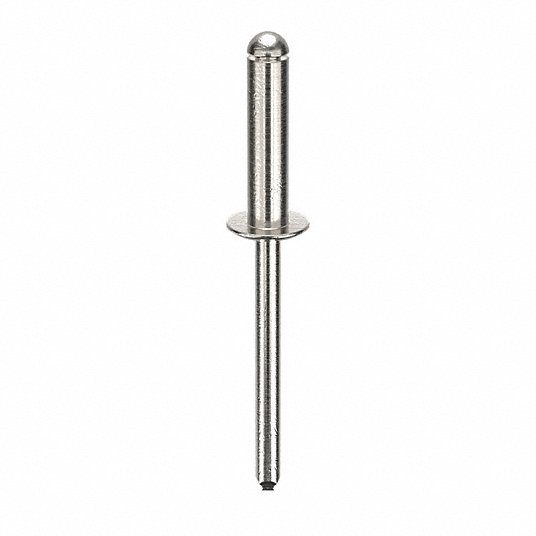
Blind Rivet, Domed-head, 2 in L, 0.188 in dia
Diameter: 0.188 inOverall Length: 2 in
-
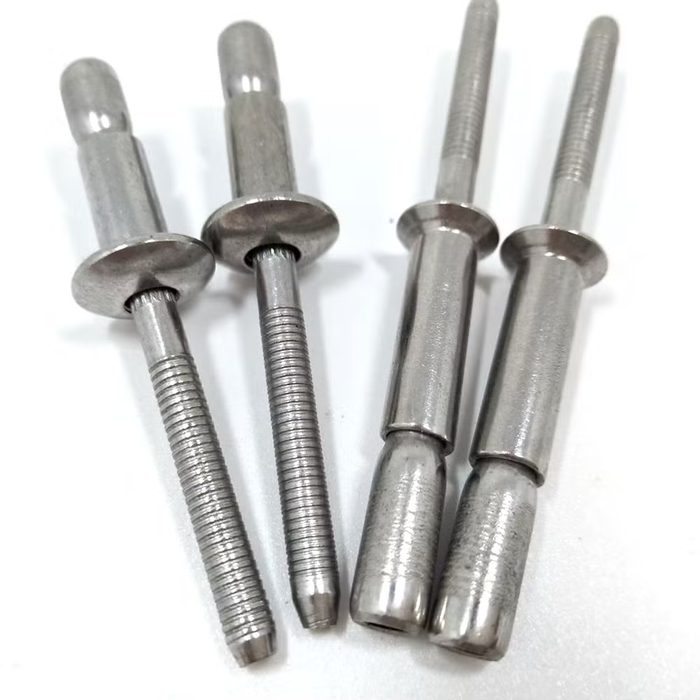
Blind Rivet, Flush-mount, 0.25 in Shank Dia, 1/4 in dia
Diameter: 1/4 inShank Diameter: 0.25 in
-
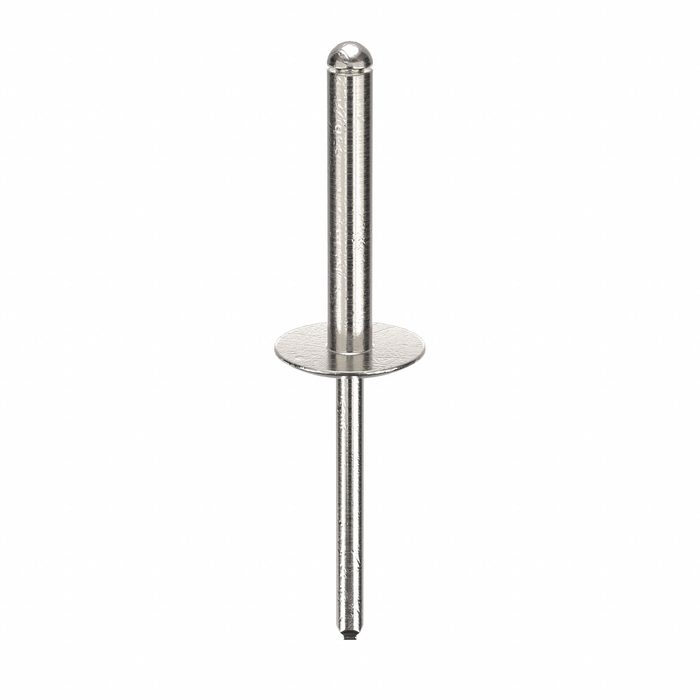
Blind Rivet, Large Flange, 2 1/2 in Overall Lg, 2.5 in L, 0.183 in dia
Diameter: 0.183 inLength: 2.5 inOverall Length: 2 1/2 in
-
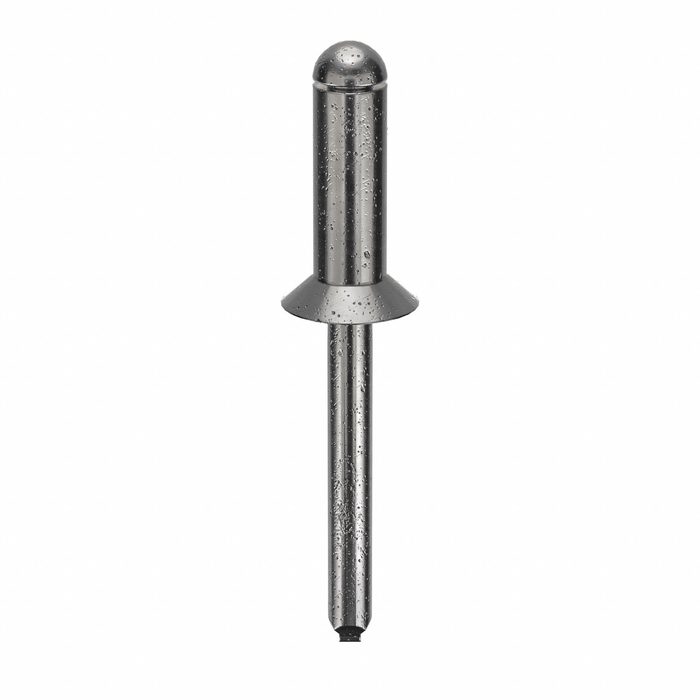
Blind Rivet, Large Flange, 2 in Overall Lg, 2 in L, 0.125 in dia
Diameter: 0.125 inLength: 2 inOverall Length: 2 in
About rivets
Rivets are permanent mechanical fasteners used to join two or more components, typically sheets of material. They consist of a smooth cylindrical shaft with a head on one end, which is deformed on the opposite end during installation to create a second head, securing the joint. Common types include blind rivets (often called pop rivets), which can be installed from one side of the assembly, solid rivets, which require access to both sides for bucking, structural rivets designed for high-strength applications, and semi-tubular rivets, featuring a partial hole at the tail end to reduce the force required for setting. Key selection parameters include diameter, grip range (the total thickness of materials to be joined), head style (e.g., dome, countersunk, large flange), and material composition. Materials frequently include aluminum alloys (e.g., 5052, 5056), steel (carbon steel, stainless steel like 304 or 316), and copper, often with finishes such as zinc plating, anodizing, or plain. Rivet setting tools, including manual, pneumatic, and hydraulic options, are also categorized by their capacity for different rivet diameters and materials.
How to choose
Selecting the appropriate rivet involves a sequential evaluation of application requirements. First, determine the required shear and tensile strength for the joint, which dictates the rivet material and diameter. Second, assess accessibility to the joint; if only one side is accessible, blind rivets are necessary. If both sides are accessible, solid or semi-tubular rivets may be considered for their strength or ease of setting, respectively. Third, measure the total material thickness to be joined to specify the correct grip range. Fourth, choose the head style based on aesthetics, aerodynamic requirements, or the need for a flush surface. Finally, consider the environment for material compatibility and corrosion resistance, selecting appropriate base materials and finishes.