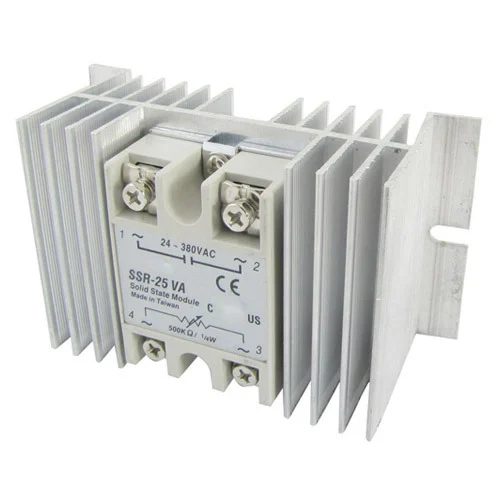
Relays & Contactors
Electromechanical, solid-state relays, contactors and sockets.
Also searched as: ssrsolid state relaycontactorrelay socketpower relay
-
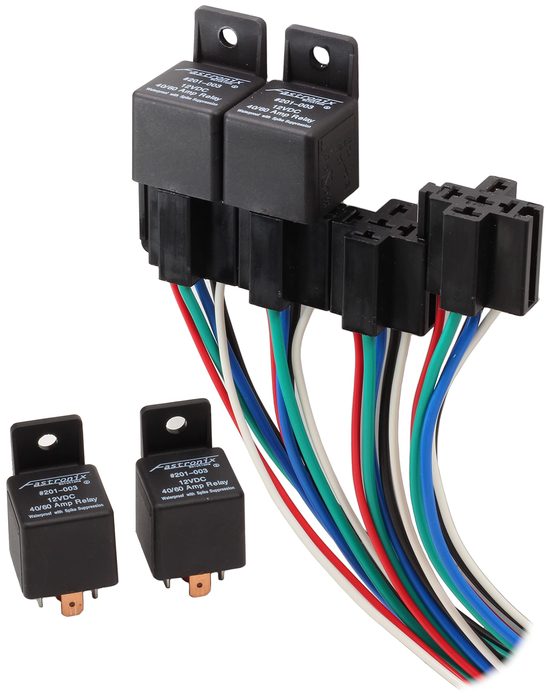
Interlocking Relay Socket with Leads
Pins: 5 pin
-
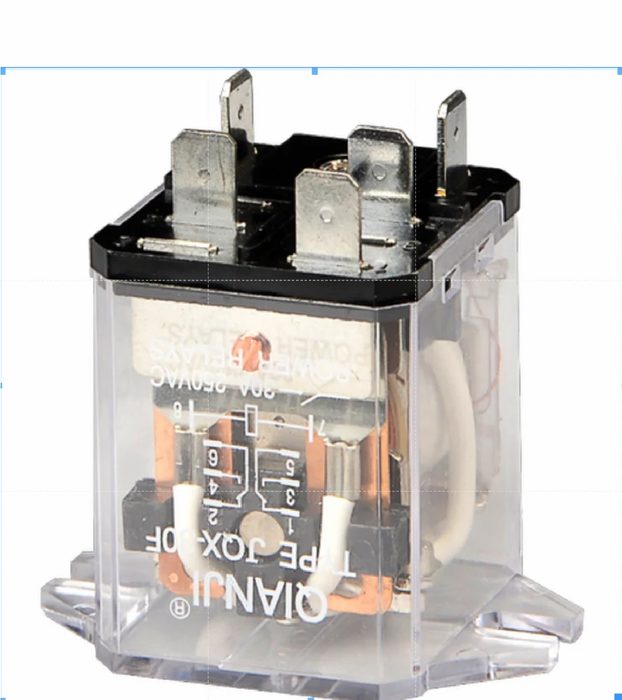
JQX-40F-2Z 270VDC Power Relay
Starting Load Capacity: 50 AVoltage: 270 VDC
-
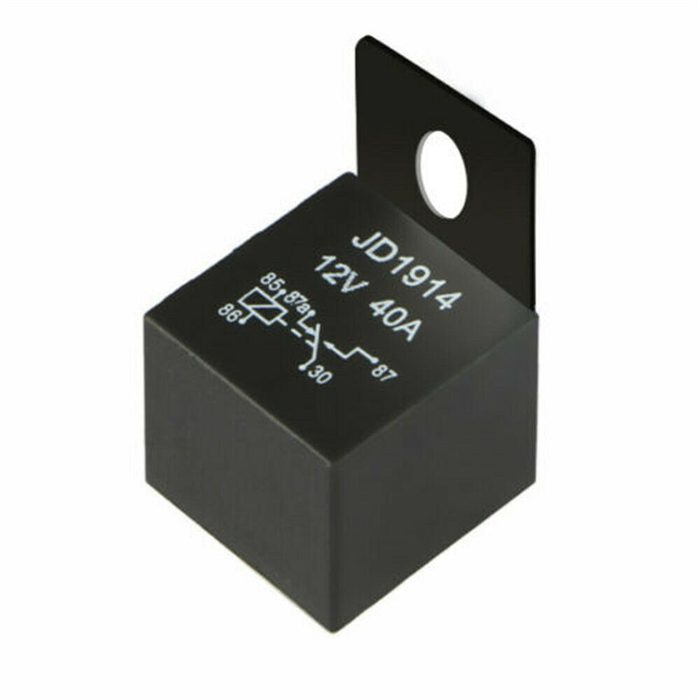
MGS-5 5-Wire Relay Socket
Wires: 5-Wires
-
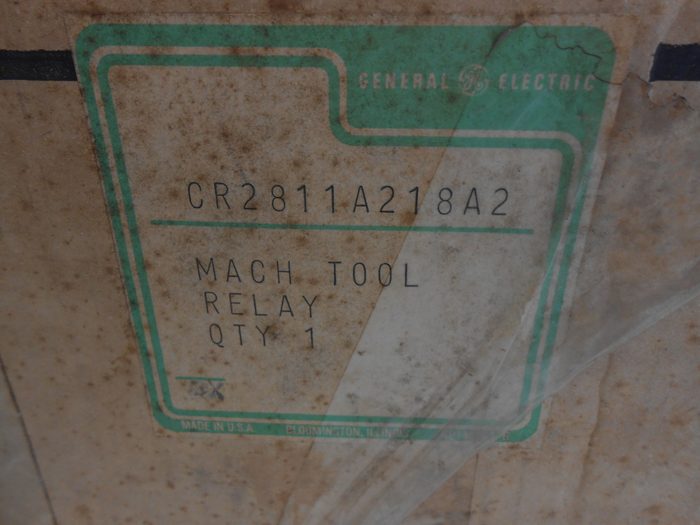
Machine Tool Relay 115V Coil 6-Pole Contactor
Coil Voltage: 115VPoles: 6
from $100.00eBay $100.00 -
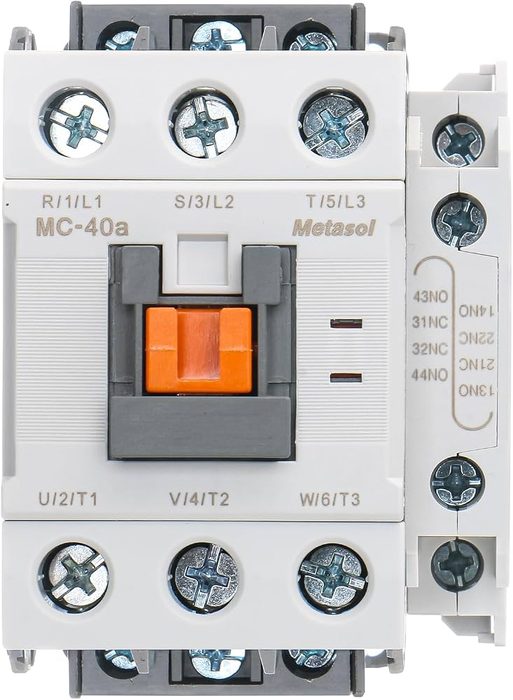
Magnetic AC Contactor
Amperage: 20AAuxiliary Contacts: 1NO+1NCCoil Voltage: 110V ACPoles: 3 Pole
-
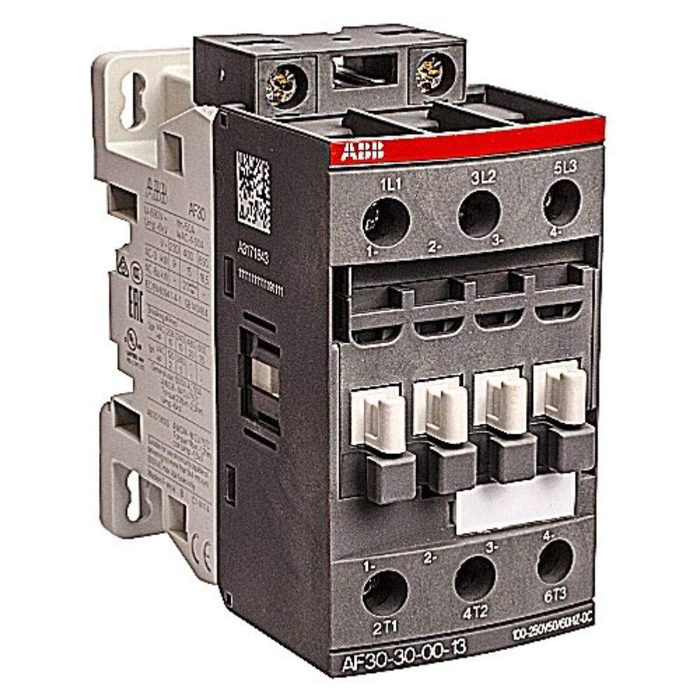
Magnetic Contactor
Poles: 3 PVoltage: 100V-250V
-
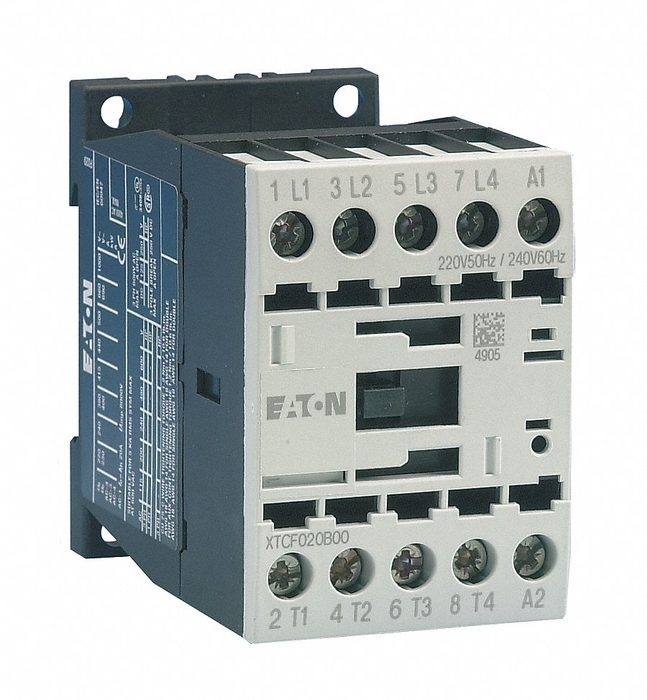
Magnetic Contactor
Coil Voltage: 240V ACContact Configuration: 1NC/1NOPoles: 3
-
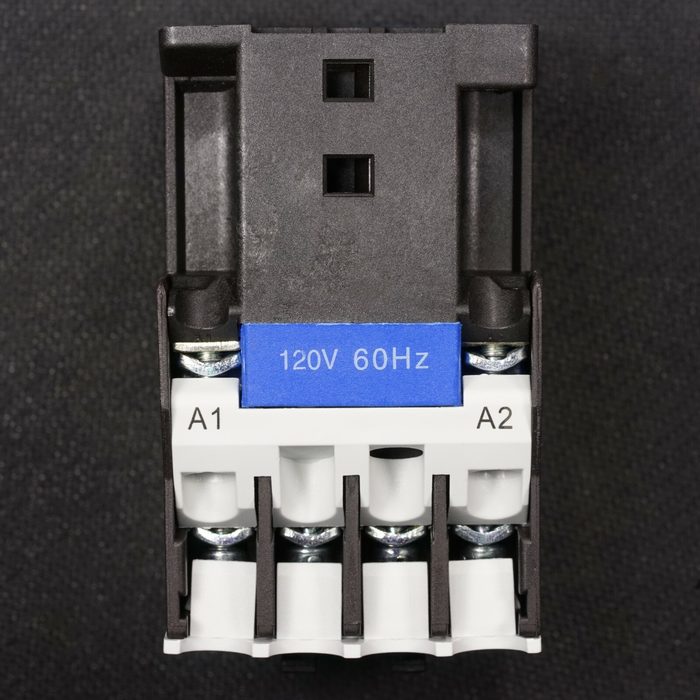
Magnetic Contactor 3 Pole 18 Amp 120V 60Hz Coil
Coil Voltage: 120 VCurrent: 18 AFrequency: 60 HzPoles: 3
-
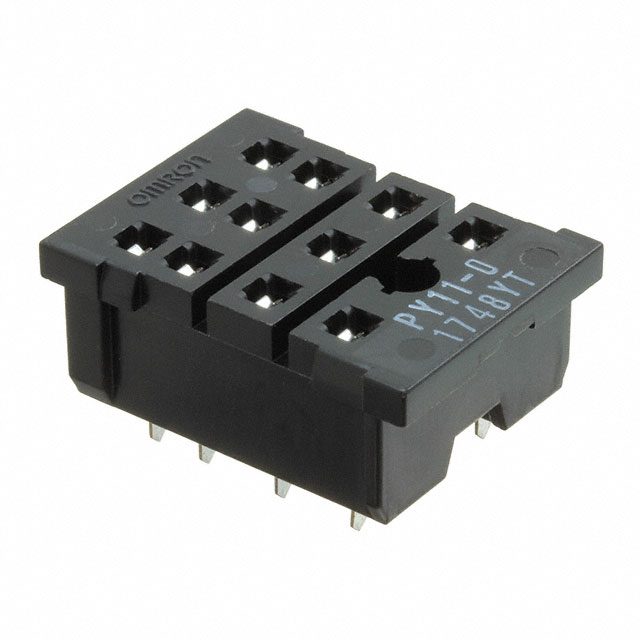
-
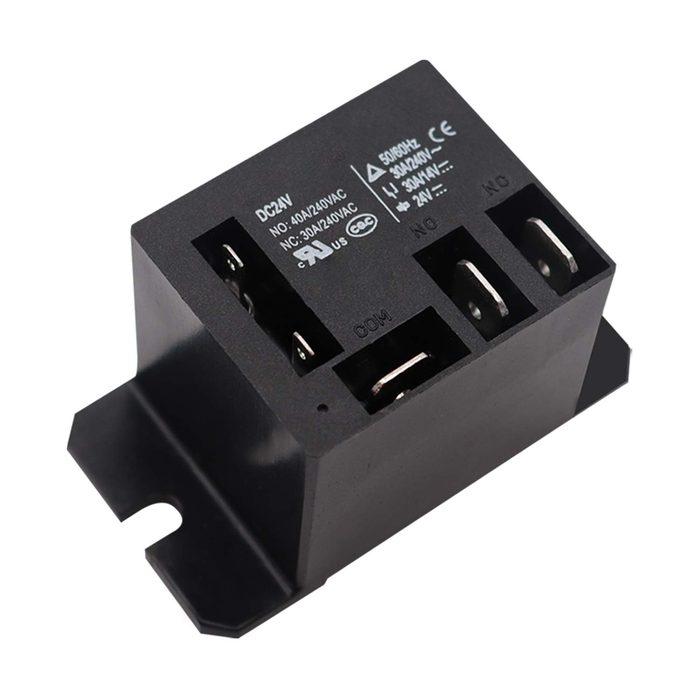
Miniature Power Relay
Action Principle: Electromagnetic TypeSize: Miniature
-
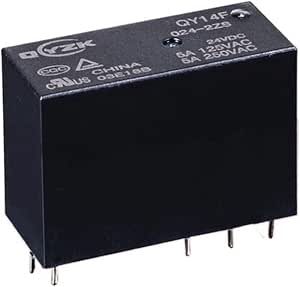
Miniature Power Relay
Type: Miniature Power RelayVoltage: 24VDC
-
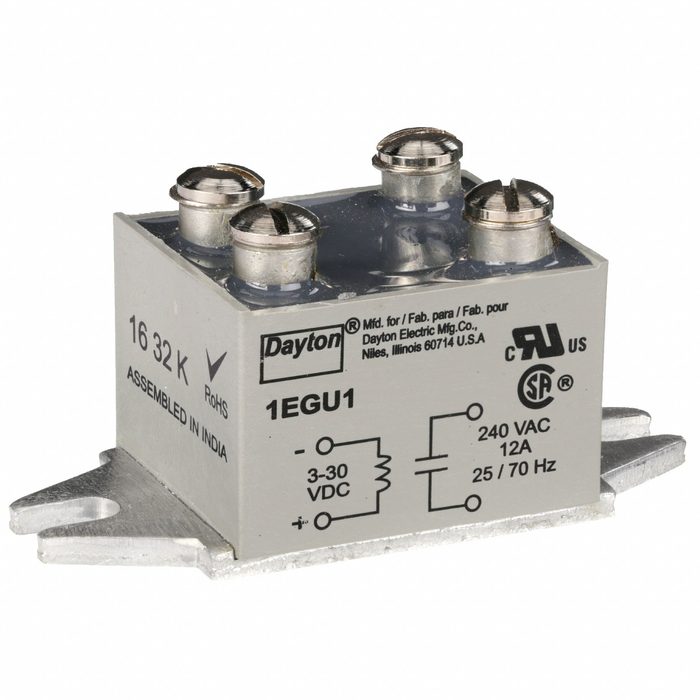
Miniature Solid State Relay
Mounting: Surface Mounted
-
-
-
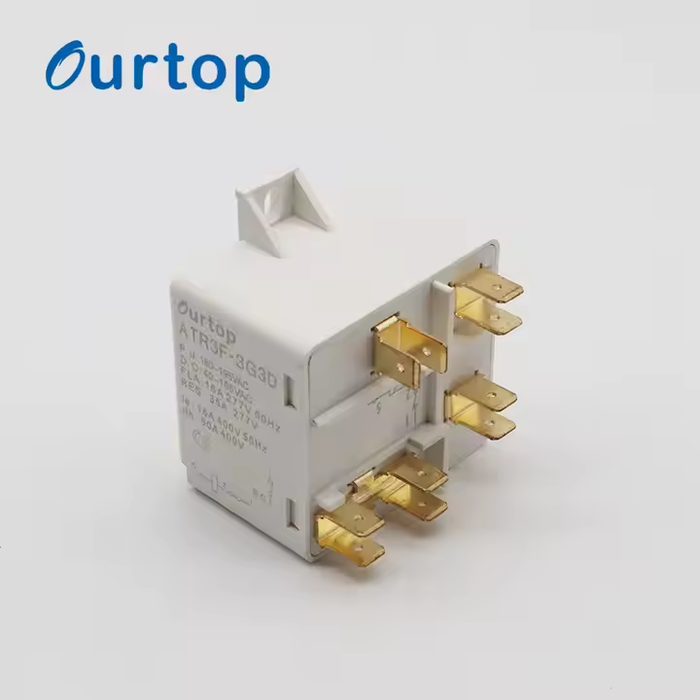
Motor Start Potential Relay
Current: 16 A, 35 A, 50 A
-
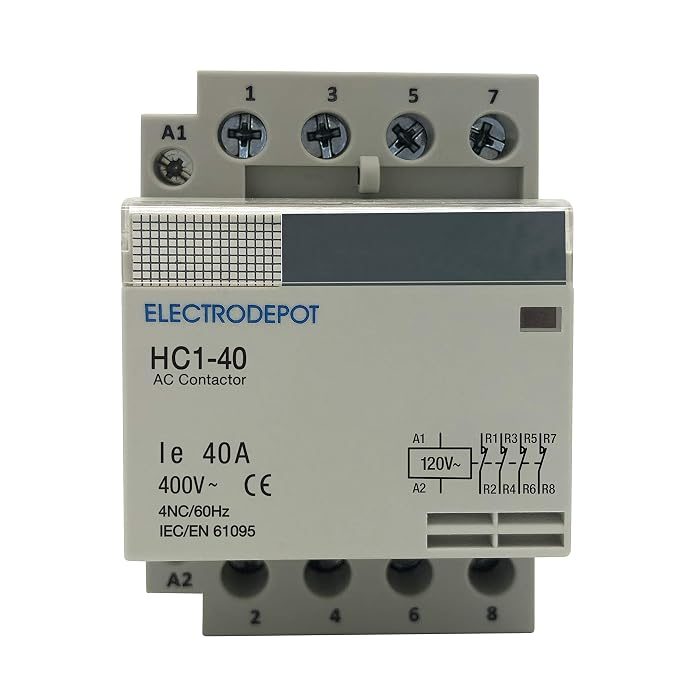
Normally Closed NC 40A, 4 Pole 120V Coil Contactor
Coil Voltage: 120VCurrent Rating: 40APole Count: 4 Pole
-
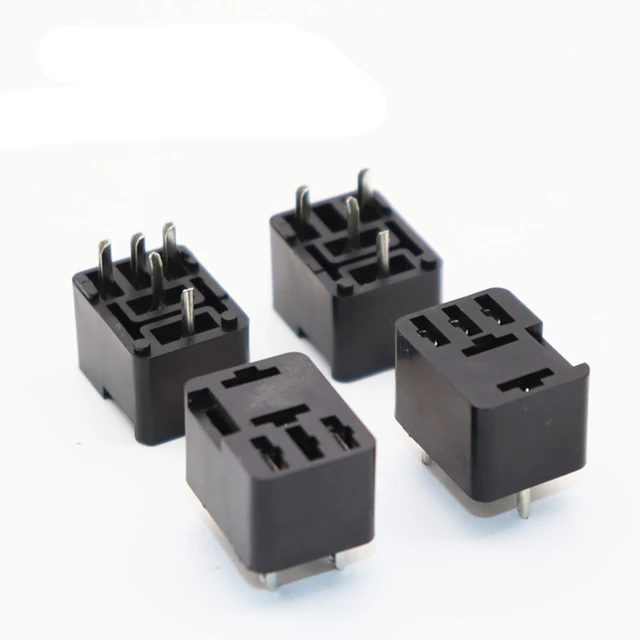
PCB auto relay socket
Pins: 5PIN
-
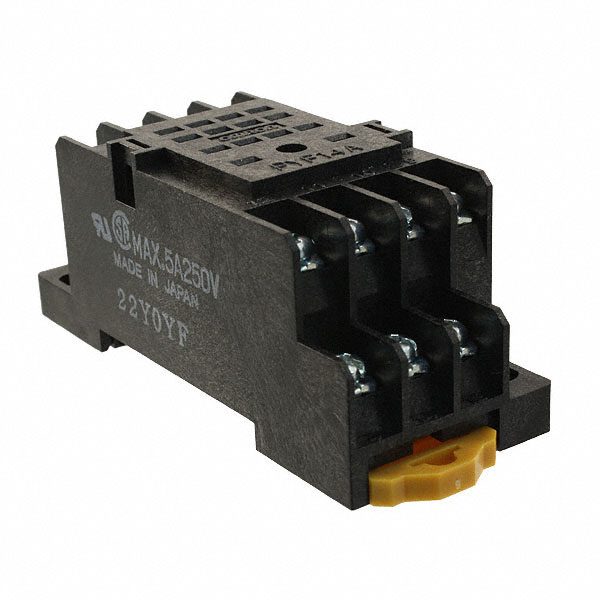
PYF14A 14pin Relay Socket for MY4N
Contact Form: 4NO4NCRating: 10A 300VTerminal: 4 Pole, 14 Pin
-
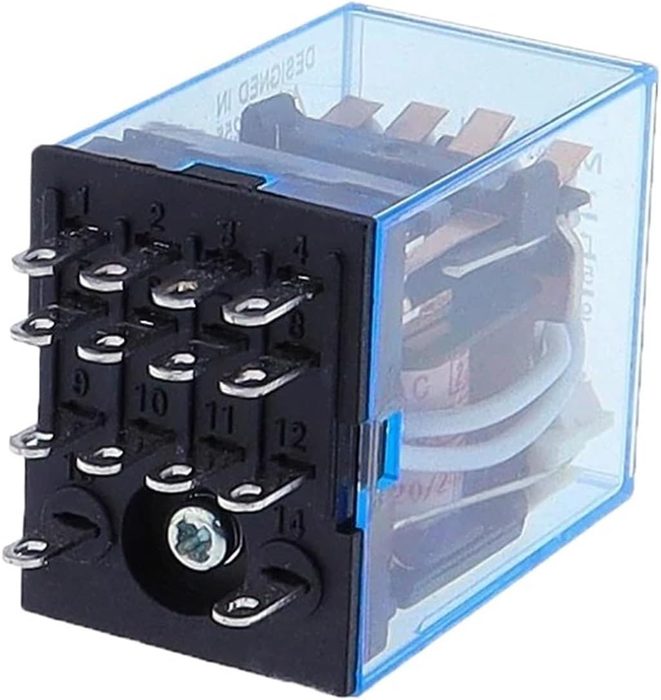
Power Relay
Theory: Solid State Relay
-
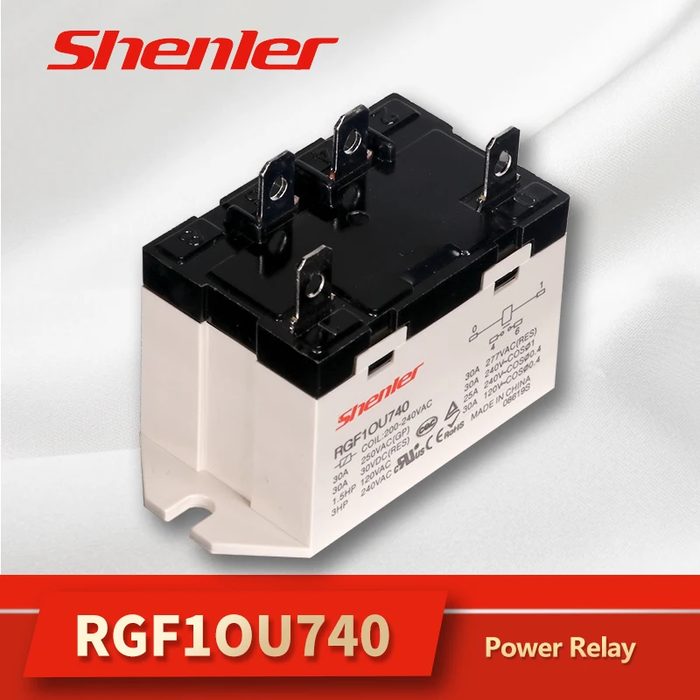
Power Relay
Current Options: 16A, 35A, 50AType: Motor Start Potential Relay
-
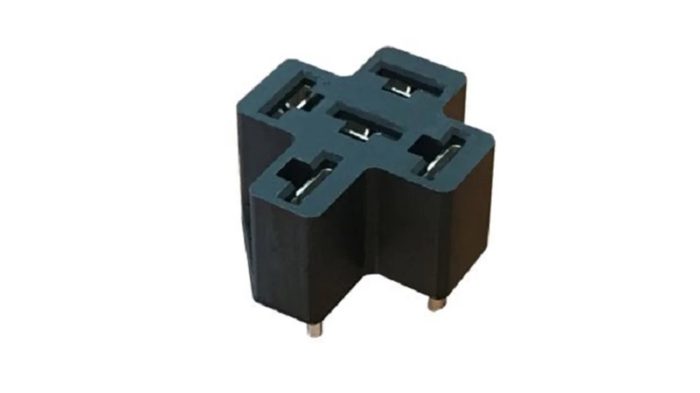
Power Relay Socket, 5 A, 4 Pins, PCB
Current Rating: 5 ANumber of Pins: 4Number of Poles: 4Power Consumption: 900 mW
-
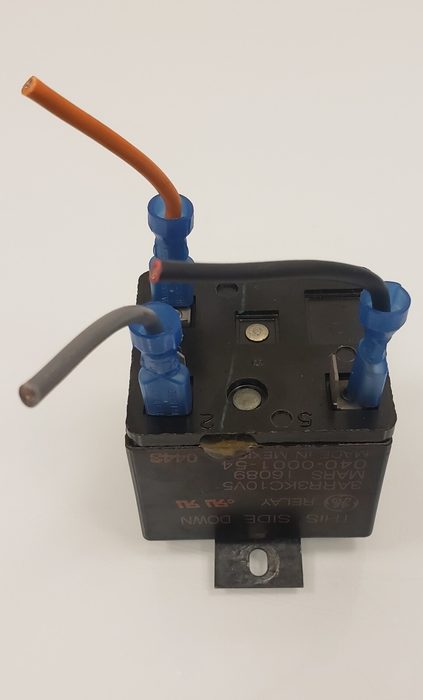
Power Relay, SPST, 12VDC, 10A
Current: 10AType: SPST Power RelayVoltage: 12VDC
-
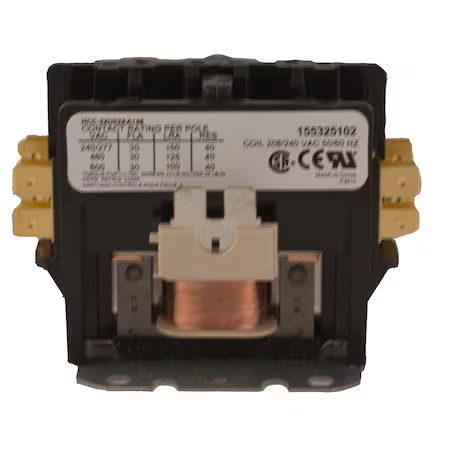
Power Relay, SPST, 70A, 12VDC
Coil Voltage: 12V DCContact Form: SPST-NOCurrent Rating: 70 A
-
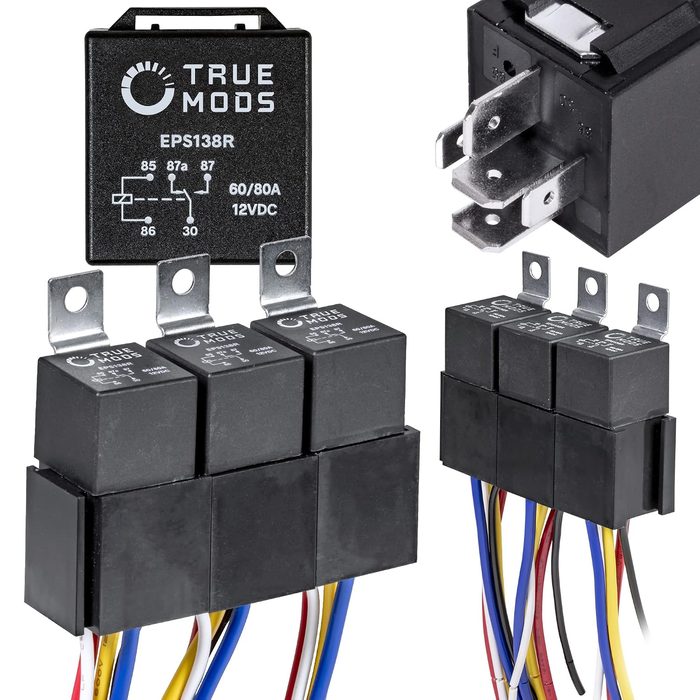
Pre Wired 5 Pin Relay Mounting Base Socket Holder 12V
Pins: 5Voltage: 12 V
-
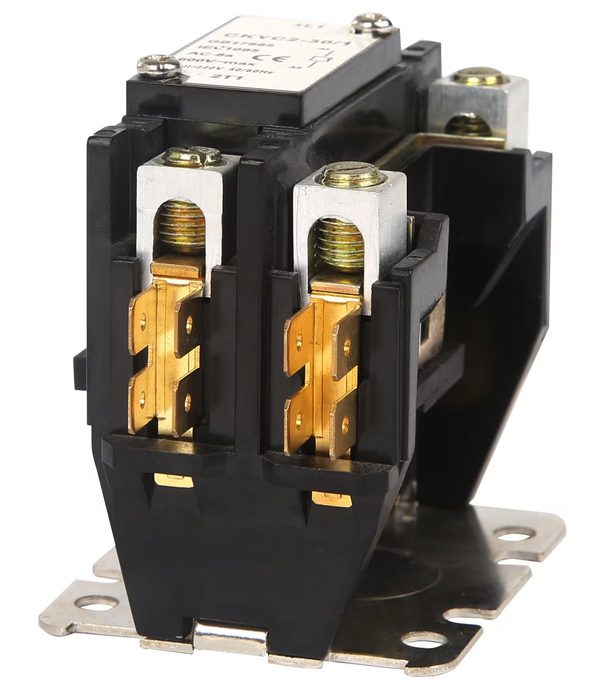
Pump Relay for 4400 Series Power Packs
Series: 4400
-
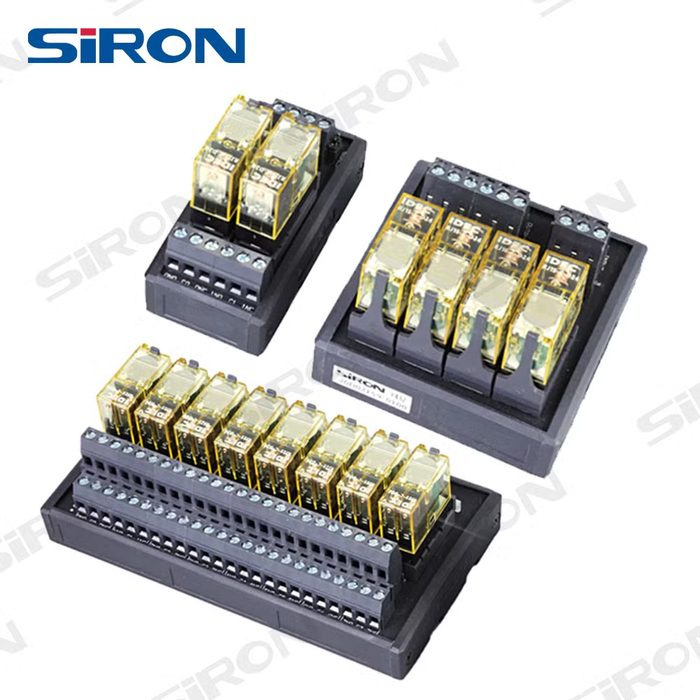
QMY433-P PNP 4-bit 2C Power Relay Module 5A 250VAC/30VDC High Power Relay Module LED with Surge Suppression Circuit 4 Channel
Channels: 4Current: 5AType: Power Relay ModuleVoltage: 250VAC/30VDC
-
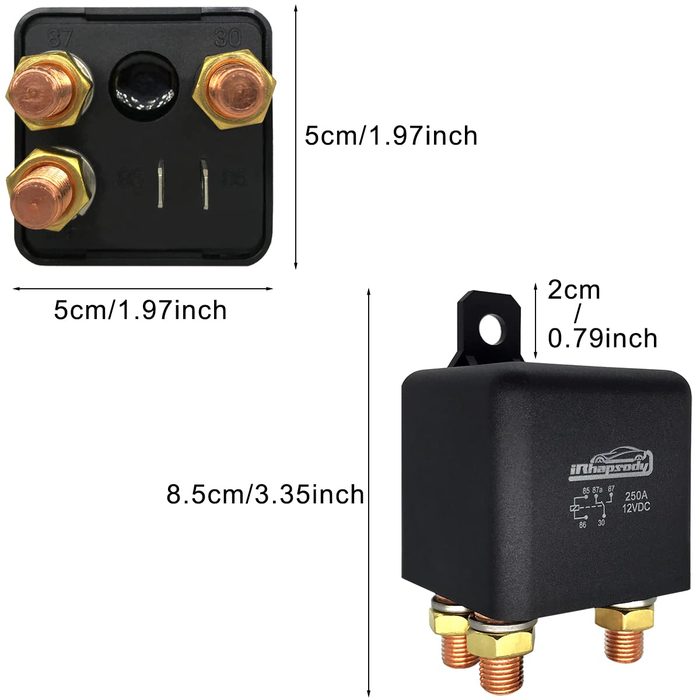
Relay 120A, 12V Continuous Duty SPST 4-pin
Coil Power: 1.8 WCoil Resistance: 80 ohmsContact Type: SPSTCurrent: 120 APins: 4
-
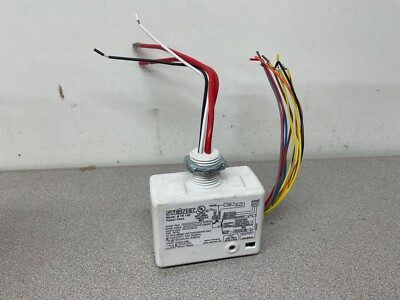
Relay Auto (ON) Switching Force ON/OFF Isolated NO/NC Power Pack
Type: Isolated Relay Power Pack
-
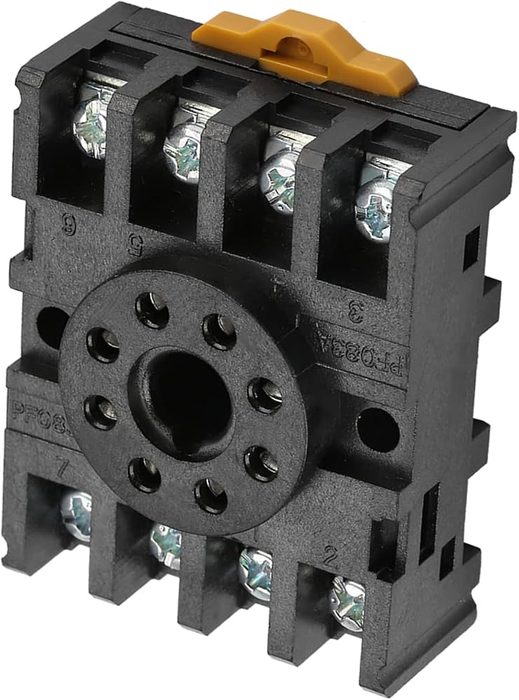
Relay Base Holder Socket
Pins: 5
-
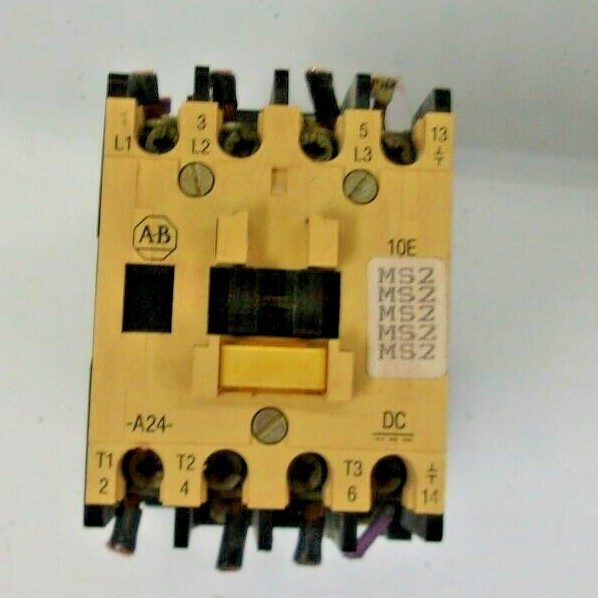 from $20.00eBay $20.00
 -
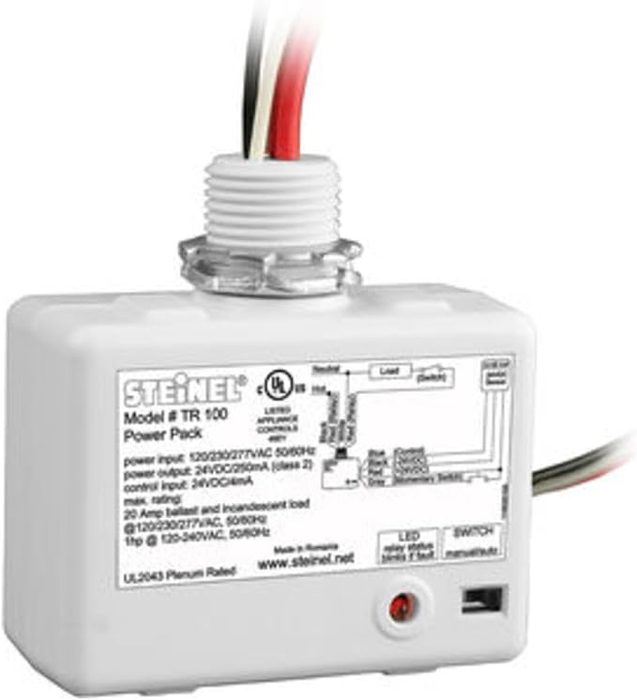
Relay Manual (ON) Switching Power Pack
Type: Power Pack
-
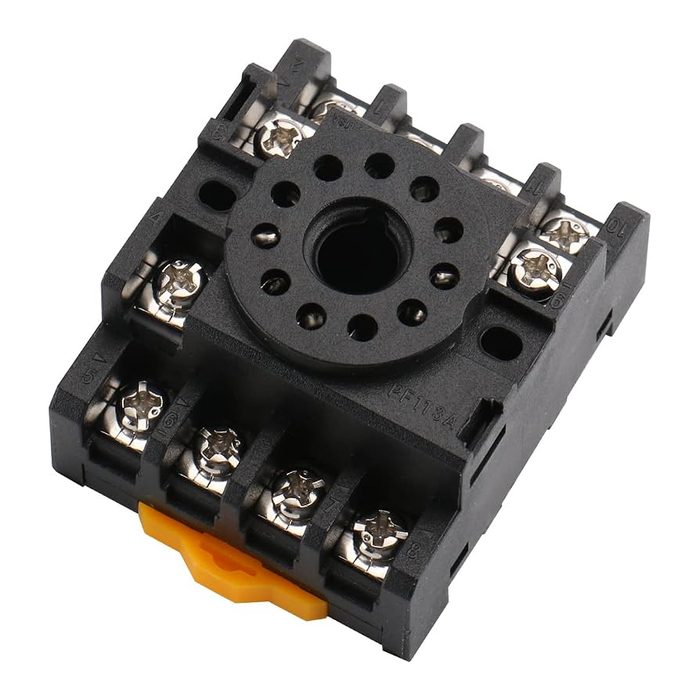
Relay Socket
Terminals: 5
-
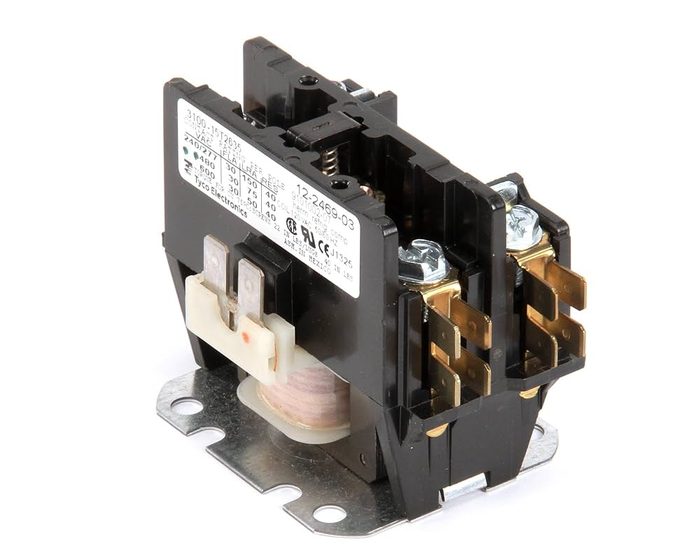
Relay Socket
Pole Count: 2-POLE
-
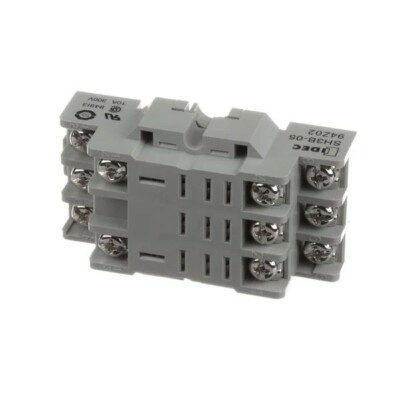
Relay Socket
Pole Count: 3-POLE
-
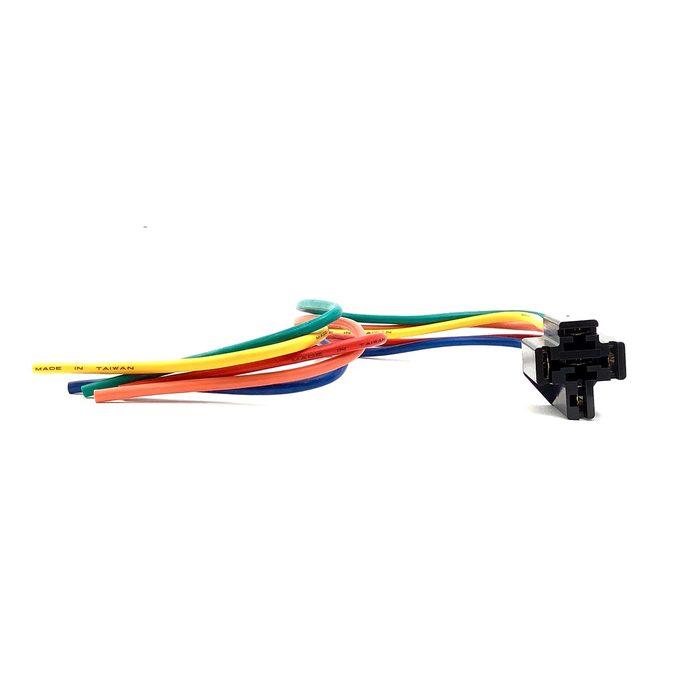
Relay Socket
Voltage: 12-volt
-
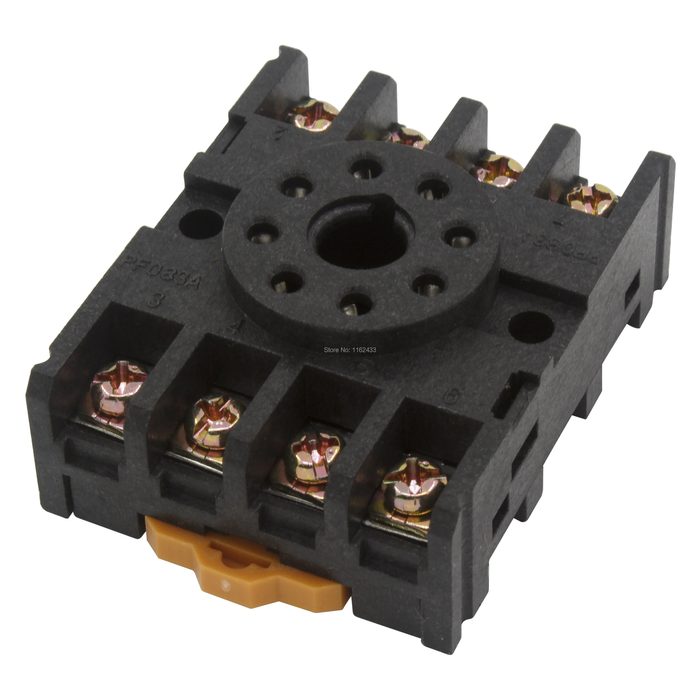
Relay Socket Bases
Pins: 8-PIN & 11-PIN
About relays & contactors
Relays and contactors are electrically operated switches used to control power flow in a circuit. Electromechanical relays utilize an electromagnet to actuate a physical switch, offering galvanic isolation between control and load circuits. Key specifications include coil voltage (e.g., 5VDC, 24VDC, 120VAC), contact configuration (e.g., SPDT, DPDT, 3PST-NO), and contact current rating (e.g., 1A, 10A, 30A). Solid-state relays (SSRs) employ semiconductor devices like TRIACs or MOSFETs to switch loads, providing silent operation, faster switching speeds, and longer lifespan compared to electromechanical types, particularly in high-cycle applications. SSRs are characterized by input control voltage/current, output voltage/current ratings, and typically come in AC or DC switching variants. Contactors are heavy-duty relays designed for switching high-power loads, often found in motor control applications. They are rated by horsepower or current (e.g., 20A, 100A, NEMA size 0-5) and typically feature multiple poles. Relay sockets provide a convenient, often DIN-rail mountable, interface for relays, simplifying installation and replacement. Common materials for contacts include silver alloy (e.g., AgCdO, AgSnO2) for durability and conductivity, often with gold plating for low-current signal applications. Enclosures are typically plastic (e.g., polycarbonate, nylon) for insulation and protection, with specific IP ratings (e.g., IP20, IP67) indicating environmental resistance.
How to choose
Selecting the appropriate relay or contactor begins with defining the load: AC or DC, voltage, and current. This determines the required output switching capability and contact rating. Next, consider the control signal: what voltage and current will drive the coil or input? This dictates the relay's input specifications. Evaluate the switching frequency and expected operational lifespan; high-cycle applications often favor SSRs over electromechanical relays for longevity. Finally, assess the operating environment for temperature, vibration, and ingress protection (IP rating) to select a suitably robust device. For multi-phase loads or high-horsepower motors, contactors with appropriate NEMA or IEC ratings are typically required.