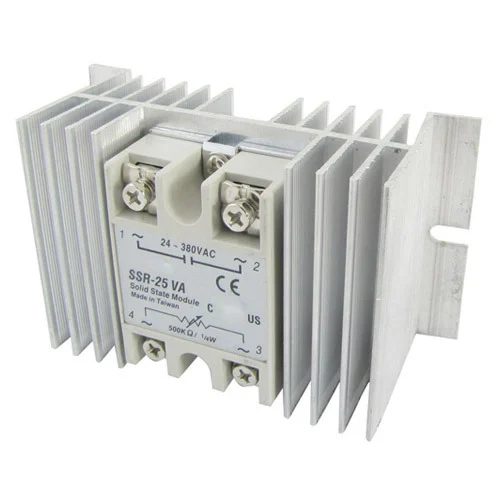
Relays & Contactors
Electromechanical, solid-state relays, contactors and sockets.
Also searched as: ssrsolid state relaycontactorrelay socketpower relay
-
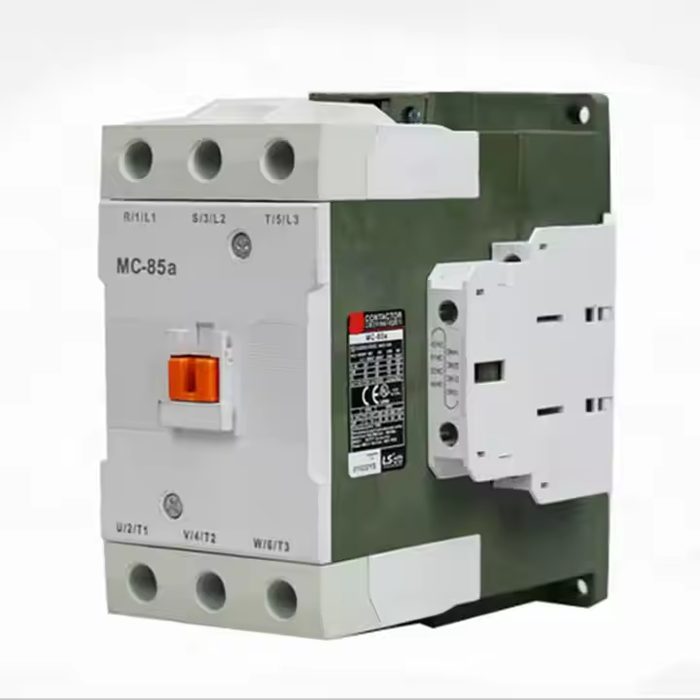
AC Magnetic Contactor
Rated Current: 9A to ...Rated Voltage: 660VAC
-
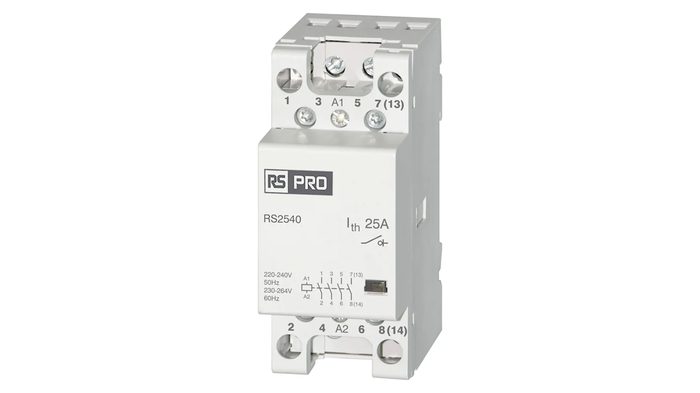
AC Operated Contactor Relay
Contacts: 2NO/
-
AC Operated Contactor Relay, 4kW
Power: 4 kW
-
-
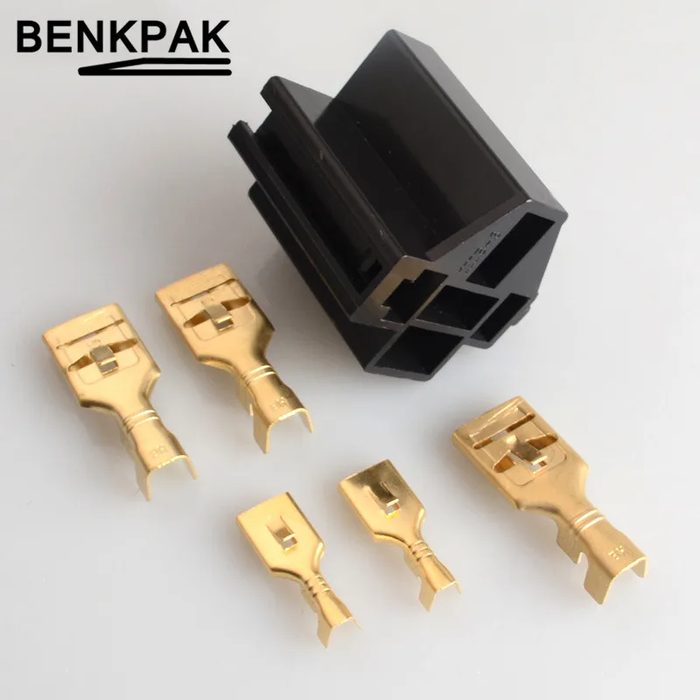
Auto Relay Socket
Current Rating: 80A
-
-
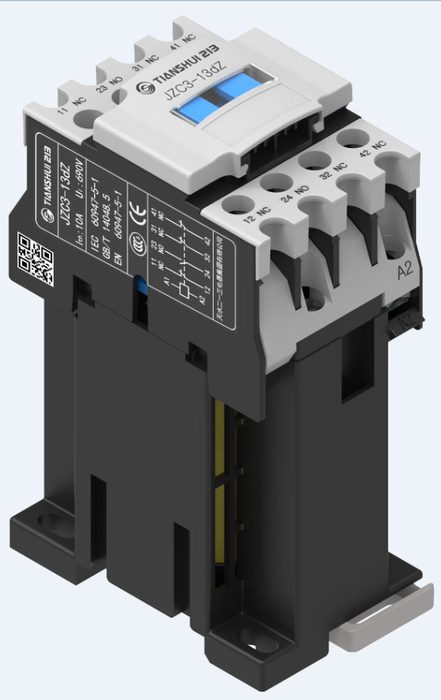
Auto Relay Socket (Relay Connector)
Fits Relay Pins: 4 or 5
-
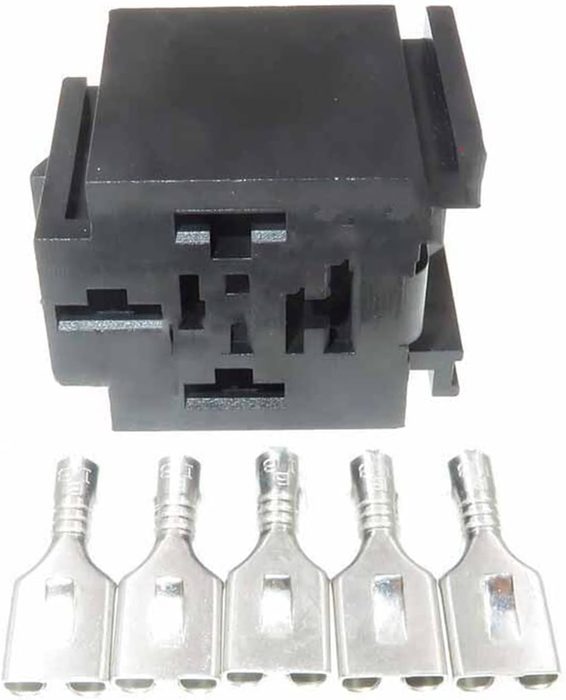
Automotive Insurance Relay Socket, 5 Pin
Number of Pins: 5
-
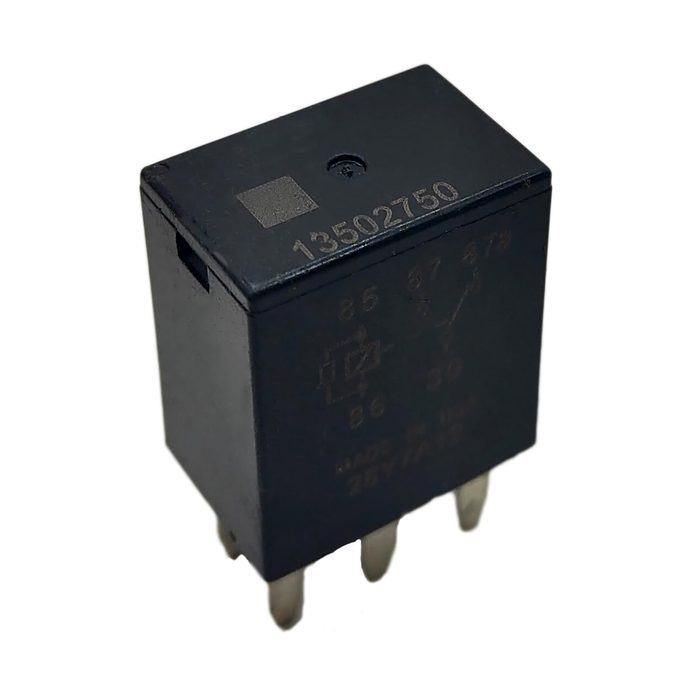
Automotive Power Relay 5Pins
Contact Type: Normally OpenCurrent Rating: 5 AmpsPins: 5
-
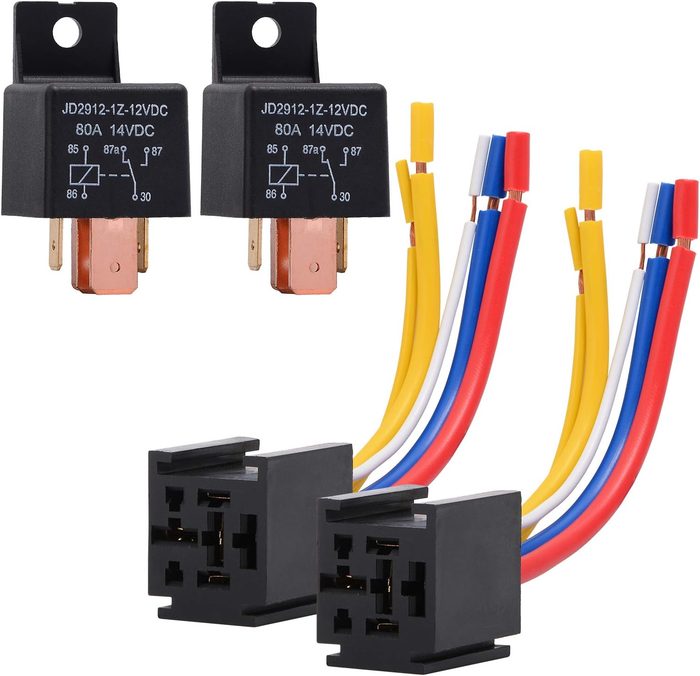
Automotive Relay Holder, 5 pins
Current Rating: 80A/60ANumber of Pins: 5
-
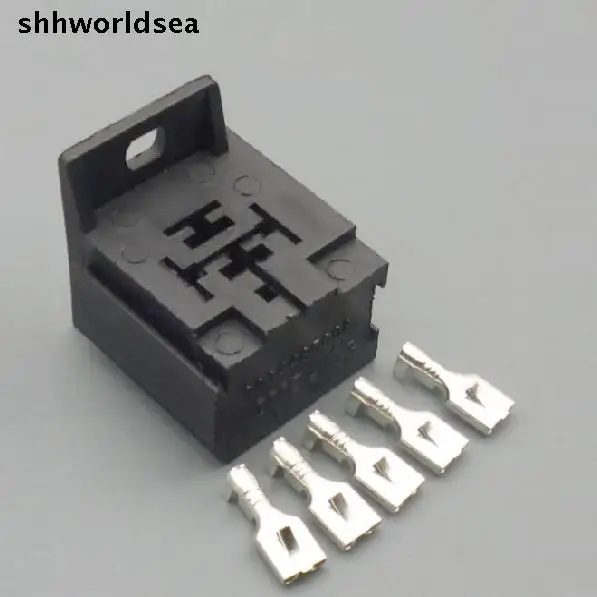
Automotive Relay Socket
Number of Pins: 5Voltage: 12V
-
Automotive Relay Socket
Current: 40AMounting: PCBPins: 4/5
-
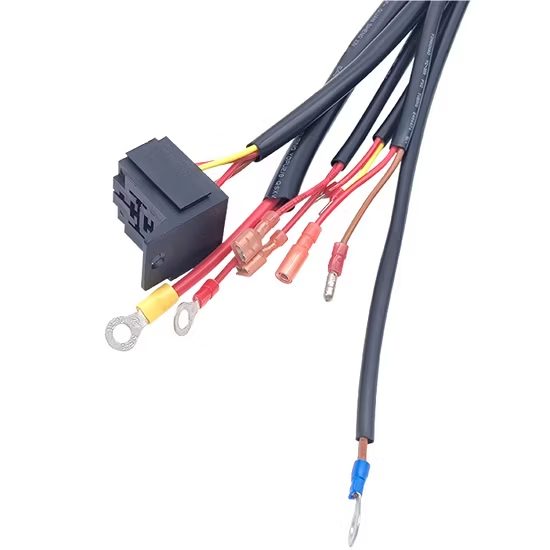
Automotive Relay Socket 40A Wiring Harness Plum Blossom
Current: 40 A
-
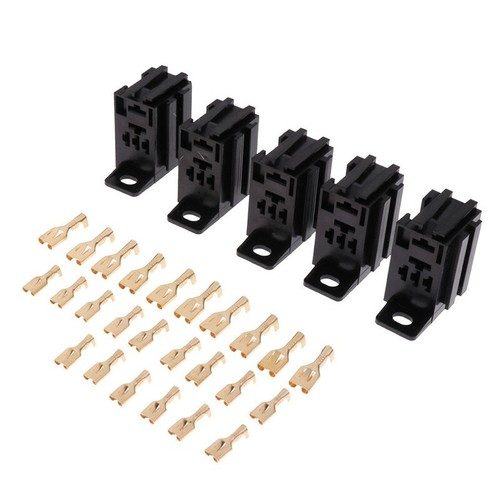
Automotive Relay Socket Micro 60AMP 5-Pin
Current Rating: 60 AmpsPins: 5
-
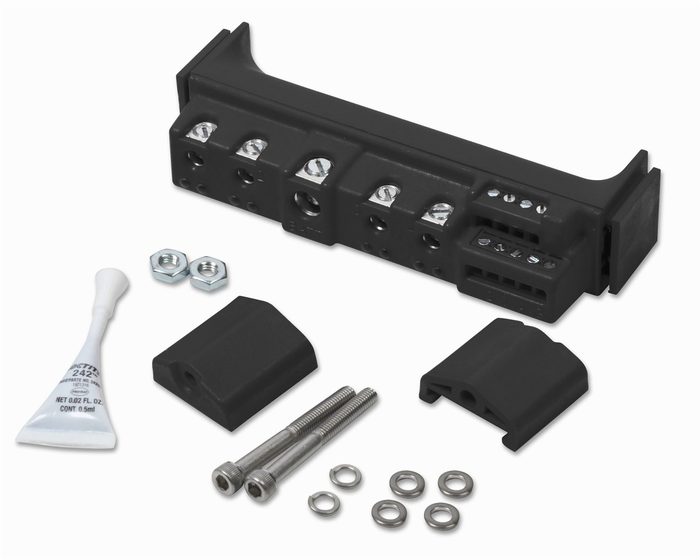 from $208.95eBay $208.95
 -
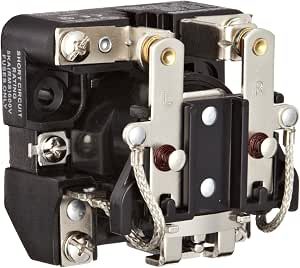
Basic Plug in Open Power Relay, DPST NO Contacts, 40A
Contact Type: DPST NOCurrent Rating: 40 Amps
-
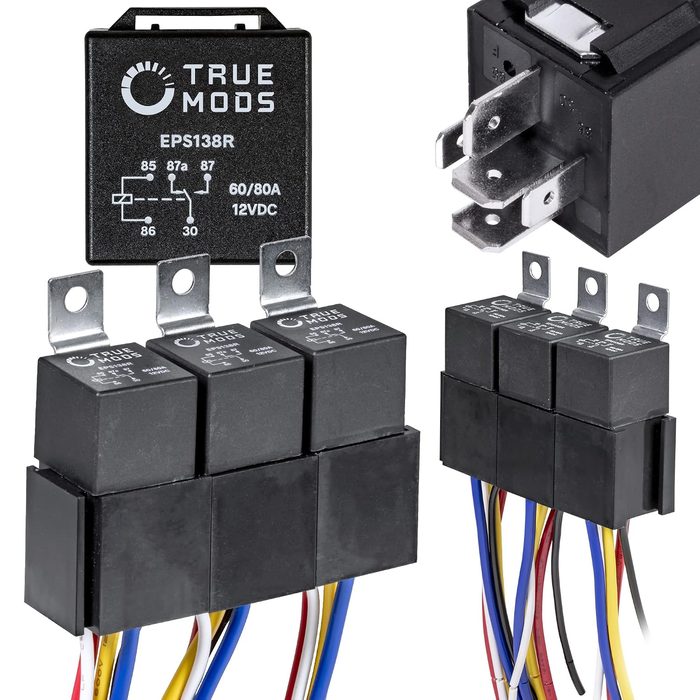
Bosch Style 12V DC 5-PIN SPDT Relay Socket
Pins: 5-PINVoltage: 12V DC
-
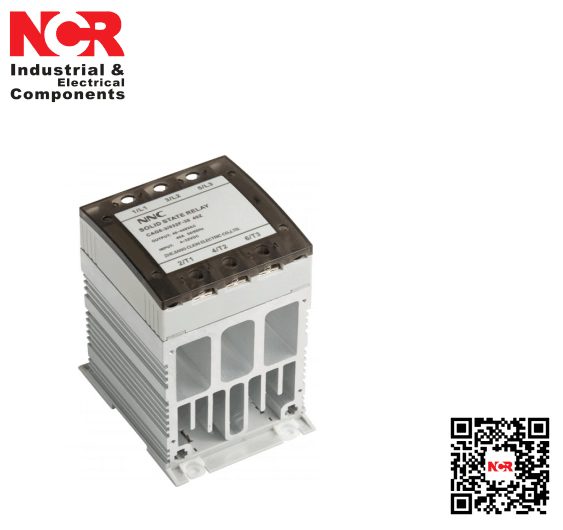
CAG6K-3/024F-38 15A Rail Solid State Relay
Current: 15A
-
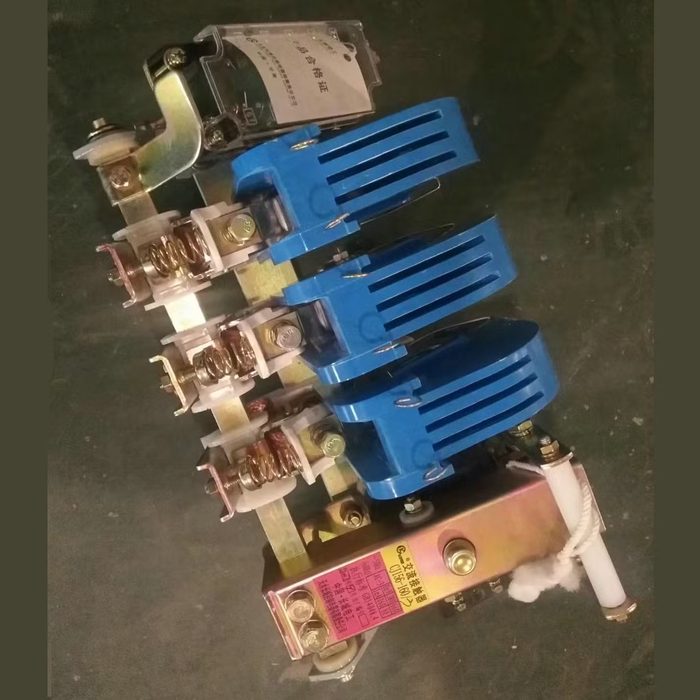
CJ156 series of rotating AC contactor
Frequency: 50Hz or 60HzRated Voltage: 660Vac
-
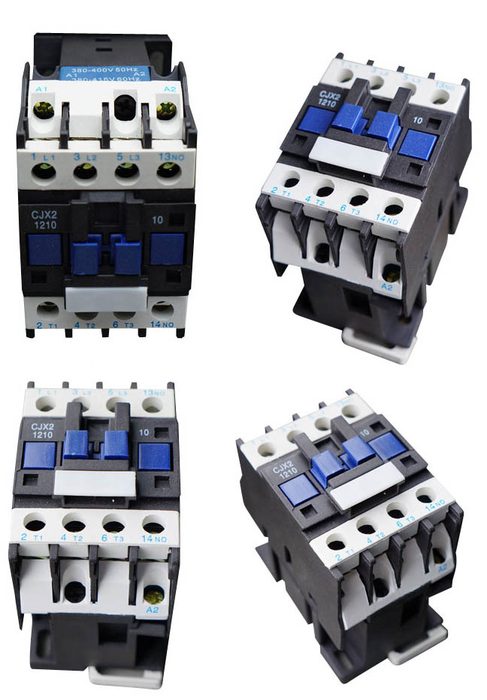
Cjx2-F Series 225A 3p 380V AC Contactor
Current Rating: 225ANumber of Pole: 3pVoltage: 380V
-
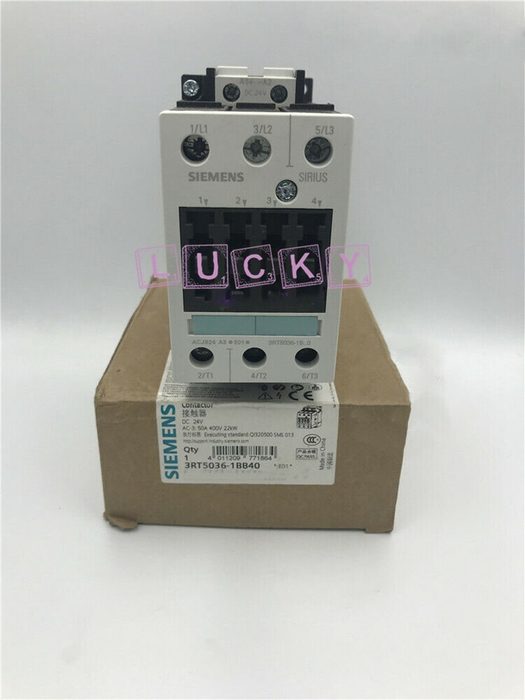
Contactor
Coil Voltage: 24VPoles: 3-polePower: 22 KWSize: S2
-
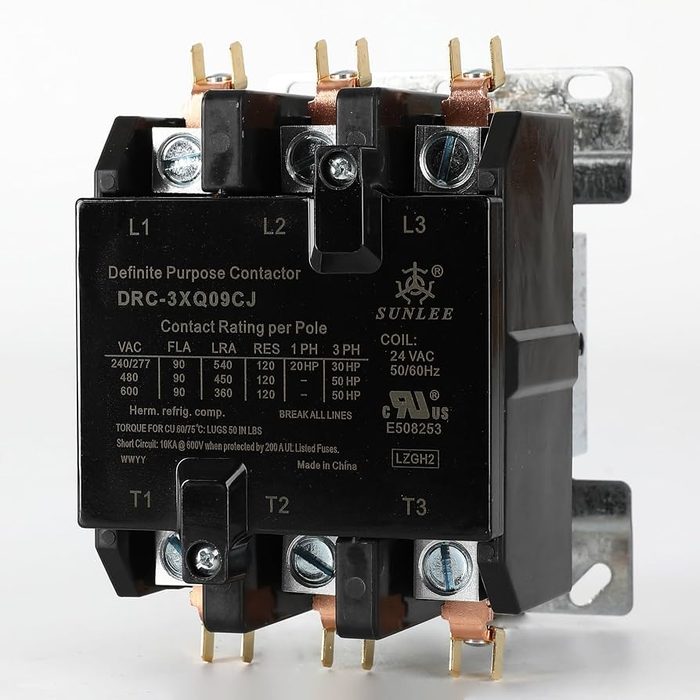
Contactor
Amperage: 40 AmpCoil Voltage: 120V ACPoles: 1 Pole
-
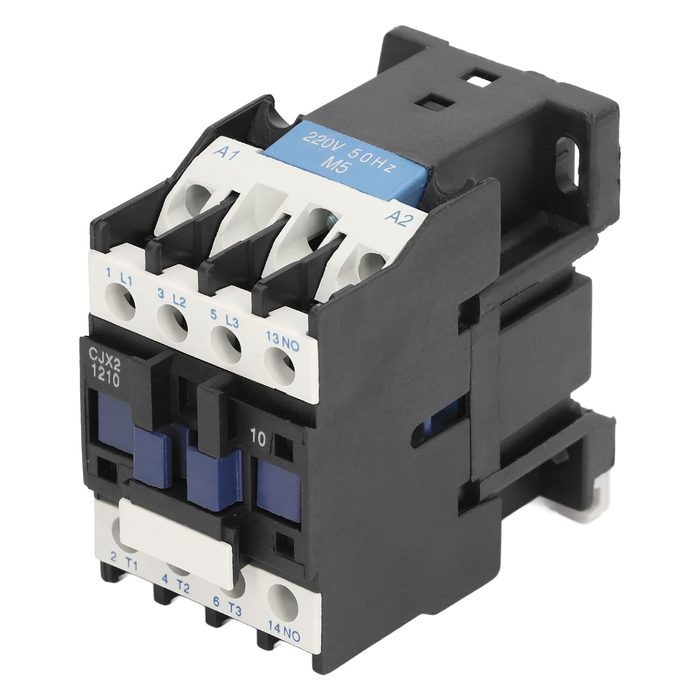
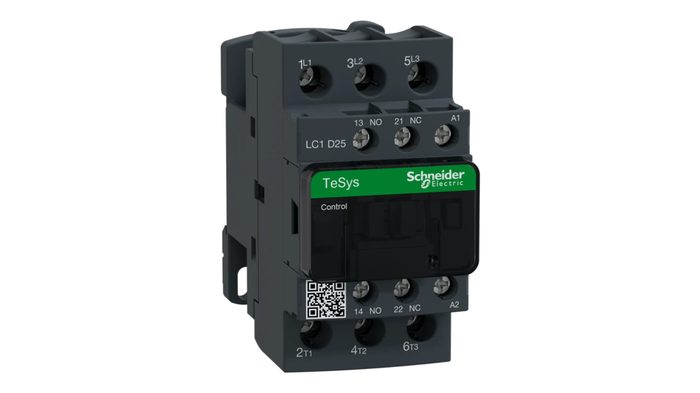
Contactor
Frequency: 50/60 HzRated Current: 95ARated Voltage: 660V
-
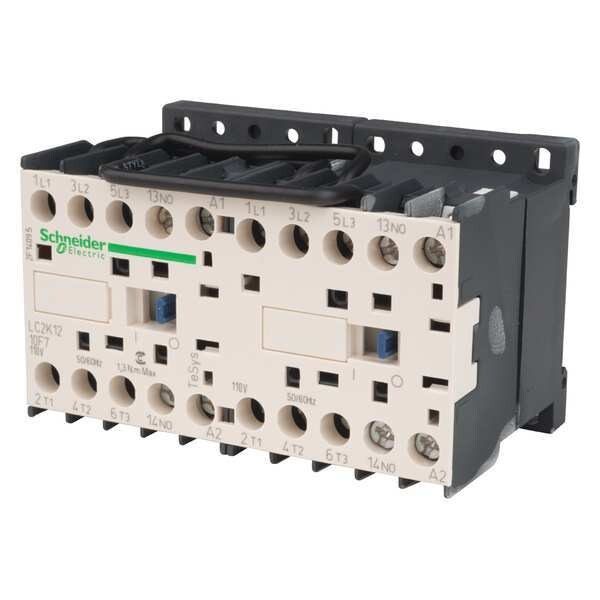
-
-
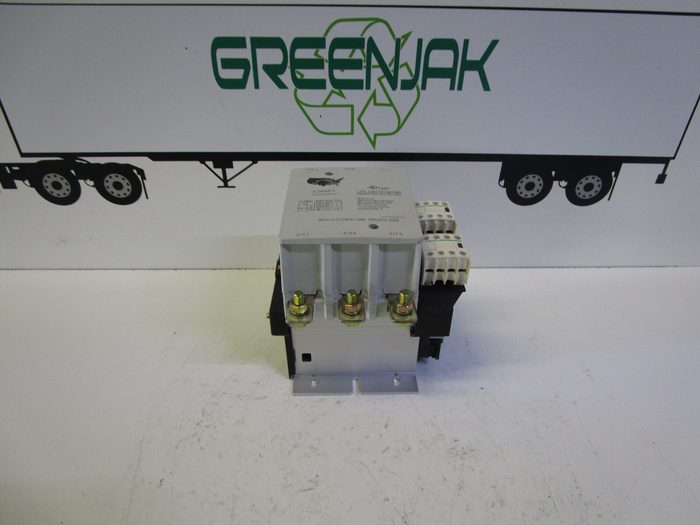
Contactor Relay IEC 60947-4-1
Standard: IEC 60947-4-1
from $145.99eBay $145.99 -
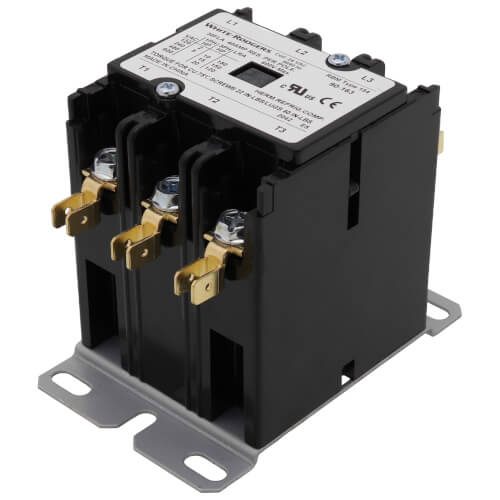
Contactors 30A 600V 3 P.N.O.
Contact Configuration: N.O.Current Rating: 30APoles: 3Voltage: 600V
from $47.43eBay $47.43 -
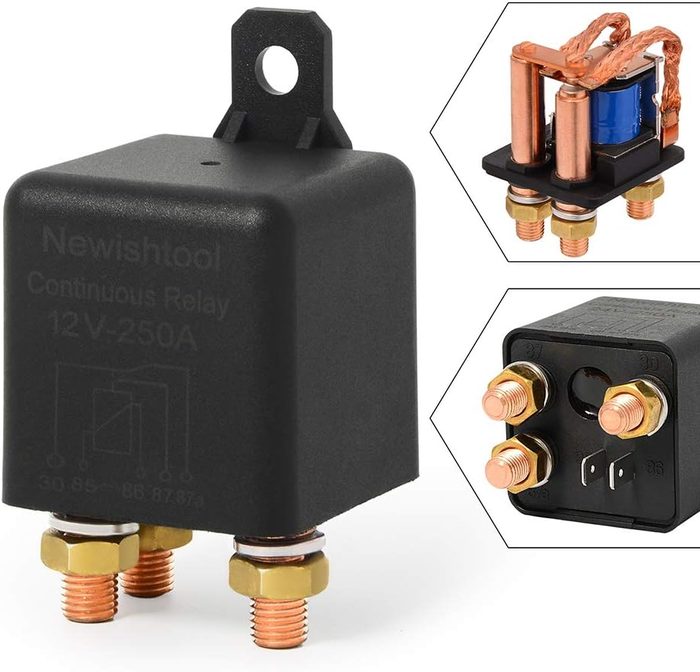
Continuous Relay On/Off Power Switcher
Current: 250 AVoltage: 12 VDC
-
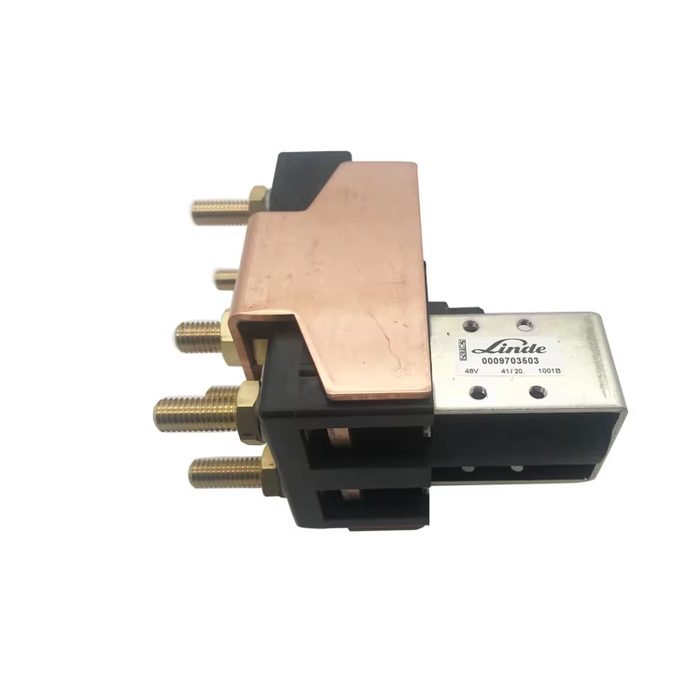 from $87.00Alibaba $87.00
 -
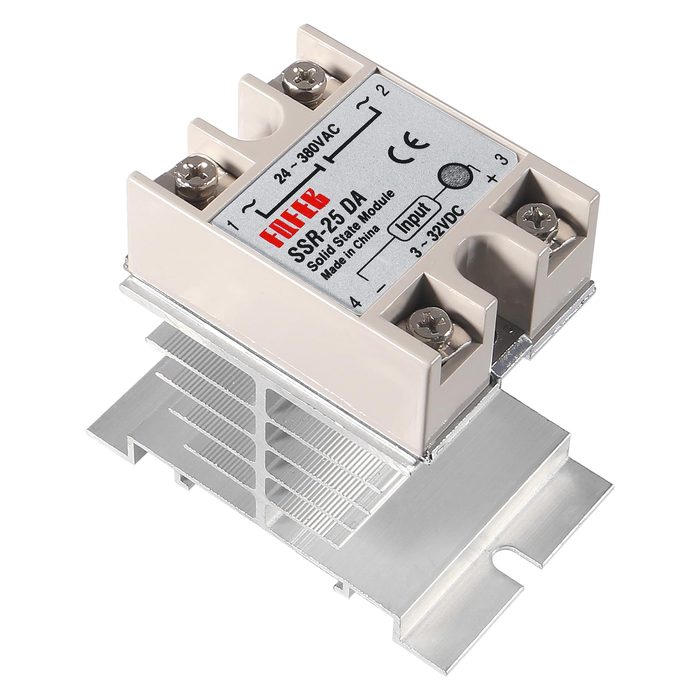
DC to AC Solid State Relay SSR
Input Type: DCOutput Type: AC
-
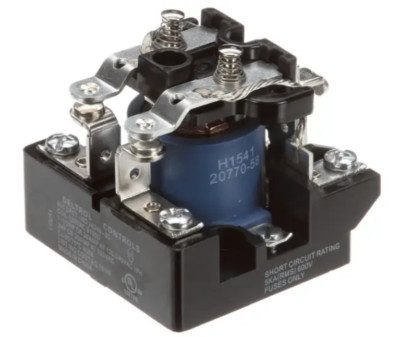
DPST Power Relay, 120V, Normally Open
Contact Configuration: Normally OpenType: DPST Power RelayVoltage: 120V
-
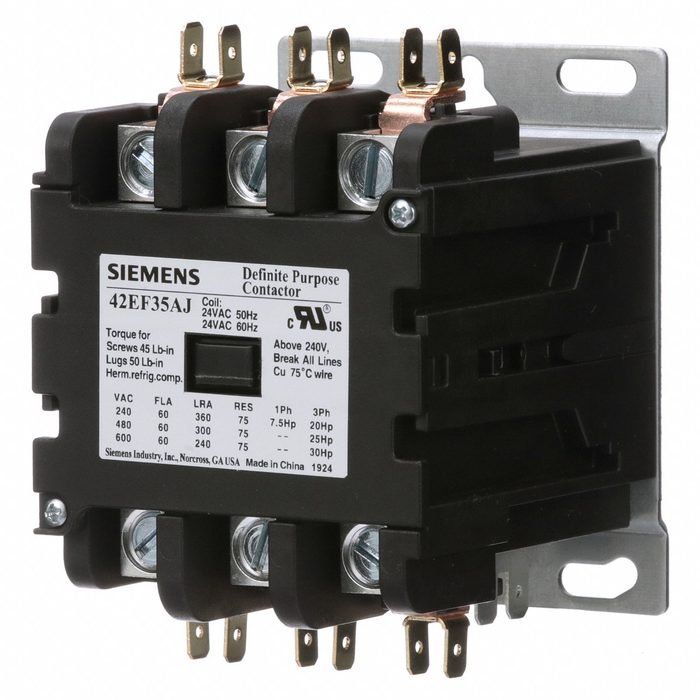
Definite Purpose Contactor
Frequency: 50Hz or 60HzRated Insulation Voltage: 240VRated Working Current: 60A
-
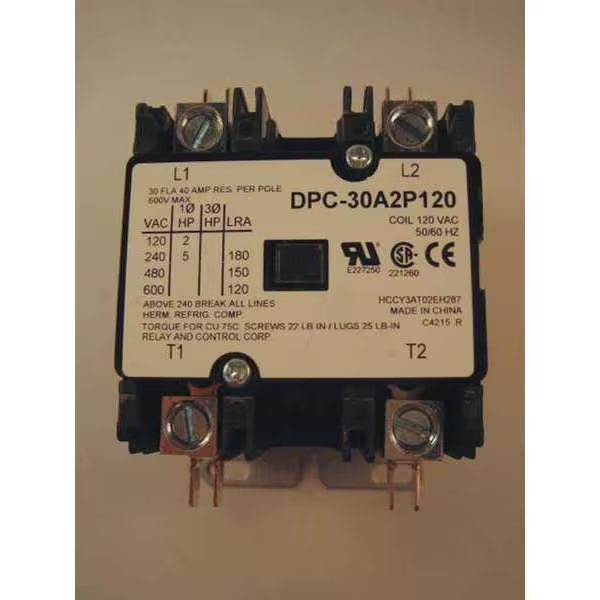
Definite Purpose Contactor 2P 30A 120VAC
Coil Voltage: 120V ACCurrent Rating: 30APoles: 2
-
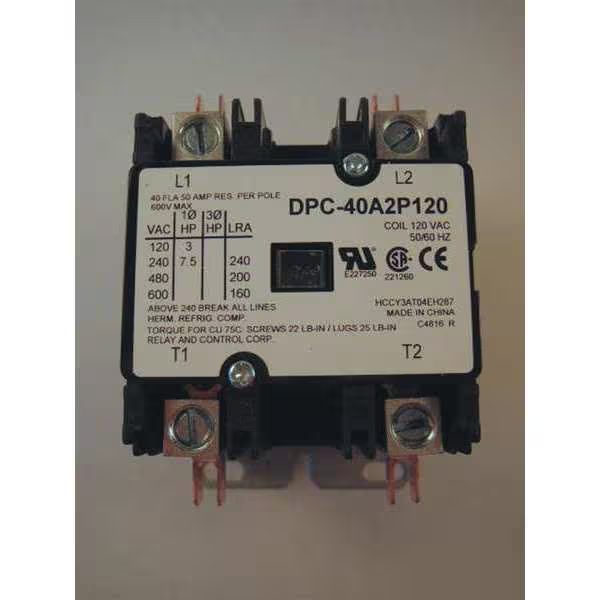
Definite Purpose Contactor 2P 40A 120VAC
Current: 40 APoles: 2Voltage: 120 VAC
-
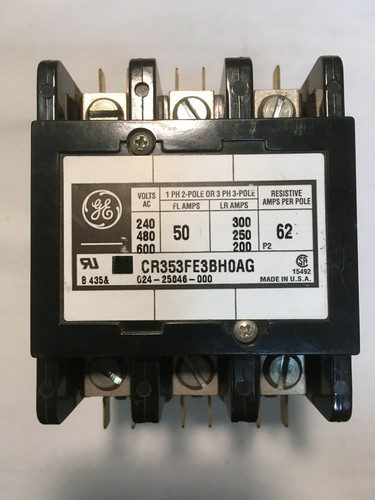
Definite Purpose Contactor 3 Pole 50A 600V 24V Coil
Coil Voltage: 24 VCurrent: 50 AOperating Voltage: 600 VPoles: 3
-
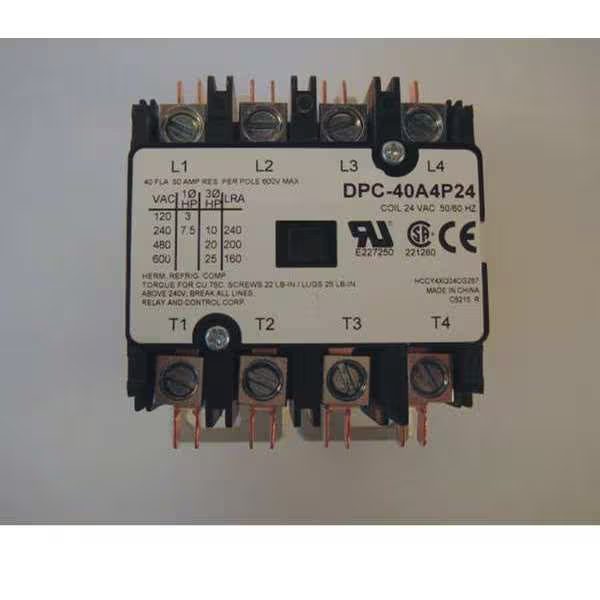
Definite Purpose Contactor 40A 4 Pole 24V
Current: 40 APoles: 4Voltage: 24 V
About relays & contactors
Relays and contactors are electrically operated switches used to control power flow in a circuit. Electromechanical relays utilize an electromagnet to actuate a physical switch, offering galvanic isolation between control and load circuits. Key specifications include coil voltage (e.g., 5VDC, 24VDC, 120VAC), contact configuration (e.g., SPDT, DPDT, 3PST-NO), and contact current rating (e.g., 1A, 10A, 30A). Solid-state relays (SSRs) employ semiconductor devices like TRIACs or MOSFETs to switch loads, providing silent operation, faster switching speeds, and longer lifespan compared to electromechanical types, particularly in high-cycle applications. SSRs are characterized by input control voltage/current, output voltage/current ratings, and typically come in AC or DC switching variants. Contactors are heavy-duty relays designed for switching high-power loads, often found in motor control applications. They are rated by horsepower or current (e.g., 20A, 100A, NEMA size 0-5) and typically feature multiple poles. Relay sockets provide a convenient, often DIN-rail mountable, interface for relays, simplifying installation and replacement. Common materials for contacts include silver alloy (e.g., AgCdO, AgSnO2) for durability and conductivity, often with gold plating for low-current signal applications. Enclosures are typically plastic (e.g., polycarbonate, nylon) for insulation and protection, with specific IP ratings (e.g., IP20, IP67) indicating environmental resistance.
How to choose
Selecting the appropriate relay or contactor begins with defining the load: AC or DC, voltage, and current. This determines the required output switching capability and contact rating. Next, consider the control signal: what voltage and current will drive the coil or input? This dictates the relay's input specifications. Evaluate the switching frequency and expected operational lifespan; high-cycle applications often favor SSRs over electromechanical relays for longevity. Finally, assess the operating environment for temperature, vibration, and ingress protection (IP rating) to select a suitably robust device. For multi-phase loads or high-horsepower motors, contactors with appropriate NEMA or IEC ratings are typically required.