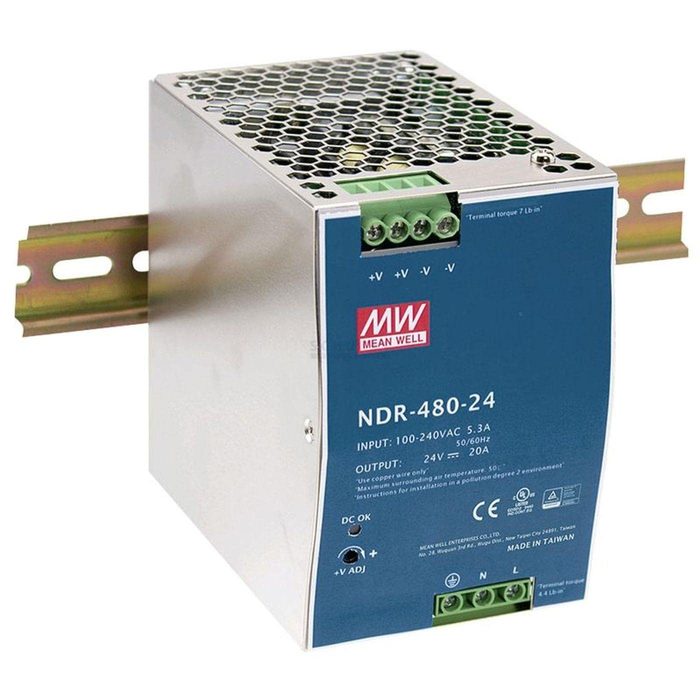
Power Supplies
DIN-rail, enclosed, open-frame and DC-DC converters.
Also searched as: din rail power supply24v power supplydc dc convertersmps
-
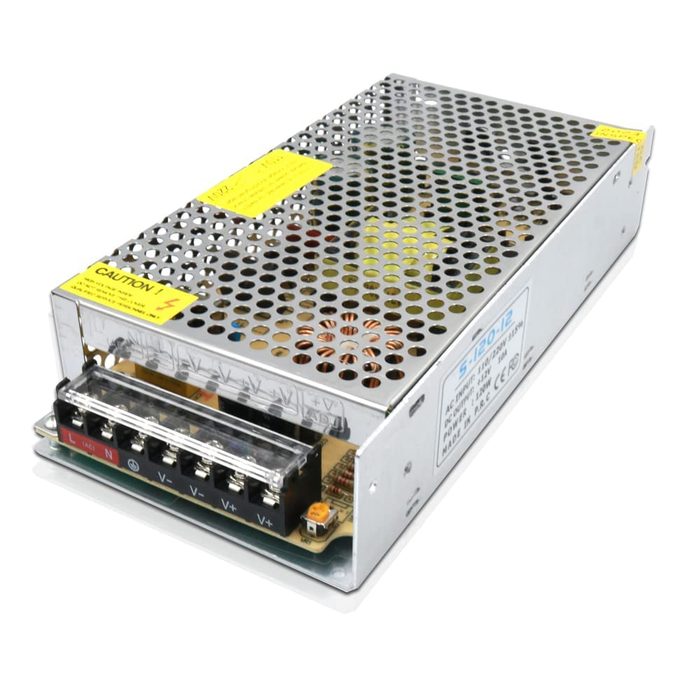
24V 10A Power Supply Module
Input Voltage: 100-240V ACMax Power: 240WOutput Current: 10AOutput Voltage: 24V DC
-
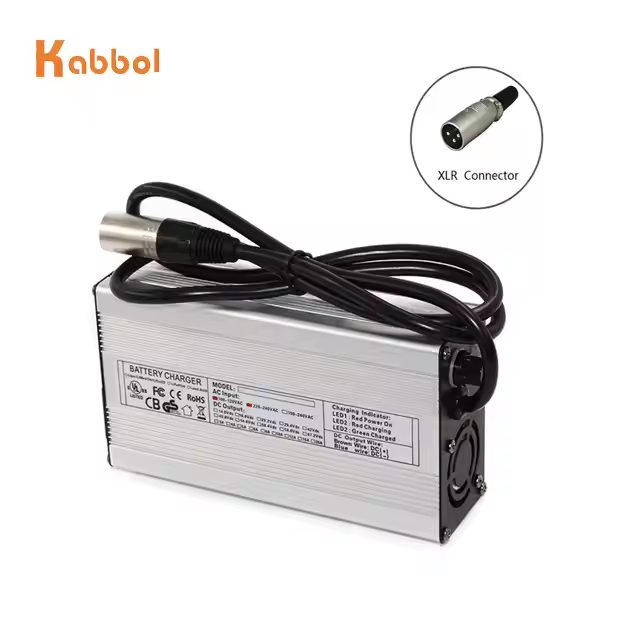
24V DC Adapter
Input Voltage: 100-240V ACOutput Current: 6AOutput Voltage: 24V DCPower: 144W
-
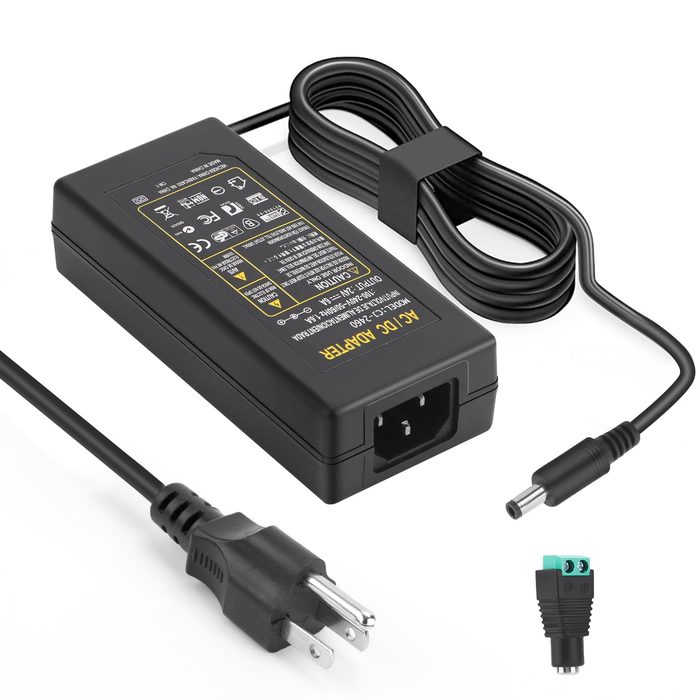
24V DC Power Supply Adapter
Input Voltage: 100-240VOutput Current: 5AOutput Voltage: 24V DCPower: 120W
-
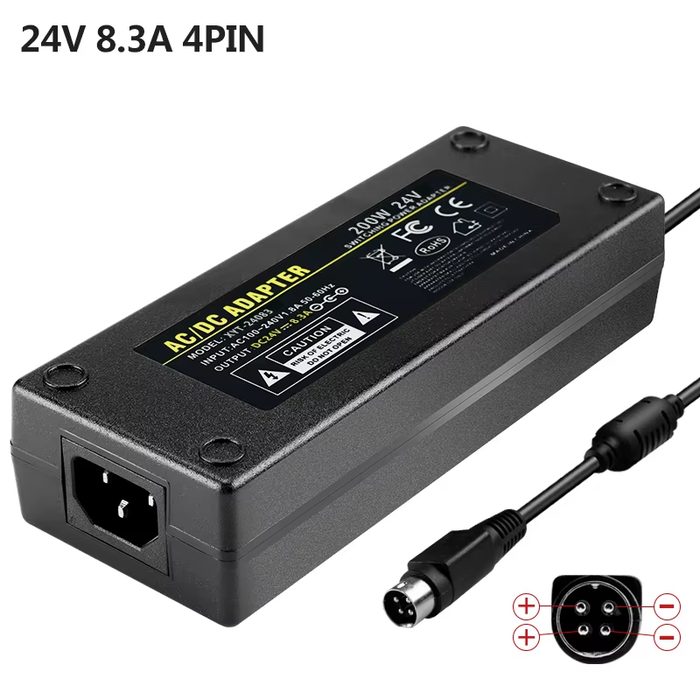
24V Power Supply
Input Voltage: 100V-240V ACOutput Current: 6A, 6.25AOutput Voltage: 24V DC
-
 from $130.00Alibaba $130.00
 -
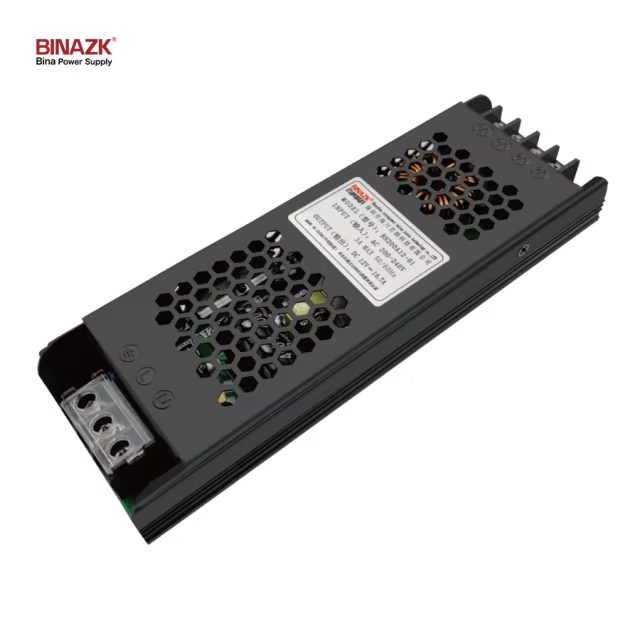
-
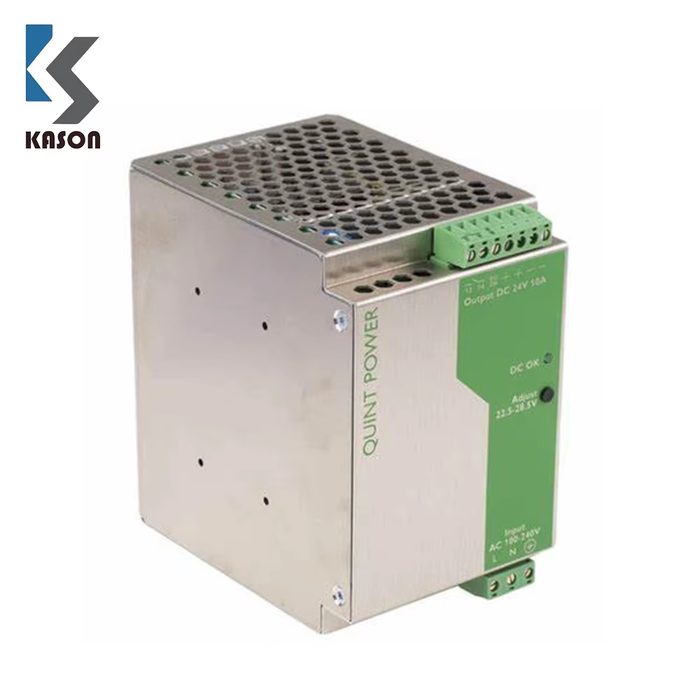
Original Din Rail Power Supply Unit
Input Voltage: 100-240V AC
from $159.00Alibaba $159.00 -
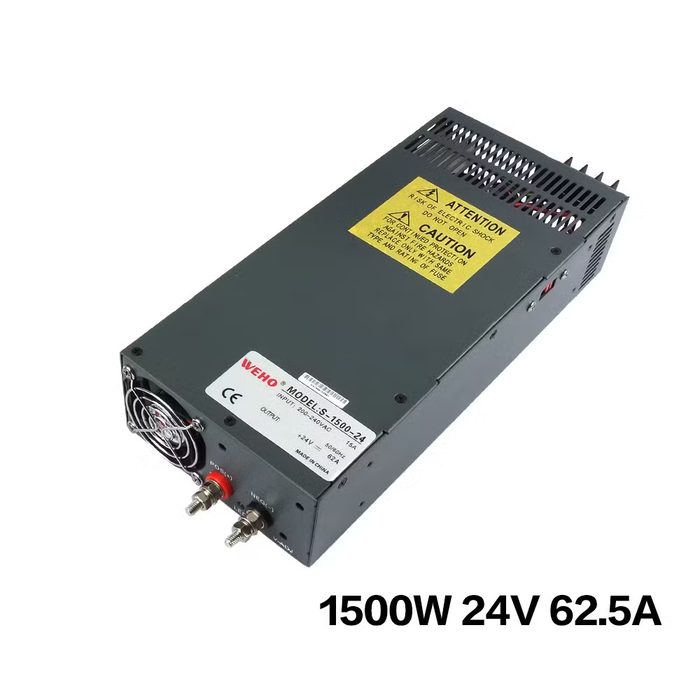
S-1500-24 1500W 24V Output Industrial Switching Power Supply
Output Current: 10A, 20A, 30A, 40A, 50A, 60AOutput Power: 1500WOutput Voltage: 24V DC
-
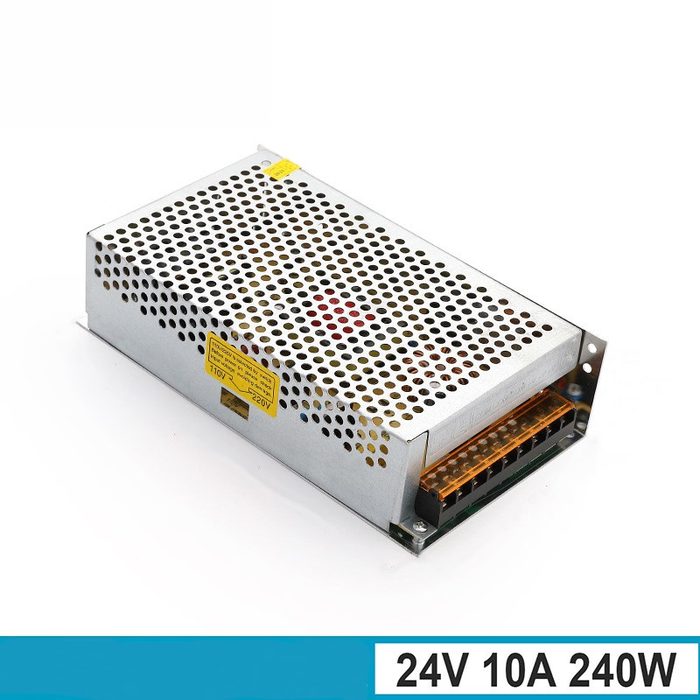
SMPS AC110V/220V to DC 19V 240W 10A 24V Power Supply
Input Voltage: 110V/220V ACOutput Current: 10AOutput Power: 240WOutput Voltage: 19V DC
About power supplies
Power supplies convert incoming AC or DC voltage to a regulated DC output suitable for electronic components and control systems. This category encompasses DIN-rail mounted units, enclosed power supplies, open-frame modules, and DC-DC converters. DIN-rail power supplies are designed for industrial control cabinets, offering robust construction and easy installation onto standard 35mm DIN rails. Enclosed power supplies provide a protective casing, often with ventilation, suitable for standalone applications or integration into larger systems. Open-frame power supplies are board-level components intended for integration into custom enclosures or equipment, prioritizing space and cost efficiency. DC-DC converters regulate a DC input voltage to a different, stable DC output, essential for isolating circuits or stepping voltages up or down. Key selection parameters include input voltage range (e.g., 90-264VAC, 12-48VDC), output voltage (e.g., 5V, 12V, 24V, 48V), output current (e.g., 1A, 5A, 10A), power rating (W), efficiency, and operating temperature range. Form factors vary significantly, from compact modules to larger, high-power units. Materials typically include aluminum or steel for enclosures, with internal components mounted on PCBs.
How to choose
When selecting a power supply, first determine the required output voltage and current for the load. This establishes the necessary power rating. Next, consider the available input voltage and whether it's AC or DC, and its range. Third, evaluate the mounting preference: DIN-rail for industrial panels, enclosed for general applications, or open-frame for embedded integration. For DC-DC conversion, specify isolation requirements (isolated vs. non-isolated). Finally, assess environmental factors such as operating temperature range, humidity, and any necessary IP ratings for protection against dust or moisture. These steps prioritize electrical compatibility and physical integration, narrowing down suitable options.