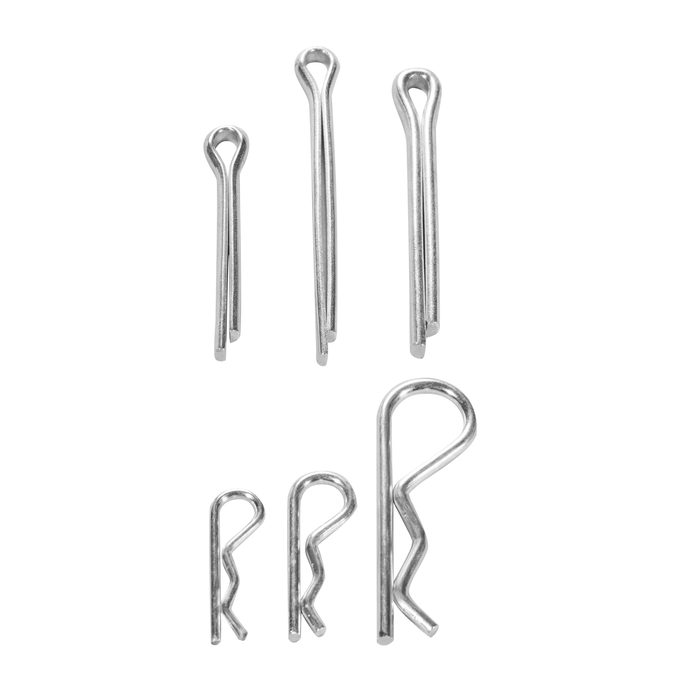
Pins
Dowel, cotter, clevis, roll, spring and taper pins.
Also searched as: dowel pinscotter pinsclevis pinsroll pinsspring pins
-
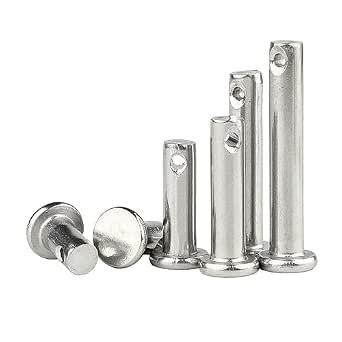
Flat Head Clevis Pins with Hole M3 M4 M5 M6 M8 M10 M12 304 Stainless Steel Axis Pin Cylindrical Location Positioning Dowel Pin
Diameter: M3 M4 M5 M6 M8 M10 M12
-
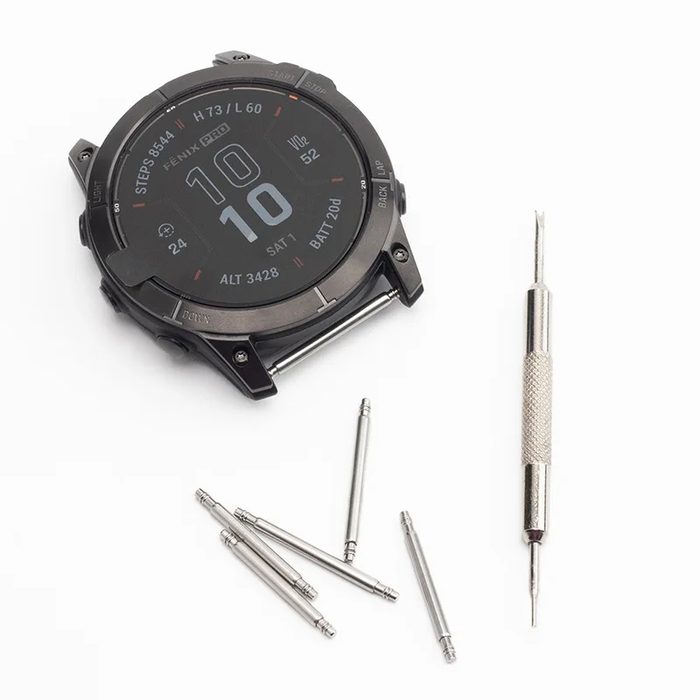
Garmin Watch Band Spring Pin
Length: 22mm, 26mm
-
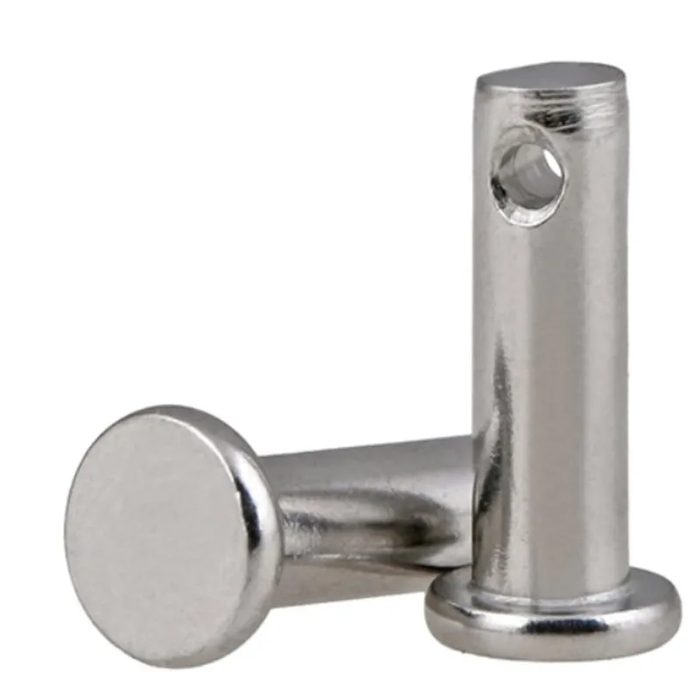
M10 M12 M14 M16 Clevis pins with head 304 stainless steel shaft flat head with hole pin bolt pin
Diameter: M10 M12 M14 M16
-
-
-
-
-
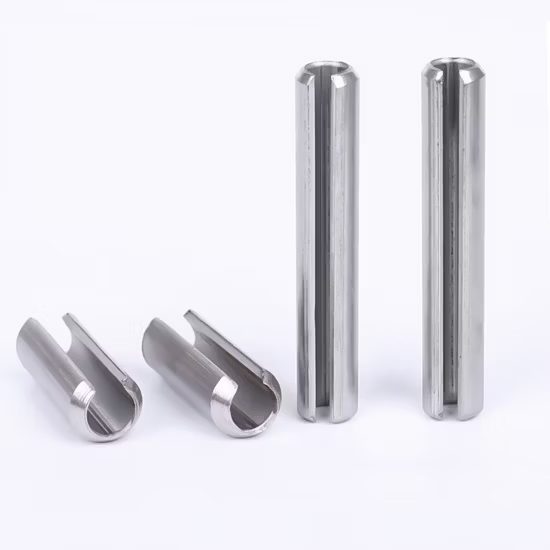
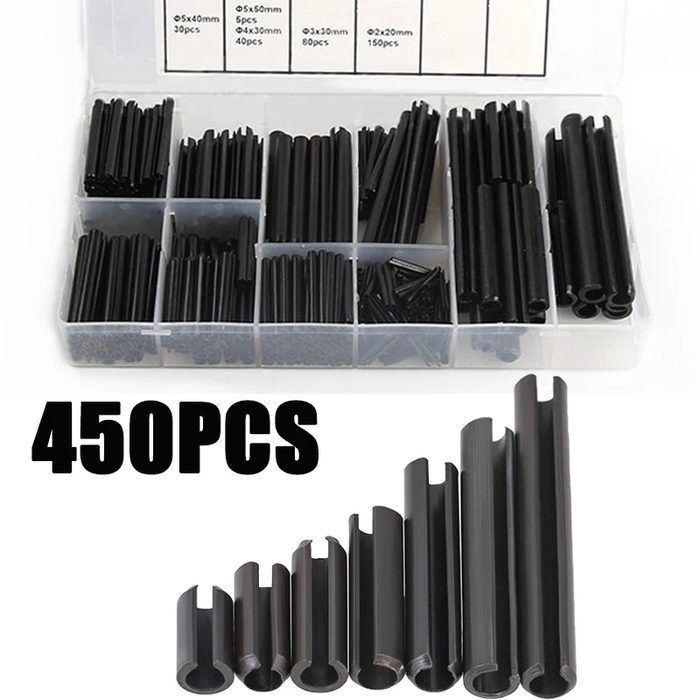
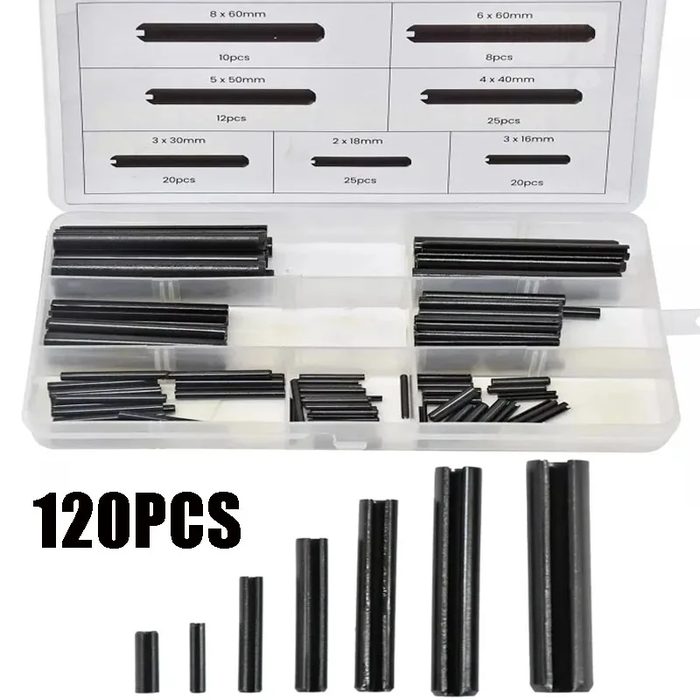
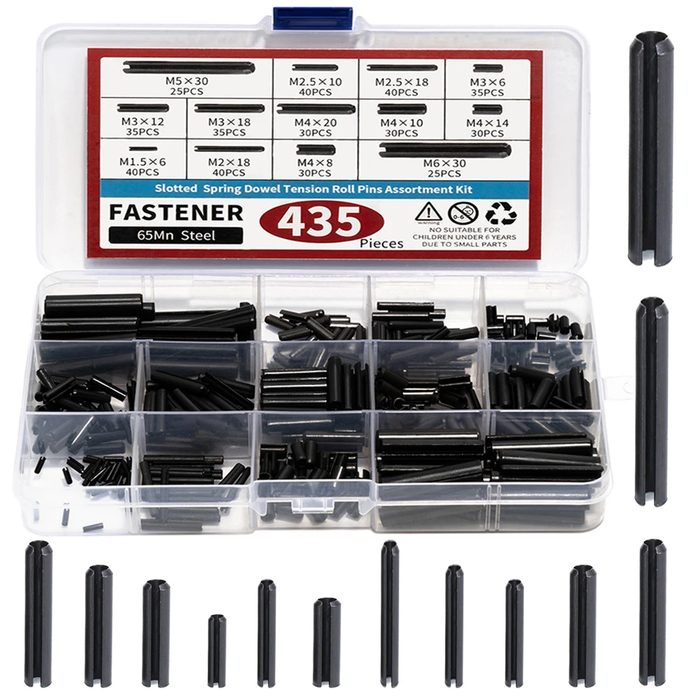
Split Spring Roll Dowel Pin
Diameter: M2, M3, M4Length: 5-60mm
-
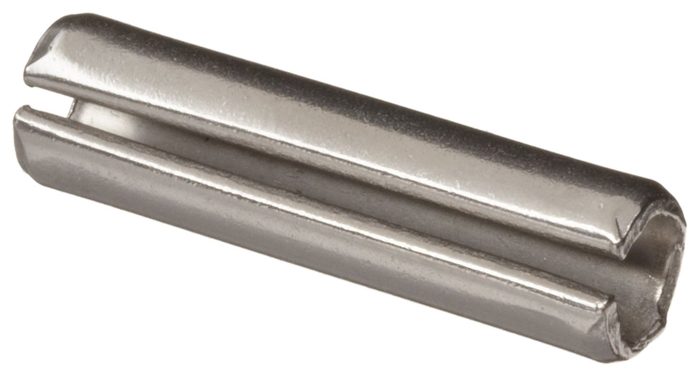
Spring Pin
Diameter: M3-M12Length: 20mm
-
Spring Pin
Diameter: M1.5, M2
-
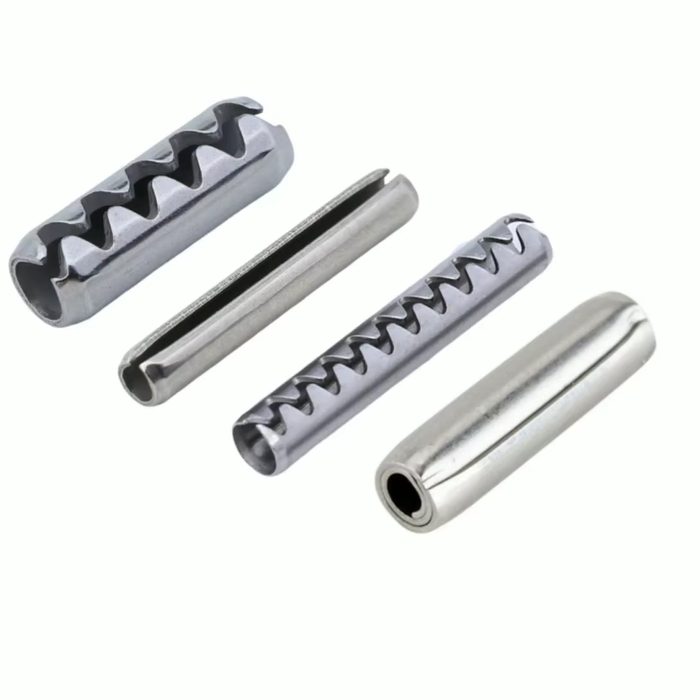
Spring Pin
Diameter: M5, M6, M8, M10, M12
About pins
Pins are unthreaded fasteners used to align, join, or secure components in an assembly. This category encompasses a variety of pin types, each designed for specific applications and load conditions. Dowel pins, precision-ground cylindrical fasteners, are primarily used for alignment and to prevent relative motion between parts, often specified by diameter tolerance (e.g., h6, m6) and length. Cotter pins, or split pins, are used to secure other fasteners like castellated nuts or clevis pins, preventing them from backing out; they are selected by diameter and effective length. Clevis pins are unthreaded, headed fasteners with a through-hole at the opposite end for a cotter pin, used to connect yoked or hinged components, specified by diameter, grip length, and head style. Roll pins (or spring pins) are hollow, slotted, or coiled cylindrical pins that exert radial force when inserted into a hole, providing a secure, shock-absorbing connection; they are categorized by nominal diameter, length, and material (e.g., carbon steel, stainless steel). Taper pins, with a specified taper ratio (e.g., 1:50), are used for precise positioning and light-duty fastening. Common materials across pin types include plain carbon steel, alloy steels, stainless steels (303, 304, 316), and brass, with finishes such as plain, zinc-plated, or phosphated.
How to choose
To select the correct pin, first define its primary function: alignment, shear connection, or retention. For alignment, specify dowel pin diameter and length, considering the required fit tolerance. For shear connections, determine the necessary shear strength to select the appropriate clevis or roll pin diameter and material. If the pin is for retention, as with a castellated nut, choose a cotter pin that fits the existing hole. Next, consider environmental factors; stainless steel is preferred for corrosive environments. Finally, evaluate the installation and removal requirements; roll pins offer easy installation and reusability, while taper pins provide precise, rigid positioning but require reaming to size.