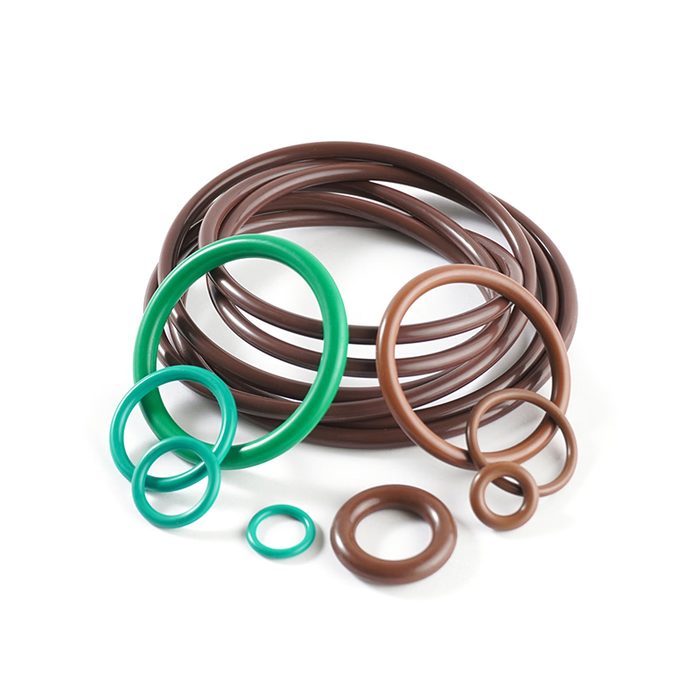
O-Rings
Buna-N, Viton, silicone and EPDM O-rings by AS568 dash number.
Also searched as: o ringsas568viton o ringbuna nnitrile o ring
-
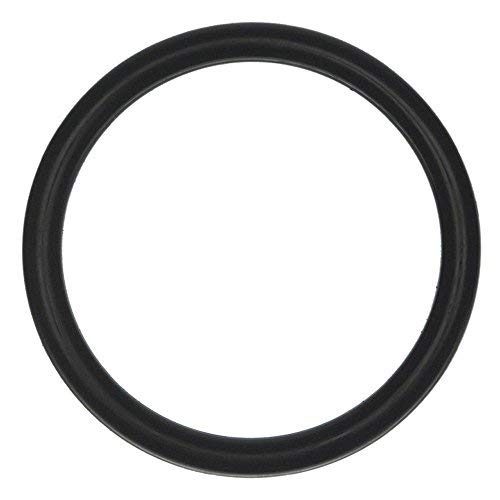
AFLAS 80 Duro Black O-Ring, AS568-112
AS568 Dash Number: 112Color: BlackCross Section: 0.103 inDurometer: 80 Shore AInside Diameter: 0.487 in
-
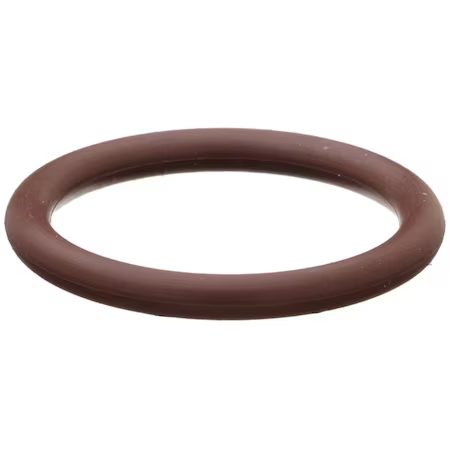
Brown 75 Durometer O-Rings, AS568
AS568 Dash Number: AS568Color: BrownDurometer: 75 Shore A
-
Buna-N O-Ring, AS568-014, 70 Durometer
AS568 Dash Number: 014Color: BlackDurometer: 70
-
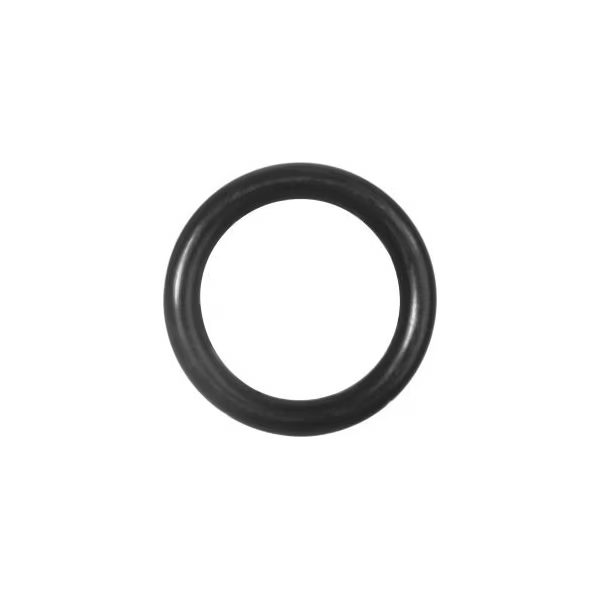
Hard Buna-N O-Ring, Dash 012
Color: BlackDash Number: 012Durometer (Hardness) Rating: HardTemperature Range: -40° to 250° F
-
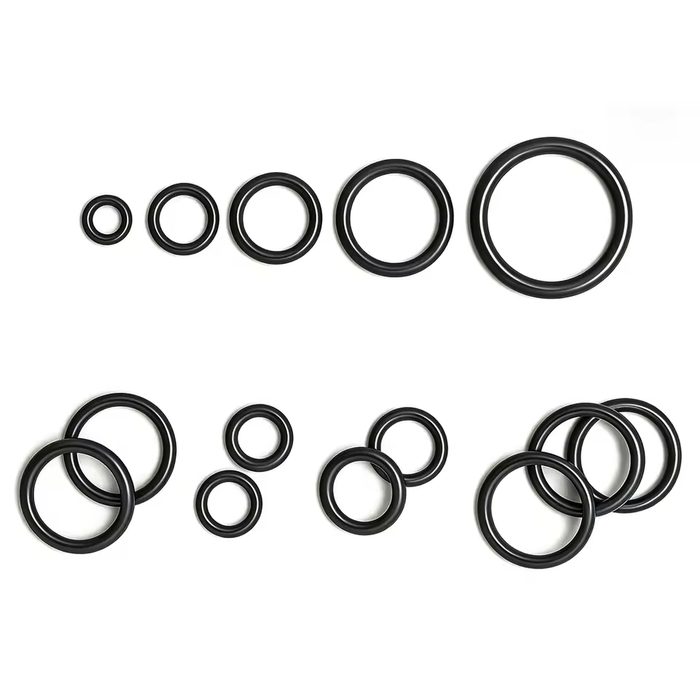
Nitrile Buna 70 Duro Black O-Ring, AS568-150
AS568 Dash Number: 158Color: BlackDurometer: 70 Shore A
-
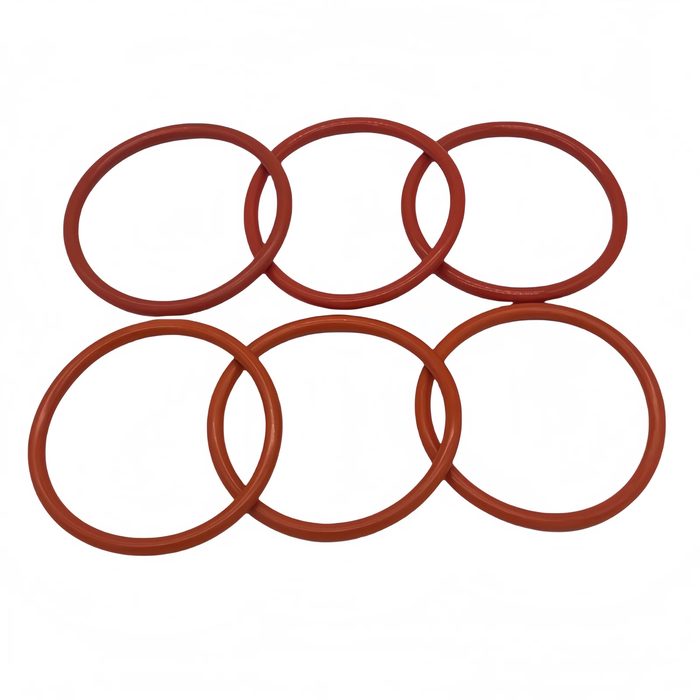
Nitrile Buna O-Ring AS568-333
AS568 Dash Number: 333Durometer: 70 Duro
-
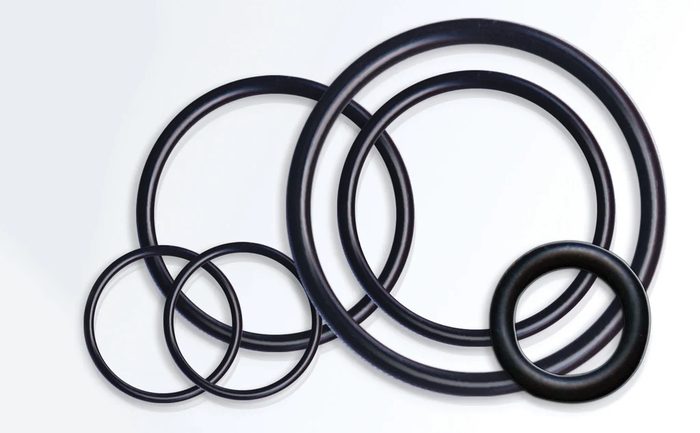
Nitrile Buna O-Ring AS568-904
AS568 Dash Number: 904Durometer: 90 Duro
-
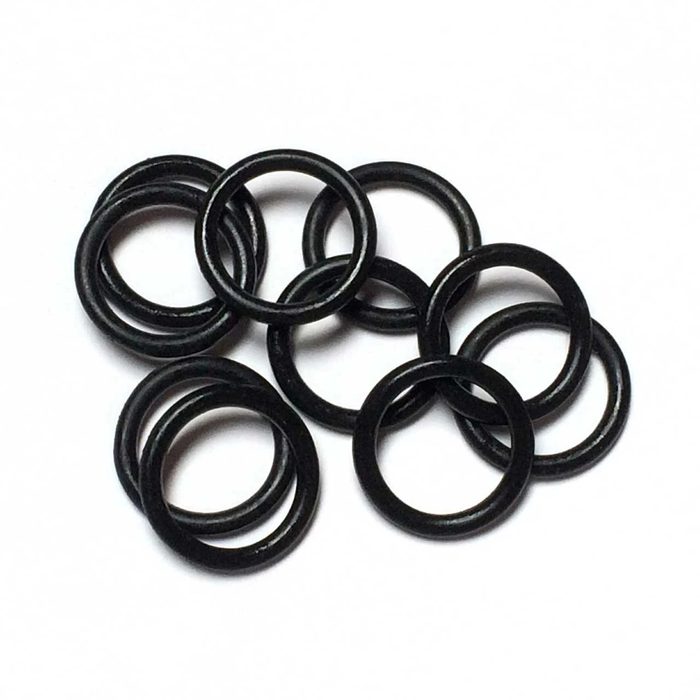
O-Ring
Cross Section: 1/4"Inner Diameter: 6-1/2"Outer Diameter: 7"
-
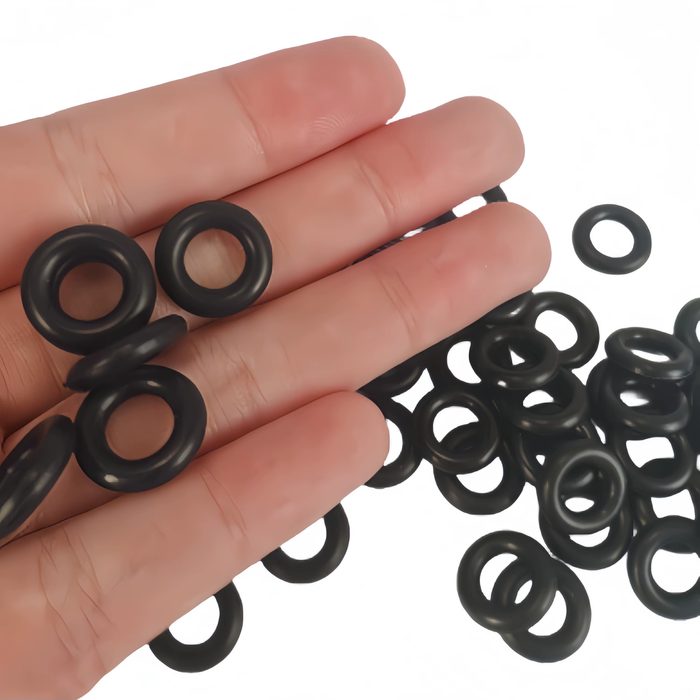
O-Ring
AS568 Dash Number: 114Color: BlackDurometer: 70 Duro
-
O-Ring
AS568 Dash Number: 004Color: BlackDurometer: 90 Duro
-
O-Ring
Color: BlackCross Section: 1.60 mmCross Section (in): 0.063 inDurometer: 90 Duro
-
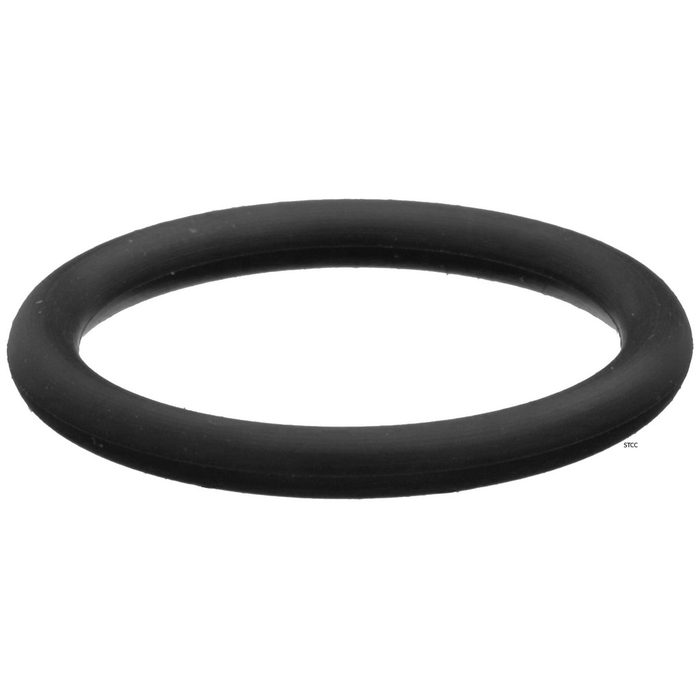
O-Ring
Durometer: 70A Shore
-
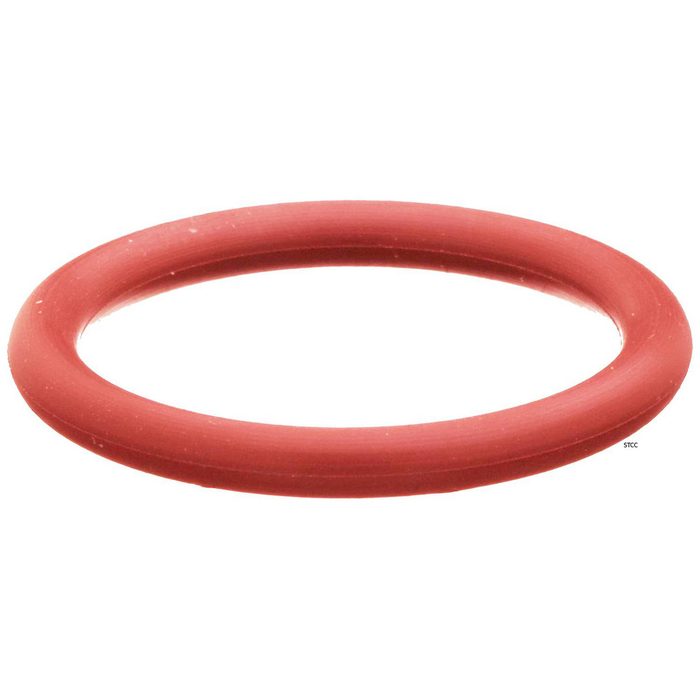
O-Ring
Durometer: 70A Shore
-
O-Ring
Durometer: 70A Shore
-
O-Ring
Color: BlackCross Section: 5.70 mmCross Section (in): 0.224 inDurometer: 90 Duro
-
O-Ring
Color: BlackCross Section: 4.75 mmCross Section (in): 0.187 inDurometer: 70 Duro
-
O-Ring
AS568 Dash Number: 021Color: BlackDurometer: 90 Duro
-
O-Ring
AS568 Dash Number: 244Color: BlackCross Section (in): 0.139 inDurometer: 90 Duro
-
-
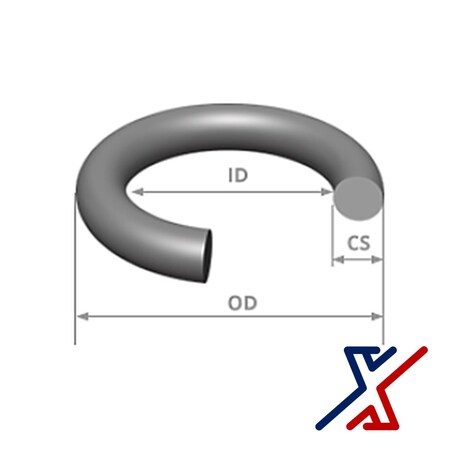
Round O-Ring, ID 200mm, WD 2mm, OD 204mm
Inside Diameter: 200 mmOutside Diameter: 204 mmWidth: 2 mm
-
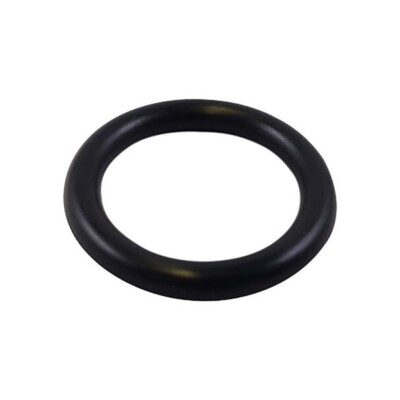
Round O-Ring, ID 3 3/4in, WD 1/4in, OD 4 1/4in
Inner Diameter: 3 3/4 inOuter Diameter: 4 1/4 inWire Diameter: 1/4 in
-
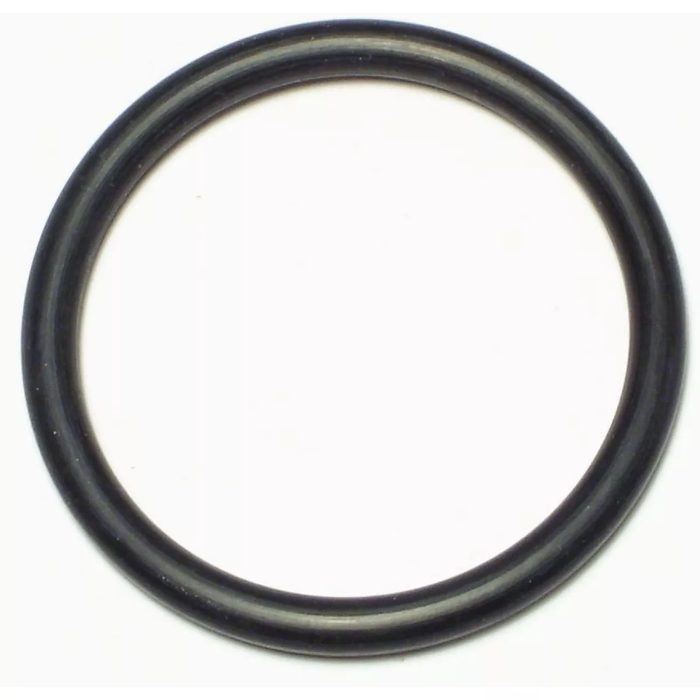
Rubber O-Ring, 2" x 2-3/16" x 3/32"
Cross Section: 3/32"Inner Diameter: 2"Outer Diameter: 2-3/16"
-
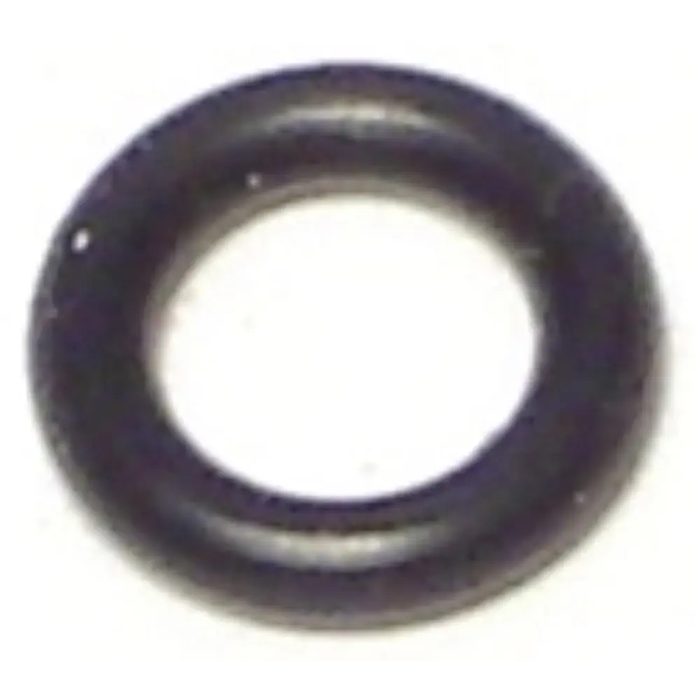
Rubber O-Ring, 3/16" x 5/16" x 1/16"
Cross Section: 1/16"Inner Diameter: 3/16"Outer Diameter: 5/16"
-
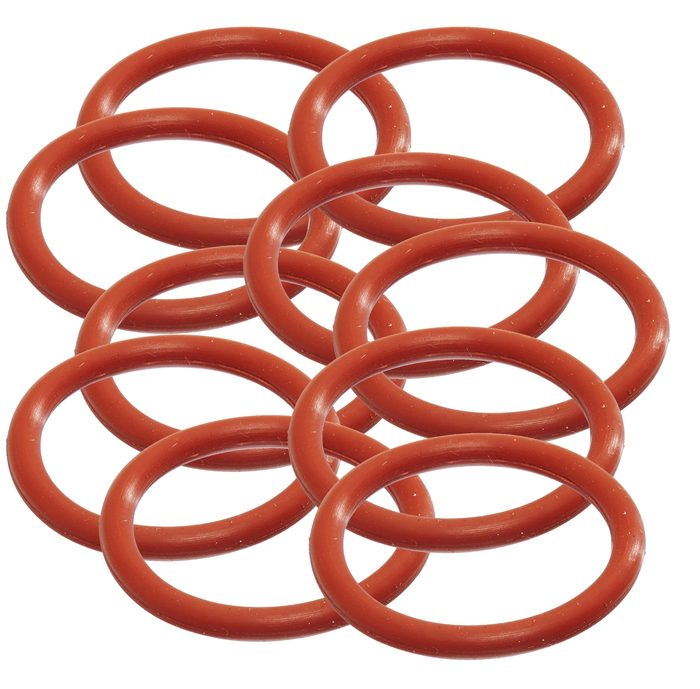
Silicone 70 Duro O-Ring, AS568-016
AS568 Dash Number: 016Durometer: 70 Shore A
-
Silicone 70 Duro O-Ring, AS568-029
AS568 Dash Number: 029Durometer: 70 Shore A
-
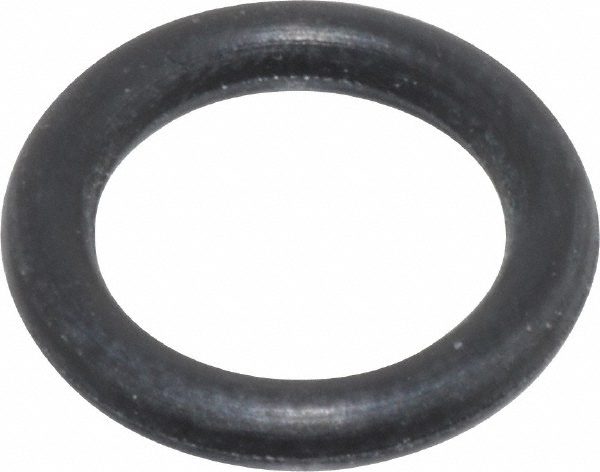
Silicone O-Ring AS568-021
AS568 Dash Number: 021Durometer: 70 Duro
-
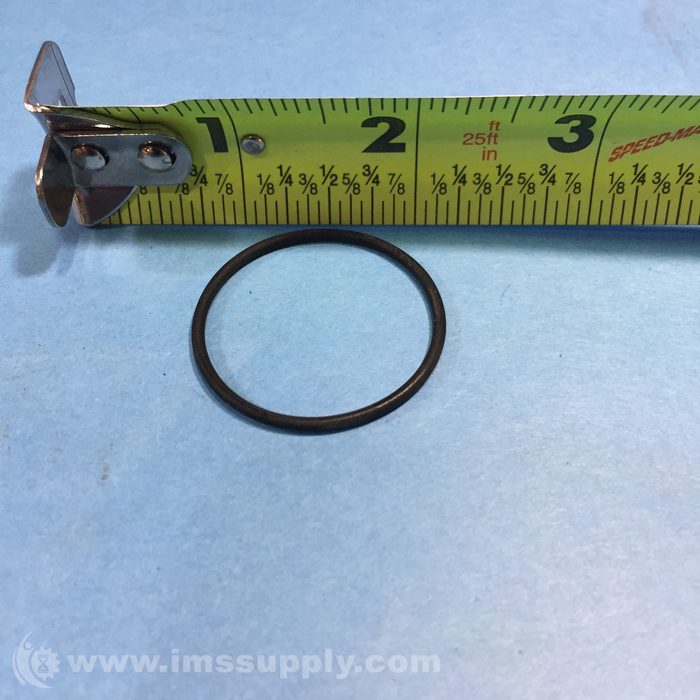
Silicone O-Ring AS568-026
AS568 Dash Number: 026Durometer: 70 Duro
About o-rings
O-rings are toroidal seals, typically circular in cross-section, designed to be seated in a groove and compressed during assembly to create a seal between two or more parts. They are critical components in static and dynamic sealing applications across various industries, preventing leakage of fluids or gases. Selection is primarily driven by the application's operating conditions, including temperature, pressure, and chemical compatibility. Standardized dimensions are defined by specifications such as AS568, which specifies inside diameter, cross-sectional diameter, and corresponding dash numbers. Common materials include Buna-N (nitrile) for general-purpose applications with good oil and solvent resistance, Viton (FKM) for high-temperature and aggressive chemical environments, silicone for extreme temperature flexibility and medical applications, and EPDM for excellent resistance to steam, hot water, and brake fluids. Material choice significantly impacts performance characteristics like durometer (hardness), tensile strength, and compression set. The correct O-ring ensures long-term sealing integrity and system reliability.
How to choose
Selecting an O-ring involves a sequential decision process. First, identify the chemical compatibility requirements based on the fluid or gas being sealed; this dictates the base polymer (e.g., Buna-N, Viton, EPDM, Silicone). Second, determine the operating temperature range to ensure the chosen material maintains its sealing properties without degradation or embrittlement. Third, consider the pressure differential across the seal; for high-pressure applications, consider backup rings or harder durometer O-rings to prevent extrusion. Fourth, specify the required dimensions, typically by AS568 dash number, which defines the inside diameter and cross-section. Finally, assess whether the application is static or dynamic, as dynamic seals require materials with lower friction and higher abrasion resistance.