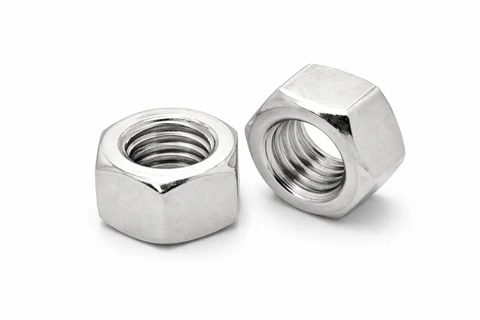
Nuts
Hex, nylon-insert, flange, wing, coupling and jam nuts.
Also searched as: hex nutslock nutsnylocflange nutswing nuts
-
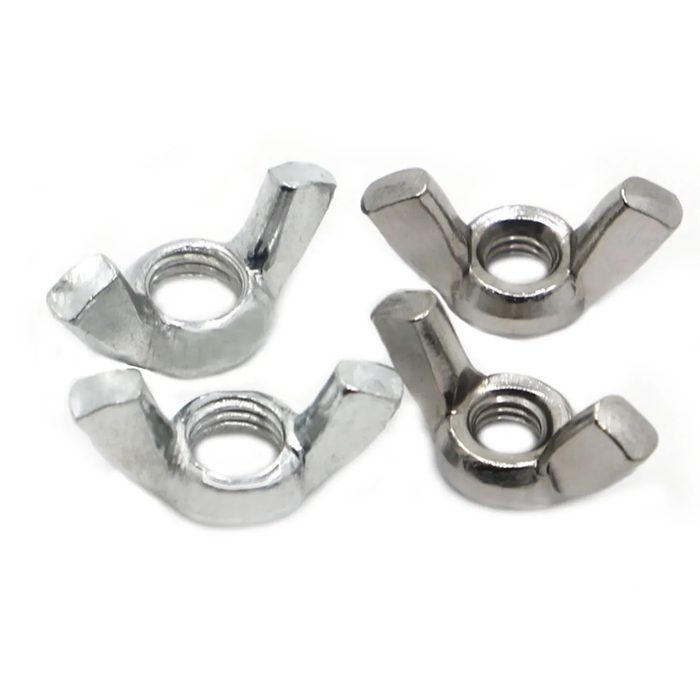
304 Stainless Steel Butterfly Wing Nuts
Thread: M3 M4 M5 M6 M8 M10 M12
-
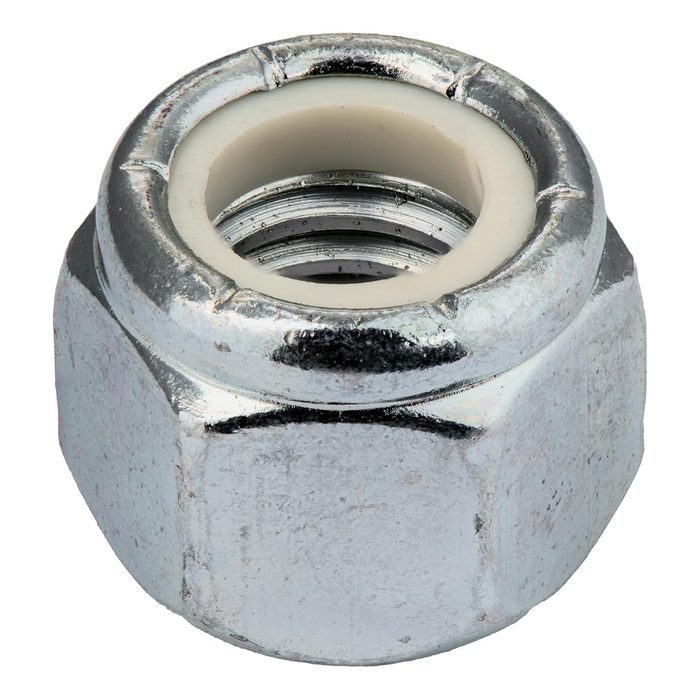
Nylon Insert Lock Nuts
Thread Size: 5/16”-18
-
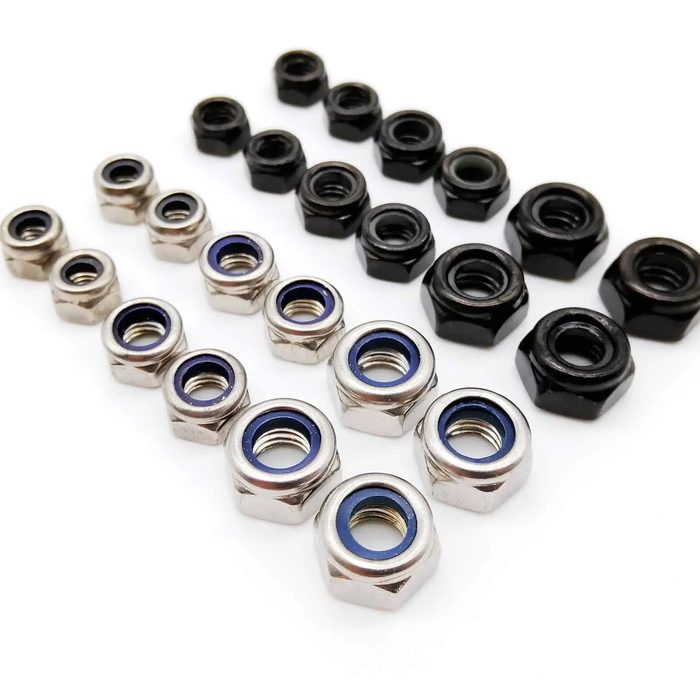
304 Stainless Steel Black Hex Nylon Insert Lock Nut
Thread Size: M2, M2.5, M3, M3.5, M4, M5, M6, M8, M10, M12, M14, M16
-
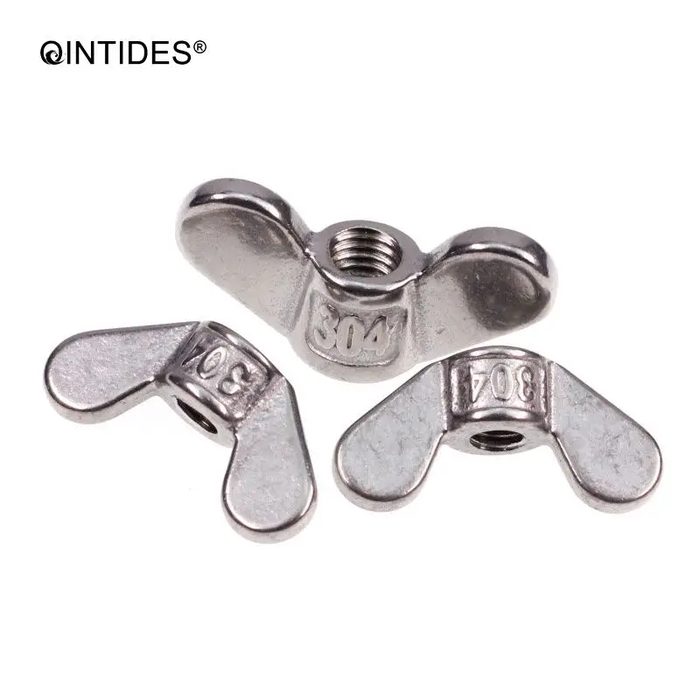
304 Stainless Steel Round Nose Round Wing Nut
Thread: M4 M5 M6 M8
-
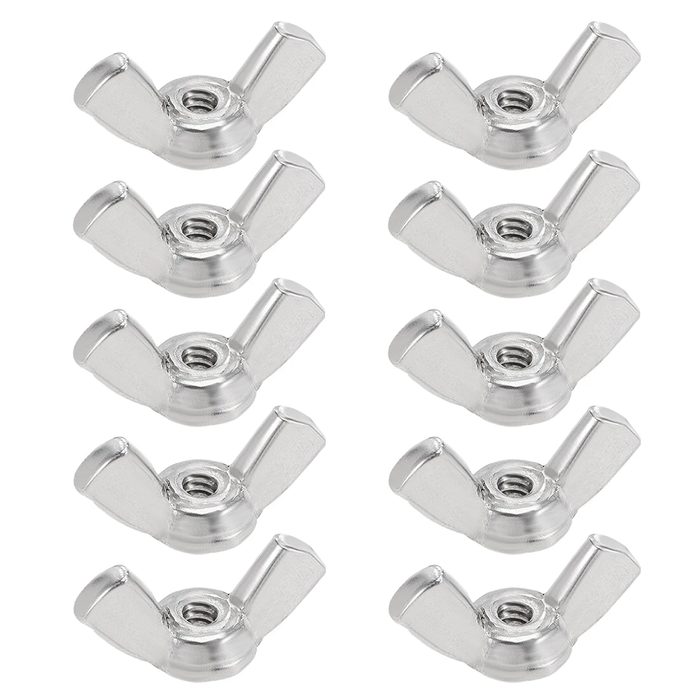
304 Stainless Steel Wing Nuts
Thread: #6-32
-
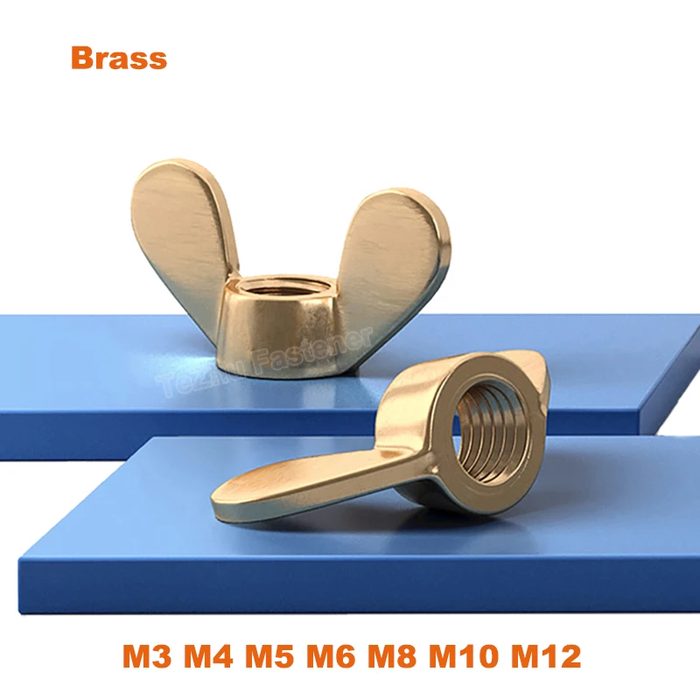
Brass Butterfly Wing Nuts
Standard: DIN315Thread: M3 M4 M5 M6 M8 M10
-
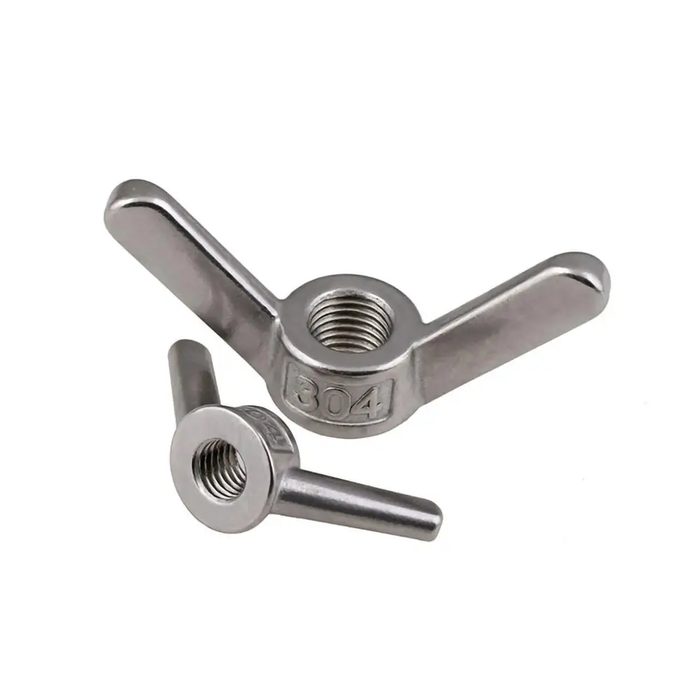
Butterfly Wing Nut
Thread: M6 M8 M10 M12 M14 M16 M18 M20
-
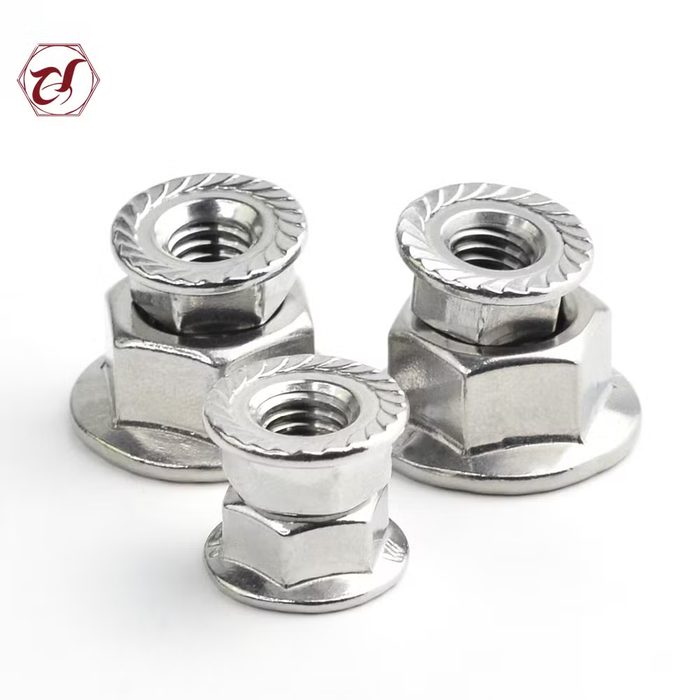
DIN6923 Hexagon Flange Nuts 304 Stainless Steel A2-70
Grade: A2-70Standard: DIN6923
-
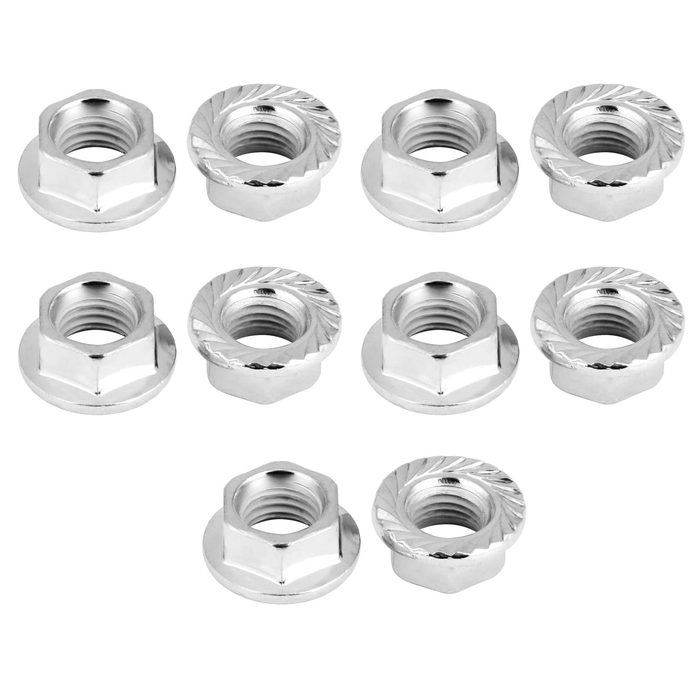
Fine Pitch Hex Hexagonal Flange Nuts
Pitch: Fine
-
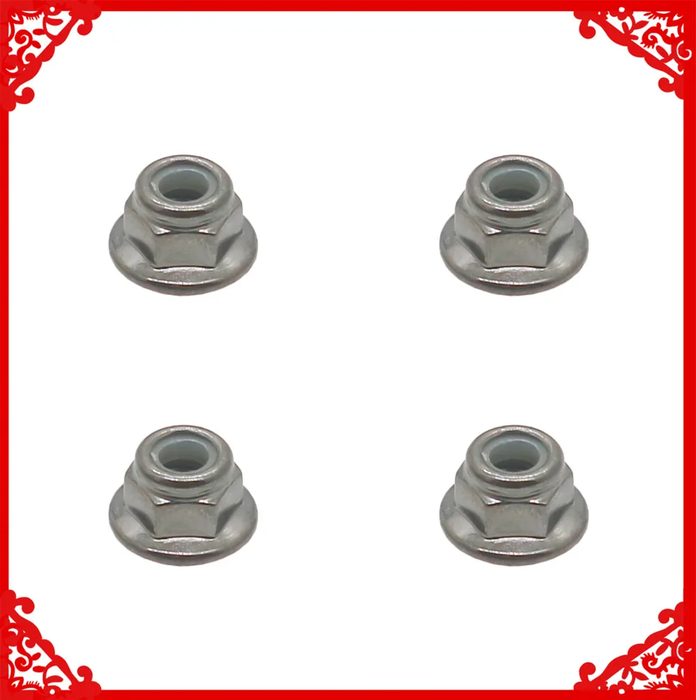
Flanged Nyloc Lock Nut M4
Thread Size: M4
-
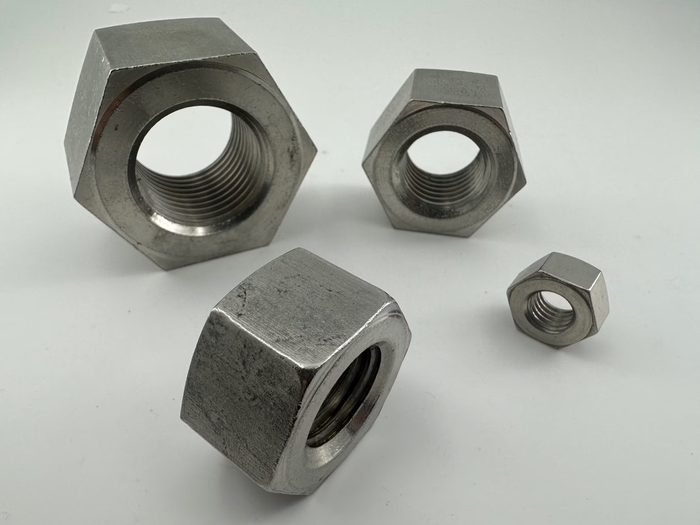
Hex Nuts
Quantity: 20 PcsThread Size: M3-M16
-
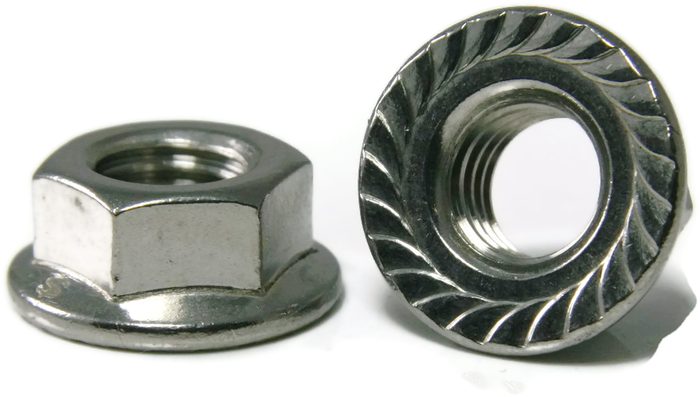
Hex Serrated Flange Nut UNC
Thread Size: 1/2"-13, 1/4"-20, 3/8"-16, 5/16"
-
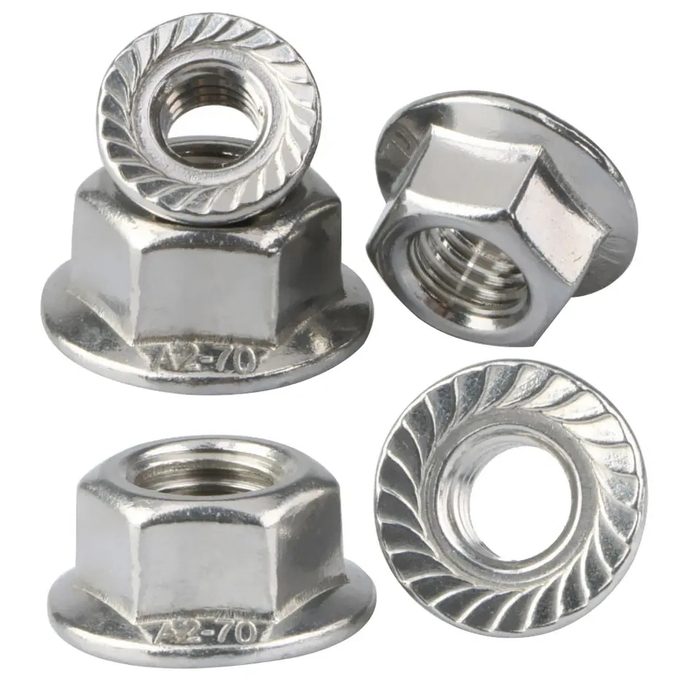
Hexagon Flange Nuts
Hole Size: 5mm, 6mm, 8mm
-
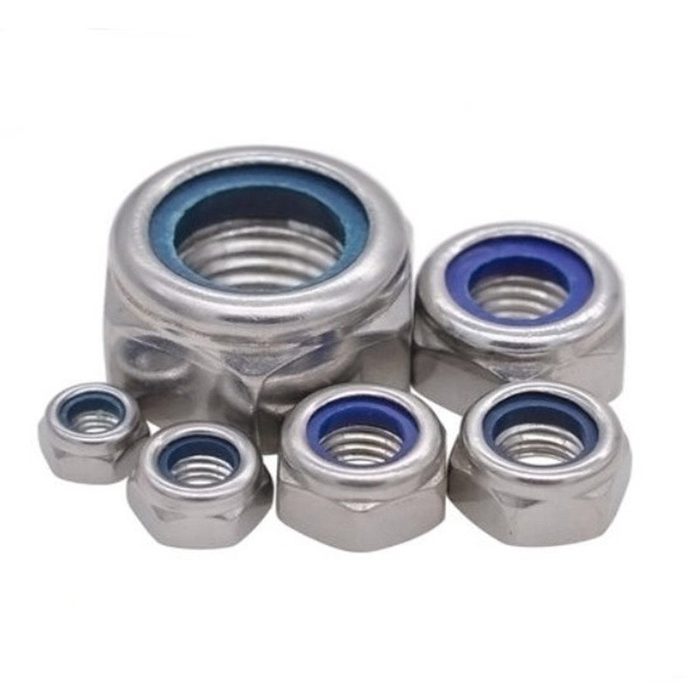
Hexagonal Nylon Lock Nut
Thread Size: M2, M2.5, M3, M4, M5, M8, M10, M12, M14, M16
-
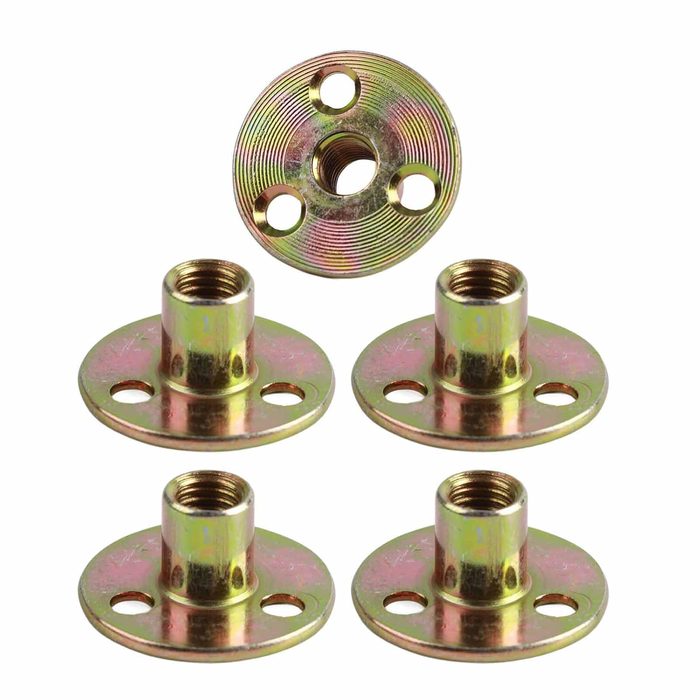
Iron Plate Nut Three-hole Flange Nuts M6 M8 M10 Coupling Thread
Thread Size: M6, M8, M10
-
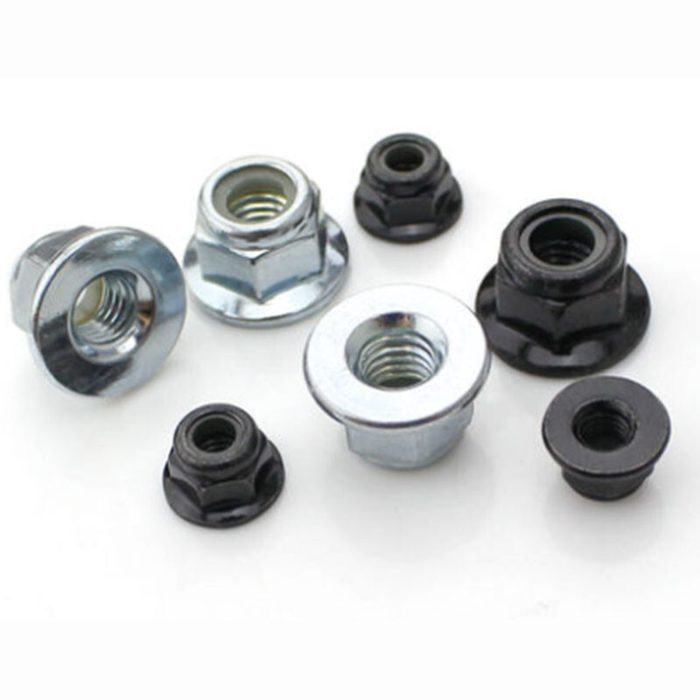
M3 M4 M5 M6 M8 Flanged Nyloc Nuts Flange Nylon Insert
Thread Size: M3, M4, M5, M6, M8
-
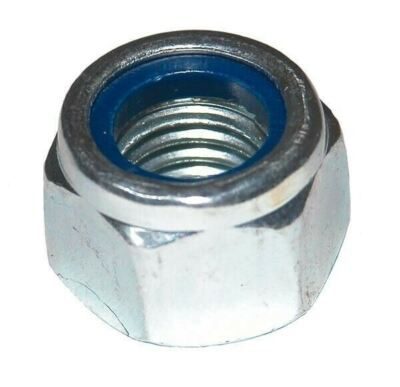
M3 M4 M5 M8 Nyloc T-type Hexagonal Lock Nuts
Thread Size: M3, M4, M5, M8Type: T-type
-
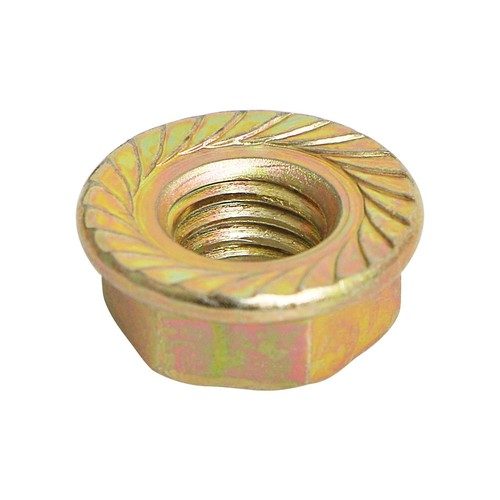
Metric Serrated Flange Hex Lock Nuts, Zinc Plated
Finish: Zinc Plated
-
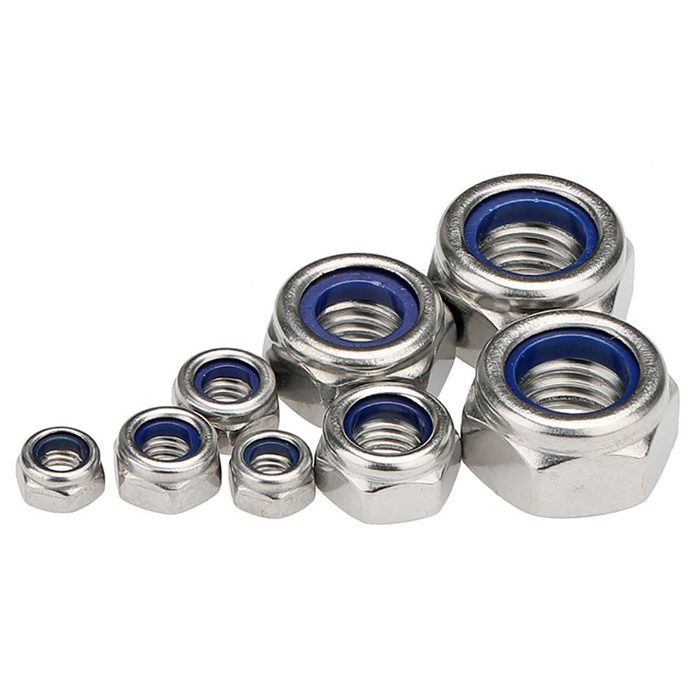
Nyloc Lock Nuts M2
Standard: DIN 985Thread Size: M2, M2.5, M3, M12
-
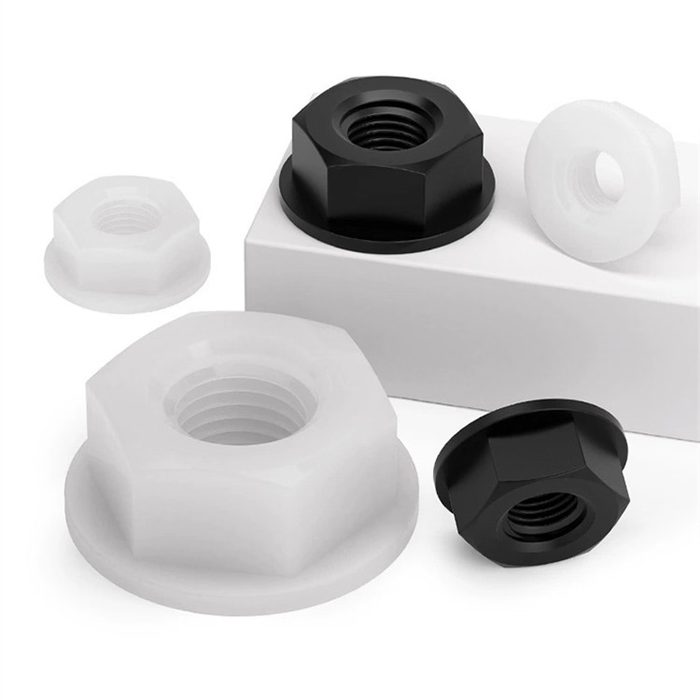
Nylon Hexagonal Flange Nuts
Thread Size: M3, M4, M5, M6, M8, M10, M12
-
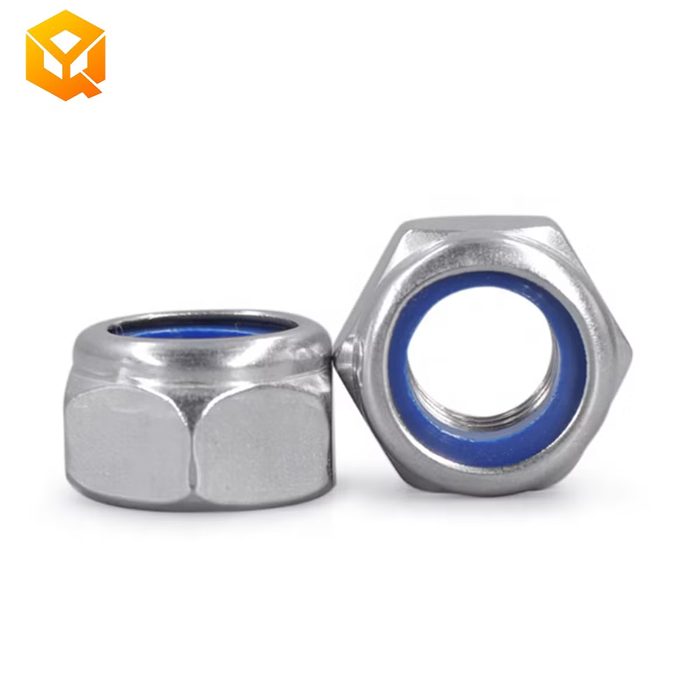
Nylon Lock Nuts
Insert Type: Nylon
-
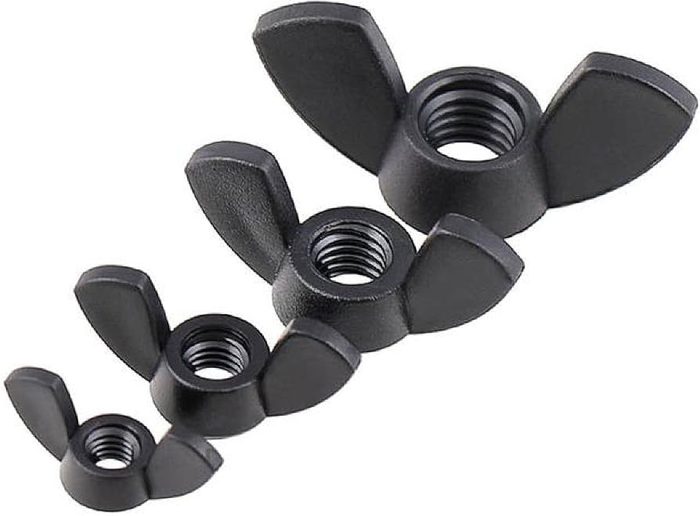
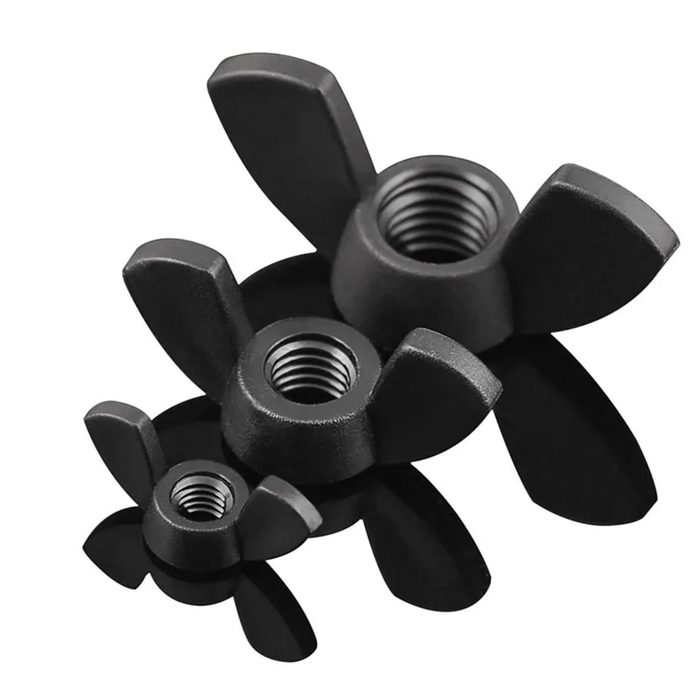
Nylon Wing Nut
Standard: DIN315Thread: M10
-
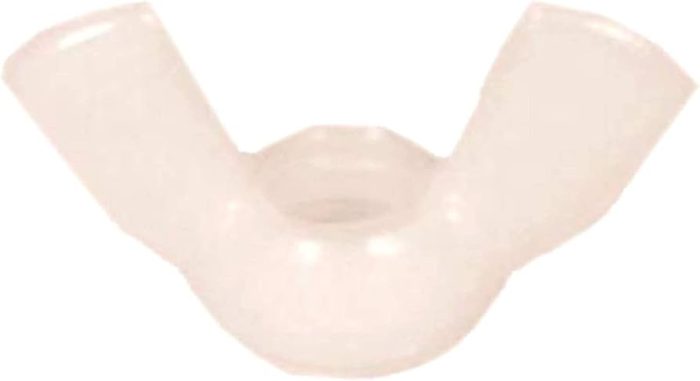
Nylon Wingnut Butterfly Nut
Thread: M3 M4 M5 M6 M8 M10 M12
-
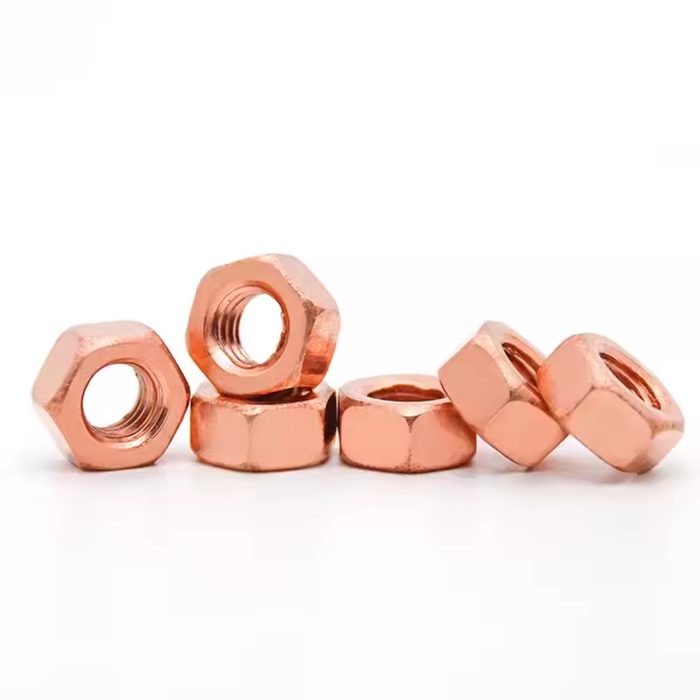
Red Copper Hex Flange Nuts M6 M8 M10 M12 M14 M16
Thread Size: M6, M8, M10, M12, M14, M16
-
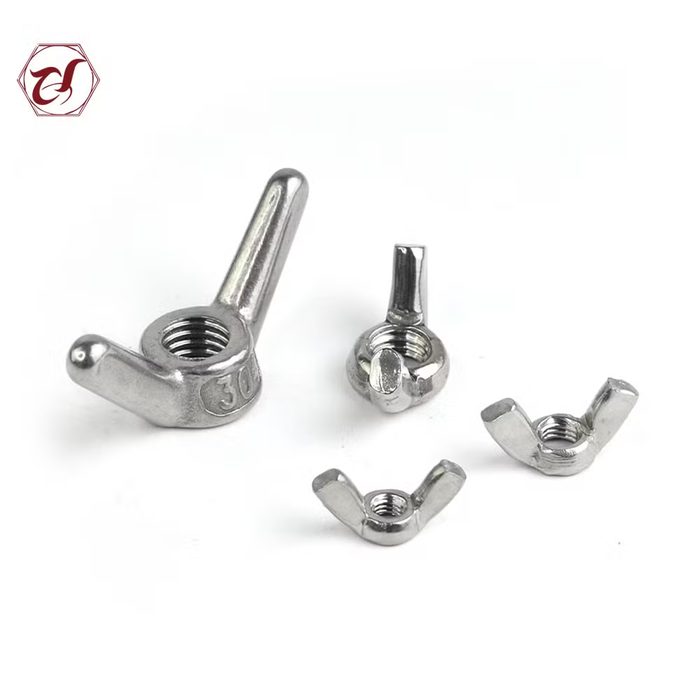
Stainless Steel Wing Nuts
Thread: M2-M10
-
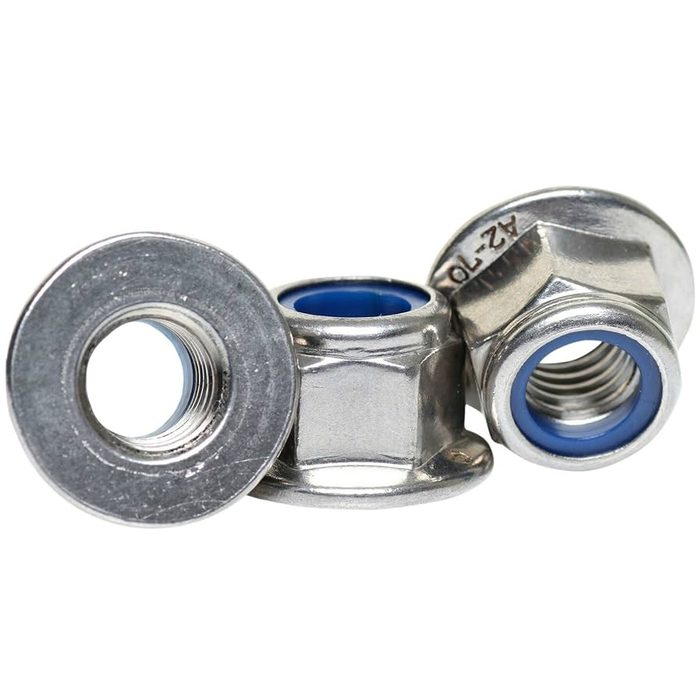
UNC A2 Stainless Steel Nyloc Nuts Nylon Insert Locking Nuts
Thread Size: 4, 6, 8, 10, 1/4, 5/16, 3/8, 1/2
-
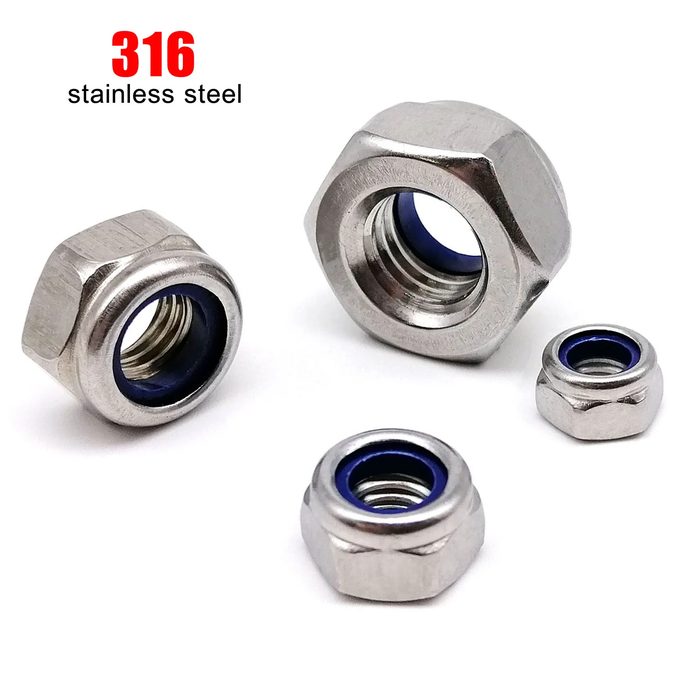
UNC Nyloc Nuts 316 Stainless Steel Nylon Insert Locking Nuts
Thread Size: 8#, 10#, 1/4, 5/16, 3/8
-
About nuts
Nuts are internally threaded fasteners designed to mate with a corresponding externally threaded fastener, typically a bolt or screw, to create a secure joint. Their primary function is to resist axial loads and prevent loosening. Common types include hex nuts, which are general-purpose and available in various grades (e.g., ASTM A563, ISO 4032), and nylon-insert (nyloc) nuts, which incorporate a polymer insert to provide prevailing torque and enhanced vibration resistance. Flange nuts integrate a washer-like base to distribute load over a larger area, reducing the need for a separate washer and improving joint integrity. Wing nuts feature ‘wings’ for manual tightening without tools, ideal for applications requiring frequent assembly and disassembly. Coupling nuts are elongated for joining two externally threaded components, while jam nuts are thinner and often used as a locking mechanism against another nut. Selection criteria include nominal diameter, thread pitch (e.g., UNC, UNF, metric fine/coarse), thread class (e.g., 2B, 6H), and material properties such as tensile strength, proof load, and corrosion resistance. Common materials include carbon steel (plain, zinc-plated, hot-dip galvanized), stainless steel (304, 316), brass, and nylon.
How to choose
When selecting a nut, first determine the mating fastener's thread specifications: nominal diameter and thread pitch (e.g., M8x1.25, 1/4-20 UNC). Next, consider the application's loading conditions and environment. Does it require vibration resistance? If so, a nylon-insert or all-metal prevailing torque nut is appropriate, balancing reusability with locking performance. Is load distribution critical or is a larger bearing surface needed? A flange nut simplifies assembly and reduces localized stress. For frequent manual adjustments, a wing nut is ideal. Finally, specify the material and finish based on strength requirements, corrosion resistance, and temperature exposure, ensuring compatibility with the bolt and the operating environment. For example, stainless steel for corrosive environments or a specific strength grade for high-stress applications.